Smile Specialists: Your Guide to Expert Dental Care
Discover what smile specialists do, how they differ from general dentists, and when to seek specialized care for cosmetic and complex dental needs.
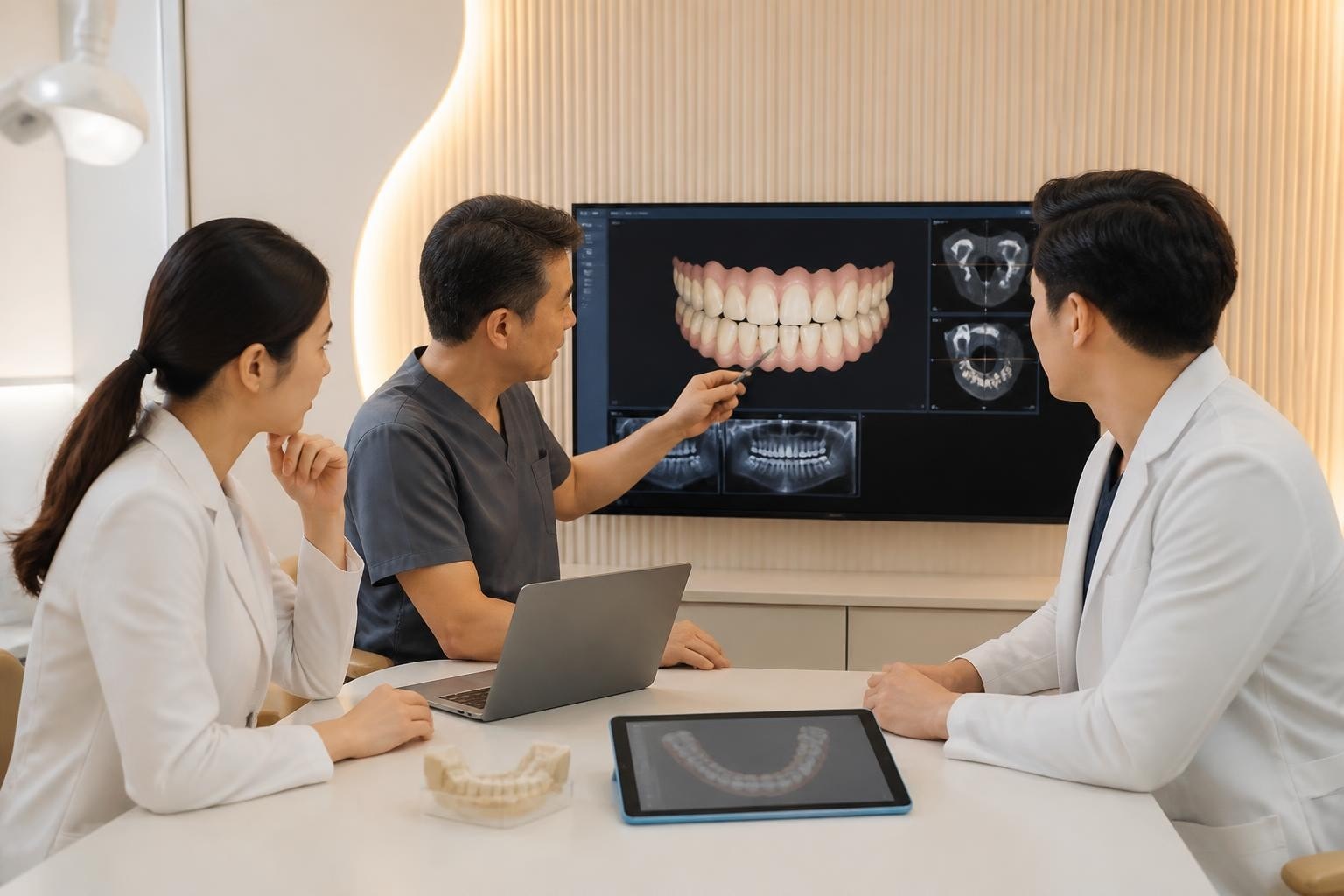
Your smile is one of your most valuable assets, influencing how you present yourself to the world and how you feel about yourself. When dental concerns extend beyond routine cleanings and simple fillings, many patients wonder whether they need care from smile specialists. These dental professionals bring advanced training, specialized expertise, and focused experience to complex aesthetic and functional dental challenges. Understanding what smile specialists do, how they differ from general dentists, and when their expertise becomes essential can help you make informed decisions about your oral health and aesthetic goals.
What Are Smile Specialists and How Do They Differ From General Dentists
Smile specialists are dental professionals who have completed additional training and education beyond dental school to focus on specific aspects of oral health, function, and aesthetics. While general dentists provide comprehensive care for most dental needs, smile specialists concentrate their practice on particular treatment areas where complexity, precision, or aesthetic demands require deeper expertise.
Advanced Training and Credentials
Most smile specialists complete residency programs ranging from two to six years after dental school. These programs provide intensive clinical experience, research opportunities, and advanced theoretical knowledge in their chosen specialty. The American Academy of Cosmetic Dentistry has established protocols and accreditation standards that recognize dentists who demonstrate exceptional skill in aesthetic dentistry through rigorous examination and case presentation.
Key specialty areas relevant to smile care include:
- Prosthodontists: specialists in tooth replacement, crowns, veneers, bridges, and complex restorative work
- Orthodontists: experts in tooth movement, bite correction, and alignment using braces or aligners
- Periodontists: specialists in gum health, gum surgery, and the supporting structures of teeth
- Oral and maxillofacial surgeons: specialists in surgical procedures including dental implants and jaw surgery
- Cosmetic dentists with advanced training in aesthetic procedures and smile design
Focused Expertise vs. Comprehensive Care
General dentists serve as the foundation of dental health, managing preventive care, diagnosing problems, treating common conditions, and coordinating specialist referrals when needed. Smile specialists, by contrast, dedicate their practice to mastering specific procedures and treatment philosophies.
This focused approach means smile specialists typically see hundreds or thousands of cases similar to yours, developing refined techniques and clinical judgment that comes only from repetition and dedicated study. At CuraSmile PH, the integration of specialized expertise with comprehensive care allows patients to access advanced treatments within a practice that understands their complete dental health picture.
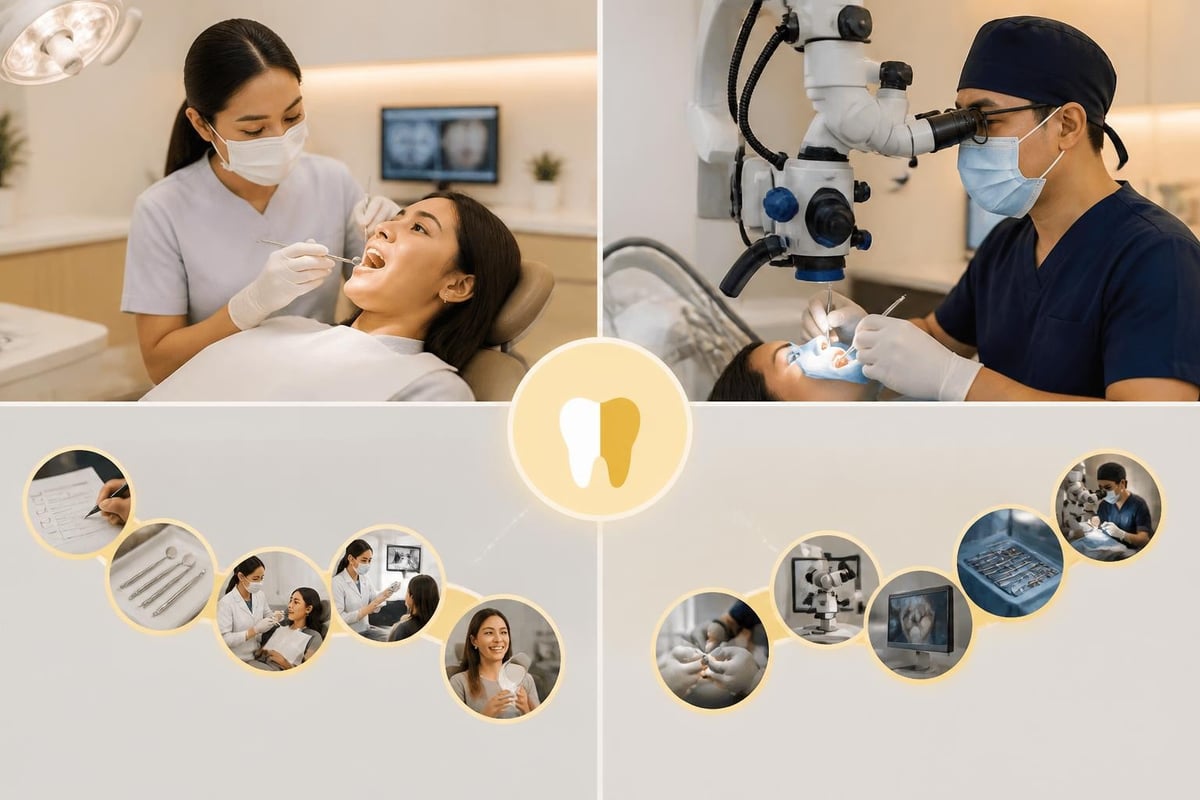
When to Consider Care From Smile Specialists
Not every dental concern requires specialist intervention. Understanding when to seek specialized care helps you access the right expertise at the right time while avoiding unnecessary complexity or expense.
Complex Aesthetic Goals
If you're considering significant changes to your smile's appearance, smile specialists bring valuable expertise to the planning and execution phases. Cosmetic teeth treatment often involves multiple procedures working together to create harmonious results.
Situations that often benefit from specialist involvement:
- Multiple teeth requiring aesthetic improvement simultaneously
- Significant color, shape, or size discrepancies between teeth
- Combination treatments involving veneers, crowns, whitening, and orthodontics
- Replacement of visible anterior teeth requiring natural appearance
- Smile design for professional or personal milestone events
Research comparing how laypeople, general dentists, and specialists perceive smile esthetics shows that trained aesthetic specialists develop refined judgment about proportions, symmetry, and visual balance that directly translates to superior outcomes.
Orthodontic and Alignment Concerns
Moving teeth safely and predictably requires understanding biology, biomechanics, and three-dimensional spatial relationships. The American Association of Orthodontists emphasizes that while clear aligner technology has made orthodontic treatment more accessible, proper diagnosis and treatment planning remain critical to success.
Smile specialists with orthodontic training can address:
- Complex bite problems affecting function and wear patterns
- Skeletal discrepancies requiring coordinated orthodontic and surgical approaches
- Adult orthodontics where tooth movement must account for gum health and bone quality
- Treatment planning that integrates future restorative or cosmetic work
Understanding the difference between dental and orthodontics helps patients recognize when specialized orthodontic assessment adds value beyond what general dentistry provides.
Challenging Restorative Cases
Some restorative situations involve technical complexity, material science considerations, or biological challenges that benefit from specialist expertise. Prosthodontists and cosmetically trained dentists approach these cases with advanced knowledge of aesthetics, function, and long-term stability.
| Clinical Situation | Why Specialist Expertise Helps | Typical Approach |
|---|---|---|
| Extensive tooth wear from grinding | Requires understanding of vertical dimension, bite relationships, and material selection | Comprehensive rehabilitation with crowns, veneers, or combination approach |
| Multiple failing restorations | Needs systematic treatment planning and sequencing | Phased approach addressing foundational issues before final aesthetics |
| Congenitally missing or malformed teeth | Demands understanding of growth, development, and long-term replacement options | Coordinated orthodontic space management and restorative replacement |
| Previous cosmetic work requiring revision | Benefits from diagnostic skills to identify why prior treatment failed | Conservative re-treatment using lessons from previous outcome |
The Smile Design Process With Specialized Care
When you work with smile specialists, the treatment process typically follows a systematic approach that emphasizes diagnosis, planning, and predictable execution. This structured methodology distinguishes specialized care from more straightforward dental treatments.
Comprehensive Assessment and Diagnostic Records
Modern smile specialists use advanced diagnostic tools to understand your current condition and plan ideal outcomes. Digital photography, 3D imaging, bite analysis, and computerized smile design software create a complete picture of your dental and facial structures.
The assessment phase examines:
- Tooth position, shape, color, and proportions
- Gum tissue health, symmetry, and display during smiling
- Bite relationships and jaw function
- Facial features, lip position, and smile line
- Existing dental work and oral health status
- Patient goals, concerns, and expectations
This thorough evaluation ensures treatment planning addresses not just isolated teeth but the complete aesthetic and functional system. Harvard Health's guidance on dental health for adults emphasizes that successful cosmetic outcomes depend on maintaining underlying oral health.
Digital Treatment Planning and Visualization
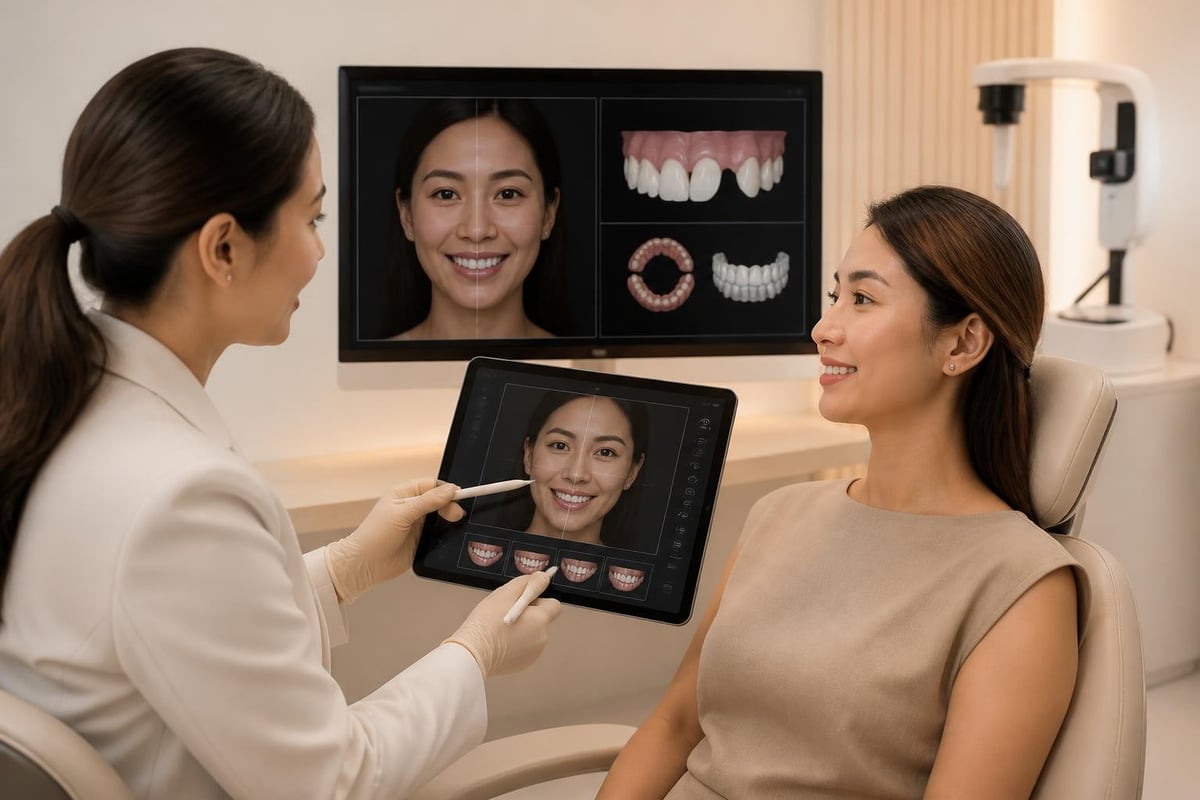
One advantage of working with smile specialists is access to digital planning tools that allow you to preview potential outcomes before treatment begins. Digital smile design software superimposes proposed changes onto photographs of your face, helping you understand how different treatment options would look.
Benefits of digital planning include:
- Visual communication that goes beyond verbal descriptions
- Ability to compare multiple treatment approaches
- Opportunity to provide feedback before irreversible procedures
- Creation of physical or digital mock-ups for testing
- Precise blueprints for laboratory technicians fabricating restorations
When considering porcelain veneers versus teeth whitening, digital visualization helps you see the realistic outcomes of each approach based on your specific dental anatomy.
Multidisciplinary Collaboration
Complex smile transformations often require expertise from multiple specialty areas. Progressive dental practices facilitate collaboration between specialists to ensure coordinated care that addresses all aspects of your case.
A comprehensive smile makeover might involve:
- Periodontal evaluation to ensure gum health supports aesthetic work
- Orthodontic consultation to optimize tooth positions before restorative treatment
- Endodontic assessment if teeth require root canal therapy before crowns
- Surgical planning for implant placement or bone grafting
- Cosmetic execution including veneers, crowns, or bonding
At practices offering comprehensive cosmetic dentistry, this coordination happens seamlessly within one location, reducing the complexity patients often face when visiting multiple independent offices.
Evidence-Based Approaches to Common Smile Concerns
Smile specialists rely on scientific evidence and clinical research to guide treatment recommendations. Understanding the evidence behind common procedures helps you make informed decisions about your care.
Teeth Whitening and Bleaching
Professional tooth whitening remains one of the most requested cosmetic dental procedures. The American Dental Association's position on whitening clarifies that dentist-supervised bleaching using appropriate concentrations of peroxide compounds offers safe and effective lightening for most patients.
Cochrane's systematic review of home-based chemical bleaching found moderate-certainty evidence that professionally prescribed home whitening systems achieve noticeable color improvement, though results vary based on individual tooth characteristics.
Smile specialists approach whitening by:
- Evaluating whether staining is intrinsic or extrinsic
- Assessing tooth sensitivity history and risk factors
- Recommending appropriate concentration and delivery method
- Setting realistic expectations based on starting shade
- Coordinating whitening with other planned cosmetic work
The pros and cons of teeth whitening become clearer when discussed with specialists who understand your complete aesthetic goals and can position whitening as one component of comprehensive smile enhancement.
Veneers and Aesthetic Restorations
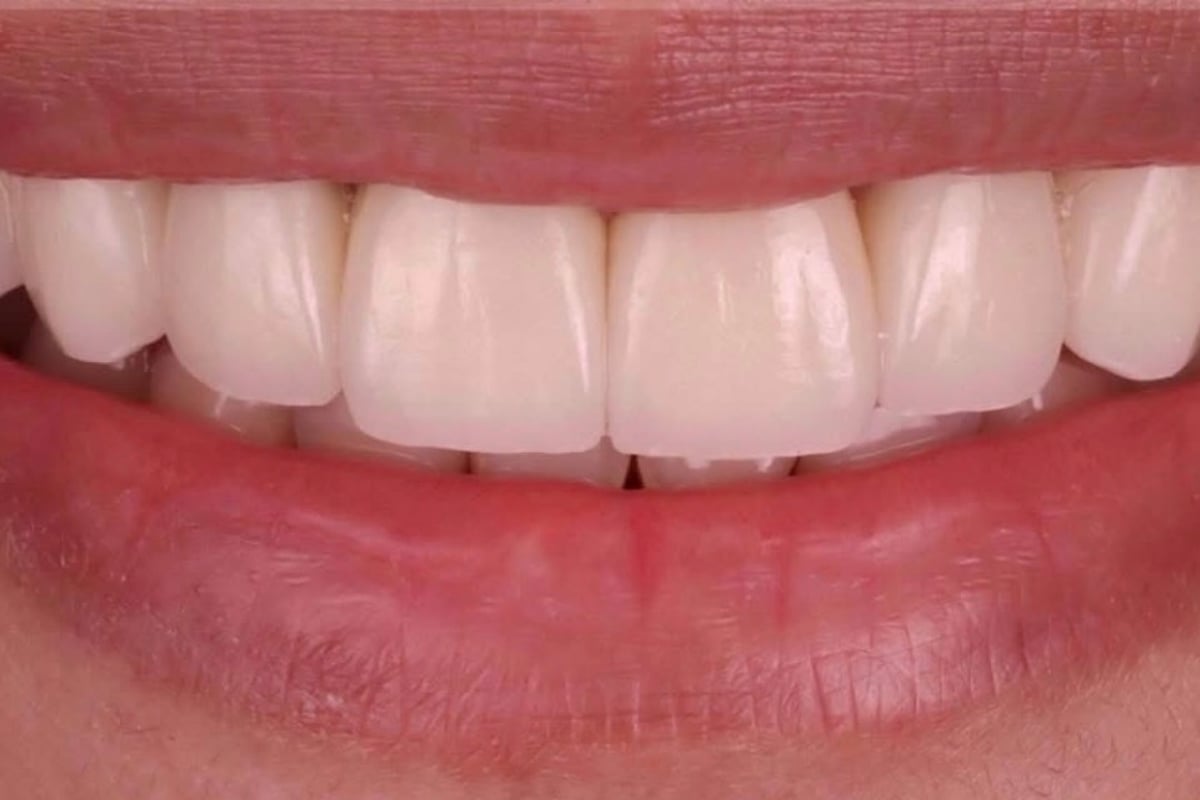
Porcelain veneers have become synonymous with smile transformation, but evidence-based practice requires understanding both their capabilities and limitations. A systematic review of resin composite laminate veneers found favorable long-term survival rates when proper case selection, preparation, and bonding protocols are followed.
Smile specialists trained in advanced cosmetic techniques understand when veneers represent the ideal solution and when alternative approaches might serve patients better. The pros and cons of porcelain veneers become evident through careful case analysis considering factors like existing tooth structure, bite relationships, and patient expectations.
When aesthetics, durability, and natural tooth preservation all matter, Porcelain Veneers & Dental Crowns delivered through careful digital planning and precise execution offer transformative results that look natural and function properly for years.
Orthodontic Alignment and Clear Aligners
Adult orthodontics has experienced tremendous growth as clear aligner technology has made tooth movement more aesthetic and convenient. However, smile specialists recognize that not all alignment cases are equally simple.
Factors specialists consider in orthodontic planning:
| Factor | Impact on Treatment | Specialist Consideration |
|---|---|---|
| Severity of crowding or spacing | Affects treatment duration and mechanics | May require extraction or expansion approaches |
| Bite relationship | Determines whether tooth position changes alone suffice | Complex bites may need auxiliary appliances or surgery |
| Gum and bone health | Influences safe limits of tooth movement | Requires periodontal assessment before and during treatment |
| Patient compliance | Critical for removable aligner success | Specialists provide realistic expectations and monitoring |
| Aesthetic goals | Determines finishing details and refinements | Integration with future cosmetic work planned from start |
Questions about how long clear aligners take or whether treatment hurts receive more accurate answers from smile specialists who base responses on extensive case experience rather than general estimates.
Safety, Ethics, and Regulatory Considerations
The rise of social media smile transformations and direct-to-consumer dental products has created confusion about proper scope of practice and safety standards. Smile specialists operate within clear ethical and legal frameworks designed to protect patients.
The Importance of Proper Licensure and Training
Recent cases of unlicensed individuals performing dental procedures have highlighted serious risks. An ADA News report about unlicensed veneer technicians facing criminal charges underscores the dangers when cosmetic dental procedures occur outside proper clinical settings by untrained individuals.
Legitimate smile specialists provide:
- Verified dental licensure and specialty credentials
- Malpractice insurance and accountability mechanisms
- Sterile clinical environments meeting health standards
- Emergency response capabilities if complications arise
- Long-term follow-up and warranty on dental work
Patients considering smile enhancement should verify credentials and ensure their provider operates within legal and ethical boundaries established by dental regulatory bodies.
Setting Realistic Expectations
Ethical smile specialists distinguish themselves through honest communication about what treatments can and cannot achieve. While digital technology enables remarkable transformations, biological limits, existing dental conditions, and individual anatomy all influence outcomes.
Specialists should discuss:
- Realistic timeline from initial consultation to completion
- Number of appointments and time commitment required
- Potential discomfort or adjustment period
- Maintenance requirements and long-term care
- Financial investment and payment options
- Alternative approaches if first-choice treatment isn't suitable
The cosmetic dentistry approach that prioritizes patient education and informed consent builds trust and leads to higher satisfaction with results.
Maintaining Results and Long-Term Care
Investment in specialized smile care deserves protection through appropriate maintenance and ongoing professional support. Smile specialists provide guidance on preserving aesthetic and functional outcomes for years.
Professional Maintenance Protocols
Different types of dental work require specific maintenance approaches:
- Porcelain veneers and crowns: Professional cleanings every six months, avoidance of excessive force, nightguard if grinding occurs
- Orthodontic retention: Permanent or removable retainers to prevent relapse, periodic monitoring
- Whitening maintenance: Periodic touch-up treatments, avoiding staining substances
- Implant restorations: Specialized cleaning techniques, regular radiographic monitoring
- Gum contouring results: Excellent oral hygiene to prevent gum tissue changes
Professional teeth cleaning takes on added importance when maintaining cosmetic dental work, as specialized techniques prevent damage to aesthetic restorations while keeping surrounding natural teeth and gums healthy.
Home Care Recommendations
Smile specialists provide detailed home care instructions tailored to your specific dental work:
- Appropriate toothbrush type and brushing technique
- Flossing methods that work around restorations
- Recommended oral care products compatible with dental materials
- Dietary considerations to prevent staining or damage
- Recognition of warning signs requiring professional attention
When to Return for Professional Assessment
Even successful smile transformations require periodic professional evaluation. Specialists recommend scheduled assessments to:
- Verify restorations remain intact and properly bonded
- Check gum tissue health around cosmetic work
- Assess bite relationships and tooth wear patterns
- Update photographs documenting long-term stability
- Address minor issues before they become major problems
Building a relationship with a practice focused on smile health ensures continuity of care and providers familiar with your dental history when questions or concerns arise.
Finding the Right Smile Specialists for Your Needs
Selecting smile specialists involves evaluating credentials, experience, technology, and the personal rapport that makes you comfortable entrusting your smile to their care.
Questions to Ask During Consultation
Credentials and experience:
- What advanced training do you have in cosmetic or specialty dentistry?
- How many cases similar to mine have you completed?
- Can I see before-and-after photographs of your actual patients?
- Do you pursue continuing education in aesthetic dentistry?
Treatment approach:
- What diagnostic records will you take before planning treatment?
- Will I see a digital preview of proposed results?
- What alternatives exist to your recommended approach?
- How do you handle complications or unsatisfactory outcomes?
Practice considerations:
- What technology and materials do you use?
- Do you have specialists in-house or coordinate referrals?
- What warranty or follow-up care is included?
- How do you handle after-hours emergencies?
Technology and Materials Matter
Modern smile specialists invest in advanced technology that improves precision, comfort, and outcomes. Laser dentistry benefits include more conservative tissue management, reduced bleeding and swelling, and faster healing in many procedures.
Technology that enhances specialized care:
- Digital impressioning for more accurate and comfortable records
- CAD/CAM systems for same-day or highly precise restorations
- Cone beam CT imaging for three-dimensional diagnosis
- Smile design software for visualization and communication
- Microscopes and magnification for precision work
The Value of Comprehensive Practice Settings
While some smile specialists maintain independent practices focusing exclusively on their specialty, others work within comprehensive dental settings that provide broader continuity of care. This model offers advantages for patients whose smile goals intersect with general dental health needs.
Practices like CuraSmile PH in BGC combine specialized expertise with comprehensive care, allowing seamless coordination between preventive dentistry, cosmetic enhancement, functional rehabilitation, and ongoing maintenance.
Choosing to work with smile specialists represents an investment in expertise, precision, and evidence-based care that can transform both the appearance and function of your smile. Whether you're addressing long-standing aesthetic concerns, planning comprehensive smile rehabilitation, or seeking expert guidance on complex dental decisions, specialized training and focused experience make a measurable difference in outcomes. CuraSmile PH brings together advanced technology, specialized expertise, and personalized care to help patients in Bonifacio Global City achieve their smile goals through treatments grounded in clinical excellence and designed around individual needs.