Professional Teeth Cleaning: What to Expect & Benefits
Learn what happens during a professional teeth cleaning, how often you need one, and why routine cleanings are essential for oral health.
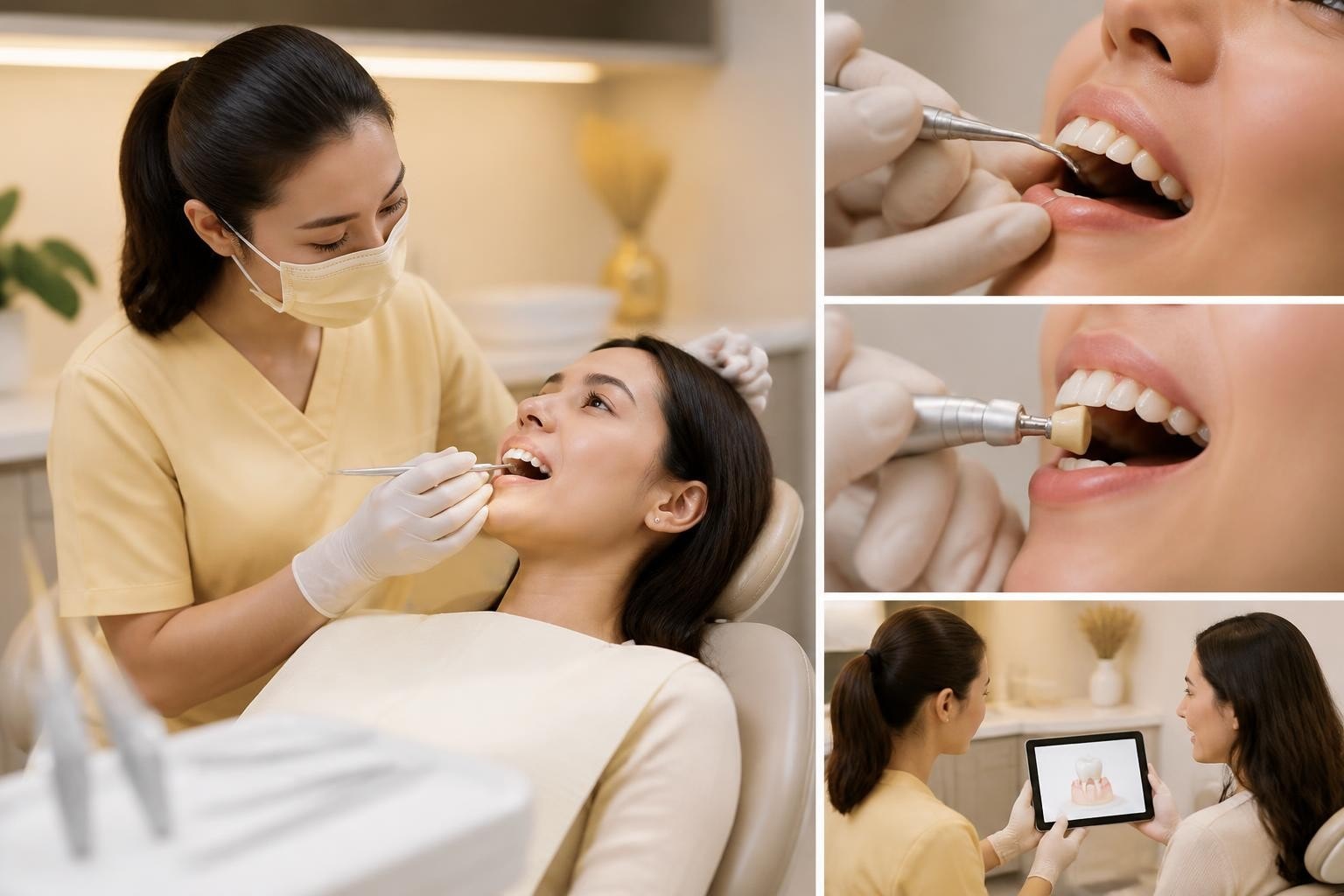
Many people wonder whether regular brushing and flossing at home are enough to maintain optimal oral health. While daily home care forms the foundation of good dental hygiene, professional teeth cleaning plays an irreplaceable role in preventing dental disease and maintaining long-term health. Understanding what happens during these appointments, why they matter, and how they complement your home routine helps you make informed decisions about your preventive care.
What Is Professional Teeth Cleaning?
Professional teeth cleaning, also known as dental prophylaxis or scaling and polishing, is a preventive dental procedure performed by a dentist or dental hygienist. This appointment goes far beyond what you can achieve with your toothbrush and floss at home.
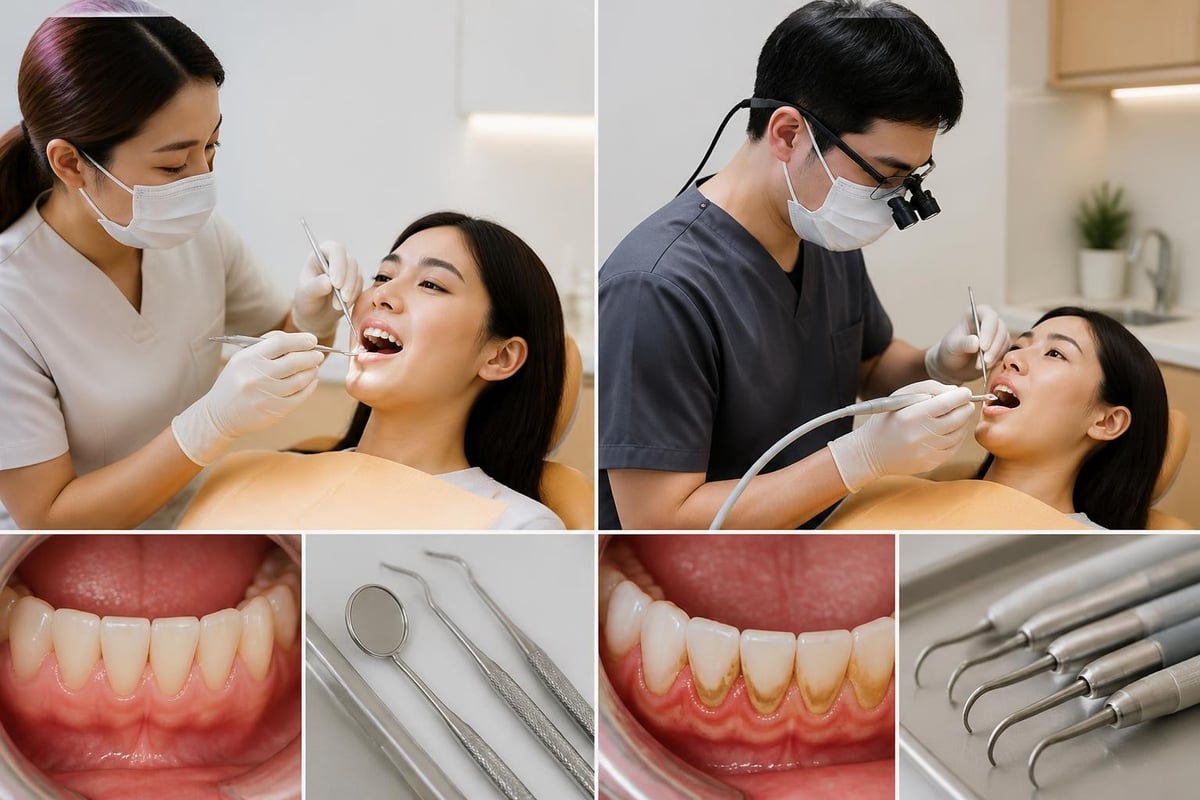
During a professional cleaning, your dental care provider removes accumulated plaque (a soft, sticky bacterial film) and tartar (hardened plaque, also called calculus) from tooth surfaces, especially in areas that are difficult to reach with home care tools. These deposits form even with excellent brushing and flossing habits because certain areas of the mouth, particularly below the gumline and between teeth, are challenging to clean thoroughly on your own.
The Science Behind Professional Cleanings
Research continues to evolve regarding the specific benefits of routine professional cleanings. According to the Cochrane systematic review on routine scale and polish, regular professional mechanical plaque removal helps maintain periodontal health, though the optimal frequency varies based on individual risk factors.
The National Institute of Dental and Craniofacial Research emphasizes that professional cleanings complement daily oral hygiene by addressing calcified deposits that cannot be removed through brushing alone. These appointments also provide an opportunity for early detection of dental problems, from cavities to gum disease to oral cancer.
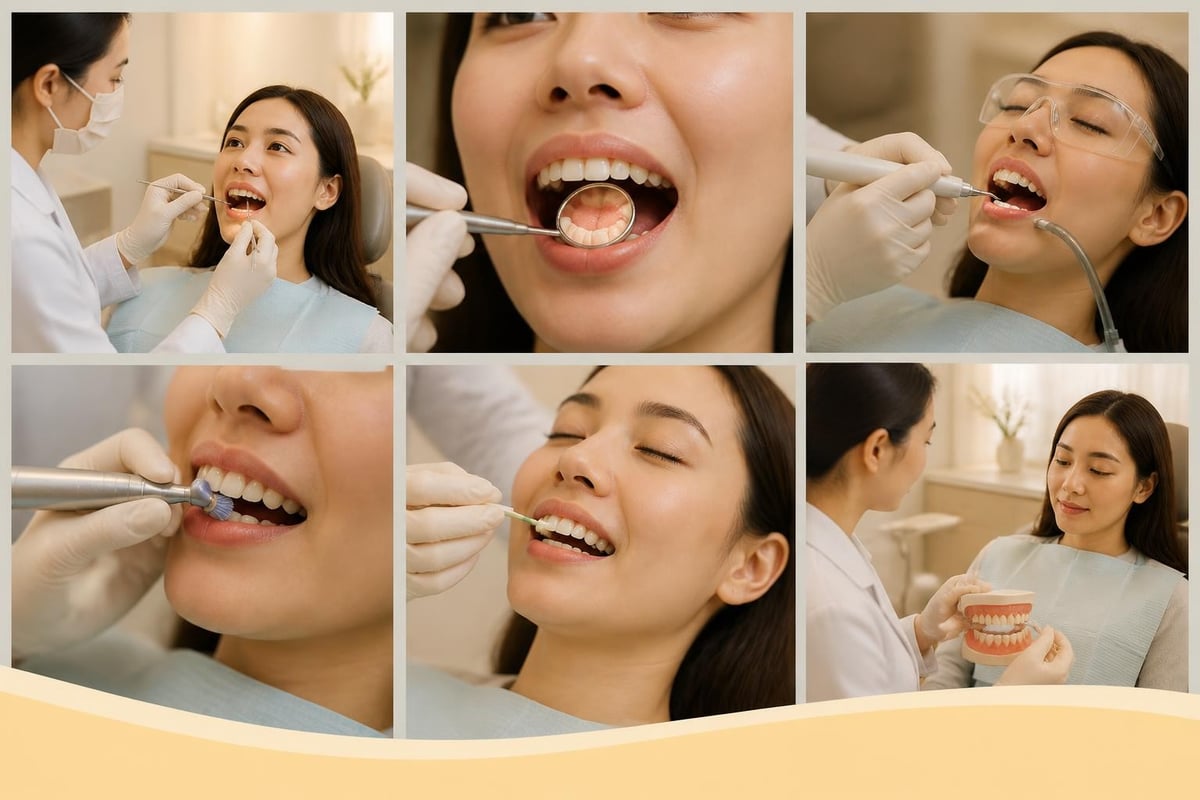
What Happens During a Professional Teeth Cleaning
Understanding the procedure helps reduce any anxiety and sets realistic expectations for your appointment. The NHS provides a helpful overview of what occurs during a routine dental visit, though specific approaches may vary.
Initial Examination and Assessment
Your appointment typically begins with a thorough examination. Your dentist or hygienist will:
- Visually inspect your teeth, gums, tongue, and oral tissues
- Check for signs of inflammation, bleeding, or gum recession
- Measure pocket depths around teeth to assess gum health
- Review any areas of concern from previous visits
- Update your medical history and current medications
This assessment phase is crucial because it determines the appropriate cleaning approach for your specific needs. Not all cleanings are the same; your provider tailors the procedure based on the current condition of your teeth and gums.
Plaque and Tartar Removal (Scaling)
The core of professional teeth cleaning involves removing accumulated deposits. Your provider will use specialized instruments:
Hand instruments (scalers and curettes): These precisely designed tools allow manual removal of deposits from tooth surfaces and slightly below the gumline. Hand scaling requires skill and training to remove calculus effectively without damaging tooth enamel or gum tissue.
Ultrasonic scalers: These powered devices use high-frequency vibrations and a water spray to break apart and flush away tartar deposits. Many patients find ultrasonic scaling more comfortable than manual scaling alone, and it can be particularly effective for heavier accumulations.
Your provider may use a combination of both techniques to achieve thorough cleaning while maximizing your comfort.
Polishing
After removing plaque and tartar, your teeth are polished using a rotating rubber cup or brush with a mildly abrasive polishing paste. This step:
- Removes surface stains from coffee, tea, wine, or tobacco
- Smooths the tooth surface, making it harder for plaque to accumulate
- Leaves teeth feeling clean and looking brighter
The polishing paste comes in various flavors and grits. Your provider selects the appropriate abrasiveness based on your tooth sensitivity and stain level.
Fluoride Application
Many professional cleanings conclude with a fluoride treatment, particularly for patients at higher risk for cavities. Professional-strength fluoride:
- Strengthens tooth enamel
- Helps remineralize early areas of decay
- Provides additional protection between appointments
Your dentist will recommend fluoride treatment based on your cavity risk, age, and overall oral health status.
Personalized Home Care Guidance
A valuable component of professional teeth cleaning is the education and guidance you receive. At CuraSmile PH's preventive care programs, providers take time to demonstrate proper brushing and flossing techniques tailored to your specific dental anatomy and any challenging areas identified during your cleaning.
How Professional Cleaning Differs from Deep Cleaning
Professional teeth cleaning (prophylaxis) differs significantly from deep cleaning (scaling and root planing). Understanding this distinction helps clarify treatment recommendations you might receive.
| Aspect | Professional Cleaning | Deep Cleaning |
|---|---|---|
| Purpose | Prevention and maintenance | Treatment of gum disease |
| Depth | Above and slightly below gumline | Deep below gumline in periodontal pockets |
| Frequency | Every 3-6 months typically | As needed for active disease |
| Anesthesia | Usually not required | Often requires local anesthesia |
| Duration | 30-60 minutes | 1-2 hours or multiple appointments |
The European Federation of Periodontology's clinical guidelines outline when deeper subgingival instrumentation becomes necessary. If you have periodontal disease, your dentist will explain why deep cleaning is recommended and how it differs from routine maintenance.
How Often Should You Get Professional Teeth Cleaning?
The traditional recommendation of cleaning every six months isn't universal. Your ideal frequency depends on several individual factors:
Risk-Based Recommendations
Every 3-4 months:
- History of periodontal disease requiring ongoing supportive therapy
- High cavity risk due to dietary factors, dry mouth, or other conditions
- Orthodontic treatment with clear aligners or braces
- Heavy tartar buildup tendency
- Systemic conditions affecting oral health (diabetes, immunosuppression)
Every 6 months:
- Good overall oral health
- Effective home care routine
- No history of significant dental disease
- Average plaque and tartar accumulation
Once yearly:
- Exceptional home care and oral health
- Very low cavity and gum disease risk
- Minimal plaque accumulation observed over time
Research from the ADA Health Policy Institute shows that dental visit frequency varies widely among adults, influenced by insurance coverage, perceived need, cost considerations, and individual risk factors.
Your dentist determines your appropriate recall interval based on clinical findings, not an arbitrary schedule. This personalized approach aligns with evidence-based dental practice principles that consider individual patient circumstances.
Benefits of Regular Professional Teeth Cleaning
Professional cleanings offer benefits that extend beyond having smooth, clean-feeling teeth. These appointments contribute to both oral and overall health in meaningful ways.
Prevention of Gum Disease
Gum disease (periodontal disease) begins with gingivitis, characterized by inflammation and bleeding gums. Without intervention, it can progress to periodontitis, affecting the supporting structures of teeth.
Regular professional cleaning removes bacterial biofilm before it causes significant inflammation or bone loss. For patients who have experienced gum disease, ongoing supportive periodontal therapy (maintenance cleanings) helps prevent recurrence and stabilize periodontal health.
If you notice bleeding gums when you brush, professional assessment and cleaning are important first steps in addressing the underlying inflammation.
Early Detection of Dental Problems
Professional appointments provide an opportunity to identify issues in their earliest, most treatable stages:
- Cavities: Small areas of decay can be identified before they become painful or require extensive treatment
- Cracked or broken fillings: Catching these early prevents bacteria from entering beneath restorations
- Oral cancer: Regular soft tissue examinations can detect abnormalities early when treatment outcomes are most favorable
- Bite problems: Issues with tooth alignment or jaw function can be identified and addressed
- Tooth wear: Patterns of erosion or attrition may indicate diet issues, acid reflux, or grinding habits
Fresher Breath
Persistent bad breath (halitosis) often stems from bacterial accumulation in areas that are difficult to clean at home. Professional removal of plaque, tartar, and bacteria can significantly improve breath freshness.
For patients experiencing ongoing concerns despite good home care, Fresh Breath Assessment & Therapy at CuraSmile PH provides comprehensive evaluation of possible oral causes, including bacterial assessment and personalized treatment approaches that may include specialized cleaning techniques, antimicrobial therapy, and evidence-based home care protocols tailored to address specific contributing factors.
Systemic Health Connections
Emerging research continues to explore connections between oral health and overall health. While the exact mechanisms remain an area of active study, associations have been observed between periodontal disease and:
- Cardiovascular disease
- Diabetes complications
- Respiratory infections
- Adverse pregnancy outcomes
Maintaining good oral health through regular professional cleanings may contribute to better overall health outcomes, though more research is needed to establish direct causal relationships.
Cosmetic Benefits
While not the primary purpose, professional cleanings do improve appearance:
- Removal of surface stains brightens your smile
- Polished teeth reflect light better, appearing whiter
- Healthy pink gums frame teeth more attractively
- Reduced inflammation creates a more youthful gum appearance
Patients interested in more dramatic aesthetic improvements might explore options like professional teeth whitening or comprehensive smile enhancement after establishing a strong foundation of oral health.
What to Expect After Your Cleaning
Most patients experience minimal discomfort after a routine professional teeth cleaning. Your teeth may feel slightly sensitive to temperature for a day or two, particularly if significant tartar removal was necessary or if you have naturally sensitive teeth.
Normal Post-Cleaning Experiences
- Teeth feeling smooth and clean
- Gums appearing slightly pink or tender for 24 hours
- Minor sensitivity to cold beverages or air
- Improved breath freshness
When to Contact Your Dentist
While uncommon after routine cleaning, contact your dental provider if you experience:
- Prolonged bleeding beyond a few hours
- Severe pain or swelling
- Sensitivity that worsens rather than improves after several days
- Signs of infection (fever, pus, or increasing pain)
Special Considerations for Different Age Groups
Professional cleaning recommendations and techniques may vary based on age and developmental stage.
Children and Adolescents
The American Academy of Pediatric Dentistry provides specific guidance on professional cleaning for younger patients. Key considerations include:
- Earlier and more frequent cleanings for high cavity-risk children
- Fluoride application tailored to risk level and community water fluoridation status
- Sealant application on newly erupted permanent molars during cleaning visits
- Age-appropriate education about home care techniques
Adults with Specific Health Conditions
Certain medical conditions warrant modified cleaning approaches or frequency:
Diabetes: More frequent cleanings help manage the bidirectional relationship between diabetes and gum disease. Good glycemic control supports better oral health, and managing oral inflammation may improve diabetes management.
Pregnancy: Hormonal changes during pregnancy increase susceptibility to gingivitis. Professional cleanings during pregnancy are safe and recommended, particularly during the second trimester.
Immune compromise: Patients undergoing cancer treatment, organ transplantation, or immunosuppressive therapy may need adjusted cleaning protocols and timing to reduce infection risk.
Anticoagulant therapy: While routine cleanings are generally safe, your dentist may coordinate with your physician regarding medication management for more extensive procedures.
Maximizing the Benefits Between Appointments
Professional teeth cleaning works best when combined with effective home care. Your daily routine determines how quickly plaque accumulates between appointments.
Essential Home Care Practices
Brushing technique:
- Brush twice daily for two minutes
- Use a soft-bristled toothbrush at a 45-degree angle to the gumline
- Replace your toothbrush every three months
- Consider an electric toothbrush if manual brushing doesn't achieve adequate plaque removal
Flossing:
- Floss once daily, preferably before bedtime
- Use proper technique: curve floss around each tooth in a C-shape
- Bring floss below the gumline gently
- Consider floss holders, interdental brushes, or water flossers if traditional floss is difficult to use
Additional tools:
- Antimicrobial mouth rinse may benefit patients with active gum disease (ask your dentist for specific recommendations)
- Tongue cleaning removes bacteria that contribute to bad breath
- Sugar-free gum with xylitol after meals can help neutralize acids and stimulate saliva
Dietary Considerations
Your diet significantly affects plaque formation and acid exposure:
- Limit frequent snacking, which provides constant fuel for bacterial acid production
- Reduce sugar-sweetened beverages between meals
- Choose water as your primary beverage
- Include calcium-rich foods that support tooth remineralization
- Wait 30-60 minutes after consuming acidic foods or drinks before brushing
Cost and Insurance Coverage Considerations
Professional teeth cleaning is typically covered by dental insurance as a preventive service, though specific coverage varies by plan.
Typical Coverage Patterns
Most dental insurance plans cover:
- Two professional cleanings per year at 100% after any deductible
- Additional cleanings for periodontal maintenance patients (usually 3-4 per year)
- Associated examinations and X-rays on a preventive schedule
However, coverage specifics vary significantly. Review your plan or contact your insurance provider to understand your benefits.
Investment in Prevention
Even without insurance, professional cleaning represents a cost-effective investment in oral health. Preventing dental disease through regular professional care costs significantly less than treating problems that develop from neglect:
| Preventive Care | Typical Treatment Need | Cost Comparison |
|---|---|---|
| Regular cleanings | vs. Cavity filling | 1:3 to 1:5 ratio |
| Maintenance cleanings | vs. Gum disease treatment | 1:5 to 1:10 ratio |
| Early detection | vs. Root canal and crown | 1:10+ ratio |
At CuraSmile PH, we provide transparent information about professional cleaning costs and work with patients to develop a preventive care plan that fits their health needs and financial considerations.
Making Professional Cleaning More Comfortable
If you feel anxious about dental appointments or have had uncomfortable experiences with cleanings in the past, several strategies can improve your comfort.
Communicate Your Concerns
Share any worries with your dental provider before the appointment begins. Specific concerns might include:
- Sensitivity: Your provider can apply desensitizing agents before cleaning or modify technique for sensitive areas
- Gag reflex: Breathing techniques, breaks, and positioning adjustments help manage this common challenge
- Anxiety: Understanding each step of the procedure beforehand often reduces worry
- Time constraints: Knowing the expected appointment duration helps you plan and reduces rushing stress
Advanced Comfort Technologies
Modern dental practices offer options that weren't available in the past:
- Ultrasonic scalers often feel more comfortable than manual scraping alone
- Topical numbing gels can be applied before cleaning sensitive areas
- Noise-canceling headphones or music help some patients relax
- Gentle technique training ensures providers work with minimal pressure and maximum efficiency
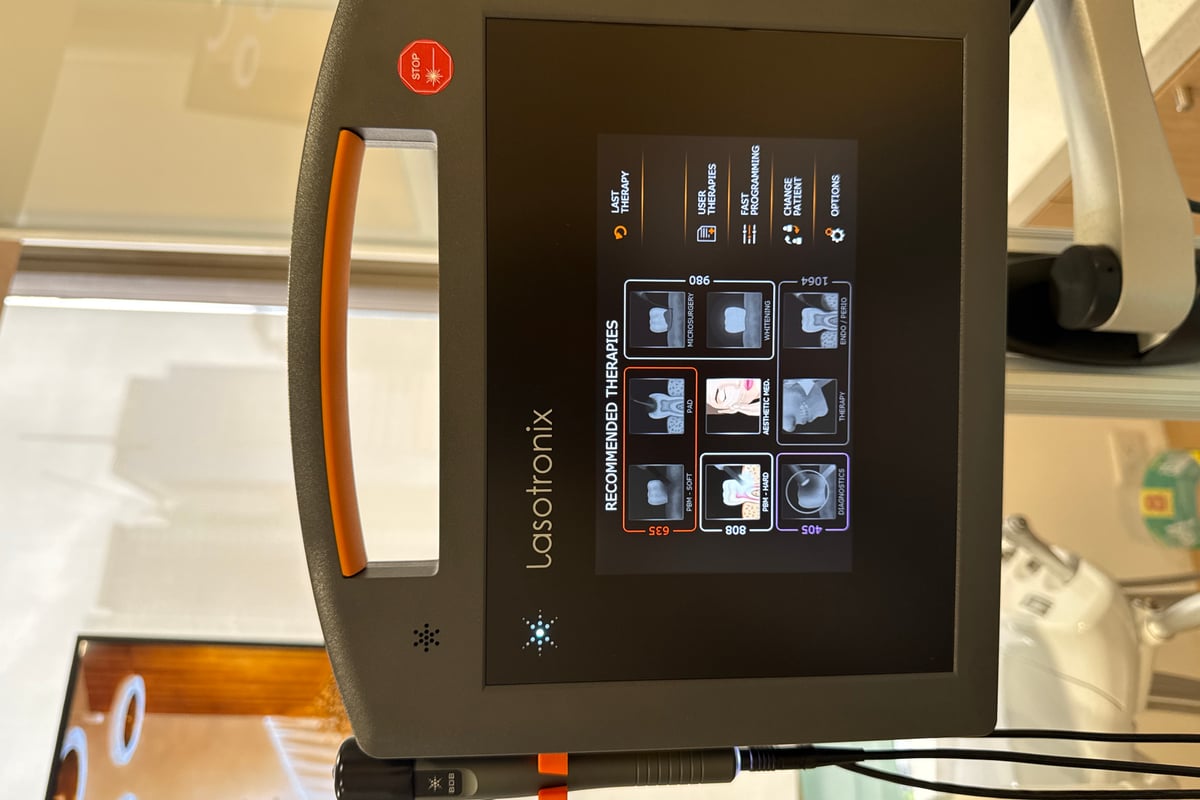
CuraSmile PH's approach prioritizes patient comfort through advanced technology, clear communication, and personalized care protocols designed around individual needs and concerns.
Professional Cleaning as Part of Comprehensive Care
Professional teeth cleaning doesn't exist in isolation. It's one component of a comprehensive approach to oral health that includes:
- Regular examinations: Diagnostic assessment beyond the cleaning itself
- Radiographs: Periodic X-rays detect problems not visible during clinical examination
- Risk assessment: Evaluating your unique factors for decay, gum disease, and oral cancer
- Preventive treatments: Sealants, fluoride, or antimicrobial therapy based on individual needs
- Treatment planning: Addressing any identified problems before they worsen
This integrated approach ensures you maintain optimal oral health over your lifetime, preventing problems rather than simply treating them as they occur.
Professional teeth cleaning represents a cornerstone of preventive dental care, working alongside your daily home routine to maintain oral health and prevent disease. At CuraSmile PH in Bonifacio Global City, we combine evidence-based cleaning protocols with advanced technology and personalized care to help you achieve and maintain optimal oral health. Whether you're establishing a preventive routine or addressing specific concerns, our team is here to support your journey toward healthier teeth, fresher breath, and confident smiles. Schedule your professional cleaning at CuraSmile PH and experience the difference that personalized, comprehensive dental care makes.