Teeth Whitening Pros and Cons: What You Should Know
Considering teeth whitening? Explore the benefits, risks, costs, and options. Learn what to expect with evidence-based insights from CuraSmile PH.
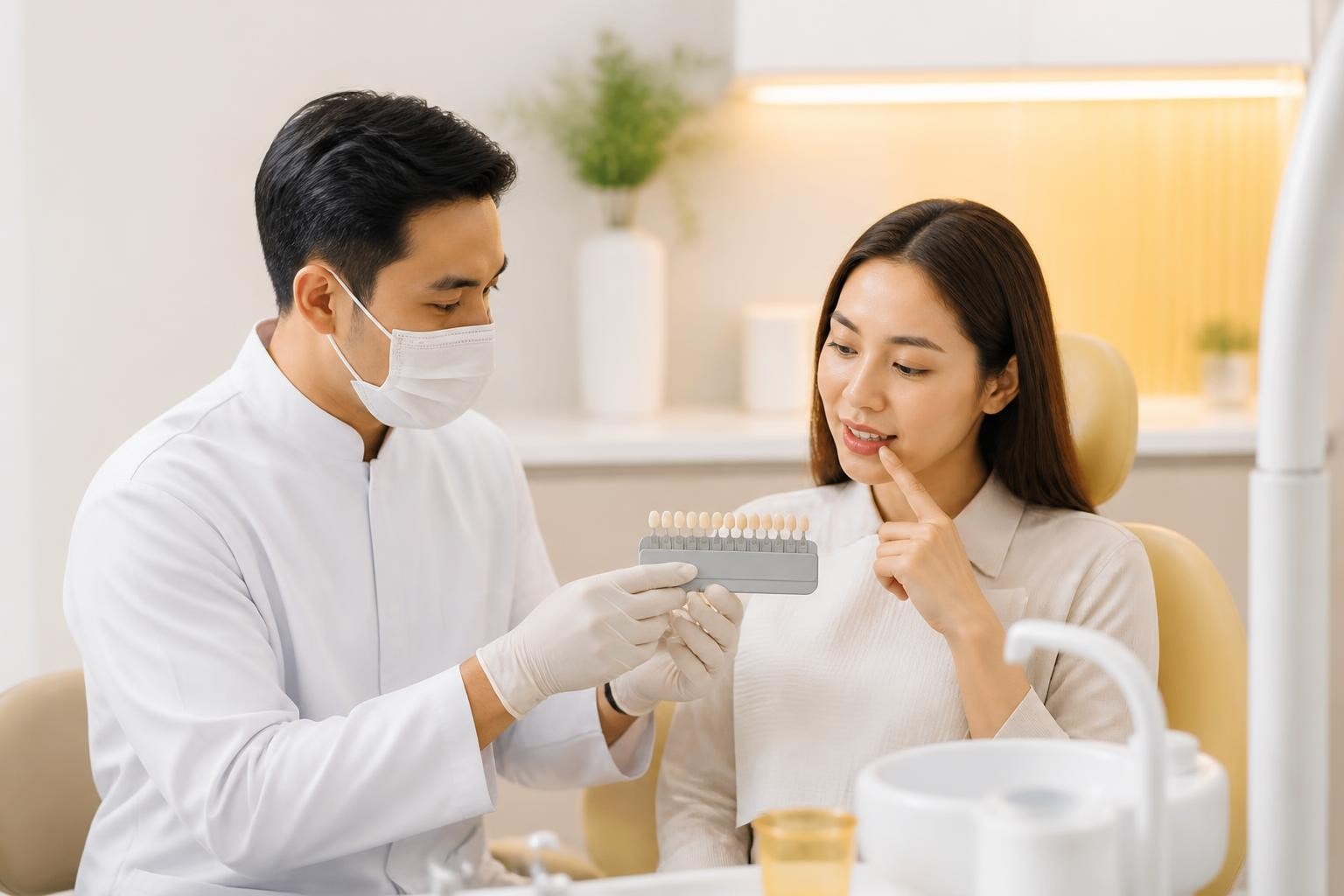
A brighter smile can boost confidence and leave a lasting impression, making teeth whitening one of the most requested cosmetic dental procedures worldwide. But before you invest in whitening treatments, it's important to understand both the advantages and potential drawbacks. Evaluating the teeth whitening pros and cons helps you make an informed decision based on your dental health, lifestyle, budget, and aesthetic goals. This comprehensive guide explores everything you need to know about professional and at-home whitening options, their effectiveness, safety considerations, and what to expect throughout the process.
Understanding How Teeth Whitening Works
Teeth whitening treatments use bleaching agents-typically hydrogen peroxide or carbamide peroxide-to break down stains and lighten tooth enamel. The peroxide molecules penetrate the enamel surface and oxidize the discolored compounds within the tooth structure, effectively reducing the appearance of stains.
Professional treatments administered at CuraSmile PH use higher concentrations of whitening agents under controlled conditions, while at-home options typically contain lower concentrations for safer unsupervised use.
Types of Tooth Discoloration
Not all stains respond equally to whitening treatments. Understanding the type of discoloration you have is essential when weighing teeth whitening pros and cons:
- Extrinsic stains - Surface discoloration from coffee, tea, red wine, tobacco, and certain foods
- Intrinsic stains - Discoloration within the tooth structure from medications, trauma, or fluorosis
- Age-related stains - Combination of extrinsic and intrinsic factors that develop over time
Whitening treatments are most effective on extrinsic stains. Intrinsic discoloration may require alternative cosmetic solutions such as porcelain veneers for optimal aesthetic results.
Professional In-Office Whitening: Benefits and Considerations
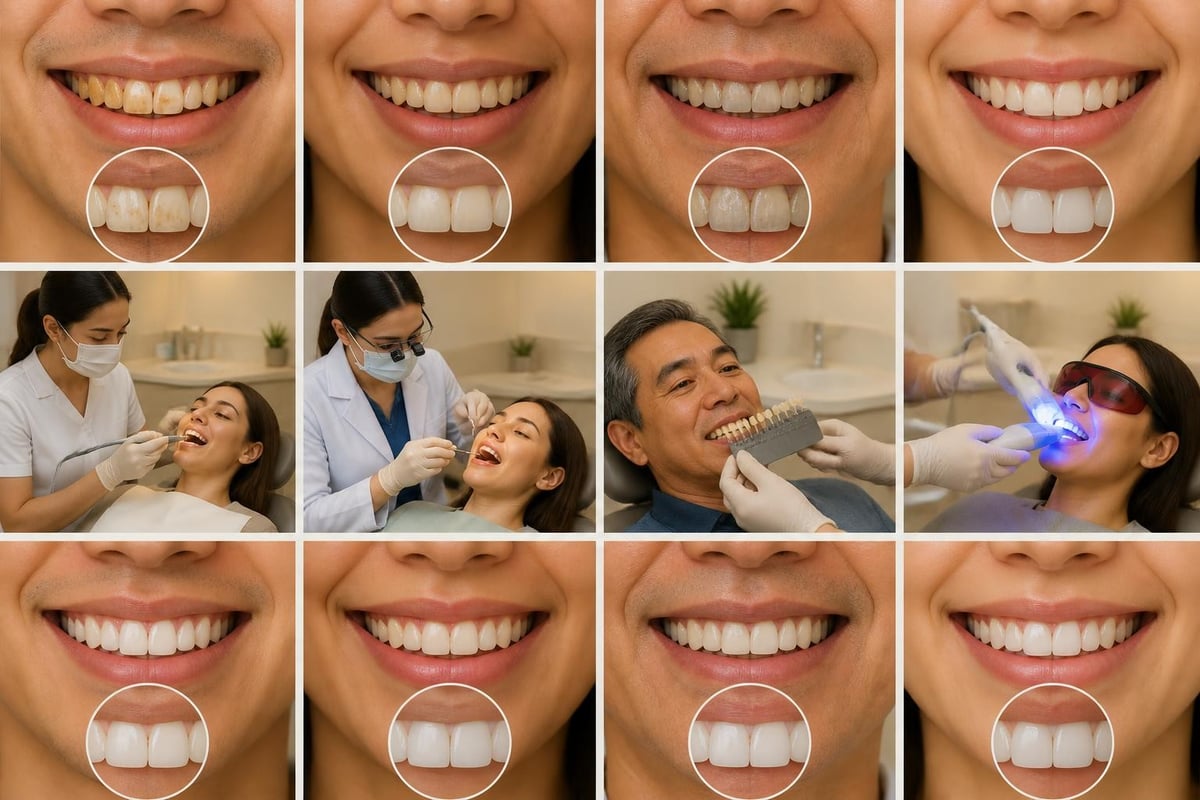
Professional whitening performed at a dental clinic offers the most dramatic and predictable results. During an in-office treatment, a dental professional applies a high-concentration bleaching gel to your teeth and may use special lights or lasers to activate the whitening process.
Advantages of Professional Whitening
| Benefit | Details |
|---|---|
| Immediate Results | Teeth can lighten several shades in a single appointment |
| Supervised Safety | Dental professionals protect gums and monitor sensitivity |
| Customized Treatment | Concentration and duration adjusted to your specific needs |
| Predictable Outcomes | Professional assessment ensures realistic expectations |
The American Dental Association notes that supervised professional whitening is generally safe when performed according to evidence-based protocols.
An umbrella review published in PubMed Central compared in-office and at-home bleaching techniques, finding that professional treatments typically achieve faster color change but may be associated with higher initial sensitivity.
Potential Drawbacks
Professional whitening requires a larger upfront investment compared to over-the-counter products. Some patients experience temporary tooth sensitivity or gum irritation immediately following treatment, though these effects typically resolve within a few days.
The higher concentration of bleaching agents used in professional settings can increase sensitivity risk, particularly for patients with existing enamel erosion or exposed root surfaces. A thorough dental examination before treatment helps identify potential concerns.
At-Home Whitening Options: Flexibility and Limitations
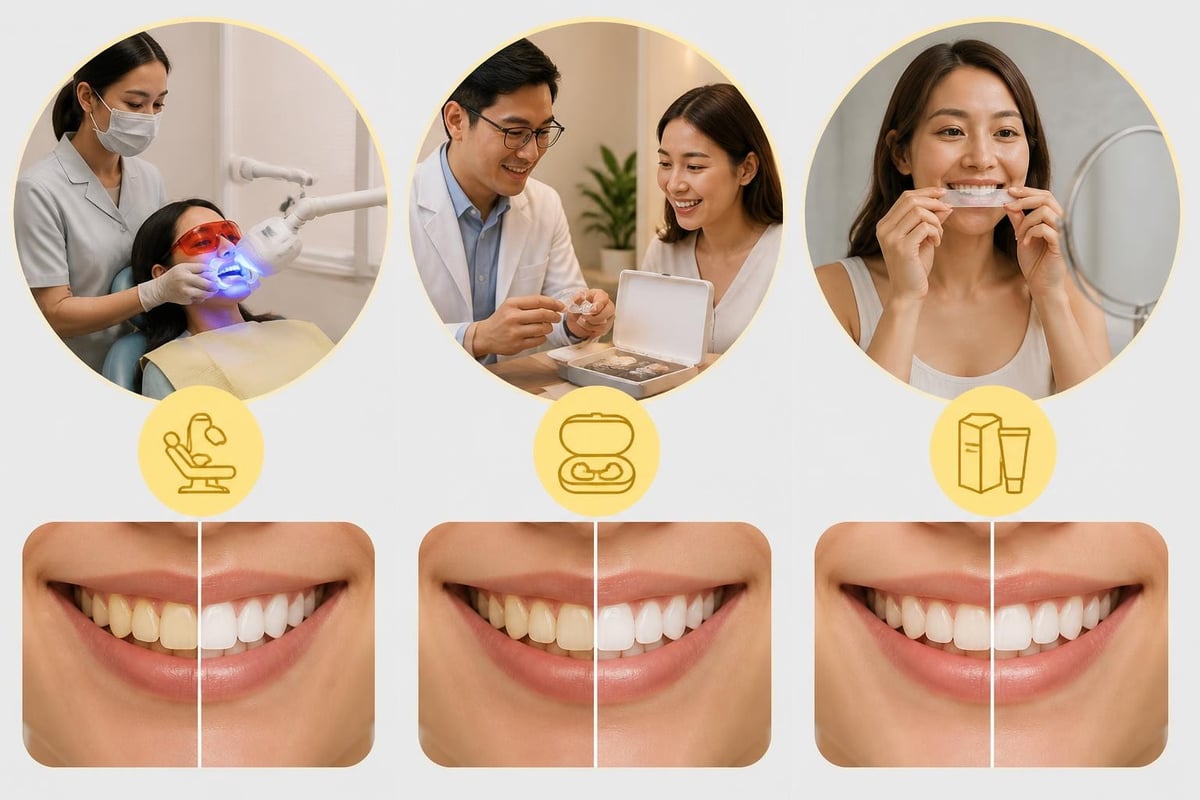
At-home whitening products include dentist-dispensed custom trays, over-the-counter whitening strips, whitening toothpastes, and various other products available at pharmacies and online retailers.
Custom Take-Home Kits from Your Dentist
Dentist-supervised take-home whitening kits offer a middle ground between professional in-office treatments and store-bought products.
Key advantages:
- Custom-fitted trays ensure even coverage and prevent gel leakage
- Professional-grade bleaching agents (stronger than over-the-counter)
- Flexibility to whiten at your convenience
- Lower cost than in-office treatments
- Dental supervision and follow-up care
These kits typically require daily use for one to two weeks, with gradual lightening that accumulates over time.
Over-the-Counter Whitening Products
Whitening strips, gels, and toothpastes are widely available and affordable. Consumer Reports provides practical guidance on comparing at-home and professional options, noting that results vary significantly based on product formulation and user compliance.
Considerations with over-the-counter products:
- Variable effectiveness - Lower peroxide concentrations mean slower, less dramatic results
- One-size-fits-all design - Strips may not conform well to all tooth shapes
- Risk of uneven results - Without custom trays, some areas may whiten more than others
- No professional oversight - Underlying dental issues may go undetected
Whitening toothpastes work primarily through mild abrasives rather than bleaching agents, removing only surface stains without changing the intrinsic tooth color.
Clinical Benefits: When Whitening Makes Sense
Understanding the teeth whitening pros and cons starts with recognizing when whitening treatments offer meaningful benefits.
Enhanced Aesthetic Appearance
The most obvious advantage is improved smile aesthetics. Whiter teeth are often associated with youth, health, and vitality. For many patients, this translates to increased confidence in professional and social situations.
Minimal Invasiveness
Unlike restorative procedures that require tooth reduction, whitening is a conservative cosmetic option. The bleaching process doesn't alter tooth structure, making it reversible and repeatable as needed.
Accessibility and Variety
The range of whitening options-from professional treatments to at-home products-means patients can choose solutions that fit their budget, schedule, and desired timeline. This flexibility makes cosmetic improvement accessible to more people.
Complement to Other Treatments
Whitening can enhance the results of other cosmetic dentistry procedures, creating a comprehensive smile transformation. Many patients whiten their teeth before receiving veneers or crowns to establish a brighter shade baseline.
Potential Risks and Limitations: What to Watch For
While generally safe when used appropriately, teeth whitening carries certain risks and limitations that deserve careful consideration.
Tooth Sensitivity
The most common side effect is temporary tooth sensitivity to temperature and pressure. Research published in the British Dental Journal examines hydrogen peroxide tooth whitening and associated adverse effects, noting that sensitivity typically resolves after treatment completion.
Managing sensitivity:
- Use desensitizing toothpaste before and after whitening
- Reduce treatment frequency or duration
- Choose lower-concentration products
- Apply fluoride treatments as recommended by your dentist
Gum Irritation
Bleaching gel that contacts gum tissue can cause temporary irritation, redness, or blanching. Professional treatments include protective barriers, while at-home users should apply gel carefully and avoid overfilling trays.
Uneven or Unpredictable Results
Existing dental work such as crowns, veneers, and fillings will not change color with whitening treatments. This can result in mismatched shades if restorations were previously matched to darker natural teeth. Patients may need to replace visible restorations after whitening to maintain color consistency.
Intrinsic stains and certain types of discoloration respond poorly to bleaching, potentially leading to disappointing results despite proper product use.
Overuse and Enamel Concerns
Excessive or improper whitening can damage tooth enamel over time. While current FDA documentation addresses safety standards for whitening devices, patients should follow recommended treatment protocols and avoid overuse.
| Risk Factor | Prevention Strategy |
|---|---|
| Sensitivity | Use desensitizing products, reduce frequency |
| Gum irritation | Proper application technique, protective barriers |
| Uneven color | Professional assessment, plan for restoration replacement |
| Enamel damage | Follow recommended protocols, avoid excessive treatment |
Evaluating Cost Versus Value
Cost is a significant factor when considering teeth whitening pros and cons. Understanding what you're paying for helps you make value-based decisions.
Professional In-Office Treatments
Professional whitening represents the highest upfront cost but offers the fastest, most predictable results with professional supervision. The investment includes the dentist's expertise, clinical-grade materials, protective measures, and follow-up care.
Dentist-Supervised Take-Home Kits
Custom take-home kits cost less than in-office treatments while still providing professional-grade materials and oversight. The lower price reflects the reduced chair time, though treatment duration is longer.
Over-the-Counter Products
Store-bought whitening products offer the lowest price point but require patience and may produce modest results. Multiple product purchases over time can add up, potentially approaching the cost of professional options.
Long-Term Maintenance
Whitening results are not permanent. Maintenance treatments are necessary to counteract new staining from food, beverages, and aging. Professional treatments may last longer before requiring touch-ups compared to over-the-counter options.
Who Should Avoid or Delay Whitening
Not everyone is an ideal candidate for teeth whitening. Certain conditions warrant caution or alternative approaches.
Patients who should consult carefully with their dentist:
- Pregnant or nursing individuals
- Those with severe tooth sensitivity or enamel erosion
- Patients with untreated cavities or gum disease
- Individuals with extensive dental restorations in visible areas
- Children and adolescents with developing teeth
The NHS guidance on teeth whitening emphasizes that whitening should only be performed under dental supervision and that certain medical conditions may contraindicate treatment.
Active dental disease should be addressed before cosmetic whitening. Cavities, gum inflammation, and other oral health issues can worsen if bleaching agents penetrate compromised tooth structure or irritate inflamed tissues.
Evidence-Based Perspective: What Research Tells Us
A Cochrane systematic review examining home-based chemical bleaching in adults found moderate-certainty evidence that carbamide peroxide whitening products lighten tooth color compared to no treatment, though the clinical significance and patient satisfaction varied.
American Dental Association News provides expert commentary on whitening safety, noting that products with the ADA Seal of Acceptance have been evaluated for both safety and effectiveness when used as directed.
Current evidence supports the safety and efficacy of professionally supervised whitening, though individual results depend on multiple factors including stain type, tooth structure, treatment compliance, and maintenance habits.
Making an Informed Decision: Key Questions to Ask
When weighing teeth whitening pros and cons, consider these essential questions:
- What are my aesthetic goals? - Define your desired outcome realistically
- What type of staining do I have? - Professional assessment determines treatment suitability
- Do I have existing dental work? - Restorations may need replacement after whitening
- What is my sensitivity threshold? - History of sensitivity may influence product selection
- What is my budget and timeline? - Different options suit different constraints
- Am I committed to maintenance? - Long-term results require ongoing care
A comprehensive dental examination at CuraSmile PH in BGC can help answer these questions and develop a personalized whitening plan aligned with your overall oral health.
Alternative Cosmetic Solutions
For patients who aren't ideal whitening candidates or who desire more comprehensive smile transformation, alternative cosmetic treatments may offer superior results. Porcelain veneers provide a permanent solution for severe discoloration, tooth shape irregularities, and multiple cosmetic concerns simultaneously. Porcelain Veneers & Dental Crowns combine digital smile planning with high-quality restorative materials to create natural-looking, durable results tailored to each patient's aesthetic goals.
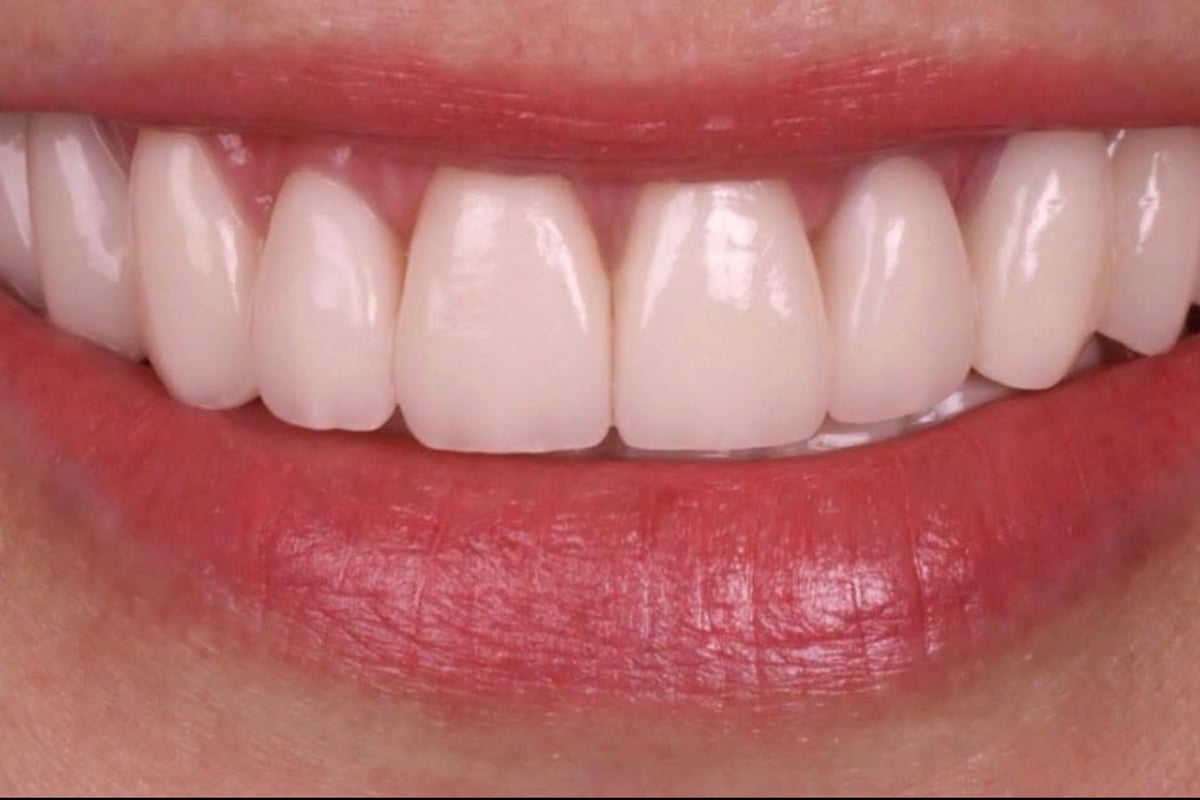
Composite bonding offers another option for addressing localized discoloration or minor cosmetic imperfections without the commitment of veneers. A comprehensive smile design consultation evaluates all available options and recommends the approach best suited to your clinical situation and aesthetic objectives.
Maintaining Your Whitening Results
Regardless of which whitening method you choose, long-term success depends on proper maintenance and realistic expectations.
Strategies to extend whitening results:
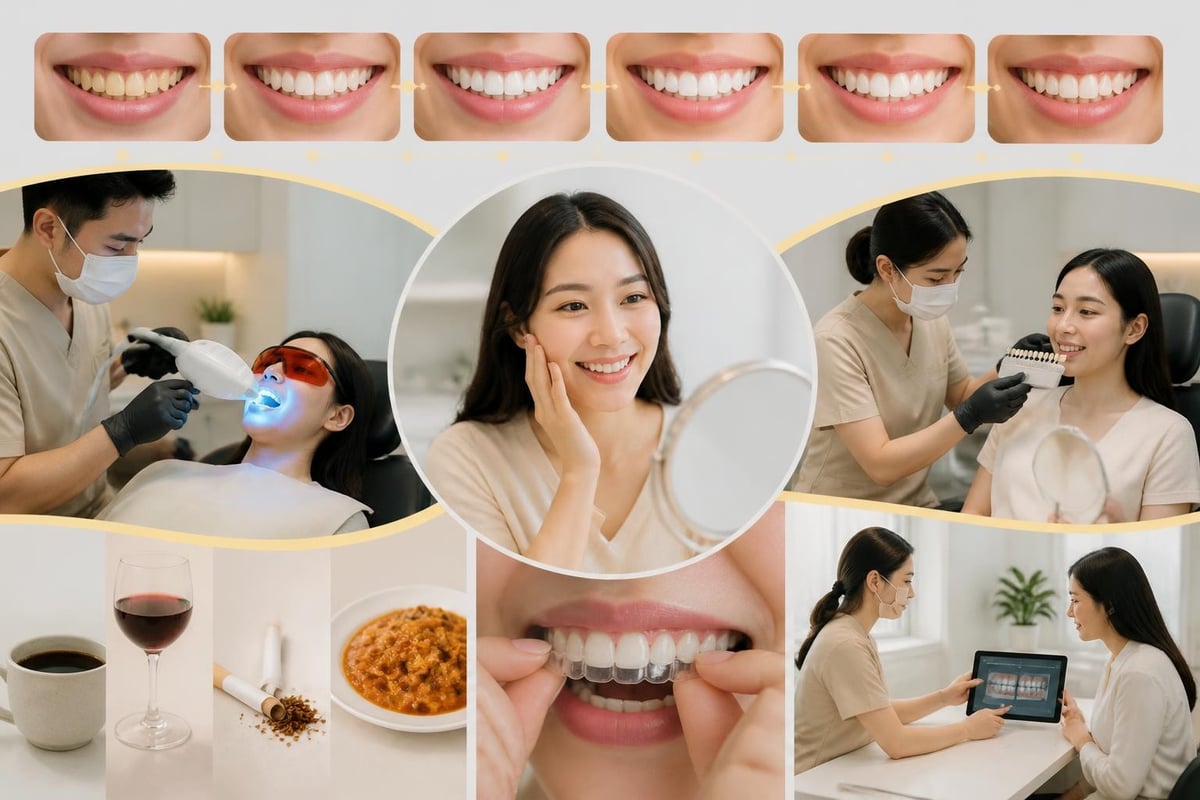
- Limit consumption of staining beverages (coffee, tea, red wine)
- Use a straw when drinking pigmented liquids
- Rinse your mouth after eating or drinking stain-causing foods
- Maintain excellent oral hygiene with regular brushing and flossing
- Schedule professional cleanings every six months
- Avoid tobacco products
- Consider periodic touch-up treatments as recommended
Even with diligent care, some gradual color regression is normal over time. Touch-up treatments are typically shorter and less intensive than initial whitening.
The Role of Professional Guidance
The difference between successful whitening and disappointing results often comes down to professional assessment and supervision. A thorough dental examination identifies underlying issues, determines candidacy, sets realistic expectations, and recommends the most appropriate treatment approach.
Professional oversight also ensures safe application, proper concentration selection, and effective management of side effects. DIY approaches carry higher risks of uneven results, enamel damage, and gum injury when used improperly.
At CuraSmile PH, comprehensive whitening consultations include examination of tooth structure, assessment of existing restorations, evaluation of sensitivity risk factors, discussion of aesthetic goals, and development of a personalized treatment plan. This evidence-based approach maximizes safety and outcome satisfaction.
Evaluating teeth whitening pros and cons requires balancing aesthetic goals with clinical realities, budget considerations, and your individual dental health status. Professional supervision ensures safe, effective treatment tailored to your specific needs. If you're considering teeth whitening and want expert guidance on the best approach for your smile, CuraSmile PH in Bonifacio Global City offers comprehensive cosmetic consultations combining advanced technology with personalized, evidence-based care.