Cosmetic Teeth Treatment: Modern Options & Approaches
Explore modern cosmetic teeth treatment options, from veneers to whitening. Learn how advanced techniques improve smile aesthetics safely.
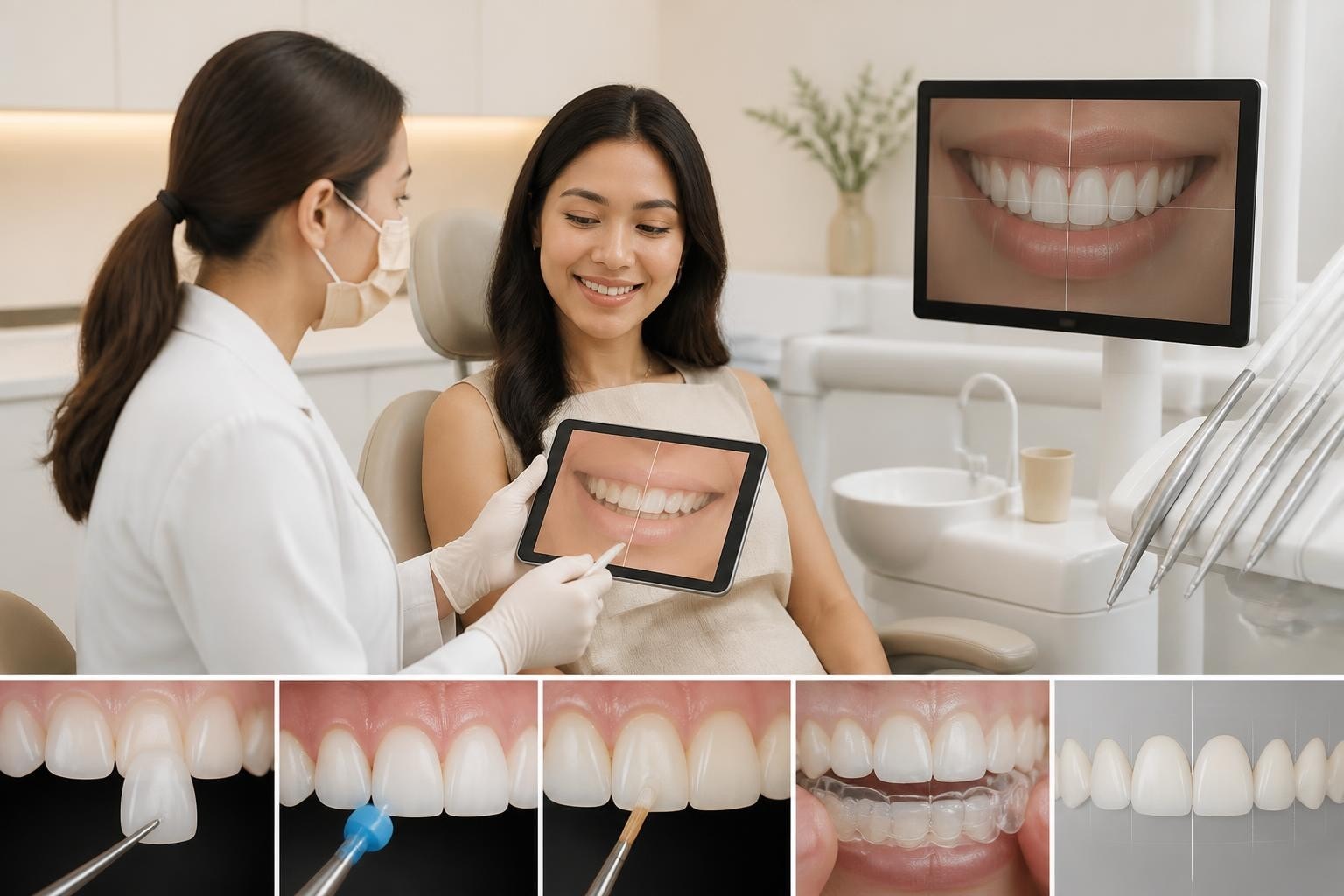
Your smile plays a significant role in how you feel about yourself and how others perceive you. When dental imperfections affect your confidence or hold you back from smiling freely, cosmetic teeth treatment offers proven solutions to enhance both appearance and function. Today's cosmetic dentistry combines advanced technology, refined techniques, and evidence-based approaches to create natural-looking results tailored to each patient's unique dental anatomy and aesthetic goals.
Understanding Modern Cosmetic Teeth Treatment
Cosmetic teeth treatment encompasses a range of procedures designed to improve the appearance of your teeth, gums, and overall smile. Unlike purely aesthetic enhancements, quality cosmetic dentistry considers both form and function, ensuring that improvements look natural while supporting long-term oral health.
The field has evolved significantly in recent years. Recent advances in cosmetic dentistry now include digital imaging systems, refined materials, and minimally invasive techniques that preserve more natural tooth structure than ever before. These innovations allow dental professionals to achieve predictable, durable results while minimizing patient discomfort and treatment time.
What Distinguishes Quality Cosmetic Care
Not all cosmetic dental work delivers the same outcomes. The difference lies in several key factors:
- Comprehensive assessment of your dental health, facial proportions, and personal goals
- Evidence-based treatment planning that considers both immediate aesthetics and long-term function
- Advanced materials engineered for durability, biocompatibility, and natural appearance
- Precision techniques supported by digital tools and refined clinical protocols
- Personalized approach recognizing that each smile is unique
Quality cosmetic teeth treatment begins with understanding what you hope to achieve and developing a realistic plan aligned with your dental condition, budget, and timeline.
Common Cosmetic Teeth Treatment Options
Several proven procedures address different aesthetic concerns. The right choice depends on your specific dental condition, goals, and clinical factors that your dentist evaluates during consultation.
Porcelain Veneers
Veneers are thin shells of dental ceramic bonded to the front surface of teeth to improve color, shape, size, or alignment. They offer dramatic transformations for teeth affected by discoloration, chips, gaps, or minor misalignment.
Modern veneer treatment typically involves minimal tooth preparation, often preserving significant tooth structure compared to older techniques. Porcelain veneers can last 10-15 years or longer when properly maintained and placed with precision.
| Veneer Type | Best For | Durability | Preparation Required |
|---|---|---|---|
| Porcelain | Complex color/shape concerns | 10-15+ years | Minimal to moderate |
| Composite | Minor corrections, budget-conscious | 5-7 years | Minimal |
| Ultra-thin | Minimal preparation cases | 10-12 years | Very minimal |
The treatment process involves careful planning, shade selection, tooth preparation, impression taking, temporary placement, and final bonding. Each step requires precision to ensure optimal fit, function, and aesthetics.
Professional Teeth Whitening
Teeth whitening remains one of the most requested cosmetic procedures. Professional whitening treatments use controlled concentrations of bleaching agents to remove stains and lighten tooth color safely and effectively.
The American Dental Association outlines whitening options including in-office treatments, dentist-supervised home systems, and over-the-counter products. In-office procedures typically deliver faster, more controlled results under professional supervision.
Professional whitening differs from store-bought products in several important ways. Dentist-supervised treatments use higher concentration formulations applied with protective measures for gums and soft tissues. Professional assessment also identifies whether discoloration responds to whitening or requires alternative treatments like veneers.
Not everyone is an ideal candidate for whitening. Certain medications, dental conditions, and types of staining may limit effectiveness or require different approaches.
Dental Bonding
Composite bonding uses tooth-colored resin material to repair chips, close gaps, or improve tooth shape. This conservative approach requires minimal tooth preparation and can often be completed in a single appointment.
Composite veneers and bonding techniques have improved significantly with better materials and refined application protocols. While not as durable as porcelain, bonding offers an accessible option for minor corrections.
Common bonding applications include:
- Repairing chipped or cracked teeth
- Closing small gaps between teeth
- Improving tooth shape or length
- Covering minor discoloration
- Protecting exposed root surfaces
Bonded restorations typically last 3-7 years depending on location, bite forces, and maintenance. Regular dental visits help monitor bonding integrity and address wear before problems develop.
Orthodontic Treatment and Clear Aligners
Straightening misaligned teeth improves both appearance and function. Modern orthodontic options include traditional braces and clear aligner systems that gradually move teeth into improved positions.
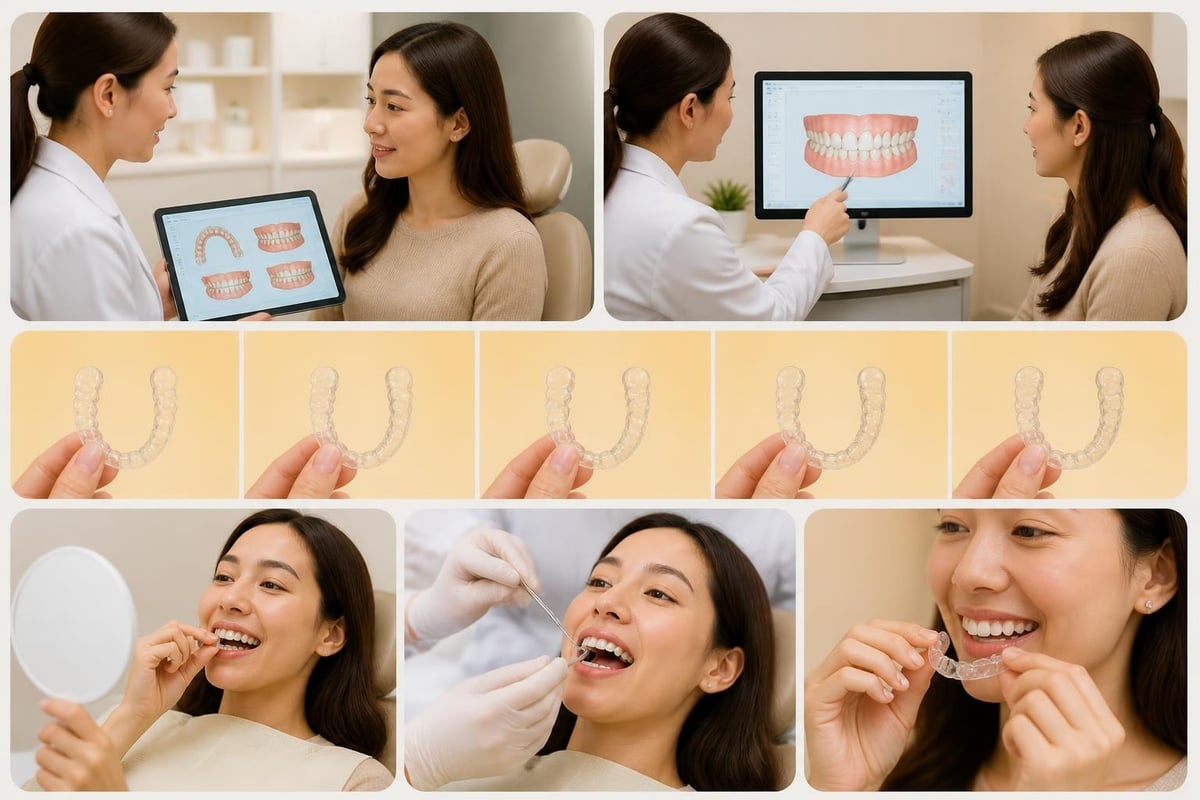
Clear aligners offer a discreet alternative to traditional braces for many cases. These removable appliances use sequential trays to guide tooth movement according to a digitally planned treatment path.
Orthodontic treatment addresses more than aesthetics. Proper alignment improves bite function, reduces excessive wear, facilitates better cleaning, and can alleviate certain jaw discomfort issues. Treatment duration varies from several months to two years depending on complexity.
Dental Crowns
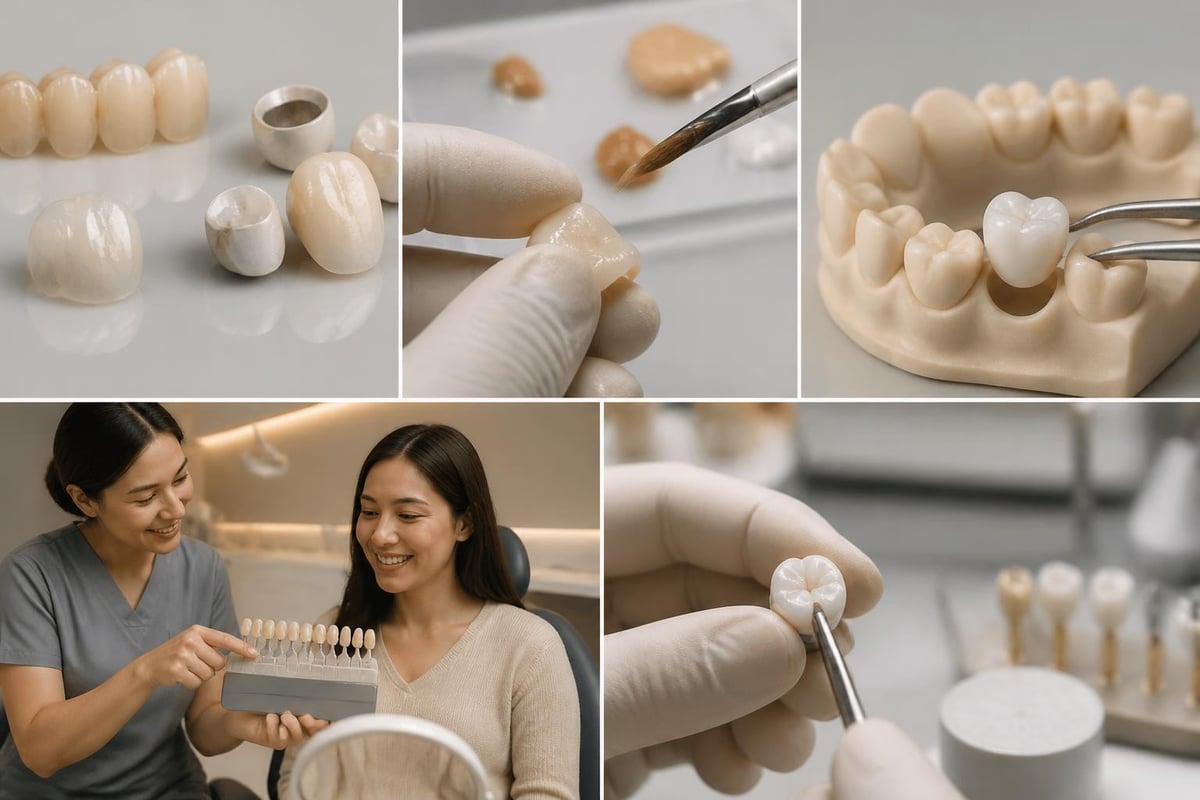
Crowns cover damaged, weakened, or aesthetically compromised teeth to restore shape, strength, and appearance. Modern crowns use materials like porcelain, zirconia, or porcelain-fused-to-metal depending on clinical needs and aesthetic requirements.
All-ceramic crowns provide excellent aesthetics for visible teeth, mimicking the translucency and color variation of natural enamel. Zirconia crowns offer exceptional strength for posterior teeth subjected to heavy chewing forces.
Crown treatment involves tooth preparation, impression taking, temporary crown placement, and final crown fabrication and cementation. Digital impression systems and CAD/CAM technology have streamlined this process in many practices.
Balancing Aesthetics and Function
Quality cosmetic teeth treatment never sacrifices function for appearance. The most successful outcomes enhance smile aesthetics while maintaining or improving bite alignment, chewing efficiency, and long-term dental health.
Preserving Natural Tooth Structure
Modern cosmetic dentistry emphasizes conservative approaches that preserve healthy tooth structure whenever possible. Minimally invasive techniques reduce the need for extensive preparation while achieving desired aesthetic improvements.
Conservative treatment philosophies recognize that retaining natural tooth structure supports long-term dental health. Procedures like enamel microabrasion, direct bonding, and minimal-prep veneers exemplify this approach.
When planning cosmetic work, experienced dentists evaluate whether conservative options can meet your goals before recommending more invasive procedures. This patient-centered approach prioritizes your long-term dental wellbeing alongside aesthetic enhancement.
Considering Bite and Function
Your bite-how upper and lower teeth come together-affects comfort, tooth wear, and restoration longevity. Comprehensive cosmetic treatment planning evaluates occlusion to ensure aesthetic improvements don't create functional problems.
For patients with existing bite issues, addressing alignment or jaw position may be necessary before or alongside cosmetic procedures. This integrated approach delivers more stable, lasting results than treating aesthetics in isolation.
Gum Health and "Pink Aesthetics"
Your gums frame your teeth and significantly impact smile appearance. Cosmetic treatment increasingly addresses gum health and appearance alongside tooth aesthetics, a concept called "pink aesthetics."
Recent research on pink esthetic treatment explores minimally invasive approaches to improve gum contours, address recession, and eliminate dark triangles between teeth. These techniques complement tooth-focused procedures for comprehensive smile enhancement.
Healthy gums are essential before undertaking cosmetic work. Active gum disease, inflammation, or infection require treatment first to create a stable foundation for restorative and cosmetic procedures.
Treatment Planning and Patient Considerations
Successful cosmetic teeth treatment begins with thorough assessment and personalized planning. This process ensures realistic expectations, appropriate procedure selection, and outcomes aligned with your goals.
The Initial Consultation
Your first appointment establishes the foundation for treatment. Expect your dentist to:
- Review your medical and dental history to identify any factors affecting treatment options
- Perform a comprehensive oral examination assessing teeth, gums, bite, and jaw joints
- Discuss your aesthetic goals and concerns in detail
- Take diagnostic records including photographs, radiographs, and possibly impressions
- Present treatment options with realistic expectations, timelines, and considerations
This collaborative process helps you understand what's possible and make informed decisions about your care.
Digital Smile Design
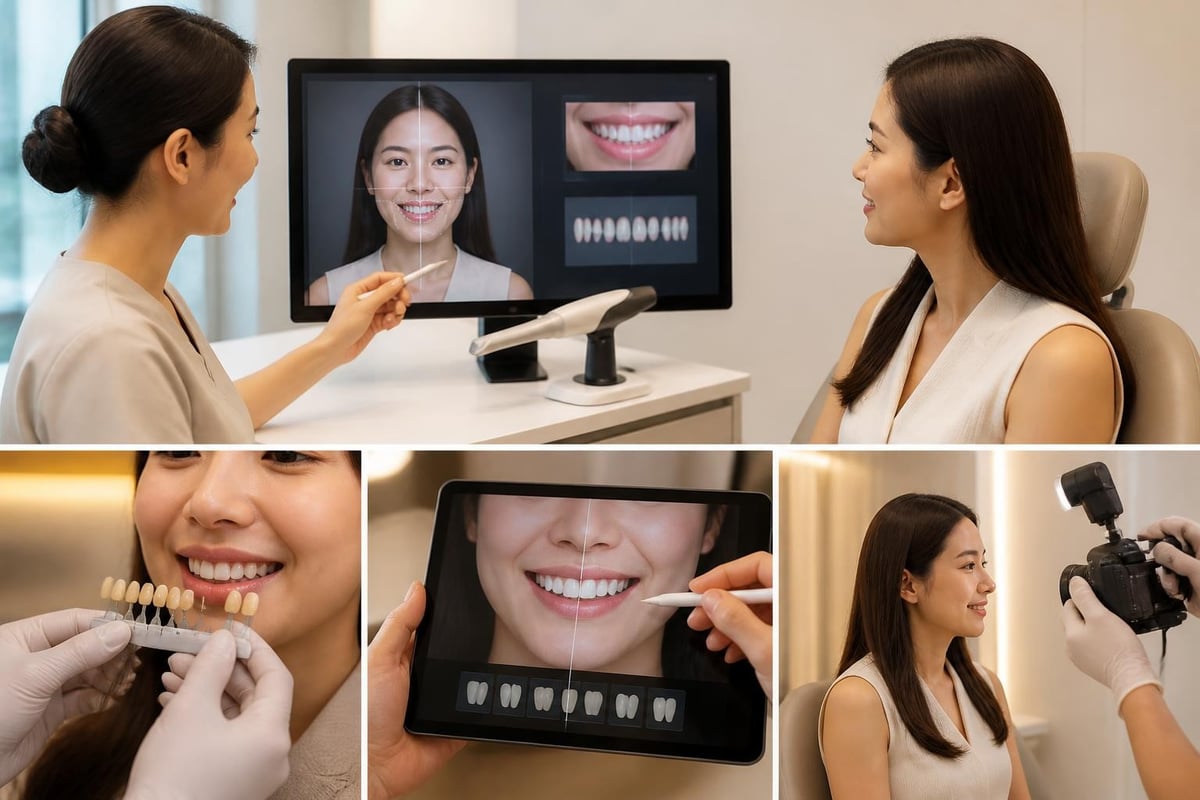
Many modern practices use digital smile design technology to visualize potential outcomes before treatment begins. This approach combines facial photography, digital modeling, and mock-ups to preview aesthetic changes.
Digital planning helps refine treatment goals, facilitate communication between you and your dentist, and guide precise execution of procedures. While these tools are valuable, it's important to understand they represent predictions, not guarantees of final results.
Realistic Expectations
Cosmetic dentistry trends increasingly emphasize balancing aesthetic enhancement with functional preservation. Understanding what cosmetic treatment can and cannot achieve helps ensure satisfaction with outcomes.
Factors affecting results include:
- Your existing dental anatomy and condition
- Tooth color and translucency characteristics
- Gum health and architecture
- Bite relationships and jaw position
- Facial proportions and features
- Age-related changes in oral tissues
Experienced dentists discuss these factors candidly, helping you develop realistic expectations aligned with what's clinically achievable for your unique situation.
Safety, Ethics, and Evidence-Based Care
As cosmetic dentistry has grown in popularity, so too have concerns about overtreatment, unrealistic marketing, and procedures undertaken without adequate assessment. Quality care prioritizes your long-term oral health alongside aesthetic improvement.
Evidence-Based Treatment Selection
Responsible cosmetic teeth treatment relies on scientific evidence regarding safety, efficacy, and longevity of procedures and materials. The ADA's evidence-based research resources provide clinical practice guidelines that inform treatment decisions.
Your dentist should be able to explain why specific procedures are recommended based on your clinical findings and goals, not simply what's trending on social media. This evidence-based approach ensures treatments are appropriate for your needs.
Ethical Considerations in Cosmetic Dentistry
Research examining aesthetic dentistry ethics highlights concerns about marketing practices, unrealistic outcome promises, and procedures recommended primarily for profit rather than patient benefit.
Quality practitioners prioritize informed consent, realistic outcome discussions, and treatment recommendations based on clinical need rather than aggressive marketing. They also respect your autonomy in deciding whether to proceed with elective cosmetic procedures.
Red flags to watch for include:
- Pressure to undergo extensive treatment immediately
- Guarantees of specific aesthetic results
- Before-and-after photos that seem too perfect or heavily edited
- Dismissal of conservative alternatives
- Reluctance to discuss risks or limitations
Trust your instincts. Cosmetic treatment is elective, and you deserve time to consider options, seek second opinions, and feel confident in your decision.
Maintaining Results Long-Term
Cosmetic dental work requires maintenance to preserve appearance and function. Even the highest-quality restorations don't last forever and may eventually need replacement or refinement.
Protecting your investment involves:
- Excellent daily oral hygiene to prevent decay and gum disease
- Regular professional cleanings and examinations
- Protective appliances if you grind or clench teeth
- Avoiding excessive forces on bonded or restored teeth
- Prompt attention to any damage or changes
Your dentist at CuraSmile PH can provide specific guidance based on the procedures you've undergone and your individual risk factors.
When to Consider Cosmetic Treatment
Deciding whether cosmetic teeth treatment is right for you is personal. Some people pursue cosmetic dentistry to address specific concerns affecting confidence. Others simply want to refresh their smile as part of self-care.
Valid Reasons for Cosmetic Treatment
Common motivations include:
- Discoloration that doesn't respond to whitening
- Chipped, cracked, or worn teeth affecting appearance
- Gaps or spacing concerns
- Minor misalignment affecting smile aesthetics
- Shape or proportion inconsistencies
- Overall smile enhancement goals
There's no minimum threshold of imperfection required to consider cosmetic treatment. If dental aesthetics affect how you feel about your smile, consultation with a qualified dentist can explore whether treatment aligns with your goals and expectations.
Addressing Underlying Issues First
Cosmetic procedures work best when performed on a foundation of good oral health. Active decay, gum disease, infection, or structural problems require treatment before cosmetic work to ensure stability and longevity.
This sequenced approach may extend your timeline but protects your investment and supports lasting results. Comprehensive dental practices integrate preventive, restorative, and cosmetic care to address your needs holistically.
The Role of Technology in Modern Cosmetic Dentistry
Advanced technology has transformed how cosmetic teeth treatment is planned and delivered. Digital tools enhance precision, improve predictability, and often reduce treatment time compared to traditional analog methods.
Digital Impressions and Scanning
Intraoral scanners capture detailed 3D images of your teeth and bite without traditional impression materials. These digital records facilitate precise restorations, improved patient comfort, and streamlined workflow between dentist and laboratory.
Digital impressions also enable virtual treatment planning and allow you to visualize potential outcomes before committing to irreversible procedures.
CAD/CAM Dentistry
Computer-aided design and manufacturing systems allow creation of crowns, veneers, and other restorations using digital workflows. Some practices offer same-day restorations fabricated in-office, reducing the need for temporaries and multiple appointments.
While not appropriate for every case, CAD/CAM technology represents a significant advancement in restorative and cosmetic dentistry efficiency and precision.
Laser Dentistry Applications
Laser dentistry offers minimally invasive options for certain cosmetic procedures, including gum recontouring, soft tissue adjustments, and lesion removal. Lasers often reduce discomfort, minimize bleeding, and accelerate healing compared to traditional techniques.
Laser technology complements other cosmetic procedures, particularly when gum modifications enhance overall smile aesthetics.
Cosmetic Treatment in the Context of Comprehensive Care
The most successful cosmetic outcomes occur within a framework of comprehensive dental care addressing all aspects of oral health. At CuraSmile PH, cosmetic procedures integrate with preventive, restorative, and functional dental services.
When cosmetic concerns coexist with other dental issues-such as bite problems, tooth wear, or jaw discomfort-addressing these comprehensively creates more stable, lasting aesthetic results. Porcelain Veneers & Dental Crowns can transform your smile while restoring tooth structure and function through customized treatment planning.
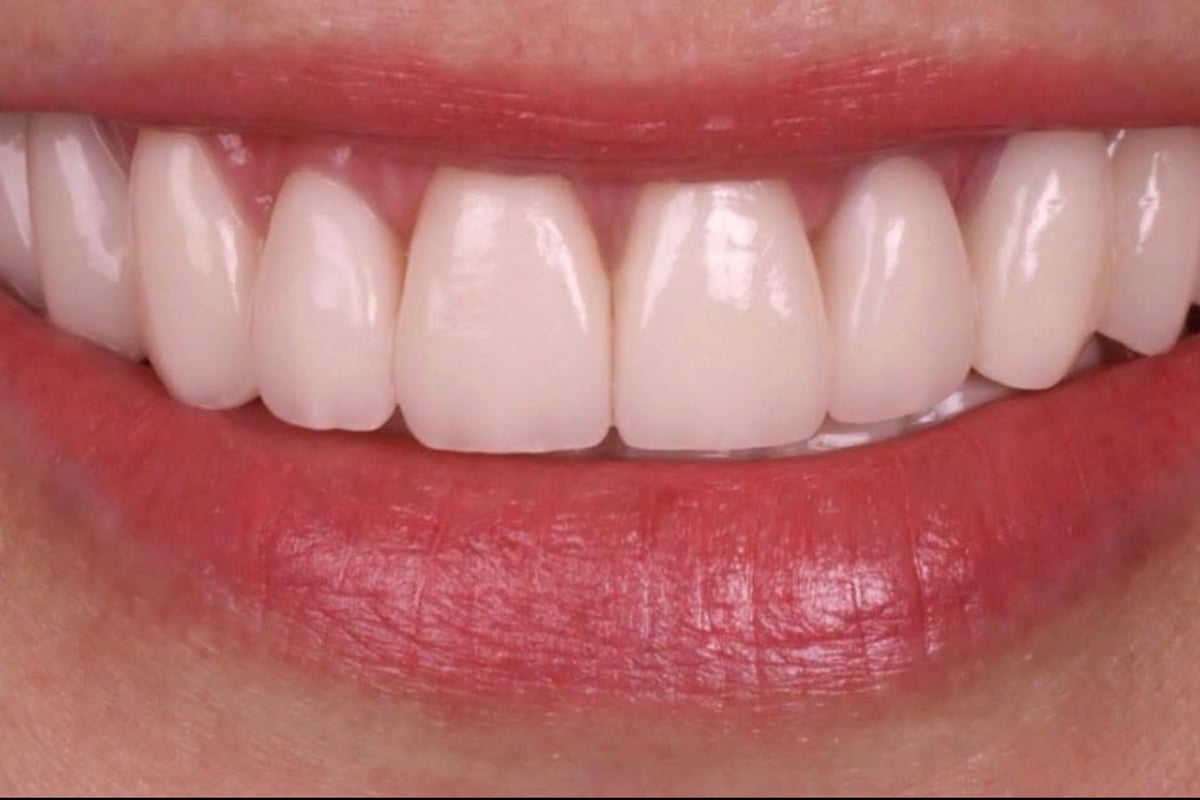
This integrated perspective recognizes that beautiful smiles depend on healthy teeth, functional bites, and stable oral environments. Cosmetic treatment becomes one component of overall dental wellness rather than an isolated aesthetic pursuit.
Making Informed Decisions About Your Smile
Choosing to pursue cosmetic teeth treatment involves weighing your goals, understanding options, and selecting a qualified provider who prioritizes your wellbeing alongside aesthetic enhancement.
Questions to Ask During Consultation
Come prepared to your consultation with questions that help you evaluate both the proposed treatment and the practice:
- What are my options for addressing my specific concerns?
- What are the advantages and limitations of each approach?
- How long do different treatments typically last?
- What does the process involve, and what can I expect?
- What are the risks and potential complications?
- What alternatives exist, including doing nothing?
- How will you protect my long-term oral health during cosmetic treatment?
Quality practitioners welcome questions and provide thorough, honest answers that help you make confident decisions.
Choosing the Right Provider
Your dentist's skill, experience, and approach significantly impact your outcome and experience. Look for providers who:
- Have advanced training in cosmetic procedures
- Use current technology and evidence-based techniques
- Communicate clearly and listen to your concerns
- Provide realistic assessments and expectations
- Prioritize your oral health alongside aesthetics
- Show genuine interest in your goals and wellbeing
Personal comfort with your dentist matters too. Cosmetic treatment involves collaboration, and you should feel heard, respected, and confident in the care you receive.
Cosmetic teeth treatment offers proven ways to enhance your smile through modern techniques grounded in evidence and precision. Whether you're addressing specific concerns or pursuing overall smile enhancement, quality care balances aesthetics with function and long-term oral health. At CuraSmile PH, we combine advanced dental technology with personalized, patient-centered care to help you achieve natural-looking results aligned with your unique goals-schedule a consultation to explore how we can support your smile journey.