Does Invisalign Hurt? Pain Timeline & Management Guide
Does Invisalign hurt? Learn what to expect, when discomfort peaks, how long it lasts, and evidence-based strategies to manage clear aligner pain.
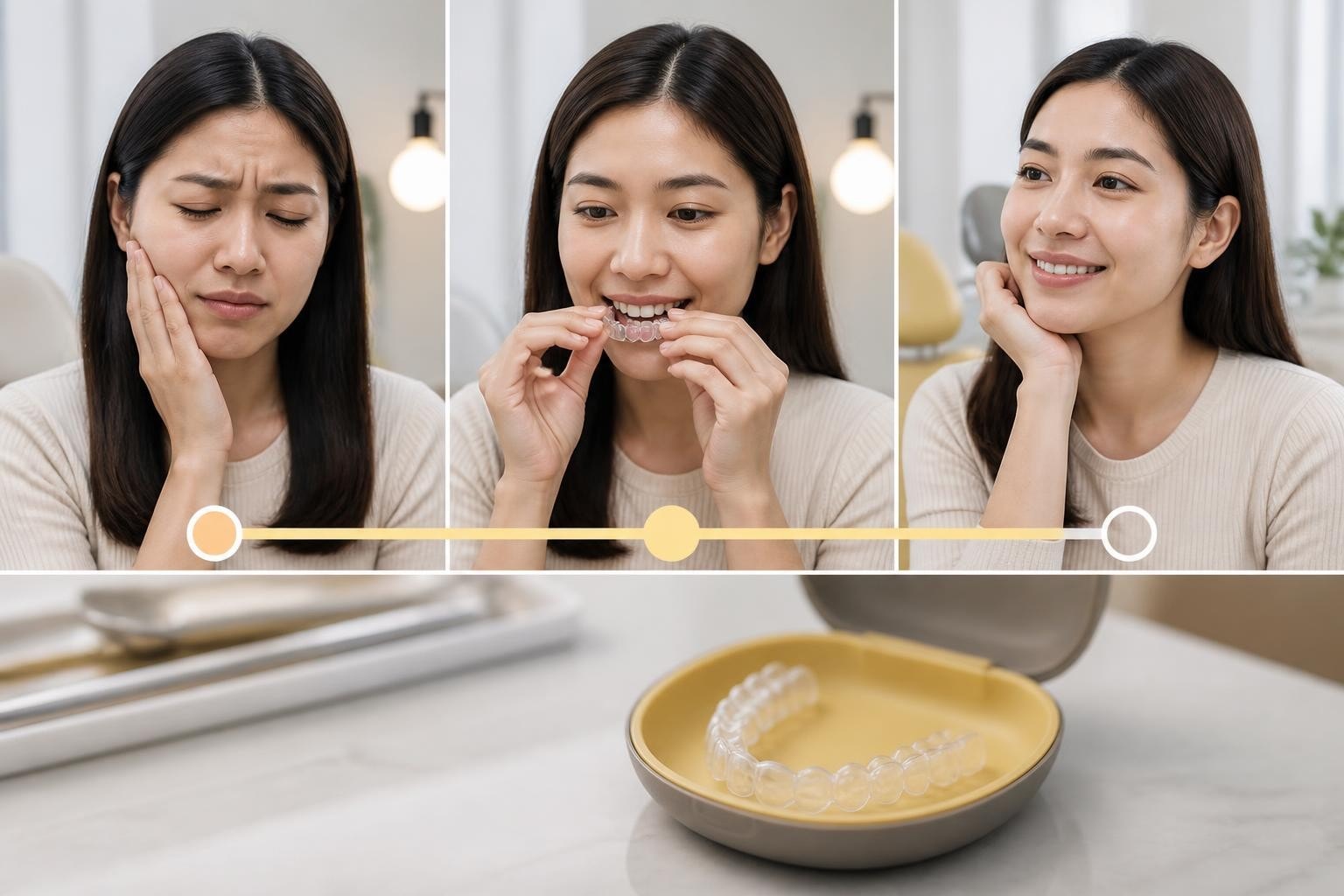
Many patients considering clear aligners naturally wonder whether the treatment will be painful. The honest answer is that most people experience some level of discomfort, especially during the first few days of each new aligner set, but this sensation is typically mild, temporary, and very manageable. Understanding what to expect, why it happens, and how to minimize discomfort can help you approach orthodontic treatment with confidence and realistic expectations.
What Does Invisalign Discomfort Actually Feel Like?
The question "does Invisalign hurt" doesn't have a simple yes-or-no answer because everyone's pain threshold and response differs. Most patients describe the sensation as pressure or soreness rather than sharp pain. This feeling is most noticeable when you insert a new aligner tray, which is designed to apply controlled force to gradually shift your teeth into their planned positions.
Types of Sensations You Might Experience
- Pressure and tightness: A snug, firm feeling as the aligner grips your teeth, especially prominent during the first 24 to 48 hours
- Tooth tenderness: Sensitivity when biting down or chewing, making certain foods temporarily uncomfortable
- Gum soreness: Minor irritation where aligner edges contact soft tissue, usually resolving as your mouth adapts
- Temporary speech changes: Slight lisp or awareness of the aligner in your mouth during the initial adjustment period
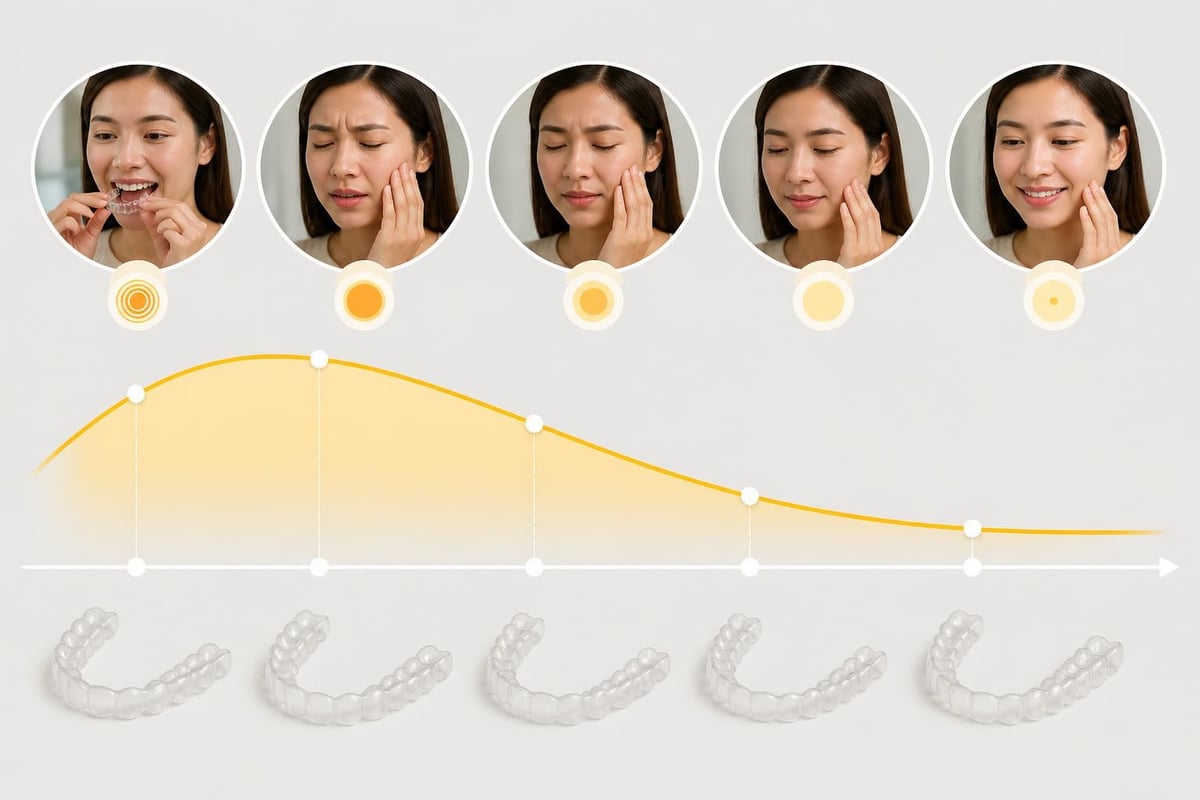
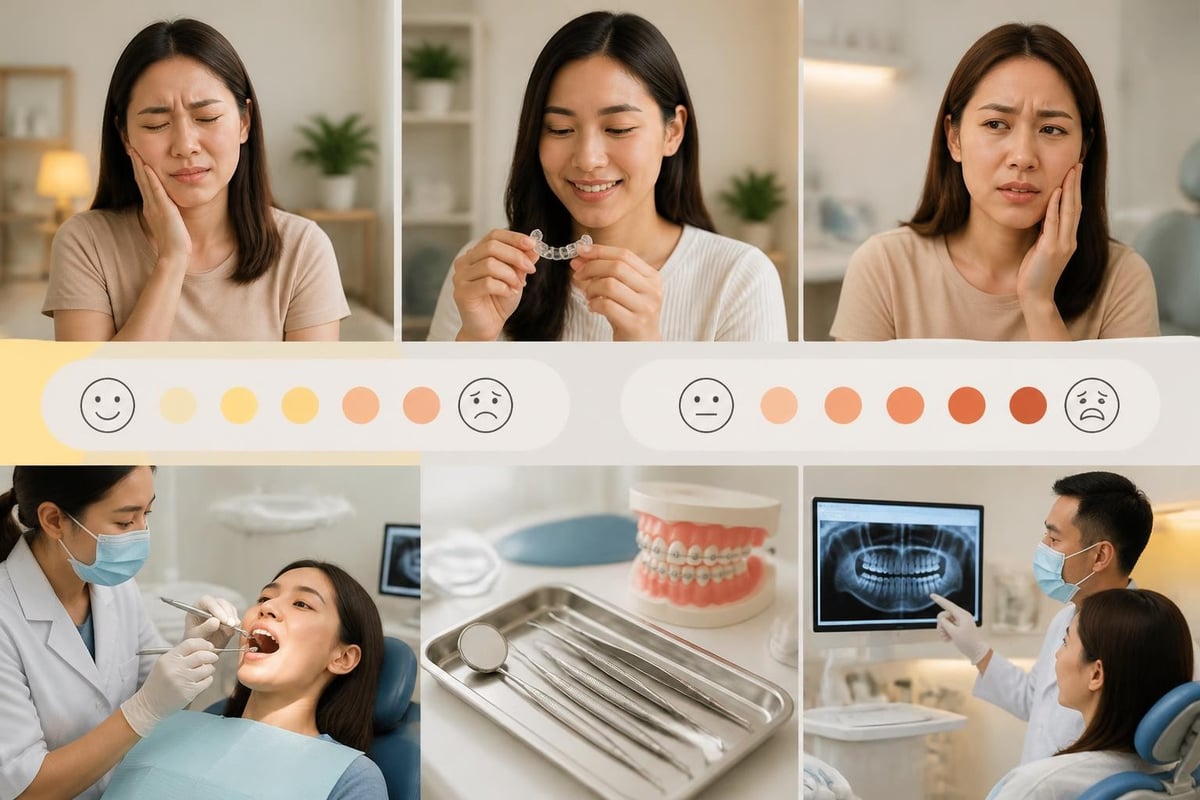
Research shows that pain intensity peaks within the first 24 to 48 hours after inserting a new aligner and typically subsides significantly by day three to four. Most patients report that subsequent aligner changes become progressively easier as their teeth and oral tissues adapt to the treatment process.
Why Clear Aligners Cause Discomfort
Understanding the biological basis of orthodontic discomfort can help normalize the experience and reassure you that what you're feeling is both expected and temporary. When aligners apply force to your teeth, they create controlled pressure on the periodontal ligament, the specialized tissue that anchors each tooth to the surrounding bone.
This pressure triggers a complex biological response. Inflammatory mediators and nerve signaling mechanisms activate in response to the mechanical force, which initiates the bone remodeling process that allows teeth to move. The same inflammatory cascade that enables tooth movement also temporarily sensitizes nerve endings, creating the soreness you feel.
The process involves several stages:
- Initial pressure application when you insert a new aligner
- Compression of the periodontal ligament on the side where force is applied
- Release of inflammatory mediators (prostaglandins, cytokines) within hours
- Activation of specialized cells (osteoclasts and osteoblasts) that remodel bone
- Gradual adaptation and reduced sensitivity as the tooth begins to move
This biological sequence is exactly what allows orthodontic treatment to work. The discomfort you experience is actually a sign that your treatment is progressing as planned.
Comparing Pain Levels: Clear Aligners vs. Traditional Braces
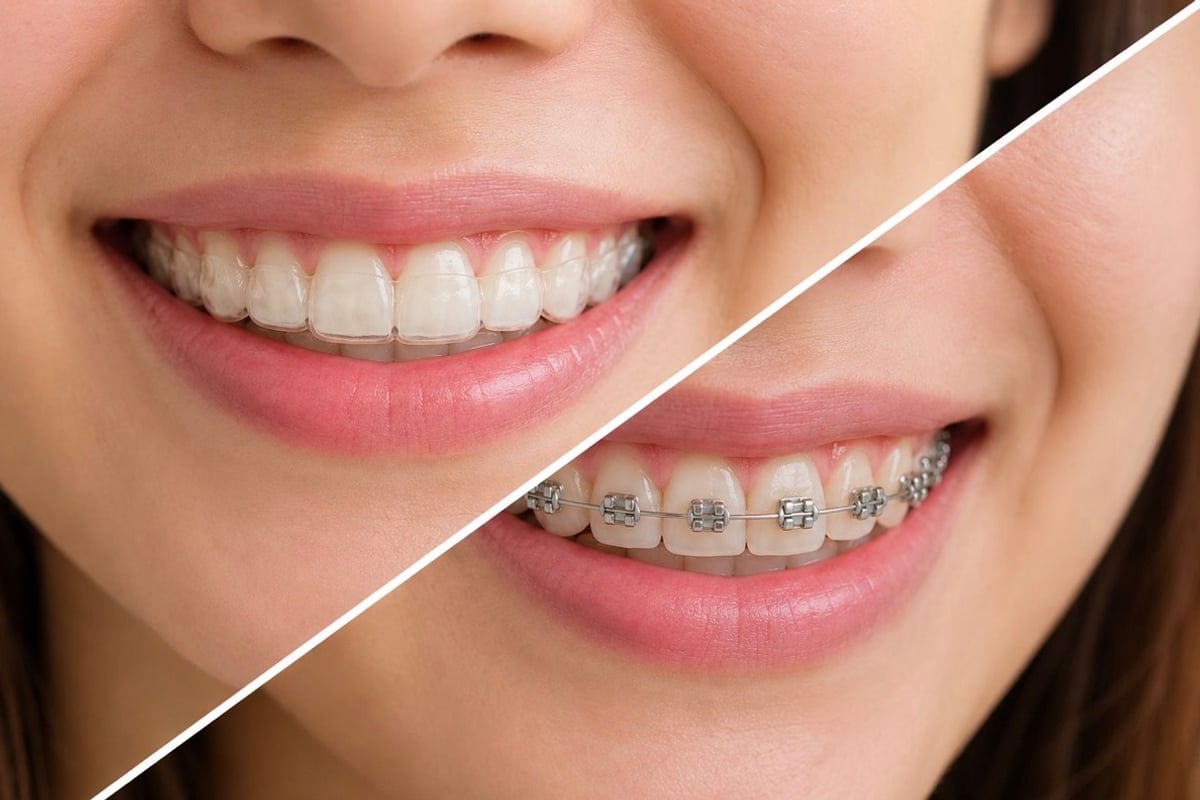
One common question patients ask is whether clear aligners are more or less painful than conventional metal braces. Systematic reviews comparing pain intensity between clear aligners and fixed appliances generally show that aligner patients report lower overall pain scores, particularly during the first week of treatment and during routine adjustments.
| Aspect | Clear Aligners | Traditional Braces |
|---|---|---|
| Initial discomfort | Moderate, peaks day 1-2 | Higher, especially first week |
| Adjustment pain | Mild to moderate with each tray change | Can be significant after wire tightening |
| Soft tissue irritation | Minimal once adapted | More common (brackets, wires) |
| Pain duration per adjustment | 2-4 days typically | 3-7 days commonly |
| Predictability | Consistent pattern | More variable |
Patients who have experienced both types of orthodontic treatment often describe aligners as more comfortable overall, though individual experiences vary based on treatment complexity, tooth movement patterns, and personal pain sensitivity.
Timeline: When to Expect Discomfort During Treatment
Does Invisalign hurt throughout the entire treatment period? No. Discomfort follows a predictable pattern that most patients find manageable once they understand the rhythm.
First 48 Hours After Inserting New Aligners
This is when you'll feel the most pressure and soreness. Your teeth are responding to the new positioning demands, and inflammation is at its peak. Many patients find that eating requires choosing softer foods during this window.
Days 3-5
Discomfort typically decreases significantly. You'll still feel some pressure, but it becomes background awareness rather than active pain. Chewing usually becomes more comfortable during this phase.
Days 6-10
Most people experience minimal to no discomfort during this period. Your teeth have partially shifted into the positions the current aligner is guiding them toward, so pressure naturally reduces.
Final Days Before Next Tray Change
By the end of each wear period (typically 7-14 days depending on your treatment plan), the aligner should feel comfortable and loose. This is the sign that your teeth have moved sufficiently and are ready for the next stage.
Evidence-Based Strategies to Minimize Aligner Pain
While some level of discomfort is normal and expected with orthodontic treatment, several approaches can help reduce pain intensity and duration. These strategies range from simple over-the-counter options to physical interventions supported by clinical research.
Over-the-Counter Pain Management
Current evidence-based guidelines suggest that non-opioid analgesics are effective for managing orthodontic discomfort. Ibuprofen (200-400 mg) or acetaminophen (500-1000 mg) taken as directed can significantly reduce soreness, particularly when taken shortly before inserting new aligners or during the peak pain period.
Important considerations:
- Always follow package directions and don't exceed recommended doses
- Take with food if the medication can cause stomach upset
- Consult your physician if you have conditions that contraindicate specific pain relievers
- Most patients find they only need medication for the first day or two of each new aligner
Physical and Mechanical Interventions
Research on non-pharmacological pain control has examined several physical approaches to reducing orthodontic discomfort. While evidence quality varies, many patients find these techniques helpful:
- Cold therapy: Applying ice packs to the outside of your jaw for 10-15 minutes can temporarily numb discomfort
- Soft diet modifications: Choosing softer foods (smoothies, soups, yogurt, soft-cooked vegetables) during peak discomfort days reduces chewing pressure
- Aligner seating techniques: Using special chewies (small cylindrical cushions) helps properly seat your aligners with even pressure distribution
- Gradual introduction: Some clinicians recommend inserting new aligners in the evening so you sleep through the initial hours of peak pressure
Timing Your Aligner Changes
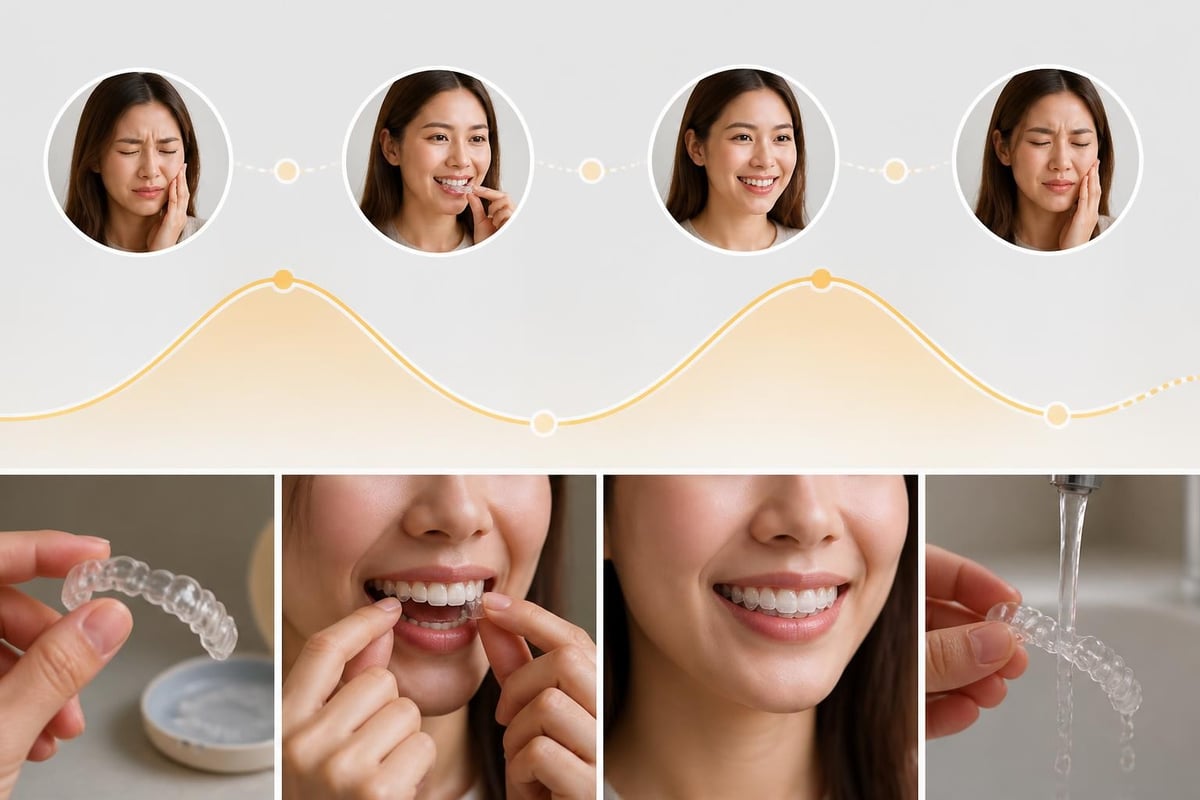
Strategic timing can make the adjustment period more comfortable. Many patients prefer changing to new aligners in the evening, so they sleep through the first several hours of pressure. By morning, the initial intensity has already passed.
When Discomfort Might Signal a Problem
While mild to moderate soreness is normal, certain types of pain warrant professional evaluation. Does Invisalign hurt in ways that indicate something beyond typical orthodontic discomfort? Yes, occasionally, and it's important to recognize the difference.
Red Flags Requiring Professional Assessment
Severe, sharp pain that doesn't respond to over-the-counter medication or significantly worsens over time may indicate an ill-fitting aligner, an attachment issue, or another problem requiring adjustment.
Persistent soft tissue injury from aligner edges cutting or irritating your cheeks, tongue, or gums beyond the first few days should be addressed. Your provider can smooth rough edges or modify the aligner.
TMJ-related pain including jaw joint clicking, locking, or radiating pain to your temples or ears may need specialized evaluation, particularly if aligners seem to aggravate existing symptoms.
Studies examining muscle pain and TMJ symptoms during aligner treatment show that most patients don't develop new TMJ problems, but those with pre-existing conditions may benefit from concurrent management.
At CuraSmile PH, we provide comprehensive orthodontic assessment that includes evaluating jaw joint health and discussing any concerns about TMJ-related discomfort during clear aligner treatment.
Individual Factors That Influence Pain Experience
Not everyone experiences the same level of discomfort with clear aligners. Several factors influence how much pain you might feel and how long it lasts.
| Factor | Impact on Pain Experience |
|---|---|
| Personal pain threshold | Highly variable; some people are naturally more sensitive to pressure and soreness |
| Amount of tooth movement | More extensive corrections typically produce more initial discomfort |
| Treatment stage | Early aligners often feel more intense; later stages usually cause less soreness |
| Compliance with wear time | Removing aligners frequently can prolong the adjustment period |
| Pre-existing dental sensitivity | Teeth already sensitive to temperature or pressure may feel more soreness |
| Stress and anxiety levels | Psychological factors can amplify or reduce pain perception |
Your orthodontic provider at CuraSmile PH will assess your specific treatment needs and help set realistic expectations based on your individual case complexity and tooth movement requirements.
What Patients Actually Say About Aligner Pain
Clinical research and patient surveys provide helpful context about real-world experiences. Data from systematic reviews shows that while most aligner patients report some discomfort, the majority rate it as mild to moderate rather than severe.
Common patient descriptions include:
- Pressure or tightness rather than throbbing pain
- Worst discomfort during the first two days after switching trays
- Temporary changes in eating preferences toward softer foods
- Quick adaptation with each subsequent aligner change
- Overall satisfaction despite initial soreness
Most patients also report that the predictable pattern of discomfort (peaking early in each cycle, then subsiding) becomes easier to manage as treatment progresses. Knowing what to expect and having strategies ready significantly improves the experience.
Managing Discomfort Throughout Your Day
Practical daily management strategies can make living with clear aligners much more comfortable, especially during the initial adjustment days of each new tray.
Morning Routine Adjustments
If you changed aligners the previous evening, mornings may feel tender. Choose softer breakfast options like oatmeal, smoothies, or eggs rather than crunchy toast or hard fruit. Taking pain medication with breakfast (if needed) can help reduce discomfort throughout the morning.
Workplace Considerations
Most people can work normally while wearing aligners, even during the peak discomfort period. However, if your job involves significant speaking or presentation, you might prefer scheduling important meetings a few days after tray changes rather than during the first 24 hours when speech adaptation is most noticeable.
Evening Care
This is often the most comfortable part of your day as initial pressure has subsided. Use this time for thorough cleaning, assessment, and insertion of new trays if you're on a change schedule.
Food and Eating Strategies
Creating a temporary "aligner-friendly" meal plan for the first few days after each change can significantly improve comfort:
- Protein-rich soft foods: Scrambled eggs, fish, ground meat, tofu, protein shakes
- Cooked vegetables: Steamed or roasted until very tender
- Soups and stews: Nutritious and require minimal chewing
- Dairy and alternatives: Yogurt, cottage cheese, soft cheeses, pudding
- Grains and starches: Mashed potatoes, soft-cooked rice, pasta, oatmeal
How Frequently Will You Experience Discomfort?
Does Invisalign hurt with every single tray change throughout treatment? Most patients experience some pressure with each new aligner, but the intensity and duration typically decrease as treatment progresses.
Your body adapts to the orthodontic process in several ways. The periodontal ligament becomes somewhat conditioned to the remodeling process, initial tooth movements tend to be larger than final refinements, and your psychological adaptation helps you manage the sensation more effectively.
Typical treatment timeline includes:
- Months 1-2: Most noticeable discomfort as your mouth adjusts to wearing aligners and experiencing tooth movement
- Months 3-6: Moderate, predictable pressure with each change but easier overall management
- Months 7-12: Minimal discomfort for most patients; routine becomes second nature
- Refinements: If needed, may produce mild renewed soreness but typically less than initial phase
According to patient FAQs from orthodontic associations, most people quickly develop effective coping strategies and find that aligner treatment becomes a comfortable part of their daily routine within the first month.
The Role of Proper Aligner Fit and Attachments
Pain levels are also influenced by how well your aligners fit and whether your treatment includes attachments (small tooth-colored bumps bonded to teeth to help aligners grip and apply force more effectively).
Attachment-Related Discomfort
When attachments are initially placed, you may experience:
- Brief sensitivity during the bonding procedure
- Awareness of the attachments' texture against your lips and cheeks
- Slightly increased pressure from aligners engaging with attachments
- Temporary adjustment period as your mouth adapts to these small additions
Most patients adapt to attachments within a few days and find they don't significantly increase overall pain compared to aligners alone.
Importance of Proper Aligner Seating
Aligners that aren't fully seated can create uneven pressure distribution, potentially increasing discomfort and reducing treatment effectiveness. Using aligner chewies as directed helps ensure proper fit and can actually reduce pain by distributing force evenly across all teeth rather than concentrating pressure in specific areas.
Comparing Discomfort Across Orthodontic Options
For patients weighing different orthodontic approaches, understanding comparative discomfort can inform treatment decisions. While clear aligners generally produce less pain than traditional braces, both methods involve some level of soreness as teeth move.
Benefits of Removable Aligners
The removability of clear aligners offers pain management advantages. You can remove them briefly for meals, reducing the challenge of eating with sore teeth. However, maintaining the recommended 20-22 hours of daily wear is essential for treatment progress.
Psychological Comfort
Many patients report psychological comfort from knowing exactly when pressure will increase (when they change to a new aligner) rather than the less predictable discomfort that can follow traditional orthodontic adjustments.
Professional Support Throughout Your Treatment
Does Invisalign hurt in ways that require ongoing professional monitoring? While most discomfort is manageable at home, regular check-ins with your orthodontic provider ensure your treatment progresses safely and comfortably.
At each appointment, your provider will:
- Assess your progress and verify teeth are moving according to plan
- Evaluate aligner fit and make any necessary modifications
- Address any pain concerns and adjust your treatment timeline if needed
- Provide the next series of aligners along with guidance for the coming weeks
- Monitor for complications such as attachment loss or tracking issues
Professional dental care throughout orthodontic treatment helps catch and resolve small issues before they become painful problems. If you experience unusual or persistent pain between scheduled visits, contacting your provider promptly ensures appropriate evaluation and intervention.
Long-Term Comfort and Results
While the question "does Invisalign hurt" focuses on immediate discomfort, it's important to maintain perspective on the broader treatment journey. The temporary, manageable soreness you experience during active treatment leads to long-term benefits that most patients find well worth the short-term inconvenience.
Benefits That Outlast Temporary Discomfort
- Improved bite function that can actually reduce jaw pain and TMJ symptoms for some patients
- Easier oral hygiene with properly aligned teeth, supporting better long-term dental health
- Enhanced confidence from aesthetic improvements
- Reduced wear patterns from corrected bite relationships
- Better overall dental health supporting lifelong oral wellness
Most patients report that looking back after treatment, the mild discomfort they experienced during the process was minor compared to the satisfaction and functional improvements they gained.
Understanding what to expect regarding discomfort helps you approach clear aligner treatment with realistic expectations and effective management strategies. While most patients experience some pressure and soreness, especially during the first few days of each new aligner, the sensation is typically mild, temporary, and very manageable with simple approaches. If you're considering orthodontic treatment and want personalized guidance about what to expect for your specific dental needs, the experienced team at CuraSmile PH in Bonifacio Global City provides comprehensive clear aligner consultations using advanced digital planning and evidence-based care to help you achieve your healthiest, most confident smile.