Does Getting Braces Hurt? What to Expect & How to Manage
Does getting braces hurt? Understand what to expect during placement, adjustments, and daily wear—plus evidence-based tips for managing discomfort.
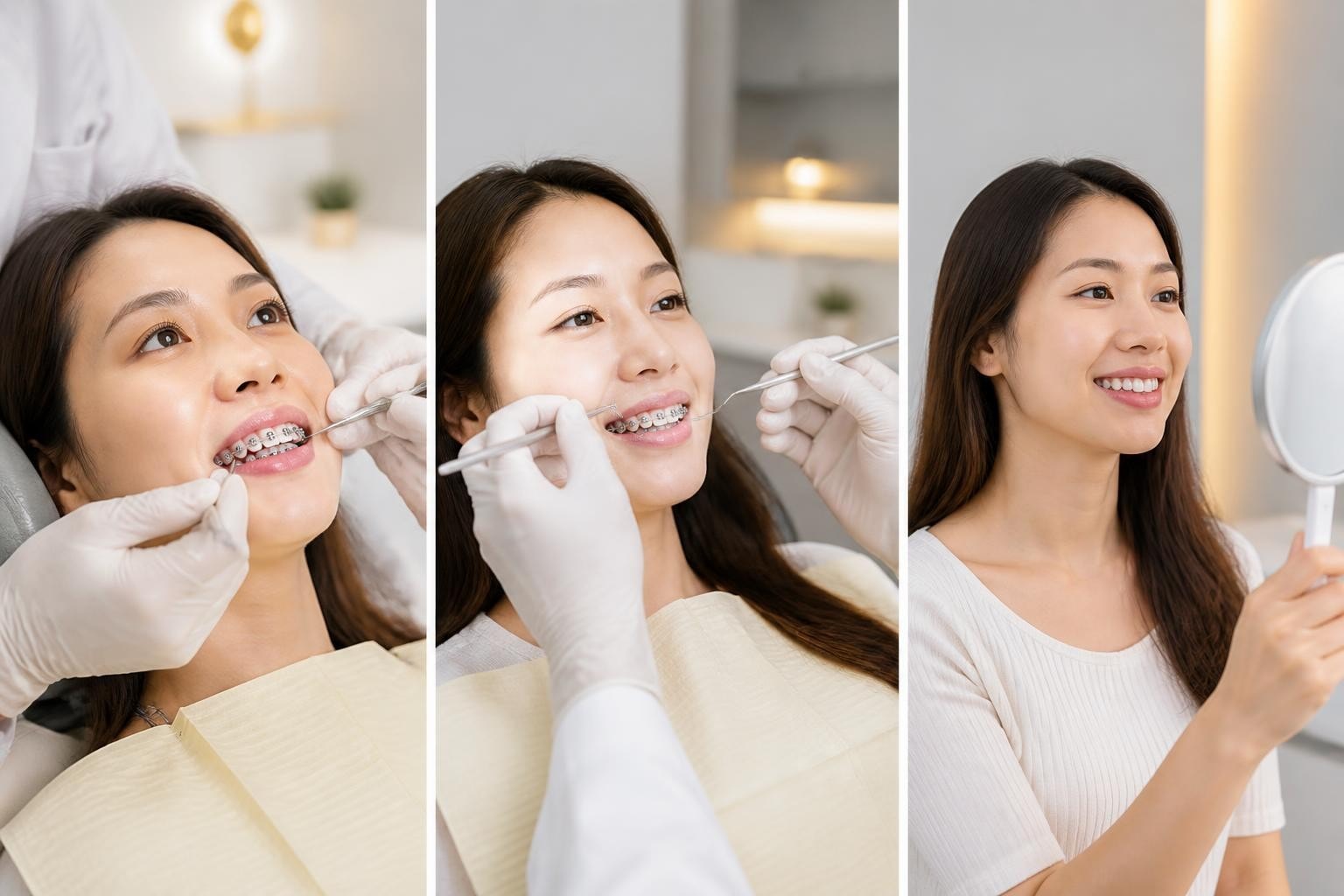
One of the most common questions patients ask before starting orthodontic treatment is whether the process will hurt. It's a perfectly understandable concern, especially for first-time wearers or parents considering treatment for their children. The short answer is that getting braces does cause some discomfort, but it's typically manageable and temporary. Understanding what to expect, when discomfort is most likely to occur, and how to address it can make your orthodontic journey much more comfortable and less stressful.
What Happens During Braces Placement
The actual process of getting braces placed is not painful, though it can feel unusual or slightly uncomfortable. Your orthodontist will carefully clean and dry your teeth, then apply a bonding adhesive to attach the brackets. Archwires are threaded through the brackets and secured with tiny elastic bands or clips. The entire appointment usually takes one to two hours depending on the complexity of your case.
Most patients describe the placement appointment as more awkward than painful. Your mouth will be held open for an extended period, which can make your jaw feel tired or stiff. The materials used-adhesives, brackets, and wires-don't cause pain during application, but they do create a new sensation of pressure and fullness in your mouth.
Initial Adjustment Period
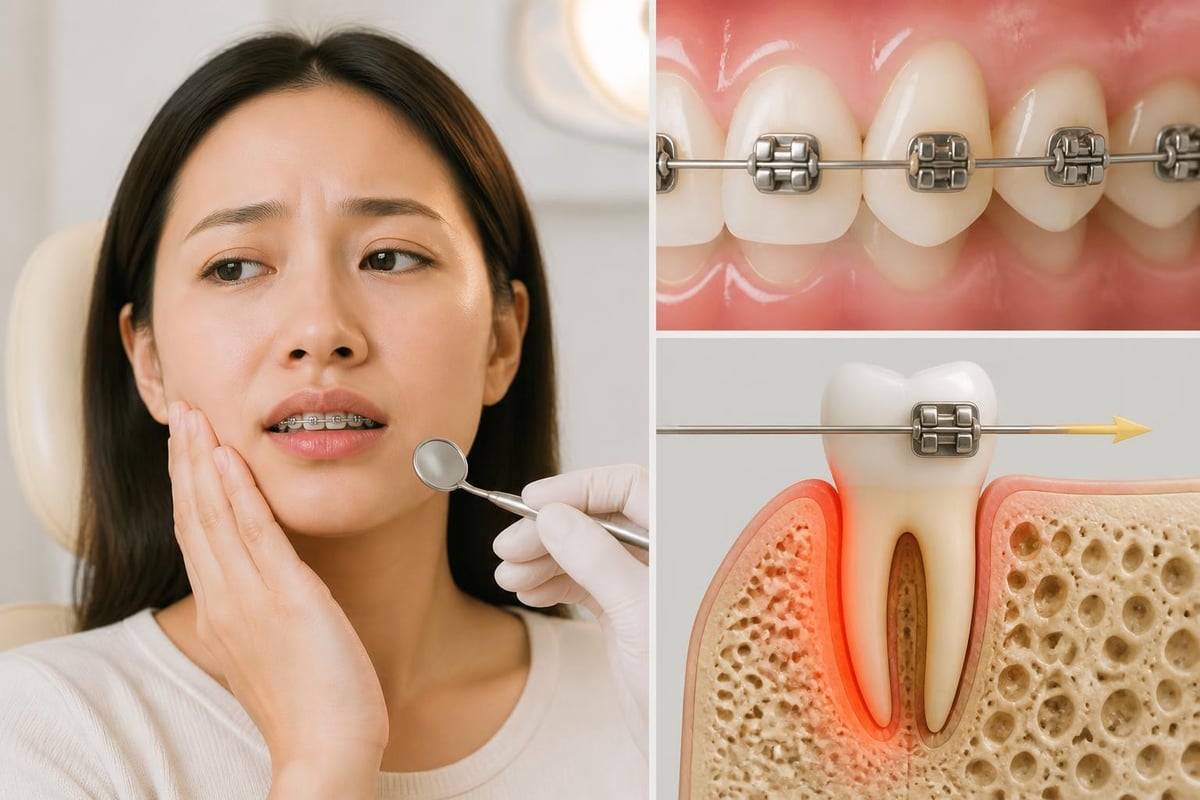
The discomfort typically begins a few hours after your appointment, once the initial pressure from the archwire starts to activate tooth movement. According to the American Association of Orthodontists' guidance on braces, this soreness usually peaks within the first 24 to 72 hours and then gradually subsides.
During this period, you may experience:
- Tenderness when biting down or chewing
- Pressure across your teeth and gums
- Mild aching that may feel similar to muscle soreness
- Sensitivity to hot or cold foods
This discomfort is a normal response to orthodontic force. Your teeth are anchored in bone by a periodontal ligament, and braces apply gentle, sustained pressure that triggers biological changes in this ligament and surrounding bone. As your body adapts to this pressure, inflammation and remodeling occur, which is what creates the temporary soreness.
Does Getting Braces Hurt During Adjustments?
After the initial placement, you'll return for regular adjustment appointments, typically every four to eight weeks. During these visits, your orthodontist will replace or adjust the archwires to continue guiding tooth movement. Each adjustment reactivates the orthodontic forces and often triggers another round of temporary discomfort.
The pattern is similar to what you experienced after initial placement, though many patients report that subsequent adjustments cause less intense soreness. Your teeth and supporting structures become somewhat adapted to the process, and adjustments often involve smaller wire changes or more targeted movements.
| Appointment Type | Typical Discomfort Level | Duration of Soreness |
|---|---|---|
| Initial Placement | Moderate to noticeable | 3-7 days |
| First Few Adjustments | Mild to moderate | 2-5 days |
| Mid-Treatment Adjustments | Mild | 1-3 days |
| Final Adjustments | Minimal to mild | 1-2 days |
These timelines vary between individuals. Factors like pain tolerance, the complexity of tooth movement, the type of appliance used, and individual biological response all influence how much discomfort you'll experience.
How Discomfort Levels Vary by Treatment Type
Not all orthodontic appliances create the same level of discomfort. A systematic review comparing pain between clear aligners and fixed braces found that patients wearing clear aligners generally reported lower pain intensity and better oral health-related quality of life compared to those with traditional fixed appliances, particularly during the initial stages of treatment.
Traditional Metal Braces
Metal braces use brackets bonded to each tooth and connected by archwires. The brackets and wires can occasionally rub against the inside of your lips and cheeks, especially during the first week or two before the soft tissues toughen slightly. This friction-related irritation is separate from the soreness caused by tooth movement itself.
Clear Aligners
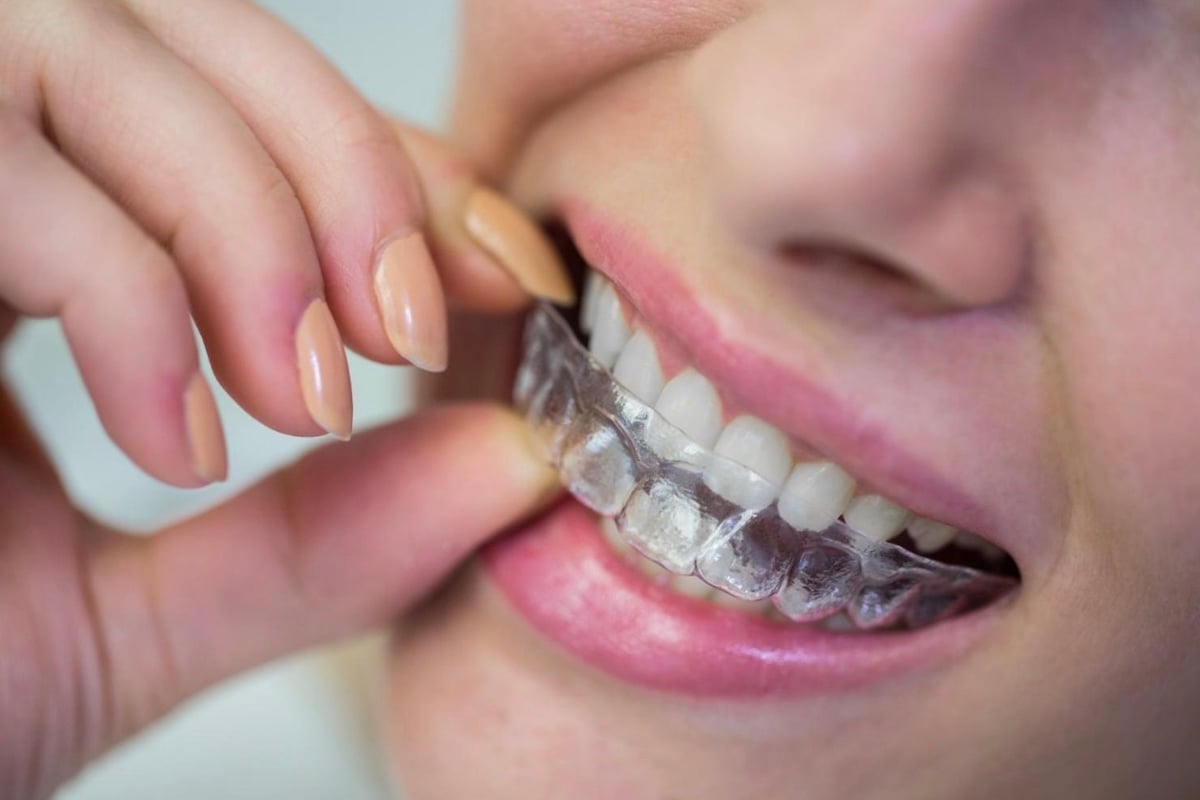
Clear aligners work by applying controlled pressure through a series of custom-made, removable trays. Each new aligner in the series creates a period of pressure and mild discomfort, typically for the first day or two after switching trays. Because aligners are smooth plastic without metal components, they generally cause less soft-tissue irritation than brackets and wires.
At CuraSmile PH, we provide comprehensive orthodontic assessments to help you understand which treatment approach best matches your clinical needs, lifestyle, and comfort preferences.
Ceramic and Self-Ligating Braces
Ceramic braces function like metal braces but use tooth-colored brackets that are less visible. Self-ligating braces use specialized clips instead of elastic bands to hold the archwire, which can reduce friction and sometimes decrease discomfort. The tooth-movement discomfort remains similar across bracket types, though some patients report that self-ligating systems feel slightly more comfortable during adjustments.
Evidence-Based Strategies for Managing Orthodontic Discomfort
Understanding that some soreness is normal doesn't mean you have to simply endure it. Research on interventions for pain during fixed-appliance therapy has identified several effective approaches, both pharmaceutical and non-pharmaceutical, that can reduce discomfort.
Over-the-Counter Pain Relief
The most common and effective approach is using over-the-counter analgesics. A Cochrane review on painkillers for orthodontic treatment examined evidence from multiple randomized trials and found that ibuprofen and acetaminophen can effectively reduce orthodontic pain.
Timing matters: Taking a dose of ibuprofen or acetaminophen about one hour before your appointment or immediately afterward can help manage the onset of discomfort. Always follow dosing instructions and consult your orthodontist or physician if you have any medical conditions or take other medications.
Dietary Adjustments
Your teeth will be tender, especially in the first few days after placement or adjustments. Choosing softer foods reduces the pressure and discomfort during chewing.
Recommended foods during peak soreness:
- Smoothies, yogurt, and soft fruits
- Mashed potatoes, scrambled eggs, or soft pasta
- Soups, broths, and well-cooked vegetables
- Oatmeal, pudding, or applesauce
Avoid hard, crunchy, or chewy foods that require significant biting force. As the soreness decreases over the next few days, you can gradually return to your normal diet while continuing to avoid foods that could damage brackets or wires.

Orthodontic Wax and Soft-Tissue Protection
Brackets and wires can create sore spots on the inside of your lips and cheeks, particularly before the soft tissues adapt. Orthodontic wax provides a protective barrier between the appliance and your mouth.
How to use orthodontic wax:
- Dry the bracket or wire area with a tissue
- Pinch off a small piece of wax and roll it into a ball
- Flatten it slightly and press it over the irritating bracket or wire
- Replace as needed throughout the day
Your orthodontist will provide wax and demonstrate proper application. If a wire is poking or a bracket becomes loose, contact your orthodontic office for guidance rather than trying to cut or adjust components yourself.
Saltwater Rinses
Rinsing with warm salt water can soothe irritated gum tissue and reduce minor inflammation. Mix about half a teaspoon of salt in eight ounces of warm water and gently swish for 30 seconds, two to three times daily. This simple remedy is especially helpful if you develop any small sores or abrasions from appliance contact.
What Research Tells Us About Orthodontic Pain
Clinical studies provide helpful context for understanding orthodontic discomfort. A systematic review of randomized trials on pain during the leveling and alignment phase found that pain intensity typically follows a predictable pattern: increasing during the first 24 hours, peaking around day two or three, and declining significantly by day seven.
Individual variation is substantial. Some patients report minimal soreness, while others experience more noticeable discomfort. Age, pain sensitivity, psychological factors, and the degree of tooth movement required all influence the experience.
Key research findings:
- Pain from braces is usually mild to moderate, not severe
- Discomfort is temporary and predictable, not constant
- Most patients adapt over time, with later adjustments causing less soreness
- Non-invasive pain management (analgesics, dietary changes, wax) is generally effective
This evidence reinforces that while does getting braces hurt is a valid concern, the discomfort is manageable and shouldn't prevent you from pursuing orthodontic treatment if it's clinically indicated.
Uncommon but Noteworthy Concerns
In rare cases, patients may experience issues beyond typical soreness. According to guidance from the British Orthodontic Society on risks of orthodontic treatment, orthodontic care is generally safe when provided by qualified professionals, but informed patients should be aware of potential complications.
When to Contact Your Orthodontist
Reach out if you experience:
- Sharp, severe pain that doesn't improve with over-the-counter medication
- Persistent ulcers or sores that don't heal within a week
- Broken brackets, loose bands, or protruding wires causing injury
- Signs of infection such as swelling, fever, or pus
- Difficulty opening or closing your mouth
These situations are uncommon but require professional assessment. Modern orthodontic techniques and materials have significantly reduced complication rates, and comprehensive orthodontic care includes monitoring for any adverse effects throughout treatment.
TMJ and Jaw Discomfort
Some patients experience temporary jaw soreness, clicking, or fatigue during orthodontic treatment. This can result from changes in bite position, muscle adaptation, or holding the mouth open during appointments. If you have a history of jaw pain or TMJ concerns, discuss this with your orthodontist before starting treatment.
At CuraSmile PH, we evaluate jaw function and bite relationships as part of orthodontic planning. For patients with pre-existing TMJ symptoms or complex jaw-related issues, we coordinate care to address both orthodontic and functional concerns.
Daily Life With Braces: What to Expect
Beyond the initial soreness and adjustment periods, wearing braces becomes routine for most patients. You'll adapt to cleaning around brackets and wires, learn which foods to avoid, and develop habits that protect your appliances and oral health.
Oral hygiene is critical. Brackets and wires create additional surfaces where plaque and food particles can accumulate. Brush carefully after every meal, use floss threaders or interdental brushes to clean between teeth, and consider an antimicrobial mouthrinse if recommended by your orthodontist.
Protect your appliances. Avoid hard foods (ice, hard candy, nuts), sticky foods (caramel, gum), and habits like chewing on pens or fingernails that could damage brackets. If you play contact sports, wear a protective mouthguard designed for braces wearers.
Attend all scheduled appointments. Consistent progress checks and timely adjustments keep your treatment on track and allow your orthodontist to address any emerging concerns early.
Why Temporary Discomfort Is Worth the Outcome
Understanding does getting braces hurt helps set realistic expectations, but it's also important to remember why patients choose orthodontic treatment. Straighter teeth, improved bite function, better oral health, and enhanced confidence are meaningful, lasting outcomes that extend well beyond the temporary discomfort of treatment.
According to guidance from the American Dental Association, orthodontic care can improve not just aesthetics but also long-term dental health by making teeth easier to clean, reducing wear patterns, and addressing bite issues that could contribute to jaw problems.
The transient nature of orthodontic discomfort stands in contrast to the permanent improvements treatment provides. Most patients, looking back after completing their treatment, report that the temporary soreness was a minor part of the overall experience compared to the satisfaction of achieving their smile goals.
Practical Tips for a Comfortable Orthodontic Experience
| Strategy | How It Helps | When to Use |
|---|---|---|
| Take ibuprofen or acetaminophen | Reduces inflammation and pain | Before/after appointments, during peak soreness |
| Eat soft foods | Minimizes chewing pressure on tender teeth | First 3-7 days after placement or adjustments |
| Use orthodontic wax | Protects soft tissues from bracket/wire irritation | Anytime you feel rubbing or sore spots |
| Rinse with warm salt water | Soothes irritated gums and minor abrasions | 2-3 times daily during soreness |
| Stay hydrated | Keeps mouth moist and comfortable | Throughout treatment |
| Maintain excellent oral hygiene | Prevents gum inflammation that worsens discomfort | After every meal, daily flossing |
These strategies are supported by both clinical evidence and practical patient experience. Implementing them consistently makes orthodontic treatment significantly more comfortable.
Setting Realistic Expectations Before Treatment
One of the most effective ways to manage orthodontic discomfort is through informed consent and realistic expectations. When patients understand what to expect, they're better prepared psychologically and practically to handle temporary soreness.
Comprehensive orthodontic consultations should include discussion of:
- Timeline: How long treatment will take and when discomfort is most likely
- Management options: What you can do to reduce soreness
- Warning signs: When to contact the office versus what's normal
- Individualized factors: Your specific case and how it might influence your experience
At CuraSmile PH in Bonifacio Global City, we prioritize patient education and personalized care. Our orthodontic assessments use digital treatment planning and advanced diagnostics to create customized treatment approaches that balance effectiveness, efficiency, and patient comfort.
The Role of Modern Technology in Comfort
Advances in orthodontic materials and techniques have made treatment more comfortable than ever. Newer archwire materials apply lighter, more continuous forces, which can reduce discomfort compared to older, stiffer wires. Digital treatment planning allows for more precise bracket placement and wire bending, improving efficiency and reducing unnecessary tooth movement.
Heat-activated wires respond to mouth temperature and apply gentler forces. Self-ligating brackets reduce friction between the wire and bracket, sometimes decreasing soreness during adjustments. Clear aligner systems use computer modeling to plan tooth movements in small, controlled increments, spreading the discomfort across many gradual steps rather than larger, more abrupt changes.
These innovations don't eliminate orthodontic discomfort entirely, but they do make it more manageable and predictable. Choosing a practice that invests in current technology and evidence-based techniques can enhance both your treatment outcome and your comfort throughout the process.
Orthodontic discomfort is temporary and manageable with the right strategies and support. Understanding what to expect and how to address soreness helps you approach treatment with confidence. If you're considering braces or clear aligners and want personalized guidance on what your specific case might involve, CuraSmile PH in Bonifacio Global City offers comprehensive orthodontic consultations using advanced diagnostic technology and evidence-based care to help you achieve a healthier, more confident smile.