TMJ Headache: Causes, Symptoms & Treatment Options
Learn how TMJ disorders cause headaches, recognize symptoms, and explore evidence-based treatment options to relieve jaw-related head pain.
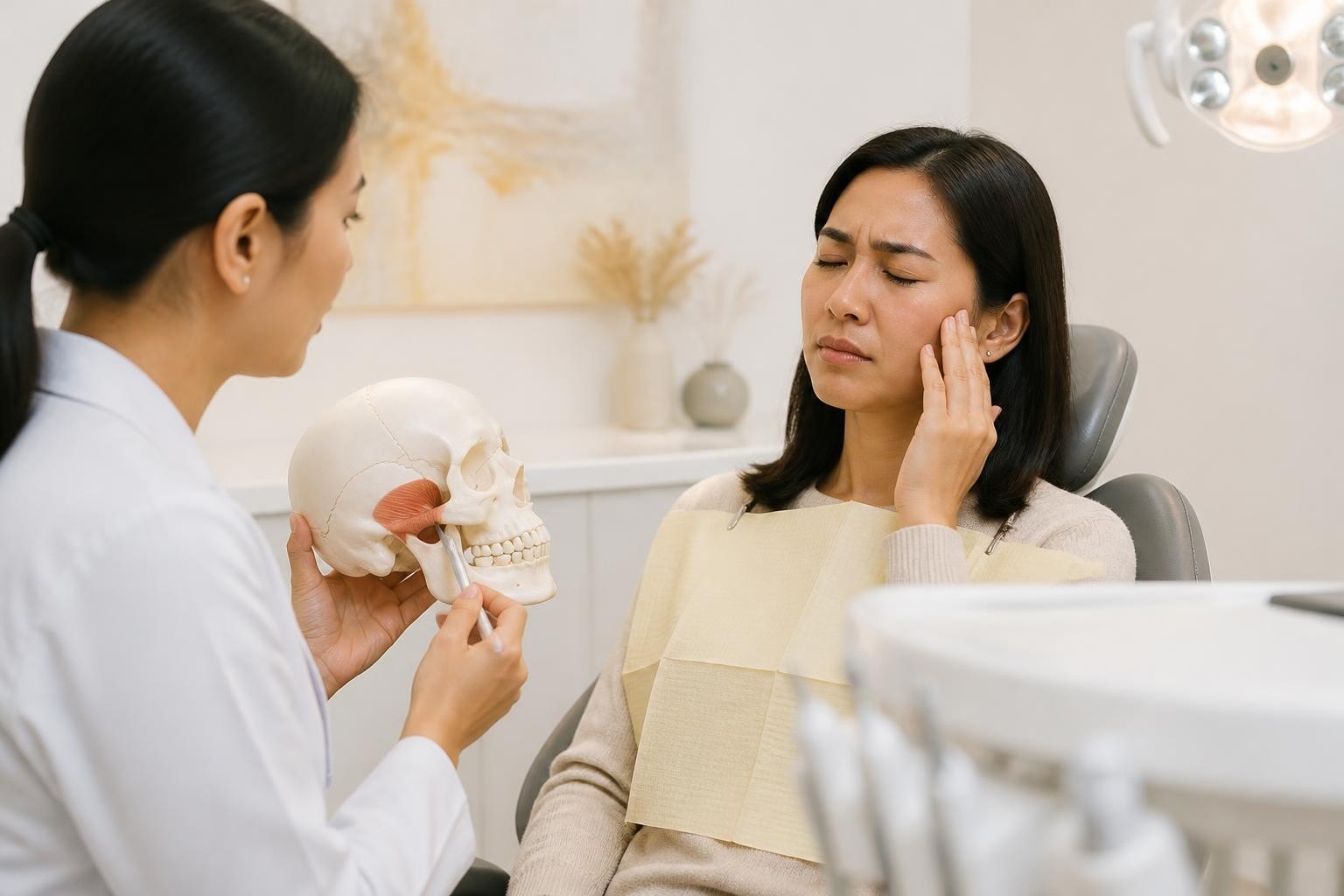
When persistent headaches don't respond to typical pain relievers and seem to worsen with jaw movement or teeth clenching, the source might not be in your head at all. A tmj headache originates from dysfunction in the temporomandibular joint, the complex hinge connecting your jawbone to your skull. Understanding this connection between jaw mechanics and head pain is essential for finding lasting relief rather than masking symptoms.
Understanding the TMJ-Headache Connection
The temporomandibular joint sits just in front of each ear, and every time you talk, chew, or yawn, these joints move in coordinated patterns with surrounding muscles. When something disrupts this harmony, whether through injury, stress-related clenching, or structural imbalance, the result can be persistent head pain that mimics tension headaches or migraines.
How TMJ Disorders Trigger Head Pain
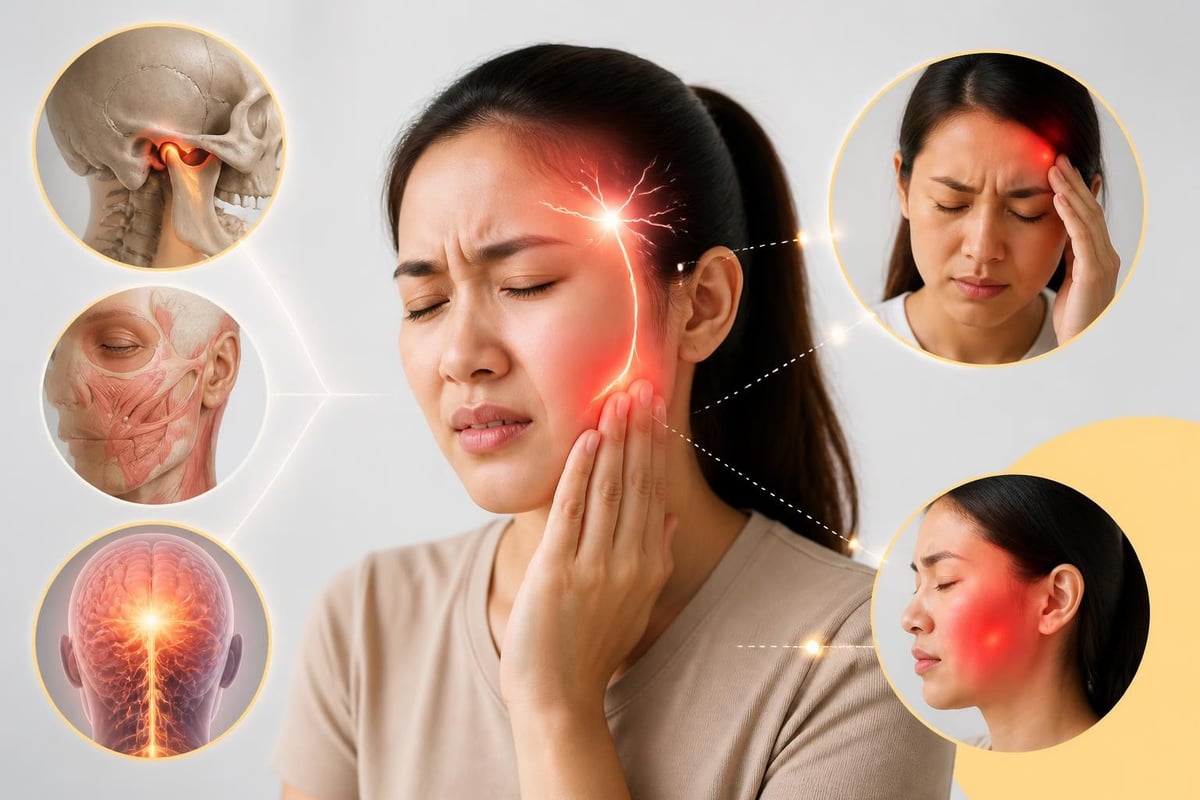
The International Headache Society recognizes headache attributed to temporomandibular disorder as a distinct category, confirming that dysfunction in the jaw joint and associated muscles can directly cause headaches. The mechanisms involve several pathways:
- Muscle tension and trigger points in the jaw muscles (masseter, temporalis, pterygoids) that radiate pain to the temples, forehead, and back of the head
- Joint inflammation that activates pain pathways extending beyond the immediate joint area
- Nerve sensitization where chronic jaw dysfunction lowers the threshold for pain throughout interconnected facial and cranial nerves
- Referred pain patterns where the brain interprets jaw-region signals as coming from the head
When jaw muscles work harder than they should, compensating for misalignment or bracing against nighttime grinding, they develop tight bands and trigger points that send pain signals upward into the skull.
Common Symptoms Beyond Head Pain
While the tmj headache itself brings significant discomfort, it rarely appears alone. Patients typically experience a cluster of related symptoms that help distinguish jaw-related headaches from other types:
| Symptom Category | Specific Signs |
|---|---|
| Jaw sensations | Clicking, popping, or grinding sounds; difficulty opening wide; jaw locking or catching |
| Pain patterns | Temple pain, behind-eye pressure, neck tension, ear fullness without infection |
| Functional changes | Difficulty chewing certain foods, uneven bite sensation, tooth sensitivity |
| Associated features | Morning headaches after nighttime grinding, pain worsening with jaw use |
The NHS notes that TMD symptoms often fluctuate, sometimes improving temporarily before returning, which can make the pattern confusing for patients seeking relief.
Identifying Risk Factors and Triggers
Understanding what contributes to TMJ-related headaches helps in both prevention and treatment planning. Several factors increase vulnerability to developing this condition.
Behavioral and Lifestyle Contributors
Teeth grinding and clenching (bruxism) ranks among the most common triggers for tmj headache development. Many people unconsciously grind their teeth during sleep or clench their jaw during stressful periods, placing enormous pressure on the joint and surrounding muscles. This repetitive strain creates the perfect environment for chronic inflammation and muscle fatigue.
Stress and anxiety don't just contribute to grinding; they also cause sustained muscle tension throughout the jaw and neck. When you're stressed, you might hold your jaw in a tight position without realizing it, maintaining constant low-level muscle activation that eventually leads to pain.
Poor posture, particularly the forward head position common with desk work and phone use, alters the biomechanics of the jaw. This postural shift forces jaw muscles to work harder to maintain proper position, contributing to overuse and strain.
Structural and Medical Factors
- Bite misalignment (malocclusion) that forces the jaw to close in an unnatural position
- Previous jaw injury or trauma that damaged joint structures or altered mechanics
- Arthritis affecting the temporomandibular joint directly
- Connective tissue disorders that increase joint hypermobility
- Hormonal fluctuations that may influence joint inflammation and pain sensitivity
Women experience TMJ disorders more frequently than men, though researchers continue to investigate why this disparity exists. Hormonal factors, anatomical differences, and varying pain processing mechanisms all likely play roles.
Diagnostic Approaches for TMJ-Related Headaches
Accurate diagnosis requires distinguishing a tmj headache from other headache types while identifying the specific TMJ dysfunction causing the pain. This process combines clinical assessment with imaging when appropriate.
Clinical Examination Components
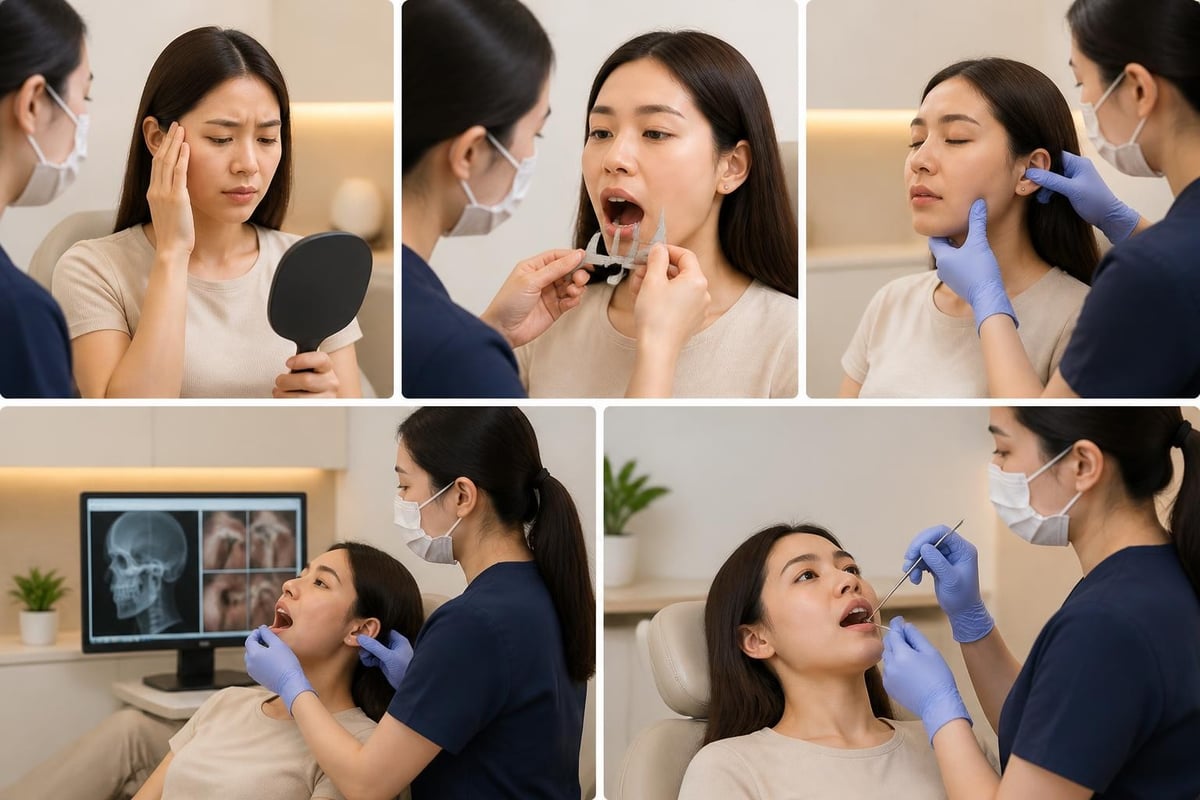
A comprehensive evaluation at CuraSmile PH includes several assessment elements:
- Detailed symptom history documenting headache patterns, jaw symptoms, and functional limitations
- Jaw movement analysis measuring opening range, lateral movements, and identifying deviations or restrictions
- Muscle palpation checking for tenderness, trigger points, and asymmetry in jaw, neck, and temple muscles
- Joint assessment listening for sounds, feeling for irregularities, and evaluating how the joint moves
- Bite evaluation examining tooth wear patterns, alignment, and how teeth come together
The examination aims to reproduce your symptoms through specific movements or muscle palpation, helping confirm that jaw dysfunction is the pain source.
When Imaging Becomes Necessary
For complex cases or when initial treatment doesn't provide expected improvement, advanced imaging helps visualize joint structures and identify specific problems. Options include:
| Imaging Type | What It Shows | When It's Used |
|---|---|---|
| Panoramic X-ray | Overall jaw structure, bone abnormalities | Initial structural screening |
| CBCT/3D imaging | Detailed joint anatomy, bone changes, positioning | Complex cases, surgical planning |
| MRI | Soft tissues, disc position, inflammation | Suspected disc displacement or advanced disease |
Advanced diagnostic technology allows for precise visualization of jaw structures when needed, though many TMJ cases can be effectively managed based on clinical findings alone.
Evidence-Based Treatment Strategies
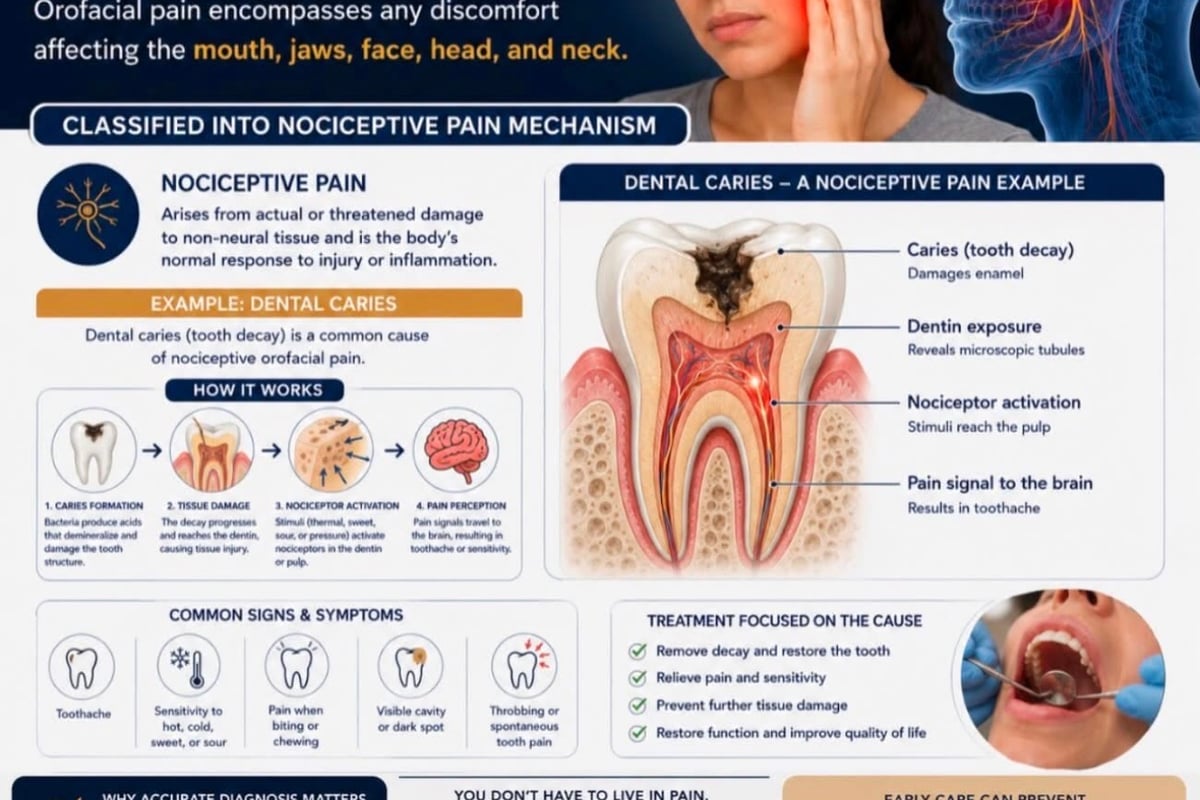
Managing a tmj headache effectively requires addressing both immediate pain relief and underlying causes. Treatment approaches range from conservative self-care to specialized interventions, typically starting with the least invasive options.
Conservative Management as First-Line Care
Most TMJ-related headaches improve with conservative treatments that reduce joint stress and allow inflamed tissues to heal:
Jaw rest modifications involve temporarily switching to softer foods, taking smaller bites, and avoiding wide opening (like biting into large sandwiches). This simple approach reduces mechanical stress while tissues recover.
Thermal therapy alternates between cold packs to reduce inflammation and warm compresses to relax tight muscles. Many patients find relief by applying warmth to the jaw and temple area for 15-20 minutes several times daily.
Gentle jaw exercises prescribed specifically for your condition can restore normal movement patterns and strengthen supporting muscles. These differ significantly from general stretching and should be learned from a healthcare provider familiar with TMJ disorders.
Stress management techniques including mindfulness, progressive muscle relaxation, and breathing exercises help reduce unconscious clenching and grinding throughout the day.
Appliance Therapy and Occlusal Management
Nightguards or splints create a physical barrier between upper and lower teeth, preventing grinding damage while reducing muscle activity during sleep. Custom-fabricated appliances from precision dental molds fit more comfortably and work more effectively than over-the-counter options.
These devices serve multiple purposes: protecting teeth from wear, reducing muscle activity during sleep, decompressing the joint, and sometimes gradually guiding the jaw toward better alignment. The specific design depends on your individual dysfunction pattern.
For patients with significant bite misalignment contributing to their tmj headache, orthodontic treatment may be recommended to establish better tooth relationships and reduce joint strain.
Physical Therapy and Manual Techniques
Recent systematic reviews demonstrate that physiotherapy interventions, including manual therapy and specific exercises, significantly improve outcomes for patients experiencing both TMD and chronic headaches. Approaches include:
- Manual therapy to release muscle tension, improve joint mobility, and address postural contributors
- Therapeutic exercises targeting jaw muscles, neck stabilizers, and postural muscles
- Ultrasound or laser therapy to reduce inflammation and promote tissue healing
- Education on proper jaw posture, stress management, and activity modification
Professional TMJ and orofacial pain management addresses the complete picture of jaw dysfunction and its effects on surrounding structures.
Advanced Interventions for Persistent Cases
When conservative approaches don't provide sufficient relief, additional options may be considered:
Trigger point injections can deactivate painful muscle knots that contribute to referred head pain. These targeted treatments provide relief while allowing physical therapy to progress more effectively.
Botulinum toxin injections have gained attention for TMJ treatment, though evidence quality remains mixed according to recent systematic reviews. When used appropriately, these injections can reduce excessive muscle activity in select patients, though they're not a first-line treatment.
Surgical intervention remains a last resort reserved for specific structural problems that haven't responded to comprehensive conservative care. The vast majority of TMJ-related headaches improve without surgery.
Creating Your Personalized Treatment Plan
No single treatment works for everyone experiencing a tmj headache, which is why personalized assessment and tailored treatment planning prove essential. The National Academies report on TMD emphasizes the importance of comprehensive evaluation and individualized care approaches.
What to Expect During Treatment
Timeframe considerations: Most patients notice some improvement within 2-4 weeks of starting conservative treatment, though complete resolution often requires 8-12 weeks or longer. Healing takes time, particularly when addressing chronic dysfunction.
Treatment adjustments: Your initial treatment plan may need modification based on your response. Regular follow-up allows your provider to assess progress and refine approaches for optimal results.
Self-care integration: Home exercises, stress management, and activity modification aren't optional additions; they're core treatment components that significantly influence outcomes.
Prevention and Long-Term Management
Once your tmj headache improves, maintaining that improvement requires ongoing attention:
- Continue protective habits like mindful jaw relaxation and stress management
- Use your nightguard consistently if recommended for bruxism prevention
- Address dental issues promptly including cavities, lost fillings, or broken teeth that might alter your bite
- Maintain good posture especially during prolonged computer work or phone use
- Schedule regular dental check-ups to monitor jaw function and catch early signs of problems
Some patients experience occasional symptom flare-ups during particularly stressful periods or after dietary indiscretions (like chewing particularly tough foods). Recognizing early warning signs allows you to resume protective strategies before symptoms escalate.
Supporting Your Overall Dental Health
TMJ health connects to your broader oral health picture. Comprehensive dental care ensures that tooth-related factors, such as missing teeth, worn restorations, or gum disease, don't contribute to jaw dysfunction. When you address your complete oral health needs, you support better jaw function and reduce headache risk.
The Role of Bite Alignment
Your bite, how your upper and lower teeth come together, plays a significant role in jaw joint health. Even subtle imbalances can force your jaw to close in an unnatural position, creating chronic strain. Addressing bite issues through appropriate restorative work or orthodontics may be part of a comprehensive approach to preventing future tmj headache episodes.
Collaboration Between Specialties
Complex TMJ cases sometimes benefit from collaboration among dental specialists, physical therapists, and other healthcare providers. This team approach, coordinated through your primary dental provider, ensures all contributing factors receive appropriate attention. Whether you need evaluation for teeth grinding or comprehensive assessment of facial pain patterns, integrated care produces better outcomes than fragmented treatment.
Living Well with TMJ Awareness
Understanding the connection between jaw function and headaches empowers you to recognize patterns, seek appropriate care early, and participate actively in your treatment. Many people suffer with tmj headache for years before discovering the true source of their pain, often cycling through various headache medications that provide only temporary relief.
Education about jaw health, stress effects, and early warning signs helps you become an advocate for your own care. When you notice increased jaw tension, hear new clicking sounds, or experience changes in how your teeth fit together, early evaluation can prevent minor issues from becoming chronic problems.
The relationship between stress, jaw function, and headache creates a cycle that perpetuates itself when left unaddressed. Breaking this cycle requires addressing physical dysfunction while also managing the behavioral and emotional factors that contribute to muscle tension and grinding. This comprehensive approach recognizes that TMJ-related headaches aren't purely mechanical problems; they exist within the context of your complete health and lifestyle.
Questions to Ask Your Dental Provider
When seeking evaluation for suspected TMJ-related headaches, consider asking:
- What specific type of TMJ dysfunction do I have? Understanding whether your problem primarily involves muscles, the joint itself, or the disc helps clarify why certain treatments are recommended.
- What caused my TMJ problem? Identifying contributing factors guides prevention strategies.
- What's my expected recovery timeline? Realistic expectations help you stay committed to treatment.
- Which symptoms should improve first? Understanding the typical progression helps you evaluate whether treatment is working.
- What can I do at home to support healing? Self-care strategies are powerful treatment tools when done correctly.
Don't hesitate to seek evaluation if you experience persistent headaches accompanied by jaw symptoms. Early intervention typically leads to faster resolution and helps prevent chronic pain development. The TMJ treatment specialists in BGC can provide comprehensive assessment and personalized care planning.
A tmj headache doesn't have to control your daily life or limit your activities. With accurate diagnosis, evidence-based treatment, and your active participation in care, significant improvement is achievable for most patients. If you're experiencing persistent headaches that might be related to jaw dysfunction, CuraSmile PH offers comprehensive TMJ and orofacial pain evaluation using advanced diagnostic technology and personalized treatment approaches designed around your specific needs and goals.