How Long Does Invisalign Take? Clear Aligner Timeline
Wondering how long does Invisalign take? Learn about treatment timelines, factors affecting duration, and what to expect from clear aligner therapy.
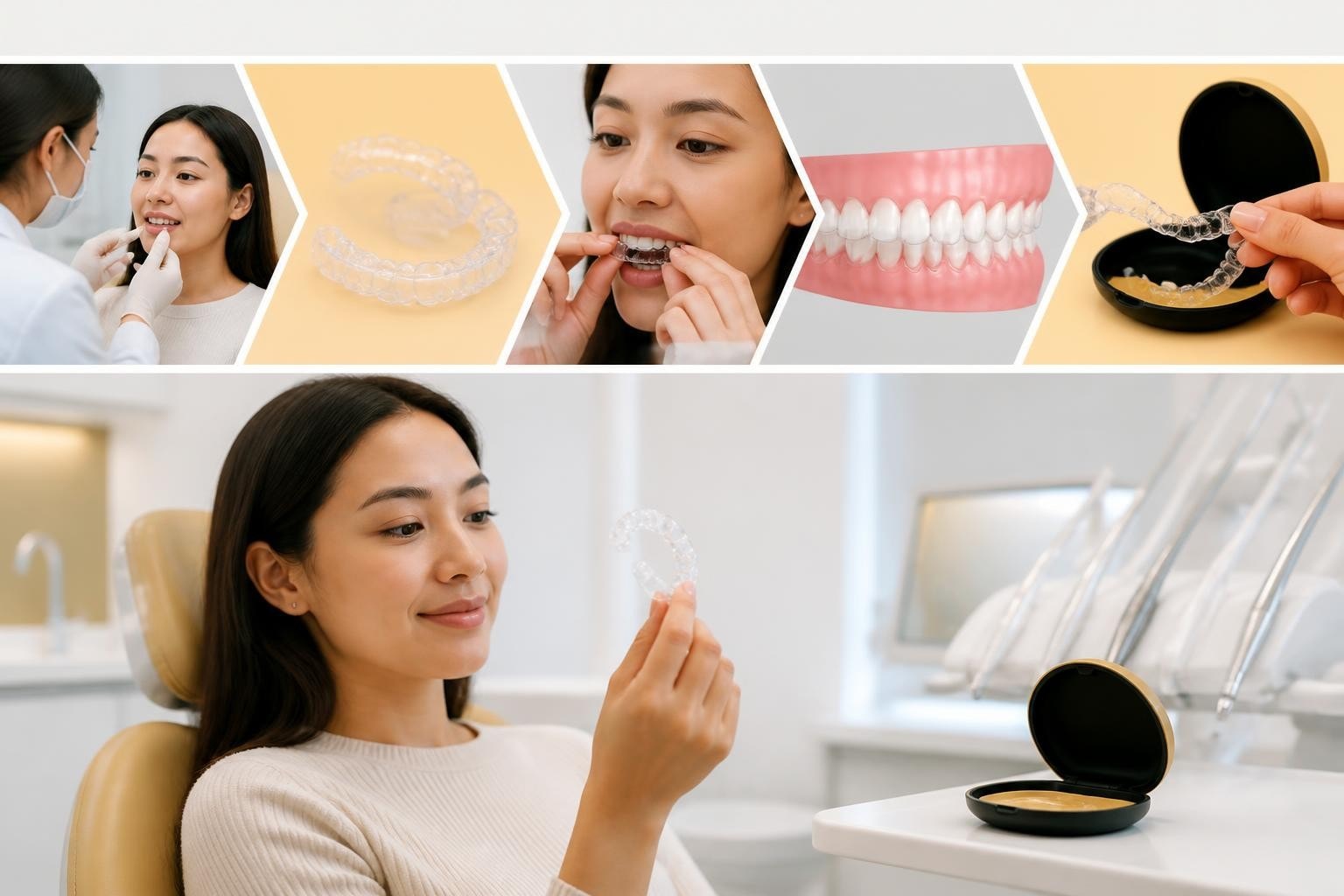
If you're considering clear aligner therapy to improve your smile, one of your first questions is likely about the timeline. Understanding how long does Invisalign take helps you plan appropriately, set realistic expectations, and commit to the treatment process. While every patient's journey is unique, clear aligner treatment typically follows predictable patterns based on your specific dental needs, compliance with wear instructions, and the complexity of tooth movements required.
Understanding Clear Aligner Treatment Duration
How long does Invisalign take depends primarily on the extent of correction needed. Unlike traditional braces, clear aligners work through a series of custom-made, removable trays that gradually shift your teeth into their planned positions. Each aligner moves your teeth incrementally, typically about 0.25 millimeters per aligner stage.
Typical Treatment Timeframes
Treatment duration varies significantly based on case complexity:
- Minor corrections (6-12 months): Small gaps, mild crowding, or minor relapse after previous orthodontic treatment
- Moderate cases (12-18 months): More significant crowding, spacing issues, or bite discrepancies
- Complex cases (18-24+ months): Severe crowding, extensive bite correction, or comprehensive orthodontic needs
The American Association of Orthodontists notes that aligner therapy requires consistent daily wear and regular monitoring to achieve predicted timelines. Most patients begin seeing noticeable changes within the first few months, though complete treatment takes considerably longer.
Factors That Influence Treatment Length
Several clinical and behavioral factors determine how long does Invisalign take for your specific situation:
Case Complexity: The number of teeth requiring movement, the distance they need to travel, and whether rotations or vertical movements are needed all impact duration. Moving molars or correcting significant bite issues generally requires more time than addressing front teeth alignment alone.
Patient Compliance: Clear aligners must be worn 20-22 hours daily to maintain treatment progression. Inconsistent wear extends treatment significantly, as teeth can shift back when aligners aren't worn consistently.
Bone Biology: Individual variations in bone density, metabolism, and tissue response affect how quickly teeth move. Younger patients often experience faster tooth movement than adults, though adults achieve excellent results with appropriate timelines.
Refinements: Many cases require refinement aligners midway through or at the end of treatment to fine-tune results. These additional stages add weeks or months but ensure optimal outcomes.
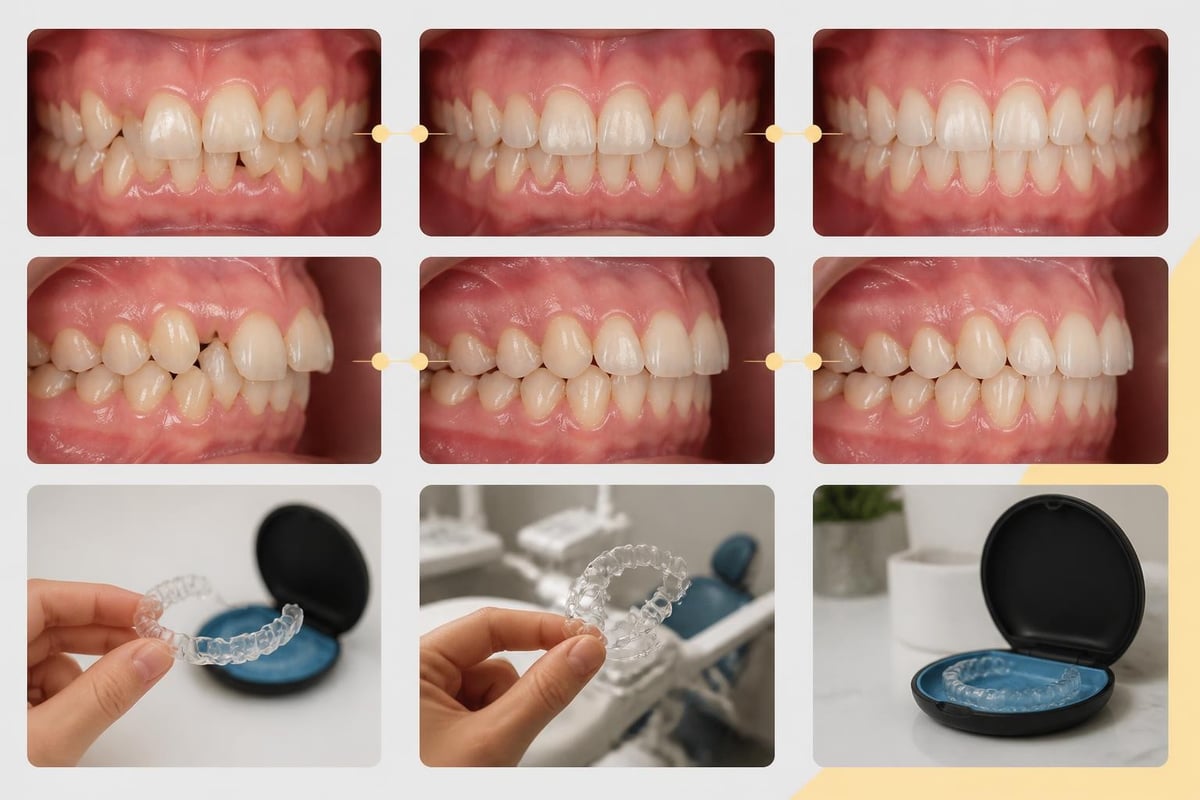
The Treatment Process and Timeline Stages
Understanding the complete journey helps clarify why clear aligner treatment extends beyond simply wearing trays. At CuraSmile PH, comprehensive assessment and planning establish the foundation for predictable results.
Initial Consultation and Assessment (Week 1-2)
Your orthodontic evaluation includes clinical examination, digital scanning or impressions, photographs, and diagnostic imaging when needed. This assessment identifies the scope of correction required and whether clear aligners are the appropriate treatment approach for your situation.
The orthodontist evaluates tooth positions, bite relationship, jaw alignment, periodontal health, and any existing dental restorations that might affect treatment. Some patients discover that addressing gum health or completing restorative work before starting aligners leads to better outcomes.
Treatment Planning and Aligner Fabrication (Week 3-5)
Digital treatment planning creates a virtual representation of your tooth movements from start to finish. This 3D simulation shows the predicted final result and determines how many aligners you'll need. Manufacturing and shipping aligners typically takes 2-3 weeks.
During this planning phase, orthodontists consider biomechanics, attachment placement (small tooth-colored bumps bonded to teeth to help aligners grip), and staging of movements. Research on clear aligner protocols demonstrates that careful treatment planning and appropriate wear protocols significantly influence clinical outcomes and treatment efficiency.
Active Treatment Phase (Variable Duration)
This represents the longest portion of your journey. You'll receive multiple sets of aligners to wear sequentially, changing to the next set every 1-2 weeks based on your orthodontist's instructions. Regular check-ups every 6-8 weeks monitor progress and address any concerns.
| Treatment Aspect | Minor Cases | Moderate Cases | Complex Cases |
|---|---|---|---|
| Total aligners | 10-20 | 20-40 | 40+ |
| Active treatment | 6-12 months | 12-18 months | 18-24+ months |
| Check-up frequency | Every 8-10 weeks | Every 6-8 weeks | Every 4-6 weeks |
| Refinement likelihood | 20-30% | 40-50% | 60-70% |
Mid-Course Corrections and Refinements
Despite precise planning, teeth don't always move exactly as predicted. Mid-course corrections involve new scans, revised treatment plans, and additional aligners to address tracking issues or refine results. This is a normal part of comprehensive clear aligner therapy, not a treatment failure.
Clinical reviews of clear aligner effectiveness indicate that refinements are common, particularly for complex movements like rotations, extrusions, or torque corrections. Building refinement expectations into your timeline prevents disappointment and maintains realistic expectations.
Maximizing Treatment Efficiency
While biology ultimately determines how quickly teeth move, you can optimize your treatment timeline through consistent compliance and proper care. Understanding how long does Invisalign take also means recognizing your role in the process.
Daily Wear Compliance
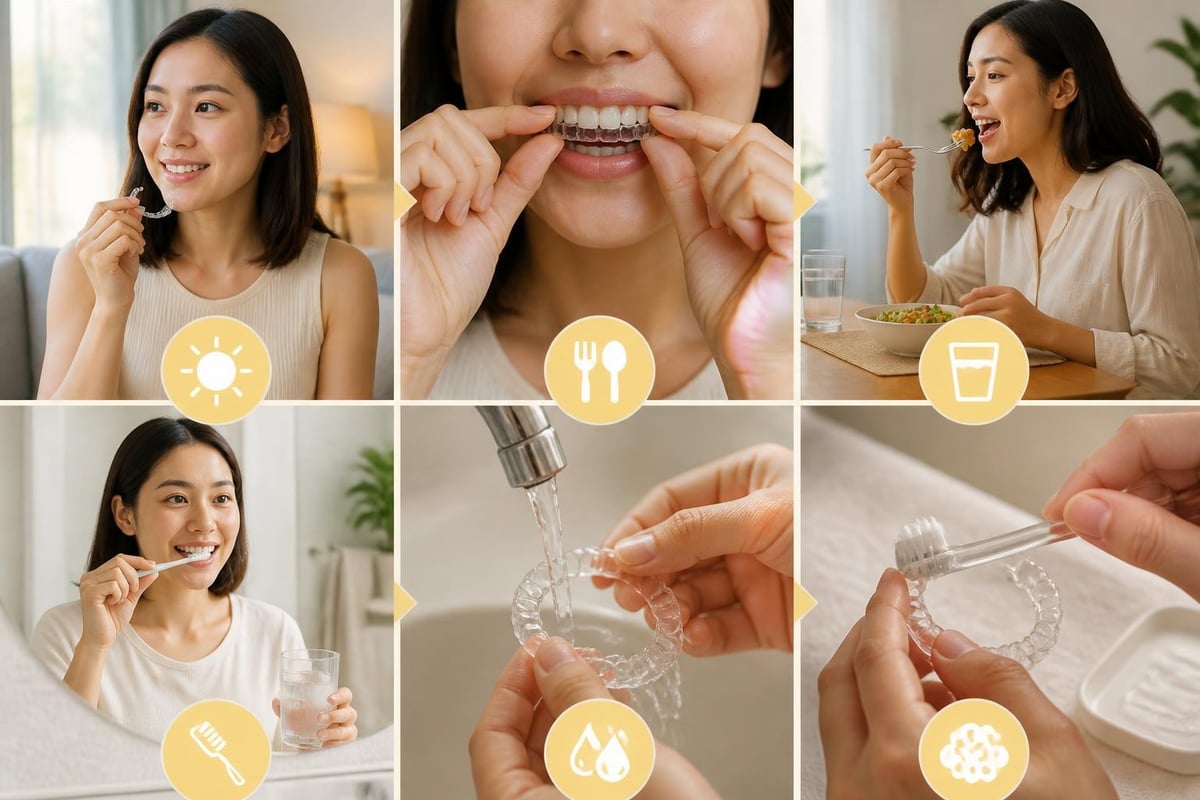
Wearing aligners 20-22 hours daily is non-negotiable for maintaining your timeline. Remove them only for eating, drinking anything other than water, and oral hygiene. Even reducing wear by 2-3 hours daily can extend treatment by months.
Creating routines helps maintain compliance:
- Insert aligners immediately after cleaning your teeth
- Set phone reminders if you tend to forget after meals
- Carry your aligner case everywhere to avoid wrapping aligners in napkins (a common way they get discarded)
- Track your wear time using apps designed for aligner patients
Oral Hygiene During Treatment
Maintaining excellent oral health prevents interruptions to your treatment. Gum inflammation or cavities may require pausing aligner wear while these issues are addressed. Brush and floss after every meal before reinserting aligners to prevent trapping food particles and bacteria against your teeth.
Clean your aligners gently with a soft toothbrush and clear, antibacterial soap. Avoid hot water, which can warp the plastic. Some patients at CuraSmile PH discover that professional cleanings every 4-6 months during active treatment help maintain optimal oral health throughout the process.
Following Progress Check Schedules
Regular monitoring allows your orthodontist to identify tracking issues early and make timely adjustments. Missing appointments can delay recognition of problems, ultimately extending treatment. Virtual check-ins between in-person visits provide additional oversight for some practices.
Your orthodontist assesses whether teeth are tracking properly with each aligner, evaluates attachment integrity, and determines if the treatment plan requires modification. Early intervention for tracking issues prevents compounding problems that require extensive refinements later.
Special Considerations That Affect Duration
Beyond the basics, several factors influence how long does Invisalign take in specific situations. Awareness of these considerations helps set appropriate expectations from the start.
Age and Bone Density
Adult patients often ask whether age affects treatment speed. While younger patients may experience slightly faster tooth movement due to higher metabolic activity, adults achieve excellent results within expected timeframes. The key difference is that adult bone is denser, which can make certain movements like expanding the arch or rotating molars take longer.
Patients over 40 may need additional time for complex movements, but this represents a modest extension rather than a fundamental barrier to treatment success.
Previous Orthodontic Treatment
If you wore braces previously and experienced relapse, clear aligners can restore your smile. Relapse cases often respond quickly since teeth are moving back to positions they previously occupied. However, comprehensive retreatment for significant bite issues may take as long as initial orthodontic treatment.
Understanding how long braces take provides context for comparing treatment options and timelines. Some complex cases benefit from combination approaches or traditional orthodontics rather than clear aligners alone.
Simultaneous Dental Treatment
Coordinating orthodontic treatment with other dental work requires careful planning. If you need crowns, veneers, or implants, your orthodontist and restorative dentist will determine the optimal sequence. Generally, orthodontic treatment precedes cosmetic work so restorations can be designed for properly aligned teeth.
Patients interested in comprehensive smile enhancement often pursue Clear Aligners & Orthodontics first to establish ideal tooth positions before proceeding with cosmetic procedures. This sequencing ensures the best aesthetic outcome but extends the overall timeline for complete smile transformation.
Biological Response Variations
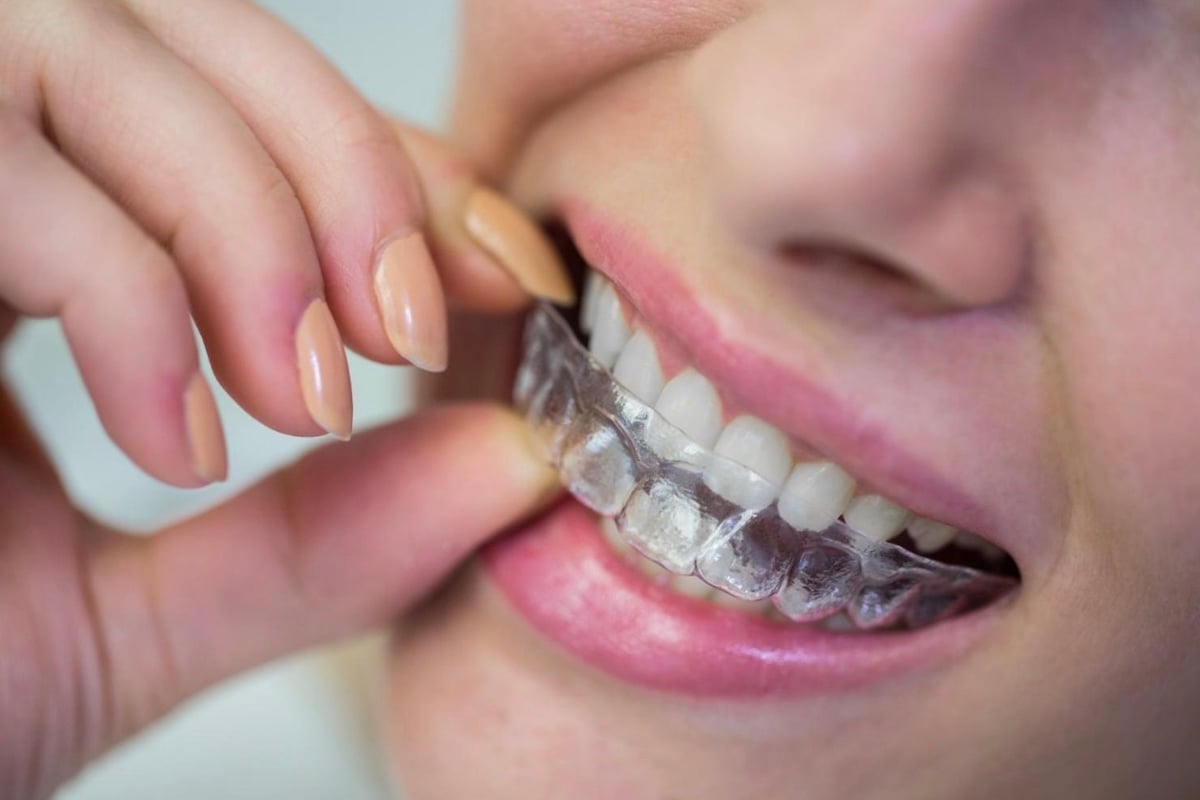
Individual biology significantly influences treatment speed. Some patients are "fast responders" whose teeth move readily, while others are "slow responders" requiring more time for the same movements. Your orthodontist can often identify response patterns within the first few months and adjust timeline expectations accordingly.
Factors affecting biological response include:
- Bone density and quality: Denser bone requires more time for remodeling
- Periodontal health: Healthy gums and bone support faster, more predictable movement
- Metabolic factors: General health, nutrition, and certain medications affect bone remodeling
- Inflammation levels: Chronic inflammation can slow tooth movement
Comparing Direct-to-Consumer vs. Professional Treatment
The rise of direct-to-consumer aligner companies raises questions about treatment efficiency and safety. While these services market shorter timelines, they often address only limited corrections and lack the comprehensive oversight that professional orthodontic care provides.
The American Dental Association's position on direct-to-consumer services emphasizes the risks of treatment without in-person examination and professional monitoring. DTC aligners may appear faster or cheaper initially, but without proper assessment, you may experience:
- Incomplete or unstable results requiring professional retreatment
- Undiagnosed dental or periodontal issues worsening during treatment
- Inappropriate treatment plans that don't address your actual needs
- Lack of recourse when results don't meet expectations
Professional clear aligner treatment through qualified orthodontists ensures comprehensive assessment, appropriate treatment planning, regular monitoring, and ability to address complications. This oversight often proves more efficient long-term, even if the timeline appears longer initially.
Retention: The Often-Overlooked Phase
Understanding how long does Invisalign take isn't complete without addressing retention. After active treatment, you'll wear retainers to maintain your new tooth positions. This phase is indefinite, not temporary.
Types of Retention
Fixed retainers: Thin wires bonded to the back of your front teeth, typically on the lower arch, sometimes upper. These remain in place long-term and require careful flossing but provide continuous retention without depending on patient compliance.
Removable retainers: Clear retainers similar to aligners or traditional wire-and-acrylic retainers worn nightly. Most patients transition to nightly wear after an initial period of full-time retention (typically 3-6 months).
Retention Duration
Retention is lifelong. Teeth naturally tend to shift throughout life due to age-related changes, jaw growth completion (into the mid-20s), and bone remodeling. Without retention, teeth will gradually drift from their corrected positions, negating your investment in treatment.
| Retention Timeline | Wear Schedule | Purpose |
|---|---|---|
| First 3-6 months | Full-time (20+ hours) | Stabilize bone remodeling |
| 6-12 months | Nighttime only | Maintain positions as bone matures |
| 12+ months onward | Nightly indefinitely | Long-term stability |
Guidance from the British Orthodontic Society emphasizes that retention is an essential component of orthodontic treatment success, not an optional addition. Patients who neglect retention often experience relapse requiring retreatment.
Setting Realistic Expectations
Accurately estimating how long does Invisalign take for your specific case requires professional assessment. Online tools and general timelines provide helpful context, but individual evaluation remains essential for meaningful predictions.
During your consultation, ask specific questions about your projected timeline, factors that might extend treatment, and signs of normal progress versus tracking issues. Understanding that the predicted timeline represents an estimate based on ideal compliance and typical biological response helps maintain realistic expectations.
What to Expect During Treatment
First few days with each new aligner: Mild pressure and tightness as your teeth begin moving. This discomfort typically subsides within 2-3 days and indicates the aligners are working.
Weeks 2-4: You'll adapt to wearing aligners and develop routines for removal, cleaning, and reinsertion. Speech may sound slightly different initially but normalizes quickly for most patients.
Months 2-6: Visible changes become apparent. This progress motivates continued compliance through the remainder of treatment.
Mid-treatment: Attachments may be added or removed based on upcoming tooth movements. Some patients need interproximal reduction (gentle reshaping) to create space for movements.
Monitoring Your Progress
Your orthodontist tracks multiple indicators of treatment progress beyond visual changes. Aligner fit, tracking of specific teeth, bite relationship changes, and attachment integrity all inform whether treatment is proceeding as planned.
If you notice aligners feeling loose before your scheduled change date or extremely tight beyond the first few days with a new aligner, contact your orthodontist. These signs may indicate tracking issues requiring assessment.
Evidence-Based Perspectives on Treatment Speed
Research continues to refine understanding of factors affecting orthodontic treatment efficiency. Systematic reviews of interventions to accelerate tooth movement examine whether certain adjunctive treatments reliably speed orthodontic correction.
Current evidence suggests that while some interventions show promise, none dramatically reduce treatment time without trade-offs. Photobiomodulation, micro-osteoperforations, and vibration devices have limited evidence supporting routine use. The most reliable way to optimize your timeline remains consistent wear compliance and regular professional monitoring.
Realistic Acceleration Methods
Rather than seeking shortcuts, focus on factors proven to support efficient treatment:
- Wear aligners the prescribed hours every day
- Attend all scheduled appointments
- Maintain excellent oral hygiene to prevent treatment interruptions
- Follow instructions for chewing exercises if prescribed (some orthodontists recommend chewing exercises or using chewie tools to help aligners seat properly)
- Communicate openly about any challenges with compliance or comfort
The NHS information on orthodontic treatment reinforces that patient cooperation significantly influences treatment outcomes and timelines across all orthodontic modalities.
When Treatment Takes Longer Than Expected
Despite careful planning and good compliance, some cases require more time than initially predicted. Understanding why helps manage expectations and maintain commitment to achieving optimal results.
Common Reasons for Extended Timelines
Teeth not tracking as predicted: Individual biological response varies, and some teeth resist movement more than anticipated. This may require refinement aligners with different force applications or attachment configurations.
Compliance challenges: Life circumstances sometimes interfere with consistent wear. Illness, travel, or simply forgetting aligners extends treatment proportionally to time not wearing them.
Changed treatment goals: As treatment progresses, you and your orthodontist may identify additional improvements to pursue, expanding the original scope and timeline.
Biological complications: Occasionally, bone density variations, root shape irregularities, or unexpected periodontal responses require treatment modifications and extended timelines.
Managing Timeline Extensions
When your orthodontist indicates treatment will take longer than originally estimated, request a clear explanation of why and what the revised timeline involves. Understanding the clinical reasoning helps you remain engaged with the process rather than feeling discouraged.
Extended treatment produces better long-term results than rushing to completion with compromised outcomes. Stability and function matter more than finishing by a specific date.
Treatment duration for clear aligners varies considerably based on your specific dental needs, compliance, and biological response, but most patients complete active treatment within 12-18 months. Professional assessment provides the most accurate timeline prediction for your situation. If you're considering clear aligner therapy in BGC and want to understand how long treatment might take for your smile goals, CuraSmile PH offers comprehensive orthodontic evaluation and personalized treatment planning to help you achieve beautifully aligned teeth with realistic expectations and expert guidance throughout your journey.