How Long Do Braces Take? Treatment Timeline Guide 2026
Wondering how long do braces take? Learn about treatment timelines, factors affecting duration, and what to expect during orthodontic care.
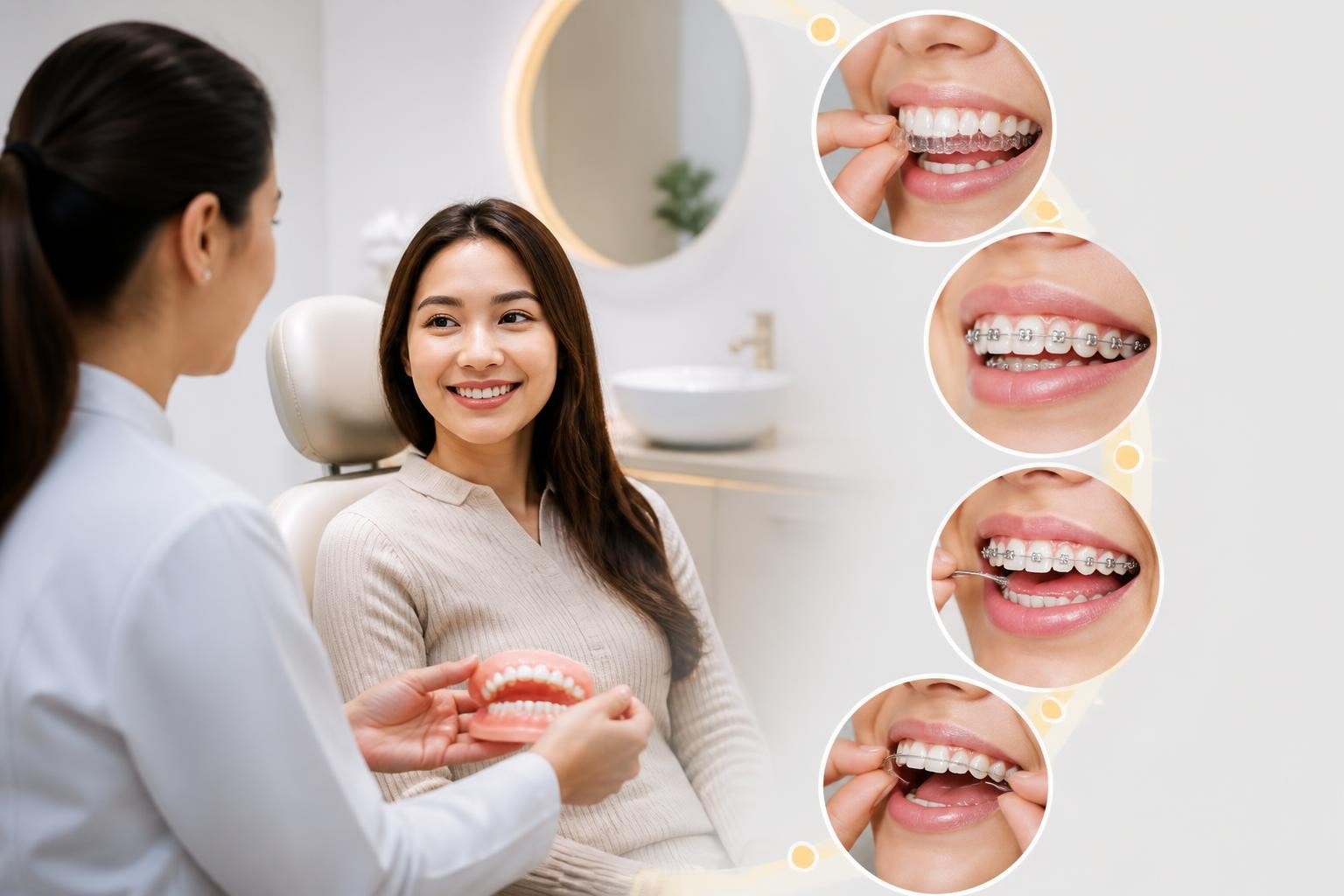
One of the first questions patients ask when considering orthodontic treatment is about timing. Understanding how long do braces take helps you plan around work, school, social commitments, and budget considerations. While every patient's situation is unique, treatment duration depends on specific clinical factors that your orthodontist evaluates during the initial assessment. This guide explains the typical timelines, what influences treatment length, and how modern approaches at CuraSmile PH help achieve predictable, efficient results.
Average Treatment Duration for Braces
Most orthodontic treatment with traditional braces takes between 18 and 24 months, though this range varies significantly based on individual needs. The American Association of Orthodontists notes that treatment timing depends heavily on case complexity, patient age, and specific goals.
Typical timeframes by case type:
- Minor crowding or spacing: 12 to 18 months
- Moderate misalignment: 18 to 24 months
- Complex bite issues: 24 to 36 months
- Severe skeletal discrepancies: 30+ months, sometimes with phased treatment
According to the NHS guidance on braces, most patients can expect to wear fixed braces for one to two years, with regular monthly adjustments throughout the active treatment phase.
Children vs. Adults
Treatment in growing patients (ages 7-14) often proceeds more efficiently because the jaw is still developing. Early intervention can guide growth, create space naturally, and reduce the need for extractions or surgical intervention later.
Adult orthodontics may take slightly longer because the bone is fully mature and doesn't remodel as quickly. However, advances in orthodontic mechanics and materials have significantly improved efficiency for adult patients. Many adults at CuraSmile PH in BGC complete treatment within the standard 18-24 month window.
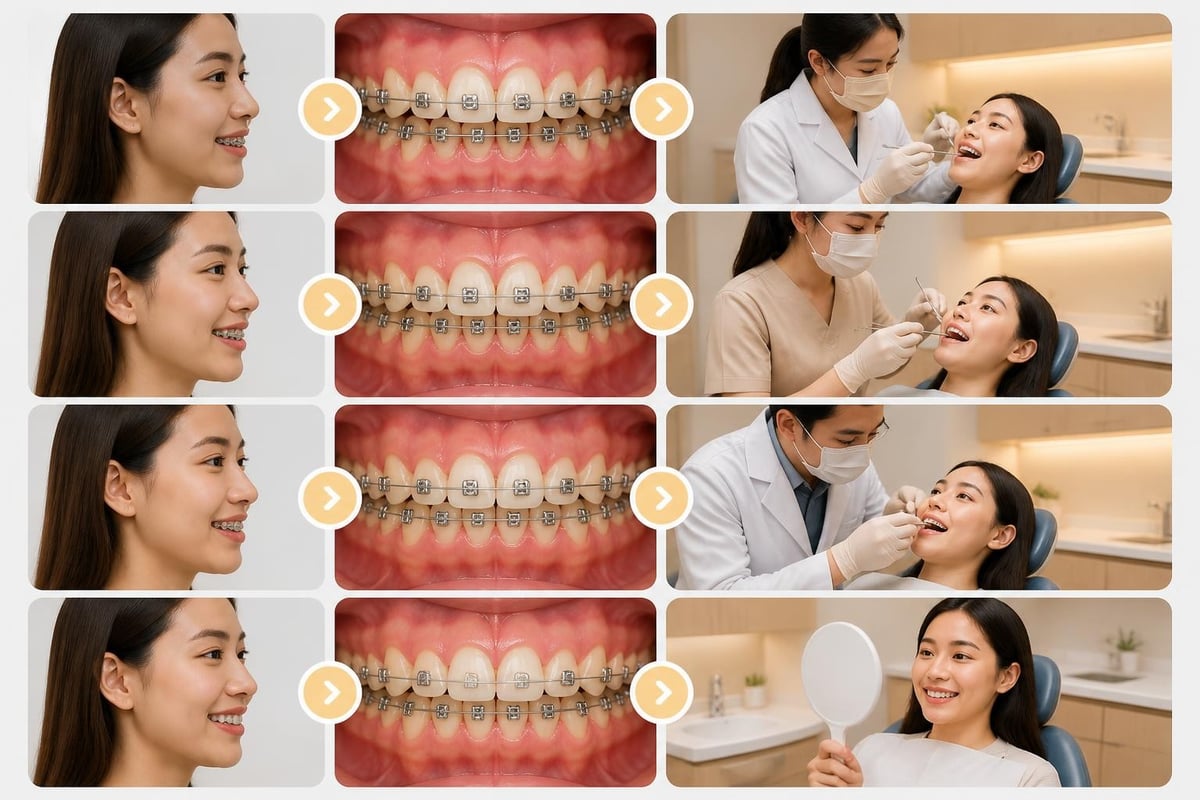
Clinical Factors That Determine Treatment Length
Understanding what influences how long do braces take helps set realistic expectations. Your orthodontist considers multiple clinical variables when estimating your specific timeline.
Severity of Misalignment
The starting position of your teeth is the strongest predictor of treatment duration. Mild spacing between front teeth might resolve in 12 months, while severe crowding requiring tooth extraction and significant movement could take 30 months or longer.
| Malocclusion Type | Typical Duration | Key Considerations |
|---|---|---|
| Mild spacing | 12-15 months | Faster tooth movement, simpler mechanics |
| Moderate crowding | 18-24 months | May require extraction or expansion |
| Class II (overbite) | 20-30 months | Often needs bite correction appliances |
| Class III (underbite) | 24-36 months | May require growth modification or surgery |
| Open bite | 24-30 months | Challenging to correct and stabilize |
Bite Correction Requirements
Aligning teeth is just one aspect of orthodontic treatment. Correcting how upper and lower teeth fit together (occlusion) often takes additional time. A Cochrane review on bite correction examines the evidence for treating various malocclusions, highlighting that functional bite issues generally require longer treatment than simple alignment.
Deep bites, crossbites, and open bites demand precise biomechanics and sometimes auxiliary appliances like rubber bands, springs, or temporary anchorage devices. Each of these factors can extend treatment by several months.
Compliance and Patient Factors
Patient cooperation plays a significant role in treatment efficiency. Following your orthodontist's instructions regarding:
- Elastic wear: Worn as prescribed, elastics correct bite relationships efficiently
- Appliance care: Broken brackets require repair appointments that delay progress
- Oral hygiene: Poor hygiene may necessitate treatment pauses for gum health
- Appointment attendance: Missed adjustments extend treatment by weeks or months
Research published in the British Dental Journal identifies compliance as one of the most significant patient-controlled factors affecting orthodontic duration.
Age and Bone Density
Younger patients generally experience faster tooth movement because their bone is more responsive to orthodontic forces. Adults may see slightly slower movement, though modern low-friction brackets and optimized force systems have narrowed this gap considerably.
Bone quality matters. Patients with denser bone may require gentler forces applied over longer periods to avoid root damage, while those with softer bone respond more quickly but need careful monitoring to maintain root integrity.
Treatment Approaches and Their Timelines
Different orthodontic systems offer varying treatment durations. Understanding these options helps you make informed decisions about your care.
Traditional Metal Braces
Conventional metal braces remain the most versatile and often fastest option for complex cases. The direct bonding and continuous force application typically complete treatment within 18-24 months for moderate cases.
Advantages for duration:
- Precise control over tooth movement in all dimensions
- Effective for severe rotations and vertical corrections
- No compliance required beyond wearing elastics when prescribed
Clear Aligners
Clear aligner systems have evolved significantly, with clinical research showing comparable timelines to traditional braces for many cases. A 2024 systematic review comparing clear aligners to fixed appliances in crowding cases found similar treatment durations when case selection was appropriate.
Aligner treatment timing:
- Mild cases: 6-12 months
- Moderate cases: 12-18 months
- Complex cases: 18-24+ months
When patients choose Clear Aligners & Orthodontics at CuraSmile PH, digital treatment planning provides a precise timeline estimate based on the planned tooth movements, allowing for transparent expectations from the start.
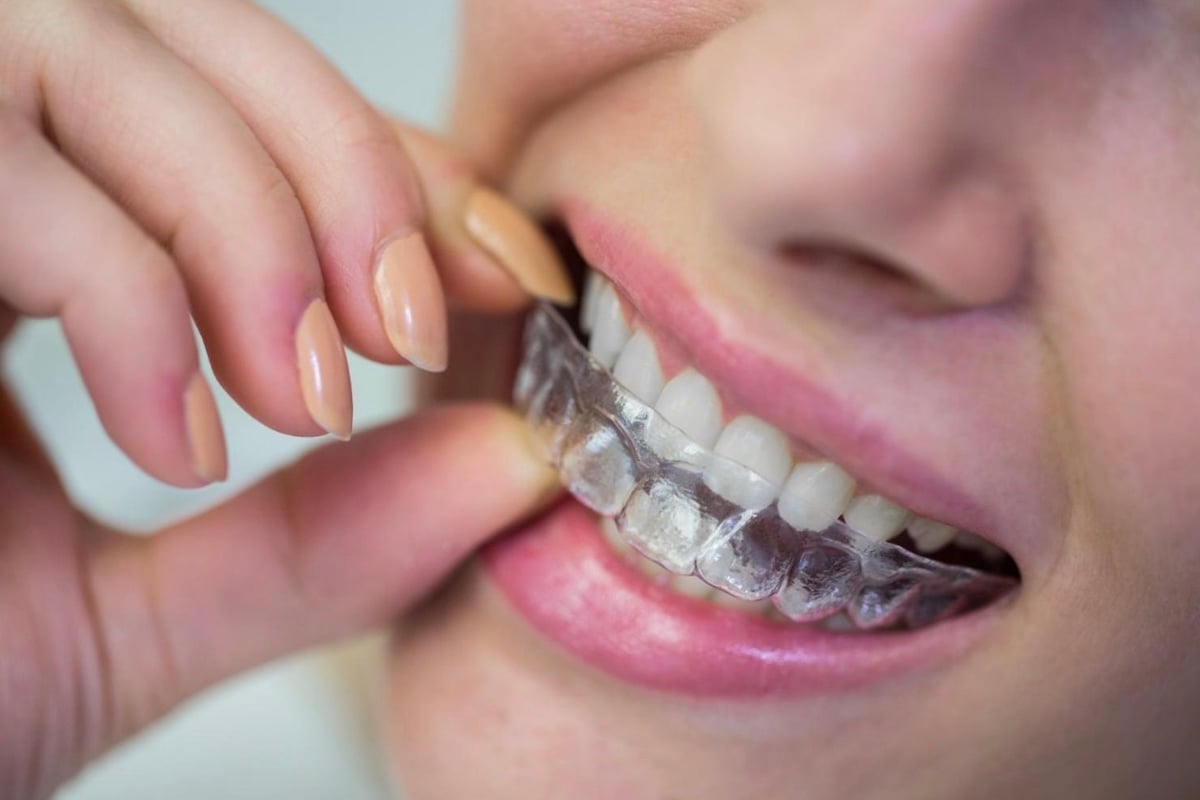
The key to efficient aligner treatment is wearing trays 20-22 hours daily and changing them on schedule. Non-compliance can significantly extend duration.
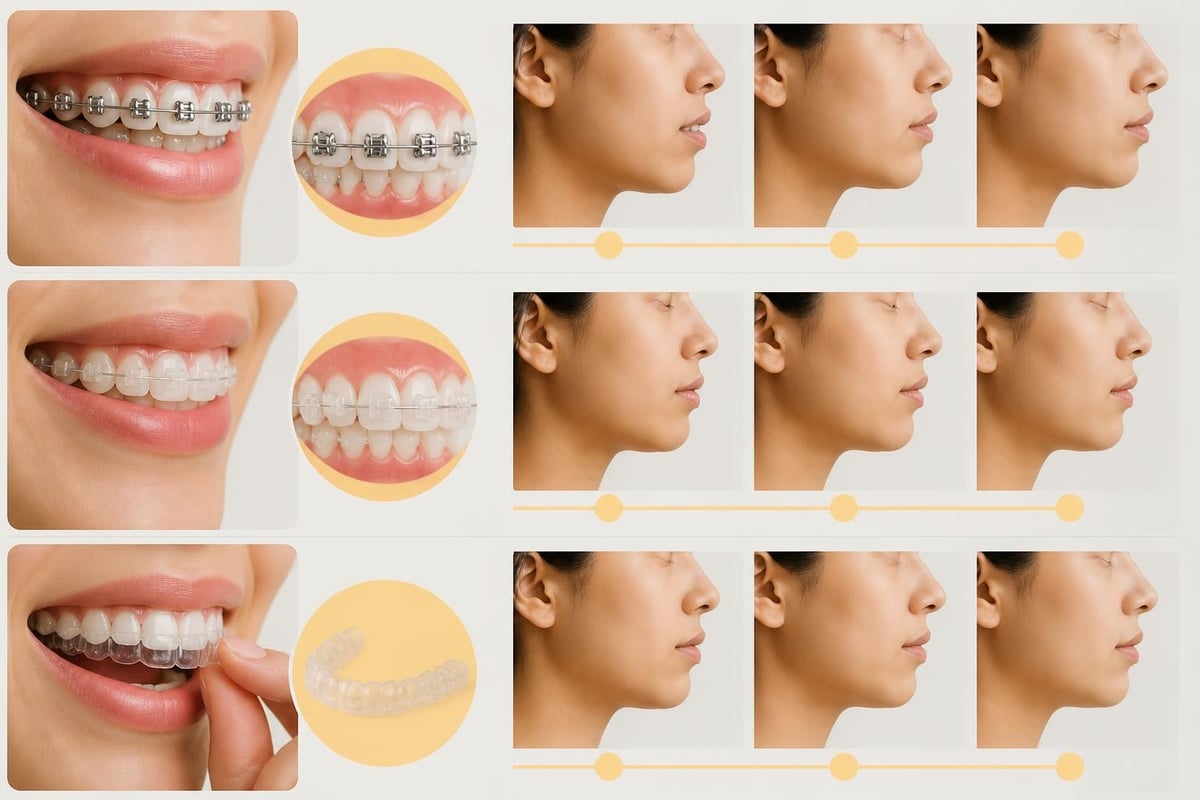
Self-Ligating and Low-Friction Systems
Modern bracket designs that reduce friction between the wire and bracket may offer slightly shorter treatment times in some cases. These systems allow teeth to move more freely along the wire, potentially reducing the number of appointments and overall duration by 2-4 months in responsive cases.
Phased Treatment Approaches
Some patients benefit from treatment delivered in multiple phases, particularly growing children with significant skeletal issues.
Phase I: Early Intervention (Ages 7-10)
Duration: 6-12 months
Early treatment addresses specific issues like crossbites, severe crowding, or harmful oral habits. This phase creates a better environment for permanent teeth and may reduce the complexity of later treatment.
Observation Period
Duration: Variable, until permanent teeth erupt
After Phase I, patients are monitored every 6-12 months while remaining permanent teeth emerge. This isn't active treatment time.
Phase II: Comprehensive Treatment (Ages 11-14)
Duration: 18-24 months
Once all permanent teeth are present, full braces align teeth and perfect the bite. Because Phase I addressed major issues, Phase II often proceeds more efficiently than if all treatment were done at once.
Factors That Can Shorten Treatment Time
While some variables are fixed, others offer opportunities to optimize timing.
Advanced Treatment Planning
Digital treatment planning using 3D imaging allows orthodontists to map the entire treatment sequence before placing the first bracket. This precision reduces trial-and-error adjustments that can extend treatment. CuraSmile PH's advanced diagnostic technology supports this level of treatment planning precision.
Accelerated Orthodontics
Some practices offer adjunctive procedures designed to speed tooth movement:
- Micro-osteoperforation: Small perforations in the bone may accelerate movement in specific areas
- High-frequency vibration devices: Some evidence suggests these may reduce treatment time
- Corticotomy-facilitated orthodontics: Surgical enhancement of bone turnover in select cases
The evidence for these methods varies, and they add complexity and cost. A systematic approach to case planning and mechanics typically offers the most predictable results.
Excellent Oral Hygiene and Appointment Adherence
Simply following basic recommendations reliably can prevent delays:
- Brush after every meal to maintain gum health
- Attend all scheduled appointments so adjustments happen on time
- Wear elastics exactly as prescribed to achieve bite correction efficiently
- Report broken brackets immediately to minimize treatment interruptions
- Avoid hard and sticky foods that damage appliances
What Happens During Monthly Appointments
Understanding the adjustment process helps explain why treatment takes as long as it does. Teeth don't move continuously at the same rate; they respond to forces in cycles.
Typical appointment sequence:
| Appointment # | Approximate Month | Focus |
|---|---|---|
| 1-3 | 0-3 | Initial alignment, relieve crowding |
| 4-8 | 4-9 | Space closure, major tooth movement |
| 9-15 | 10-18 | Bite correction, refinement |
| 16-20 | 19-24 | Detailing, settling, finishing |
Each monthly visit allows your orthodontist to assess movement, change wires, adjust elastics, and ensure treatment progresses as planned. The American Dental Association's resource on braces explains that regular appointments are essential for efficient, safe treatment.
Between appointments, teeth move approximately 1mm per month under ideal conditions. This biological limitation explains why most treatment requires 18-24 months regardless of technology advances.
When Treatment Takes Longer Than Expected
Sometimes initial estimates need revision. Common reasons include:
- Unanticipated tooth movement patterns requiring mechanics adjustments
- Poor compliance with elastics or appliance wear
- Broken appliances requiring repairs
- Inadequate bone response in some patients
- Need for additional space discovered during treatment
Your orthodontist will communicate any timeline changes and explain the clinical reasons. Transparent communication helps maintain realistic expectations throughout treatment.
Life After Braces: The Retention Phase
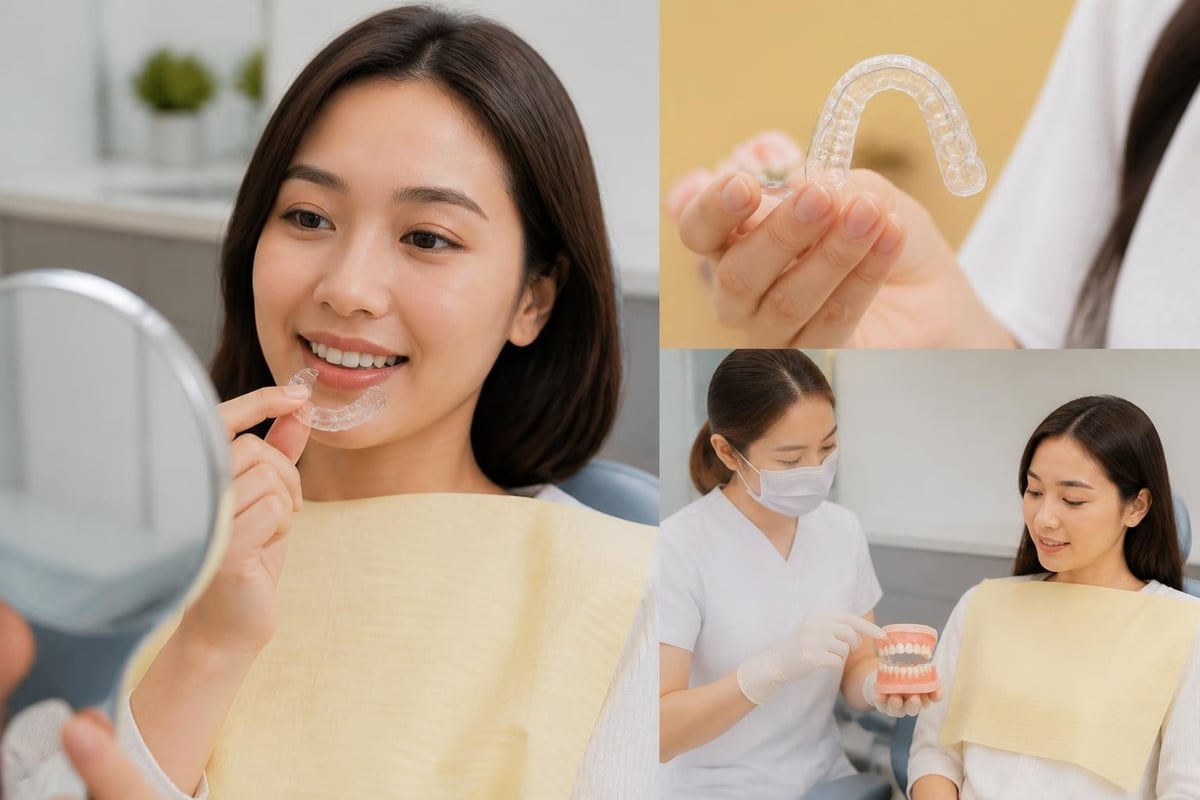
When people ask how long do braces take, they often overlook the retention phase. Active treatment ends when braces come off, but retention is equally important for lasting results.
Retainer Types and Wear Schedule
Initial period (first 6-12 months):
- Full-time wear: 20-22 hours daily, removing only for eating and cleaning
- Both removable and fixed retainers may be used together for maximum stability
Long-term retention (years 1-5+):
- Nightly wear: Removable retainers worn during sleep
- Permanent retainers: Bonded behind front teeth for continuous retention
- Gradual reduction: Some patients eventually reduce to several nights per week
Studies show teeth can shift at any age, so many orthodontists recommend indefinite nighttime retention. This commitment doesn't count toward the active treatment timeline but is essential for maintaining results.
Setting Realistic Expectations for Your Timeline
While averages provide helpful context, your specific timeline depends on your unique dental anatomy, treatment goals, and clinical situation. During your initial consultation, your orthodontist will:
- Perform a comprehensive examination including X-rays and photos
- Develop a detailed treatment plan with specific goals
- Provide a personalized timeline estimate based on your case
- Explain factors that could extend or shorten treatment
- Outline your role in achieving efficient results
Research from a systematic review on clear aligners in growing patients emphasizes that treatment duration varies significantly by individual response, reinforcing why personalized assessment matters more than generic timelines.
Questions to Ask During Your Consultation
Come prepared to your orthodontic consultation with questions that help you understand your specific timeline:
- What is the primary issue affecting my bite or alignment?
- What treatment approach do you recommend and why?
- What is the estimated duration for my specific case?
- What factors could make treatment shorter or longer than estimated?
- How will you monitor progress and adjust the timeline if needed?
- What is my role in ensuring treatment stays on schedule?
- What happens if I miss appointments or don't follow instructions?
- How long will I need to wear retainers after braces?
These questions help establish clear expectations and demonstrate your commitment to successful treatment.
Cost Considerations and Treatment Length
While cost isn't directly tied to duration, longer treatment typically involves more appointments and materials. Most orthodontic practices offer payment plans that spread costs over the treatment period, making longer cases manageable financially.
Financial planning factors:
- Monthly appointment fees (if charged separately)
- Replacement costs for lost or broken retainers
- Additional appliances beyond basic braces
- Extended treatment fees if the original estimate is exceeded
Understanding the financial timeline alongside the clinical timeline helps you plan appropriately. CuraSmile PH's approach includes transparent discussion of both timelines during your consultation.
Modern Technology and Treatment Efficiency
Advances in orthodontic materials and digital technology have made treatment more predictable and often more efficient than in previous decades.
Current innovations affecting duration:
- 3D digital scanning eliminates impression distortion for better appliance fit
- Computer-aided treatment planning maps the entire movement sequence
- High-tech wires respond to body temperature for consistent forces
- Reduced-friction brackets allow smoother tooth movement
- Temporary anchorage devices provide absolute anchorage without headgear
While these technologies don't dramatically reduce the biological time teeth need to move safely, they do eliminate some inefficiencies and make outcomes more predictable. Many patients at orthodontic practices in BGC benefit from these technological advances.
Beyond Treatment Time: Focusing on Quality Results
Ultimately, the goal isn't to finish orthodontic treatment as quickly as possible but to achieve stable, healthy, functional, and aesthetic results that last a lifetime. Rushing treatment by using excessive forces or skipping necessary steps can compromise outcomes and lead to relapse.
Quality indicators matter more than speed:
- Proper root positioning for long-term stability
- Ideal functional occlusion for comfortable chewing
- Healthy gum tissue throughout and after treatment
- Minimal root resorption from appropriate force levels
- Facial aesthetics that complement tooth position
A comprehensive approach to orthodontic care prioritizes these outcomes while working as efficiently as clinical considerations allow.
Understanding how long do braces take involves more than a simple number; it requires appreciating the complex interplay of anatomy, biology, mechanics, and patient cooperation that guides successful orthodontic treatment. While most cases complete within 18-24 months, your specific timeline depends on your unique clinical situation and goals. CuraSmile PH combines advanced diagnostic technology with personalized treatment planning to provide transparent timeline expectations and evidence-based orthodontic care. Schedule a consultation to learn about your specific treatment duration and how modern orthodontics can help you achieve the healthy, confident smile you deserve.