Dental vs Orthodontics: Key Differences Explained
Understanding the difference between dental and orthodontics care helps you choose the right specialist. Learn about training, treatments, and when to see each.
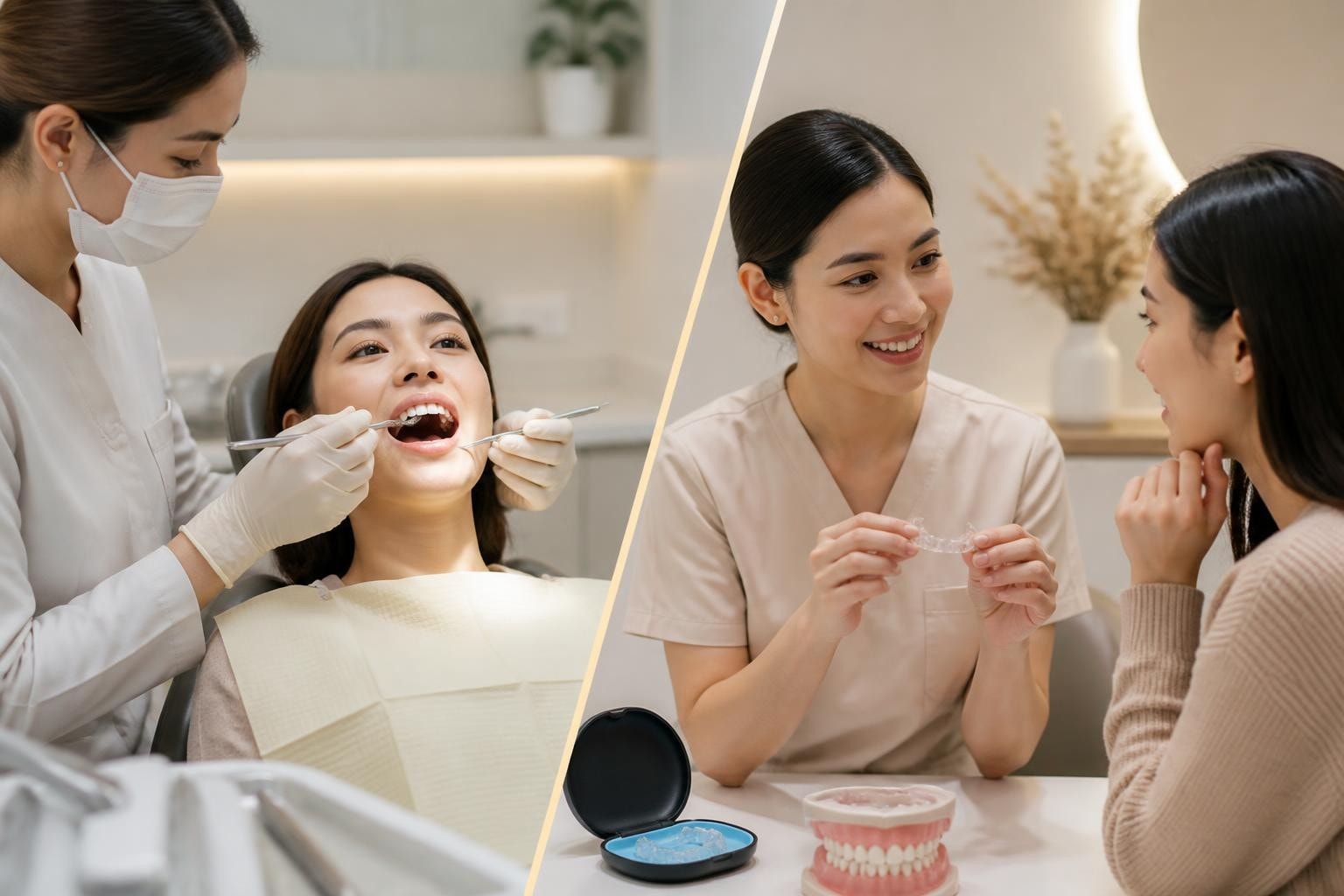
Many patients use the terms "dental" and "orthodontics" interchangeably, assuming all dental professionals provide the same services. While both fields focus on oral health, understanding the difference between dental and orthodontics helps you make informed decisions about your care, choose the right specialist for your needs, and set realistic expectations for treatment outcomes. This distinction becomes especially important when considering comprehensive care options in Bonifacio Global City, where access to both general and specialized dental services allows for coordinated, personalized treatment approaches.
What Defines General Dentistry
General dentistry encompasses comprehensive oral health care focused on prevention, diagnosis, and treatment of a wide range of dental conditions. General dentists complete four years of dental school after undergraduate education, earning either a Doctor of Dental Surgery (DDS) or Doctor of Dental Medicine (DMD) degree.
Core Responsibilities of General Dentists
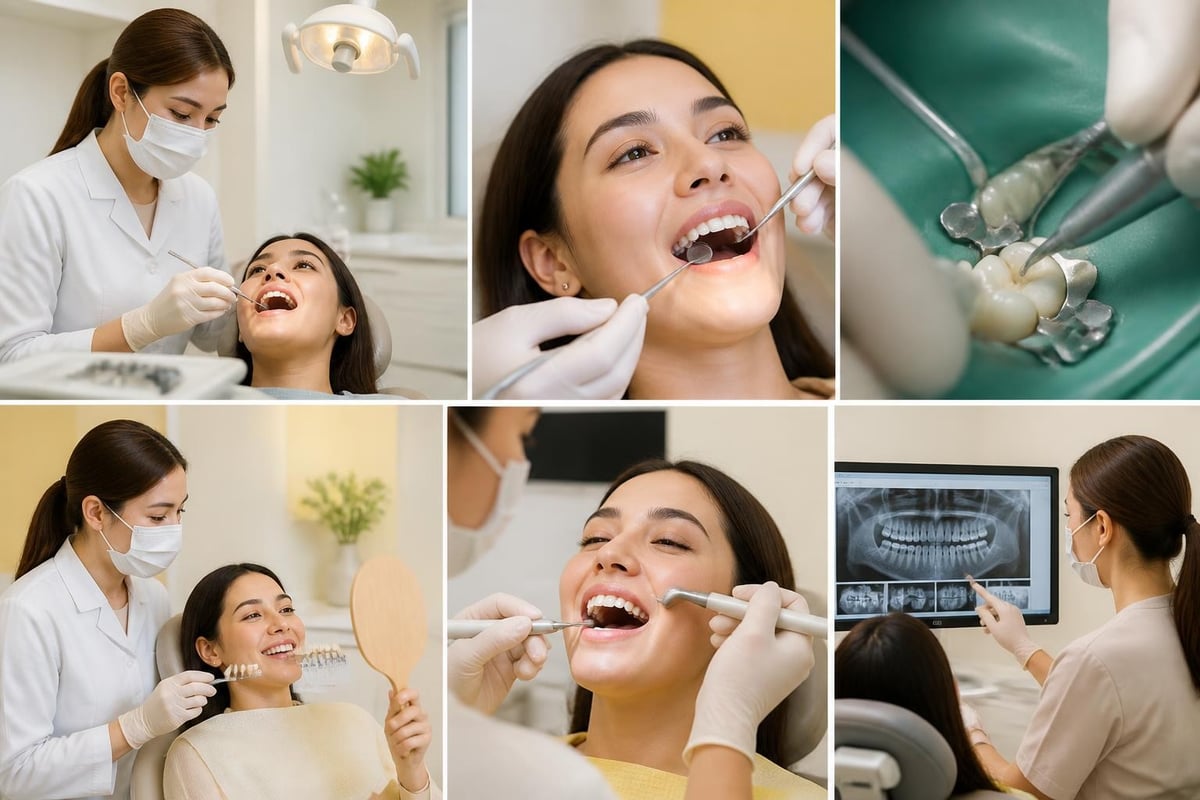
General dentists serve as primary oral healthcare providers, managing most dental needs throughout a patient's life. Their scope includes:
- Preventive care: routine examinations, professional cleanings, fluoride treatments, sealants
- Restorative procedures: fillings, crowns, bridges, dentures
- Diagnostic services: X-rays, oral cancer screenings, periodontal assessments
- Basic cosmetic treatments: teeth whitening, bonding, minor esthetic adjustments
- Gum disease management: scaling, root planing, periodontal maintenance
- Oral health education: hygiene instruction, nutritional counseling, risk assessment
According to the American Dental Association's dental terms glossary, general dentists are trained to recognize when specialized care is needed and coordinate referrals appropriately. This collaborative approach ensures patients receive the most effective treatment for complex conditions.
Treatment Philosophy and Patient Care
General dentists typically focus on maintaining overall oral health through regular monitoring and early intervention. They establish long-term relationships with patients, often providing care for entire families across multiple generations.
At CuraSmile PH in BGC, general dental care incorporates advanced diagnostic technology and evidence-based protocols to identify problems early and develop personalized prevention strategies. This foundation supports all other aspects of dental health, including orthodontic treatment when appropriate.
Understanding Orthodontics as a Dental Specialty
Orthodontics represents a specialized branch of dentistry focused specifically on diagnosing, preventing, and correcting irregularities in tooth and jaw alignment. The difference between dental and orthodontics training becomes clear when examining the additional education orthodontists complete.
Specialized Education and Training
After completing dental school, orthodontists pursue an additional two to three years of full-time specialty training in an accredited orthodontic residency program. According to the American Association of Orthodontists, this advanced education covers:
- Growth and development: facial growth patterns, skeletal relationships, developmental stages
- Biomechanics: forces applied to teeth and bone, tissue response, treatment mechanics
- Diagnosis and treatment planning: cephalometric analysis, model analysis, imaging interpretation
- Appliance systems: fixed braces, removable appliances, clear aligners, functional appliances
- Complex case management: surgical orthodontics, interdisciplinary treatment, retention protocols
This specialized training equips orthodontists to manage complex tooth movement and bite correction that extends beyond the scope of general dentistry.
| Aspect | General Dentistry | Orthodontics |
|---|---|---|
| Education | 4 years dental school | 4 years dental school + 2-3 years specialty residency |
| Primary Focus | Overall oral health | Tooth and jaw alignment |
| Treatment Scope | Broad dental conditions | Malocclusion and bite problems |
| Patient Age Range | All ages, general needs | All ages, alignment needs |
Orthodontic Treatment Scope
Orthodontists specifically address malocclusions (improper bites) and alignment issues that affect both function and esthetics. Common conditions treated include:
- Crowding and spacing: insufficient or excessive room for teeth
- Bite problems: overbite, underbite, crossbite, open bite
- Midline discrepancies: misaligned dental centerlines
- Jaw relationship issues: skeletal imbalances affecting bite and facial profile
- Impacted teeth: guidance of unerupted teeth into proper position
Research published in PubMed Central examining Class III malocclusion treatment demonstrates that specialized orthodontic interventions produce predictable outcomes for complex skeletal and dental relationships.
Key Treatment Differences
The difference between dental and orthodontics becomes most apparent when examining the treatments each provides and the problems they solve.
Equipment and Technology
General dentistry utilizes tools for cutting, shaping, and restoring tooth structure:
- High-speed handpieces for removing decay
- Impression materials and digital scanners
- Curing lights for composite restorations
- Periodontal instruments for cleaning
- Diagnostic imaging systems
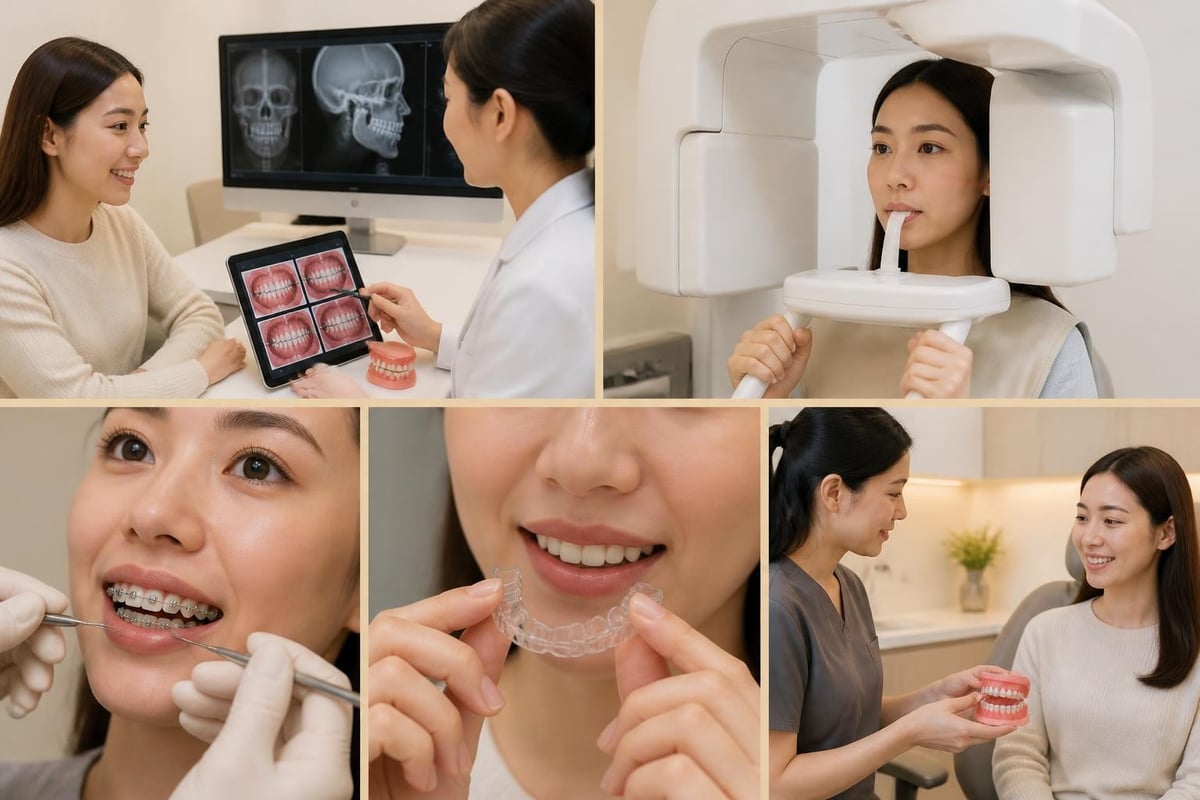
Orthodontics employs specialized appliances designed to move teeth and modify growth:
- Bracket and wire systems (traditional braces)
- Clear aligner systems
- Temporary anchorage devices
- Functional appliances for growth modification
- Retention devices
When discussing options like braces versus clear aligners, patients often need guidance understanding which orthodontic approach best addresses their specific alignment concerns.
Treatment Duration and Monitoring
General dental procedures often provide immediate or short-term solutions. A filling takes one appointment. A crown requires two visits. Even more complex restorative work typically concludes within weeks or months.
Orthodontic treatment inherently requires longer timeframes because tooth movement depends on biological processes that cannot be rushed safely. According to NHS guidance on orthodontics, most comprehensive orthodontic treatment spans 12 to 24 months, with some complex cases extending longer.
Diagnostic Approach
Both general dentists and orthodontists perform thorough examinations, but their diagnostic focus differs significantly.
General dental diagnosis emphasizes:
- Decay detection and classification
- Periodontal health assessment
- Soft tissue abnormality screening
- Functional problems (fractures, wear, TMJ symptoms)
- Existing restorations evaluation
Orthodontic diagnosis concentrates on:
- Skeletal and dental relationships
- Facial proportions and symmetry
- Growth predictions and timing
- Bite function and stability
- Airway considerations
This diagnostic distinction explains why the difference between dental and orthodontics evaluation leads to different treatment recommendations even when examining the same patient.
When to See Each Specialist
Understanding which professional to consult for specific concerns helps patients access appropriate care efficiently and avoid unnecessary delays.
Reasons to See a General Dentist
Schedule appointments with your general dentist for:
- Routine preventive care: examinations every six months, professional cleanings
- Tooth pain or sensitivity: potential decay, infection, or structural damage
- Cosmetic concerns: discoloration, minor chips, shape dissatisfaction
- Gum problems: bleeding, swelling, recession
- Lost or damaged restorations: broken fillings, loose crowns
- Oral health questions: hygiene techniques, product recommendations
General dentists can identify orthodontic needs during routine visits and provide appropriate referrals when specialized treatment would benefit the patient.
Reasons to Consult an Orthodontist
Consider orthodontic consultation when experiencing:
- Crowded or crooked teeth: insufficient space causing overlap
- Gaps between teeth: spacing concerns affecting appearance or function
- Bite problems: difficulty chewing, jaw discomfort, unusual tooth wear
- Protruding teeth: increased injury risk or esthetic concerns
- Jaw growth concerns: facial asymmetry, skeletal imbalance
The American Association of Orthodontists recommends that children receive an orthodontic evaluation by age seven, even if no treatment is immediately needed, because early assessment allows orthodontists to monitor growth and time intervention optimally.
For patients considering clear aligners or traditional braces in BGC, specialized orthodontic assessment ensures treatment planning addresses not just tooth position but also bite function, facial esthetics, and long-term stability.
Can General Dentists Provide Orthodontic Treatment?
This question highlights an important nuance in understanding the difference between dental and orthodontics. General dentists can legally provide some orthodontic services, but scope and complexity matter significantly.
Limited Orthodontic Procedures
Some general dentists offer minor tooth movement for specific situations:
- Aligning slightly rotated teeth before crown placement
- Closing small gaps for cosmetic improvement
- Pre-prosthetic tooth positioning
- Managing limited clear aligner cases
These services work well for simple, isolated concerns but may not address underlying bite problems or skeletal discrepancies.
Comprehensive Orthodontic Care
Complex orthodontic treatment requires specialized knowledge and experience that comes from dedicated residency training. According to ADA workforce data, orthodontists represent a small percentage of practicing dentists, reflecting the specialized nature of this field.
Comprehensive orthodontic care includes:
- Detailed growth and development assessment
- Skeletal relationship analysis
- Complex biomechanical planning
- Interdisciplinary coordination with oral surgeons when needed
- Long-term stability planning
| Treatment Complexity | Appropriate Provider | Example Cases |
|---|---|---|
| Minor alignment | General dentist or orthodontist | Single rotated tooth, small gap closure |
| Moderate correction | Orthodontist preferred | Moderate crowding, mild bite issues |
| Comprehensive treatment | Orthodontist required | Significant crowding, skeletal discrepancies, surgical cases |
Patients benefit most when providers work within their scope of training and refer appropriately for specialized needs.
Collaborative Care Between Disciplines
Modern comprehensive dental care often requires collaboration between general dentists and orthodontists, particularly for complex cases involving both alignment and restorative needs.
Interdisciplinary Treatment Planning
Successful outcomes for challenging cases depend on coordinated planning:
Scenario 1: Orthodontics before restorative work A patient with crowding and missing teeth might need orthodontic treatment first to create proper space and alignment before implant placement or bridge fabrication.
Scenario 2: Periodontal health before orthodontics Patients with gum disease require periodontal therapy and stabilization before orthodontic forces can be safely applied to teeth.
Scenario 3: Orthodontics and cosmetic enhancement Combining orthodontic alignment with porcelain veneers can achieve results neither treatment alone could provide, particularly when addressing both position and tooth shape concerns.
Communication and Coordination
Effective collaboration requires clear communication between providers regarding:
- Treatment sequencing and timing
- Shared treatment goals
- Patient expectations and preferences
- Technical specifications for final restorations
- Retention and maintenance protocols
At practices offering comprehensive services like CuraSmile PH, this coordination happens seamlessly because both general and specialized care occur within the same clinical environment, allowing for integrated treatment planning.
Cost and Insurance Considerations
The difference between dental and orthodontics extends to financial aspects, insurance coverage, and payment structures.
General Dental Coverage
Most dental insurance plans provide substantial coverage for preventive and basic restorative care:
- Preventive services (cleanings, exams): typically 80-100% coverage
- Basic procedures (fillings): usually 70-80% coverage
- Major procedures (crowns, bridges): often 50% coverage
Annual maximums and deductibles vary by plan, but general dental care usually fits within standard insurance structures.
Orthodontic Coverage Differences
Orthodontic benefits operate differently from general dental coverage:
- Separate lifetime maximum: often $1,000-$2,000, distinct from annual dental maximum
- Age restrictions: many plans cover only patients under 19
- Percentage coverage: typically 50% of treatment cost up to lifetime maximum
- Waiting periods: commonly 6-12 months before orthodontic benefits activate
Patients should verify their specific coverage before beginning orthodontic treatment, as benefits and exclusions vary significantly between plans.
Investment in Specialized Care
While orthodontic treatment represents a larger investment than routine dental care, the benefits extend beyond esthetics:
- Improved chewing efficiency and digestion
- Reduced risk of tooth wear and fracture
- Easier cleaning and lower cavity risk
- Enhanced self-confidence and quality of life
- Potential reduction in TMJ symptoms
For patients wondering how long orthodontic treatment takes, understanding that duration affects total investment helps in financial planning and setting realistic expectations.
Evidence-Based Outcomes in Each Field
Both general dentistry and orthodontics rely on research evidence to guide treatment decisions, but the nature of that evidence differs based on treatment goals and methods.
Dental Research Focus
General dental research examines:
- Material longevity and biocompatibility
- Preventive strategy effectiveness
- Disease progression and risk factors
- Minimally invasive techniques
- Patient comfort and satisfaction
These studies typically measure short-to-medium term outcomes, with some long-term follow-up for restorative materials and periodontal interventions.
Orthodontic Evidence Base
Orthodontic research investigates:
- Treatment mechanics and efficiency
- Stability and retention protocols
- Growth modification effectiveness
- Patient-reported outcomes
- Long-term facial and dental changes
Cochrane reviews of orthodontic interventions provide high-quality evidence about treatment effectiveness, helping orthodontists make informed recommendations based on current best evidence rather than tradition or anecdote alone.
Making Informed Treatment Decisions
Understanding the difference between dental and orthodontics empowers patients to seek appropriate care and ask informed questions during consultations.
Questions to Ask Your General Dentist
- What dental health issues need addressing before considering orthodontic treatment?
- Do you see any alignment concerns that might benefit from orthodontic evaluation?
- How will this restorative treatment affect future orthodontic options?
- Can you recommend an orthodontist for consultation?
Questions to Ask Your Orthodontist
- What specific bite or alignment problems am I experiencing?
- What are my treatment options, and how do they differ?
- What is the expected timeline and required commitment?
- How will treatment affect my daily life and activities?
- What retention protocol will maintain results long-term?
These conversations help clarify whether you need general dental care, orthodontic treatment, or coordinated care from both specialists.
The Role of Technology in Modern Practice
Advanced technology has transformed both general dentistry and orthodontics, though applications differ based on each field's focus.
Digital Advances in General Dentistry
Modern dental practices utilize:
- Digital radiography: reduced radiation, instant imaging
- Intraoral scanners: comfortable digital impressions
- CAD/CAM systems: same-day crowns and restorations
- Laser dentistry: minimally invasive soft tissue procedures
- Digital photography: treatment documentation and patient education
These technologies improve precision, comfort, and efficiency for routine dental procedures.
Orthodontic Technology Integration
Orthodontics has embraced digital tools that enhance treatment planning and monitoring:
- 3D imaging: CBCT scans for comprehensive skeletal analysis
- Digital treatment simulation: virtual treatment planning and outcome preview
- Custom appliance fabrication: computer-designed brackets and aligners
- Progress monitoring apps: patient compliance tracking and remote check-ins
- AI-assisted planning: treatment prediction and optimization algorithms
When patients ask questions like "does Invisalign hurt" or "how long does treatment take," digital planning tools help orthodontists provide accurate, personalized answers based on simulated treatment progression.
Technology's Impact on Patient Experience
Both fields benefit from technology that makes treatment more comfortable, predictable, and efficient. However, technology serves as a tool that enhances clinical expertise rather than replacing the judgment and experience that comes from specialized training.
The difference between dental and orthodontics remains fundamentally about scope of practice, training depth, and treatment focus, even as both fields adopt similar technological platforms.
Special Considerations for Different Age Groups
Both general dental and orthodontic needs vary across life stages, requiring age-appropriate approaches and treatment timing.
Children and Adolescents
General dental care for young patients emphasizes:
- Preventive education and habit formation
- Sealant placement on permanent molars
- Fluoride application for cavity prevention
- Monitoring tooth development and eruption
- Early cavity detection and treatment
Orthodontic assessment during growth years considers:
- Growth and development stage
- Eruption sequence and timing
- Early intervention versus later comprehensive treatment
- Skeletal versus dental problems
- Habit correction (thumb sucking, mouth breathing)
The NHS orthodontic information explains that timing matters significantly in pediatric orthodontics, with some conditions benefiting from early intervention while others achieve better results when treated after all permanent teeth erupt.
Adults
General dental priorities shift toward:
- Maintaining existing restorations
- Managing periodontal health
- Addressing wear and aging-related changes
- Replacing missing teeth
- Cosmetic enhancement
Adult orthodontic treatment addresses:
- Alignment concerns affecting confidence
- Bite problems causing wear or discomfort
- Pre-prosthetic positioning for implants or bridges
- Relapse from previous orthodontic treatment
- TMJ symptoms related to bite issues
Adult patients often seek orthodontic care for both functional and esthetic reasons, with treatment planning needing to account for bone density, periodontal health, and existing dental work.
Professional Credentials and Continuing Education
Both general dentists and orthodontists maintain licensure through continuing education, but their professional development paths differ.
General Dentistry Professional Development
General dentists pursue ongoing education in:
- New materials and techniques
- Digital technology integration
- Practice management and patient communication
- Ethics and legal updates
- Emerging research in various dental disciplines
Most licensing boards require 25-50 hours of continuing education every two years, ensuring dentists stay current with evolving standards of care.
Orthodontic Specialty Maintenance
Orthodontists focus continuing education on:
- Advanced biomechanics and treatment techniques
- New appliance systems and materials
- Complex case management strategies
- Interdisciplinary treatment approaches
- Research methodology and evidence interpretation
Many orthodontists maintain active membership in specialty organizations that provide advanced educational programs beyond general dental continuing education.
Recognizing the difference between dental and orthodontics helps you access the right care at the right time, whether you need preventive maintenance, restorative treatment, or specialized alignment correction. At CuraSmile PH, our team provides both comprehensive general dental care and specialized orthodontic services in Bonifacio Global City, allowing for seamless coordination when your treatment needs span multiple disciplines. Schedule a consultation to discuss your specific oral health goals and receive personalized recommendations based on thorough assessment and evidence-based treatment planning.