Braces vs Clear Aligners: Which Is Right for You?
Comparing braces vs clear aligners? Learn about treatment effectiveness, comfort, cost, and outcomes to make an informed orthodontic decision.
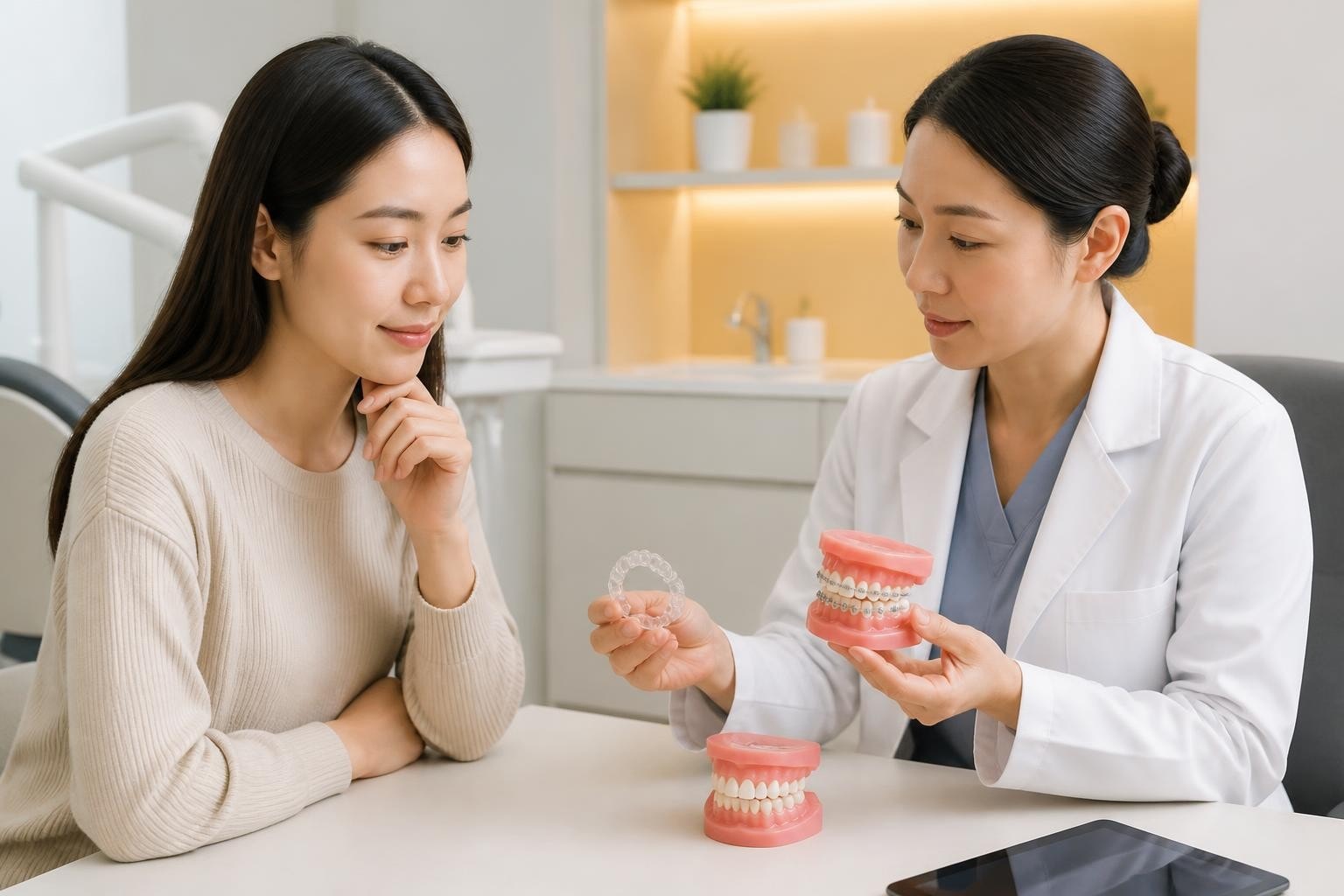
Choosing between orthodontic treatment options can feel overwhelming, especially when both modern clear aligners and traditional braces promise straighter teeth and improved function. Each approach offers distinct advantages depending on your dental needs, lifestyle, and treatment goals. Understanding the clinical realities, evidence-based outcomes, and practical considerations of braces vs clear aligners helps you make a confident, informed decision about your orthodontic care.
How Braces and Clear Aligners Work
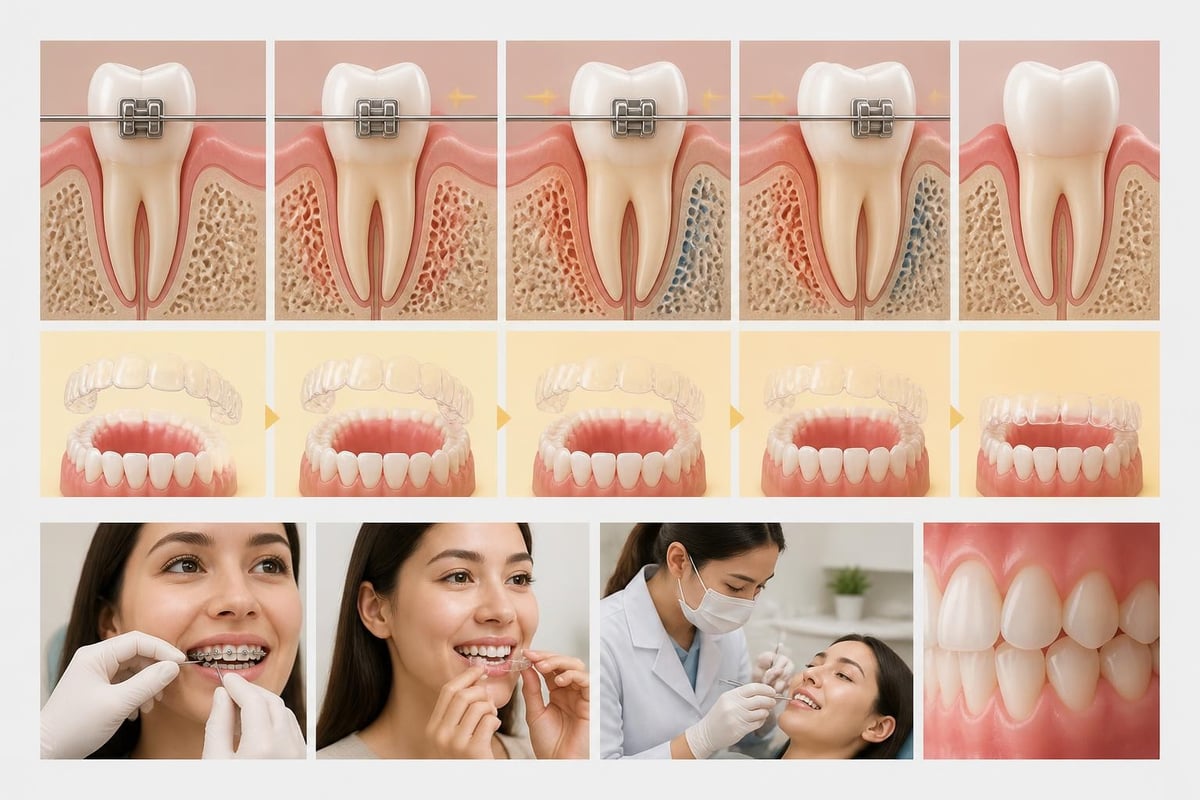
Traditional braces use metal or ceramic brackets bonded to each tooth, connected by an archwire that applies continuous, controlled force to gradually move teeth into their desired positions. Your orthodontist adjusts the wire tension periodically, typically every 4-6 weeks, to guide teeth along a predetermined treatment path.
Clear aligners, by contrast, consist of a series of custom-fabricated, removable plastic trays that fit snugly over your teeth. Each aligner applies gentle pressure to specific teeth, and you progress through the series-usually changing aligners every 1-2 weeks-to achieve gradual, planned tooth movement.
Both systems rely on the same biological principle: controlled force triggers bone remodeling, allowing teeth to shift through the jawbone over time. The key differences lie in how that force is delivered, monitored, and adjusted throughout treatment.
Mechanism of Tooth Movement
- Braces deliver constant force through fixed appliances, allowing precise control over complex three-dimensional movements
- Clear aligners use staged, intermittent force through sequential trays, relying on patient compliance for continuous wear
- Bone remodeling occurs similarly in both systems when appropriate force levels are maintained
The American Association of Orthodontists emphasizes that both treatment modalities can achieve excellent results when properly planned and supervised by trained professionals.
Treatment Effectiveness and Clinical Outcomes
Recent systematic reviews provide valuable insight into the comparative effectiveness of braces vs clear aligners. A comprehensive meta-analysis published in the European Journal of Orthodontics examined quality and stability of outcomes between fixed appliances and clear aligners across multiple clinical studies.
The evidence suggests that both treatment approaches can successfully correct many common orthodontic concerns, including crowding, spacing, and certain bite irregularities. However, important distinctions emerge when evaluating specific types of tooth movements and case complexity.
What the Research Shows
| Treatment Factor | Traditional Braces | Clear Aligners |
|---|---|---|
| Complex rotations | Excellent control | Moderate effectiveness |
| Vertical movements | Highly predictable | More challenging |
| Posterior torque | Precise control | Limited predictability |
| Mild to moderate crowding | Excellent results | Excellent results |
| Treatment predictability | High across case types | Best for moderate cases |
Traditional braces generally demonstrate superior control for complex three-dimensional movements, particularly rotations of canines and premolars, vertical positioning adjustments, and precise root control. These capabilities make braces the preferred choice for severe malocclusions, significant skeletal discrepancies, and cases requiring extraction spaces.
Clear aligners excel in treating mild to moderate crowding, spacing issues, and certain relapse cases. A systematic review comparing Invisalign and fixed appliances found that clear aligners achieved comparable outcomes to braces for appropriately selected cases, with particularly strong results in adult patients with less complex alignment needs.
Treatment duration varies based on case complexity rather than appliance type alone. Simple cases may resolve in 6-12 months with either system, while comprehensive treatment typically requires 18-24 months or longer regardless of the modality chosen.
Comfort, Aesthetics, and Daily Life
The braces vs clear aligners decision often hinges on lifestyle factors and personal priorities beyond clinical outcomes alone.
Appearance and Social Considerations
Clear aligners offer a distinct aesthetic advantage. The transparent trays remain virtually invisible during normal conversation and social interaction, appealing especially to adults and image-conscious adolescents. Modern ceramic braces provide a less noticeable alternative to metal brackets, though they remain more visible than aligners.
Comfort profiles differ significantly between the two approaches:
- Clear aligners may cause temporary pressure and tightness when switching to a new tray, typically resolving within 1-2 days
- Braces can create initial soreness after adjustments and occasional irritation from brackets rubbing against soft tissues
- Both systems require an adjustment period as your mouth adapts to the appliances
Eating and Oral Hygiene
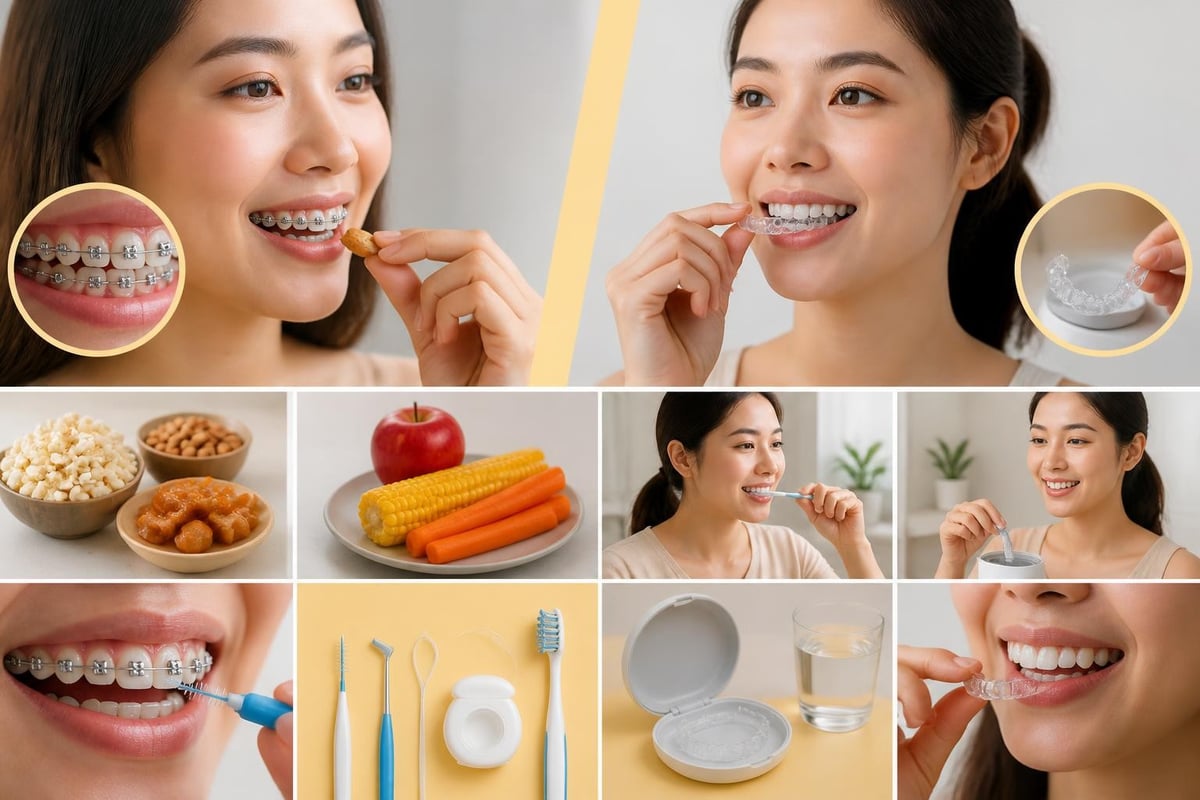
One of the most practical advantages of clear aligners is their removability during meals. You can eat whatever you like without dietary restrictions, then brush and floss normally before reinserting your aligners.
Traditional braces require dietary modifications to protect brackets and wires:
- Avoid hard, sticky, or chewy foods that can damage appliances
- Cut foods into smaller pieces to reduce force on brackets
- Brush carefully around brackets and use specialized floss threaders or interdental brushes
This difference in oral hygiene accessibility has clinical implications. A systematic review examining oral health outcomes found that clear aligner patients generally maintained better periodontal indices and experienced fewer white spot lesions compared to fixed appliance patients, likely due to easier plaque removal.
At CuraSmile PH, we help patients understand how to maintain excellent oral hygiene throughout orthodontic treatment, regardless of the system chosen.
Patient Compliance and Treatment Success
Clear aligners place significant responsibility on patients for treatment success. You must wear your aligners 20-22 hours daily, removing them only for eating, drinking anything other than water, and oral hygiene. Insufficient wear time compromises treatment effectiveness and extends overall duration.
Compliance challenges with clear aligners include:
- Temptation to remove aligners more frequently than recommended
- Forgetting to reinsert aligners after meals or snacks
- Lost or damaged aligners requiring replacement
- Difficulty maintaining discipline over many months
Traditional braces eliminate compliance concerns related to wear time since they remain fixed in place. However, patients must comply with dietary restrictions, maintain excellent oral hygiene, attend scheduled adjustment appointments, and avoid activities that might damage appliances.
Adolescent patients may find the fixed nature of braces advantageous if self-discipline presents a challenge. Adults with high motivation and structured routines typically achieve excellent compliance with clear aligners.
Monitoring and Adjustments
Braces typically require in-office adjustments every 4-6 weeks, where your orthodontist examines progress, changes wires, adjusts brackets, and ensures treatment is tracking properly. These appointments provide regular professional oversight and immediate intervention if issues arise.
Clear aligner treatment increasingly incorporates remote monitoring technology, allowing patients to submit progress photos between less frequent in-office visits. However, periodic professional evaluation remains essential to verify that teeth are moving as planned and to address any needed refinements.
Cost Considerations and Investment Value
The financial aspect of braces vs clear aligners varies based on case complexity, treatment duration, geographic location, and specific provider pricing. In general, both treatment modalities fall within comparable price ranges for similar cases.
Factors influencing orthodontic treatment cost:
- Case complexity and severity of misalignment
- Estimated treatment duration
- Provider experience and technology used
- Geographic market and practice overhead
- Additional procedures needed (extractions, attachments, refinements)
Clear aligners may carry a premium price for mild cases due to the advanced digital planning and custom manufacturing involved. For complex cases, comprehensive braces treatment and extensive clear aligner treatment tend to be similarly priced.
Many dental insurance plans offer orthodontic benefits that apply equally to braces or clear aligners, though coverage limits and age restrictions vary. Flexible payment plans make both options accessible to a broader range of patients.
Return on investment extends beyond straight teeth. Properly aligned teeth function better, are easier to clean, reduce wear on tooth surfaces, and may help prevent future dental problems. These long-term functional and health benefits complement the aesthetic improvements both systems provide.
Case Selection: When Each System Excels
Not every orthodontic case is equally suited to both treatment modalities. Evidence-based case selection ensures optimal outcomes and efficient treatment.
Ideal Cases for Clear Aligners
Clear aligners work exceptionally well for:
- Mild to moderate crowding (up to 6mm per arch)
- Spacing and gaps between teeth
- Minor bite irregularities
- Relapse after previous orthodontic treatment
- Adults with mild to moderate alignment issues
These cases allow clear aligners to demonstrate their strengths while avoiding movements that prove challenging for removable appliances.
When Traditional Braces Are Preferred
Braces remain the gold standard for:
- Severe crowding requiring extractions
- Significant bite discrepancies (deep bites, open bites)
- Complex rotations, particularly posterior teeth
- Skeletal jaw relationship issues
- Cases requiring precise vertical control
- Young adolescents who may struggle with aligner compliance
Combination approaches are sometimes used, beginning with braces to address complex movements, then transitioning to clear aligners for final refinements and finishing. This hybrid strategy leverages the strengths of each system.
A comprehensive orthodontic evaluation, including diagnostic records and treatment planning, determines which approach best serves your specific clinical needs. The Clear Aligners & Orthodontics team at CuraSmile PH uses digital diagnostics and evidence-based protocols to match each patient with the most appropriate treatment strategy.
Technology and Treatment Planning
Both braces and clear aligners have benefited from significant technological advancement in recent years, improving predictability, efficiency, and patient experience.
Digital Planning and Visualization
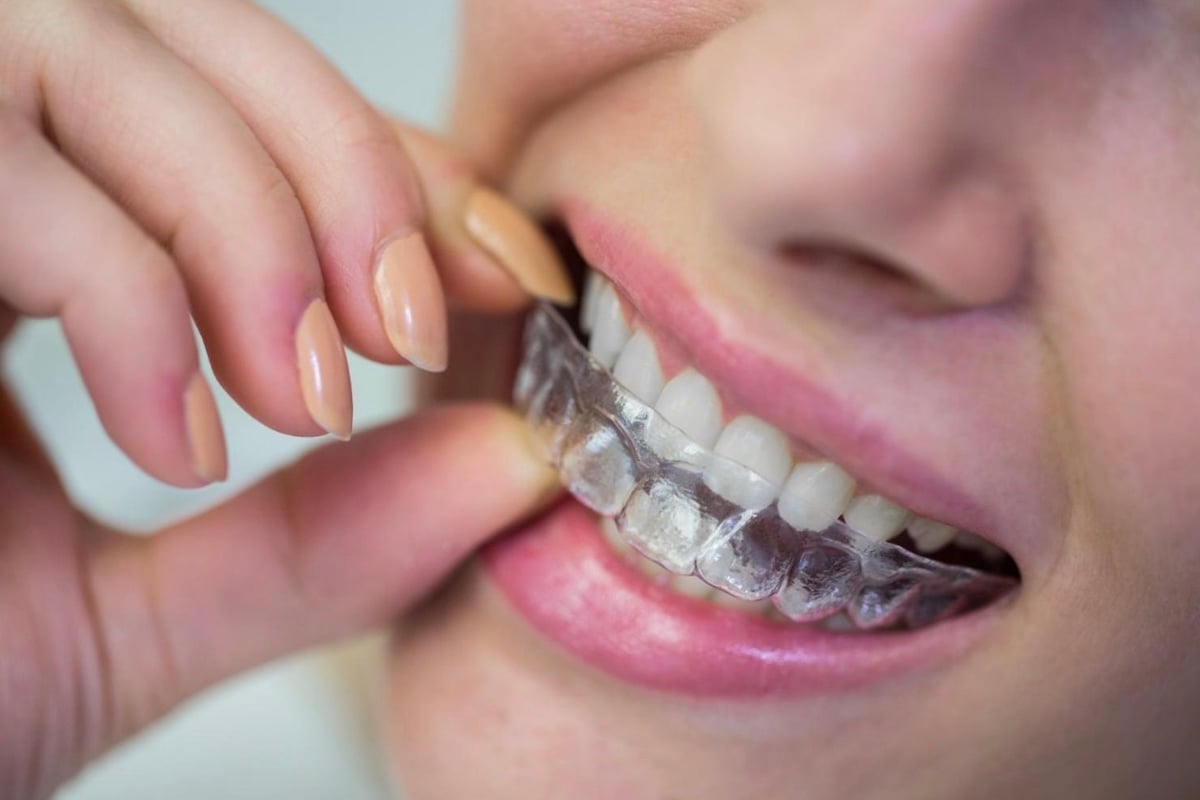
Modern clear aligner treatment relies entirely on digital workflows:
- Intraoral scanning creates precise 3D models of your teeth
- Specialized software simulates the entire treatment sequence
- You preview your projected final result before treatment begins
- Each aligner is custom-manufactured using advanced 3D printing or thermoforming
Traditional braces increasingly incorporate digital planning as well, with some systems using custom bracket placement and computer-designed archwires. However, braces treatment retains more flexibility for mid-treatment adjustments based on clinical response.
Material Quality and Standards
The American Dental Association recently announced the first proposed U.S. standard for clear aligner materials, reflecting growing focus on quality control, biocompatibility, and standardization across the aligner industry. This development promises greater consistency and safety as the clear aligner market continues to expand.
Traditional orthodontic brackets and wires have long-established material standards and decades of clinical track record. The materials science supporting both systems continues to evolve, with innovations aimed at improving efficiency, comfort, and biocompatibility.
Special Considerations for Different Life Stages
Your age and life circumstances influence the braces vs clear aligners decision in practical ways.
Adolescents may benefit from braces if:
- Compliance with 22-hour daily aligner wear seems uncertain
- Complex tooth movements are needed
- Social concerns about braces are minimal
- Active sports or contact activities make removable aligners less practical
Adults often prefer clear aligners because:
- Professional appearance matters in workplace settings
- Strong personal motivation supports excellent compliance
- Removability simplifies business meals and social events
- Mild to moderate cases are more common in adult patients
Active lifestyles require additional consideration. While clear aligners can be removed for sports, they require a protective mouthguard during contact activities. Braces necessitate a specially fitted orthodontic mouthguard. Musicians playing wind instruments may find clear aligners easier to accommodate during practice and performance.
Understanding how long braces take and the commitment involved helps set realistic expectations regardless of which system you choose.
Retention and Long-Term Stability
Successful orthodontic treatment doesn't end when braces come off or you finish your final aligner. Retention is critical for maintaining your results over the long term.
Both braces and clear aligner treatment require a retention phase to prevent teeth from gradually shifting back toward their original positions. This biological tendency, called relapse, affects everyone to varying degrees.
Standard retention protocols include:
- Fixed retainer bonded to the back of front teeth
- Removable retainer worn nightly or as prescribed
- Combination of fixed and removable retainers
- Long-term (sometimes lifelong) retention for optimal stability
The evidence on long-term stability suggests that retention compliance matters more than the original treatment modality. Patients who diligently wear their retainers as prescribed maintain their results regardless of whether they had braces or clear aligners.
Making Your Decision: Clinical Assessment First
The braces vs clear aligners choice should begin with a comprehensive orthodontic evaluation, not marketing materials or price shopping alone. A thorough clinical assessment examines:
- Current tooth positions and bite relationship
- Jaw alignment and facial proportions
- Dental and medical history
- Treatment goals and priorities
- Lifestyle factors and personal preferences
Professional diagnosis and treatment planning ensure your orthodontic care addresses not just alignment, but also function, stability, and long-term oral health. As emphasized by the NHS guidance on braces and orthodontics, orthodontic treatment should be provided or supervised by appropriately trained dental professionals.
At practices focused on comprehensive care like CuraSmile PH in BGC, the orthodontic consultation process includes:
- Clinical examination and dental health assessment
- Diagnostic records (photos, scans, x-rays as needed)
- Discussion of treatment options with evidence-based recommendations
- Clear explanation of expected outcomes, timeline, and investment
- Collaborative decision-making aligned with your goals
| Decision Factor | Questions to Consider |
|---|---|
| Clinical needs | How complex is my case? What does evidence suggest works best? |
| Lifestyle | How will each option fit my daily routine, work, and activities? |
| Compliance | Can I commit to 22-hour daily wear, or would I prefer a fixed system? |
| Aesthetics | How important is appliance visibility during treatment? |
| Cost | What fits my budget? What payment options are available? |
| Timeline | Does treatment duration differ between options for my case? |
Beyond Alignment: Comprehensive Oral Health
Orthodontic treatment creates an opportunity to optimize your overall oral health beyond straight teeth alone. Both braces and clear aligners can improve bite function, reduce excessive wear on certain teeth, and make your teeth easier to clean effectively.
The WHO Global Status Report on Oral Health highlights that oral health remains integral to overall health and quality of life. Orthodontic care that addresses functional issues alongside aesthetic concerns contributes to long-term oral health outcomes.
Comprehensive orthodontic planning considers:
- Jaw joint (TMJ) function and any existing discomfort
- Breathing and airway adequacy
- Tooth wear patterns and functional stresses
- Periodontal health and bone support
- Future restorative or cosmetic goals
Some patients discover that addressing orthodontic concerns also helps with related issues like jaw clicking or bite discomfort. A holistic evaluation identifies these connections and creates an integrated treatment approach.
For patients in BGC and Taguig seeking orthodontic care or clear aligner treatment, choosing a practice that values comprehensive assessment ensures that your treatment plan serves your broader dental health, not just tooth alignment alone.
Quality of Life During and After Treatment
Patient-centered outcomes extend beyond clinical measurements to include comfort, satisfaction, and quality of life throughout the orthodontic journey. Research examining these factors provides valuable perspective on the braces vs clear aligners experience.
Studies measuring patient-reported outcomes find that clear aligner patients often report higher satisfaction with aesthetics and less impact on daily activities during treatment. However, treatment effectiveness and final results matter most for long-term satisfaction, regardless of the appliance used.
Both systems can positively impact:
- Confidence in your smile during and after treatment
- Ease of speaking (after brief adjustment period)
- Comfort in professional and social settings
- Satisfaction with your dental appearance
- Long-term dental function and health
The key lies in choosing the system that both fits your clinical needs and aligns with your personal priorities. Neither option is universally superior; the right choice depends on your unique circumstances.
Setting realistic expectations at the outset helps ensure satisfaction with the process and outcome. Your orthodontic provider should clearly explain what each system can and cannot achieve for your specific case, helping you make an informed decision based on evidence rather than assumptions.
Both braces and clear aligners offer proven paths to improved tooth alignment, function, and smile aesthetics when appropriately selected and professionally supervised. The choice between them depends on your clinical needs, lifestyle priorities, and treatment goals. At CuraSmile PH, our orthodontic team combines advanced diagnostic technology with evidence-based treatment planning to help you choose the approach that best serves your dental health and personal preferences. Schedule a comprehensive orthodontic consultation to explore which option is right for you.