Dentist Cosmetic Dentistry: Advanced Smile Solutions
Expert guide to dentist cosmetic dentistry: procedures, technology, treatment planning & results. Evidence-based care from BGC's advanced clinic.
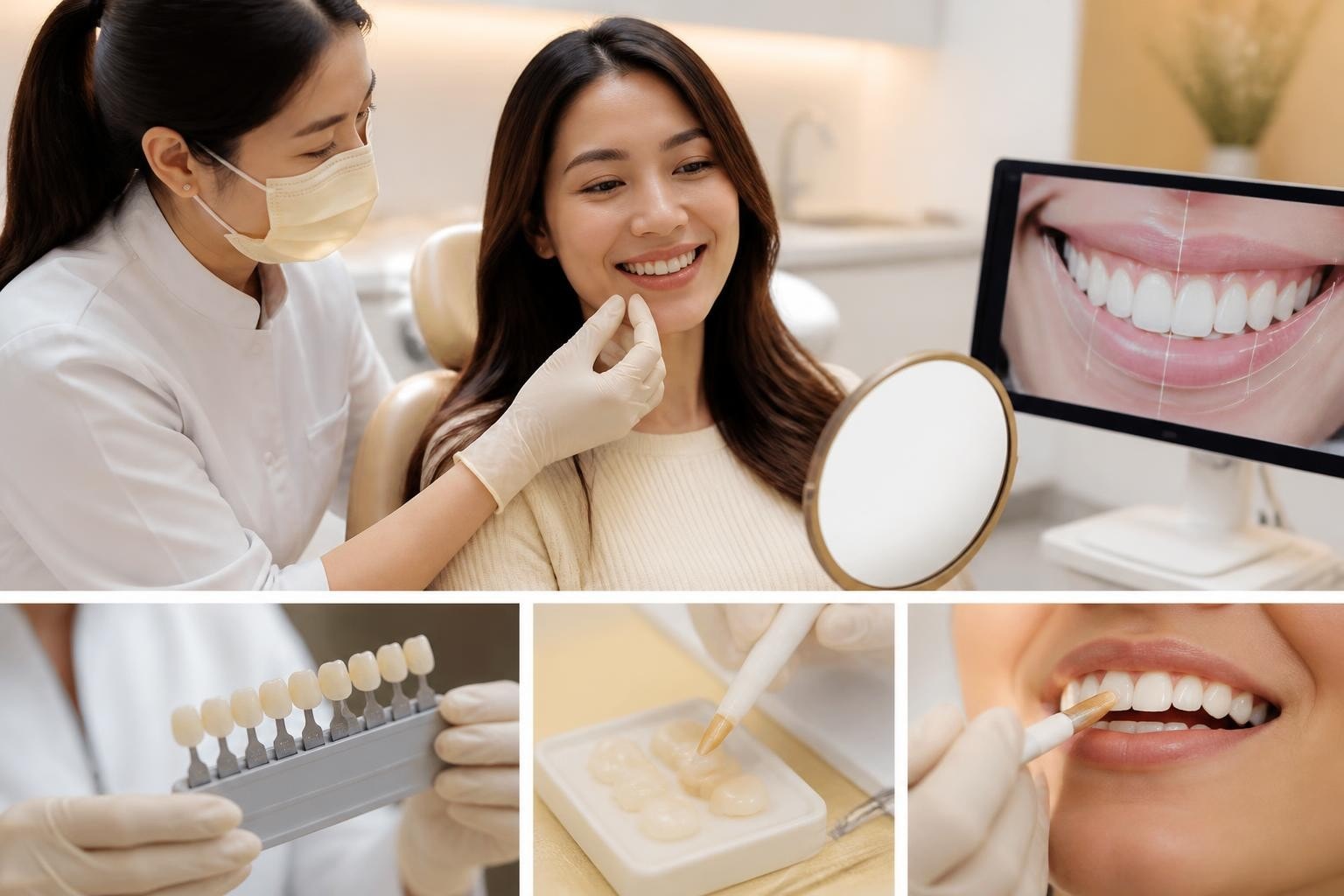
Modern dentist cosmetic dentistry represents a sophisticated blend of clinical expertise, advanced technology, and personalized treatment planning designed to improve both the appearance and function of your smile. Unlike traditional approaches focused solely on dental health, contemporary cosmetic dentistry addresses aesthetic concerns while maintaining evidence-based clinical standards. Whether you're considering subtle enhancements or comprehensive smile transformation, understanding the scope, techniques, and clinical considerations behind cosmetic dental procedures helps you make informed decisions about your oral health and aesthetic goals.
What Defines Modern Dentist Cosmetic Dentistry
Dentist cosmetic dentistry encompasses a broad range of procedures aimed at improving the appearance of teeth, gums, and smile while maintaining or enhancing oral function. This field has evolved significantly over the past decade, incorporating advances in materials, technology, and minimally invasive techniques that allow clinicians to achieve predictable, natural-looking results with greater precision and less tooth reduction than ever before.
The distinction between "cosmetic" and "restorative" dentistry has become increasingly blurred. Many procedures serve dual purposes: they address aesthetic concerns while simultaneously improving dental function, bite alignment, or long-term tooth preservation.
Core Procedures in Cosmetic Dentistry
Contemporary cosmetic dentistry offers multiple treatment options, each with specific indications and clinical protocols:
Tooth whitening and bleaching
- Professional in-office bleaching using controlled concentrations
- Custom-fitted home whitening systems
- Combination approaches for optimal results
- Evidence-based protocols with documented efficacy and safety profiles
Porcelain veneers and crowns
- Thin ceramic restorations bonded to tooth surfaces
- Minimal-preparation and no-preparation options when clinically appropriate
- Digital design and fabrication for precise fit
- Material selection based on individual dental conditions
Composite bonding
- Direct resin application for minor corrections
- Same-visit treatment for chips, gaps, or shape concerns
- Conservative tooth preparation
- Polishing and finishing protocols for longevity
Orthodontic alignment
- Clear aligner therapy for tooth movement
- Comprehensive treatment planning
- Adult orthodontics for aesthetic and functional improvement
- Integration with other cosmetic procedures
Clinical Assessment and Treatment Planning
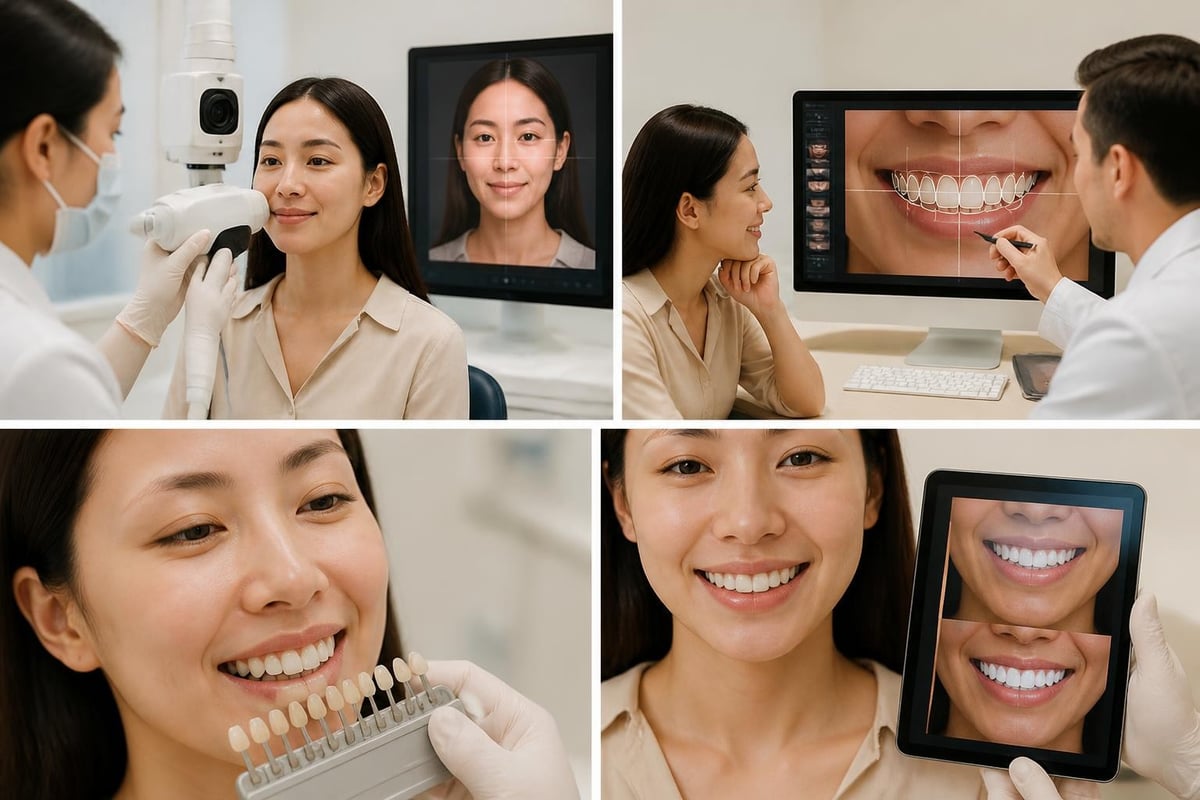
Successful dentist cosmetic dentistry begins with comprehensive evaluation and personalized treatment planning. This process involves multiple assessment layers that extend beyond aesthetic goals to include functional, biological, and long-term considerations.
Diagnostic Components
A thorough cosmetic dental assessment typically includes:
| Assessment Area | Clinical Purpose | Technology Used |
|---|---|---|
| Facial analysis | Proportion, symmetry, smile line evaluation | Photography, digital analysis software |
| Dental examination | Tooth condition, gum health, bite relationships | Clinical examination, radiographs |
| Functional evaluation | Jaw movement, wear patterns, TMJ assessment | Bite analysis, muscle palpation |
| Material compatibility | Existing restorations, allergies, preferences | Medical history, material testing |
During initial consultations at CuraSmile PH, clinicians evaluate not just the teeth themselves but how they relate to facial features, lip dynamics, gum architecture, and overall smile aesthetics. This comprehensive approach ensures treatment plans address individual anatomic characteristics rather than applying one-size-fits-all solutions.
Digital Smile Design Integration
Modern cosmetic dentistry increasingly relies on digital planning tools that allow both clinician and patient to visualize proposed outcomes before treatment begins. These technologies include:
- Intraoral scanning for precise digital impressions
- Facial photography and smile analysis software
- Virtual treatment planning with before-and-after simulations
- Communication tools that facilitate shared decision-making
This digital workflow enhances predictability and allows adjustments to treatment plans based on patient feedback and clinical judgment. The process supports evidence-based decision-making by providing objective data about tooth proportions, alignment, and aesthetic parameters.
Material Science and Clinical Outcomes
The materials used in dentist cosmetic dentistry have undergone remarkable evolution, offering improved aesthetics, strength, and biocompatibility. Understanding these materials helps patients make informed decisions about treatment options.
Ceramic and Porcelain Systems
Lithium disilicate ceramics
- High strength-to-aesthetics ratio
- Suitable for veneers, crowns, and bridges
- Excellent color stability and translucency
- Bonding protocols for long-term retention
Zirconia-based materials
- Maximum strength for posterior restorations
- Evolving aesthetic properties in newer formulations
- Digital milling workflows for precision
- Biocompatibility and tissue response
Feldspathic porcelain
- Superior aesthetic mimicry of natural enamel
- Ultra-thin veneer applications
- Minimal tooth preparation requirements
- Requires precise bonding techniques
The selection among these materials depends on multiple factors: the specific tooth being restored, bite forces, aesthetic requirements, and the amount of remaining natural tooth structure. Experienced cosmetic dentists evaluate these variables when recommending materials for individual cases.
Composite Resin Technology
Direct composite bonding uses tooth-colored resin materials that can be sculpted and polished in a single appointment. Recent improvements in resin chemistry have enhanced:
- Color stability over time
- Wear resistance and durability
- Polishability and surface texture
- Bonding strength to tooth structure
While composites offer conservative, cost-effective solutions for many aesthetic concerns, they require different maintenance protocols than ceramic restorations and may need periodic polishing or replacement depending on individual factors like diet, oral habits, and bite forces.
Conservative Approaches and Tooth Preservation
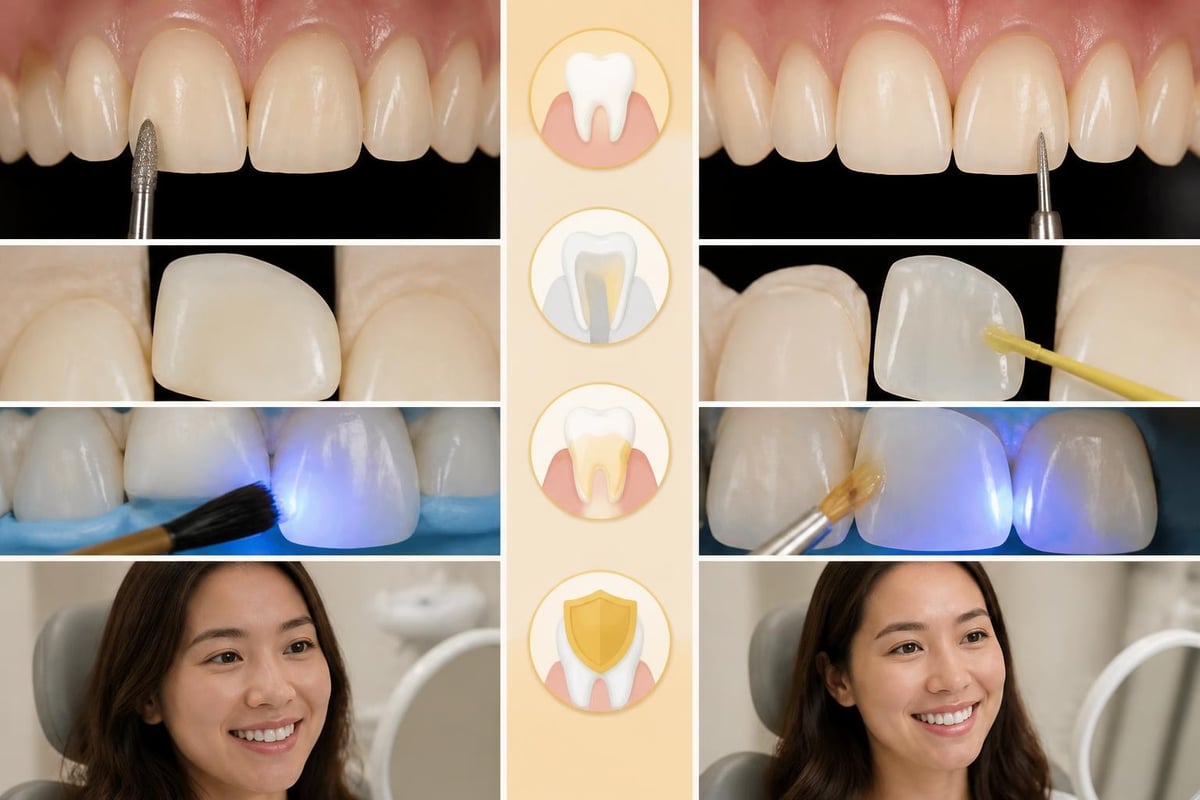
One of the most significant shifts in modern dentist cosmetic dentistry involves the emphasis on minimally invasive techniques that preserve natural tooth structure. This philosophy recognizes that biological tissue is irreplaceable and that conservative treatment approaches support long-term dental health.
Minimal-Preparation Veneers
Traditional veneer placement often required significant tooth reduction-sometimes removing 0.5 to 1.5 millimeters of enamel around the entire tooth surface. Contemporary techniques have dramatically reduced these requirements:
- No-preparation veneers for select cases with appropriate tooth position
- Minimal-preparation designs that stay within enamel
- Digital planning to optimize preparation depth
- Preservation of structural integrity and pulp vitality
Not every case is appropriate for ultra-conservative approaches. Teeth with existing restorations, significant misalignment, or structural concerns may require more traditional preparation depths. Clinical judgment and honest communication about limitations are essential.
Recontouring and Enameloplasty
For minor aesthetic improvements, selective reshaping of tooth enamel can provide significant aesthetic benefits without restorations:
- Smoothing irregular edges or chips
- Adjusting tooth length for better proportion
- Modifying minor overlaps or contours
- Creating more harmonious gum-line symmetry
These procedures are truly conservative, removing only very small amounts of enamel in controlled, precise ways. They're often combined with other treatments as part of comprehensive smile design.
Complex Case Management and Multidisciplinary Care
Many patients seeking cosmetic improvement present with conditions that require coordination across dental specialties. Advanced dentist cosmetic dentistry often involves integrating multiple treatment modalities to achieve optimal results.
Orthodontics and Cosmetic Integration
Tooth alignment significantly impacts both aesthetics and function. In many cases, orthodontic treatment before or alongside cosmetic procedures produces superior outcomes:
Pre-restorative orthodontics
- Improves tooth position before veneers or crowns
- Reduces the need for aggressive tooth preparation
- Creates better long-term stability
- Allows more conservative restoration designs
Combined treatment sequencing
- Alignment phase using clear aligners or braces
- Interim aesthetic improvements as needed
- Final restorative phase after ideal positioning
- Retention protocols to maintain results
This sequential approach requires careful planning and communication between patient and treatment team, but the results typically exceed what either orthodontics or cosmetic dentistry could achieve independently.
TMJ and Bite Considerations
Cosmetic dental treatment must respect jaw function and joint health. Patients experiencing jaw pain, clicking, headaches, or muscle tension require specialized evaluation before cosmetic procedures begin. Issues like teeth grinding, clenching, or bite imbalances can affect both treatment planning and long-term outcomes.
For patients with TMJ symptoms, addressing these concerns through TMJ/TMD treatment before cosmetic procedures ensures that aesthetic improvements don't compromise jaw function or comfort. Conservative, evidence-based management of jaw disorders establishes a stable foundation for restorative or cosmetic work, particularly when treatment involves changing tooth length, bite relationships, or overall jaw position.
At CuraSmile PH, specialists with advanced training in orofacial pain and TMD provide comprehensive assessment of jaw joints, muscles, and bite relationships, ensuring cosmetic treatment plans support both aesthetic goals and long-term functional health.
Gum Health and Periodontal Aesthetics
Beautiful teeth require healthy gum tissue as their foundation. Dentist cosmetic dentistry increasingly recognizes the critical role of periodontal health and gum aesthetics in overall smile design.
Gum Contouring and Crown Lengthening
Excessive gum display ("gummy smile") or uneven gum lines can detract from otherwise attractive teeth. Periodontal procedures address these concerns:
- Laser or surgical gum reshaping for symmetry
- Crown lengthening to expose more tooth structure
- Soft tissue grafting for recession coverage
- Papilla reconstruction between teeth
These procedures require precision and healing time but can dramatically enhance smile aesthetics, particularly when combined with restorative treatments. Laser dentistry applications often allow more controlled, comfortable tissue management with faster healing than traditional surgical approaches.
Periodontal Health Optimization
Active gum disease must be addressed before cosmetic procedures. Inflammation, bone loss, or infection compromise treatment outcomes and can lead to complications:
Pre-treatment periodontal care includes:
- Comprehensive gum health assessment
- Professional cleaning and scaling as needed
- Home care optimization and patient education
- Tissue healing and stabilization period
- Maintenance protocols during and after cosmetic treatment
Patients with a history of gum disease require ongoing monitoring and may need modified treatment approaches or material selections to accommodate their specific periodontal conditions.
Realistic Expectations and Treatment Limitations
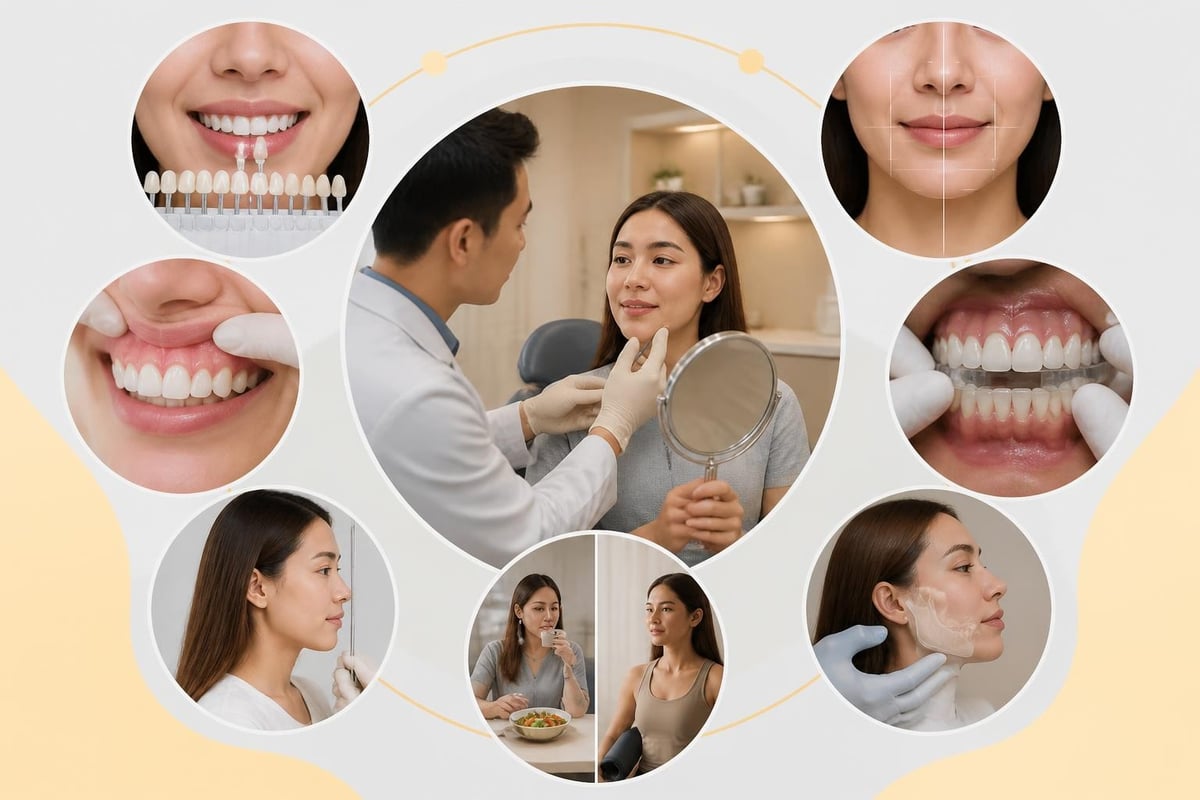
While modern dentist cosmetic dentistry offers remarkable possibilities, honest communication about limitations, risks, and realistic outcomes is essential for patient satisfaction.
Understanding Treatment Boundaries
Cosmetic dentistry can achieve significant improvements, but certain limitations exist:
| Limitation Factor | Clinical Reality | Management Approach |
|---|---|---|
| Existing tooth structure | Severe wear or damage limits options | Comprehensive evaluation, alternative treatments |
| Gum architecture | Thin or irregular tissue affects aesthetics | Periodontal preparation, tissue grafting |
| Jaw relationships | Skeletal discrepancies have aesthetic impact | Orthodontics, possible surgical consultation |
| Patient habits | Grinding, clenching affect longevity | Habit management, protective appliances |
| Maintenance commitment | Results require ongoing care | Clear home care protocols, regular follow-up |
Patients who understand these factors before treatment make more informed decisions and experience greater satisfaction with outcomes that align with realistic clinical possibilities.
Color Matching and Natural Appearance
One of the most challenging aspects of cosmetic dentistry involves creating restorations that blend seamlessly with natural teeth. Factors affecting color matching include:
- Natural tooth translucency and layering
- Lighting conditions during shade selection
- Material properties and fabrication methods
- Adjacent tooth characteristics
- Patient age and individual tooth anatomy
Advanced clinics use multiple shade-taking methods, including digital color analysis, photography under controlled lighting, and communication with laboratory technicians who fabricate the final restorations. Even with these tools, achieving perfect color matches requires both science and artistry.
Maintenance and Long-Term Care
Successful dentist cosmetic dentistry extends beyond the completion of treatment. Long-term results depend on appropriate maintenance, professional follow-up, and patient commitment to oral health.
Home Care Protocols
Cosmetic dental work requires the same fundamental oral hygiene as natural teeth, with some additional considerations:
Daily care essentials:
- Gentle brushing with non-abrasive toothpaste
- Flossing or interdental cleaning around restorations
- Avoidance of excessive forces (nail biting, ice chewing)
- Protection during contact sports or grinding episodes
- Awareness of staining foods and beverages for certain materials
Different materials have different care requirements. Porcelain restorations resist staining but can chip under excessive force. Composite bonding may require periodic polishing to maintain luster. Your dental team provides specific guidance based on the materials used in your treatment.
Professional Maintenance
Regular professional care supports the longevity of cosmetic dental work:
- Routine examinations to assess restoration integrity
- Professional cleanings using appropriate techniques
- Early detection of any issues requiring attention
- Periodic photography to document stability
- Adjustment or replacement as materials age
At CuraSmile PH, preventive care protocols are customized based on individual risk factors and the specific restorations present, ensuring that cosmetic investments are protected through appropriate ongoing maintenance.
Cost Considerations and Treatment Sequencing
Dentist cosmetic dentistry represents a significant investment, and understanding cost factors helps patients plan appropriately for treatment.
Factors Affecting Treatment Costs
Several variables influence the overall investment in cosmetic dental care:
- Number of teeth requiring treatment
- Complexity of individual cases
- Materials selected for restorations
- Laboratory fees for custom fabrication
- Time required for multiple appointments
- Additional procedures needed (periodontal work, orthodontics)
- Technology and equipment used in treatment
Most cosmetic procedures are elective and not covered by insurance, though some treatments that address both aesthetic and functional concerns may qualify for partial coverage. Clear, detailed treatment estimates help patients understand costs before committing to treatment.
Phased Treatment Approaches
Not all cosmetic improvement needs to happen simultaneously. Strategic treatment sequencing allows patients to achieve goals over time:
Immediate improvements:
- Professional whitening
- Minor composite bonding
- Gum contouring for select teeth
Medium-term goals:
- Orthodontic alignment
- Replacement of old, discolored fillings
- Treatment of one arch before the other
Comprehensive transformation:
- Full-mouth rehabilitation
- Multiple veneers or crowns
- Integration of implants or bridgework
This phased approach spreads costs over time and allows assessment of initial results before proceeding with more extensive treatment.
Technology and Innovation in Cosmetic Dentistry
The field of dentist cosmetic dentistry continues to evolve with technological advances that improve precision, predictability, and patient experience.
Digital Workflow Integration
Modern cosmetic dentistry increasingly operates within digital ecosystems:
- Intraoral scanners replace traditional impressions
- CAD/CAM design software creates virtual restorations
- 3D printing produces models and temporary restorations
- Digital communication with laboratories ensures precision
- Virtual treatment planning engages patients in decision-making
These technologies improve accuracy, reduce appointment time, and enhance the overall treatment experience while supporting clinical excellence.
Material Innovations
Ongoing research produces materials with improved properties:
Recent developments include:
- Higher-strength ceramics with better aesthetics
- Bioactive materials that support tooth remineralization
- Improved bonding agents for longer-lasting attachments
- Color-stable composites with enhanced wear resistance
- Tissue-friendly materials that minimize gum irritation
Staying current with material science allows clinicians to offer patients the best available options for their specific clinical situations, balancing aesthetics, function, durability, and cost.
Choosing the Right Provider for Cosmetic Dentistry
Selecting a qualified, experienced dentist for cosmetic procedures significantly impacts both the treatment experience and long-term results.
Credentials and Training
While all licensed dentists can perform cosmetic procedures, specialized training and ongoing education indicate a commitment to clinical excellence:
- Advanced education in cosmetic and aesthetic dentistry
- Membership in professional organizations like the American Academy of Cosmetic Dentistry
- Continuing education in new techniques and materials
- Clinical experience with complex cases
- Portfolio of completed treatments
Ask potential providers about their training, experience with procedures you're considering, and approach to treatment planning. Reviewing before-and-after photographs of actual cases provides insight into their aesthetic sensibility and clinical results.
Communication and Approach
Beyond technical skills, the best cosmetic dentistry outcomes emerge from strong patient-clinician relationships built on clear communication:
- Thorough explanation of treatment options
- Honest discussion of risks and limitations
- Collaborative decision-making process
- Attention to individual concerns and preferences
- Accessibility for questions or issues
Patients who feel heard and understood during the planning process typically experience greater satisfaction with their treatment outcomes, even when results include natural limitations or required compromises.
Ethical Considerations and Patient-Centered Care
Responsible dentist cosmetic dentistry balances aesthetic goals with ethical practice, ensuring patient welfare remains the primary concern.
Informed Consent and Realistic Communication
Ethical cosmetic dentistry requires transparent discussion of:
- Expected outcomes and aesthetic possibilities
- Alternative treatment approaches and their tradeoffs
- Risks specific to planned procedures
- Costs and financial responsibilities
- Maintenance requirements and expected longevity
Patients should never feel pressured into treatment and should have adequate time to consider their options. Public health perspectives on oral health emphasize informed patient autonomy and equity in access to care, principles that apply equally to elective cosmetic procedures.
Appropriate Case Selection
Not every aesthetic concern requires invasive treatment. Responsible providers:
- Recommend conservative approaches when appropriate
- Decline cases where risks outweigh benefits
- Refer to specialists when needed
- Prioritize dental health over purely cosmetic goals
- Respect patient decisions, including choosing no treatment
This ethical framework ensures that cosmetic dentistry serves patient interests rather than commercial motivations.
Integration with Comprehensive Dental Care
The most successful dentist cosmetic dentistry outcomes occur when aesthetic treatments integrate seamlessly with comprehensive oral health care.
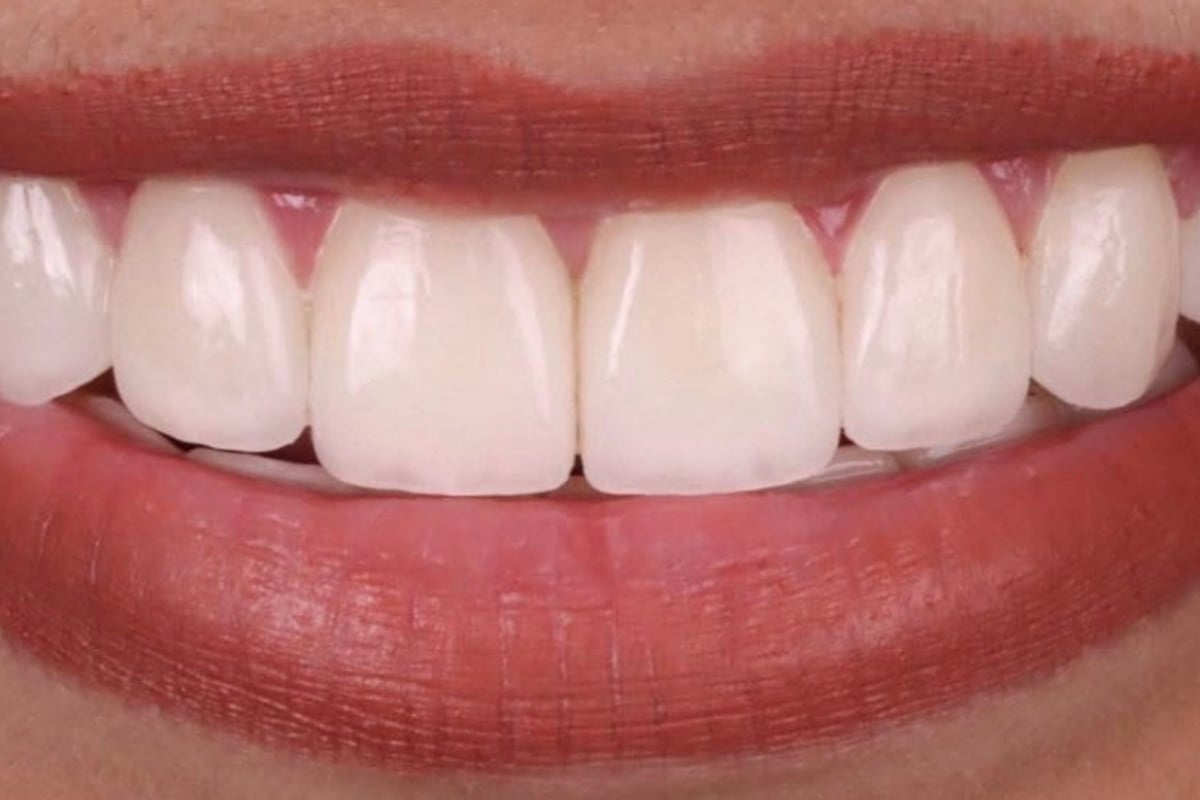
Custom-designed porcelain veneers and crowns exemplify this integration, combining advanced materials and digital planning to improve both smile aesthetics and tooth function. These restorations address multiple concerns simultaneously: appearance, strength, bite relationships, and long-term preservation of dental health. When properly designed and fabricated, veneers and crowns protect underlying tooth structure while creating naturally beautiful, durable results tailored to each patient's unique dental anatomy and aesthetic preferences.
Preventive Foundation
Beautiful smiles require healthy foundations. Cosmetic treatment plans should incorporate:
- Regular preventive care and professional cleanings
- Early detection and management of decay or gum disease
- Ongoing risk assessment for oral health conditions
- Patient education about maintaining results
- Integration with general health and wellness goals
This comprehensive approach recognizes that isolated cosmetic procedures rarely succeed long-term without attention to overall oral health.
Functional Integration
Aesthetic improvements should support or enhance dental function:
- Bite relationships that distribute forces appropriately
- Tooth shapes that facilitate proper chewing
- Restorations that don't impede speech or comfort
- Materials that withstand normal functional demands
- Designs that accommodate individual jaw movements
When form and function align, cosmetic dentistry produces results that not only look beautiful but feel natural and support long-term oral health.
Modern dentist cosmetic dentistry combines advanced materials, digital technology, and evidence-based clinical protocols to help patients achieve smile improvements that align with their aesthetic goals and support long-term dental health. Whether you're considering subtle enhancements or comprehensive transformation, choosing experienced providers who prioritize conservative approaches, realistic communication, and comprehensive care ensures optimal outcomes. CuraSmile PH in Bonifacio Global City offers personalized cosmetic dentistry grounded in clinical expertise, advanced technology, and patient-centered care, helping you achieve natural-looking, lasting results that enhance both smile aesthetics and dental function. Book a consultation to explore how modern cosmetic dentistry can support your smile goals.