Veneers vs Teeth Whitening: Which is Right for You?
Choosing between veneers and teeth whitening? Learn the key differences, benefits, costs, and which treatment best fits your smile goals.
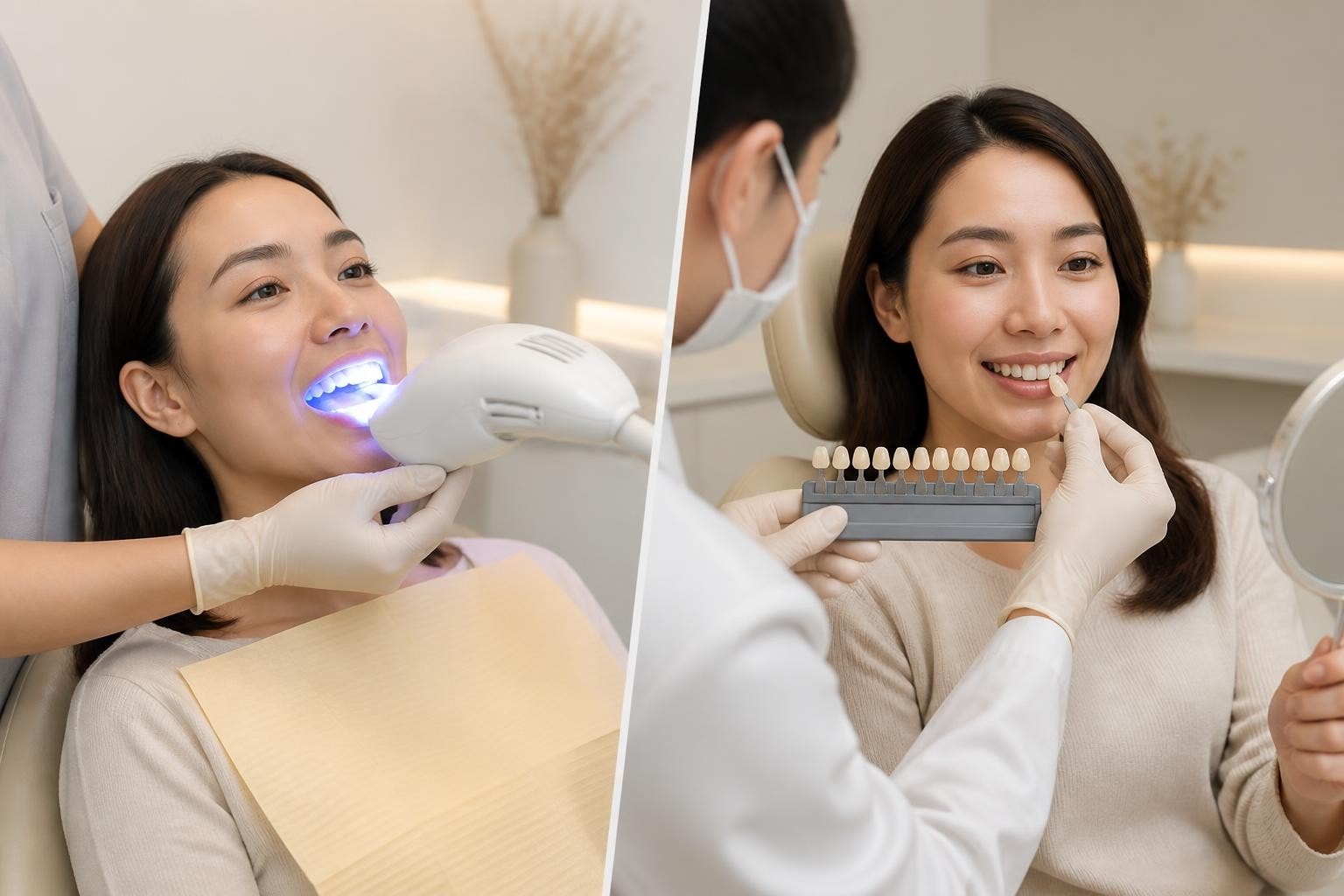
When you're ready to transform your smile, the choice between veneers vs teeth whitening often becomes a pivotal decision. Both treatments can dramatically improve your appearance and confidence, but they work in fundamentally different ways and address different concerns. Understanding which option aligns with your dental needs, aesthetic goals, and long-term expectations is essential before moving forward with any cosmetic treatment.
This comprehensive guide explores the critical differences between these two popular smile enhancement approaches, helping you make an informed decision based on clinical evidence, realistic outcomes, and your unique dental situation.
1. Understanding How Each Treatment Works
The fundamental difference in the veneers vs teeth whitening comparison lies in their mechanism of action and what they can achieve.
Teeth Whitening: Chemical Color Enhancement
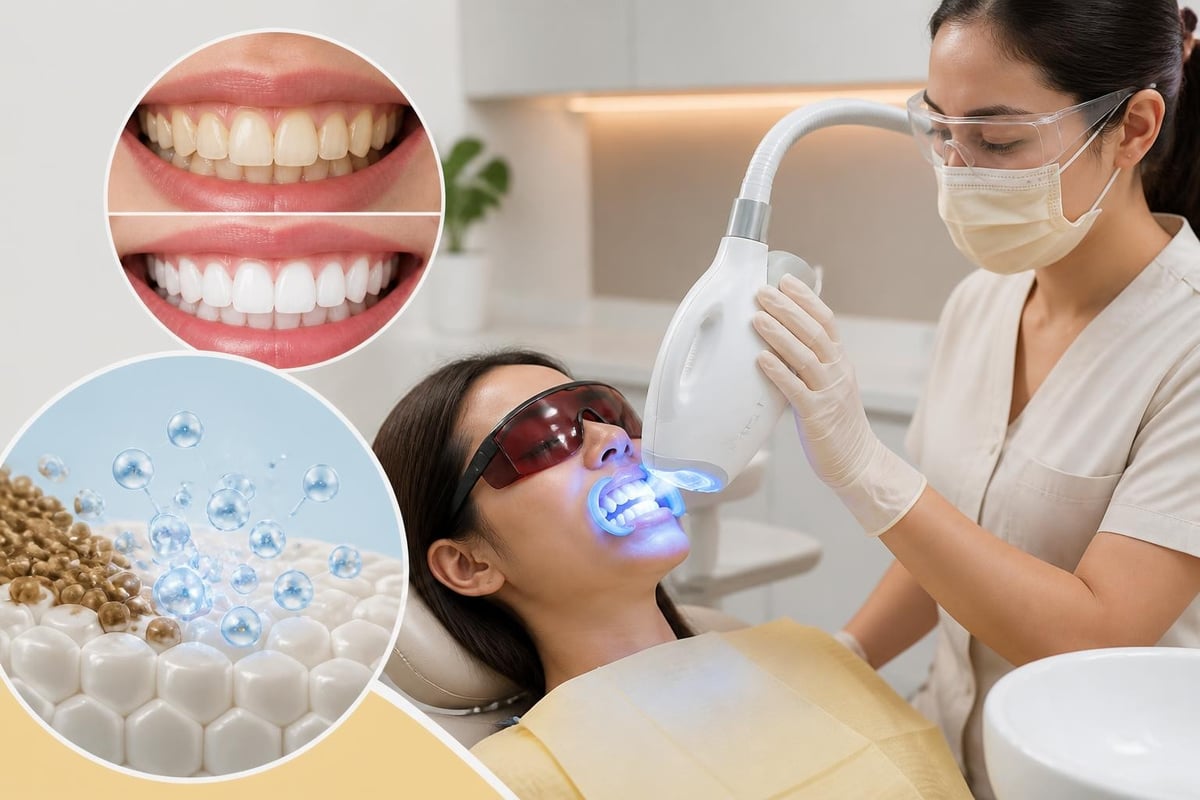
Professional teeth whitening uses bleaching agents to lighten the natural color of your tooth enamel. According to the American Dental Association's guidelines on whitening, the most common active ingredients are hydrogen peroxide or carbamide peroxide, which penetrate the enamel to break down stain molecules.
How whitening works:
- Bleaching gel is applied to tooth surfaces
- Peroxide compounds oxidize chromogens (stain molecules)
- Light activation may be used to accelerate the process
- Multiple sessions typically needed for optimal results
- Works only on natural tooth structure
The treatment doesn't alter your tooth structure or shape. It simply changes the color by removing intrinsic and extrinsic discoloration accumulated over time from coffee, tea, wine, tobacco, and aging.
Porcelain Veneers: Comprehensive Smile Reconstruction
Porcelain veneers are thin, custom-made shells of dental ceramic that bond to the front surface of your teeth. Unlike whitening, veneers physically cover your natural teeth to change their color, shape, size, and alignment simultaneously.
How veneers work:
- A small amount of enamel is removed (typically 0.3-0.7mm)
- Impressions or digital scans capture your tooth preparation
- Custom veneers are fabricated in a dental laboratory
- Final restorations are bonded permanently to tooth surfaces
- Results are immediate and comprehensive
Porcelain veneers at CuraSmile PH offer a transformative approach that addresses multiple aesthetic concerns in a single treatment protocol, making them ideal when whitening alone cannot achieve your desired outcome.
2. What Dental Concerns Each Treatment Addresses
The veneers vs teeth whitening decision often depends on which specific problems you're trying to solve.
| Concern | Teeth Whitening | Porcelain Veneers |
|---|---|---|
| Yellow/stained teeth | Excellent | Excellent |
| Dark tetracycline staining | Limited effectiveness | Excellent |
| Tooth shape irregularities | No effect | Excellent |
| Minor chips or cracks | No effect | Excellent |
| Gaps between teeth | No effect | Excellent |
| Mild misalignment | No effect | Good (cosmetic only) |
| Worn or short teeth | No effect | Excellent |
| Uneven tooth sizes | No effect | Excellent |
When Whitening is the Right Choice
Professional teeth whitening works exceptionally well for patients with:
- Generally healthy tooth structure and alignment
- Yellowing or surface staining from foods, beverages, or aging
- Desire for a brighter shade without changing tooth shape
- Budget considerations favoring less invasive treatment
- Willingness to maintain results with occasional touch-ups
Evidence from systematic reviews on home-based bleaching shows that professional whitening can effectively lighten teeth by several shades when properly supervised by a dental professional.
When Veneers Make More Sense
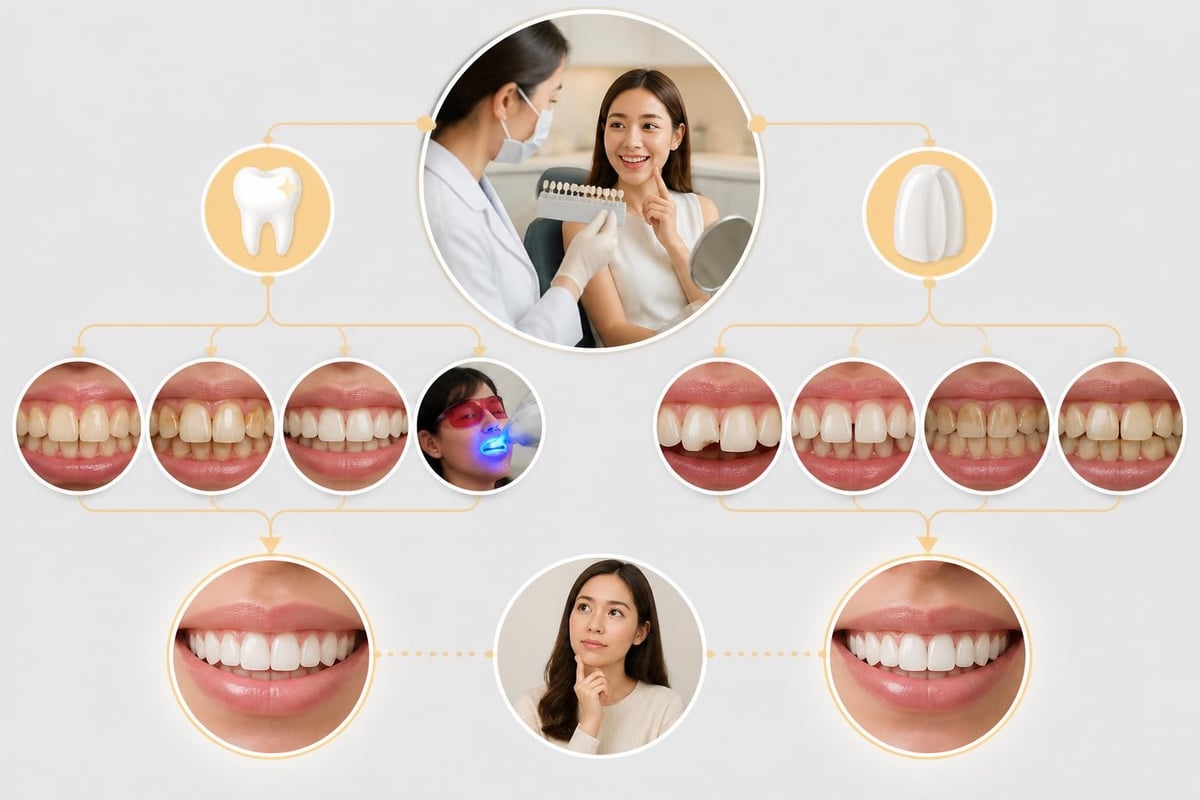
Veneers become the preferred option when you need to address:
- Multiple aesthetic concerns simultaneously
- Significant discoloration resistant to bleaching (fluorosis, tetracycline staining)
- Structural problems like chips, cracks, or worn edges
- Shape and size irregularities
- Spaces or gaps that compromise your smile
- Long-term, stable results without ongoing maintenance
Research published in systematic reviews of veneer survival rates demonstrates that well-planned and properly executed veneer treatments can last 10-20 years or more with appropriate care.
3. Treatment Timeline and Process Comparison
Understanding what to expect during each treatment helps you plan accordingly and set realistic expectations.
Professional Whitening Timeline
In-office whitening:
- Initial consultation and shade assessment (30 minutes)
- Professional cleaning to remove surface debris
- Whitening session with protective barriers (60-90 minutes)
- Possible follow-up sessions for optimal results
- Total treatment time: 1-3 appointments over 2-4 weeks
Take-home professional whitening:
- Custom tray fabrication from dental impressions
- Instructions on gel application and timing
- Daily application (30 minutes to overnight) for 1-3 weeks
- Follow-up assessment and adjustments
- Total treatment time: 2-4 weeks
Porcelain Veneer Timeline
Traditional veneer process:
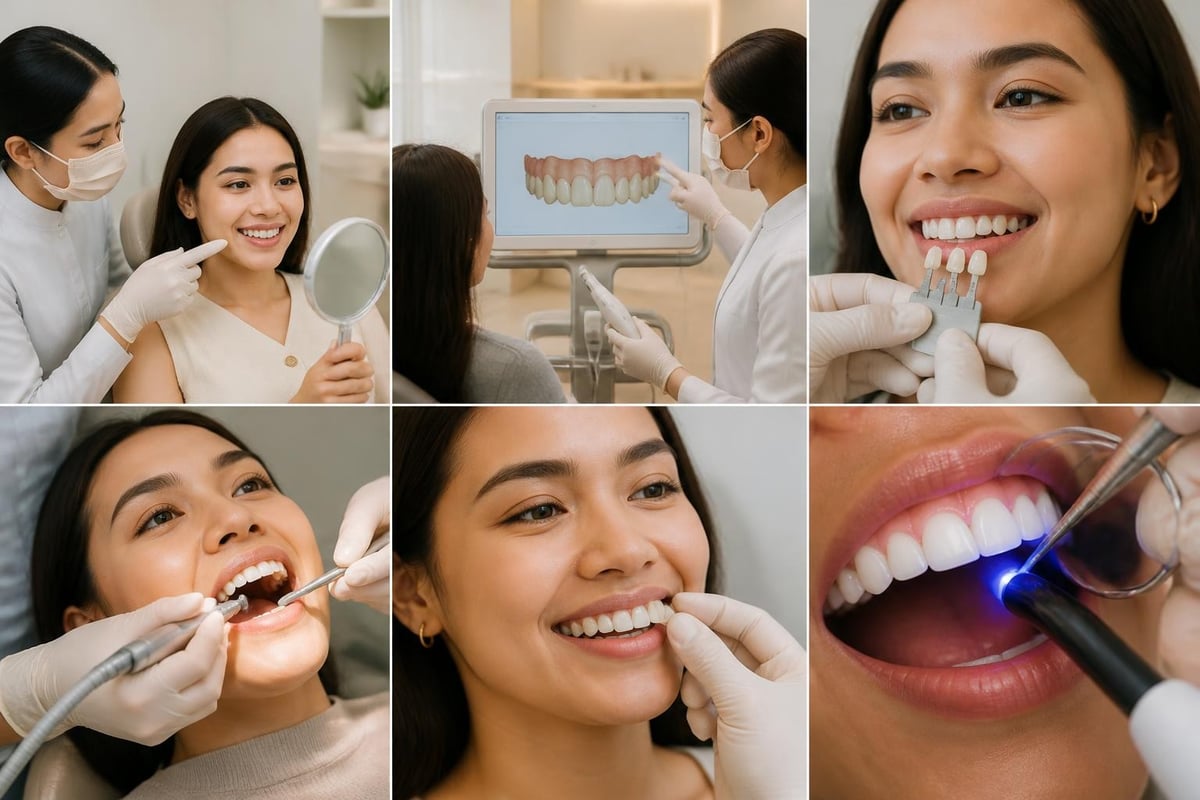
- Consultation and planning (60-90 minutes): Comprehensive assessment, photographs, digital smile design, treatment planning
- Preparation appointment (2-3 hours): Tooth preparation, impressions or digital scans, temporary veneers placed
- Laboratory fabrication (1-2 weeks): Custom veneers created to precise specifications
- Bonding appointment (2-3 hours): Try-in, adjustments, permanent bonding, bite refinement
- Follow-up (1-2 weeks later): Final assessment and any minor adjustments
Total treatment time: 3-4 weeks from start to final result
Some practices offer same-day or accelerated veneer options using advanced digital workflows, though traditional laboratory fabrication often provides superior aesthetics for complex cases.
4. Longevity and Maintenance Requirements
The durability and ongoing care needed differ significantly in the veneers vs teeth whitening comparison.
Whitening Maintenance
- Initial results: Typically 1-3 years depending on lifestyle
- Maintenance: Touch-up treatments every 6-12 months
- Daily care: Avoid or minimize staining foods/beverages
- Sensitivity: May experience temporary sensitivity during treatment
- Professional cleaning: Regular hygiene visits help maintain results
Whitening is not permanent because your teeth continue to be exposed to staining agents. The NHS guidance on teeth whitening emphasizes that results fade over time and require periodic retreatment to maintain brightness.
Veneer Longevity
Expected lifespan:
- High-quality porcelain veneers: 10-20+ years
- With proper care: Many patients keep veneers for two decades or longer
- Failure rates: Approximately 5% at 5 years, 10% at 10 years for well-executed cases
Maintenance requirements:
- Excellent oral hygiene to prevent gum disease
- Regular professional cleanings and checkups
- Protective nightguard if you grind or clench
- Avoiding excessive force on veneers (no ice chewing, nail biting)
- Professional polishing with appropriate materials
Unlike whitening, veneers don't stain or change color over time. The porcelain material is highly resistant to discoloration, providing stable, long-term results. However, if a veneer fractures or debonds, it typically requires replacement rather than simple repair.
5. Financial Investment and Value Considerations
Cost is often a significant factor when comparing veneers vs teeth whitening, and understanding the value proposition helps frame the decision.
Teeth Whitening Investment
Professional in-office whitening:
- Single session: More affordable initial investment
- Multiple sessions may be needed for optimal results
- Ongoing touch-up costs every 1-2 years
Professional take-home kits:
- Custom trays and professional-grade gel
- More affordable than in-office treatment
- Replacement gel needed for maintenance
Long-term cost: When you factor in periodic touch-ups over 10-20 years, the cumulative investment in whitening can become substantial.
Porcelain Veneer Investment
Per-tooth cost considerations:
- Significantly higher initial investment than whitening
- Comprehensive treatment addressing multiple concerns simultaneously
- Laboratory fees, materials, and professional time reflected in cost
- Quality and longevity vary based on material selection and expertise
Long-term value: When properly maintained, veneers may require no additional treatment for 10-20 years, making the cost-per-year relatively modest despite the higher upfront investment. You're essentially prepaying for decades of confident smiling without ongoing maintenance expenses.
For patients seeking cosmetic smile transformation, understanding this long-term value proposition helps contextualize the initial financial commitment.
6. Reversibility and Long-Term Commitment
An often-overlooked aspect of the veneers vs teeth whitening decision involves the permanence of each treatment.
Whitening: Fully Reversible
- No permanent alteration to tooth structure
- Results fade naturally if you stop treatment
- You can discontinue whitening at any time
- Teeth return to their natural color over months to years
- No long-term commitment required
This reversibility makes whitening an excellent "trial" cosmetic treatment for patients exploring smile enhancement options without permanent changes.
Veneers: Permanent Commitment
Why veneers are irreversible:
- Enamel removal during preparation is permanent
- Prepared teeth always require coverage (veneer, crown, or other restoration)
- You cannot return to unrestored natural teeth
- Future replacement veneers will be needed eventually
Planning for the future:
- Initial veneers may last 15-20 years
- First replacement set: Another 15-20 years
- Ongoing commitment to restorative care for life
Comparative research on conventional versus minimally invasive veneer techniques shows that even minimal-prep approaches involve some irreversible tooth alteration. This makes thorough consultation and planning essential before proceeding.
7. Safety Considerations and Potential Risks
Both treatments are generally safe when performed by qualified dental professionals, but they carry different risk profiles.
Whitening Safety Profile
Common temporary effects:
- Tooth sensitivity (affects 60-70% of patients temporarily)
- Gum irritation if gel contacts soft tissue
- Uneven results if applied inconsistently
Safety guidelines:
According to the American Academy of Pediatric Dentistry's policy on bleaching, professional supervision is essential to ensure appropriate product selection, application technique, and monitoring for adverse effects.
When whitening should be avoided:
- During pregnancy or breastfeeding
- Severe existing tooth sensitivity
- Untreated cavities or gum disease
- Extensive existing restorations (won't whiten)
Veneer Risk Considerations
Potential complications:
- Increased sensitivity after tooth preparation
- Risk of chipping or fracture (approximately 2-3% over 10 years)
- Possibility of debonding requiring re-cementation
- Need for eventual replacement
- Rare but possible nerve irritation requiring root canal treatment
Minimizing risks through expertise:
The skill and experience of your dentist significantly impacts outcomes. Professional guidance from cosmetic dentistry organizations emphasizes the importance of proper case selection, conservative preparation, and precise laboratory communication to minimize complications and maximize veneer longevity.
8. Combining Both Treatments for Optimal Results
Sometimes the veneers vs teeth whitening question isn't "either/or" but rather "which first and in what combination?"
Strategic Sequencing
Whitening before veneers:
Many comprehensive smile makeovers begin with professional whitening of natural teeth that will remain visible (typically lower teeth or back teeth not covered by veneers). This approach allows the dentist to:
- Match veneer color to your whitened natural teeth
- Create a cohesive, bright overall appearance
- Maximize the aesthetic result across your entire smile
- Avoid future color mismatch between restorations and natural teeth
Why you can't whiten veneers:
Porcelain veneers don't respond to bleaching agents. Once bonded, their color is permanent. This is why any whitening must happen before veneer fabrication and bonding.
Partial Veneer Approaches
Some patients benefit from selective veneers on specific teeth with structural problems while whitening addresses color on the remaining healthy teeth. This hybrid approach:
- Reduces the number of veneers needed
- Lowers overall treatment cost
- Preserves more natural tooth structure
- Still achieves comprehensive aesthetic improvement
Your dentist can help determine whether a combined or sequential approach makes sense for your specific situation and goals.
9. Making Your Decision: Key Questions to Ask
When evaluating veneers vs teeth whitening for your smile, consider these essential questions during your consultation:
About your teeth:
- Are my teeth structurally sound, or do they have chips, cracks, or wear?
- What's causing my current tooth discoloration?
- Will whitening effectively address my specific type of staining?
- Are there existing restorations that won't whiten?
About your goals:
- Am I primarily concerned with color, or do I also want to change tooth shape, size, or alignment?
- How important is a dramatic transformation versus subtle enhancement?
- Am I comfortable with the maintenance requirements of whitening?
- Am I ready for the long-term commitment of veneers?
About the process:
- What realistic results can I expect from each option?
- How long will each treatment take from start to finish?
- What will my teeth look like during the treatment process?
- What happens if I'm not satisfied with initial results?
About long-term considerations:
- What's the expected lifespan of each treatment?
- What ongoing maintenance will be required?
- What happens to my teeth after 10, 20, or 30 years?
- How will this decision impact future dental treatment needs?
At your comprehensive consultation at CuraSmile PH in BGC, your dentist will evaluate these factors using advanced diagnostic technology and help you understand which approach aligns best with your dental health, aesthetic goals, and long-term expectations.
10. Professional Assessment Makes the Difference
While understanding the fundamentals of veneers vs teeth whitening empowers you to ask informed questions, the final decision should emerge from a thorough professional evaluation that considers factors you might not recognize on your own.
What Comprehensive Assessment Includes
Clinical examination:
- Tooth structure integrity and enamel quality
- Existing restorations and their condition
- Bite relationship and jaw function
- Gum health and tissue quality
- Root position and bone support
Diagnostic records:
- High-quality photographs from multiple angles
- Digital impressions or traditional models
- Shade analysis under controlled lighting
- X-rays to assess internal tooth structure
Digital smile preview:
Advanced practices use digital smile design technology to show you potential outcomes before committing to treatment. This visual preview helps you understand how veneers would change your appearance versus what whitening alone might achieve.
When you're considering a smile transformation, the expertise and technology available at a specialized cosmetic practice ensure that your treatment plan is built on accurate diagnosis, realistic expectations, and evidence-based techniques.
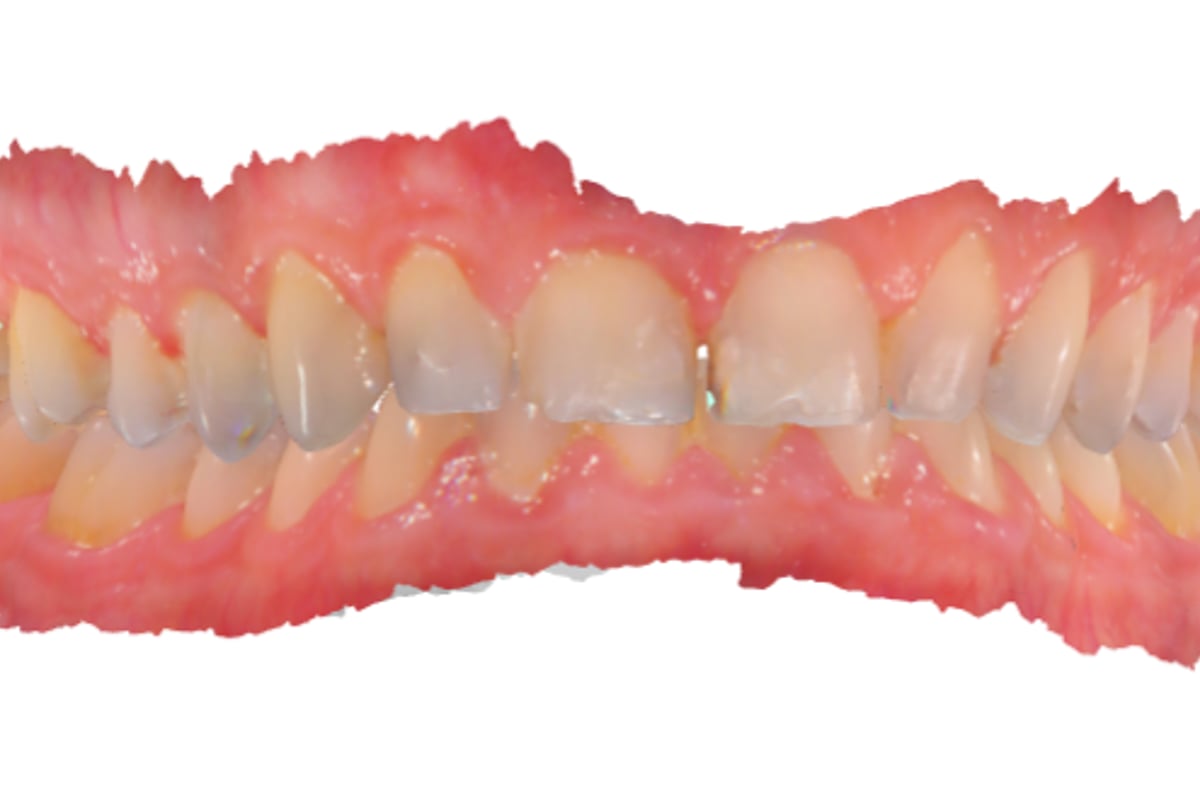
The choice between veneers vs teeth whitening ultimately depends on your specific dental condition, aesthetic goals, and long-term expectations. While whitening offers an affordable, reversible approach to brightening stained teeth, veneers provide comprehensive transformation for patients with multiple cosmetic concerns or structural imperfections. A thorough professional assessment ensures you choose the treatment that best aligns with your needs. CuraSmile PH combines advanced diagnostic technology with personalized cosmetic expertise to help you achieve the confident, natural-looking smile you deserve through evidence-based treatment planning tailored to your unique situation.