A Healthy Smile Dentist: Your Partner in Oral Wellness
Discover what a healthy smile dentist does, how they personalize care, and why comprehensive dental expertise matters for lasting oral health.
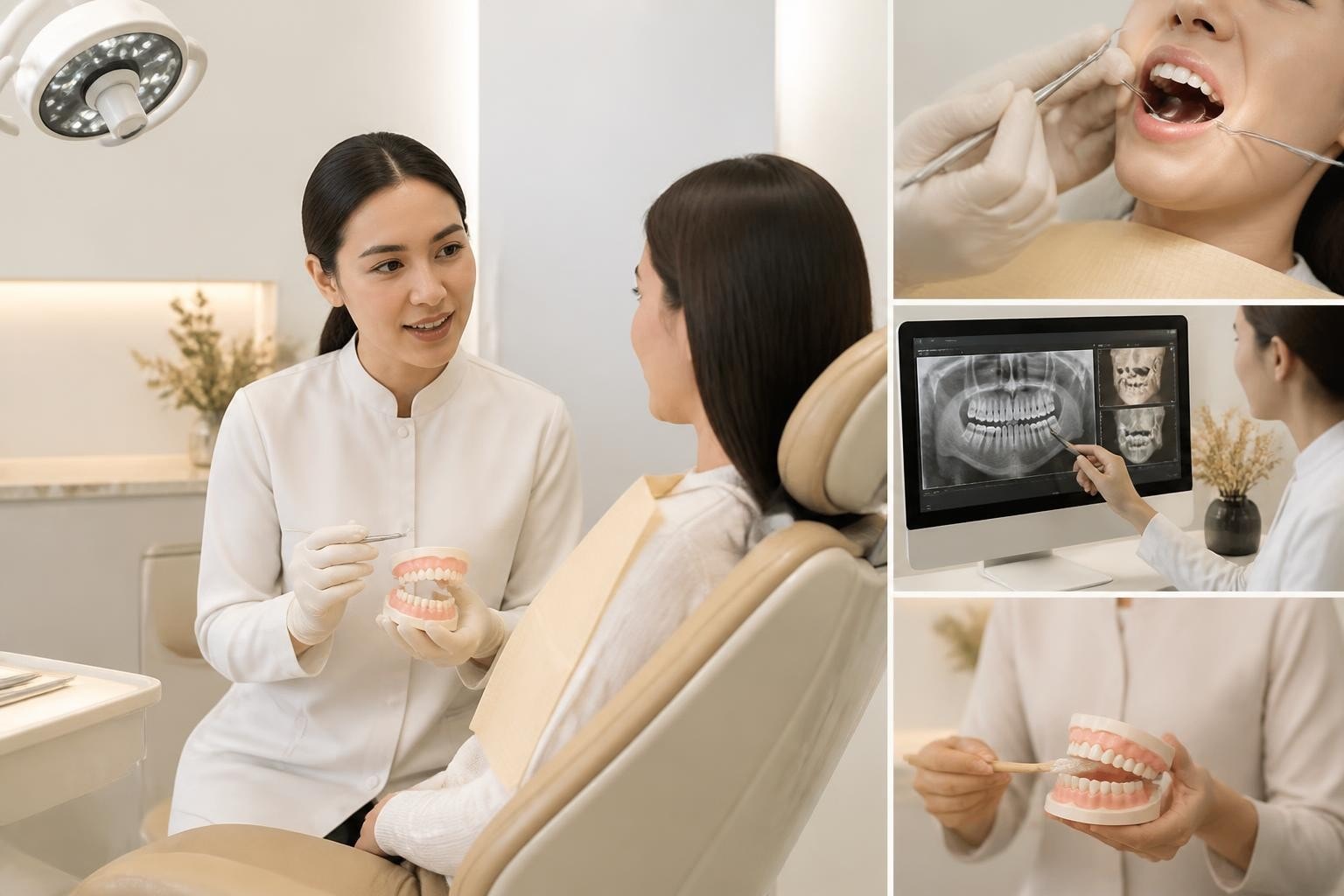
Finding a healthy smile dentist means more than locating someone who fixes cavities. It means discovering a clinical partner who understands that oral health connects deeply to overall wellness, who uses evidence-based approaches to prevent problems before they start, and who tailors treatment to your unique dental needs and goals. In Bonifacio Global City and throughout Metro Manila, patients increasingly seek dental professionals who combine advanced training, modern technology, and a patient-centered philosophy that prioritizes lasting results over quick fixes.
What Defines a Healthy Smile Dentist
A healthy smile dentist approaches oral care as a comprehensive, proactive discipline rather than reactive treatment. This perspective emphasizes prevention, early detection, and personalized care plans that address not only what you see in the mirror but also underlying function, comfort, and long-term stability.
Clinical Foundation and Continuing Education
The foundation of quality dental care rests on rigorous training and continuous learning. A healthy smile dentist maintains active knowledge of evolving research, updated clinical guidelines, and emerging technologies that improve patient outcomes.
Key qualifications include:
- Advanced training in preventive, restorative, and specialty dental disciplines
- Regular participation in continuing education focused on evidence-based protocols
- Understanding of oral-systemic health connections
- Proficiency with modern diagnostic and treatment technologies
- Commitment to patient safety, infection control, and ethical practice standards
According to updated ADA guidance on medical and dental health history, comprehensive patient assessment now includes systemic medications and mental health considerations, reflecting how dentistry integrates with overall health management in 2026.
Personalized Assessment and Treatment Planning
Every patient presents unique dental anatomy, risk factors, health history, lifestyle habits, and aesthetic goals. A healthy smile dentist recognizes this individuality and develops customized care strategies rather than applying one-size-fits-all protocols.
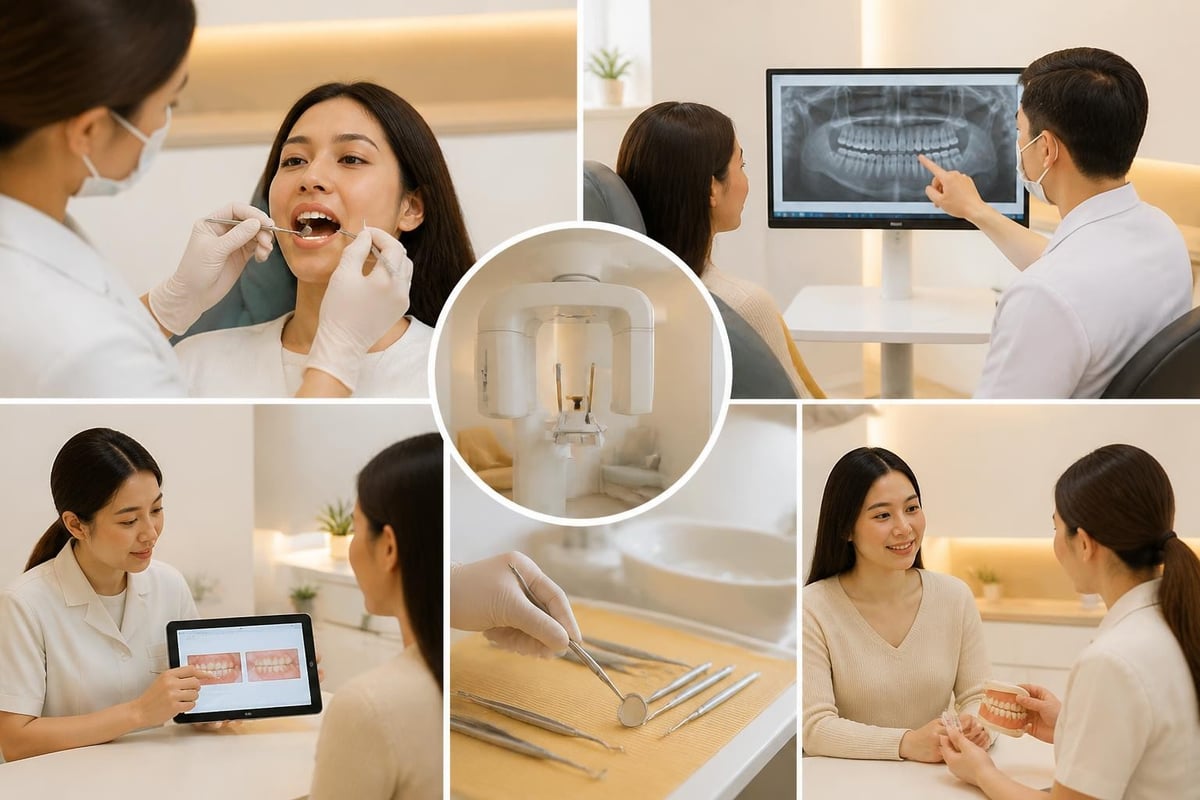
The assessment process typically includes:
- Detailed health and dental history review to identify relevant medical conditions, medications, previous treatments, and concerns
- Thorough clinical examination of teeth, gums, soft tissues, bite relationships, and jaw function
- Advanced diagnostic imaging when clinically indicated to evaluate structures not visible during examination
- Risk assessment for decay, gum disease, oral cancer, and other conditions based on individual factors
- Collaborative treatment planning that respects patient preferences, priorities, and comfort
This comprehensive approach allows your dentist to recommend preventive strategies, identify early-stage problems, and sequence treatments logically when multiple concerns exist.
The Scope of Comprehensive Dental Care
A healthy smile dentist offers or coordinates a broad range of services that address prevention, treatment, aesthetics, and function. This integrated approach ensures continuity of care and cohesive treatment planning when multiple dental needs intersect.
Preventive and Maintenance Care
Prevention remains the cornerstone of long-term oral health. Regular professional care combined with effective home hygiene creates the foundation for healthy teeth and gums throughout life.
| Preventive Service | Purpose | Typical Frequency |
|---|---|---|
| Professional cleaning | Remove plaque, calculus, stains; assess oral health | Every 3-6 months based on individual risk |
| Comprehensive examination | Detect early signs of decay, gum disease, oral pathology | Annually or as clinically indicated |
| Dental radiographs | Evaluate structures below gum line, between teeth | Based on risk assessment and clinical need |
| Oral cancer screening | Identify suspicious lesions early | At each examination appointment |
| Fluoride therapy | Strengthen enamel, reduce decay risk | As needed based on risk factors |
The American Dental Association's evidence-based home oral care guidance emphasizes that professional preventive care works best when paired with consistent daily hygiene practices tailored to each patient's needs.
Gum Health and Periodontal Management
Gum disease affects nearly half of adults and represents a significant threat to long-term tooth retention and overall health. A healthy smile dentist monitors periodontal health closely and intervenes early when inflammation or infection develops.
Modern periodontal care includes:
- Early gingivitis management through improved hygiene, professional cleaning, and antimicrobial strategies
- Non-surgical periodontal therapy for moderate gum disease using scaling, root planing, and adjunctive treatments
- Supportive maintenance programs customized to each patient's disease history and risk level
- Coordination with periodontal specialists when advanced disease or complex cases require specialized intervention
Recent clinical guidelines from the European Federation of Periodontology provide updated protocols for managing gingivitis and acute periodontal conditions, reinforcing the importance of early intervention.
At CuraSmile PH in BGC, comprehensive periodontal assessment and personalized gum disease management help patients maintain healthy tissue and prevent tooth loss.
Restorative and Reconstructive Solutions
When dental disease, injury, or wear compromises tooth structure, timely restoration preserves function, prevents further damage, and maintains comfortable chewing and speaking.
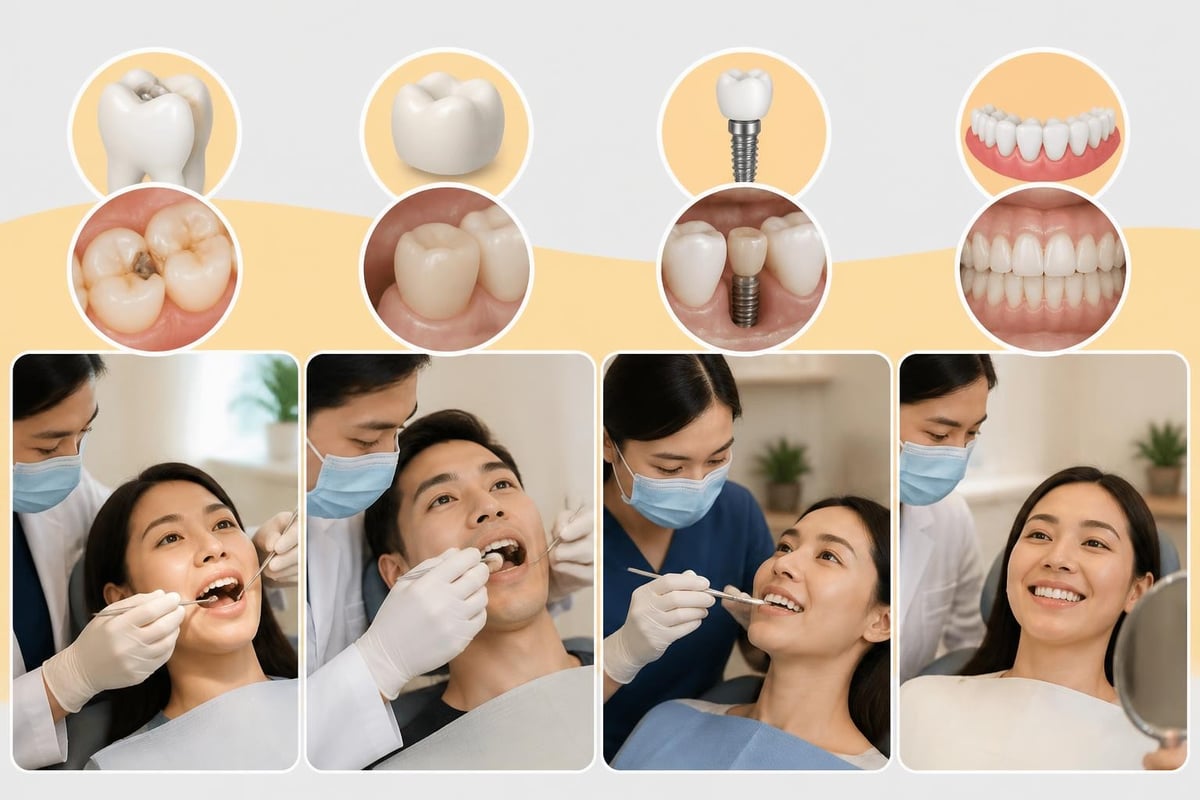
Common restorative treatments include:
- Tooth-colored fillings using biocompatible composite materials
- Porcelain inlays and onlays for larger areas of decay or damage
- Dental crowns to strengthen and protect compromised teeth
- Fixed bridges to replace missing teeth using adjacent support
- Dentures and partial dentures for multiple missing teeth
- Dental implants providing permanent tooth replacement
A healthy smile dentist evaluates which restorative approach best suits each clinical situation, considering tooth condition, bite forces, aesthetics, longevity, and patient preferences.
Aesthetic and Functional Smile Enhancement
Many patients seek improvements in smile appearance, tooth alignment, or bite function. A healthy smile dentist addresses these concerns through evidence-based cosmetic and orthodontic approaches that enhance both aesthetics and long-term dental health.
Cosmetic Dentistry with Clinical Precision
Modern cosmetic dentistry combines artistic sensibility with clinical precision, creating natural-looking results that complement facial features and last for years.
Popular aesthetic treatments include:
- Professional teeth whitening using safe, effective bleaching protocols
- Porcelain veneers to improve tooth color, shape, size, and alignment
- Cosmetic bonding for minor chips, gaps, and discoloration
- Gum contouring to create balanced gum lines and tooth proportions
- Complete smile makeovers integrating multiple treatments into cohesive design
Digital smile design and careful treatment planning allow patients to preview anticipated results and participate actively in aesthetic decisions.
Orthodontic Alignment and Bite Correction
Properly aligned teeth function better, resist disease more effectively, and create more confident smiles. A healthy smile dentist offers orthodontic solutions appropriate for different age groups and aesthetic preferences.
Treatment options include:
- Clear aligners providing discreet, removable orthodontic correction
- Traditional braces for comprehensive alignment of complex cases
- Limited orthodontics targeting specific concerns rather than full-mouth treatment
- Retention strategies to maintain alignment after active treatment concludes
Orthodontic care addresses crowding, spacing, bite misalignment, and jaw relationship issues that affect both appearance and function. CuraSmile PH's orthodontic services combine digital treatment planning with personalized care to achieve stable, natural-looking results.
Specialized Care for Complex Conditions
Beyond routine preventive and restorative dentistry, a healthy smile dentist recognizes when patients experience less common but significantly impactful oral health challenges.
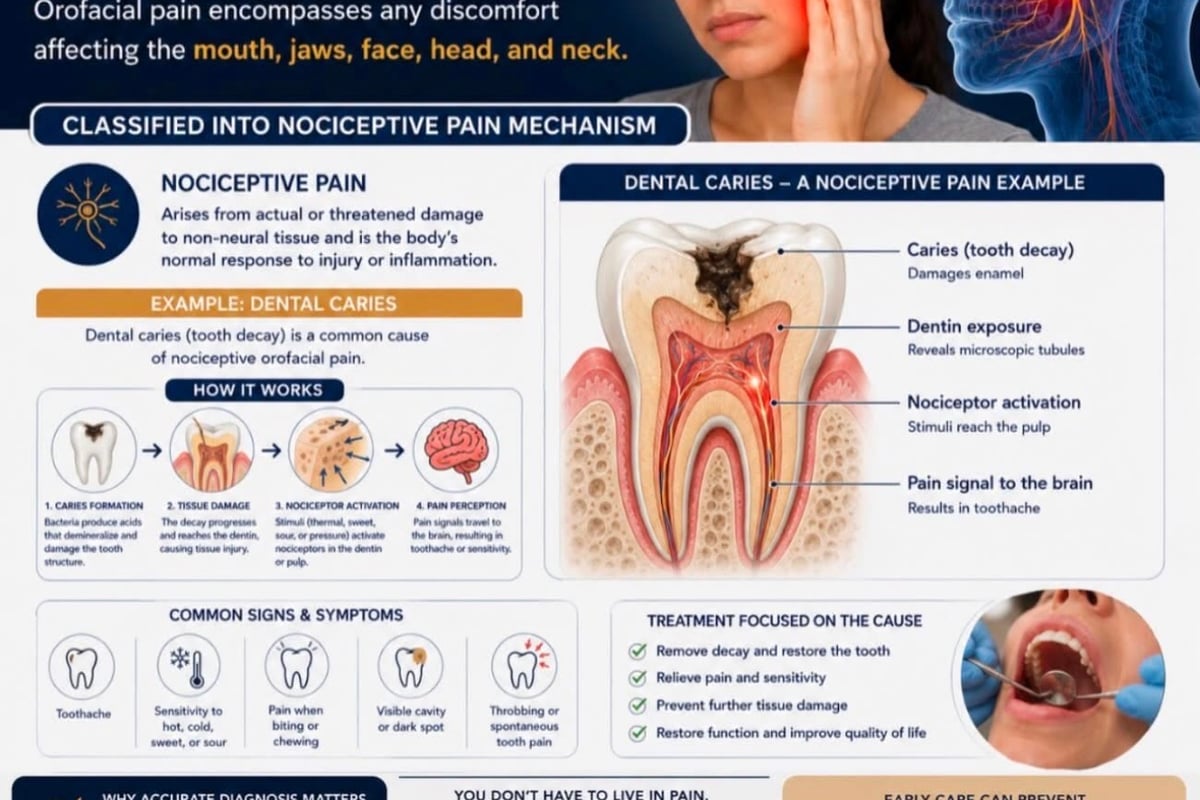
Orofacial Pain and TMJ Management
Chronic jaw pain, facial discomfort, headaches, and temporomandibular joint disorders affect millions of people yet often go undiagnosed or inadequately treated. A comprehensive dental practice evaluates these conditions and provides appropriate management.
Common orofacial pain conditions include:
- Temporomandibular joint (TMJ) disorders causing jaw clicking, locking, or pain
- Muscle-related facial pain from teeth grinding or clenching
- Headaches with dental or jaw-related origins
- Nerve-related facial pain conditions
For patients experiencing persistent jaw discomfort or facial pain, TMJ and orofacial pain management offers comprehensive evaluation and personalized treatment approaches that address contributing factors and improve quality of life.
Fresh Breath Assessment and Halitosis Therapy
Persistent bad breath affects confidence and social interactions, yet often stems from treatable oral health conditions. A healthy smile dentist evaluates potential causes and develops targeted therapy rather than simply masking odor.
Comprehensive fresh breath assessment examines:
- Tongue coating and bacterial composition
- Gum disease and periodontal pockets
- Tooth decay and failing restorations
- Dry mouth conditions
- Systemic factors contributing to oral malodor
Treatment may include improved oral hygiene techniques, professional cleaning, antimicrobial therapy, saliva stimulation strategies, and addressing underlying dental disease.
Evidence-Based Prevention Strategies
The most effective approach to maintaining oral health combines professional care with daily habits supported by current research and clinical evidence.
Daily Oral Hygiene Best Practices
Data from the 2026 State of America's Oral Health report reveals significant variation in home oral care habits, with many adults still not following recommended preventive practices.
Evidence-based home care includes:
- Brushing twice daily for two minutes using fluoride toothpaste and proper technique
- Daily interdental cleaning with floss, interdental brushes, or water flossers to remove plaque between teeth
- Tongue cleaning to reduce bacterial load and improve fresh breath
- Fluoride exposure through toothpaste, mouth rinse, or professional applications based on decay risk
- Dietary awareness limiting frequent sugar and acid exposure that promote decay
Your dentist can demonstrate proper techniques, recommend appropriate products, and personalize your home care routine based on your specific oral health needs.
Risk-Based Professional Care Intervals
Not every patient requires the same preventive care schedule. A healthy smile dentist adjusts cleaning frequency, examination intervals, and radiograph timing based on individual risk factors.
| Risk Level | Characteristics | Typical Recall Interval |
|---|---|---|
| Low risk | No active disease, excellent home care, few risk factors | 6-12 months |
| Moderate risk | History of decay or gum disease, adequate home care, some risk factors | 3-6 months |
| High risk | Active disease, challenging home care, multiple risk factors | 2-4 months |
The UK's "Delivering Better Oral Health" evidence-based toolkit provides detailed guidance on risk assessment and personalized prevention intervals for dental professionals.
Technology and Modern Dental Practice
Advanced diagnostic and treatment technologies enhance precision, comfort, and outcomes when applied appropriately within evidence-based practice.
Digital Diagnostics and Imaging
Modern imaging provides detailed information that guides accurate diagnosis and treatment planning while minimizing radiation exposure through digital sensors and targeted protocols.
Digital diagnostic tools include:
- Intraoral cameras showing real-time views of teeth and tissues
- Digital radiography with significantly reduced radiation compared to traditional film
- 3D cone beam CT imaging for complex cases requiring detailed anatomical visualization
- Intraoral scanners creating precise digital impressions without traditional molds
These technologies allow dentists to detect problems earlier, plan treatments more precisely, and communicate findings more effectively with patients.
Laser Dentistry Applications
Dental lasers offer advantages for specific soft tissue and hard tissue procedures, including reduced bleeding, faster healing, and improved precision in targeted applications.
Common laser applications include gum recontouring, soft tissue procedures, bacteria reduction in periodontal therapy, and cavity preparation in select cases. Learn more about laser dentistry applications and when they provide clinical benefits.
The Patient-Dentist Partnership
Successful long-term oral health requires active collaboration between dental professionals and patients. A healthy smile dentist views this relationship as a partnership built on communication, education, and shared decision-making.
Open Communication and Informed Consent
Effective dental care begins with clear, honest communication about findings, treatment options, expected outcomes, and associated costs. Your dentist should explain diagnoses in understandable terms, present alternatives when they exist, and respect your right to make informed decisions about your care.
Questions to ask your dentist:
- What specific problem or concern does this treatment address?
- What happens if I delay or decline this treatment?
- What alternatives exist, and what are their advantages and disadvantages?
- What can I expect during and after the procedure?
- How long should this treatment last, and what factors affect longevity?
A healthy smile dentist welcomes questions, provides thorough answers, and ensures you understand and consent to treatment before proceeding.
Patient Education and Empowerment
Understanding your oral health status and how your daily choices affect long-term outcomes empowers you to maintain results between professional visits. Your dentist should explain not only what treatment you need but why problems developed and how to prevent recurrence.
Effective patient education includes demonstration of proper home care techniques, explanation of disease processes, identification of personal risk factors, and guidance on nutrition and lifestyle choices that support oral health.
Recommendations from the European Federation of Periodontology emphasize patient education as essential to preventing gum disease and maintaining periodontal health long-term.
Choosing Your Dental Care Partner
Selecting a healthy smile dentist involves evaluating clinical qualifications, practice philosophy, available services, technology, and how comfortable you feel communicating with the dental team.
Factors to Consider
When evaluating dental practices, consider these important elements:
- Clinical expertise and training in areas relevant to your dental needs
- Preventive focus rather than primarily reactive treatment
- Comprehensive service range or established specialist referral relationships
- Modern technology applied appropriately to improve diagnostics and treatment
- Patient-centered approach that respects your concerns, preferences, and comfort
- Clear communication about findings, treatment options, and costs
- Convenient location and scheduling that supports regular preventive care
Questions to Ask During Initial Consultation
An initial consultation or examination provides opportunity to assess whether a dental practice suits your needs and preferences.
Consider asking:
- What preventive care protocols do you recommend for patients like me?
- How do you approach treatment planning when multiple concerns exist?
- What technologies do you use, and how do they benefit patient care?
- How do you handle dental emergencies or urgent concerns?
- Do you provide the full range of services I might need, or do you refer to specialists?
The answers will reveal the practice's clinical approach, patient care philosophy, and whether their style matches your expectations.
Comprehensive Care in Bonifacio Global City
For patients in BGC, Taguig, and surrounding Metro Manila areas, access to comprehensive dental care that combines advanced technology with personalized, evidence-based treatment has become increasingly important.
A healthy smile dentist in this modern urban environment understands the needs of busy professionals, families, and individuals who value both clinical excellence and efficient, respectful care.
CuraSmile PH's clinic in Bonifacio Global City provides the full spectrum of preventive, restorative, cosmetic, and specialty dental services in a modern, patient-focused environment.
Comprehensive Service Integration
When your dentist offers or closely coordinates multiple dental disciplines, treatment planning becomes more cohesive, appointments more efficient, and outcomes more predictable. This integration proves especially valuable when addressing complex cases requiring multiple treatment phases.
For example, a complete smile transformation might involve periodontal therapy to establish gum health, orthodontic alignment to improve tooth position, and cosmetic restorations to perfect appearance, all planned and sequenced for optimal results.
Ongoing Support and Maintenance
Your relationship with a healthy smile dentist extends beyond active treatment to include long-term maintenance and ongoing oral health support. Regular preventive visits, periodic comprehensive examinations, and prompt attention to new concerns help preserve the results achieved through treatment.
ADA dental quality measures increasingly emphasize prevention, appropriate recall intervals, and continuity of care as markers of quality-centered dental practice.
Integration of Oral and Overall Health
Modern dentistry recognizes that oral health connects intimately with systemic wellness. A healthy smile dentist considers how dental conditions affect and are affected by overall health status.
Oral-Systemic Health Connections
Research continues to reveal bidirectional relationships between oral disease and systemic conditions including:
- Cardiovascular disease with links to periodontal inflammation
- Diabetes affecting and affected by gum disease severity
- Respiratory conditions potentially worsened by oral bacteria
- Pregnancy outcomes influenced by maternal periodontal health
- Cognitive function with emerging connections to oral inflammation
These connections reinforce why comprehensive health history, coordination with medical providers when appropriate, and thorough preventive care matter beyond just maintaining healthy teeth.
Medication and Treatment Considerations
Many systemic medications and medical conditions affect dental treatment planning and outcomes. A healthy smile dentist reviews your complete medical history and current medications to identify relevant factors.
According to updated ADA guidance, preventive dentistry in 2026 increasingly incorporates awareness of medications affecting oral tissues, saliva production, bleeding risk, and healing capacity.
A healthy smile dentist serves as your partner in achieving and maintaining optimal oral health through comprehensive assessment, evidence-based treatment, advanced technology, and personalized preventive care. By choosing a dental practice that emphasizes prevention, patient education, and integrated treatment planning, you invest in long-term oral wellness and confident smiles. Whether you need routine preventive care, restorative treatment, aesthetic enhancement, or management of complex dental concerns, CuraSmile PH in Bonifacio Global City combines clinical expertise with modern technology and patient-centered care to help you achieve your healthiest, most confident smile.