Porcelain Veneers Pros and Cons: Complete Guide 2026
Considering porcelain veneers? Learn the key pros and cons, benefits, risks, longevity, and when veneers make sense for your smile goals.
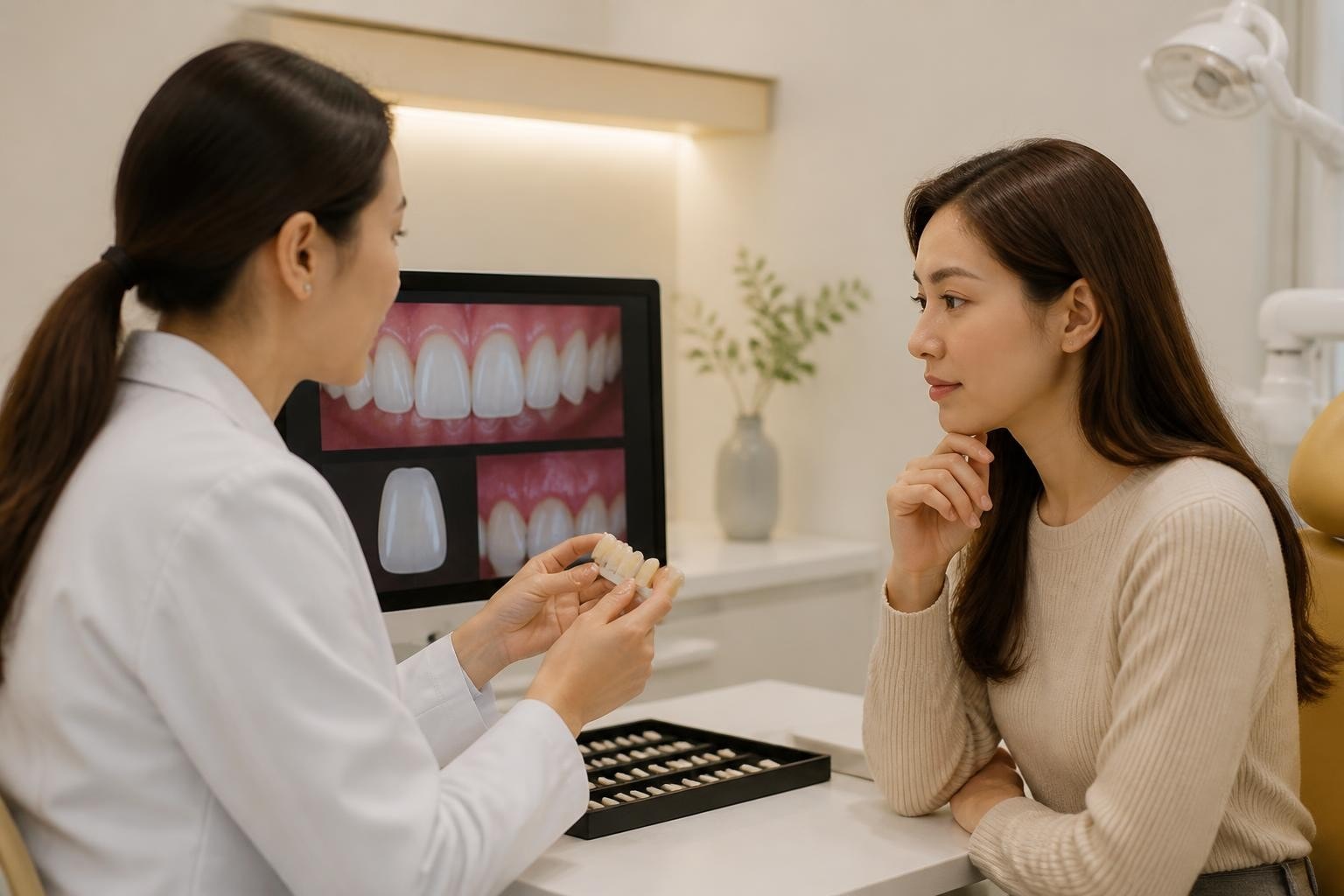
Porcelain veneers represent one of the most transformative options in cosmetic dentistry, capable of dramatically improving tooth appearance, shape, and color in a relatively short timeframe. Yet like any dental treatment, they come with both significant advantages and meaningful considerations. Understanding the porcelain veneers pros and cons helps you make an informed decision aligned with your smile goals, dental health, and long-term expectations. This comprehensive guide explores the clinical realities, benefits, limitations, and key factors to consider before pursuing veneer treatment.
What Porcelain Veneers Actually Involve
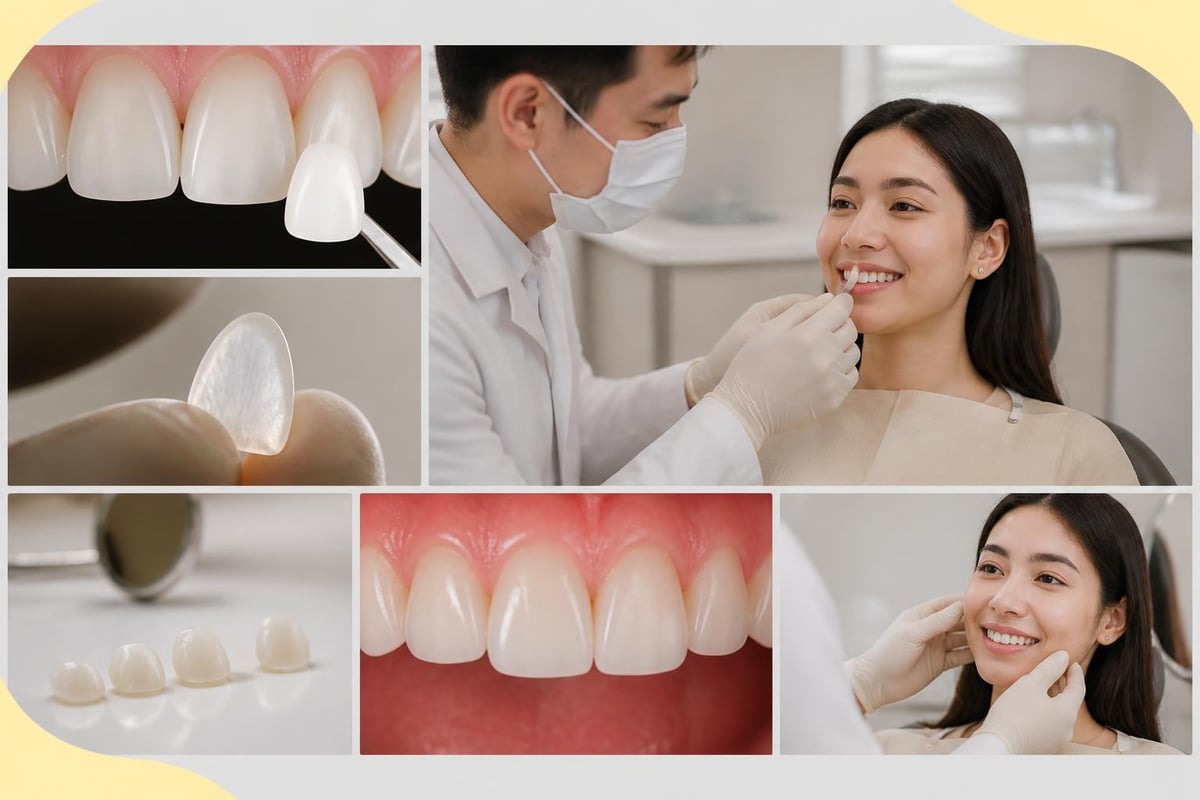
Porcelain veneers are thin, custom-made shells of dental ceramic bonded to the front surfaces of teeth. Typically ranging from 0.5 to 0.7 millimeters in thickness, they're designed to mimic natural tooth enamel while improving color, shape, size, or alignment issues.
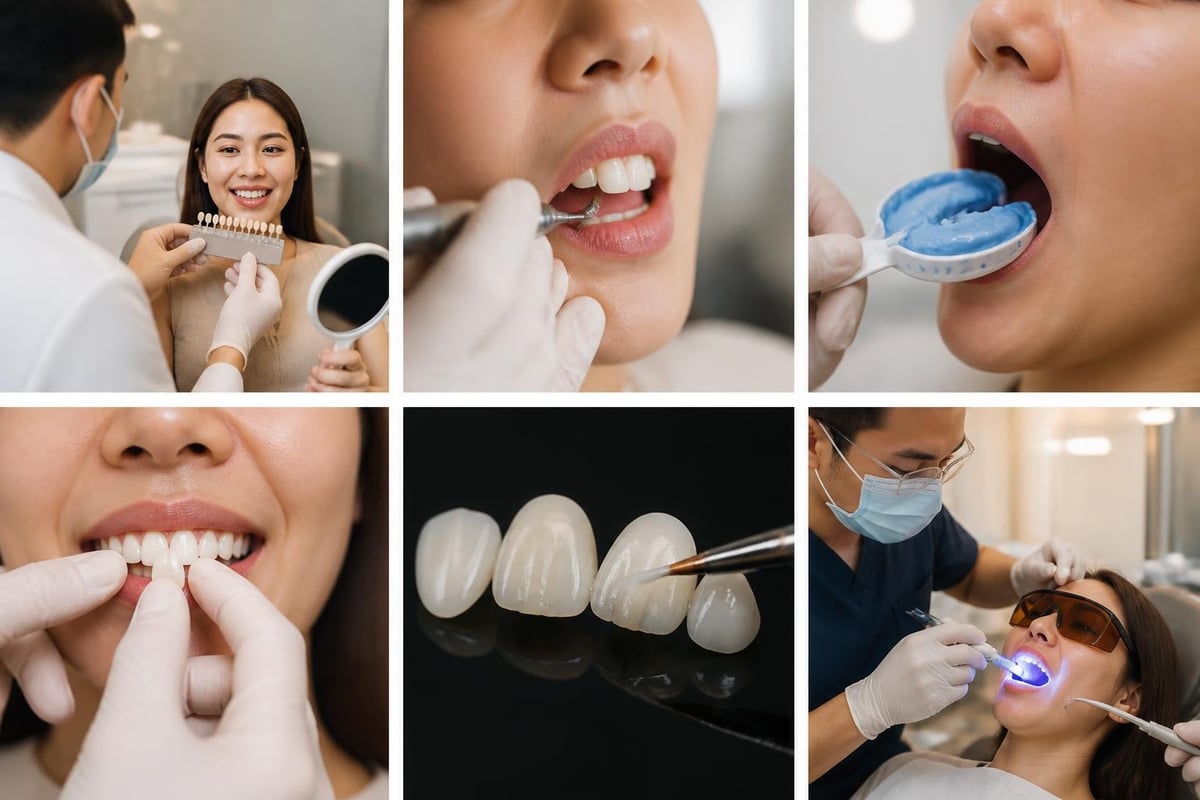
The process usually requires two to three visits:
- Initial consultation and treatment planning - evaluating your smile concerns, oral health, and candidacy for veneers
- Tooth preparation and impression - carefully removing a thin layer of enamel and capturing precise impressions
- Bonding appointment - permanently cementing the custom veneers using advanced adhesive techniques
Most patients receive temporary veneers between preparation and final placement. Clinical research demonstrates that properly fabricated and bonded porcelain veneers can achieve survival rates exceeding 95% at 10 years when placed following evidence-based protocols.
The Preparation Requirement
Unlike some reversible cosmetic treatments, traditional porcelain veneers require permanent alteration of tooth structure. The dentist removes a controlled amount of enamel (typically 0.5-0.7mm) to accommodate the veneer thickness without creating bulky, unnatural-looking results.
This preparation serves important purposes. It creates space for the porcelain, ensures proper bonding surface, and allows ideal veneer contours. However, it also means the treated teeth will always need some form of coverage moving forward.
Some patients qualify for minimal-prep or no-prep veneers depending on tooth position, existing shape, and aesthetic goals. These options involve significantly less enamel removal but aren't suitable for all cases.
Key Advantages of Porcelain Veneers
When appropriately planned and executed, porcelain veneers offer distinct clinical and aesthetic benefits that explain their popularity in cosmetic dentistry.
Superior Aesthetic Results
Porcelain veneers excel at creating natural-looking smile improvements:
- Color stability - High-quality dental porcelain resists staining from coffee, tea, wine, and tobacco far better than natural enamel or composite resin
- Translucency - Modern ceramics mimic the light-reflecting properties of natural teeth, avoiding the flat, opaque appearance of older cosmetic materials
- Customization - Each veneer is individually designed for your facial features, smile line, tooth proportions, and desired shade
- Versatility - Single treatment can address multiple concerns simultaneously (discoloration, chips, gaps, minor misalignment, worn edges)
The ability to transform several aesthetic issues with one treatment approach represents a significant advantage for patients with complex smile concerns.
Durability and Longevity
When properly maintained, porcelain veneers demonstrate impressive longevity:
| Material Type | Average Lifespan | Fracture Resistance |
|---|---|---|
| Feldspathic porcelain | 10-15 years | Moderate |
| Lithium disilicate | 15-20 years | High |
| Zirconia-reinforced | 15-25 years | Very high |
Research comparing different ceramic materials shows that lithium disilicate and zirconia-reinforced options offer enhanced strength while maintaining excellent aesthetics. The choice depends on your specific clinical situation, budget, and functional requirements.
Biocompatibility and Gum Health
Porcelain veneers offer excellent tissue compatibility:
- Smooth, non-porous surfaces resist plaque accumulation
- Properly contoured margins support healthy gum tissue
- No metallic components that might cause sensitivity or allergic reactions
- Color stability maintains aesthetics near the gumline long-term
These properties make veneers particularly suitable for patients concerned about gum irritation or those with a history of periodontal issues, assuming proper case selection and oral hygiene.
Conservative Compared to Crowns
For teeth with primarily cosmetic concerns, veneers preserve more natural tooth structure than full-coverage crowns. A crown typically requires reduction of tooth structure on all surfaces, while veneers affect primarily the front surface.
This conservation matters because preserving healthy tooth structure generally improves long-term dental health and reduces future complications.
Important Limitations and Considerations
Understanding the porcelain veneers pros and cons requires honest discussion of limitations, risks, and situations where veneers may not represent the optimal choice.
Irreversible Tooth Alteration
The most significant consideration is permanence. Once enamel is removed for veneer preparation, that tooth will always require some form of restoration. You cannot decide years later to return to your natural tooth appearance.
This reality makes careful case selection critical. Patients should:
- Fully understand the commitment before proceeding
- Consider less invasive alternatives first when appropriate
- Work with clinicians who present conservative treatment options
- Recognize that veneers represent a long-term decision
For many patients, this permanent change is entirely acceptable given the aesthetic transformation achieved. However, it requires thoughtful consideration, particularly for younger patients whose preferences may evolve over decades.
Cost Considerations
Porcelain veneers represent a significant financial investment:
- Individual veneer costs vary based on material choice, laboratory quality, and case complexity
- Most cases involve multiple teeth (typically 6-10 veneers for comprehensive smile improvement)
- Replacement or repair adds future costs
- Cosmetic veneers typically aren't covered by dental insurance
According to NHS guidance, veneers are generally considered elective cosmetic treatment. Patients should budget not only for initial placement but also for potential future maintenance or replacement.
The investment makes sense for many people seeking significant smile improvement, but financial readiness matters for long-term satisfaction.
Potential Complications
While porcelain veneers have excellent success rates, possible complications include:
- Debonding - Veneer separating from tooth due to inadequate bonding, trauma, or excessive forces
- Fracture or chipping - Particularly at edges or in patients with bruxism (teeth grinding)
- Tooth sensitivity - Temporary or persistent sensitivity to temperature changes
- Marginal discoloration - Staining at the junction between veneer and tooth over time
- Pulp irritation - Rarely, inflammation of the tooth nerve requiring root canal treatment
Evidence on bonding protocols shows that proper adhesive techniques significantly reduce debonding risk. Working with an experienced dentist who follows evidence-based protocols minimizes complications.
Not Suitable for All Situations
Veneers work beautifully in the right circumstances but have limitations:
| Good Candidates | Poor Candidates |
|---|---|
| Healthy teeth with cosmetic concerns | Severely decayed or structurally compromised teeth |
| Adequate enamel for bonding | Significant tooth misalignment better addressed orthodontically |
| Realistic expectations | Active, untreated gum disease |
| Commitment to oral hygiene | Severe bruxism without willingness to wear protective appliance |
| Stable bite relationship | Large existing fillings (may need crowns instead) |
Harvard Health guidance emphasizes realistic expectations and proper candidate selection as key factors in veneer satisfaction. Some smile concerns are better addressed through orthodontics, tooth whitening, or other approaches.
Maintenance Requirements and Lifestyle Factors
Porcelain veneers require ongoing care to maximize longevity:
- Excellent oral hygiene - Regular brushing, flossing, and professional cleanings remain essential
- Protective appliances - Night guards for patients who grind or clench teeth
- Avoiding excessive forces - Not using teeth as tools, biting hard objects, or chewing ice
- Regular dental monitoring - Periodic examinations to check veneer integrity, margins, and surrounding tissue health
These requirements aren't particularly burdensome for most patients but do require consistent attention.
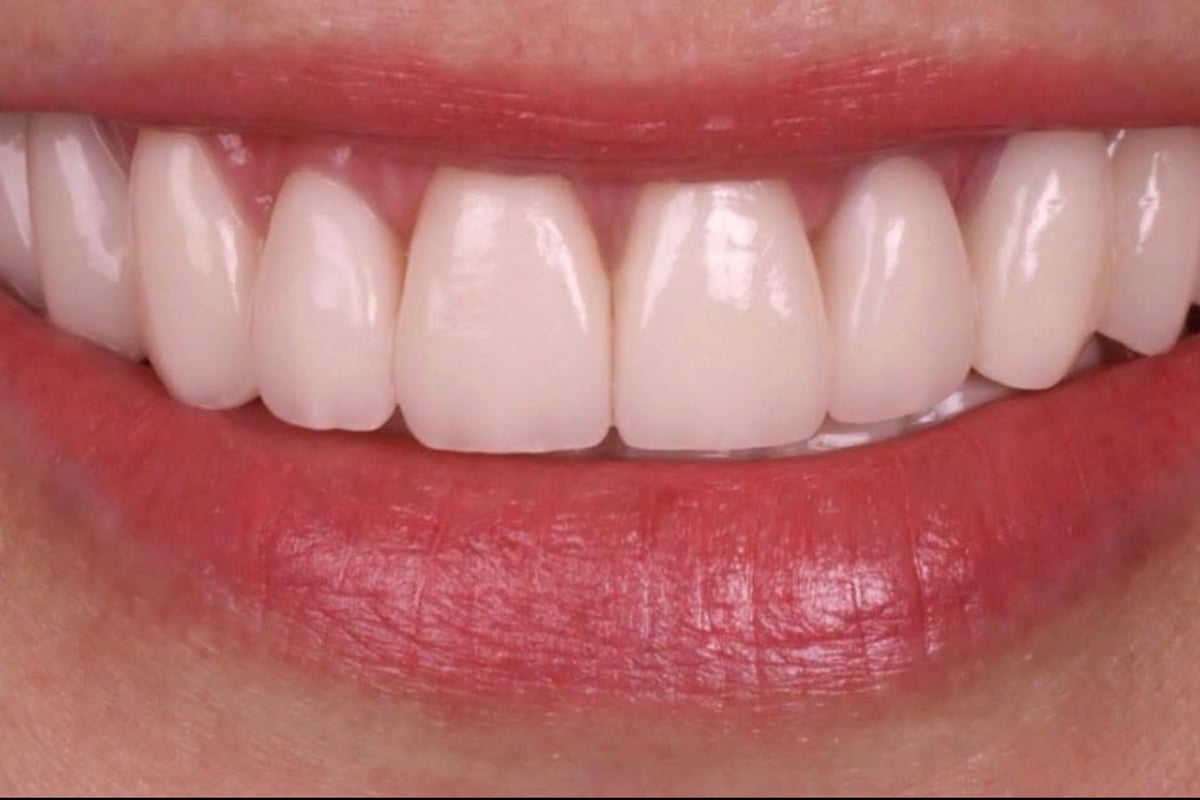
At CuraSmile PH, we combine digital smile planning and careful clinical evaluation to help patients understand whether Porcelain Veneers & Dental Crowns align with their dental condition and aesthetic goals, ensuring personalized treatment designed for both beauty and long-term function.
Impact on Daily Life
Most patients adapt quickly to porcelain veneers with minimal lifestyle disruption:
- Eating - After initial adjustment, most foods can be enjoyed normally (though extremely hard items still pose fracture risk)
- Speaking - Any initial pronunciation changes typically resolve within days as you adapt
- Appearance - Immediate, significant improvement in smile aesthetics
- Confidence - Many patients report enhanced self-esteem and willingness to smile freely
Understanding what to expect helps set appropriate expectations during the adjustment period.
Alternative Approaches Worth Considering
Before committing to porcelain veneers, exploring alternatives ensures you're choosing the most appropriate treatment:
Professional Teeth Whitening
For patients primarily concerned with tooth color, professional whitening offers a conservative, reversible option. Whitening can't change tooth shape or repair damage but works remarkably well for intrinsic discoloration.
Orthodontic Treatment
When misalignment represents the primary concern, orthodontics or clear aligners improve tooth position without removing enamel. This approach preserves natural tooth structure while addressing spacing, crowding, and bite issues.
Composite Bonding
Direct composite bonding involves sculpting tooth-colored resin material onto teeth without significant preparation. While less durable and more prone to staining than porcelain, bonding costs less and can be reversed if needed.
Dental Crowns
For teeth with structural damage, large fillings, or functional problems, crowns may provide more appropriate protection than veneers. Though more invasive, crowns fully encircle the tooth and offer superior strength.
Making an Informed Decision
Evaluating the porcelain veneers pros and cons ultimately requires personalized assessment of your specific situation:
Start with a comprehensive consultation that includes:
- Discussion of your smile concerns and goals
- Clinical examination of tooth structure, gum health, and bite relationship
- Digital smile design or other visualization tools when available
- Honest conversation about realistic outcomes, limitations, and alternatives
Ask important questions:
- Am I a good candidate based on my tooth condition and bite?
- What preparation depth will be required?
- Which porcelain material do you recommend and why?
- What's the expected lifespan based on my specific situation?
- What happens if a veneer fractures or debonds years from now?
- Are there less invasive alternatives I should consider first?
According to the ADA, responsible cosmetic dentistry includes thorough informed consent, realistic expectation-setting, and presentation of conservative alternatives when appropriate.
Consider your priorities and circumstances:
- How important is smile improvement to your quality of life and confidence?
- Are you prepared for the financial investment and long-term commitment?
- Do you have realistic expectations about outcomes and maintenance?
- Are you committed to excellent oral hygiene and regular dental care?
There's no universally "right" answer. What matters is alignment between the treatment approach and your individual needs, values, and circumstances.
The Role of Clinical Excellence
The quality of veneer outcomes depends heavily on clinical skill, laboratory craftsmanship, and attention to detail:
- Treatment planning - Careful assessment ensures veneers represent the appropriate solution
- Preparation technique - Precise, conservative tooth preparation preserves maximum structure while creating ideal bonding conditions
- Impression accuracy - Detailed impressions or digital scans capture the information needed for excellent laboratory fabrication
- Material selection - Choosing the right porcelain type for your specific functional and aesthetic needs
- Bonding protocol - Following evidence-based adhesive techniques minimizes future debonding risk
- Aesthetic skill - Creating natural-looking results that harmonize with your facial features and existing teeth
These factors explain why veneer quality varies significantly between providers. Professional guidance emphasizes proper case evaluation and execution protocols as essential to successful outcomes.
What Success Looks Like
Successful veneer treatment extends beyond immediate aesthetic improvement:
- Natural appearance that complements your facial features and doesn't draw attention as "fake" or overdone
- Comfortable function with normal chewing, speaking, and oral sensation
- Healthy gum tissue around veneer margins without inflammation or recession
- Patient satisfaction with the aesthetic outcome and overall experience
- Longevity with proper maintenance and care extending veneer lifespan to 15+ years
Setting clear success criteria during treatment planning helps ensure alignment between expectations and outcomes.
For patients in Bonifacio Global City seeking cosmetic teeth treatment options, understanding both the capabilities and limitations of different approaches supports informed decision-making aligned with individual goals.
Weighing the porcelain veneers pros and cons reveals a treatment with remarkable aesthetic capabilities and proven longevity, balanced against permanent tooth alteration and significant investment. The right choice depends entirely on your specific dental condition, smile goals, and personal priorities. At CuraSmile PH in Bonifacio Global City, we combine advanced digital planning with personalized clinical assessment to help you understand whether veneers align with your needs, exploring all appropriate options to achieve your healthiest, most confident smile through evidence-based, patient-centered care.