Laser Dentistry Benefits: Modern Precision Care in BGC
Discover laser dentistry benefits including precision, comfort, faster healing, and minimal discomfort. Learn how advanced laser technology improves dental care
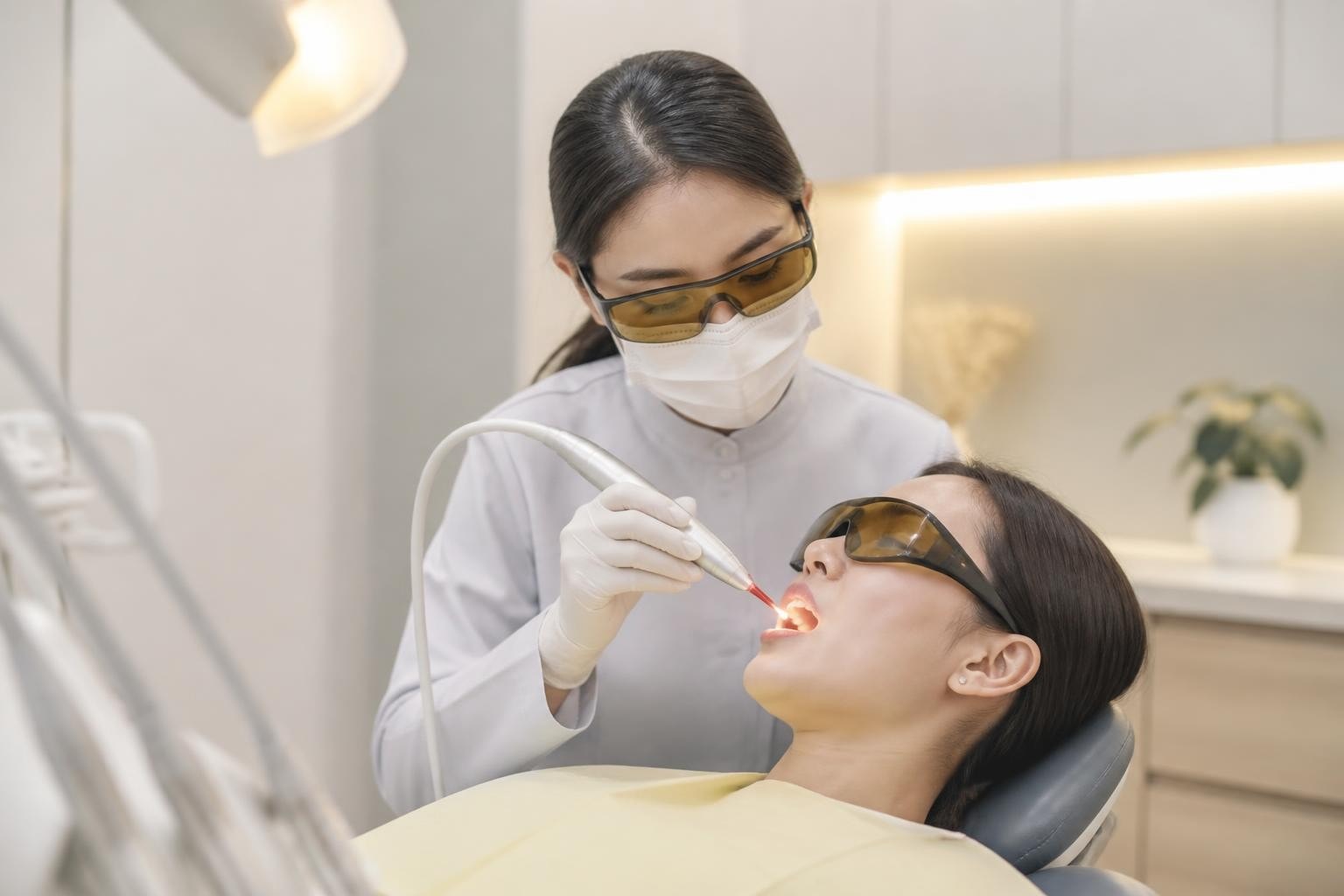
Dental technology has evolved remarkably over the past few decades, and laser dentistry represents one of the most significant advances in patient-centered care. While traditional dental instruments remain valuable in many situations, lasers offer distinct advantages across a range of procedures. From soft tissue treatments to hard tissue applications, understanding the laser dentistry benefits helps patients make informed decisions about their oral health care and treatment options.
Understanding How Dental Lasers Work
Dental lasers use focused light energy to perform specific clinical tasks with exceptional precision. Unlike conventional mechanical instruments, lasers can target particular tissues based on their water and pigment content without affecting surrounding areas.
The technology operates through different wavelength settings tailored to specific applications. Hard tissue lasers work effectively on tooth structure for procedures like cavity preparation and enamel shaping. Soft tissue lasers excel at gum contouring, frenectomies, and managing periodontal inflammation.
Types of Lasers Used in Modern Dentistry
Different laser systems serve distinct clinical purposes:
- Diode lasers: Primarily for soft tissue procedures, bacterial reduction, and pain management
- Erbium lasers: Versatile systems for both hard and soft tissues, including cavity preparation
- CO2 lasers: Specialized for precise soft tissue surgery and lesion removal
- Nd:YAG lasers: Deep tissue penetration for periodontal therapy and certain surgical applications
Each laser type delivers specific wavelengths absorbed differently by dental tissues. This selectivity allows dentists to work with remarkable control while preserving healthy structures. Research on laser applications in conservative dentistry continues to expand our understanding of optimal clinical protocols.
Enhanced Precision and Tissue Preservation
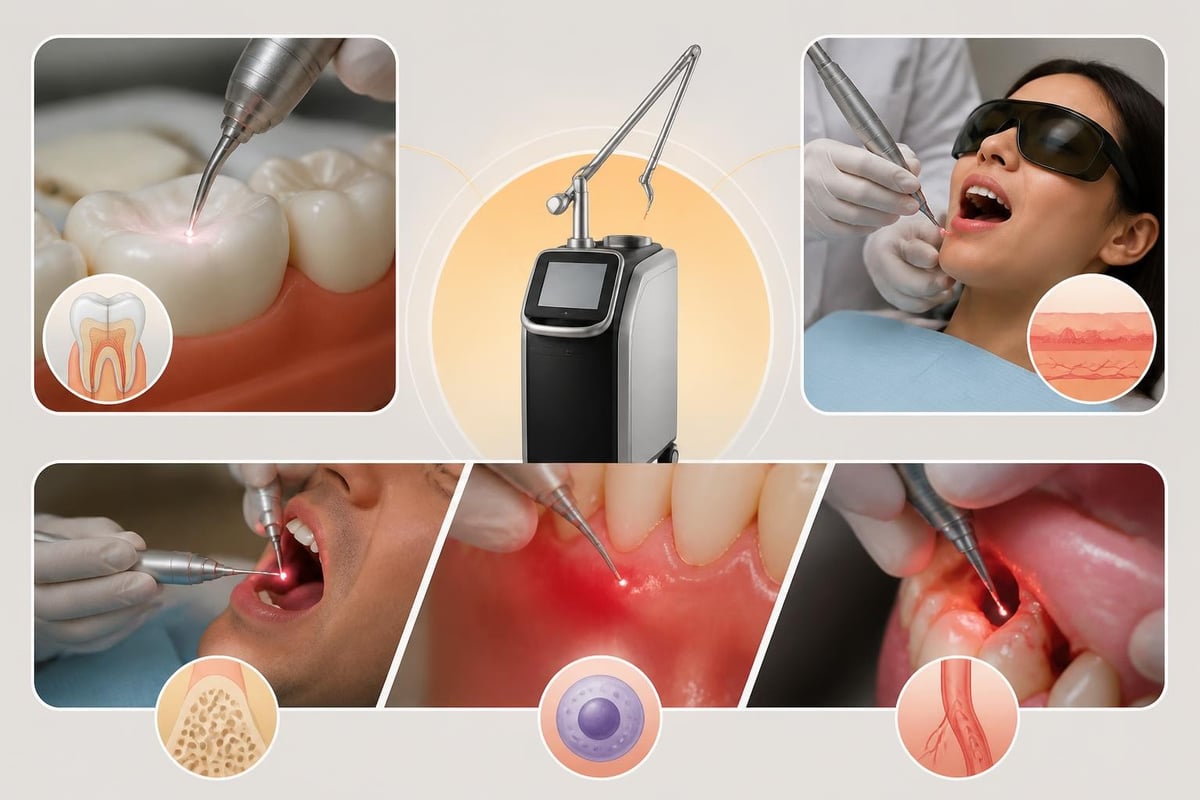
One of the most significant laser dentistry benefits involves the exceptional precision these systems offer. Traditional rotary instruments remove tooth structure through mechanical cutting, which can sometimes affect areas beyond the intended treatment zone. Lasers, by contrast, allow dentists to work with micron-level accuracy.
This precision translates directly to better clinical outcomes. During cavity preparation, lasers can selectively remove decayed tooth structure while preserving more healthy enamel and dentin. The focused energy vaporizes diseased tissue without the vibration, pressure, or heat generation associated with conventional drills.
Soft tissue procedures demonstrate equally impressive precision. Gum contouring for aesthetic smile enhancement, removing excess gingival tissue, or performing frenectomies all benefit from the controlled tissue interaction lasers provide. The dentist can shape tissue precisely while simultaneously sealing blood vessels and nerve endings, reducing bleeding and post-procedure discomfort.
For patients concerned about preserving their natural tooth structure, this conservative approach offers substantial advantages. The technology and diagnostics available at advanced dental practices increasingly incorporate laser systems for this reason.
Improved Comfort During and After Treatment
Patient comfort represents a primary concern for many people considering dental procedures. Among the notable laser dentistry benefits, reduced discomfort ranks consistently high in patient satisfaction surveys.
During Treatment Comfort
Lasers minimize several factors that typically cause treatment discomfort:
- Reduced vibration: Unlike conventional drills, lasers produce no mechanical vibration
- Minimal pressure: No physical contact force against tooth or gum tissue
- Less heat generation: Proper laser settings avoid thermal damage
- Decreased noise: Quieter operation reduces dental anxiety triggers
Many patients report significantly less anxiety when lasers are used instead of traditional instruments. The absence of the characteristic dental drill sound alone helps many people feel more relaxed during appointments.
Post-Treatment Recovery
The laser dentistry benefits extend well into the recovery period. Soft tissue laser procedures typically involve:
- Minimal bleeding due to blood vessel coagulation
- Reduced swelling and inflammation
- Less post-operative discomfort
- Faster tissue healing
- Decreased need for pain medication
The laser's ability to seal nerve endings during soft tissue procedures means patients often experience remarkably little discomfort afterward. Clinical trials examining laser treatment for conditions like dentinal hypersensitivity demonstrate measurable improvements in patient-reported comfort levels.
Reduced Bleeding and Faster Healing
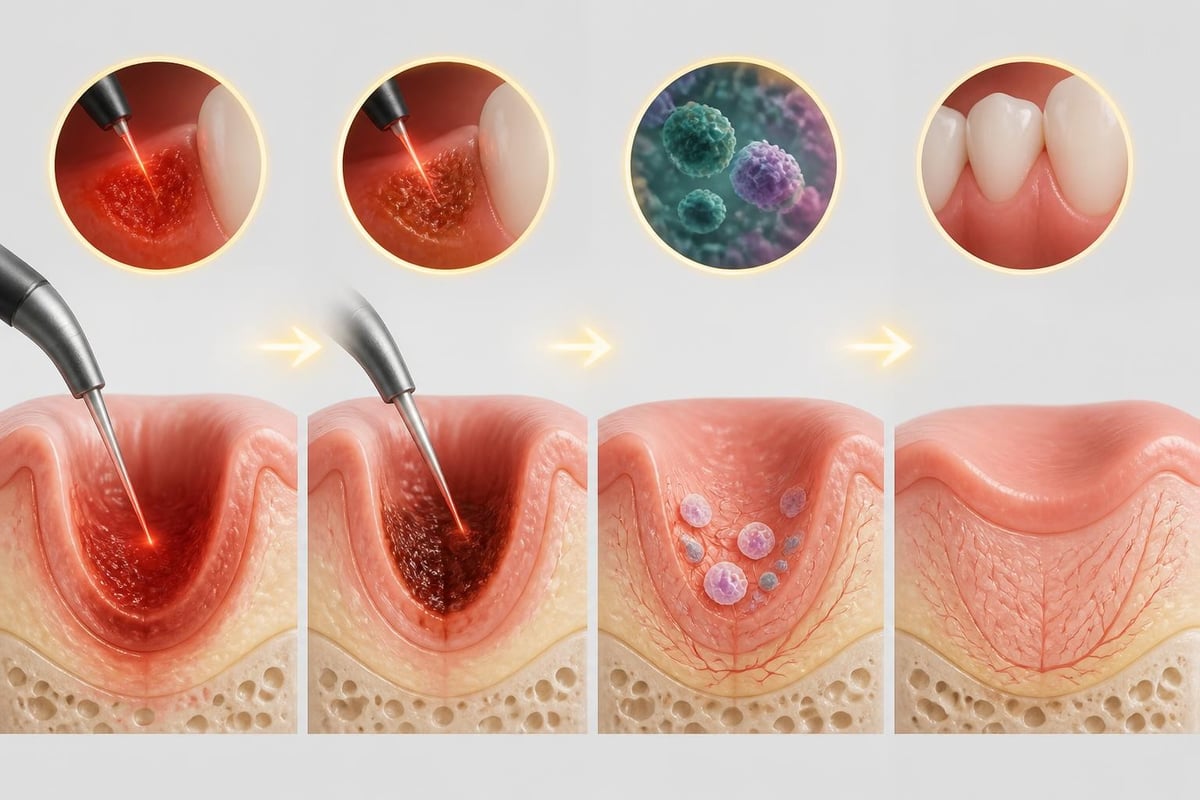
Soft tissue laser procedures offer distinct advantages in hemostasis and wound healing. When the laser contacts gum tissue, it simultaneously cuts and cauterizes, sealing small blood vessels as it works.
| Traditional Scalpel | Laser Treatment |
|---|---|
| Requires sutures in many cases | Often suture-free procedures |
| More post-operative bleeding | Minimal bleeding during and after |
| Longer healing timeline | Accelerated tissue regeneration |
| Higher infection risk | Sterilizing effect reduces bacteria |
This coagulation effect creates a cleaner surgical field, allowing the dentist better visibility during procedures. For patients, it means less bleeding during treatment and minimal oozing afterward, which contributes to both comfort and faster healing.
The laser's bactericidal properties further support healing. As the focused light energy interacts with tissue, it reduces bacterial populations in the treatment area. This sterilizing effect decreases post-operative infection risk and supports healthier tissue regeneration.
Applications Across Dental Specialties
The versatility of laser systems means they benefit patients across numerous dental procedures. Understanding these applications helps illustrate the breadth of laser dentistry benefits available in modern practice.
Preventive and Restorative Dentistry
Lasers support cavity detection, preparation, and treatment:
- Early caries detection through laser fluorescence
- Conservative cavity preparation preserving tooth structure
- Composite bonding enhancement through improved enamel etching
- Desensitizing treatment for exposed root surfaces
Professional teeth cleaning appointments may incorporate laser-assisted periodontal therapy for patients with gum inflammation. The laser reduces bacterial populations below the gumline while stimulating healthier tissue response.
Periodontal Applications
Gum disease treatment represents one of the most evidence-supported applications:
- Bacterial reduction in periodontal pockets
- Removing diseased tissue lining periodontal pockets
- Stimulating bone and connective tissue regeneration
- Managing acute periodontal infections
Patients concerned about gum disease treatment often appreciate the less invasive nature of laser-assisted periodontal therapy compared to traditional surgical approaches.
Cosmetic and Surgical Procedures
Aesthetic dentistry leverages laser precision for beautiful, natural results:
- Gum recontouring for "gummy smile" correction
- Crown lengthening procedures
- Frenectomy for tongue-tie or lip-tie correction
- Soft tissue lesion removal
- Pre-prosthetic surgery
When combined with cosmetic dentistry treatments like veneers or crowns, laser gum contouring helps create harmonious smile proportions. The precision allows dentists to shape the gumline symmetrically while patients experience minimal recovery time.
Minimized Need for Anesthesia
While local anesthesia remains important for many procedures, certain laser treatments require less or even no anesthesia. This represents one of the laser dentistry benefits particularly valued by patients with anxiety about injections.
For specific applications, reduced anesthesia needs include:
- Minor soft tissue recontouring
- Frenectomy procedures
- Some cavity preparations in enamel
- Desensitization treatments
- Certain periodontal therapies
The combination of precision, reduced vibration, and the laser's interaction with nerve endings means patients often feel minimal discomfort even without anesthesia during appropriate procedures. When anesthesia is still recommended, the amount required may be less than with conventional instruments.
This doesn't mean lasers eliminate all need for anesthesia. Deep cavity preparations, extensive periodontal surgery, and other significant interventions still benefit from proper local anesthetic to ensure patient comfort. However, the option for reduced anesthesia in select cases offers real advantages for patients with needle anxiety or those who prefer to avoid the lingering numbness that follows dental anesthetic injections.
Safety Considerations and Professional Standards
Like all dental technologies, lasers require proper training, calibration, and safety protocols. The Academy of Laser Dentistry provides continuing education and certification programs ensuring dentists maintain current competency in laser applications.
Clinical Safety Protocols
Professional laser dentistry follows strict safety guidelines:
- Proper wavelength selection for specific tissue types and treatment goals
- Appropriate power settings based on clinical indication
- Eye protection for patients and clinical team members
- Thermal monitoring to prevent tissue damage
- Adequate training in laser physics and clinical applications
The WHO guidelines on occupational radiation exposure address laser safety in healthcare settings, including dental practices. These protocols protect both patients and dental professionals.
Evidence-Based Practice
While laser dentistry benefits are well-documented, responsible practitioners base treatment decisions on current evidence and individual patient needs. Not every procedure requires or benefits from laser technology. The goal is matching the right tool to each clinical situation.
Comprehensive reviews of laser technology in dentistry examine both benefits and limitations across various applications. This balanced perspective helps dentists make appropriate treatment recommendations.
Supporting Specialized Treatments
Beyond general dentistry applications, lasers support several specialized treatment areas that directly improve patient quality of life.
Orthodontic Applications
Low-level laser therapy (LLLT) has emerged as a potential adjunct in orthodontic treatment. Research on laser therapy in orthodontics examines whether LLLT can help accelerate tooth movement and reduce treatment time, though evidence continues to develop.
Lasers also support orthodontic care through:
- Soft tissue management around brackets and wires
- Exposure of impacted teeth before orthodontic traction
- Frenectomy procedures that may improve treatment outcomes
- Pain management during orthodontic adjustment periods
Pain and Hypersensitivity Management
For patients experiencing chronic tooth sensitivity, laser treatment offers effective relief. The focused energy seals dentinal tubules, reducing the pathway through which stimuli reach the tooth's nerve.
Evidence on lasers for treating dentinal hypersensitivity indicates meaningful benefit for many patients, though individual responses vary. The treatment is non-invasive, quick, and can be repeated if needed.
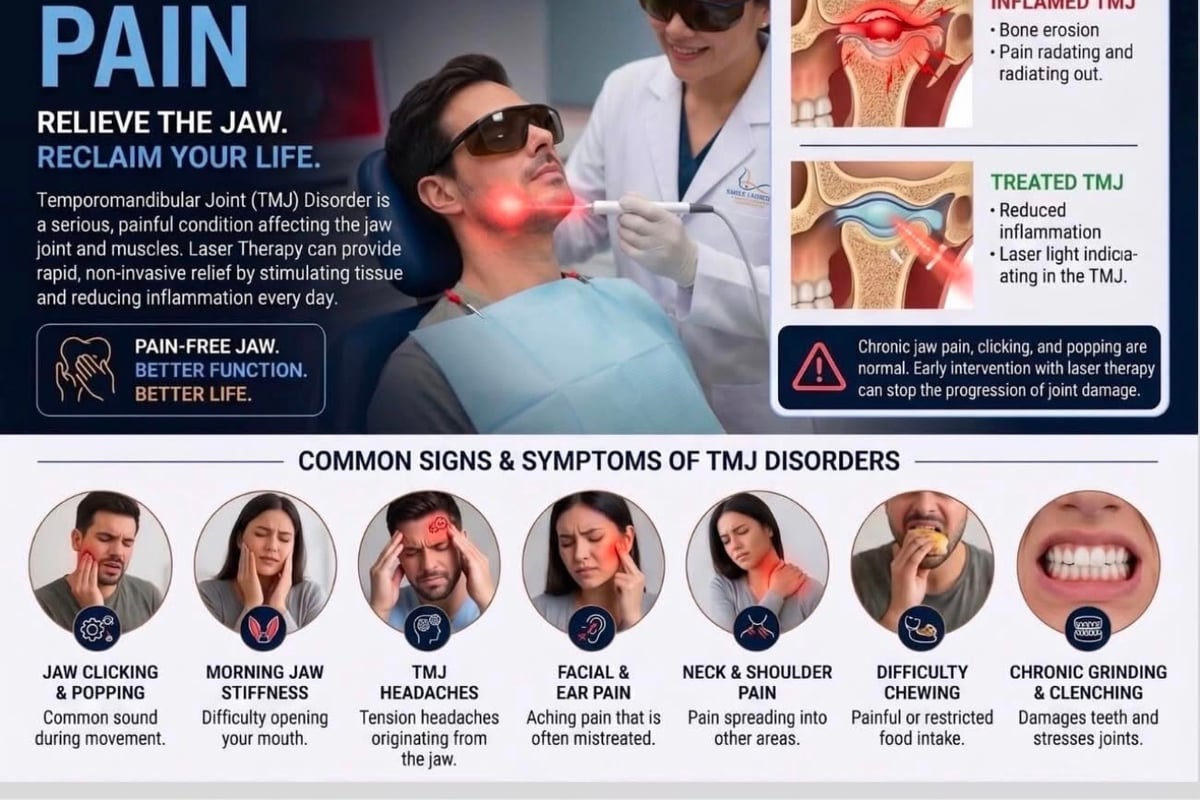
Some practices incorporate low-level laser therapy as part of comprehensive TMJ & orofacial pain management protocols. The therapeutic application may help reduce inflammation, support tissue healing, and modulate pain perception in certain musculoskeletal conditions affecting the jaw and facial region.
Cost-Benefit Considerations
Patients naturally consider the value proposition when evaluating treatment options. While laser procedures may sometimes involve different fee structures than conventional approaches, the laser dentistry benefits often justify the investment.
Factors contributing to overall value include:
- Reduced treatment time due to precision and efficiency
- Fewer follow-up appointments needed
- Less post-operative medication required
- Faster return to normal activities
- Often superior aesthetic outcomes
- Reduced anxiety and improved treatment experience
The long-term benefits of tissue preservation, particularly in restorative procedures, may mean better longevity for dental work. When more natural tooth structure is preserved during cavity preparation, the remaining tooth tends to maintain better structural integrity over time.
Insurance coverage for laser procedures varies by carrier and specific treatment. Many procedures performed with lasers are covered similarly to their conventional counterparts, as the clinical outcome rather than the instrument used typically determines coverage.
Integration with Other Advanced Technologies
Laser systems work synergistically with other modern dental technologies to optimize treatment outcomes. Digital diagnostics, 3D imaging, and computer-guided planning all complement laser precision.
For instance, 3D CBCT imaging helps plan surgical procedures with detailed anatomical information. When combined with laser surgical technique, this digital-analog integration supports highly predictable results with minimal invasiveness.
Digital smile design technology allows patients to preview aesthetic outcomes before treatment begins. Laser soft tissue contouring then helps achieve those planned results with exceptional accuracy. This integration of diagnostic, planning, and treatment technologies represents the modern standard in comprehensive dental care.
The technology available at advanced practices continues expanding as research demonstrates new applications and refines existing protocols. Staying current with evidence-based innovations ensures patients benefit from proven advances while avoiding unsubstantiated trends.
Patient Selection and Treatment Planning
Not every patient or procedure benefits equally from laser technology. Responsible treatment planning considers individual circumstances, clinical indications, and evidence-based protocols.
Ideal Candidates
Laser dentistry benefits many patients, particularly those who:
- Have dental anxiety related to traditional instruments
- Require soft tissue aesthetic procedures
- Need periodontal therapy
- Experience dentinal hypersensitivity
- Prefer conservative, tissue-preserving approaches
- Have medical conditions affecting bleeding or healing
Clinical Assessment
Comprehensive examination determines the most appropriate treatment approach. Factors considered include:
| Assessment Factor | Clinical Consideration |
|---|---|
| Extent of disease | Severity influences technique selection |
| Tissue characteristics | Different tissues respond differently to lasers |
| Patient health status | Medical conditions may affect treatment planning |
| Treatment goals | Desired outcomes guide technology choices |
| Evidence base | Current research supports specific applications |
A thorough consultation allows the dental team to explain laser dentistry benefits relevant to your specific situation and answer questions about what to expect during and after treatment.
Maintaining Results and Long-Term Care
The laser dentistry benefits extend beyond immediate treatment when patients maintain good oral hygiene and follow recommended care protocols. After laser procedures, most patients can resume normal activities quickly, though specific post-treatment instructions vary by procedure type.
General care recommendations following laser treatment include:
- Following any prescribed medication regimen
- Maintaining gentle but thorough oral hygiene
- Avoiding irritating foods or behaviors during initial healing
- Attending scheduled follow-up appointments
- Reporting any unusual symptoms promptly
Long-term success depends significantly on ongoing preventive care. Regular preventive care visits help maintain the health achieved through treatment while identifying any emerging concerns early.
For periodontal laser therapy, maintaining results requires continued attention to oral hygiene and professional maintenance care. The laser treatment creates an opportunity for healing, but long-term periodontal health depends on managing the bacterial challenge through consistent home care and professional support.
Making Informed Treatment Decisions
Understanding laser dentistry benefits helps you participate actively in treatment planning conversations with your dental team. Ask questions about how laser technology applies to your specific situation, what outcomes you can reasonably expect, and what alternatives might be considered.
Professional dental practices welcome these discussions and provide evidence-based information to support informed decision-making. The goal is always finding the most appropriate treatment approach for your individual needs, preferences, and circumstances.
Consider factors beyond just the technology itself. The dentist's experience with laser systems, the practice's commitment to continuing education, and the integration of lasers within a comprehensive treatment philosophy all contribute to optimal outcomes.
The Future of Laser Applications in Dentistry
Research continues expanding our understanding of laser dentistry benefits and developing new applications. Emerging areas include enhanced hard tissue cutting efficiency, improved regenerative protocols, and refined therapeutic applications for pain and inflammation management.
As dental technology advances, professional organizations update practice guidelines to reflect current evidence. This ongoing evolution means today's laser applications represent just part of a continuum of innovation in patient-centered dental care.
The integration of artificial intelligence, robotics, and laser technology may further refine precision and predictability in coming years. However, the fundamental laser dentistry benefits of tissue preservation, improved comfort, and enhanced healing will likely remain central to the technology's value proposition.
Laser dentistry offers measurable advantages across numerous dental procedures, from enhanced precision and improved comfort to faster healing and better aesthetic outcomes. When you're ready to experience the benefits of advanced dental technology in a practice committed to evidence-based, personalized care, the team at CuraSmile PH in Bonifacio Global City combines laser dentistry with comprehensive clinical expertise to help you achieve optimal oral health and a confident smile.