Dental Makeovers: Transform Your Smile in BGC
Discover how dental makeovers combine modern techniques, personalized planning, and advanced care to address multiple cosmetic concerns in one treatment plan.
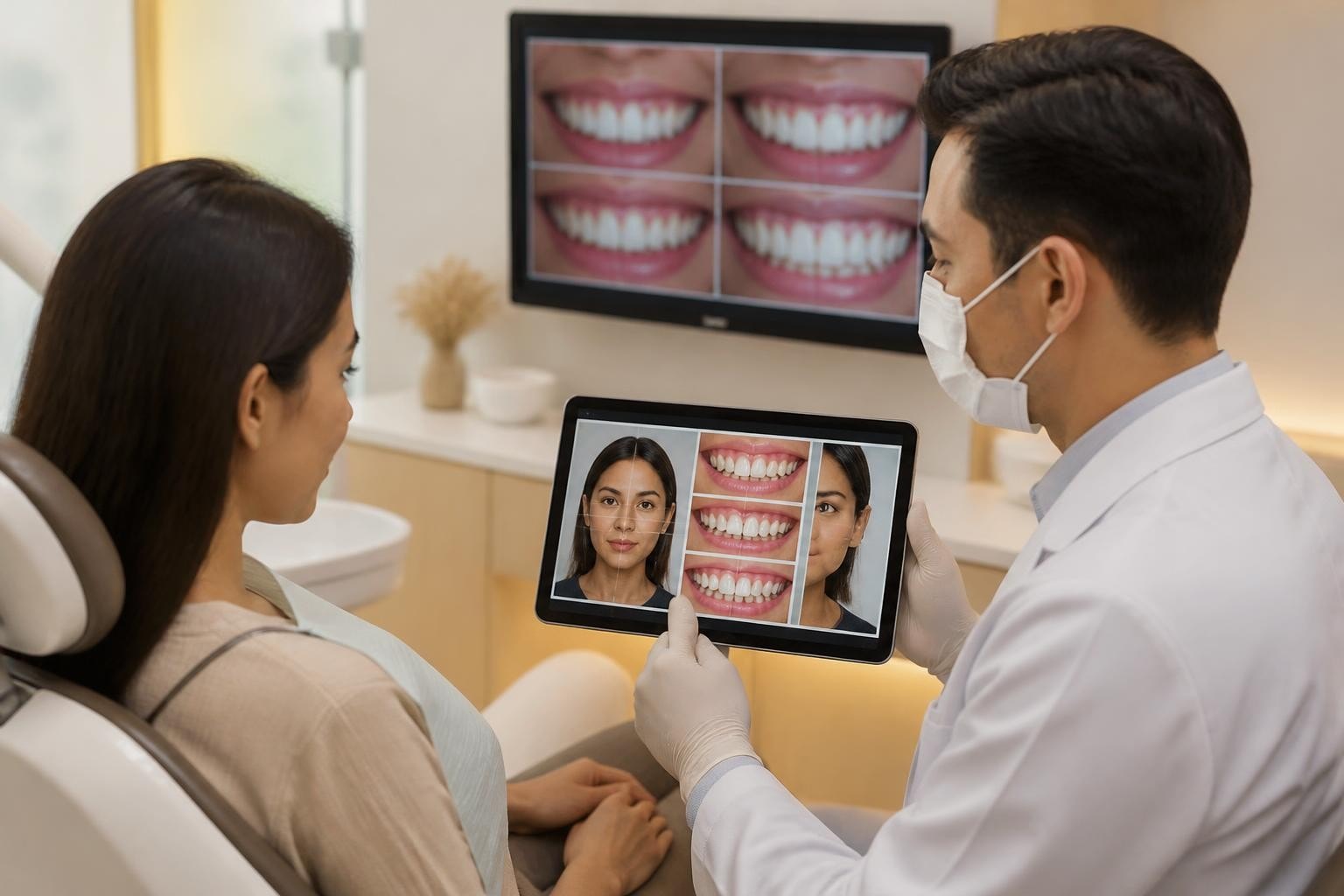
A confident smile can transform how you present yourself to the world, affecting everything from professional opportunities to personal relationships. For many patients in Bonifacio Global City, dissatisfaction with multiple aspects of their smile leads them to explore comprehensive solutions that address not just one issue, but several concerns simultaneously. Dental makeovers represent a coordinated approach to smile transformation, combining modern techniques with personalized treatment planning to help patients achieve the aesthetic and functional improvements they've been considering.
Understanding the Comprehensive Approach
Dental makeovers differ fundamentally from single-procedure cosmetic treatments. Rather than addressing one isolated concern, this approach evaluates your entire smile from multiple perspectives: tooth alignment, color, shape, proportion, gum health, bite function, and facial harmony.
The planning process begins with a thorough clinical assessment that goes beyond surface aesthetics. Your dentist examines:
- Existing dental health conditions that need treatment before cosmetic work
- Bite relationships and jaw alignment that affect long-term stability
- Gum tissue health and its impact on smile aesthetics
- Tooth structure integrity and which restorative options are appropriate
- Facial proportions and how your smile complements your features
This comprehensive evaluation ensures that aesthetic improvements are built on a foundation of good oral health. Attempting cosmetic enhancements without addressing underlying issues like tooth decay, gum disease, or bite problems typically leads to disappointing long-term outcomes.
Digital Planning and Visualization
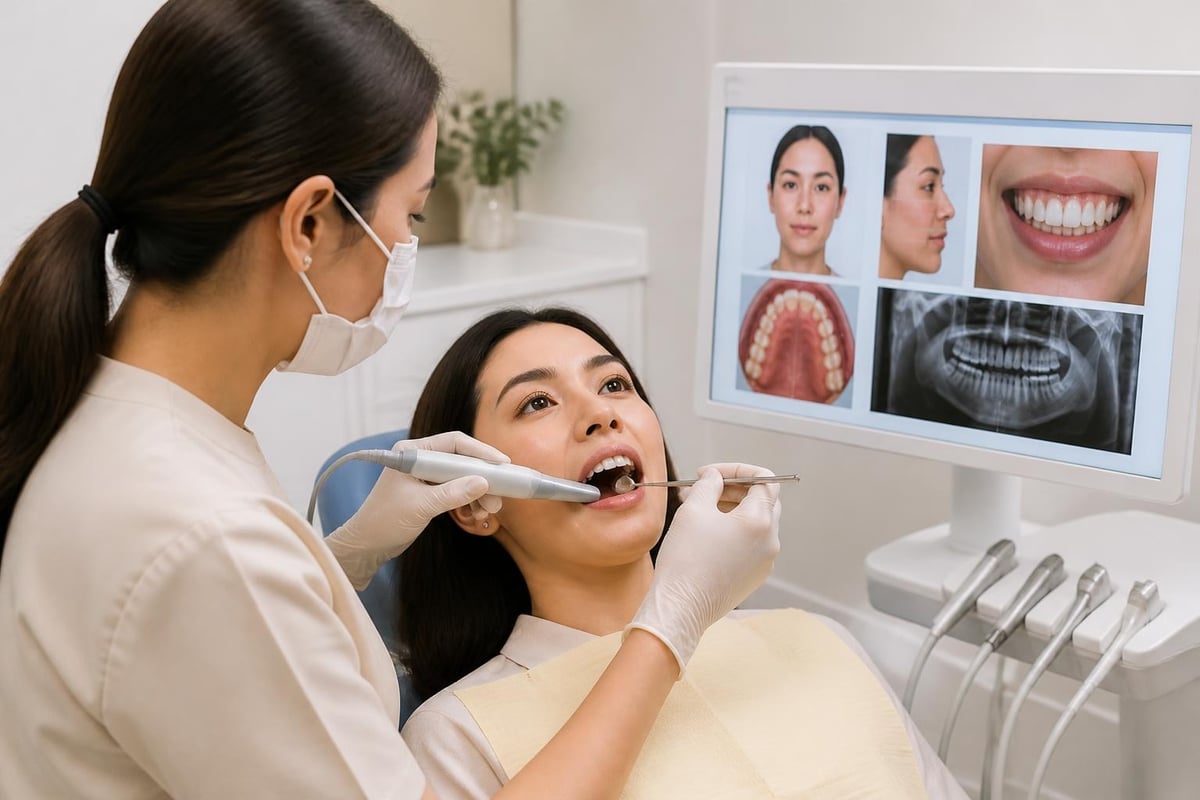
Modern dental makeovers increasingly rely on digital tools that allow both dentist and patient to visualize potential outcomes before treatment begins. Digital smile design technology captures detailed images and measurements, then creates visual simulations of proposed changes.
This technology serves several important purposes:
- Realistic expectation-setting by showing what can actually be achieved
- Treatment refinement through collaborative adjustments before any tooth preparation
- Communication clarity between patient, dentist, and dental laboratory
- Functional planning to ensure aesthetics don't compromise bite or jaw function
The advances in cosmetic dentistry have made digital workflows an increasingly standard component of smile transformation planning, particularly for cases involving multiple restorations or significant aesthetic changes.
Treatment Components and Options
Every dental makeover is unique, but most combine several treatment categories selected based on individual needs and goals.
Professional Whitening and Color Correction
Tooth discoloration often motivates patients to seek comprehensive smile improvement. While professional teeth whitening can address certain types of staining, it has limitations for teeth with intrinsic discoloration, significant color variations, or existing restorations.
In makeover planning, whitening may serve as:
- A standalone treatment for patients with otherwise healthy, well-aligned teeth
- An initial step before restorative work to establish the desired shade
- A complementary procedure for natural teeth adjacent to veneers or crowns
Understanding veneers vs teeth whitening helps patients make informed decisions about which approach better addresses their specific color concerns.
Orthodontic Alignment
Tooth position significantly impacts both smile aesthetics and long-term dental health. Crowding, spacing, rotations, and bite misalignment create challenges for both appearance and function.
Clear aligners and orthodontic treatment offer several advantages within comprehensive makeover planning:
| Orthodontic Benefit | Impact on Makeover |
|---|---|
| Improved tooth position | Creates space for balanced restorations |
| Bite correction | Ensures long-term stability of cosmetic work |
| Reduced need for aggressive tooth preparation | Preserves natural tooth structure |
| Better gum health | Provides healthier foundation for restorations |
For patients considering both alignment correction and cosmetic restorations, sequencing matters. Orthodontic treatment typically precedes final restorative work, though temporary aesthetic improvements can sometimes be provided during the alignment phase.
Restorative Enhancements
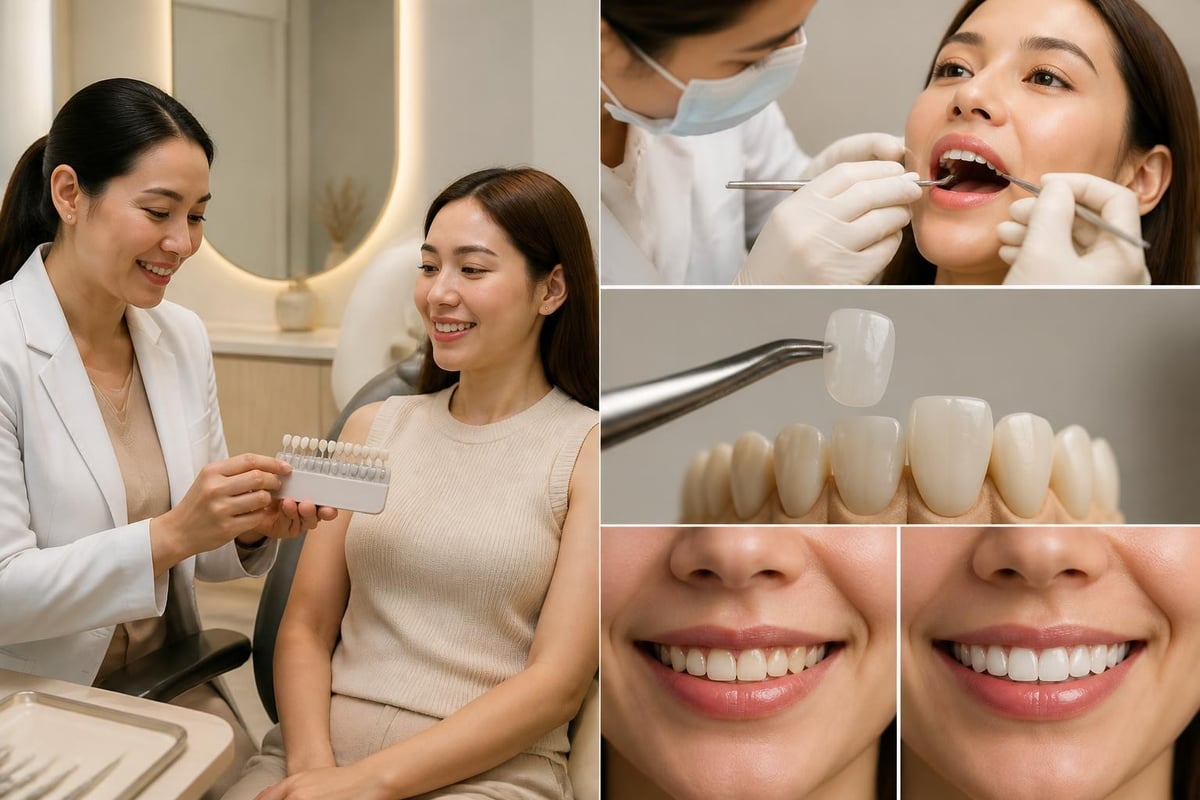
Porcelain veneers and dental crowns form the foundation of many smile transformations, addressing issues that whitening and orthodontics alone cannot resolve. These restorations can modify tooth color, shape, size, and proportion while strengthening compromised tooth structure.
Veneers work well for patients with:
- Permanent discoloration resistant to whitening
- Minor chips, cracks, or irregularities
- Slight size or shape concerns
- Gaps or spacing issues in the aesthetic zone
The evidence on resin composite laminate veneers shows favorable long-term outcomes when properly indicated and executed, though porcelain options offer additional advantages in stain resistance and light-handling properties.
Crowns become necessary when:
- Tooth structure is significantly compromised
- Previous large restorations need replacement
- Root canal treatment has weakened the tooth
- Greater structural reinforcement is required
Modern metal-free materials for crowns provide excellent aesthetic results without the dark lines sometimes visible with traditional porcelain-fused-to-metal restorations.
Addressing Function Alongside Aesthetics
A successful dental makeover balances appearance with proper function. Smile improvements that look beautiful but create bite problems, jaw discomfort, or speech difficulties ultimately disappoint patients.
Bite Considerations
Your bite (occlusion) determines how upper and lower teeth contact during chewing, speaking, and rest. Changing tooth shapes, positions, or sizes through cosmetic procedures necessarily affects these relationships.
Careful bite planning involves:
- Analyzing existing jaw relationships before treatment
- Designing restorations that maintain or improve functional contacts
- Testing provisional restorations to verify comfort and function
- Adjusting final restorations to achieve balanced contacts
Patients with existing TMJ disorders or jaw pain require especially careful evaluation, as untreated functional problems can worsen with cosmetic changes or limit treatment options.
Gum Health and Tissue Management
The gum tissue frame around your teeth significantly impacts smile aesthetics. Uneven gum levels, excessive gum display, or inflamed tissue can undermine even the most carefully designed restorations.
Makeover planning may include:
- Periodontal evaluation to ensure gum health before cosmetic procedures
- Gum recontouring (gingivectomy) to create balanced tissue levels
- Crown lengthening when teeth appear too short due to excess gum coverage
- Tissue grafting to address recession that exposes tooth roots
Treating gum disease before cosmetic procedures isn't merely optional-it's essential for long-term success. Placing veneers or crowns over unhealthy gum tissue typically leads to complications, discomfort, and premature failure.
The Treatment Journey
Understanding the makeover process helps patients prepare realistically for the time commitment and stages involved.
Initial Consultation and Planning
Your first visit focuses on understanding your concerns, goals, and expectations. This conversation explores:
- Which aspects of your smile you'd most like to improve
- Whether you've considered specific procedures or have open preferences
- Your timeline and any important upcoming events
- Budget considerations and treatment priorities
Clinical examination and diagnostic records (photographs, x-rays, digital scans, and models) follow. This information allows detailed treatment planning and sequencing.
Phased Treatment Implementation
Complex makeovers typically unfold in coordinated phases:
Phase 1: Foundation
- Treatment of decay, infection, or gum disease
- Extractions if necessary
- Root canal therapy for compromised teeth
Phase 2: Alignment (if needed)
- Orthodontic treatment to optimize tooth positions
- Typically 6-18 months depending on complexity
- May include temporary aesthetic improvements
Phase 3: Aesthetic Enhancement
- Professional whitening or color correction
- Gum recontouring if indicated
- Placement of veneers, crowns, or other restorations
- Usually completed over 2-6 appointments
Phase 4: Refinement and Maintenance
- Final adjustments to bite, contacts, and aesthetics
- Establishment of ongoing maintenance protocols
- Protective appliances if needed for teeth grinding
At CuraSmile PH, patients working with cosmetic dentistry specialists receive personalized treatment sequences designed around their specific clinical needs, functional requirements, and aesthetic goals.
Realistic Timelines
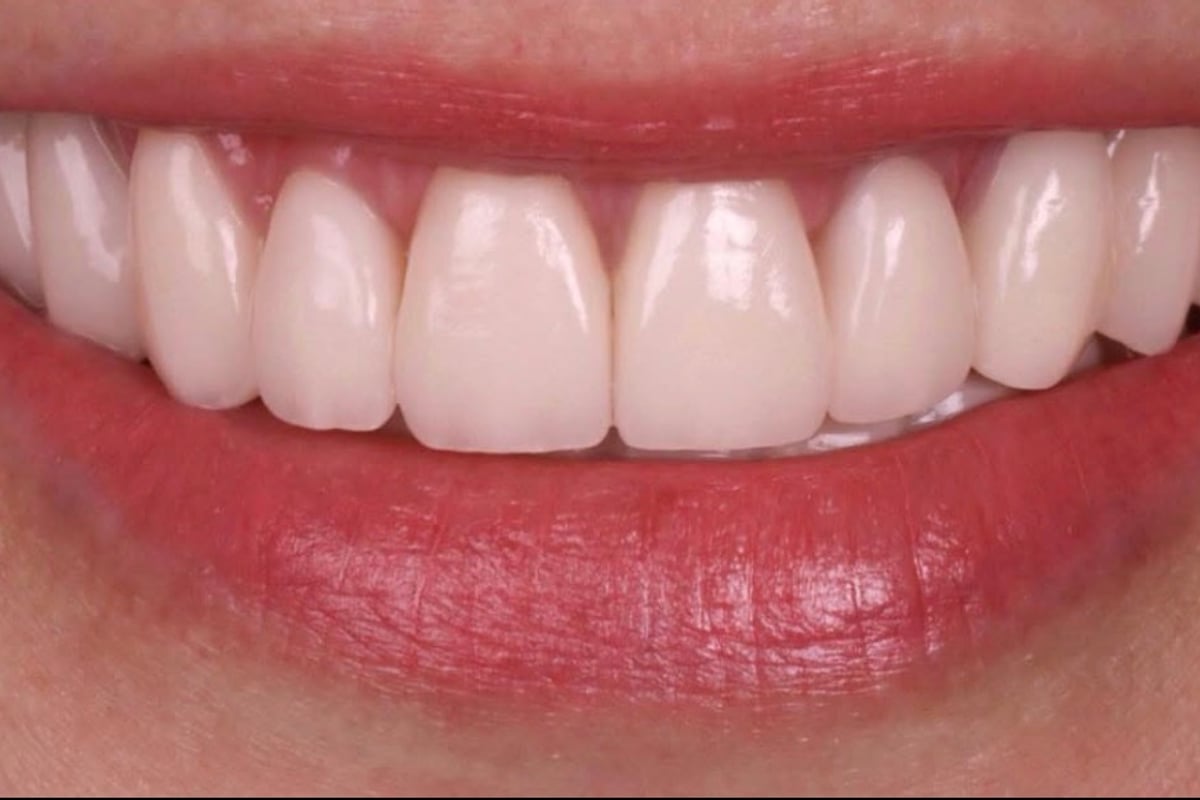
Comprehensive dental makeovers require patience. While some practices promote rapid transformations, quality outcomes depend on proper healing between procedures, careful laboratory work, and adequate time for adjustments.
Typical timelines range from:
- 3-6 months for moderate cases (whitening plus several veneers without orthodontics)
- 12-18 months for complex cases requiring orthodontics and multiple restorations
- 18-24 months for extensive reconstruction involving implants, bone grafting, or significant bite correction
Rushing treatment to meet arbitrary deadlines often compromises both aesthetics and long-term stability.
Choosing Materials and Techniques
Modern cosmetic dentistry offers numerous material options, each with distinct characteristics, advantages, and appropriate indications.
Porcelain Options
Different porcelain formulations provide varying balances of strength, aesthetics, and preparation requirements:
| Material Type | Primary Advantages | Best Applications |
|---|---|---|
| Feldspathic porcelain | Superior translucency and color depth | Front teeth veneers where aesthetics are paramount |
| Lithium disilicate | Excellent strength and aesthetics | Single crowns, larger veneers, some bridges |
| Zirconia | Maximum strength, good aesthetics | Back teeth crowns, bridges, implant restorations |
Your dentist selects materials based on your specific clinical situation, aesthetic requirements, and functional demands. For front teeth where appearance is critical, materials that closely mimic natural tooth translucency and light transmission typically produce the most lifelike results.
Minimally Invasive Approaches
Preservation of natural tooth structure remains an important principle in modern cosmetic dentistry. Whenever possible, techniques that require less aggressive tooth preparation offer advantages for long-term tooth health.
Minimal-preparation veneers can address aesthetic concerns while removing less enamel than traditional crown preparations. However, these approaches aren't appropriate for every situation-teeth with existing large fillings, significant structural damage, or severe misalignment may require more comprehensive restoration.
The American Academy of Cosmetic Dentistry emphasizes ethical treatment planning that prioritizes appropriate indication over procedure preference, ensuring patients receive treatments genuinely suited to their clinical needs rather than what's most profitable or expedient.
Maintenance and Longevity
Dental makeovers represent significant investments of time, effort, and resources. Protecting that investment through proper care and maintenance is essential.
Daily Care Protocols
Porcelain restorations themselves don't decay, but the natural tooth structure beneath them remains vulnerable. Meticulous oral hygiene protects both restorations and underlying teeth:
- Brush twice daily with soft-bristled brush and non-abrasive toothpaste
- Floss daily to prevent decay and gum disease at restoration margins
- Avoid excessive force on front teeth (opening packages, biting hard objects)
- Use protective appliances if you grind or clench your teeth at night
Patients who maintain excellent oral hygiene and attend regular preventive appointments typically experience much longer restoration lifespans than those with inconsistent home care.
Professional Monitoring
Regular dental visits allow early detection of potential problems before they require major intervention:
- Professional cleanings every 3-6 months to maintain gum health
- Restoration inspection to identify chips, cracks, or margin problems
- Bite evaluation to ensure comfortable, stable contacts
- X-ray monitoring to detect decay beneath restorations
The common dental treatments that maintain oral health after cosmetic procedures remain fundamentally similar to preventive care for natural teeth, though restored teeth may require certain modifications to cleaning techniques.
Setting Appropriate Expectations
Successful outcomes depend partly on technical execution and partly on realistic expectations about what dental makeovers can and cannot accomplish.
What Makeovers Can Achieve
Comprehensive smile transformation can significantly improve:
- Tooth color through whitening or restorations
- Tooth shape and size to create better proportions
- Minor alignment issues through orthodontics or restorative contouring
- Smile symmetry and balanced tooth display
- Chewing function when bite problems are addressed
- Confidence in social and professional settings
These improvements often create meaningful positive changes in how patients feel about themselves and interact with others.
Natural Limitations
Even the most skilled cosmetic dentistry cannot:
- Alter your basic facial structure or jaw relationships beyond certain limits
- Guarantee specific social or professional outcomes
- Create identical results for all patients (facial anatomy varies)
- Prevent all future dental problems regardless of home care
- Last indefinitely without eventual maintenance or replacement
The information on dental crowns from the U.S. National Library of Medicine provides patients with realistic information about both benefits and limitations of common restorative procedures.
Understanding these boundaries helps patients approach treatment with enthusiasm balanced by appropriate realism.
Cost Considerations and Value
Dental makeovers involve financial investment that varies significantly based on treatment complexity, materials selected, and geographic location. In Bonifacio Global City, pricing reflects both the premium nature of the location and the advanced technology many practices employ.
Factors Affecting Investment
Several variables influence total treatment cost:
- Number of teeth involved in the makeover
- Types of procedures required (orthodontics, surgery, restorations)
- Materials selected (premium vs. standard options)
- Complexity of the case requiring specialized expertise
- Laboratory fees for custom restorations
- Technology utilized in planning and execution
Rather than focusing on per-tooth pricing, comprehensive treatment planning considers the value of coordinated care that addresses all concerns through an integrated approach.
Phased Treatment Options
For patients concerned about upfront costs, many practices offer phased treatment plans that spread procedures over time:
- Priority-based sequencing addresses most critical issues first
- Functional before aesthetic ensures health foundation before cosmetic enhancement
- Payment planning may be available through practice or third-party options
Discussing financial considerations openly during initial consultation allows development of realistic treatment plans that align with both clinical needs and budget realities.
Selecting the Right Practice
The success of dental makeovers depends heavily on clinical expertise, aesthetic judgment, and attention to detail. Selecting an appropriate provider requires evaluation of several factors beyond convenience or cost.
Credentials and Experience
Look for practices with:
- Demonstrated experience in comprehensive cosmetic cases
- Continuing education in modern aesthetic techniques
- Investment in technology that supports predictable outcomes
- Before-and-after documentation showing actual patient results (not stock photos)
Professional organizations like the American Dental Association provide resources on advances in digital workflows and aesthetic techniques that well-qualified practices typically integrate into their care delivery.
Communication and Philosophy
Beyond technical skill, successful makeover experiences depend on:
- Clear communication about options, expectations, and limitations
- Collaborative planning that incorporates your input and preferences
- Conservative approach that prioritizes tooth preservation when appropriate
- Ethical treatment recommendations based on clinical need, not revenue maximization
Patients considering smile makeover options in BGC benefit from practices that combine advanced clinical capabilities with patient-centered care philosophies, ensuring both technical excellence and personal attention throughout the treatment journey.
Facility and Technology
Modern dental makeovers benefit from advanced diagnostic and treatment technologies:
- Digital impression systems for more accurate, comfortable scanning
- 3D imaging for comprehensive treatment planning
- CAD/CAM capabilities for precise restoration design
- Surgical guides for implant placement accuracy when needed
While technology alone doesn't guarantee quality outcomes, practices investing in current tools typically demonstrate commitment to providing contemporary, evidence-based care.
The Broader Context of Oral Health
While aesthetic improvements motivate most patients to explore dental makeovers, the procedures involved often contribute to broader oral health benefits beyond appearance alone.
Correcting misaligned teeth reduces plaque accumulation and makes effective home care easier. Replacing old, failing restorations eliminates bacterial reservoirs and potential infection sources. Addressing bite problems may reduce excessive wear and jaw strain.
The World Health Organization recognizes oral health as integral to overall well-being, affecting nutrition, communication, quality of life, and systemic health. Comprehensive dental care that improves both function and aesthetics aligns with this broader understanding of oral health's importance.
For patients in BGC and Taguig seeking transformation that goes beyond surface changes, understanding how comprehensive dental care addresses both immediate concerns and long-term health creates a foundation for making informed treatment decisions.
Dental makeovers represent coordinated treatment approaches that address multiple smile concerns through personalized planning, modern techniques, and careful execution. Whether you're considering minor enhancements or comprehensive transformation, understanding the process, options, and realistic expectations helps ensure satisfying outcomes. CuraSmile PH combines advanced technology with evidence-based care to help patients in Bonifacio Global City achieve smile improvements built on foundations of excellent oral health and functional stability.