Jaw Clicking When Opening Mouth: Causes & Solutions
Jaw clicking when opening mouth is common. Learn about TMJ causes, when to seek care, and how expert evaluation helps manage jaw joint symptoms.
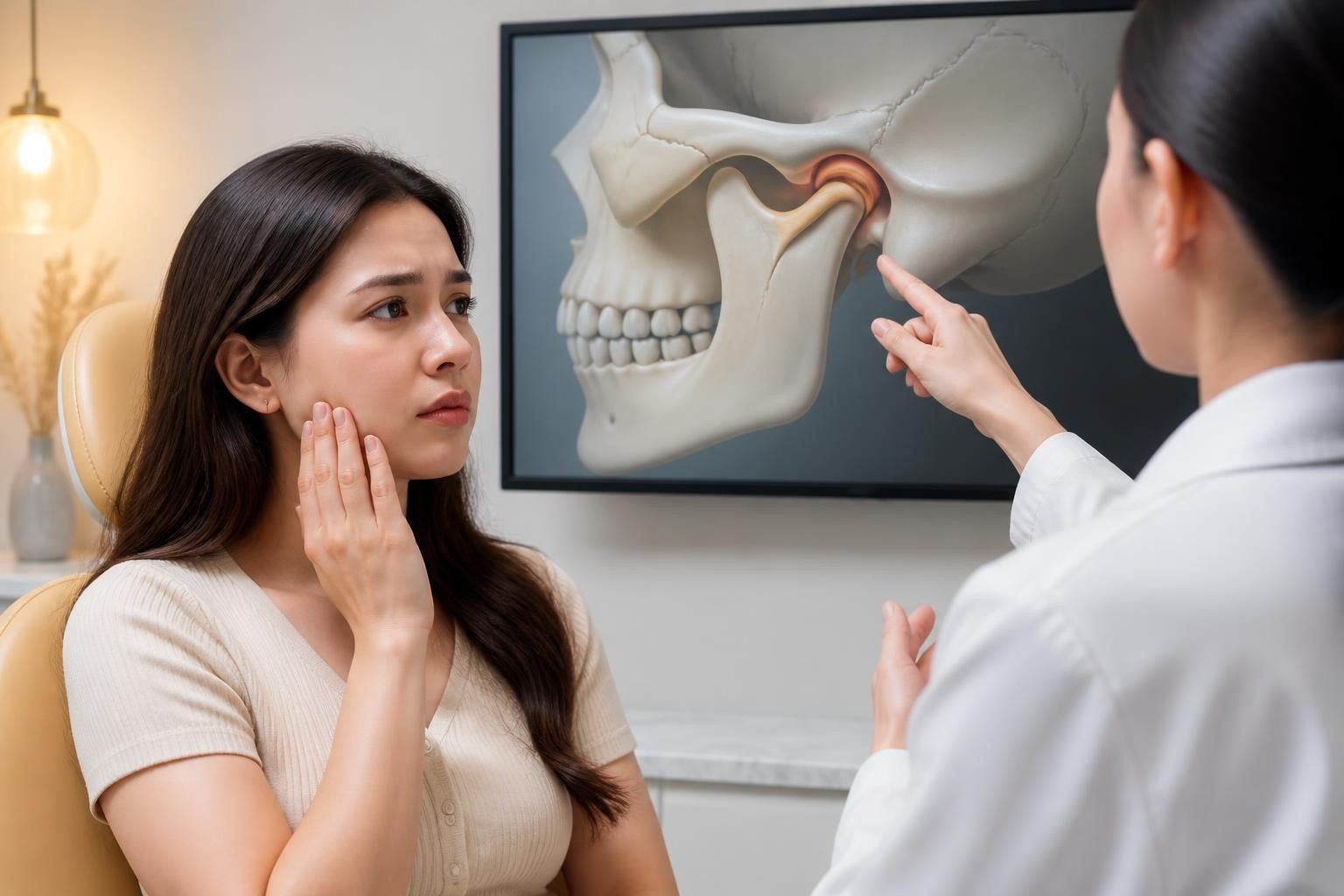
That subtle pop or click when you yawn or take a bite of your favorite meal might seem harmless at first. But when jaw clicking when opening mouth becomes a daily occurrence, it's natural to wonder what's happening inside the joint and whether you should be concerned. The temporomandibular joint, which connects your lower jaw to your skull, is one of the most complex and frequently used joints in your body. When this joint produces sounds during movement, it's often signaling changes in the normal mechanics of how the jaw functions. Understanding the underlying causes, knowing when to seek professional evaluation, and learning about evidence-based management approaches can help you make informed decisions about your jaw health.
What Causes Jaw Clicking When Opening Mouth
The temporomandibular joint operates through a sophisticated system of bones, muscles, ligaments, and a small cushioning disc. When everything works in harmony, your jaw moves smoothly and silently through its full range of motion.
Internal Disc Displacement
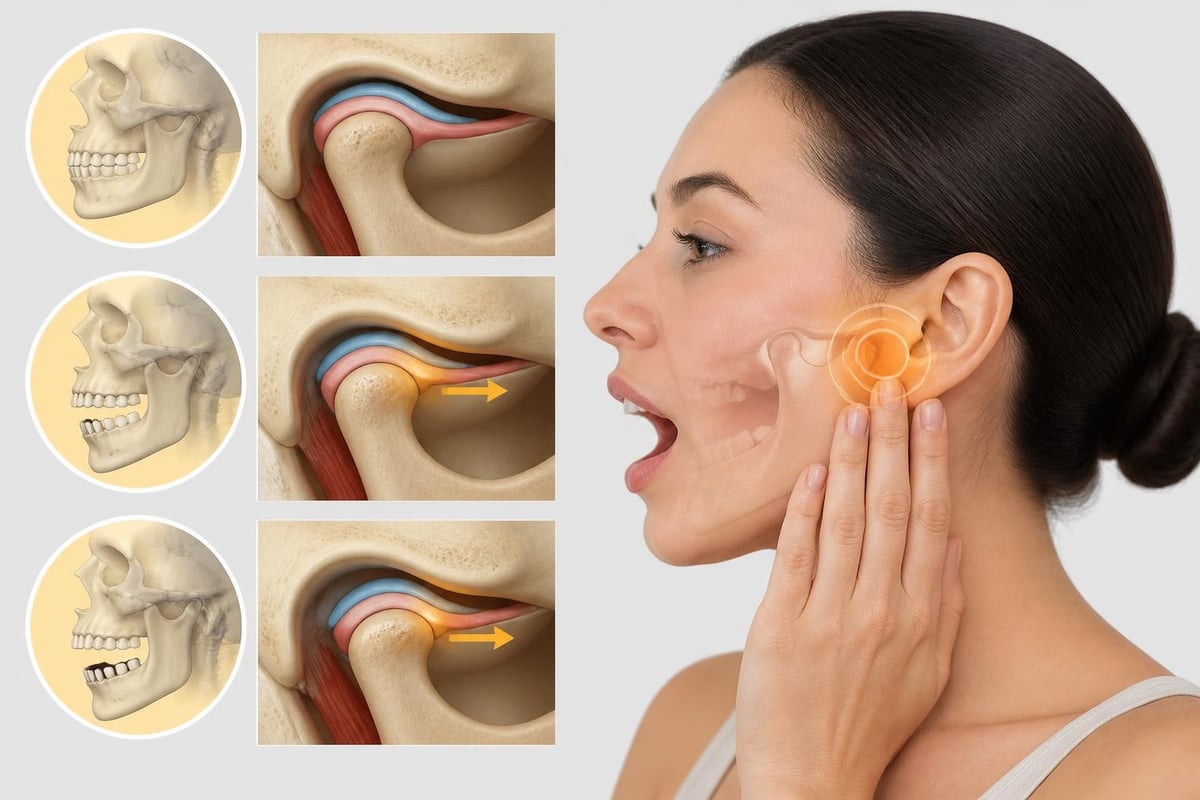
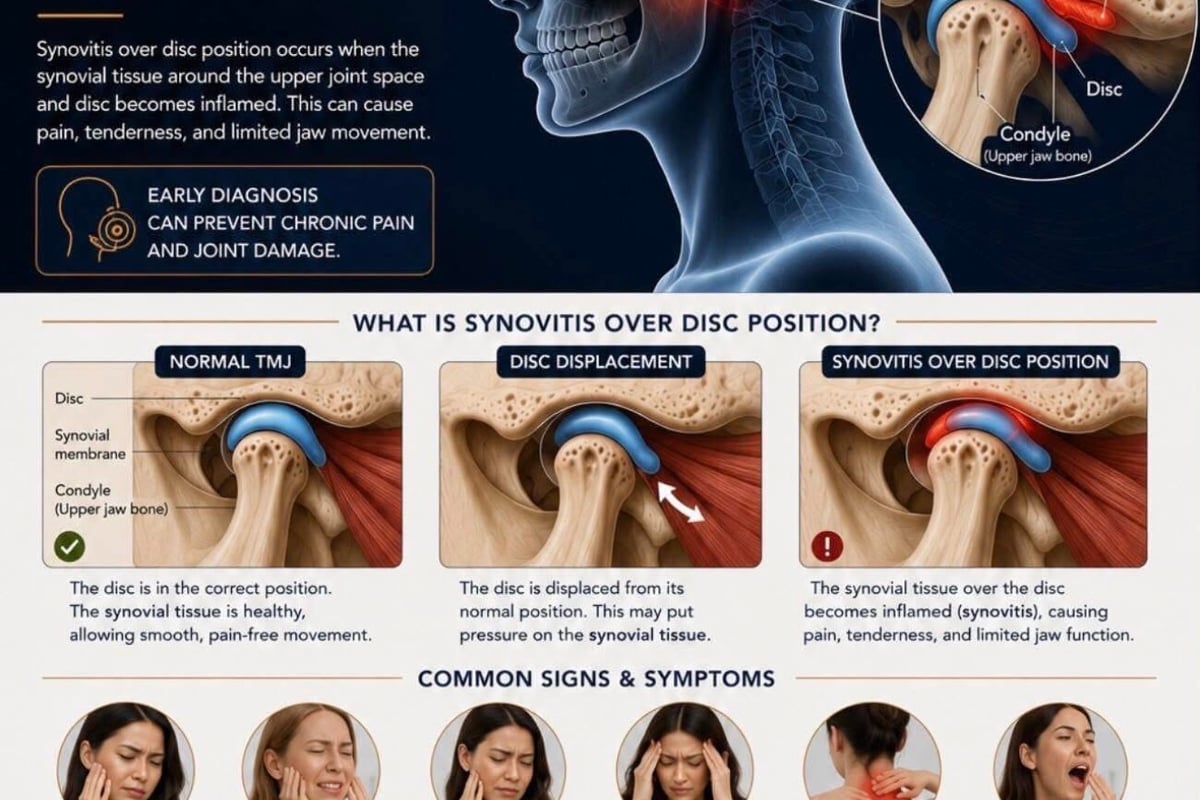
The most common cause of jaw clicking when opening mouth involves displacement of the articular disc. This small, fibrous disc normally sits between the condyle (the rounded end of your lower jaw) and the temporal bone (part of your skull). When the disc shifts forward from its proper position, it can create a clicking sound as the condyle moves over it during mouth opening.
Disc displacement typically occurs in two stages:
- Disc displacement with reduction: The disc shifts forward when your mouth is closed, then "reduces" or pops back into place as you open wider, creating the characteristic click
- Disc displacement without reduction: The disc remains displaced and the jaw may feel locked or limited in opening range
Research published in clinical reviews on temporomandibular disorders indicates that disc displacement affects a significant portion of the population, though not everyone experiences symptoms beyond the clicking sound itself.
Joint Hypermobility and Ligament Laxity
Some individuals have naturally more flexible ligaments throughout their body, including those supporting the temporomandibular joint. This hypermobility can allow excessive movement within the joint space, leading to audible sounds even without significant disc displacement.
| Contributing Factor | How It Affects the Joint | Typical Presentation |
|---|---|---|
| Ligament laxity | Allows excessive translation of condyle | Bilateral clicking, possible joint fatigue |
| Disc displacement | Disrupts normal condyle-disc-fossa relationship | Unilateral or bilateral click, may progress |
| Degenerative changes | Alters joint surfaces and disc structure | Grating sounds (crepitus), stiffness |
Muscle Tension and Coordination Issues
The muscles controlling jaw movement work in precise coordination to guide the joint through its complex path. When muscle tension, fatigue, or coordination problems develop, the jaw may not track smoothly through its normal arc of motion. This altered movement pattern can contribute to joint sounds and discomfort.
Factors that influence muscle function include stress-related clenching, teeth grinding or bruxism, postural habits, and previous jaw injuries.
Understanding TMJ Disorders and Associated Symptoms
Jaw clicking when opening mouth often occurs as part of a broader category of conditions called temporomandibular disorders (TMD). According to the National Institute of Dental and Craniofacial Research, TMD encompasses a range of conditions affecting the jaw joint and surrounding muscles.
When Clicking Occurs Alone
Many people experience painless jaw clicking with no other symptoms. When the clicking is consistent, painless, and not accompanied by limited jaw movement, it may not require immediate intervention. The joint is functioning, albeit with an altered mechanical pattern.
However, monitoring is important because symptoms can evolve over time.
Associated Symptoms That Warrant Attention
Common symptoms that may accompany jaw clicking include:
- Jaw pain or tenderness, especially near the joint or in the muscles of mastication
- Headaches, particularly temporal or behind-the-eye pain
- Difficulty chewing or discomfort when eating
- Jaw fatigue after talking or eating
- Limited mouth opening or occasional jaw locking
- Ear-related symptoms like fullness, ringing, or referred pain
The American Academy of Family Physicians notes that TMD symptoms can significantly impact quality of life when they interfere with eating, speaking, or sleep.
Red Flags and When to Seek Immediate Evaluation
While most jaw clicking represents a mechanical variation that can be managed conservatively, certain warning signs suggest the need for prompt professional assessment.
Seek evaluation if you experience sudden onset of severe pain, complete inability to open or close your mouth, significant facial swelling, or clicking that develops after trauma to the jaw or face. These symptoms may indicate acute joint injury or other conditions requiring specialized care.
Diagnostic Approaches for Jaw Joint Clicking
Proper evaluation of jaw clicking when opening mouth begins with a comprehensive clinical assessment. Understanding what's happening inside the joint helps guide appropriate management decisions.
Clinical Examination
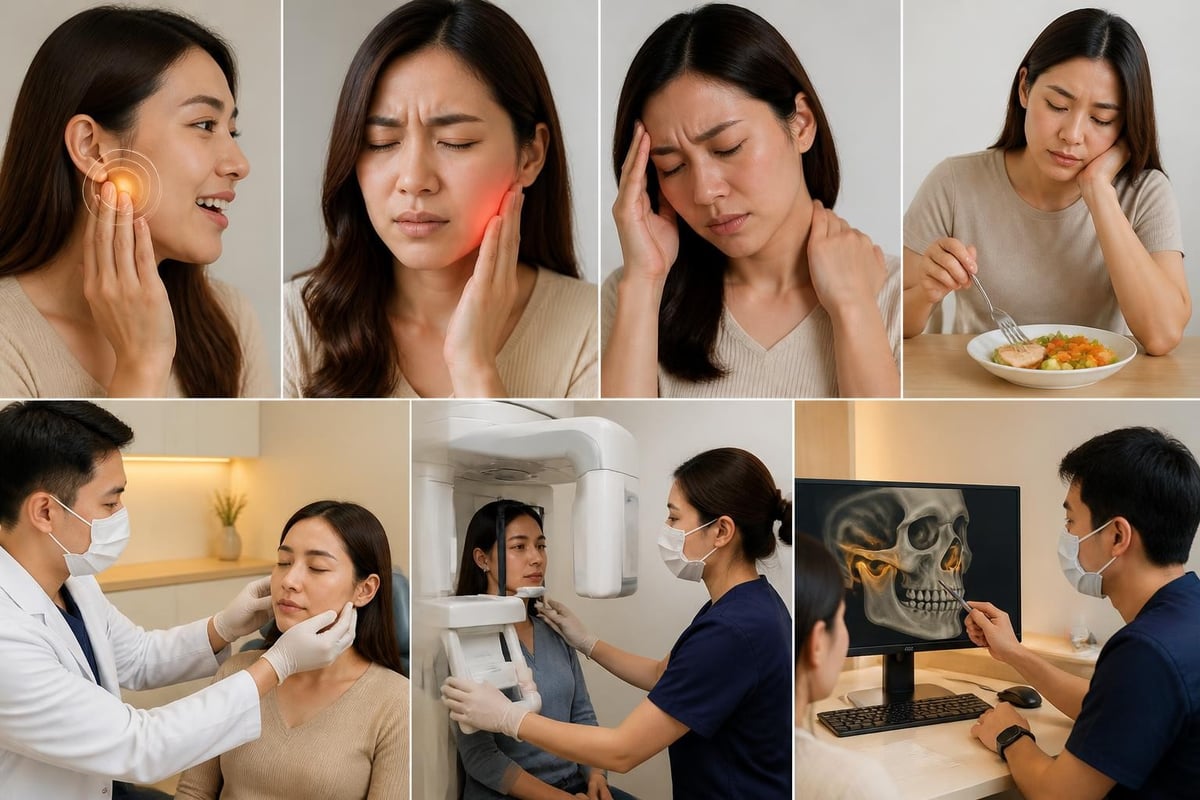
A thorough TMJ evaluation includes observing jaw movement patterns, measuring opening range, palpating the joint and muscles, and listening to joint sounds. Your dentist will assess where the click occurs during the opening cycle, whether it's consistent or variable, and if reciprocal clicking (both opening and closing) is present.
The examination typically evaluates:
- Maximum comfortable mouth opening distance
- Deviation of the jaw during opening or closing
- Tenderness in joint structures and surrounding muscles
- Occlusion (bite relationship) and tooth contact patterns
- Range of lateral and protrusive jaw movements
Imaging When Indicated
Not everyone with jaw clicking requires imaging. Advanced imaging of the temporomandibular joint becomes valuable when symptoms progress, when conservative management hasn't provided adequate relief, or when surgical intervention is being considered.
Different imaging modalities provide different information about joint structures:
| Imaging Type | What It Shows | When It's Recommended |
|---|---|---|
| Panoramic X-ray | Basic bone structure, gross abnormalities | Initial screening, rule out bony pathology |
| MRI | Disc position, soft tissues, joint effusion | Gold standard for disc evaluation, persistent symptoms |
| CBCT/CT | Detailed bony anatomy, degenerative changes | Suspected osseous pathology, surgical planning |
At modern dental practices like CuraSmile PH in BGC, advanced diagnostic technology helps create a complete picture of joint health when imaging is clinically appropriate.
Differential Diagnosis
Jaw clicking can sometimes be confused with or coexist with other conditions. A thorough evaluation considers whether sounds originate from the joint itself or surrounding structures, rules out other causes of facial pain, and identifies contributing factors that may influence treatment planning.
Evidence-Based Management Strategies
Management of jaw clicking when opening mouth focuses on conservative, reversible approaches as the first line of care. The American Dental Association's guidance on TMJ disorders emphasizes starting with the least invasive interventions.
Conservative Self-Care Approaches
Many patients experience improvement with simple modifications to daily habits and home care strategies.
Effective self-care measures include:
- Eating softer foods that require less forceful chewing
- Avoiding extreme jaw movements like wide yawning or singing
- Applying warm compresses to tense jaw muscles
- Practicing gentle jaw stretches and relaxation exercises
- Managing stress through mindfulness or relaxation techniques
- Maintaining good posture, especially during computer work
The NHS guidance on temporomandibular disorders provides patient-friendly recommendations for initial self-management that many find helpful.
Professional TMJ Treatment Options
When self-care alone doesn't provide adequate relief, professional intervention may be appropriate. TMJ and orofacial pain management at specialized practices involves personalized assessment and treatment planning based on the specific nature of your symptoms.
Professional treatment approaches may include custom-fabricated oral appliances to reduce joint loading, physical therapy modalities to improve muscle function and joint mobility, or targeted injections for pain relief when clinically indicated.
CuraSmile PH's comprehensive approach to TMJ disorders combines thorough diagnostic assessment with personalized treatment strategies designed to address the underlying factors contributing to jaw dysfunction and discomfort.
The Role of Occlusal Therapy
The relationship between bite alignment and TMJ symptoms has been studied extensively. A Cochrane systematic review on occlusal treatments for TMD found that evidence supporting bite adjustments or extensive dental work specifically for TMJ clicking is limited.
However, when significant bite discrepancies exist or when tooth wear from grinding has altered the occlusion, addressing these factors may be part of a comprehensive treatment plan. The key is ensuring any occlusal intervention is based on clear clinical indications rather than the presence of clicking alone.
Lifestyle Modifications and Prevention
Understanding the factors that influence jaw function helps you make choices that support long-term joint health.
Stress Management and Muscle Relaxation
Psychological stress often manifests in the jaw through increased muscle tension, clenching, and grinding. These behaviors increase joint loading and can worsen clicking or pain.
Incorporating stress reduction techniques, being mindful of daytime clenching habits, and ensuring adequate sleep can reduce the muscular component of TMJ symptoms. Some patients benefit from cognitive behavioral approaches that address the stress-pain cycle.
Postural Considerations
Forward head posture and prolonged neck flexion (common during computer work or mobile device use) can alter the resting position of the jaw and increase muscle strain. Maintaining neutral spine alignment and taking frequent breaks from static positions supports better jaw function.
Dietary Adjustments
While you don't need to avoid challenging foods forever, temporary dietary modification during symptom flares can reduce joint stress and allow healing. Choose foods that require minimal chewing effort, cut food into smaller pieces, and avoid sticky or very hard items when symptoms are active.

When to Consider Advanced Intervention
The vast majority of patients with jaw clicking when opening mouth respond well to conservative management. However, a small percentage may require more advanced care.
Indications for Specialized Treatment
The American Association of Oral and Maxillofacial Surgeons' position paper on TMJ management outlines when advanced interventions might be considered. These situations typically involve persistent, significant pain despite appropriate conservative care, progressive functional limitation affecting nutrition or quality of life, or documented structural pathology requiring surgical correction.
Advanced interventions are approached stepwise:
- Arthrocentesis (joint irrigation) for persistent closed lock
- Arthroscopy for visualization and treatment of intra-articular pathology
- Open joint surgery for severe structural damage or ankylosis
These procedures are reserved for specific clinical scenarios and are not indicated for clicking alone without other significant symptoms.
The Importance of Realistic Expectations
It's important to understand that treatment goals for TMJ disorders focus on managing symptoms, improving function, and preventing progression rather than necessarily eliminating clicking sounds. Many patients continue to experience some degree of clicking even after successful treatment that has resolved pain and restored comfortable jaw function.
The emphasis is on achieving comfort and normal daily activities rather than pursuing a perfectly silent joint, which may not be realistic or necessary for many patients.
Long-Term Outlook and Joint Health
Most people with jaw clicking when opening mouth have a favorable long-term outlook, especially when they engage in appropriate self-care and seek professional guidance when needed.
Natural Course of TMJ Symptoms
Research indicates that TMJ disorders often follow a variable course, with symptoms waxing and waning over time. Many patients experience spontaneous improvement, particularly with stress reduction and habit modification.
However, a subset of patients may experience progression from clicking alone to more complex symptoms including pain or limited opening. This underscores the importance of monitoring symptoms and seeking evaluation if changes occur.
Maintaining Joint Health Over Time
Long-term joint health benefits from the same principles that guide initial management. Being aware of jaw-stressing habits, managing stress and its physical manifestations, maintaining regular dental care to address bite changes or tooth wear, and seeking prompt evaluation for new or worsening symptoms all support continued comfort and function.
Regular dental visits at practices experienced in TMJ evaluation, such as those offering comprehensive orofacial pain management, help ensure that subtle changes are identified early when they're most responsive to conservative intervention.
Coordinated Care Approaches
Complex TMJ cases may benefit from coordination between dental specialists, physical therapists, and other healthcare providers. A team approach ensures that all contributing factors-structural, muscular, behavioral, and psychological-are addressed in a comprehensive treatment plan.
Special Considerations for Different Age Groups
Jaw clicking when opening mouth can occur at any age, though certain considerations apply to different life stages.
Adolescents and Young Adults
TMJ clicking often first appears during adolescence and early adulthood. Growth-related changes in jaw structure, orthodontic treatment, wisdom teeth eruption, and increased stress during academic years can all contribute to symptom onset.
For younger patients, conservative management and education about protective behaviors are particularly important. Many adolescents experience resolution or significant improvement as growth completes and they develop better stress management skills.
Middle-Aged Adults
This age group may experience TMJ symptoms related to long-standing habits, accumulated stress, or degenerative changes in the joint structures. Clicking that has been present for years may not require intervention unless it becomes painful or limiting.
Addressing concurrent factors like teeth grinding, evaluating bite changes from tooth wear or dental work, and managing systemic factors that affect joint health become more important in this population.
Older Adults
Degenerative changes in the temporomandibular joint become more common with age. Clicking may transition to grating sounds (crepitus) as cartilage and disc structures change. The focus shifts to maintaining comfortable function, managing inflammation, and addressing how TMJ symptoms interact with other age-related health conditions.
Common Questions About Jaw Clicking
Is jaw clicking always a sign of a problem?
Not necessarily. Painless clicking without other symptoms may simply represent a variation in joint mechanics. However, it's worth monitoring and mentioning to your dentist during routine visits to establish a baseline and watch for changes.
Will my jaw clicking get worse over time?
Not in all cases. Some people experience stable, painless clicking for years without progression. Others may develop additional symptoms. Factors like stress management, habits, and overall joint health influence the trajectory.
Can clicking be permanently fixed?
Treatment focuses on managing symptoms and improving function rather than necessarily eliminating clicking. Some patients experience resolution of clicking with conservative care, while others retain some degree of clicking but achieve pain-free function.
Should I avoid opening my mouth wide to prevent clicking?
Moderate caution is reasonable-avoiding extreme jaw positions can reduce joint stress. However, excessive fear of normal jaw movements isn't helpful. Use your jaw normally for eating and speaking while avoiding unnecessary wide opening or extreme positions.
Jaw clicking when opening mouth is a common experience that ranges from a harmless mechanical variation to a symptom requiring professional evaluation and management. Understanding the underlying causes, knowing when to seek care, and implementing appropriate conservative strategies helps most patients maintain comfortable jaw function. If you're experiencing jaw clicking, pain, or functional limitations, the team at CuraSmile PH in Bonifacio Global City provides comprehensive TMJ evaluation and personalized treatment planning using advanced diagnostic technology and evidence-based approaches. We're here to help you achieve optimal oral health and comfortable jaw function through expert, patient-centered care.