How to Prevent Gum Disease: Expert Guide from BGC
Learn evidence-based strategies to prevent gum disease with expert advice from CuraSmile PH in BGC. Practical daily habits for healthier gums.
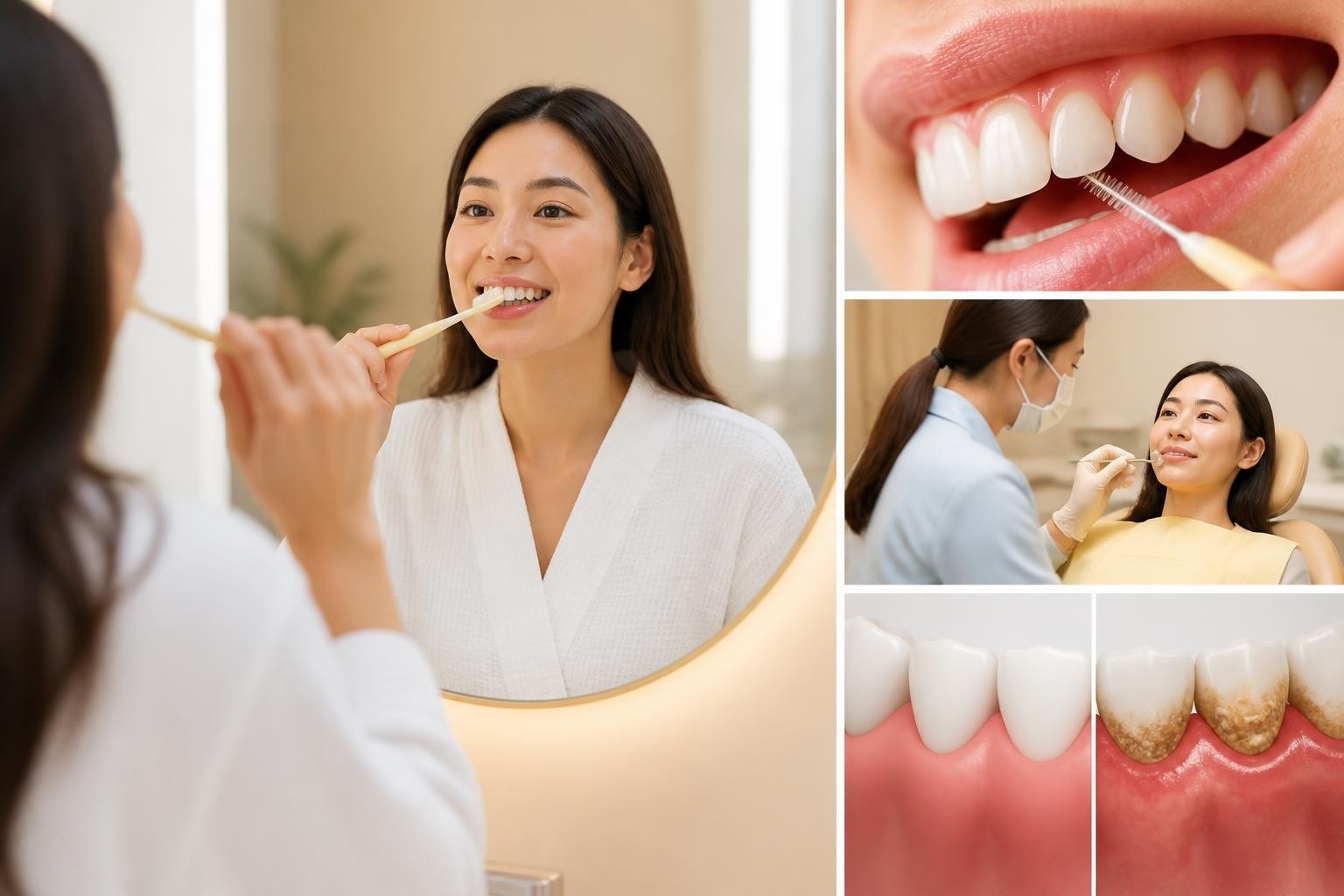
Gum disease affects millions of people worldwide, yet many cases are entirely preventable with the right knowledge and consistent daily habits. Understanding how to prevent gum disease empowers you to protect not only your gums but also your overall oral and systemic health. At CuraSmile PH, we see firsthand how proactive care and evidence-based prevention strategies help our patients in Bonifacio Global City maintain healthy gums for life. This guide explores the clinical foundations of gum disease prevention, practical daily routines, professional care essentials, and the lifestyle factors that influence your periodontal health.
Understanding Gum Disease and Why Prevention Matters
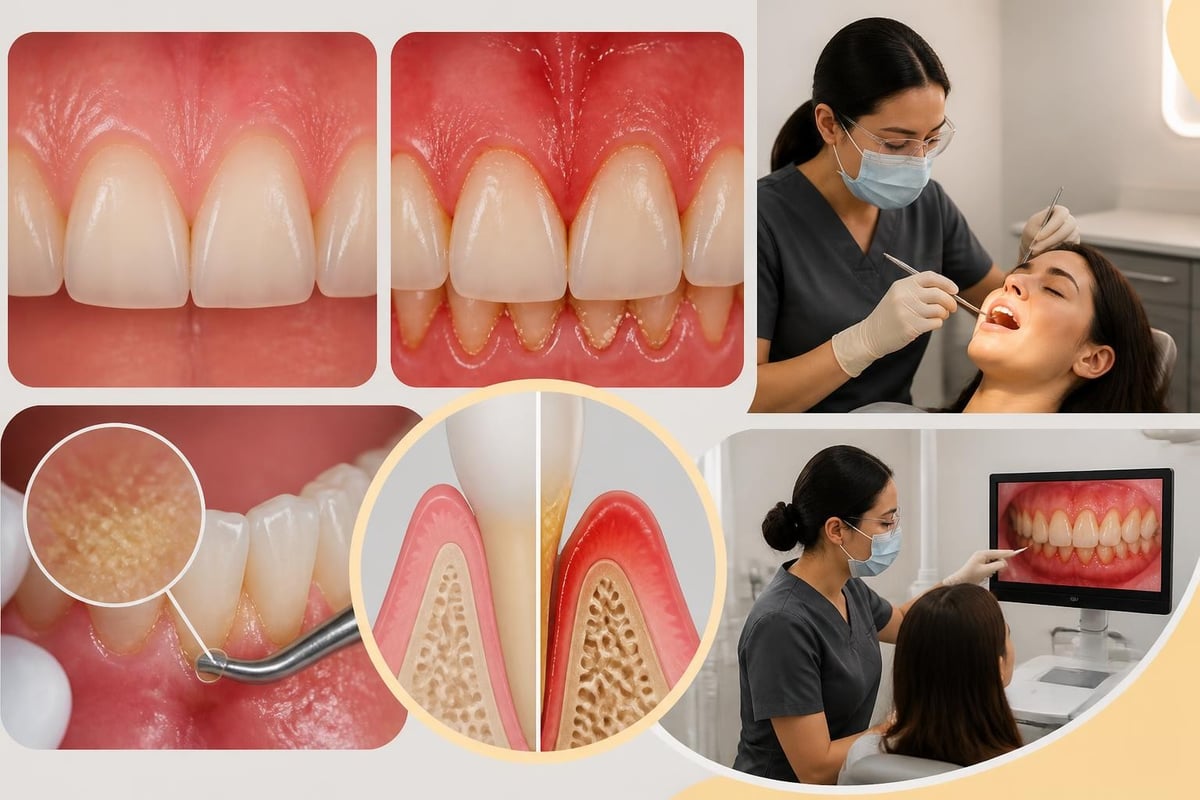
Gum disease, clinically known as periodontal disease, begins as gingivitis-an inflammation of the gum tissue caused primarily by bacterial plaque accumulation along the gumline. When left unaddressed, gingivitis can progress to periodontitis, a more severe condition affecting the supporting structures of your teeth, including bone, ligament, and connective tissue.
The World Health Organization reports that severe periodontal disease affects approximately 19% of the global adult population, representing more than one billion cases worldwide. This prevalence underscores the importance of prevention.
Early signs of gum disease include:
- Bleeding gums during brushing or flossing
- Persistent bad breath or unpleasant taste
- Red, swollen, or tender gum tissue
- Gums that appear to be pulling away from teeth
- Changes in bite alignment or tooth positioning
Many patients dismiss occasional bleeding as normal, but healthy gums should not bleed during routine oral care. If you've noticed bleeding gums when you brush, this warrants professional evaluation rather than simply switching to a softer toothbrush.
The Connection Between Gum Health and Systemic Wellness
Research continues to reveal significant associations between periodontal health and systemic conditions including cardiovascular disease, diabetes, respiratory infections, and adverse pregnancy outcomes. While the precise mechanisms remain under investigation, chronic inflammation from untreated gum disease may contribute to inflammatory processes throughout the body.
Prevention becomes even more critical when viewed through this broader health lens. The same daily habits that protect your gums also support your overall wellness, making periodontal disease prevention an essential component of comprehensive healthcare.
Daily Oral Hygiene: The Foundation of Prevention
Learning how to prevent gum disease starts with mastering your daily oral hygiene routine. Consistency, technique, and appropriate tools matter more than the time you spend.
Proper Brushing Technique and Timing
Effective toothbrushing removes plaque biofilm before it hardens into calculus (tartar) that only professional cleaning can remove. The NHS provides detailed guidance on proper brushing technique that emphasizes gentle, thorough cleaning rather than aggressive scrubbing.
Evidence-based brushing recommendations:
- Brush twice daily for two minutes each session
- Use a soft-bristled toothbrush positioned at a 45-degree angle to the gumline
- Apply gentle pressure using small circular or short back-and-forth motions
- Clean all tooth surfaces: outer, inner, and chewing surfaces
- Brush your tongue to remove bacteria and freshen breath
- Replace your toothbrush every three months or when bristles fray
Electric toothbrushes with oscillating-rotating or sonic technology can be particularly effective for patients who struggle with manual brushing technique. The key is finding a method you'll use consistently with proper form.
Interdental Cleaning: The Missing Piece
Toothbrushes clean only about 60% of tooth surfaces. The spaces between teeth harbor significant plaque accumulation that contributes directly to gum disease development. Research published in Cochrane reviews confirms that interdental cleaning as an adjunct to toothbrushing provides additional benefits for gum health.
| Interdental Tool | Best For | Technique Notes |
|---|---|---|
| Dental floss | Tight contacts, narrow spaces | Use clean section for each tooth, curve around tooth base |
| Interdental brushes | Wider spaces, bridges, implants | Insert gently, move in-and-out without forcing |
| Water flossers | Orthodontic appliances, dexterity limitations | Direct stream along gumline at 90-degree angle |
| Floss picks | Travel, convenience | Less effective than traditional floss but better than skipping |
Choose the interdental method that you'll actually use daily. The American Dental Association emphasizes that the best interdental cleaning device is the one that fits your mouth, meets your needs, and becomes part of your daily routine.

Choosing the Right Oral Care Products
Walk down any oral care aisle and you'll face dozens of toothpaste options, mouthwash formulations, and specialty products. For gum disease prevention, focus on products with evidence-based ingredients.
Fluoride toothpaste remains the gold standard for cavity prevention and also supports gum health by reducing the bacterial load in your mouth. Some patients benefit from toothpastes specifically formulated for gum care, containing ingredients like stannous fluoride or triclosan that provide additional anti-inflammatory or antimicrobial effects.
Antimicrobial mouthrinses containing chlorhexidine or essential oils can reduce plaque and gingivitis when used as directed. However, these should complement-never replace-mechanical cleaning through brushing and interdental care. Recent systematic reviews have evaluated various chlorhexidine formulations and their impact on gingival health, confirming their role as adjunctive therapy.
Professional Dental Care: Your Prevention Partner
Even with excellent home care, professional dental assessment and cleaning play an irreplaceable role in how to prevent gum disease. No matter how thoroughly you clean at home, some areas remain difficult to access, and professional evaluation detects early changes before they become symptomatic.
Regular Dental Examinations and Cleanings
The National Institute of Dental and Craniofacial Research recommends regular professional dental care as a cornerstone of gum disease prevention. During comprehensive examinations, your dental team assesses:
- Gum tissue appearance, color, and contour
- Probing depths around each tooth
- Bleeding response to gentle probing
- Tooth mobility and attachment levels
- Presence of plaque, calculus, and staining
- Bite relationships and occlusal factors
Professional cleanings remove hardened calculus deposits that harbor bacteria and irritate gum tissue. For most patients, cleanings every six months maintain gum health effectively. Patients with history of gum disease, increased risk factors, or rapid calculus formation may benefit from more frequent professional care.
At CuraSmile PH, we tailor cleaning intervals to each patient's individual needs, periodontal status, and risk profile rather than applying a one-size-fits-all schedule.
Personalized Risk Assessment
Understanding your personal risk factors for gum disease allows for targeted prevention strategies. Your dental team should evaluate:
Modifiable risk factors:
- Tobacco use (smoking or smokeless)
- Diabetes control and blood glucose levels
- Nutritional status and dietary habits
- Stress levels and coping mechanisms
- Oral hygiene effectiveness
Non-modifiable risk factors:
- Genetic predisposition to periodontal disease
- Age and hormonal changes
- Systemic conditions affecting immune response
- Medications causing dry mouth or gum overgrowth
This personalized assessment informs your prevention plan, ensuring interventions address your specific vulnerabilities rather than following generic recommendations.
Lifestyle Factors That Influence Gum Health
How to prevent gum disease extends beyond oral hygiene to encompass lifestyle choices that either support or undermine periodontal health.
Tobacco Cessation: The Single Most Important Step
Tobacco use represents the most significant modifiable risk factor for gum disease. Smokers are two to three times more likely to develop periodontitis than non-smokers, and smoking reduces treatment success rates while accelerating disease progression.
Tobacco affects gum health through multiple mechanisms:
- Reduces blood flow to gum tissue, impairing healing
- Suppresses immune function, allowing bacterial overgrowth
- Masks bleeding as a warning sign, delaying diagnosis
- Increases inflammatory mediators that destroy supporting bone
The American Academy of Periodontology provides resources specifically addressing tobacco's impact on periodontal health. Quitting smoking at any point improves gum health outcomes and reduces disease risk.
Nutrition and Dietary Considerations
While poor nutrition alone doesn't cause gum disease, dietary factors influence your periodontal disease risk and your body's ability to maintain healthy gum tissue.
Key nutritional considerations:
- Vitamin C supports collagen synthesis and immune function; deficiency causes bleeding, swollen gums
- Calcium and vitamin D maintain bone density, including the alveolar bone supporting your teeth
- Antioxidants (vitamins A, E, and plant compounds) help manage inflammation and oxidative stress
- Omega-3 fatty acids may provide anti-inflammatory benefits for periodontal tissues
Frequent consumption of sugary foods and beverages feeds the bacteria that cause gum inflammation. A balanced diet rich in vegetables, fruits, lean proteins, and whole grains supports both oral and systemic health.
Stress Management and Sleep Quality
Chronic stress elevates cortisol and other stress hormones that can suppress immune function and increase inflammatory responses throughout your body, including your gums. Additionally, stress often correlates with teeth grinding (bruxism), neglected oral hygiene, poor dietary choices, and tobacco or alcohol use-all factors that compound gum disease risk.
Quality sleep supports immune function and healing. Poor sleep patterns have been associated with increased periodontal inflammation in several studies. If you experience jaw clicking, jaw pain, or teeth grinding, addressing these issues not only improves your comfort but may also reduce stress-related inflammation affecting your gums.

Special Considerations for High-Risk Groups
Certain populations face elevated gum disease risk and require tailored prevention approaches.
Diabetes and Gum Disease: A Two-Way Relationship
Diabetes and periodontal disease share a bidirectional relationship-each condition influences the other. Poorly controlled blood glucose increases infection risk and impairs healing, making gum disease more likely and more severe. Conversely, the chronic inflammation from gum disease can worsen glycemic control.
Prevention strategies for patients with diabetes:
- Maintain optimal blood glucose control through medication, diet, and monitoring
- Increase professional dental visit frequency to every 3-4 months
- Report any gum changes to both your dentist and physician
- Address infections promptly, as they can affect blood sugar levels
- Coordinate care between your dental team and diabetes healthcare providers
The relationship between these conditions makes prevention doubly important-protecting your gums helps protect your overall diabetes management.
Pregnancy and Hormonal Changes
Hormonal fluctuations during pregnancy increase gum tissue sensitivity to plaque, often resulting in "pregnancy gingivitis" characterized by swollen, bleeding gums. While hormones create increased susceptibility, bacterial plaque remains the causative factor.
Pregnancy-specific prevention recommendations:
- Maintain meticulous oral hygiene throughout pregnancy
- Schedule dental cleanings during second trimester when comfortable
- Address existing gum disease before conceiving when possible
- Inform your dental team about pregnancy status and trimester
- Manage morning sickness effects on oral health (rinse with water or fluoride rinse after vomiting)
Gum health during pregnancy matters not only for maternal comfort but also for pregnancy outcomes, as severe periodontal disease has been associated with preterm birth and low birth weight in some studies.
Orthodontic Patients
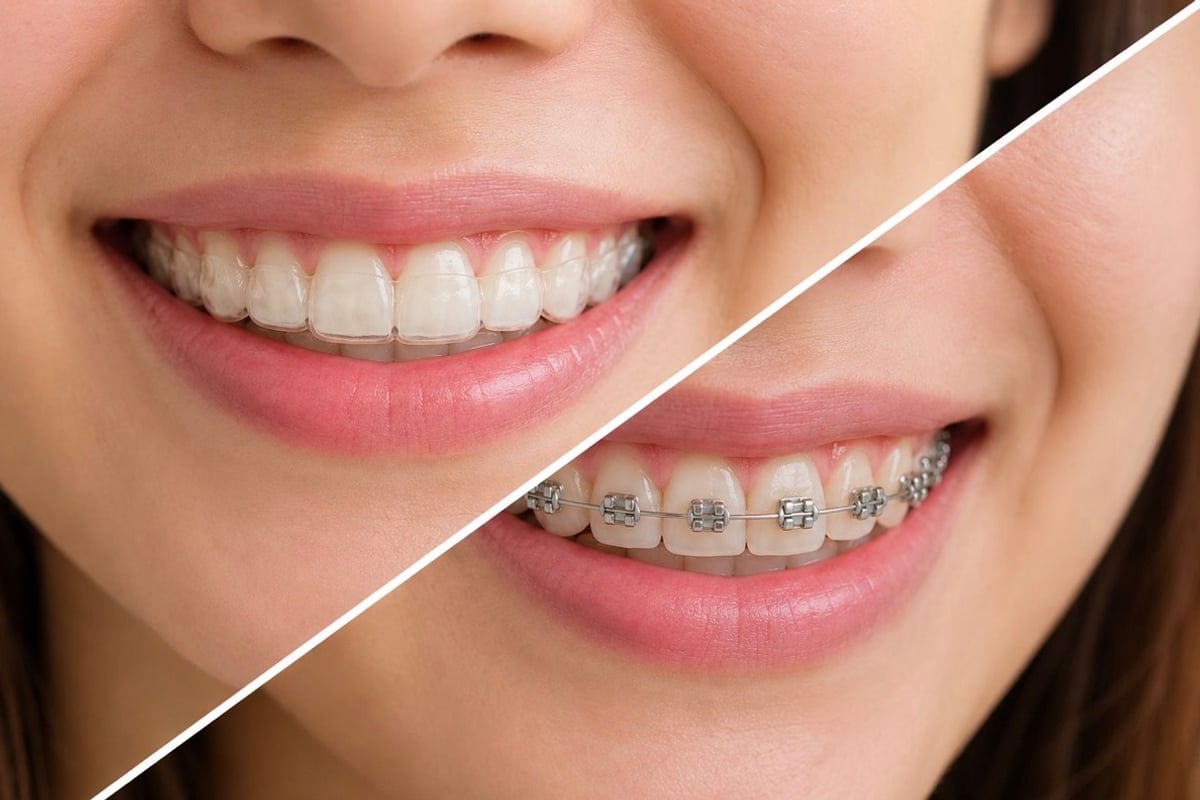
Braces, aligners, and other orthodontic appliances make oral hygiene more challenging while simultaneously increasing the areas where plaque can accumulate. Orthodontic patients must be especially diligent about prevention.
Whether you're wearing clear aligners or traditional braces, your orthodontist should provide specific hygiene instructions tailored to your appliance. Interdental brushes, floss threaders, and water flossers become particularly valuable tools during orthodontic treatment.
CuraSmile PH integrates periodontal health assessment into every orthodontic evaluation, ensuring gum health remains a priority throughout tooth alignment treatment.
When to Seek Professional Help
Understanding how to prevent gum disease includes recognizing when home care isn't sufficient and professional intervention becomes necessary. Certain signs warrant prompt dental evaluation:
Seek professional assessment if you experience:
- Persistent bad breath despite good oral hygiene
- Gums that bleed regularly during brushing or flossing
- Gum tissue that appears bright red, swollen, or shiny
- Recession exposing tooth roots or creating sensitivity
- Pus or discharge from gum pockets
- Loose teeth or changes in bite alignment
- Pain when chewing or persistent gum discomfort
Early intervention dramatically improves treatment outcomes and prevents progression to advanced periodontal disease. What starts as simple gingivitis requiring improved home care can progress to periodontitis requiring more complex interventions if ignored.
The gum disease treatment approach at CuraSmile PH emphasizes early detection, conservative management when appropriate, and evidence-based interventions tailored to each patient's periodontal condition.
Advanced Prevention Technologies
Modern dental technology enhances our ability to detect early gum changes and customize prevention strategies.
Contemporary prevention tools include:
- Digital periodontal charting that tracks gum measurements over time, detecting subtle changes before they become clinically significant
- Intraoral cameras allowing patients to see their own gum tissue and understand areas needing attention
- Antimicrobial photodynamic therapy that uses light-activated compounds to reduce bacterial load in periodontal pockets
- Laser-assisted therapy for managing gum inflammation with precision and reduced discomfort
At CuraSmile PH, we integrate advanced diagnostic and therapeutic technologies into preventive care protocols, allowing earlier intervention and more comfortable treatment when needed.
Creating Your Personalized Prevention Plan
Effective gum disease prevention isn't about following a rigid universal protocol-it's about developing a sustainable routine that addresses your individual risk factors, lifestyle, and oral health status.
Building Your Daily Routine
Start by honestly assessing your current habits and identifying realistic improvements:
- Morning routine: Brush after breakfast, clean between teeth
- Evening routine: Interdental cleaning before brushing, thorough brushing before bed
- After meals: Rinse with water, chew sugar-free gum if you can't brush
- Weekly check: Examine your gums in a mirror for changes in color, contour, or bleeding
Consistency matters more than perfection. Missing one day doesn't undo your progress, but chronic inconsistency allows disease to develop.
Monitoring Your Progress
Keep track of improvements in gum health as motivation for maintaining your routine:
- Reduced bleeding during interdental cleaning
- Fresher breath throughout the day
- Gums that appear firmer and lighter pink
- Positive feedback during dental examinations
- Decreased dental calculus formation between cleanings
These markers indicate your prevention efforts are working and your periodontal health is stable or improving.
The Role of Professional Support
Even with excellent home care, professional dental assessment remains essential to comprehensive prevention. Your dental team brings clinical expertise, diagnostic tools, and treatment capabilities that complement your daily efforts.
Consider professional care as a partnership-you maintain daily prevention while your dental team provides periodic assessment, professional cleaning, early problem detection, and intervention when needed. This collaborative approach represents the most effective strategy for long-term gum health.
The preventive care philosophy we practice in BGC prioritizes patient education, personalized prevention planning, and early intervention to help our patients maintain optimal gum health throughout their lives.
Learning how to prevent gum disease and implementing evidence-based strategies protects not only your gums but your overall health and quality of life. At CuraSmile PH, we combine advanced diagnostic technology, personalized prevention planning, and patient-centered care to help you achieve and maintain optimal periodontal health. Whether you're looking to prevent gum disease, address early warning signs, or improve your overall oral wellness, our team in Bonifacio Global City provides the expertise and support you need for a lifetime of healthy gums and confident smiles.