Teeth Makeovers: Your Complete Guide to Smile Transformation
Discover how teeth makeovers combine advanced dental treatments to transform your smile. Learn about procedures, planning & what to expect in BGC.
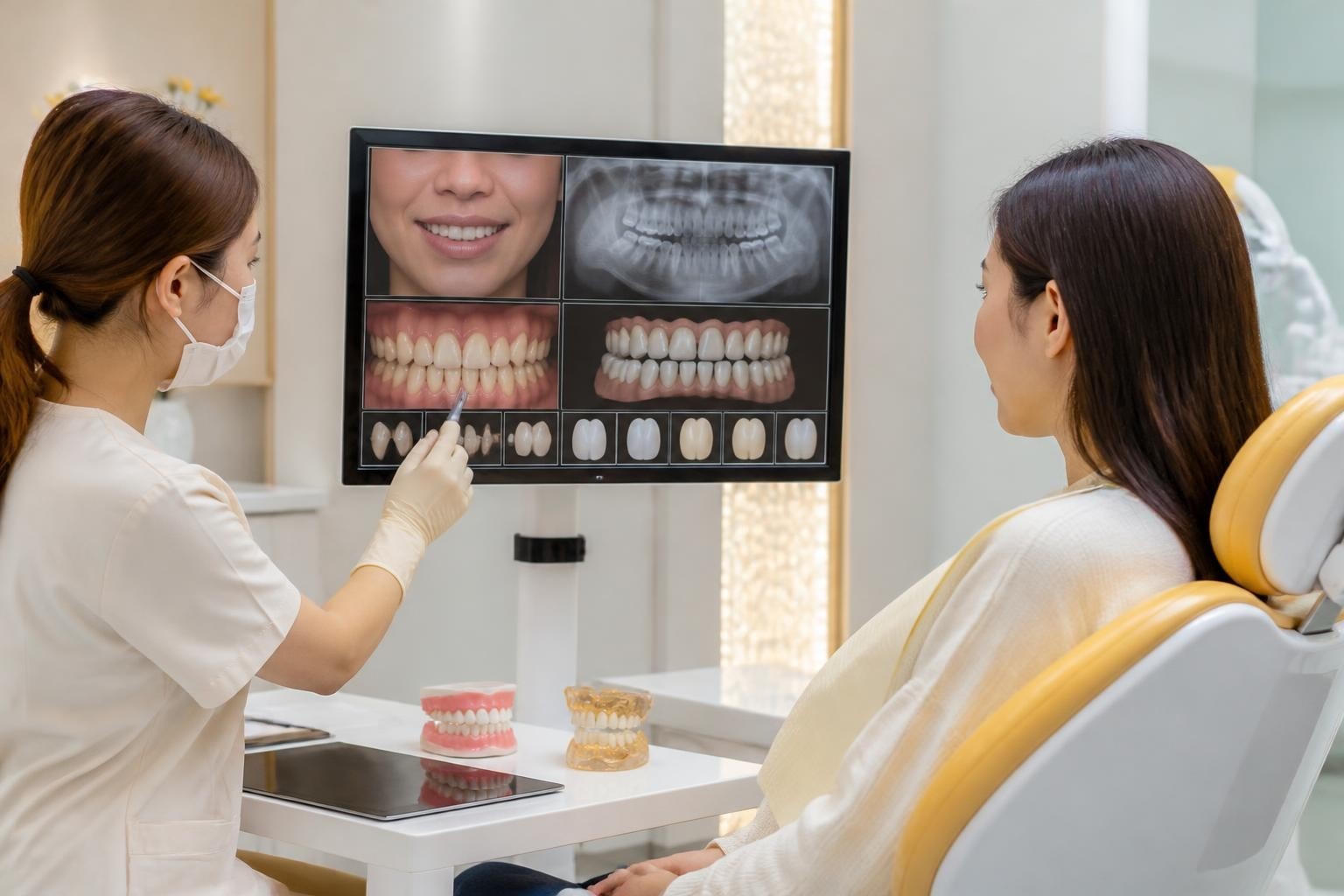
A smile transformation can change how you feel about yourself, how you interact with others, and even how you approach professional opportunities. Teeth makeovers represent a comprehensive, personalized approach to addressing multiple dental concerns simultaneously, whether aesthetic, functional, or both. Rather than treating individual issues in isolation, a coordinated makeover plan considers your entire smile, facial aesthetics, bite function, and long-term oral health goals. This integrated approach has become increasingly sophisticated with advances in digital planning, materials science, and minimally invasive techniques.
Understanding Modern Teeth Makeovers
Teeth makeovers combine multiple dental treatments into a unified plan designed to address your specific concerns and goals. Unlike single-procedure cosmetic treatments, a comprehensive makeover considers how different elements work together to create harmonious results.
What Defines a Comprehensive Makeover
A teeth makeover typically addresses several dimensions of your smile simultaneously:
- Aesthetic concerns: tooth color, shape, size, proportion, and alignment
- Functional issues: bite problems, missing teeth, worn enamel, or jaw discomfort
- Oral health foundations: gum health, bone support, and cavity-free teeth
- Long-term stability: sustainable results that maintain both function and appearance
The distinction between isolated cosmetic procedures and true makeovers lies in comprehensive planning. According to American Academy of Cosmetic Dentistry surveys, dentists increasingly coordinate multiple treatments within integrated care plans rather than performing procedures sequentially without overall vision.
Who Benefits from Smile Transformation
Patients considering teeth makeovers often present with combinations of concerns:
Common motivations include:
- Multiple aesthetic issues (discoloration, chips, gaps, irregular sizing)
- Significant tooth wear from grinding or acid erosion
- Previous dental work requiring updates or replacement
- Missing teeth affecting appearance and function
- Orthodontic relapse or never-addressed alignment issues
- Life transitions prompting investment in personal appearance
Research published in the British Dental Journal demonstrates measurable improvements in oral-health-related quality of life following comprehensive restorative and aesthetic interventions, particularly in cases of significant tooth wear or multiple dental concerns.
Treatment Components in Modern Makeovers
Teeth makeovers draw from a range of dental specialties and procedures. Understanding the available options helps you have more productive conversations with your dental team about what makes sense for your situation.
Aesthetic Restorative Procedures
| Treatment | Primary Purpose | Typical Applications |
|---|---|---|
| Porcelain Veneers | Shape, color, minor alignment | Front teeth transformations, smile symmetry |
| Dental Crowns | Strength, protection, aesthetics | Heavily restored or worn teeth |
| Composite Bonding | Minor corrections, budget-conscious | Small chips, gaps, shape refinements |
| Tooth Whitening | Color enhancement | Foundation for other treatments |
Porcelain veneers and crowns serve different clinical purposes. Veneers typically address primarily aesthetic concerns on structurally sound teeth, while crowns provide comprehensive protection for teeth with significant damage, large fillings, or structural compromise.
Orthodontic Alignment Solutions
Tooth positioning fundamentally affects both aesthetics and function. Modern teeth makeovers frequently incorporate orthodontic treatment before restorative procedures to establish optimal tooth positions. This sequencing prevents unnecessary tooth reduction and creates more predictable, stable outcomes.
Clear aligner therapy has expanded treatment possibilities for adult patients who might have declined traditional braces. The ability to straighten teeth discreetly makes comprehensive smile transformation more accessible across age groups and professional contexts. When considering cosmetic treatment options, understanding the role of alignment helps clarify which procedures address root causes versus symptoms.
Tooth Replacement Options
Missing teeth require replacement for both function and aesthetics:
- Dental implants: permanent, bone-preserving solution mimicking natural tooth roots
- Fixed bridges: tooth-supported restorations spanning edentulous spaces
- Implant-supported restorations: combining implant stability with multi-tooth replacements
Evidence from systematic reviews on implant outcomes supports excellent long-term survival rates when implants are properly planned and placed, making them a cornerstone of comprehensive smile rehabilitation for patients with missing teeth.
Supporting Periodontal Procedures
Healthy gums form the foundation for successful aesthetic outcomes. Teeth makeovers sometimes require preliminary or adjunctive periodontal treatments:
- Gum disease treatment: resolving inflammation before restorative work
- Crown lengthening: improving tooth proportions and smile symmetry
- Soft tissue grafting: addressing recession, creating consistent gum contours
The American Academy of Periodontology provides detailed patient information on periodontal surgical procedures that contribute to comprehensive smile transformations, particularly crown lengthening and grafting techniques.
The Digital Planning Revolution
Modern teeth makeovers benefit enormously from digital technologies that improve predictability, communication, and precision throughout treatment.
Digital Smile Design Benefits
Digital Smile Design (DSD) protocols use photographs, videos, and digital modeling to plan aesthetic outcomes before beginning irreversible procedures. This technology-driven approach offers several advantages:
Planning precision: visualizing final results in context of facial features and expressions
Enhanced communication: showing rather than describing intended outcomes
Try-before-you-commit: evaluating aesthetic choices through temporary restorations based on digital plans
Team coordination: ensuring laboratory technicians, specialists, and treating dentists share unified vision
A narrative review on integrating DSD into restorative dentistry highlights clinical workflow benefits while acknowledging that technology supplements rather than replaces clinical judgment and artistic skill.
AI-Enhanced Treatment Planning
Artificial intelligence tools are increasingly supporting treatment planning for teeth makeovers. Recent systematic review evidence suggests AI-based digital smile design can enhance both patient and clinician satisfaction while improving esthetic outcome predictability.
These tools analyze facial proportions, smile dynamics, and dental relationships to suggest treatment approaches aligned with established aesthetic principles. However, they work best as decision-support systems rather than autonomous planning tools.
Digital Workflow Integration
Beyond smile design, digital technologies streamline treatment execution:
- Intraoral scanning replacing traditional impressions
- CAD/CAM design and fabrication of restorations
- 3D-printed surgical guides for implant placement
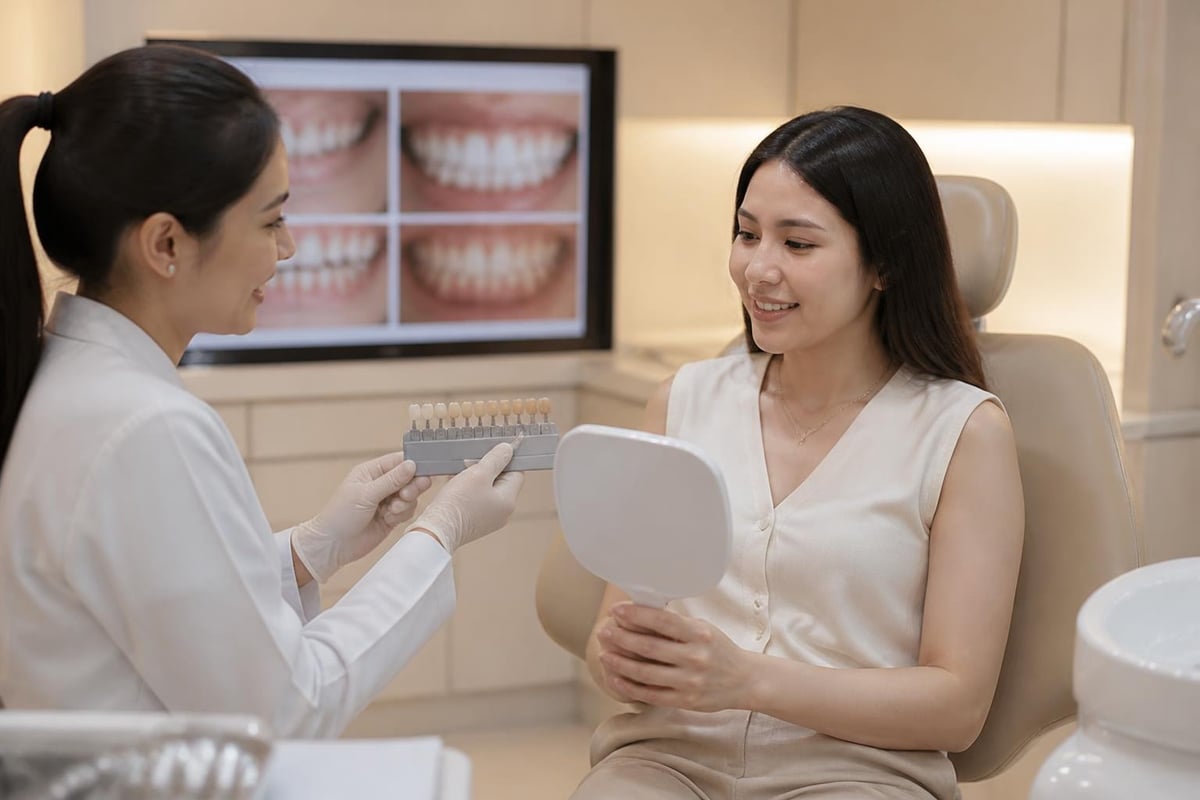
- Digital shade matching for color accuracy
This integration reduces appointment time, improves comfort, and enhances precision across the treatment sequence. Patients in BGC seeking advanced dental care benefit from clinics that invest in comprehensive digital workflow capabilities.
Treatment Sequencing and Coordination
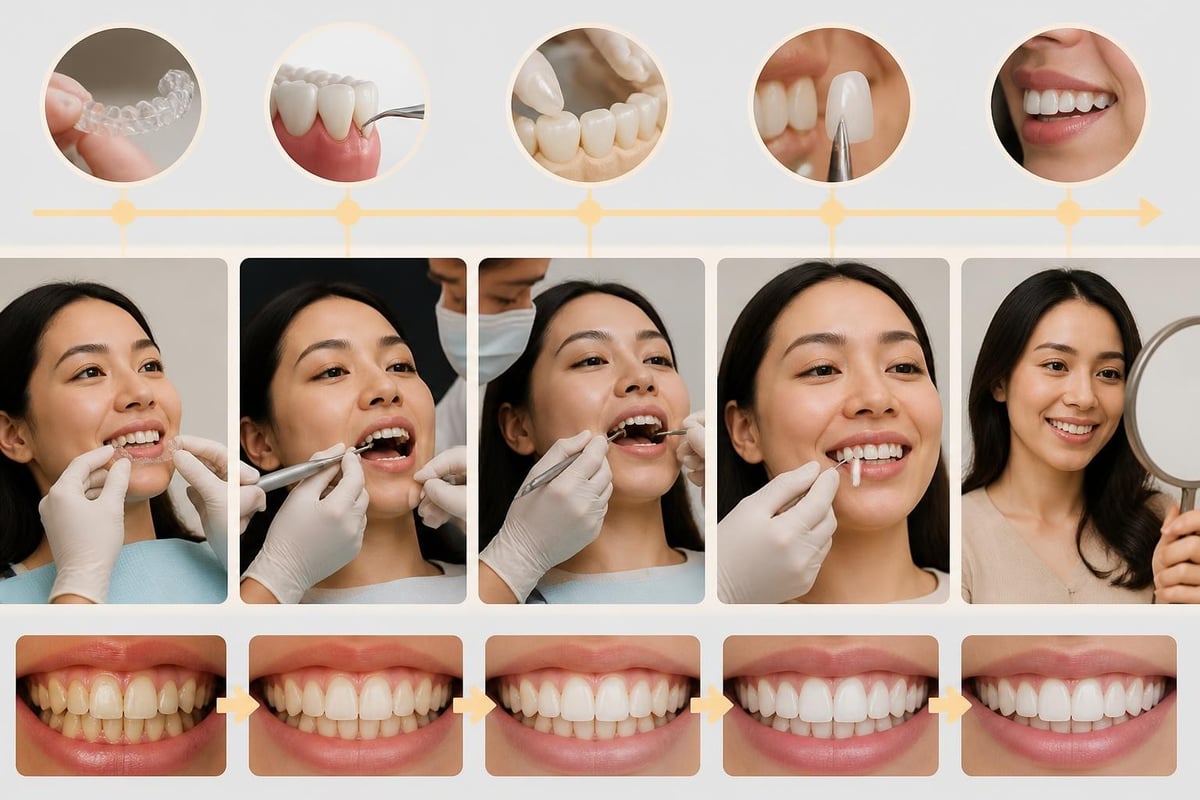
The order in which procedures are performed significantly impacts final outcomes. Proper sequencing prevents unnecessary retreatment and protects long-term results.
Foundational Phase
Addressing oral health and structural issues first:
- Treating active decay and gum disease
- Extracting non-restorable teeth
- Completing endodontic therapy where needed
- Establishing stable periodontal health
Attempting aesthetic procedures over compromised foundations invites failure. This phase may feel less exciting than visible smile improvements, but it's essential for sustainable outcomes.
Alignment and Positioning Phase
Orthodontic treatment, when indicated, typically precedes permanent restorative work. Moving teeth into ideal positions before placing veneers or crowns prevents:
- Excessive tooth reduction to mask alignment issues
- Compromised emergence profiles and gum aesthetics
- Difficulty achieving natural-looking proportions
- Early restoration failure from unfavorable forces
Understanding orthodontic treatment timelines helps you plan the overall makeover schedule realistically.
Restorative and Aesthetic Phase
With healthy, well-positioned teeth as the foundation, the visible transformation begins:
Typical sequencing within this phase:
- Whitening treatment (establishing target shade before matching restorations)
- Periodontal aesthetic procedures if needed (crown lengthening, grafting)
- Posterior restorations (crowns on back teeth establishing proper bite)
- Anterior restorations (veneers and crowns on visible front teeth)
- Final shade refinement and contouring
This progression moves from general to specific, establishing the functional framework before finalizing aesthetic details. When procedures involve both veneers and crowns, careful coordination ensures color and contour harmony across all visible teeth.
Setting Realistic Expectations
Understanding what teeth makeovers can and cannot achieve helps you approach treatment with appropriate expectations and make informed decisions.
Achievable Outcomes
| Aspect | What's Possible | Important Considerations |
|---|---|---|
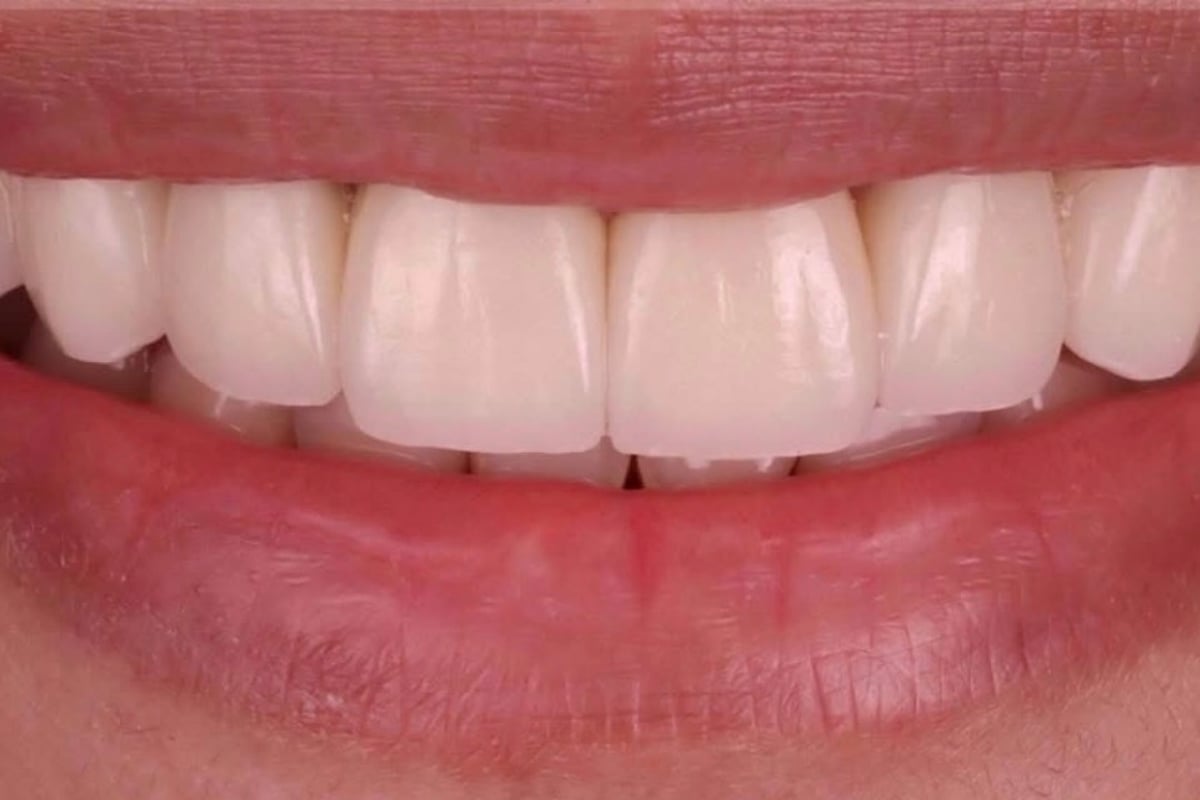
| Color | Significant brightening, stain removal | Natural teeth have inherent translucency; ultra-white can look artificial |
| Shape | Reshaping, lengthening, proportion correction | Facial features and lip support influence ideal tooth shapes |
| Alignment | Straightening, gap closure, symmetry | Bite function and jaw relationships may limit pure aesthetics |
| Missing Teeth | Replacement with natural appearance | Bone and tissue support affect implant options |
Timeline Realities
Comprehensive teeth makeovers take time. While social media sometimes portrays instant transformations, quality outcomes require proper sequencing:
Realistic timeframes by complexity:
- Minor makeovers (whitening plus bonding or limited veneers): 2-4 weeks
- Moderate complexity (orthodontics plus restorative work): 6-18 months
- Comprehensive cases (implants, extensive reconstruction): 12-24+ months
Healing periods between surgical phases, orthodontic movement, and laboratory fabrication cannot be rushed without compromising results. Patients seeking smile makeover services should discuss realistic timelines during initial consultations.
Maintenance Commitments
Teeth makeovers require ongoing care to maintain results:
- Professional cleanings every 4-6 months
- Nightguards if you grind or clench
- Touch-up whitening as natural teeth age
- Possible restoration replacement over decades
Unlike cosmetic procedures in other fields, dental work interacts with living tissues that change over time. Understanding maintenance requirements prevents disappointment when periodic care becomes necessary.
Safety Considerations and Informed Decisions
The popularity of teeth makeovers has unfortunately spawned concerning trends in direct-to-consumer services and treatment shortcuts that prioritize speed and cost over safety and clinical appropriateness.
Professional Oversight Importance
Comprehensive dental assessment before treatment planning protects your health and investment. Key evaluation components include:
- Thorough medical and dental history review
- Clinical examination and diagnostic imaging
- Bite analysis and functional assessment
- Discussion of realistic goals and alternatives
The ADA's position on direct-to-consumer dental services emphasizes risks of bypassing professional diagnosis, including missed oral disease, inappropriate treatment, and complications from unsupervised care.
Material Quality Matters
Not all dental materials perform equally. High-quality porcelain, properly processed and bonded, can last decades with appropriate care. Inferior materials may look acceptable initially but fail prematurely, requiring costly replacement.
Questions worth asking about materials:
- What type of porcelain or ceramic will be used?
- Which dental laboratory will fabricate the restorations?
- What research supports the longevity of proposed materials?
- What warranty or guarantee accompanies the work?
Treatment Reversibility
Some aesthetic procedures are permanent and irreversible. Once tooth structure is removed for veneers or crowns, those teeth will always require coverage. Discussing less invasive alternatives first demonstrates appropriate clinical judgment.
Reversibility spectrum:
- Fully reversible: professional whitening, removable aligners (before treatment completion)
- Partially reversible: composite bonding (can be removed but may affect enamel)
- Irreversible: veneers requiring preparation, crowns, tooth extraction
Understanding where proposed treatments fall on this spectrum helps you make decisions aligned with your comfort level and long-term preferences. Reading about cosmetic treatment considerations from multiple sources supports informed decision-making.
Cost Considerations and Investment Planning
Teeth makeovers represent significant financial investment. Understanding cost factors and value considerations helps you plan appropriately and avoid regrettable compromises.
Investment Range Factors
Multiple variables influence total investment:
Number and type of procedures: more extensive treatment naturally costs more
Material selection: premium ceramics and laboratory work increase costs but improve aesthetics and longevity
Clinical expertise: experienced cosmetic dentists command appropriate fees for specialized skill
Geographic location: BGC clinic overhead differs from provincial settings
Technology integration: digital workflows add equipment costs but improve precision and efficiency
Rather than seeking the lowest price, focus on value: the relationship between cost, quality, expected longevity, and outcome predictability.
Phased Treatment Options
Not all teeth makeover components must be completed simultaneously. Thoughtful phasing can make comprehensive treatment more financially manageable:
- Address urgent health and functional issues first
- Complete orthodontic treatment if needed
- Perform visible anterior aesthetics
- Update posterior restorations over time
Discussing phased approaches during planning allows you to begin treatment without delaying indefinitely while saving for the complete plan.
Long-Term Value Perspective
Quality dental work often lasts 15-25+ years with proper care. Amortized over that lifespan, the daily cost becomes modest relative to the continuous benefit of improved function, aesthetics, and confidence.
Conversely, bargain treatments requiring replacement within 3-5 years ultimately cost more through repeated procedures, additional tooth structure loss, and cumulative time investment. The ADA's guidance on whitening safety and efficacy illustrates how professional treatments deliver superior value despite higher upfront costs compared to over-the-counter alternatives.
Choosing the Right Dental Team
The dentist and specialists you choose fundamentally influence your experience and outcomes. Several factors merit consideration when selecting your clinical team.
Credentials and Experience
Important qualifications include:
- Appropriate dental degree and licensure
- Continuing education in cosmetic and restorative dentistry
- Membership in professional organizations (though membership alone doesn't guarantee skill)
- Years of experience performing procedures similar to your needs
- Before-and-after case examples demonstrating aesthetic judgment
Be cautious of credentials that sound impressive but lack substance. Focus on verifiable training, demonstrated experience, and actual patient outcomes.
Technology and Technique
Modern teeth makeovers benefit from contemporary technology. During consultations, observe:
- Digital imaging and smile design capabilities
- Intraoral scanning versus traditional impressions
- Laboratory partnerships and material options
- Minimally invasive technique emphasis
Technology alone doesn't ensure quality, but it enables precision and predictability difficult to achieve through analog methods.
Communication and Collaboration
Your dental team should listen carefully, explain clearly, and collaborate with you throughout planning and treatment. Warning signs include:
- Pressure to proceed immediately without adequate time for decision-making
- Dismissal of your concerns or questions
- Unwillingness to discuss alternatives or conservative options
- Vague answers about materials, procedures, or costs
The best outcomes emerge from partnerships where clinical expertise meets patient values and preferences. Exploring comprehensive dental care options in BGC allows you to compare communication styles and clinical approaches across practices.
Specialist Coordination
Complex cases may require multiple specialists: periodontist, orthodontist, oral surgeon, and restorative dentist. The coordinating dentist should facilitate seamless communication and ensure all team members work toward the unified treatment plan.
Ask how the practice coordinates specialist care:
- Are specialists in-house or external referrals?
- How is information shared among team members?
- Who oversees the overall treatment timeline and sequencing?
- What happens if complications arise during treatment?
Beyond Aesthetics: Functional Benefits
While appearance motivates many patients considering teeth makeovers, functional improvements often provide equally significant quality-of-life enhancements.
Bite Correction and Comfort
Comprehensive treatment provides opportunities to address bite problems that cause:
- Excessive tooth wear
- Jaw muscle fatigue or pain
- Difficulty chewing certain foods
- TMJ discomfort
Strategic crown placement, orthodontics, and occlusal adjustment within makeover plans can relieve these symptoms while improving appearance. For patients experiencing jaw clicking or discomfort, comprehensive evaluation before cosmetic treatment ensures functional issues receive appropriate attention.
Improved Oral Health
Replacing defective old restorations, correcting crowding that traps food and plaque, and establishing cleanable contours all support better long-term oral health. A well-executed makeover should make daily hygiene easier, not harder.
Speech and Confidence
Tooth position and size affect speech clarity. Missing front teeth or significant gaps can create whistling sounds or lisping. Replacing missing teeth and optimizing anterior tooth positions often improves articulation.
Beyond mechanics, the psychological impact of smile confidence influences social and professional interactions measurably. Feeling comfortable smiling, speaking, and laughing without self-consciousness represents tremendous value that's difficult to quantify but profoundly real.
Teeth makeovers combine clinical expertise, advanced technology, and personalized planning to address both aesthetic concerns and functional needs comprehensively. Success depends on thorough assessment, realistic expectations, proper treatment sequencing, and ongoing maintenance commitment. CuraSmile PH offers evidence-based smile transformation services in BGC, integrating digital planning, advanced restorative techniques, and coordinated specialty care to help patients achieve healthier, more confident smiles. Schedule a consultation to discuss your specific goals and explore personalized treatment options.