What Orthodontics Do: Complete Guide to Treatment Options
Discover what orthodontics do beyond straightening teeth. Learn about bite correction, jaw alignment, treatment options & outcomes in BGC, Taguig.
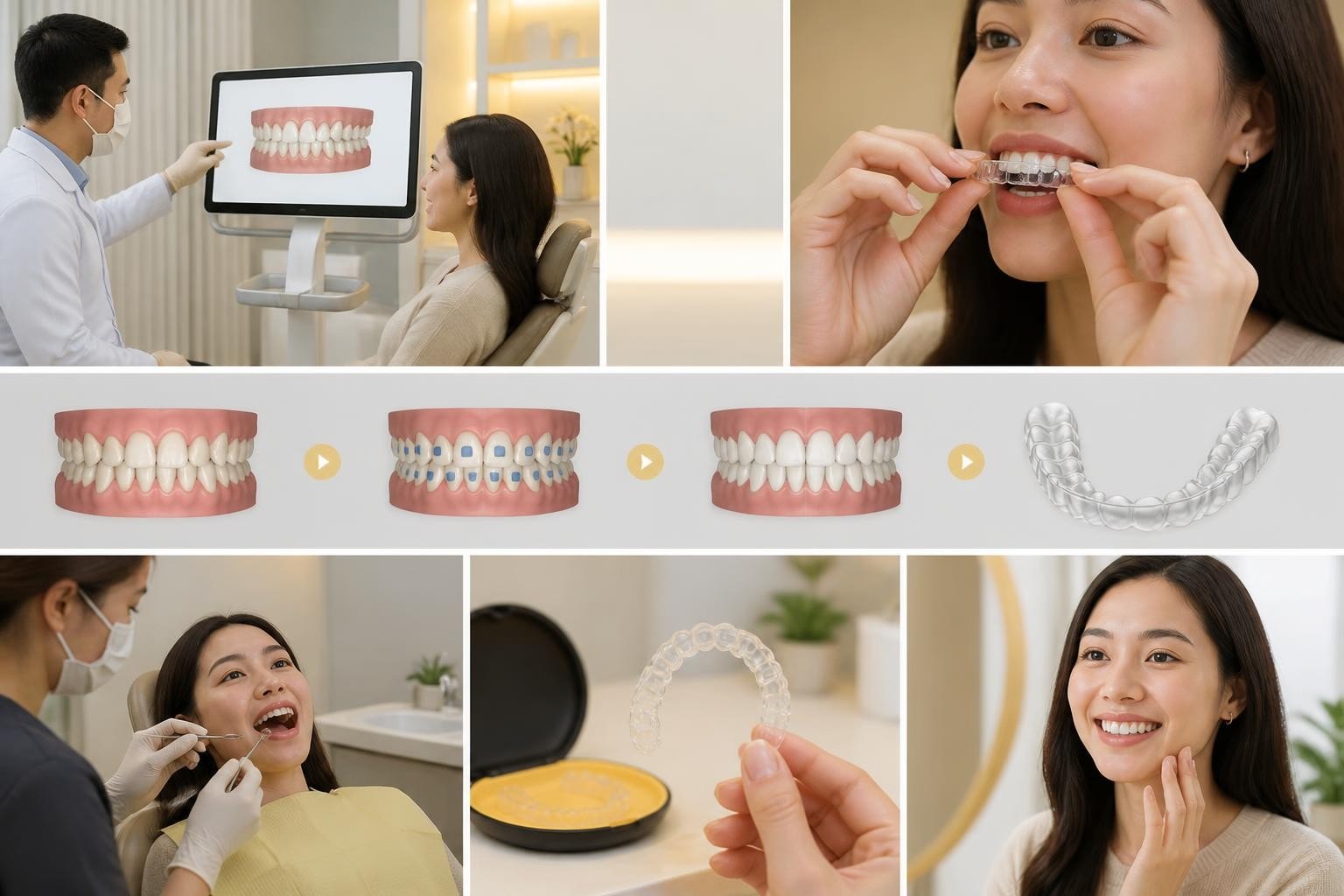
When patients ask what orthodontics do, many think only of straightening crooked teeth or placing braces on teenagers. Yet orthodontic treatment encompasses far more than cosmetic alignment. Orthodontics addresses complex relationships between teeth, jaws, bite function, facial development, and long-term oral health. Understanding the full scope of what orthodontics do helps patients make informed decisions about treatment timing, approach, and expected outcomes. This comprehensive guide explores how orthodontic care improves dental health, function, and quality of life through evidence-based, personalized treatment.
What Orthodontics Do for Dental Health and Function
Orthodontics is the dental specialty focused on diagnosing, preventing, and treating dental and facial irregularities. According to the American Association of Orthodontists, orthodontic treatment corrects malocclusions (improper bites) and tooth alignment problems that affect function, health, and appearance.
Correcting Malocclusions and Bite Problems
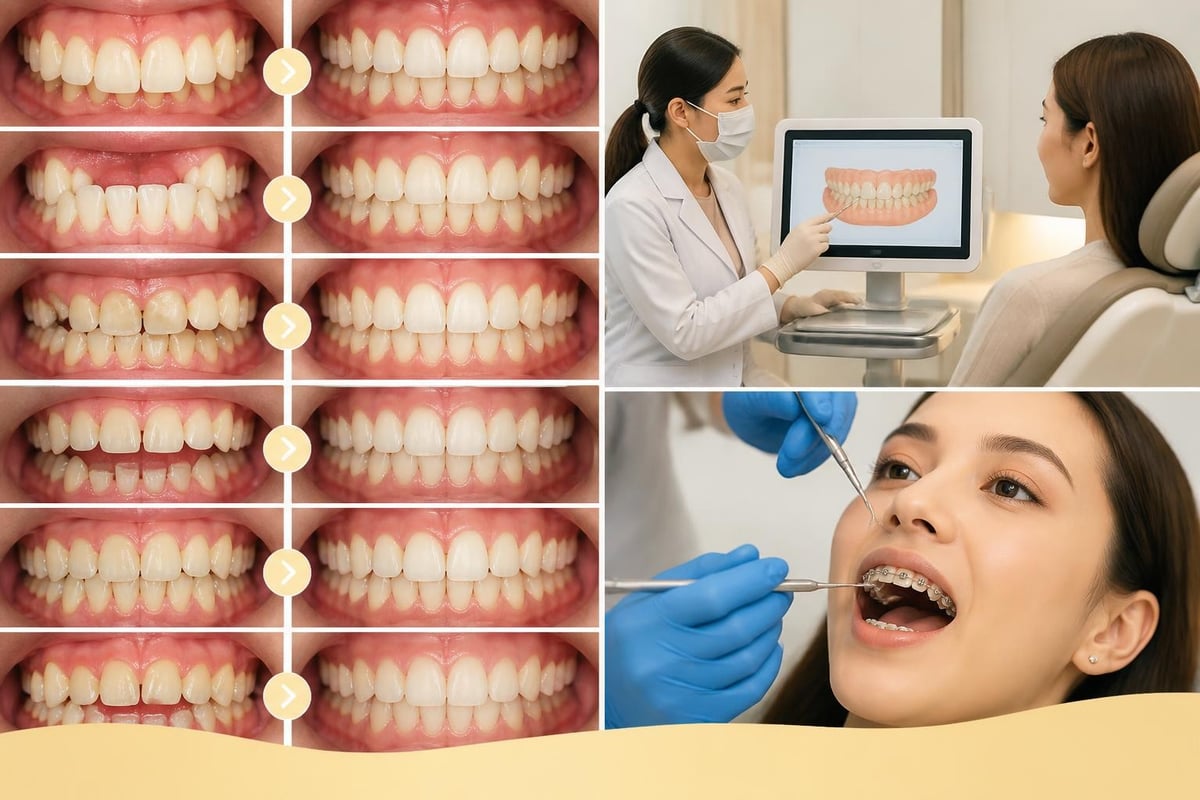
One of the primary things orthodontics do is correct malocclusions-misalignments between upper and lower teeth when the jaw closes. These bite problems include:
- Overbite: Upper front teeth overlap lower teeth excessively
- Underbite: Lower teeth protrude beyond upper front teeth
- Crossbite: Upper teeth fit inside lower teeth when biting
- Open bite: Front teeth don't touch when back teeth meet
- Crowding: Insufficient space causes teeth to overlap or twist
- Spacing: Gaps exist between teeth due to missing teeth or size discrepancies
Research published in systematic reviews on malocclusions and quality of life demonstrates that untreated bite problems can affect chewing efficiency, speech clarity, and psychosocial well-being. Orthodontic correction addresses these functional and aesthetic concerns simultaneously.
Improving Long-Term Oral Health Outcomes
What orthodontics do extends beyond immediate alignment. Properly aligned teeth are easier to clean, reducing risks of tooth decay and gum disease. Misaligned or crowded teeth create areas where plaque and food debris accumulate, making effective brushing and flossing difficult even with diligent home care.
Correcting bite problems also reduces abnormal wear patterns on tooth enamel. When teeth don't meet properly, certain surfaces experience excessive force during chewing, leading to premature wear, chips, or fractures. Orthodontic treatment distributes biting forces evenly across all teeth, protecting dental structures long-term.
The NHS guidance on orthodontics emphasizes that orthodontic care can prevent future dental problems when underlying alignment or bite issues are addressed early, particularly during development.
Treatment Approaches: What Orthodontics Do Through Different Methods
Modern orthodontics offers multiple treatment approaches tailored to each patient's specific needs, age, lifestyle preferences, and clinical conditions.
Traditional Braces and Fixed Appliances
Fixed orthodontic appliances-commonly called braces-use brackets bonded to teeth and connected by wires that apply controlled forces to move teeth gradually. What orthodontics do with traditional braces includes:
- Precise control over tooth position in three dimensions
- Correction of complex rotations and severe misalignments
- Treatment of significant bite discrepancies requiring substantial tooth movement
- Simultaneous alignment of all teeth throughout treatment
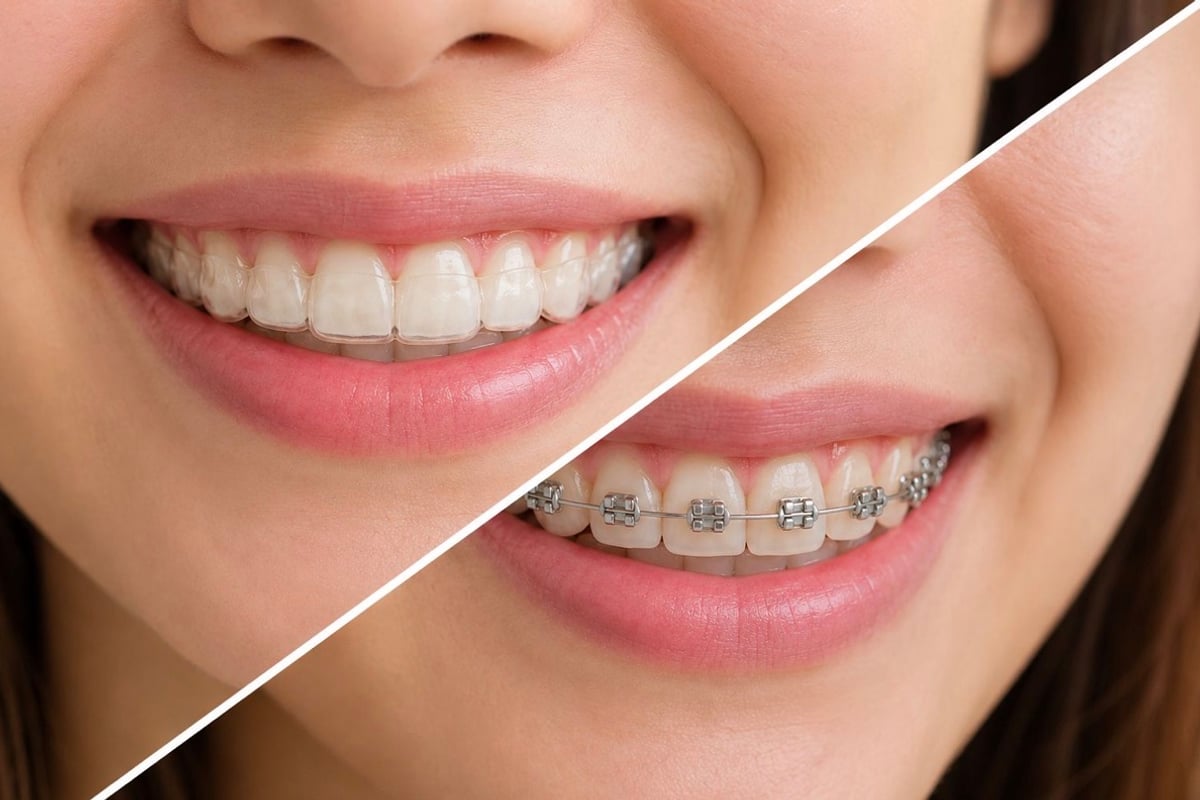
Metal braces remain highly effective for comprehensive orthodontic correction. Ceramic or tooth-colored brackets offer more aesthetic options while maintaining clinical effectiveness. Patients interested in understanding their options can explore the differences outlined in our guide on braces vs clear aligners.
Clear Aligners and Removable Orthodontics
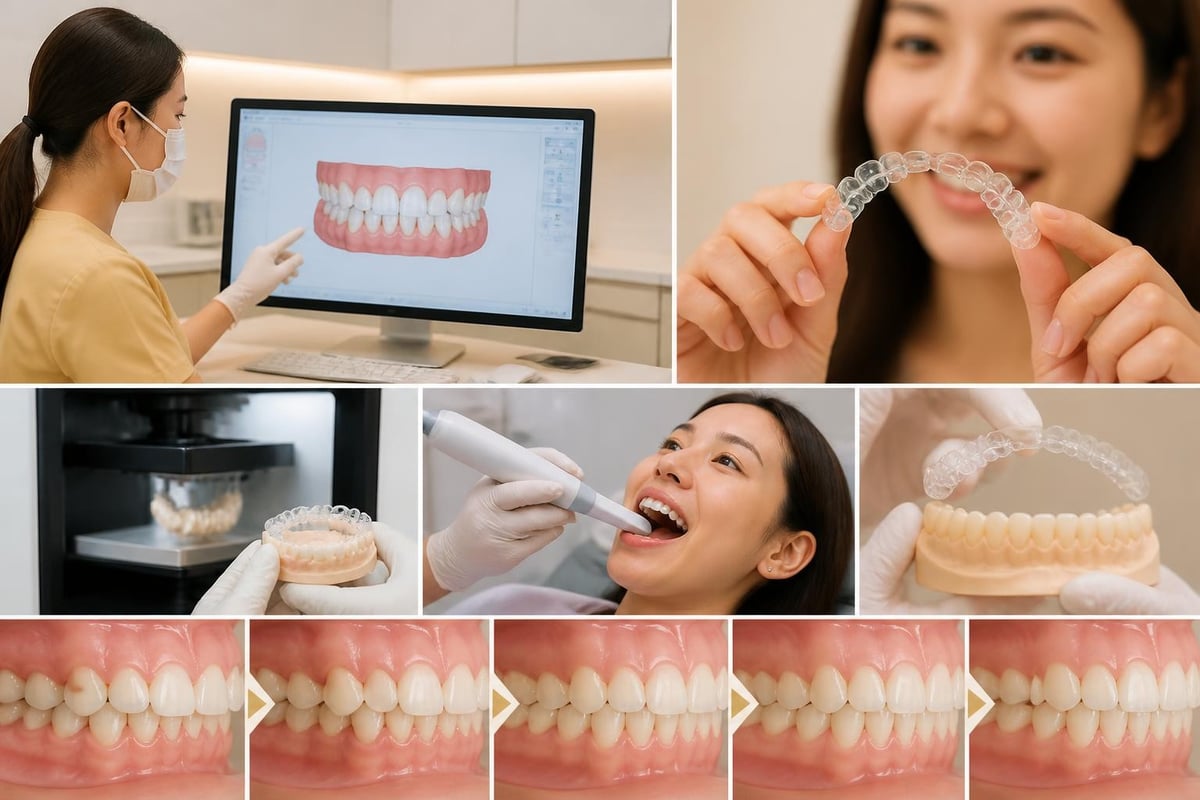
Clear aligner systems represent a significant advancement in what orthodontics do with removable, nearly invisible appliances. These custom-fabricated plastic trays gradually move teeth through sequential wear of different aligners.
| Treatment Feature | Clear Aligners | Traditional Braces |
|---|---|---|
| Visibility | Nearly invisible | Metal/ceramic visible |
| Removability | Removable for eating/cleaning | Fixed to teeth |
| Oral hygiene | Normal brushing/flossing | Requires special techniques |
| Dietary restrictions | None (remove to eat) | Avoid hard/sticky foods |
| Office visits | Less frequent monitoring | Regular adjustments needed |
| Treatment scope | Mild to moderate cases | All complexity levels |
Clear aligners work well for many adults and teens who prefer discreet treatment. However, certain complex movements or severe malocclusions may require traditional braces or combination approaches for optimal results.
Functional Appliances and Growth Modification
What orthodontics do during childhood and adolescence sometimes includes guiding jaw growth and facial development. Functional appliances work with natural growth patterns to:
- Influence jaw relationships before growth completion
- Correct skeletal discrepancies between upper and lower jaws
- Create space for permanent teeth by guiding jaw expansion
- Reduce the need for tooth extraction or jaw surgery later
Evidence on orthodontic correction of underbite in children shows that early functional appliance treatment can improve certain skeletal malocclusions, though results vary based on growth patterns and patient compliance.
Comprehensive Assessment: How Orthodontics Do Proper Diagnosis
Effective orthodontic treatment begins with thorough evaluation of dental, skeletal, and facial relationships. What orthodontics do during assessment includes:
Clinical Examination and Records
Orthodontists examine:
- Tooth positions and alignment in all three dimensions
- Bite relationships from multiple angles
- Jaw symmetry and facial proportions
- TMJ function and jaw movement patterns
- Oral health status including gum condition and tooth decay risk
Diagnostic records typically include photographs, digital scans or impressions, and radiographs showing tooth roots, jaw bones, and airway structures.
Digital Treatment Planning
Advanced orthodontic practices use digital technology to:
- Create 3D models of teeth and jaws
- Simulate treatment outcomes before starting
- Design custom appliances with computer precision
- Track progress through digital monitoring
- Communicate treatment plans visually with patients
This precision allows orthodontists to predict what orthodontics do throughout treatment and adjust plans based on individual response.
At CuraSmile PH in BGC, comprehensive orthodontic assessment combines digital treatment planning with personalized clinical evaluation. Our approach ensures that treatment recommendations address your specific dental needs, functional goals, and aesthetic preferences through evidence-based orthodontic care.
Treatment Duration and What Orthodontics Do Over Time
Understanding what orthodontics do requires realistic expectations about treatment timelines and the biological process of tooth movement.
Factors Affecting Treatment Length
Several variables influence how long orthodontic treatment takes:
- Severity of malocclusion: Complex bite problems require more time than minor alignment issues
- Age and bone density: Teeth move more readily during adolescence than in mature bone
- Treatment approach: Some techniques achieve results faster for specific conditions
- Patient compliance: Following instructions for wear time and oral hygiene affects progress
- Biological response: Individual healing and bone remodeling rates vary
Active treatment typically ranges from 12 to 36 months, with retention following to maintain results. Patients often wonder about specific timelines, which we address in articles like how long do braces take and how long does Invisalign take.
The Biology of Tooth Movement
What orthodontics do biologically involves controlled remodeling of the bone surrounding tooth roots. When orthodontic forces are applied:
- Pressure side: Bone resorbs (dissolves) where the tooth pushes against it
- Tension side: New bone forms where the tooth pulls away from existing bone
- Periodontal ligament: Connective tissue surrounding the root responds to forces and signals bone changes
This biological process occurs gradually-typically 0.5 to 1 millimeter per month per tooth. Attempts to accelerate tooth movement through various adjunctive interventions have shown limited effectiveness according to Cochrane evidence on acceleration techniques, emphasizing the importance of appropriate treatment timelines.
What Orthodontics Do for Quality of Life and Psychosocial Health
Beyond physical improvements, research demonstrates that orthodontic treatment significantly affects patients' quality of life, self-esteem, and social interactions.
Patient-Reported Outcomes and Satisfaction
Studies measuring oral-health-related quality of life before and after orthodontic care show improvements in:
- Emotional well-being: Increased confidence in appearance and social situations
- Social functioning: Less self-consciousness about smiling and speaking
- Physical comfort: Reduced pain from bite problems and improved chewing
- Daily activities: Better oral hygiene and easier dental maintenance
A systematic review on malocclusion and quality of life found that orthodontic treatment provides measurable psychosocial benefits, particularly for adolescents and young adults whose dental appearance affects self-perception and peer relationships.
Functional Improvements Beyond Aesthetics
What orthodontics do for function includes:
- Enhanced chewing efficiency through proper tooth contact and jaw alignment
- Improved speech clarity by correcting tooth positions affecting pronunciation
- Reduced TMJ symptoms in some patients through bite optimization
- Better breathing when orthodontics addresses airway-related skeletal patterns
These functional outcomes contribute to overall health and daily comfort beyond cosmetic enhancement. Patients experiencing jaw discomfort may benefit from understanding the relationship between bite problems and symptoms discussed in our guide on TMJ treatment.
Retention: What Orthodontics Do to Maintain Results
Completing active orthodontic treatment is only part of the process. What orthodontics do after teeth reach their corrected positions involves retention to prevent relapse.
Why Retention Matters
Teeth have a natural tendency to shift back toward their original positions because:
- Periodontal fibers retain "memory" of previous tooth positions
- Soft tissue pressures from lips, cheeks, and tongue can push teeth
- Jaw growth continues subtly into young adulthood
- Dental changes occur throughout life, including age-related crowding
Without retention, treatment results may be partially or completely lost.
Types of Retainers
Orthodontic retention typically uses:
- Fixed retainers: Thin wires bonded behind front teeth for long-term stability
- Removable retainers: Clear plastic or wire-acrylic appliances worn as directed
- Combination approach: Fixed retention on lower teeth with removable retainers for upper teeth
Retention protocols vary based on the original malocclusion, treatment approach, and individual risk factors. Long-term or permanent retention is often recommended for optimal stability.
Common Questions About What Orthodontics Do
Can Orthodontics Fix All Bite Problems?
Orthodontics can correct many bite problems through tooth movement alone. However, severe skeletal discrepancies between upper and lower jaws sometimes require combination treatment with orthognathic (jaw) surgery for optimal results. Orthodontic consultation includes assessment of whether tooth movement alone will achieve functional and aesthetic goals or whether surgical correction would benefit certain cases.
Do Adults Benefit From Orthodontic Treatment?
Age is not a barrier to orthodontic treatment. What orthodontics do for adults includes the same health and functional benefits as treatment during adolescence. Adults may have specific considerations like existing dental work, bone density, or periodontal health that affect treatment planning, but healthy adults at any age can successfully undergo orthodontic care.
Are Orthodontic Results Permanent?
With proper retention and maintenance, orthodontic results can last a lifetime. However, teeth naturally shift throughout life due to aging, wisdom teeth eruption, tooth loss, or changes in oral habits. Following retention protocols and maintaining regular dental care maximizes long-term stability.
Professional guidance from organizations like the American Dental Association orthodontics resources and international clinical guidelines emphasizes evidence-based approaches to orthodontic care and realistic outcome expectations.
Choosing the Right Orthodontic Approach
Understanding what orthodontics do helps patients make informed decisions about treatment. Factors to consider when choosing an orthodontic approach include:
- Clinical effectiveness for your specific malocclusion
- Aesthetic preferences during treatment
- Lifestyle compatibility with appliance requirements
- Treatment duration and appointment frequency
- Long-term stability and retention needs
Comprehensive consultation with a qualified orthodontic provider allows personalized recommendation based on clinical examination, diagnostic records, treatment goals, and individual circumstances. Our team at CuraSmile PH combines advanced technology with clinical expertise to develop orthodontic treatment plans tailored to each patient's unique needs.
Integrating Orthodontics With Comprehensive Dental Care
What orthodontics do is most effective when integrated with overall oral health maintenance. Successful orthodontic treatment requires:
Optimal Oral Hygiene During Treatment
Orthodontic appliances create additional surfaces where plaque accumulates. Patients must maintain excellent oral hygiene through:
- Thorough brushing after every meal (3+ times daily)
- Daily flossing using specialized tools for brackets or threading techniques
- Regular professional cleanings every 3-4 months during active treatment
- Fluoride supplementation if decay risk is elevated
Poor oral hygiene during orthodontics can result in permanent white spots (decalcification), cavities around brackets, or gum inflammation that delays treatment.
Addressing Existing Dental Problems First
Before starting orthodontics, existing dental issues should be resolved:
- Tooth decay treated with fillings or other restorations
- Gum disease controlled through periodontal therapy
- Missing teeth addressed with space planning or implant considerations
- TMJ symptoms evaluated and managed if present
This comprehensive approach ensures that orthodontic tooth movement occurs in healthy oral conditions. Patients can learn more about maintaining gum health in our article on how to prevent gum disease.
Coordinating with Other Dental Specialists
Complex cases may require coordination between orthodontics and:
- Periodontics for gum health management during tooth movement
- Prosthodontics for planning restorations in spaces created or closed orthodontically
- Oral surgery for extraction, implant placement, or jaw correction
- TMJ specialists for patients with pain or dysfunction
This multidisciplinary approach optimizes outcomes when dental needs extend beyond alignment alone.
What Orthodontics Do in Modern Practice
Contemporary orthodontic care has evolved significantly through technological advancement and evidence-based practice refinement.
Digital Innovation in Orthodontics
Modern orthodontic technology includes:
- Intraoral scanning replacing traditional impressions with digital 3D capture
- CBCT imaging providing three-dimensional views of teeth, roots, and jaw bones
- AI-assisted treatment planning analyzing thousands of cases to predict outcomes
- Remote monitoring allowing progress tracking between office visits
- 3D printing fabricating custom appliances and models with precision
These technologies enhance what orthodontics do by improving diagnosis accuracy, treatment predictability, patient communication, and clinical efficiency.
Evidence-Based Treatment Planning
What orthodontics do today is guided by research evidence on treatment effectiveness, patient outcomes, and best practices. Systematic reviews and clinical studies inform decisions about:
- Which techniques work best for specific malocclusions
- How to minimize treatment duration while maximizing stability
- What factors predict successful outcomes versus complications
- When early intervention benefits long-term results
This evidence-based approach ensures that orthodontic recommendations reflect current scientific understanding rather than outdated practices or marketing claims.
Understanding what orthodontics do empowers you to make informed decisions about your dental health, from recognizing when treatment may benefit function and appearance to choosing approaches that fit your lifestyle and goals. At CuraSmile PH, our orthodontic care in Bonifacio Global City combines advanced digital technology with personalized clinical expertise to deliver treatment plans designed around your unique needs. Whether you're exploring options for yourself or a family member, our team provides comprehensive assessment and evidence-based recommendations to help you achieve optimal dental health, improved function, and lasting confidence.