Orthodontics Dental Clinic: Your Complete Care Guide
What to expect from an orthodontics dental clinic in 2026. Learn about modern treatment options, technology, team expertise & how to choose the right care.
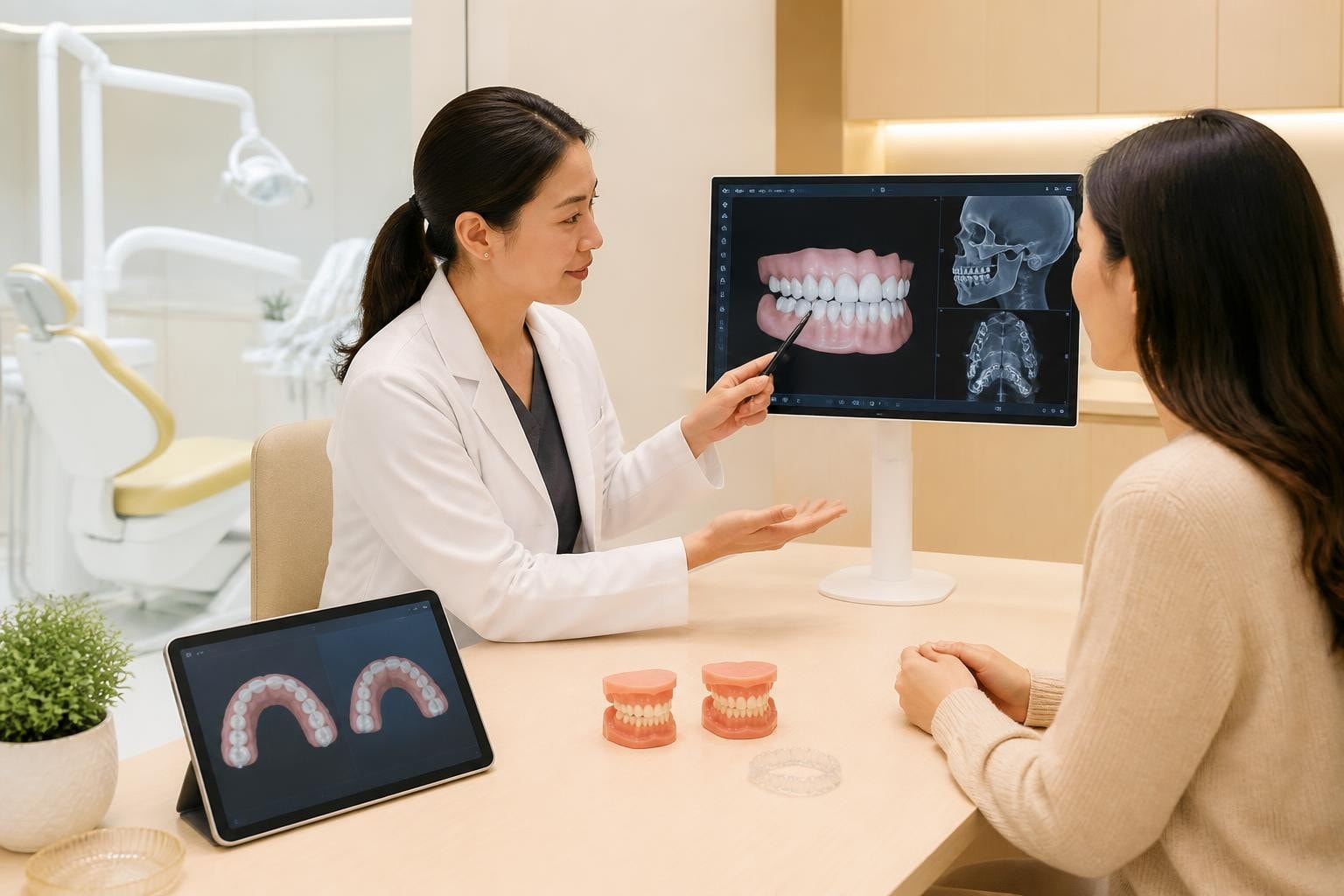
Choosing the right orthodontics dental clinic represents one of the most important decisions you'll make for your smile and oral health. Modern orthodontic care extends far beyond traditional braces, encompassing advanced diagnostic technology, personalized treatment planning, and multiple approaches tailored to your unique dental needs and lifestyle. Whether you're considering treatment for yourself or a family member, understanding what distinguishes a comprehensive orthodontics dental clinic from a general practice helps ensure you receive care grounded in specialized expertise, evidence-based protocols, and lasting results.
What Defines a Comprehensive Orthodontics Dental Clinic
An orthodontics dental clinic specializes in diagnosing, preventing, and treating dental and facial irregularities. This includes misaligned teeth, improper bite relationships, jaw growth concerns, and functional issues affecting chewing, speech, and breathing.
Core services typically include:
- Comprehensive orthodontic assessment and diagnosis
- Digital treatment planning and simulation
- Traditional braces (metal and ceramic)
- Clear aligner therapy
- Early intervention for developing teeth
- Adult orthodontic treatment
- Retention and long-term stability planning
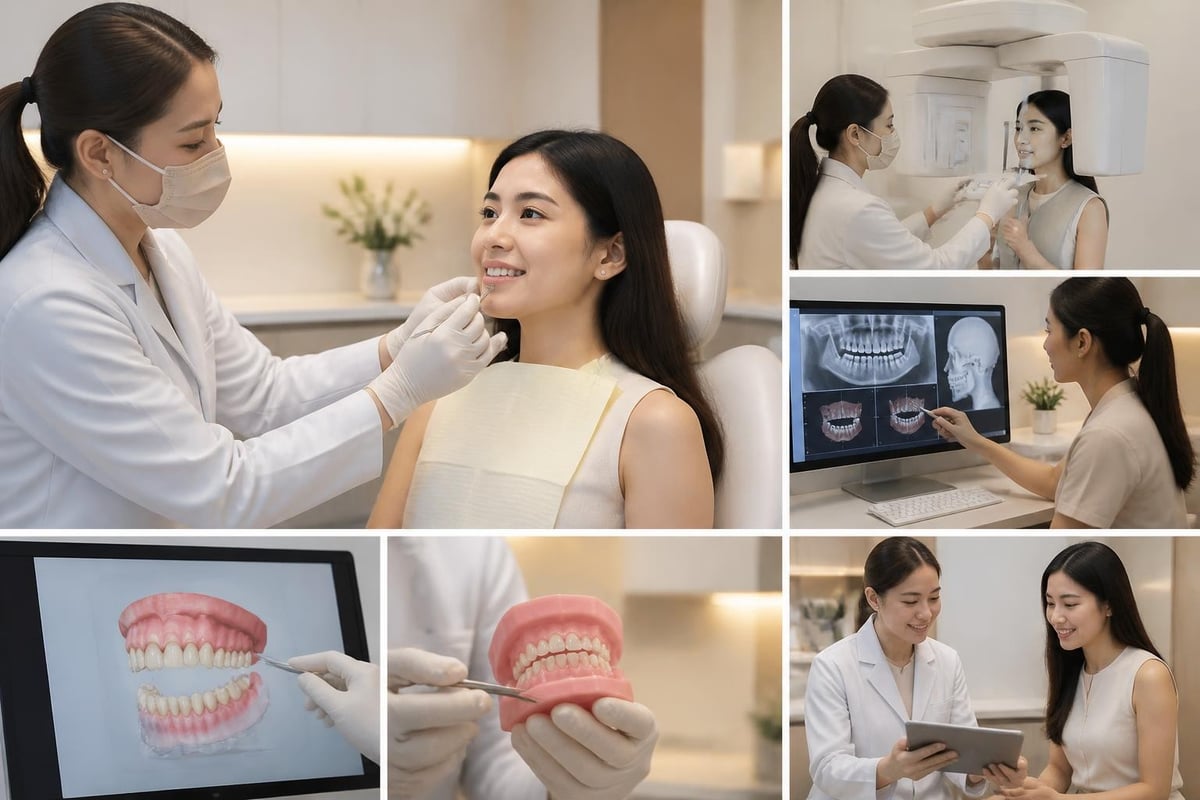
Modern orthodontic clinics integrate advanced imaging technology such as digital X-rays, 3D scanning, and computerized treatment planning. These tools allow orthodontists to visualize treatment outcomes before beginning, improve precision, and enhance patient communication. The American Association of Orthodontists provides extensive resources on treatment types and what patients should expect from specialized orthodontic care.
Specialized Expertise and Training
Orthodontists complete additional years of specialized training beyond dental school, focusing exclusively on tooth movement, facial development, and bite correction. This advanced education covers growth and development, biomechanics, treatment planning, and clinical techniques specific to orthodontics.
When evaluating an orthodontics dental clinic, consider the team's credentials, continuing education commitment, and experience with diverse cases. Clinics that invest in ongoing training stay current with emerging technologies and treatment approaches, ensuring patients benefit from evidence-based care protocols.
Treatment Options at Modern Orthodontics Dental Clinics
Contemporary orthodontic clinics offer multiple treatment modalities, each with distinct advantages, limitations, and appropriate applications. The right approach depends on your specific dental condition, age, lifestyle considerations, and treatment goals.
| Treatment Type | Best For | Average Duration | Key Advantages |
|---|---|---|---|
| Traditional Metal Braces | Complex cases, all ages | 18-24 months | Precise control, cost-effective, proven track record |
| Ceramic Braces | Adults seeking aesthetics | 18-26 months | Less visible, effective for moderate to severe cases |
| Clear Aligners | Mild to moderate alignment | 12-18 months | Removable, aesthetic, comfortable for many patients |
| Lingual Braces | Maximum discretion needed | 20-30 months | Completely hidden, suitable for complex cases |
Traditional Braces: Proven Effectiveness
Metal braces remain the gold standard for treating complex orthodontic conditions. They provide orthodontists with precise control over tooth movement in all three dimensions, making them particularly effective for severe crowding, significant bite discrepancies, and cases requiring vertical tooth movement or rotation.
Modern braces have evolved considerably. Brackets are smaller and more comfortable than previous generations, and new wire materials reduce treatment time while improving patient comfort. For patients prioritizing clinical outcomes over aesthetics, traditional braces offer reliable results with decades of clinical evidence supporting their effectiveness.
Clear Aligner Therapy: Modern Convenience
Clear aligners have transformed orthodontic treatment for appropriate candidates. These removable appliances use a series of custom-fabricated trays to gradually move teeth into their desired positions. Clear Aligners & Orthodontics treatment at CuraSmile PH combines comprehensive assessment with digital treatment planning to ensure aligner therapy addresses your specific dental needs effectively.
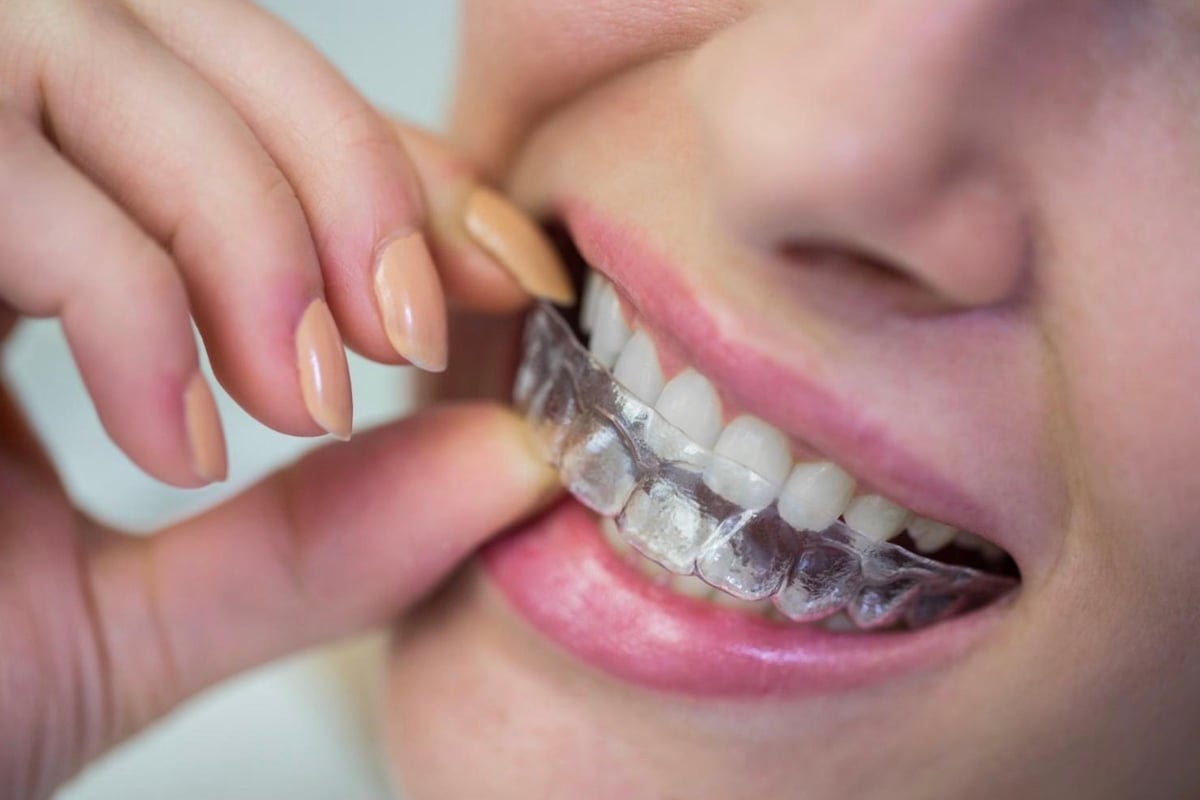
Research on clear aligner effectiveness continues to evolve. A systematic review of clear aligners in growing patients highlights both the potential and limitations of aligner therapy for younger patients, emphasizing the importance of proper case selection and clinical expertise. Material safety and biocompatibility represent additional considerations, with ongoing research examining chemical and toxicity concerns to inform evidence-based clinical protocols.
Clear aligners work best for mild to moderate alignment issues, spacing concerns, and certain bite problems. They may not be appropriate for complex cases requiring significant tooth rotation, vertical movement, or skeletal correction. An experienced orthodontics dental clinic conducts thorough assessment to determine whether aligner therapy will achieve your desired outcomes.
Advantages of clear aligners include:
- Removability for eating and oral hygiene
- Reduced visibility compared to traditional braces
- Fewer emergency appointments for broken brackets
- Digital treatment preview showing projected outcomes
- Generally comfortable with minimal soft tissue irritation
Successful aligner treatment requires patient compliance. Aligners must be worn 20-22 hours daily to achieve predicted results within the estimated timeframe. Patients who cannot commit to consistent wear may achieve better outcomes with fixed appliances.
Evaluating Orthodontics Dental Clinic Quality
Not all orthodontic providers offer the same level of care, technology, or clinical expertise. Understanding how to evaluate quality helps you make informed decisions about where to receive treatment.
Technology and Diagnostic Capabilities
Advanced diagnostic technology improves treatment planning accuracy and patient outcomes. Modern orthodontics dental clinics invest in digital imaging systems that reduce radiation exposure while providing detailed three-dimensional views of teeth, roots, and surrounding bone structures.
Key technologies to look for:
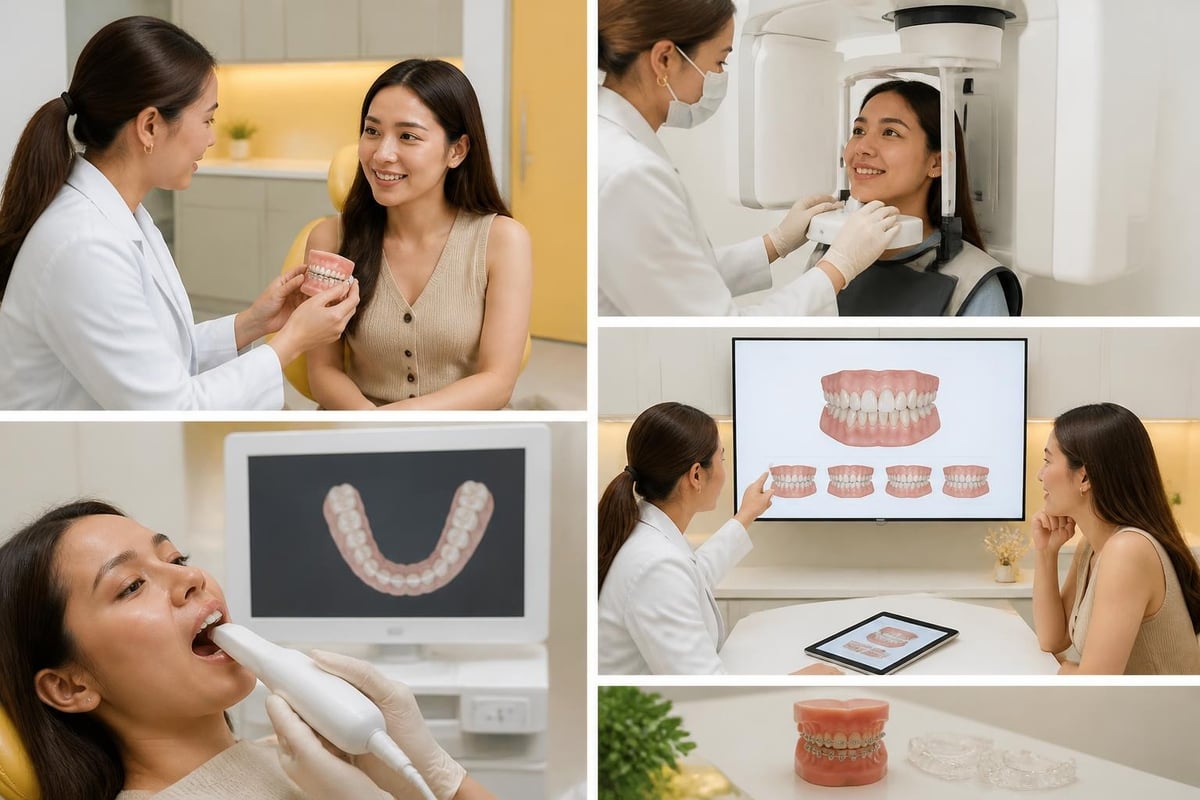
- Digital intraoral scanning: Eliminates uncomfortable impression materials while providing precise digital models
- 3D imaging and CBCT: Reveals root positions, bone levels, and airway anatomy for comprehensive assessment
- Digital treatment planning software: Simulates tooth movement and predicts outcomes before treatment begins
- Progress monitoring systems: Tracks treatment progression and allows timely adjustments
These technologies aren't just impressive additions; they fundamentally improve diagnostic accuracy, treatment precision, and patient communication. When you can visualize your treatment plan and projected outcomes, you make more informed decisions about your care.
Treatment Planning Philosophy
The best orthodontics dental clinics develop individualized treatment plans based on comprehensive assessment rather than applying one-size-fits-all protocols. Your treatment plan should consider:
- Dental health foundation: Existing cavities, gum disease, or other oral health concerns addressed before orthodontic treatment
- Bite function: How your upper and lower teeth fit together and function during chewing
- Facial aesthetics: How tooth position affects your facial profile and smile appearance
- Long-term stability: Retention strategies to maintain results after active treatment
- Individual goals: Your priorities regarding aesthetics, function, timeline, and budget
Clinics that rush through consultation or offer treatment recommendations without thorough examination may overlook important factors affecting your outcomes and long-term stability. The difference between general dentistry and specialized orthodontic care becomes particularly evident in treatment planning complexity and expertise.
Age Considerations in Orthodontic Treatment
Orthodontic care benefits patients across all age groups, though treatment approaches and considerations vary significantly between children, adolescents, and adults.
Early Intervention for Children
The American Association of Orthodontists recommends children receive an orthodontic evaluation by age seven. Early assessment doesn't necessarily mean early treatment, but it identifies developing problems that may benefit from timely intervention.
Early treatment may address:
- Severe crowding or spacing issues
- Crossbites affecting jaw development
- Harmful oral habits (thumb sucking, tongue thrust)
- Jaw growth discrepancies
- Impacted or blocked-out permanent teeth
Phase I treatment in younger patients often creates space for permanent teeth, guides jaw growth, or corrects bite relationships that could worsen without intervention. Not every child needs early treatment, but evaluation ensures problems are identified when correction is most efficient.
Adolescent Orthodontics
Teenage years represent the most common time for comprehensive orthodontic treatment. Most permanent teeth have erupted, growth continues to support certain corrections, and treatment timing aligns well with social development.
Adolescent patients benefit from multiple treatment options, including traditional braces, clear aligners, and ceramic alternatives. The comparison between braces and clear aligners helps families understand which approach best suits their teenager's lifestyle, dental needs, and cooperation level.
Adult Orthodontic Care
Adult orthodontics represents the fastest-growing segment of orthodontic treatment. Adults seek care for various reasons, including lifelong concerns about their smile, shifting that occurred after previous treatment, or functional problems affecting jaw comfort and chewing efficiency.
The NHS overview of orthodontics provides comprehensive patient-focused information on treatment types and expectations that applies to adult care globally. Adults considering treatment should understand that biological response to tooth movement continues throughout life, though treatment may take slightly longer than for adolescents due to denser bone and completed growth.
Adult orthodontic considerations include:
- Pre-existing dental work requiring coordination with restorative treatment
- Bone loss from periodontal disease affecting treatment approach
- TMJ symptoms that may improve or require management during treatment
- Aesthetic concerns favoring less visible appliances
- Lifestyle factors affecting appliance choice and appointment scheduling
| Age Group | Common Concerns | Treatment Emphasis | Typical Duration |
|---|---|---|---|
| Children (7-11) | Growth guidance, space maintenance | Preventive, interceptive care | 6-12 months (Phase I) |
| Teens (12-18) | Comprehensive alignment, bite correction | Full orthodontic treatment | 18-24 months |
| Adults (18+) | Aesthetics, function, previous relapse | Comprehensive care, aesthetic options | 18-30 months |
The Role of Retention and Long-Term Stability
Active orthodontic treatment represents only one phase of achieving lasting smile improvement. Retention, the period following appliance removal, proves equally critical to maintaining results.
Why Retention Matters
Teeth naturally tend to shift throughout life due to ongoing jaw growth (in younger patients), changes in soft tissue balance, tooth wear, and the remodeling process following tooth movement. Without proper retention, teeth may gradually move toward their original positions, compromising treatment outcomes.
Research from the Cochrane Library on orthodontic retention examines evidence for various retention strategies, highlighting both the importance of retention and areas where more research would strengthen clinical guidance.
Common retention approaches include:
- Removable retainers: Worn nightly or as directed, typically indefinitely for optimal stability
- Fixed retainers: Bonded wire on the inner surface of front teeth providing continuous retention
- Combination approach: Fixed retention for front teeth with removable retainers for full-arch stability
- Clear aligner-style retainers: Similar to treatment aligners but maintaining final tooth positions
Long-Term Follow-Up
A quality orthodontics dental clinic doesn't consider treatment complete when appliances are removed. Ongoing monitoring during the retention phase allows early detection of any unwanted tooth movement and timely intervention to maintain results.
Patients should understand retention requirements before beginning treatment. Lifelong retention, whether through nightly retainer wear or permanent bonded retainers, represents the standard of care for maintaining orthodontic outcomes. The British Orthodontic Society's patient guidance emphasizes these long-term considerations as essential aspects of informed treatment consent.
Integration with Comprehensive Dental Care
Orthodontic treatment functions best within the context of comprehensive dental care. A modern orthodontics dental clinic either provides or coordinates with other dental specialties to ensure patients maintain optimal oral health throughout treatment.
Oral Health During Orthodontic Treatment
Braces and other orthodontic appliances create additional areas where food particles and plaque accumulate. Patients must maintain excellent oral hygiene to prevent cavities, white spot lesions, and gum inflammation during treatment.
Oral health maintenance includes:
- Brushing after every meal with fluoride toothpaste
- Daily flossing using specialized tools for braces
- Regular professional cleanings, often more frequently than the standard six-month interval
- Fluoride treatments or prescription toothpaste when indicated
- Dietary modifications to protect appliances and tooth enamel
Orthodontic clinics within comprehensive dental practices like CuraSmile PH offer the advantage of coordinated preventive care, restorative treatment, and orthodontic services under one roof. This integration ensures any dental concerns are addressed promptly without interrupting orthodontic progress.
Coordinating with Other Dental Treatments
Some patients require orthodontic treatment as part of a larger treatment plan addressing multiple dental concerns. Coordination between orthodontics and other specialties optimizes outcomes and treatment efficiency.
Common coordinated treatments include:
- Restorative dentistry: Orthodontics creates ideal spacing before placing crowns, bridges, or implants
- Periodontal care: Gum disease treatment before and during orthodontics prevents bone loss
- Oral surgery: Extraction of impacted teeth or jaw surgery for skeletal discrepancies
- Cosmetic dentistry: Alignment correction before veneers or whitening for optimal aesthetic results
Patients considering both orthodontic treatment and cosmetic enhancements should discuss sequencing with their dental team. Generally, orthodontics precedes final cosmetic work, allowing teeth to be positioned ideally before permanent restorations or aesthetic modifications.
Understanding Treatment Costs and Investment
Orthodontic treatment represents a significant financial investment, and understanding cost factors helps patients make informed decisions and plan appropriately.
Cost Variables in Orthodontic Care
Treatment costs vary based on multiple factors, and transparent communication about fees demonstrates a clinic's commitment to patient-centered care.
Factors affecting orthodontic treatment cost:
- Treatment complexity: More severe misalignment or bite problems require longer treatment and more clinical expertise
- Appliance type: Clear aligners and lingual braces typically cost more than traditional metal braces
- Treatment duration: Longer treatment requires more appointments and clinical time
- Geographic location: Overhead costs vary by region, affecting service pricing
- Technology investment: Clinics using advanced diagnostic and treatment technology may reflect these investments in fees
Payment Options and Financing
Reputable orthodontics dental clinics offer transparent fee discussions during consultation and provide flexible payment options to make treatment accessible. Many clinics partner with healthcare financing companies, offer in-house payment plans, or accept payment via credit cards with rewards programs.
When discussing costs, ask about:
- Total treatment fee: All-inclusive cost vs. additional charges for adjustments, retainers, or emergencies
- Payment schedule: Initial payment, monthly installments, or pay-in-full discounts
- Insurance coordination: How the clinic handles insurance benefits and claim filing
- Refund policies: Terms if treatment is discontinued or goals achieved earlier than expected
Financial considerations shouldn't compromise quality of care. The least expensive option may not provide the clinical expertise, technology, or comprehensive approach necessary for optimal outcomes and long-term stability.
Special Considerations and Complex Cases
Some orthodontic patients present unique challenges requiring specialized expertise and interdisciplinary care approaches.
Skeletal Discrepancies and Surgical Orthodontics
When jaw size or position discrepancies exceed what tooth movement alone can correct, combined orthodontic-surgical treatment (orthognathic surgery) may be recommended. These cases involve orthodontic preparation, surgical jaw repositioning, and post-surgical orthodontics to achieve optimal function and aesthetics.
Surgical orthodontics addresses severe underbites, overbites, asymmetries, and open bites that compromise both appearance and function. The Cochrane review on Class III malocclusion treatment examines evidence for various approaches to underbite correction, including both orthodontic and surgical interventions.
TMJ Considerations During Orthodontic Treatment
Some patients experience temporomandibular joint (TMJ) symptoms or have a history of jaw pain. Comprehensive orthodontics dental clinics assess TMJ health before treatment and monitor symptoms throughout care.
While orthodontic treatment doesn't typically cause TMJ disorders, changes in bite relationships during treatment may temporarily affect jaw comfort. Patients with existing TMJ concerns benefit from clinics offering integrated TMJ and orofacial pain management alongside orthodontic care, ensuring any jaw symptoms are addressed promptly within the treatment plan.
Accelerated Orthodontics
Some patients seek shorter treatment timelines due to upcoming life events or personal preferences. Several approaches may accelerate tooth movement, though effectiveness and appropriate applications continue to be studied.
Acceleration methods include:
- Propel or micro-osteoperforation: Small perforations in bone to stimulate remodeling
- High-frequency vibration devices: Supplemental appliances claimed to speed movement
- Surgical assistance: Selective bone modification to facilitate tooth movement
- Optimized biomechanics: Careful force application and appointment timing
Patients should understand that accelerated treatment isn't appropriate for all cases, and rushing tooth movement beyond biological limits may compromise root health or long-term stability. Evidence-based orthodontics dental clinics discuss acceleration options honestly, including current evidence supporting (or questioning) various approaches.
Choosing Your Orthodontics Dental Clinic in BGC
For patients in Bonifacio Global City and surrounding areas, selecting an orthodontics dental clinic involves evaluating clinical expertise, technology, comprehensive care integration, and patient-centered service.
Questions to Ask During Consultation
Initial consultation provides opportunity to assess whether a clinic aligns with your priorities and expectations.
Important questions include:
- What orthodontic training and credentials does the treating dentist have?
- What treatment options do you recommend for my specific case, and why?
- What are the expected treatment duration and outcome?
- How often will I need appointments, and what is your emergency coverage?
- What retention protocol do you recommend, and what does retention cost?
- How do you handle cases that aren't progressing as expected?
- What technology do you use for diagnosis and treatment planning?
- Can I see before-and-after examples of cases similar to mine?
Clinics that welcome questions, provide thorough answers, and take time to understand your concerns demonstrate commitment to patient-centered care. Similarly, exploring insights about comprehensive dental care approaches helps patients understand how orthodontic treatment fits within broader oral health goals.
Red Flags to Watch For
Certain warning signs suggest a clinic may prioritize sales over clinical excellence or patient welfare.
Be cautious of clinics that:
- Pressure you into immediate treatment decisions without adequate consultation time
- Offer significant discounts for same-day commitment
- Recommend treatment without comprehensive diagnostic records
- Promise unrealistic timelines or guaranteed outcomes
- Don't discuss retention, risks, or limitations of proposed treatment
- Have no clear credentials or orthodontic specialty training
- Provide vague answers about costs or unexpected fees
Trust your instincts. Orthodontic treatment requires months of regular appointments and ongoing communication with your care team. Choose a clinic where you feel comfortable, informed, and confident in the expertise provided.
Modern orthodontic care combines clinical expertise, advanced technology, and personalized treatment approaches to address alignment, bite, and facial balance concerns effectively and sustainably. Whether you're considering treatment for yourself or a family member, choosing an orthodontics dental clinic with comprehensive diagnostic capabilities, evidence-based protocols, and patient-centered service ensures you receive care designed around your unique dental needs and goals. At CuraSmile PH, our integrated approach to orthodontics, preventive care, and comprehensive dental services helps patients throughout BGC achieve healthier teeth, improved function, and lasting smile confidence through personalized, evidence-based treatment.