Braces Dental Clinic: Your Guide to Orthodontic Care
Choosing a braces dental clinic? Learn what to expect, treatment types, clinic features, and how to find the right orthodontic care in BGC.
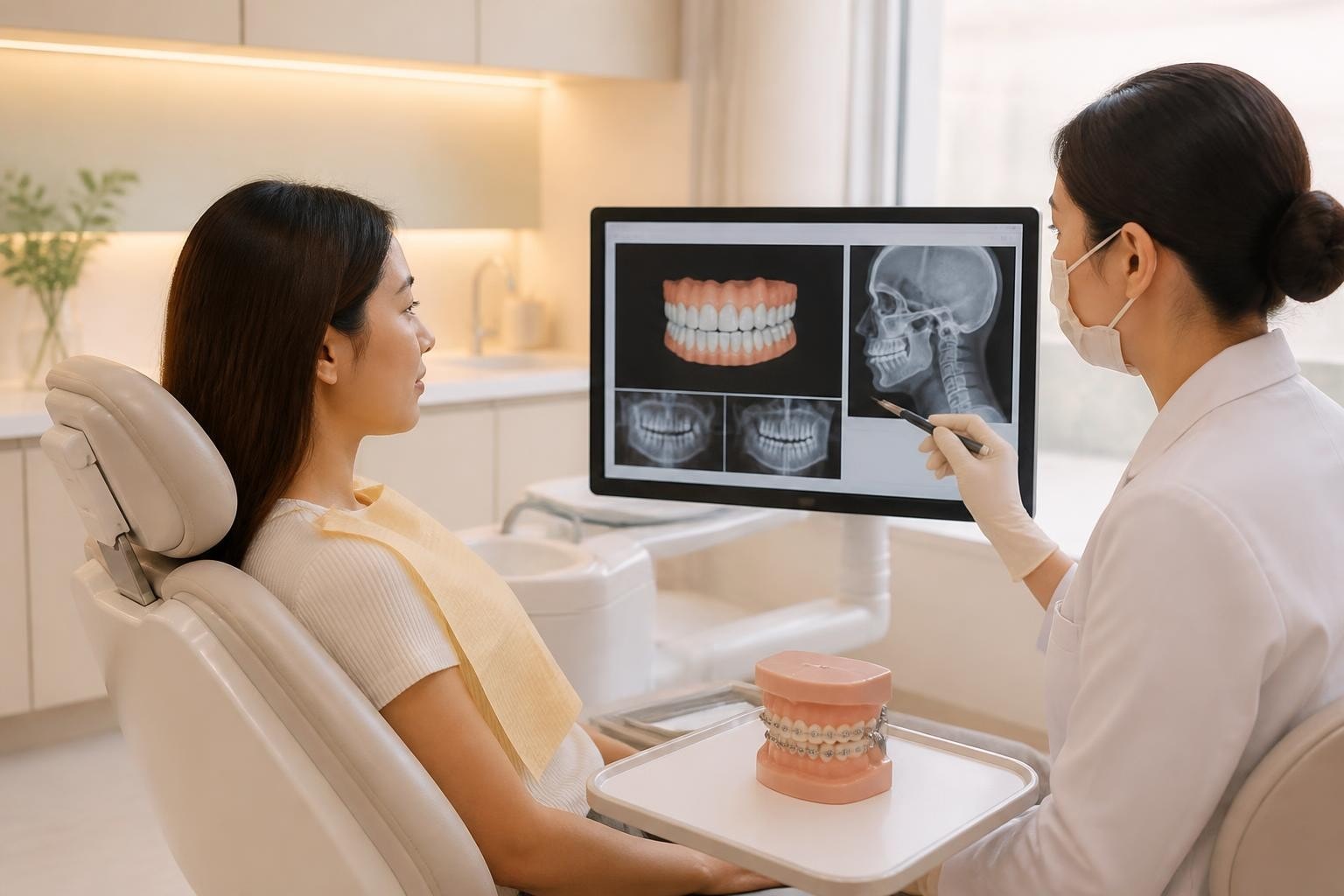
Choosing the right braces dental clinic is one of the most important decisions you'll make on your orthodontic journey. Whether you're seeking treatment for yourself or a family member, the quality of care, expertise of the clinical team, and environment where you receive treatment all significantly impact your experience and outcomes. Modern orthodontic care extends far beyond simply placing brackets and wires. It requires comprehensive assessment, personalized treatment planning, advanced technology, and ongoing support throughout the entire process.
What Defines a Quality Braces Dental Clinic
A quality braces dental clinic combines clinical expertise with patient-centered care. The foundation starts with proper training and experience. Look for clinics where dentists have advanced education in orthodontics and stay current with evolving techniques and research.
Clinical Capabilities and Technology
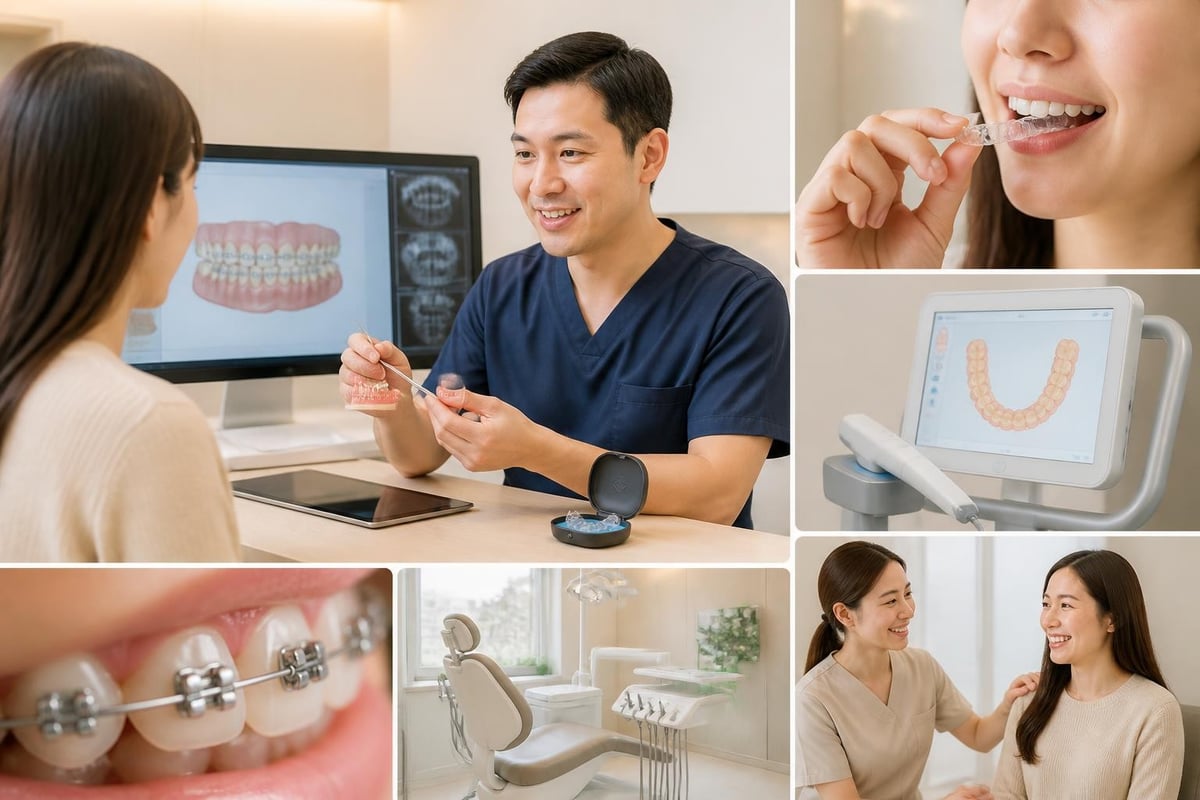
Modern orthodontic treatment benefits significantly from advanced diagnostic and treatment tools. Digital imaging, 3D scanning, and treatment simulation software help clinicians plan more precisely and show you predicted outcomes before treatment begins.
Key technological features include:
- Digital radiography for lower radiation exposure
- Intraoral scanners for comfortable impressions
- Treatment planning software for visualization
- Progress tracking systems for monitoring movement
- Sterilization protocols meeting international standards
Treatment options should extend beyond traditional metal braces. A comprehensive braces dental clinic offers multiple orthodontic approaches tailored to different needs, ages, and preferences.
Evidence-Based Treatment Approaches
Quality orthodontic care relies on evidence rather than trends alone. The American Dental Association emphasizes that treatment decisions should be based on thorough assessment of each patient's unique dental condition, growth patterns, and treatment goals.
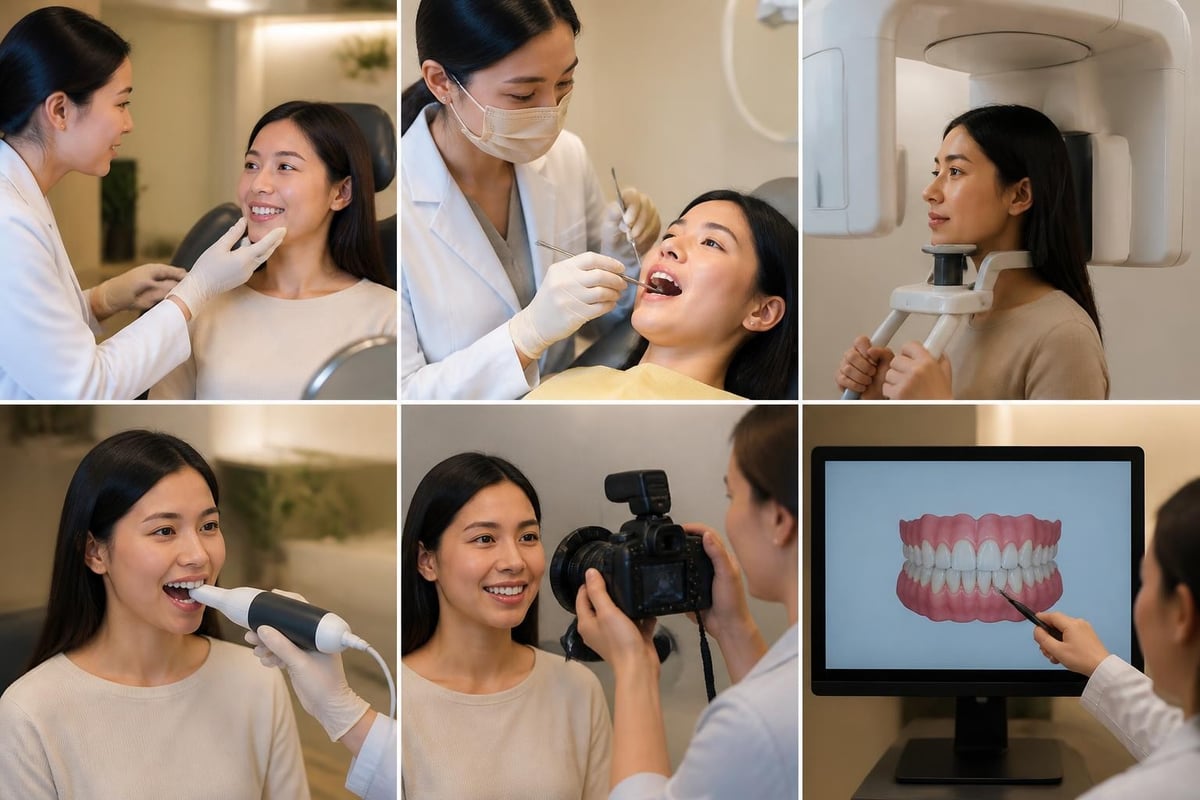
| Assessment Component | Purpose | Typical Tools Used |
|---|---|---|
| Clinical examination | Evaluate teeth, bite, jaw relationships | Visual inspection, measurements |
| Radiographic analysis | Assess bone, roots, jaw structure | X-rays, CBCT when indicated |
| Dental models | Study tooth positions and movements | Digital scans or physical impressions |
| Facial analysis | Evaluate smile aesthetics and proportions | Photos, digital smile design |
| Medical/dental history | Identify relevant health factors | Patient interview, records review |
This comprehensive approach ensures treatment addresses not just alignment but also bite function, jaw health, and long-term stability.
Types of Braces and Orthodontic Options
Understanding the different orthodontic treatment options helps you make informed decisions. Each approach has specific advantages, considerations, and ideal applications.
Traditional Metal Braces
Traditional metal braces remain highly effective for correcting a wide range of orthodontic issues. Modern versions are smaller, more comfortable, and more efficient than previous generations.
Advantages of metal braces:
- Effective for complex tooth movements
- Typically shorter treatment times for severe cases
- Lower cost compared to some alternatives
- Durable and rarely break
- Available in fun colors for younger patients
Metal braces work continuously, requiring no patient compliance beyond maintaining good oral hygiene and avoiding certain foods.
Ceramic Braces
Ceramic braces function identically to metal braces but use tooth-colored or clear brackets that blend with natural tooth color. They appeal to patients seeking a less noticeable option while maintaining the effectiveness of traditional braces.
The brackets resist staining when properly maintained, though the elastic ties may discolor slightly between adjustment appointments. Ceramic braces typically cost more than metal but less than clear aligners.
Clear Aligner Therapy
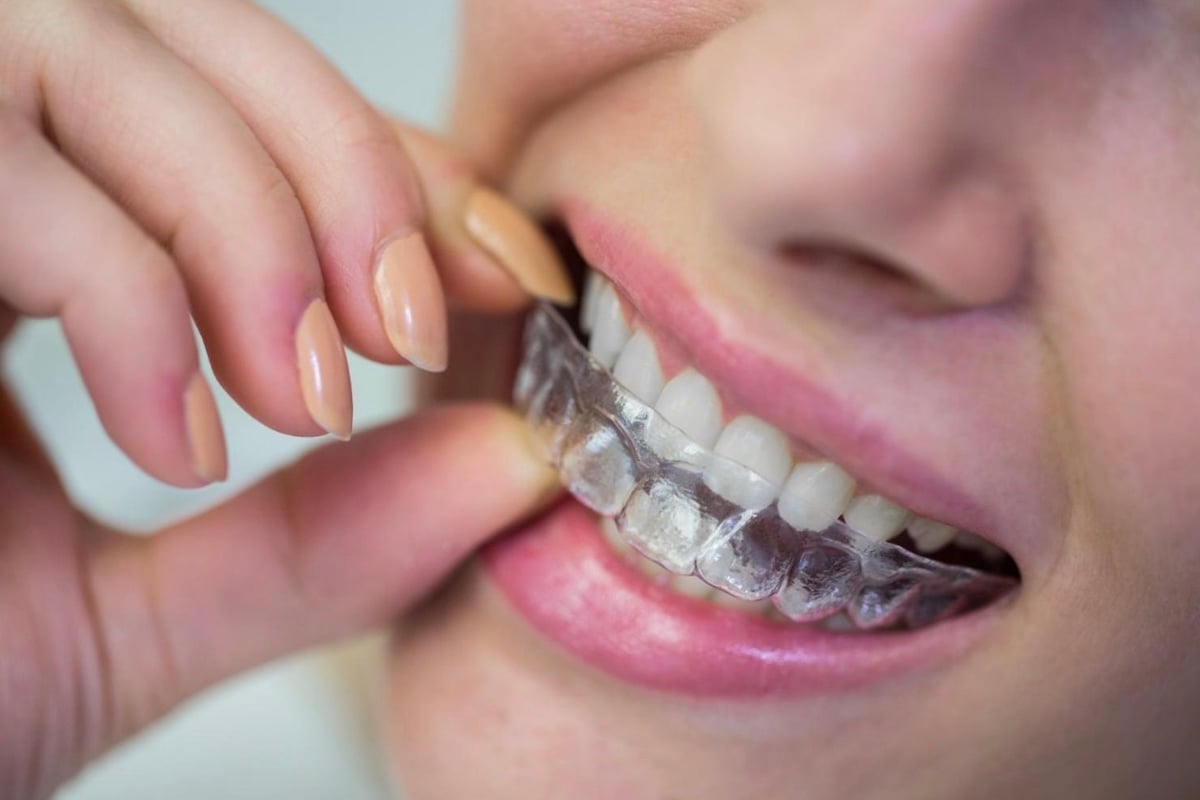
Clear aligners represent a significant advancement in orthodontic treatment. Research comparing clear aligner therapy with conventional fixed appliances shows effectiveness for many cases, though case selection remains important.
Clear aligners offer distinct advantages for appropriate candidates. They're removable for eating and cleaning, nearly invisible during wear, and allow normal oral hygiene. However, they require high patient compliance, wearing aligners 20-22 hours daily for optimal results.
At CuraSmile PH, the comprehensive orthodontic assessment determines which treatment approach best suits your specific dental needs, lifestyle, and goals. This personalized evaluation ensures you receive the most appropriate care rather than a one-size-fits-all solution.
Lingual Braces
Lingual braces attach to the back surfaces of teeth, making them invisible from the front. They're custom-made for each patient and can treat complex cases while remaining completely hidden.
These require specialized training to place and adjust, and adaptation may take longer initially. Cost is typically higher than traditional options due to customization and technique complexity.
What to Expect During Orthodontic Treatment
Understanding the treatment process helps you prepare mentally, physically, and practically for your orthodontic journey.
Initial Consultation and Assessment
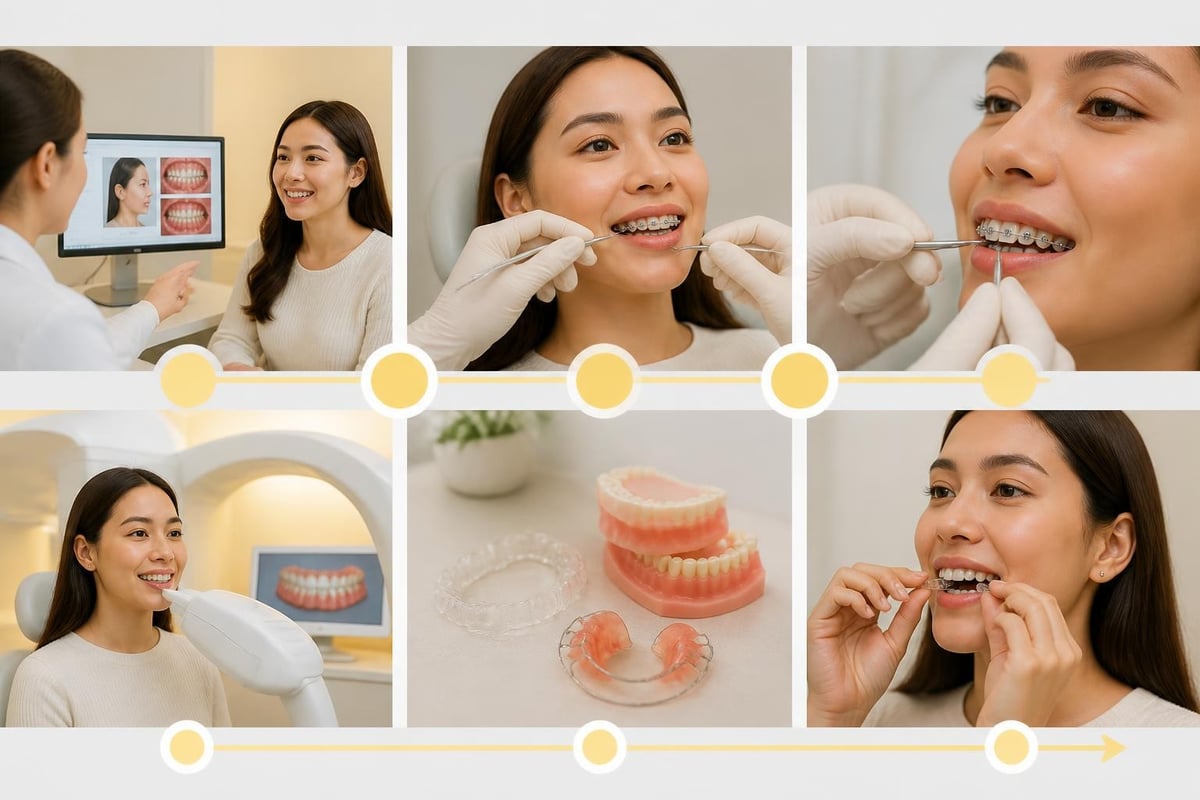
Your first visit to a braces dental clinic typically includes a comprehensive evaluation. The dentist examines your teeth, bite, jaw relationships, and facial proportions. Diagnostic records including photos, scans, and x-rays may be taken.
This information allows the clinical team to:
- Diagnose your specific orthodontic condition
- Identify any underlying issues requiring attention first
- Develop personalized treatment options
- Estimate treatment duration
- Discuss costs and payment arrangements
Many patients wonder does getting braces hurt. The placement appointment involves bonding brackets to teeth and threading wires, which doesn't hurt but may feel unusual. Mild discomfort typically occurs 4-6 hours after placement and subsides within a few days.
Active Treatment Phase
Regular adjustment appointments occur every 4-8 weeks depending on your treatment type and progress. The British Orthodontic Society provides helpful guidance on looking after your braces during active treatment.
Successful treatment requires:
- Maintaining excellent oral hygiene
- Following dietary restrictions (for fixed braces)
- Wearing elastics or appliances as directed
- Attending scheduled appointments
- Protecting braces during sports
- Reporting any breakage or concerns promptly
Treatment duration varies significantly based on case complexity, age, and patient cooperation. Mild cases may complete in 12-18 months, while complex corrections might require 24-36 months. Your dentist can provide estimated timelines specific to your situation. Many patients also ask how long do braces take, and the answer depends on individual factors.
Retention Phase
After braces removal, retainers maintain your new tooth positions while surrounding bone and tissues stabilize. This phase is crucial for long-term success.
Retainers may be removable or fixed (bonded behind teeth). Initial wear is typically full-time, gradually reducing to nighttime-only over months to years. Many orthodontists recommend indefinite nighttime retention to prevent relapse.
Choosing the Right Braces Dental Clinic
Selecting where to receive orthodontic care requires considering multiple factors beyond convenience and cost.
Professional Qualifications and Experience
Verify the dentist's training and experience in orthodontics. While general dentists can provide some orthodontic care, complex cases may benefit from specialists with advanced training.
Ask about:
- Educational background and continuing education
- Years of experience with orthodontic treatment
- Range of cases typically treated
- Approach to complex or unusual situations
- Professional memberships and certifications
Experience matters particularly for challenging cases involving surgical coordination, interdisciplinary treatment, or unusual anatomical considerations.
Treatment Philosophy and Communication
The clinic's treatment philosophy should align with your priorities. Some focus on achieving ideal textbook results regardless of treatment time, while others balance optimization with practical considerations.
Important questions to ask:
- How do you develop treatment plans?
- What if I'm unhappy with progress?
- How do you handle emergencies?
- What retention protocol do you recommend?
- How do you determine when treatment is complete?
Communication style matters throughout the months or years of treatment. You should feel comfortable asking questions, expressing concerns, and understanding recommendations.
Clinic Environment and Patient Experience
The physical environment and patient experience significantly impact your orthodontic journey. Visit the clinic before committing to treatment.
| Consideration | Why It Matters |
|---|---|
| Cleanliness and organization | Reflects attention to detail and infection control standards |
| Technology and equipment | Indicates investment in modern, effective treatment tools |
| Staff professionalism | Affects communication, scheduling, and overall experience |
| Emergency protocols | Ensures prompt care when issues arise |
| Location and hours | Impacts ability to attend regular appointments conveniently |
| Financial transparency | Prevents surprises and facilitates planning |
The NHS offers guidance on what patients should expect from orthodontic care, including realistic timelines and proper informed consent processes.
Cost Considerations and Payment Options
Orthodontic treatment represents a significant investment. Comprehensive braces dental clinics provide clear, detailed cost information upfront.
Typical cost factors include:
- Type of braces or appliances used
- Complexity and estimated duration of treatment
- Included services (emergency visits, retainers, refinements)
- Technology and materials utilized
- Geographic location and practice overhead
Payment plans, insurance coordination, and financing options help make treatment accessible. Understand what's included in quoted fees and what might incur additional charges.
Special Considerations for Different Age Groups
Orthodontic needs and treatment approaches vary across age groups.
Children and Early Orthodontic Intervention
The American Association of Orthodontists recommends children have an orthodontic evaluation by age 7. Early assessment identifies developing problems when intervention might be simpler or more effective.
Early treatment benefits may include:
- Guiding jaw growth for better proportions
- Creating space for permanent teeth
- Reducing trauma risk for protruding teeth
- Improving speech or breathing issues
- Simplifying later comprehensive treatment
Not all children need early intervention. When indicated, it typically involves shorter treatment phases addressing specific developing issues.
Teenagers and Comprehensive Treatment
Adolescence remains the most common time for comprehensive orthodontic treatment. Most permanent teeth have erupted, while growth continues to aid certain corrections.
Teenagers benefit from:
- Efficient tooth movement due to active bone remodeling
- Multiple treatment options including clear aligners
- Timing that completes before major life transitions
- Social environment where braces are common
- Development of lifelong oral health habits
Compliance challenges may arise with removable appliances or aligners. Open communication between parents, patients, and the clinical team helps navigate these situations.
Adult Orthodontics
Adult orthodontic treatment has grown significantly. Many adults seek treatment for concerns not addressed earlier or for changes that developed over time.
Adult treatment considerations include:
- Completed facial growth (more predictable outcomes)
- Possible gum disease or bone loss requiring management
- Existing dental work may complicate movement
- Different aesthetic priorities than children
- Work and social commitments affecting appointment scheduling
Treatment often takes slightly longer in adults due to denser bone and slower tissue response, though modern techniques have narrowed this gap. The results can be equally successful and satisfying.
Maintaining Oral Health During Orthodontic Treatment
Braces create additional challenges for maintaining oral hygiene, but proper care prevents complications.
Daily Oral Hygiene with Braces
Brackets, wires, and bands create numerous areas where food particles and plaque accumulate. Thorough cleaning after every meal prevents decay and gum inflammation.
Essential hygiene tools include:
- Soft-bristled toothbrush (manual or electric)
- Interdental brushes for between brackets
- Floss threaders or orthodontic flossers
- Fluoride toothpaste
- Antibacterial mouth rinse (when recommended)
Brushing should take 2-3 minutes, carefully cleaning around each bracket and along the gumline. Flossing daily, though time-consuming with braces, remains essential for gum health.
Dietary Modifications
Fixed braces require avoiding certain foods that can damage brackets or wires. The British Orthodontic Society provides detailed guidance on diet during treatment.
Foods to avoid or modify:
| Category | Examples | Reason |
|---|---|---|
| Hard foods | Nuts, hard candy, ice | Can break brackets or bend wires |
| Sticky foods | Caramel, gum, taffy | Difficult to clean, may dislodge brackets |
| Crunchy foods | Popcorn, chips, hard cookies | Can damage appliances |
| Chewy foods | Bagels, tough meat | Excessive force on brackets |
Cutting food into smaller pieces, choosing softer alternatives, and being mindful during eating prevents most emergency visits for broken braces.
Professional Dental Care
Continue regular dental cleanings and examinations throughout orthodontic treatment. Professional cleanings reach areas difficult to access with braces, preventing permanent white spots or decay.
Your general dentist and orthodontic provider should communicate about your care. Some patients need more frequent cleanings during active treatment, particularly if gum inflammation develops.
Addressing Common Orthodontic Concerns
Understanding potential challenges helps you prepare and respond appropriately.
Discomfort and Pain Management
Mild discomfort is normal after adjustments as teeth begin moving. This typically peaks within 24-48 hours and gradually subsides. Over-the-counter pain relievers, soft foods, and saltwater rinses usually provide adequate relief.
Sharp wires or brackets rubbing cheeks or lips can cause irritation. Orthodontic wax creates a protective barrier until your next appointment when the wire can be trimmed.
Persistent or severe pain warrants contact with your braces dental clinic for evaluation.
Emergency Situations
Most orthodontic "emergencies" aren't urgent but do cause discomfort. True emergencies requiring immediate attention include:
- Trauma to the face or mouth
- Severe pain unrelieved by usual measures
- Allergic reactions to materials
- Infection or significant swelling
Common issues like loose brackets, poking wires, or lost elastics can typically wait until the next business day but should be reported promptly.
Treatment Not Progressing as Expected
Occasionally, teeth don't respond as predicted. Biological variation, unexpected bone density, root shapes, or incomplete patient cooperation can affect progress.
Your orthodontic provider should monitor progress at each visit and adjust the treatment plan when needed. Open communication about concerns ensures issues are addressed promptly.
For patients comparing options, understanding the differences highlighted in braces vs clear aligners helps set realistic expectations for each approach.
Beyond Alignment: Comprehensive Dental Health
Quality orthodontic care considers overall dental health, not just straight teeth.
Bite Function and TMJ Health
Proper bite relationships affect chewing efficiency, tooth wear patterns, and jaw joint health. Comprehensive orthodontic assessment evaluates how teeth fit together and how the jaw functions.
Some patients experience jaw clicking, pain, or muscle tension before, during, or after orthodontic treatment. If you notice jaw clicking when opening mouth or other TMJ symptoms, discuss them with your dental provider.
Orthodontic treatment can sometimes help TMJ symptoms by improving bite relationships, though it's not specifically a TMJ treatment. Complex cases may require collaboration between orthodontic and TMJ specialists.
Gum Health and Periodontal Considerations
Healthy gums are essential for successful orthodontic treatment. Moving teeth through inflamed or diseased gum tissue can worsen periodontal problems and compromise results.
Pre-treatment evaluation should identify any gum disease requiring treatment first. During active treatment, maintaining excellent hygiene prevents inflammation. Regular monitoring ensures any developing issues are addressed before they become serious.
Airway and Breathing Considerations
Emerging research explores relationships between jaw development, orthodontic treatment, and airway health. While orthodontics alone doesn't treat sleep apnea or breathing disorders, jaw expansion or growth guidance may contribute to improved airway dimensions in developing patients.
Comprehensive assessment includes questions about sleep quality, snoring, mouth breathing, and daytime fatigue. When concerns arise, collaboration with sleep medicine specialists or ENT physicians may be appropriate.
Selecting the right braces dental clinic sets the foundation for a successful orthodontic experience that delivers not just straighter teeth but improved function, health, and confidence. The combination of clinical expertise, advanced technology, comprehensive assessment, and personalized care ensures treatment addresses your specific needs effectively. At CuraSmile PH, we provide evidence-based orthodontic care in Bonifacio Global City, combining thorough evaluation with modern treatment approaches tailored to each patient's unique dental condition and goals.