Understanding Dentist Specialties: A Complete Guide
Explore the different dentist specialties, from pediatric dentistry to oral surgery. Learn what each specialty treats and how to find the right care.
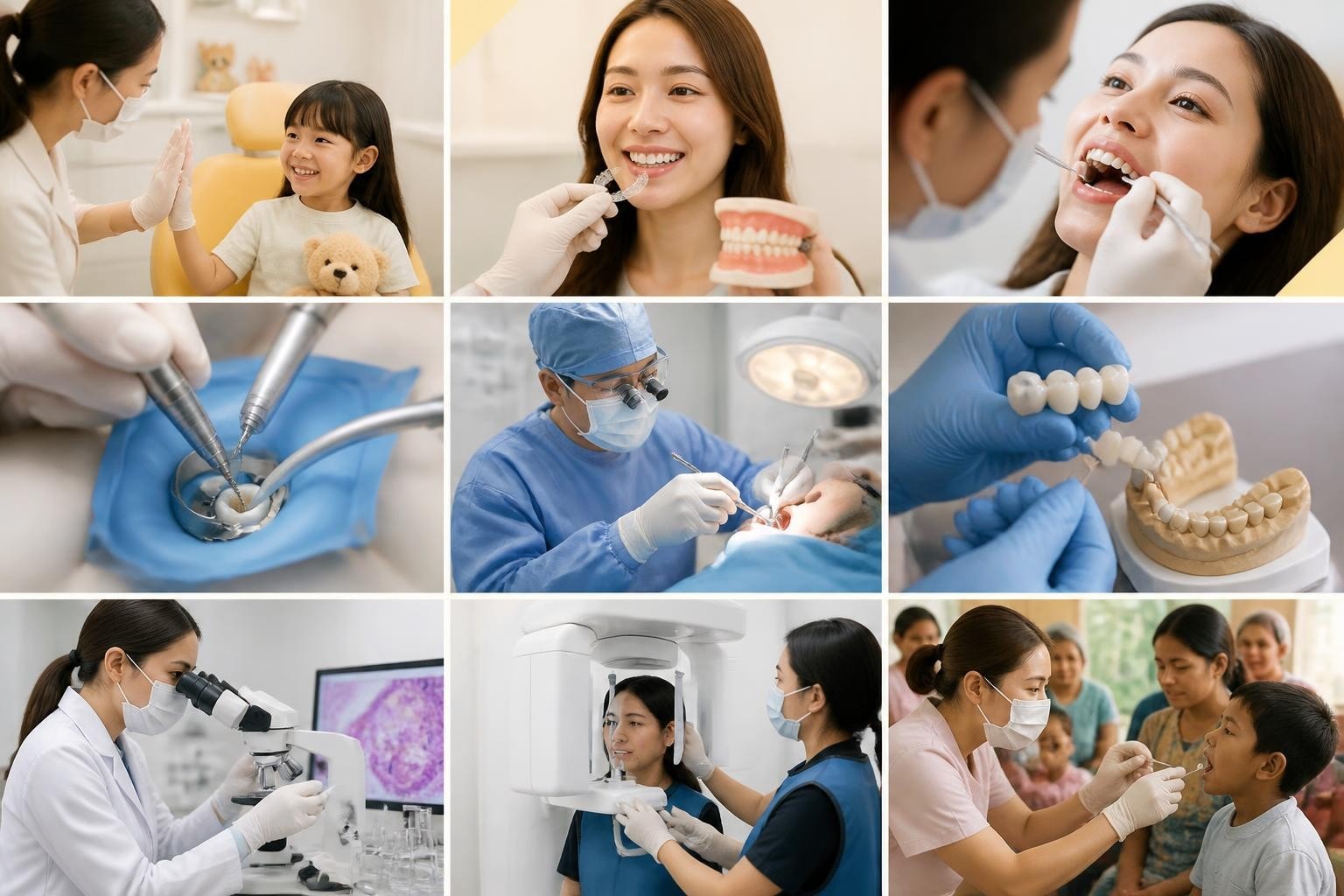
When you think about dental care, you might picture a general dentist performing cleanings, fillings, and routine checkups. But the field of dentistry extends far beyond these foundational services. Just as medicine has cardiologists, neurologists, and orthopedic surgeons, dentistry encompasses distinct dentist specialties that focus on specific aspects of oral health, facial structures, and complex treatment needs. Understanding these specialties helps you make informed decisions about your care and know when seeking specialized expertise makes sense for your particular dental concerns.
What Defines a Dental Specialty
The National Commission on Recognition of Dental Specialties and Certifying Boards establishes the criteria for what constitutes an officially recognized dental specialty in the United States. This recognition process ensures that each specialty represents a distinct body of knowledge, requires advanced education beyond dental school, and addresses specific patient care needs that general dentists may refer to specialists.
Currently, nine dentist specialties receive official recognition, each with rigorous educational requirements and focused clinical training. These specialties developed as dental science advanced and the complexity of oral health care expanded beyond what a single practitioner could master comprehensively.
Educational Requirements Across Specialties
After completing four years of dental school and earning a Doctor of Dental Surgery (DDS) or Doctor of Dental Medicine (DMD) degree, dentists pursuing specialty certification enter advanced residency programs. These programs, accredited through the Commission on Dental Accreditation, typically require two to six additional years of intensive training.
The length and structure of residency training varies by specialty:
- Two to three years: Pediatric dentistry, orthodontics, periodontics, endodontics, prosthodontics
- Three to four years: Oral and maxillofacial radiology, oral and maxillofacial pathology
- Four to six years: Oral and maxillofacial surgery (often includes medical degree)
- Two years: Dental public health
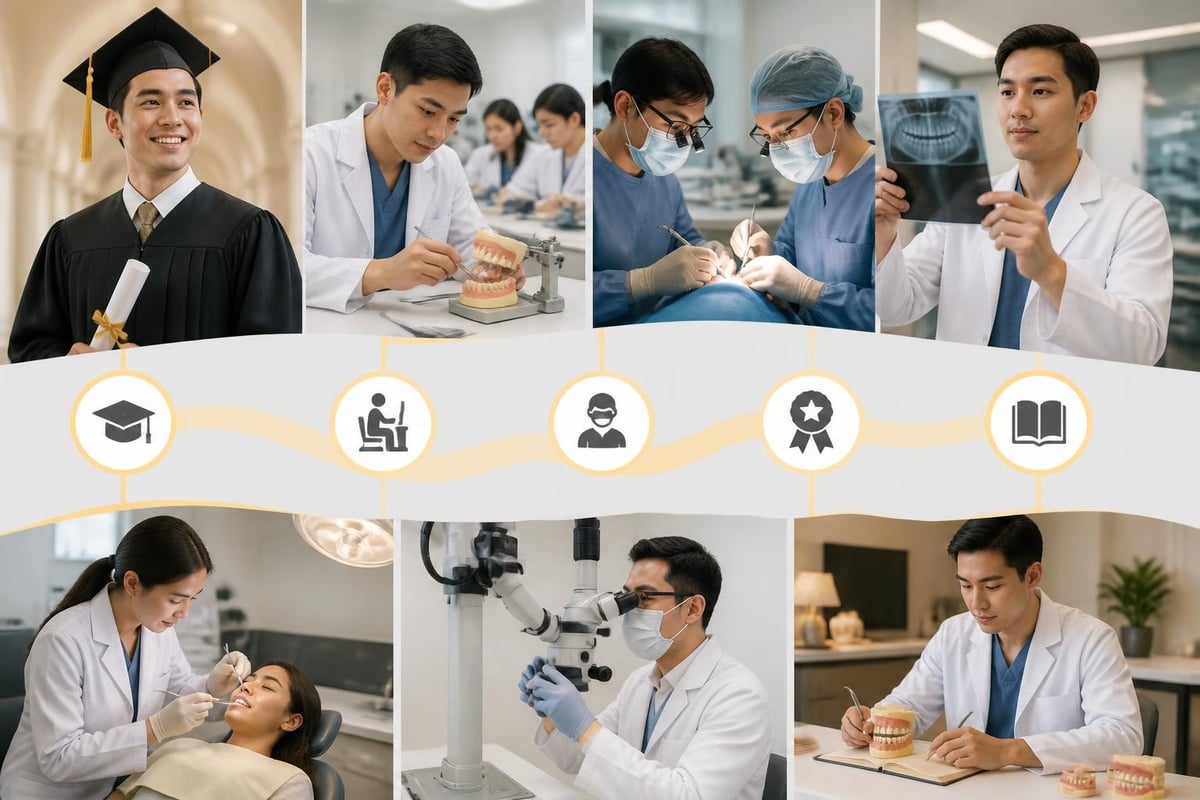
Pediatric Dentistry: Specialized Care for Growing Smiles
Pediatric dentists focus exclusively on the oral health needs of infants, children, adolescents, and patients with special healthcare needs. This specialty addresses the unique developmental stages of primary teeth, mixed dentition periods, and the transition to permanent teeth.
The American Academy of Pediatric Dentistry provides comprehensive guidelines for age-appropriate preventive care, behavior management, and treatment planning. Pediatric dentists receive specialized training in:
- Child psychology and behavior guidance to create positive dental experiences
- Growth and development patterns affecting tooth eruption and jaw formation
- Management of dental trauma in young patients
- Sedation and anesthesia techniques appropriate for children
- Treatment of congenital conditions affecting oral structures
Pediatric specialists often serve as the dental home for children from infancy through their teenage years, establishing preventive habits and intercepting developing problems before they become complex issues.
Orthodontics and Dentofacial Orthopedics
Orthodontists specialize in diagnosing, preventing, and correcting misaligned teeth and jaws. Beyond straightening teeth for aesthetic purposes, orthodontic treatment addresses functional concerns like bite relationships, jaw alignment, speech difficulties, and problems with chewing efficiency.
Modern orthodontic practice incorporates various treatment modalities:
| Treatment Approach | Primary Applications | Typical Duration |
|---|---|---|
| Traditional braces | Complex malocclusions, comprehensive correction | 18-36 months |
| Clear aligners | Mild to moderate misalignment, adult patients | 6-24 months |
| Functional appliances | Growth modification in developing patients | 12-18 months |
| Retainers | Post-treatment stabilization | Ongoing/lifelong |
At CuraSmile PH, our Clear Aligners & Orthodontics service provides personalized orthodontic treatment using clear aligners and other appropriate approaches, with comprehensive assessment and digital treatment planning designed around each patient's unique dental needs and aesthetic goals.
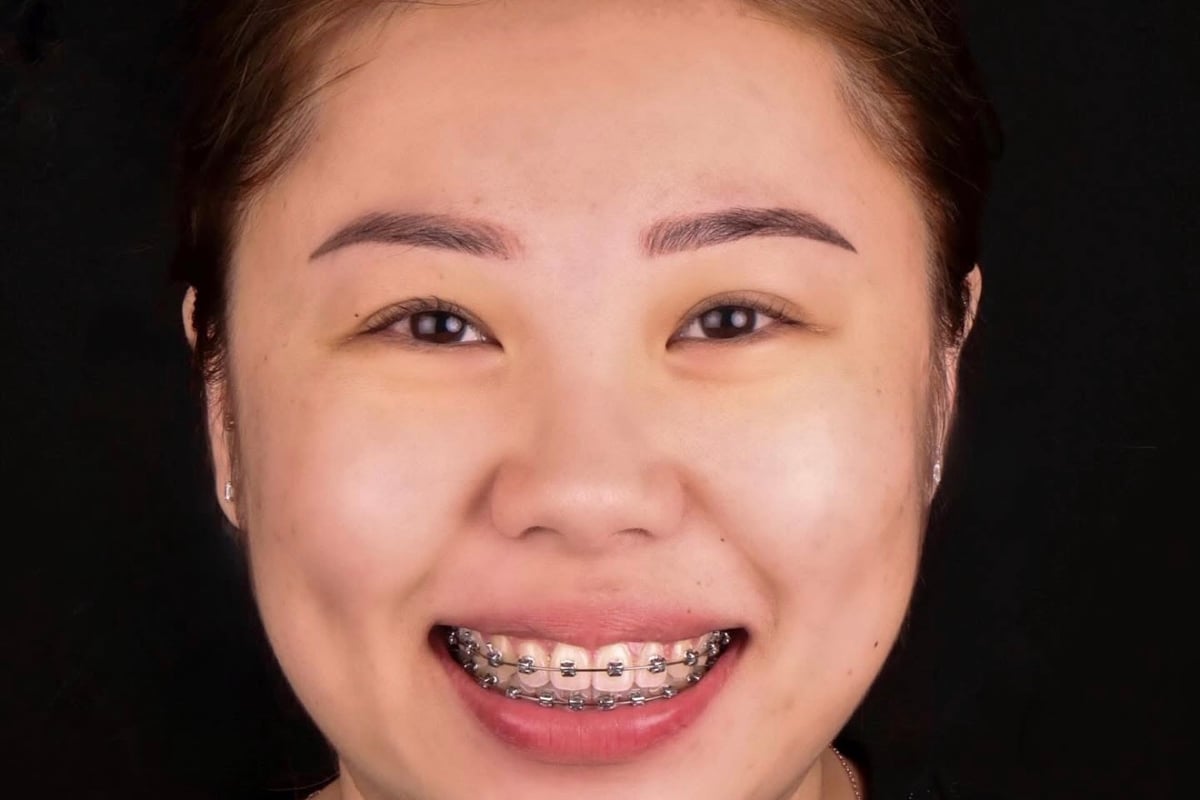
The scope of orthodontic practice extends beyond tooth movement to include evaluating craniofacial growth patterns, identifying airway concerns, and collaborating with other specialists when complex cases require multidisciplinary approaches. Understanding the difference between dental and orthodontics helps patients recognize when specialized orthodontic evaluation adds value to their treatment planning.
Periodontics: The Foundation of Oral Health
Periodontists specialize in the prevention, diagnosis, and treatment of periodontal (gum) disease and the placement of dental implants. Since periodontal health forms the foundation that supports teeth, this specialty plays a critical role in both preserving natural dentition and replacing missing teeth.
According to the American Academy of Periodontology, periodontists receive extensive training in:
- Non-surgical periodontal therapy including scaling and root planing
- Surgical pocket reduction procedures to access deep infection
- Regenerative techniques to rebuild lost bone and tissue
- Gum grafting procedures to address recession
- Dental implant placement and maintenance
- Aesthetic crown lengthening for cosmetic gum recontouring
Periodontists often work collaboratively with general dentists and other specialists, particularly when patients need implant-supported restorations or when gum disease complicates other dental treatments. Patients concerned about why gums bleed when brushing or seeking receding gums treatment may benefit from periodontal consultation.
Endodontics: Saving Teeth Through Root Canal Therapy
Endodontists focus on diagnosing tooth pain and performing root canal treatment to save teeth that might otherwise require extraction. This specialty developed as techniques for treating infected or damaged tooth pulp became increasingly sophisticated and success rates improved dramatically.
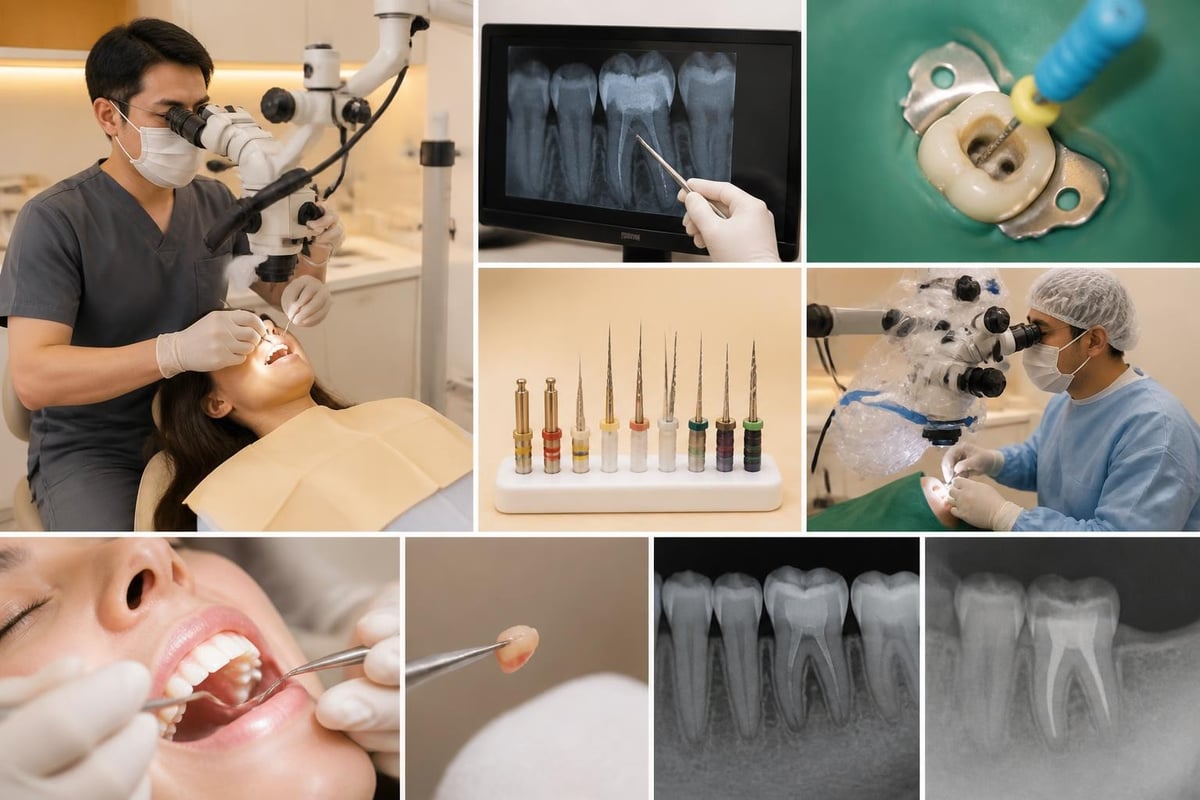
The precision required in endodontic treatment has led specialists in this field to adopt advanced technologies including:
- Surgical operating microscopes for enhanced visualization
- Cone beam computed tomography (CBCT) for three-dimensional imaging
- Ultrasonic instruments for cleaning complex canal systems
- Biocompatible filling materials for optimal sealing
While general dentists perform many root canal procedures, complex cases involving unusual anatomy, calcified canals, previously treated teeth requiring retreatment, or diagnostic challenges often warrant endodontic referral. The enhanced training and specialized equipment available to endodontists can improve outcomes in challenging situations.
Oral and Maxillofacial Surgery: Beyond Tooth Extraction
Among all dentist specialties, oral and maxillofacial surgery (OMS) encompasses the broadest scope of practice, extending from tooth extractions to complex reconstructive surgery. The American Association of Oral and Maxillofacial Surgeons describes this specialty as requiring one of the most extensive training programs in dentistry.
Many oral surgeons complete dual-degree programs, earning both dental and medical degrees during their residency training. This comprehensive education prepares them to manage:
- Tooth extraction including impacted wisdom teeth
- Dental implant surgery from single teeth to full-arch reconstruction
- Corrective jaw surgery to address skeletal discrepancies
- Facial trauma repair involving bones, soft tissue, and teeth
- Pathology treatment including cyst removal and biopsy procedures
- TMJ surgery for severe joint disorders
- Cleft lip and palate repair
- Reconstructive surgery following injury or disease
- Office-based anesthesia including IV sedation and general anesthesia
The surgical expertise oral and maxillofacial surgeons provide makes them essential partners in comprehensive dental treatment, particularly for patients requiring implant placement, pre-prosthetic surgery, or management of complex medical and dental conditions simultaneously.
Prosthodontics: Restoring Function and Aesthetics
Prosthodontists specialize in restoring and replacing teeth using crowns, bridges, dentures, and implant-supported restorations. This specialty focuses on complex cases involving extensive tooth loss, congenital defects, traumatic injuries, or situations requiring reconstruction of oral function and facial aesthetics.
The advanced training prosthodontists receive prepares them to address:
Fixed Prosthodontics
- Crown and bridge work for compromised teeth
- Implant-supported single crowns and fixed bridges
- Full-mouth reconstruction cases
- Aesthetic rehabilitation involving multiple teeth
Removable Prosthodontics
- Complete dentures for patients without remaining teeth
- Partial dentures to replace several missing teeth
- Implant-retained overdentures for improved stability
- Maxillofacial prosthetics following surgery or trauma
| Prosthetic Solution | Best Suited For | Longevity Expectation |
|---|---|---|
| Single crown | Damaged tooth with healthy root | 10-15 years |
| Fixed bridge | Small gaps between healthy teeth | 10-15 years |
| Implant crown | Single missing tooth, adequate bone | 15-25 years |
| Removable partial | Multiple missing teeth, budget considerations | 5-7 years |
| Complete denture | All teeth missing in one arch | 5-10 years |
| Implant-supported overdenture | Full arch replacement, improved retention | 10-20 years |
Prosthodontists often coordinate complex treatment plans involving multiple specialties, serving as the "architect" who designs the final restoration while collaborating with orthodontists, periodontists, oral surgeons, and general dentists to prepare the foundation for successful outcomes.
Oral and Maxillofacial Pathology
Oral pathologists specialize in diagnosing diseases affecting the oral and maxillofacial regions through microscopic examination, laboratory testing, and clinical correlation. While patients rarely visit oral pathologists directly, these specialists play a crucial behind-the-scenes role in identifying and characterizing:
- Oral cancers and precancerous lesions
- Salivary gland diseases
- Infectious diseases affecting oral tissues
- Inflammatory and autoimmune conditions
- Developmental anomalies
- Bone and soft tissue pathology
When a dentist or oral surgeon performs a biopsy or removes suspicious tissue, the specimen typically goes to an oral pathologist for definitive diagnosis. This diagnostic information guides treatment planning and helps determine whether additional intervention, specialist referral, or ongoing monitoring is appropriate.
The National Institute of Dental and Craniofacial Research supports research advancing our understanding of oral diseases, much of which informs the diagnostic criteria oral pathologists use in clinical practice.
Oral and Maxillofacial Radiology
Oral radiologists specialize in obtaining and interpreting dental and facial imaging. As imaging technology has advanced beyond traditional dental X-rays to include CBCT scans, MRI, CT imaging, and other sophisticated modalities, the expertise required to properly interpret these images has become increasingly specialized.
These specialists contribute to patient care by:
- Interpreting complex imaging when standard radiographs don't provide sufficient information
- Recommending appropriate imaging modalities based on clinical questions
- Identifying incidental findings that may require follow-up
- Assisting with treatment planning using three-dimensional reconstruction
- Minimizing radiation exposure through protocol optimization
While many dental practices now have CBCT scanners in-house, consulting with oral radiologists ensures optimal image interpretation, particularly when evaluating pathology, planning complex implant placement, or assessing temporomandibular joint disorders.
Dental Public Health: Community-Focused Oral Health
Dental public health specialists focus on preventing oral disease and promoting oral health at the community and population level rather than treating individual patients in clinical settings. This specialty addresses health disparities, develops community programs, shapes public policy, and conducts research on oral health trends and interventions.
Public health dentists typically work in:
- Government agencies developing oral health programs and policies
- Academic institutions conducting research and teaching
- Non-profit organizations addressing access to care issues
- Community health centers designing preventive initiatives
- International health organizations implementing global oral health programs
The work of dental public health specialists influences the oral health landscape in which all other dentist specialties practice, from fluoridation policies to Medicaid reimbursement structures to evidence-based clinical guidelines.
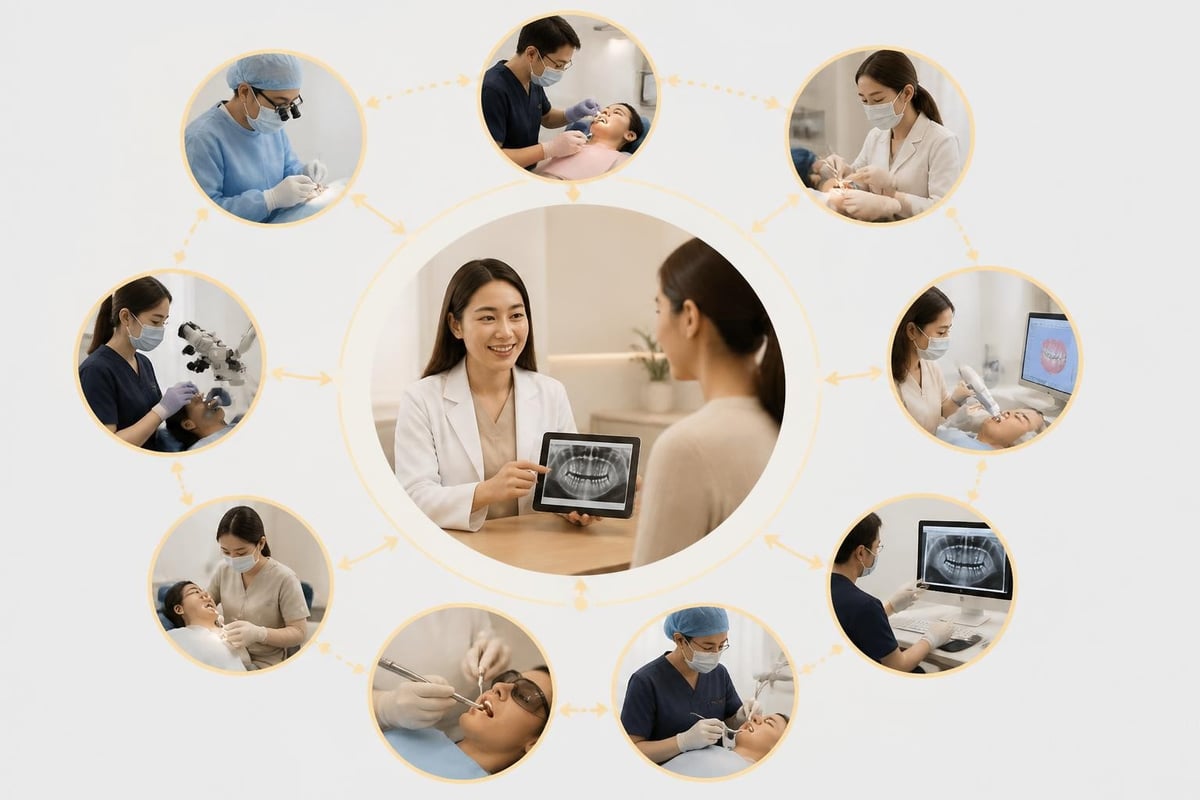
How General Dentists and Specialists Work Together
The relationship between general dentists and specialists functions as a collaborative network focused on comprehensive patient care. General dentists typically serve as the primary oral health care provider, coordinating preventive care, diagnosing problems, performing routine treatments, and identifying when specialized expertise would benefit their patients.
Effective collaboration between general practice and dentist specialties involves:
- Appropriate referral timing based on case complexity and training scope
- Clear communication about patient history, treatment goals, and expectations
- Shared treatment planning for cases requiring multiple approaches
- Continuity of care with the general dentist maintaining preventive and routine care
- Post-treatment follow-up coordinated between providers
At practices like CuraSmile PH in BGC, advanced general dentists with additional training in specific areas can address many complex cases while maintaining collaborative relationships with specialists for situations requiring subspecialty expertise. This approach offers patients comprehensive care coordination and seamless treatment experiences.
Choosing Between General Dentistry and Specialist Care
Understanding when specialist consultation adds value to your dental care helps you make informed decisions about your oral health. Several factors should guide this consideration:
Complexity of the condition: Straightforward cases typically fall within general dentistry scope, while anatomical challenges, previous treatment failures, or unusual presentations may warrant specialist evaluation.
Available technology and training: General dentists with advanced training and modern equipment can manage many procedures that once required specialty referral. Practices offering cosmetic dentistry services, for example, may provide comprehensive smile design without orthodontic or prosthodontic referral in appropriate cases.
Your comfort and preferences: Some patients prefer seeing specialists for specific procedures, even when their general dentist offers those services. Others value keeping their care centralized with one provider when possible.
Medical complexity: Patients with complex medical histories, taking multiple medications, or managing systemic health conditions may benefit from specialist involvement, particularly when procedures involve sedation, surgery, or extensive treatment.
Treatment goals and timeline: Specialists focusing exclusively on particular procedures may offer efficiency advantages in specific situations, while comprehensive care through general practice can reduce the number of providers and appointments needed.
The Evolution of Dental Specialization
Dentist specialties continue evolving as research advances, technology develops, and patient needs change. Emerging areas of focused practice include sleep medicine, laser dentistry, temporomandibular disorders, and implant dentistry, though these haven't yet achieved formal specialty recognition status.
Some general dentists pursue extensive continuing education and advanced training in these focused areas, developing expertise that approaches specialty-level knowledge without completing formal residency programs. This trend toward subspecialization within general practice reflects the increasing sophistication of dental treatment and the growing recognition that comprehensive, patient-centered care often requires expertise beyond traditional general dentistry training.
For conditions like TMJ disorders and orofacial pain, specialized assessment and treatment from dentists with advanced training in these areas provides focused care that addresses the complex, multifactorial nature of these conditions.
The modern dental landscape recognizes that quality care emerges from both traditional specialty pathways and advanced general dentistry practice, with the common thread being evidence-based treatment, appropriate training, and patient-focused outcomes.
Finding the Right Dental Care for Your Needs
Whether your needs align with general dentistry or one of the recognized dentist specialties, finding the right provider involves considering several key factors:
- Training and credentials specific to your treatment needs
- Technology and techniques used in the practice
- Communication style and patient education approach
- Collaborative relationships with other specialists when needed
- Patient-centered philosophy focused on your goals and concerns
Modern comprehensive dental practices often combine general dentistry expertise with advanced training in specific areas, offering coordinated care that addresses multiple aspects of oral health without requiring numerous specialist referrals. This integrated approach can enhance treatment efficiency while maintaining the specialized knowledge necessary for optimal outcomes.
The diverse landscape of dentist specialties reflects the complexity and importance of oral health within overall wellness. Understanding these specialties helps you navigate dental care decisions with confidence and recognize when specialized expertise might benefit your particular situation. Whether you need routine preventive care, orthodontic treatment, complex restorative work, or management of jaw pain and facial discomfort, CuraSmile PH offers comprehensive dental services in BGC combining advanced technology, evidence-based approaches, and personalized care planning designed around your unique needs and goals.