Receding Gums Treatment: Expert Solutions in BGC
Discover effective receding gums treatment options, from non-surgical care to advanced procedures. Expert guidance from CuraSmile PH in BGC.
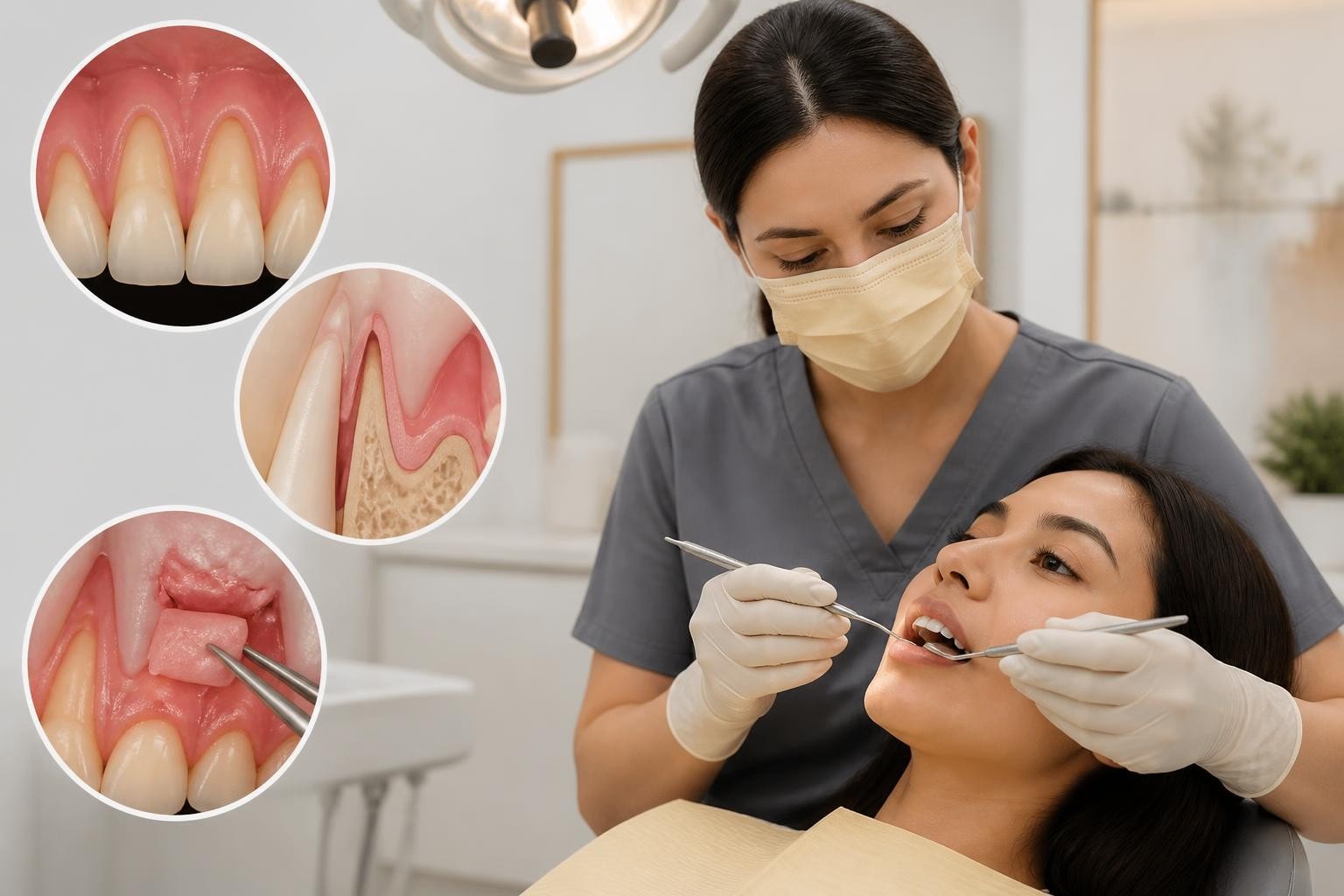
Noticing more of your tooth showing than before? Sensitive teeth when eating or drinking? These common experiences often signal gingival recession, a condition where gum tissue gradually pulls away from the tooth surface, exposing the root. While receding gums affect millions of people worldwide, the good news is that effective treatment options exist, ranging from preventive care to advanced surgical techniques. Understanding what causes recession, how to recognize it early, and which treatments work best can help you protect both the health and appearance of your smile.
What Causes Gum Recession
Gingival recession develops through several interconnected pathways, and identifying the underlying cause is essential for effective treatment planning.
Periodontal disease remains the most common cause of receding gums. Bacterial infection and inflammation gradually destroy the supporting tissues around teeth, causing gums to pull away from tooth surfaces. The American Dental Association emphasizes that untreated periodontal disease can lead to progressive tissue loss and eventual tooth mobility.
Mechanical factors also contribute significantly:
- Aggressive tooth brushing with hard-bristled brushes
- Improper brushing technique using horizontal scrubbing motions
- Chronic trauma from ill-fitting dentures or restorations
- Habits like nail biting or using teeth as tools
Anatomical considerations play an important role. Thin gum tissue biotype, prominent tooth roots, and minimal attached gingiva create vulnerability. Some patients are simply born with tissue characteristics that predispose them to recession over time.
Orthodontic tooth movement, particularly when teeth are moved outside the bony envelope, can result in gingival recession. This underscores the importance of comprehensive orthodontic assessment that considers tissue biotype and bone architecture.
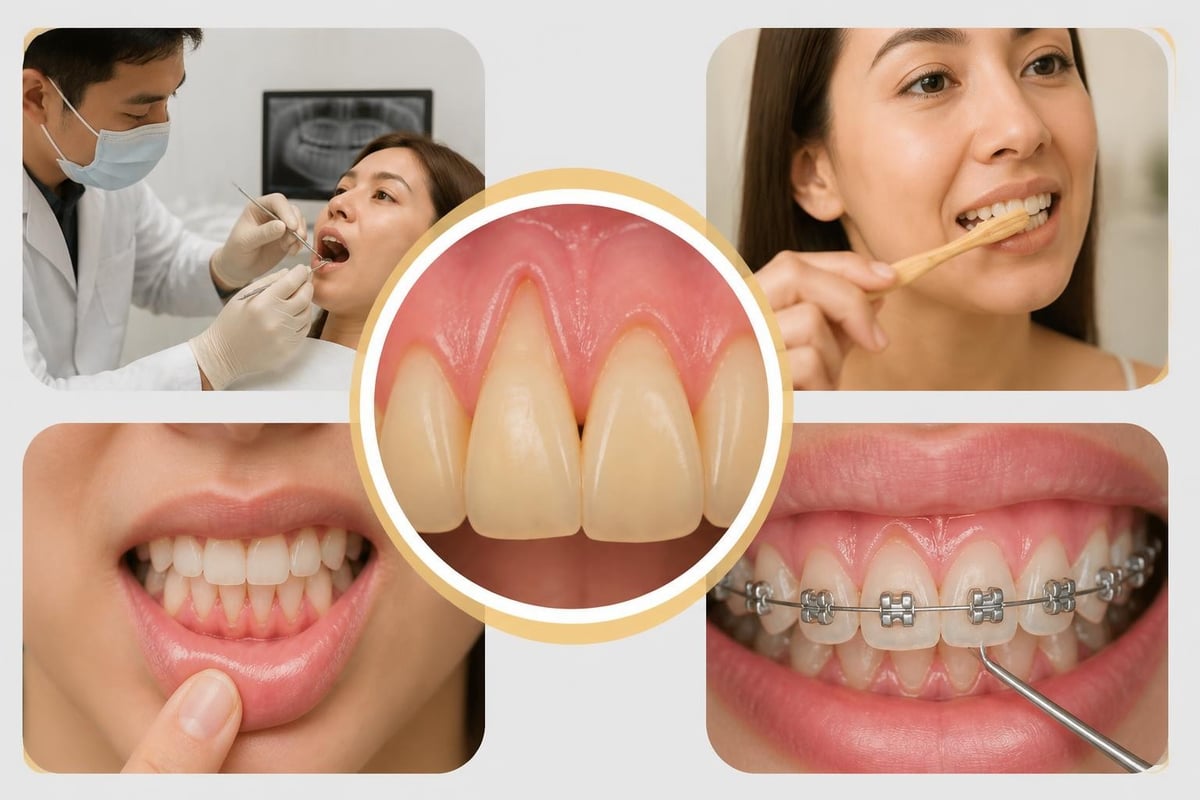
Other contributing factors include tobacco use, genetic predisposition, hormonal changes, grinding or clenching (bruxism), and improper oral-hygiene techniques. Understanding your specific risk factors allows your dental team to develop targeted prevention strategies.
Recognizing the Signs of Gingival Recession
Early detection significantly improves treatment outcomes and may prevent the need for more extensive intervention.
Clinical Indicators
The most obvious sign is increased tooth length. Teeth appear longer than neighboring teeth or longer than they used to look in photographs. This visual change occurs as gum tissue recedes and exposes previously covered root surface.
Tooth sensitivity develops because exposed root surfaces lack protective enamel. The underlying dentin contains microscopic tubules that transmit temperature, sweet, and acidic stimuli directly to the nerve. Patients often report sharp, temporary discomfort when consuming cold beverages or breathing cold air.
Additional warning signs include:
- Notching at the gumline (abfraction lesions)
- Visible color difference between crown and exposed root
- Food impaction in areas where gums have receded
- Bleeding during routine brushing or flossing
- Gum tenderness or inflammation
Progression Patterns
Recession typically follows predictable patterns. Localized recession affects isolated teeth, often on the facial (outer) surface of canines and premolars. Generalized recession involves multiple teeth and frequently indicates systemic factors like periodontal disease or improper oral-hygiene technique.
The NHS provides helpful guidance on recognizing gum disease progression and when to seek professional evaluation. Regular dental examinations allow early detection before recession becomes severe or symptomatic.
Non-Surgical Receding Gums Treatment Approaches
Not all gingival recession requires surgery. Non-surgical management focuses on stopping progression and addressing underlying causes.
Professional Periodontal Therapy
Scaling and root planing removes bacterial deposits and calculus from tooth and root surfaces. This deep cleaning eliminates infection, reduces inflammation, and creates conditions favorable for tissue healing. For patients with active periodontal disease, this represents essential first-line therapy.
Antimicrobial therapy may complement mechanical cleaning. Locally applied antibiotics, antimicrobial rinses, or systemic antibiotics help control bacterial populations and support tissue recovery.
Laser-assisted periodontal therapy offers advantages in certain cases. Advanced laser technology can target infected tissue, reduce bacteria, and promote healing with less discomfort and faster recovery than traditional approaches.
Optimizing Home Care
Proper brushing technique is foundational. Use soft-bristled brushes, gentle circular motions, and avoid horizontal scrubbing. The National Institute of Dental and Craniofacial Research provides evidence-based recommendations for effective yet gentle oral hygiene practices.
Daily interdental cleaning with floss or appropriate alternatives removes plaque from areas brushes cannot reach. Patients with recession should work with their dental hygienist to identify the most effective and least traumatic cleaning tools for their specific anatomy.
| Home Care Strategy | Purpose | Frequency |
|---|---|---|
| Soft-bristled brushing | Plaque removal without trauma | Twice daily |
| Interdental cleaning | Clean between teeth | Once daily |
| Antimicrobial rinse | Reduce bacterial load | As prescribed |
| Desensitizing toothpaste | Reduce root sensitivity | Twice daily |
Addressing Contributing Factors
Successfully managing receding gums requires identifying and modifying risk factors:
- Tobacco cessation: Smoking significantly impairs healing and increases disease progression
- Bite adjustment: Correcting occlusal trauma reduces mechanical stress on gum tissue
- Occlusal guard therapy: Protecting teeth from grinding and clenching forces
- Dietary modifications: Limiting acidic foods and beverages that contribute to erosion
When recession results from orthodontic treatment, careful monitoring and adjustment of tooth movement parameters can prevent further tissue loss. Comprehensive evaluation ensures treatment plans account for individual tissue characteristics.
Surgical Receding Gums Treatment Options
When non-surgical approaches cannot adequately address recession, surgical intervention may be indicated to restore tissue coverage, reduce sensitivity, improve aesthetics, and protect tooth structure.
Gingival Graft Procedures
Several surgical techniques achieve root coverage, each with specific indications and advantages.
Free gingival grafts use tissue harvested from the palate (donor site) and placed at the recession site. This approach is particularly effective for increasing the zone of attached gingiva and creating a more resilient tissue environment. While highly successful for building tissue thickness, aesthetic outcomes may be less optimal due to color mismatch.
Connective tissue grafts represent the gold standard for root coverage in many clinical situations. The surgeon harvests subepithelial connective tissue from beneath the palatal surface, preserving the overlying epithelium. This tissue is then placed under the gum tissue at the recession site and sutured in position. Systematic reviews demonstrate excellent success rates for root coverage and favorable aesthetic outcomes with connective tissue grafting techniques.
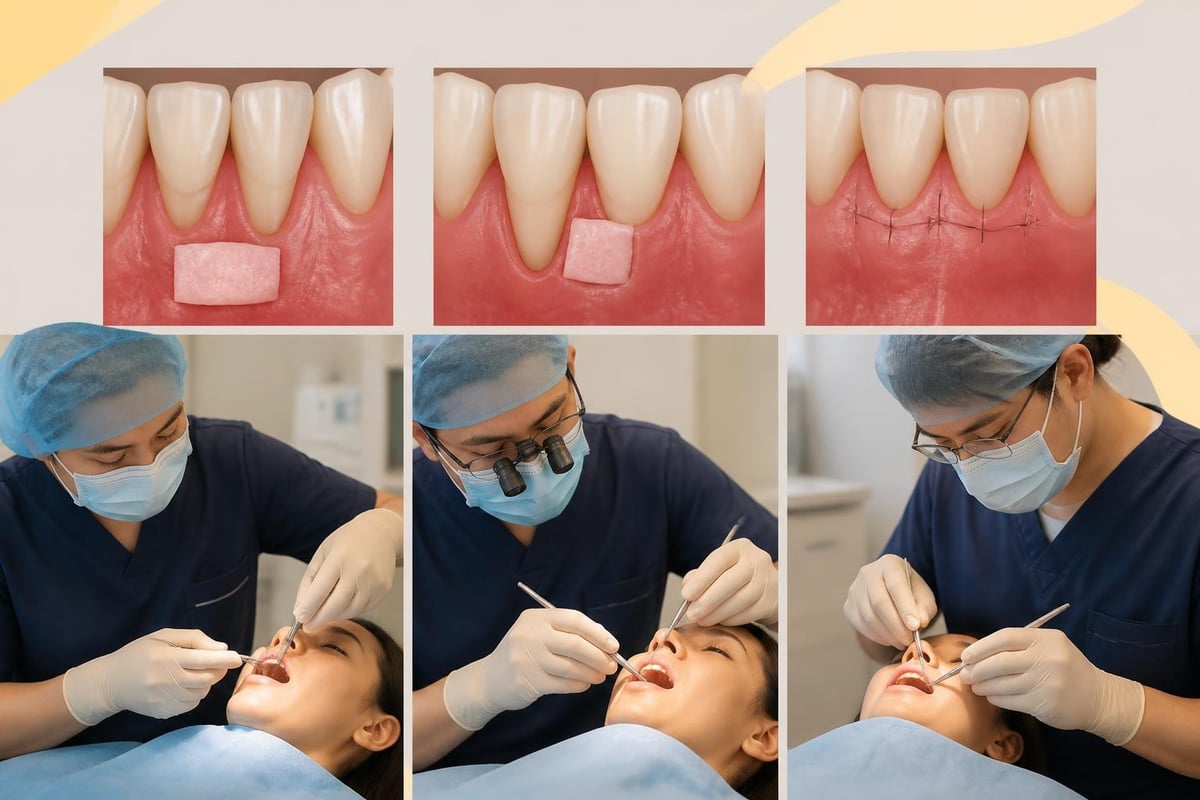
Coronally advanced flap procedures reposition existing gum tissue over the exposed root surface without using donor tissue. This technique works best when adequate tissue exists adjacent to the recession defect. Surgeons often combine coronally advanced flaps with connective tissue grafts for enhanced outcomes.
Alternative Surgical Approaches
Pedicle grafts rotate tissue from adjacent areas to cover recession defects. The grafted tissue maintains its blood supply through the attached pedicle, promoting predictable healing. This approach is limited to situations with sufficient adjacent tissue.
Acellular dermal matrix grafts use processed donated tissue as an alternative to palatal grafts. These materials eliminate the need for a donor site, reducing patient discomfort. Clinical outcomes continue to improve as processing techniques and surgical protocols evolve.
Recent research explores adjunctive biomaterials that may enhance outcomes. A systematic review in Clinical Oral Investigations examines hyaluronic acid as an adjunct to recession treatment, suggesting potential benefits for tissue healing and regeneration.
Procedure Expectations
Surgical root coverage procedures typically follow this general sequence:
- Pre-surgical preparation: Controlling active infection, optimizing home care
- Anesthesia: Local anesthesia ensures comfort during the procedure
- Root preparation: Cleaning and conditioning exposed root surfaces
- Graft harvesting and placement: Careful tissue handling and precise positioning
- Suturing: Stabilizing grafts and achieving primary closure
- Post-operative care: Following specific healing protocols
Recovery timelines vary by procedure complexity. Most patients experience manageable discomfort controlled with over-the-counter or prescribed pain medication. Avoiding the surgical site during initial healing and following dietary modifications promote optimal outcomes.
Complete healing and final tissue remodeling typically take several months. Success rates for root coverage vary by technique, defect characteristics, and patient factors, but experienced practitioners achieve 70-90% root coverage in many cases.
Evaluating Treatment Options: What Works Best
Selecting the right receding gums treatment depends on multiple factors specific to each patient's situation.
Decision-Making Factors
| Factor | Considerations |
|---|---|
| Recession severity | Millimeters of recession, exposed root surface area |
| Tissue characteristics | Thickness, width of attached gingiva, tissue biotype |
| Underlying cause | Periodontal disease, mechanical trauma, anatomical |
| Patient goals | Sensitivity reduction, aesthetics, disease control |
| Medical history | Healing capacity, medications, systemic conditions |
| Number of sites | Localized versus generalized recession |
A comprehensive clinical review in the Journal of Clinical and Experimental Dentistry discusses indications for various treatment approaches, emphasizing the importance of individualized treatment planning based on recession etiology and patient-specific factors.
Evidence-Based Success Predictors
Research identifies several factors associated with successful outcomes:
- Adequate keratinized tissue at recipient sites improves graft survival
- Proper root preparation enhances tissue attachment to root surfaces
- Primary wound closure protects grafts during critical healing phases
- Patient compliance with post-operative instructions and home care
- Absence of active infection before surgical intervention
Comparative studies help guide technique selection. One systematic review comparing gingival-unit transfer and free gingival grafts for localized recession provides valuable insights into procedure selection for specific clinical scenarios.
When to Seek Professional Evaluation
Not all gingival recession requires immediate intervention, but professional assessment helps determine appropriate timing and treatment approaches.
Immediate evaluation is warranted when:
- Rapid recession progression occurs over months
- Severe sensitivity interferes with eating or drinking
- Aesthetic concerns significantly impact confidence
- Signs of active periodontal disease appear
- Exposed roots show signs of decay or abrasion
Even mild recession benefits from professional monitoring. Early intervention can prevent progression and preserve tissue architecture, potentially avoiding more extensive treatment later.
At CuraSmile PH in BGC, comprehensive periodontal evaluation includes detailed tissue measurements, assessment of contributing factors, photographic documentation, and discussion of treatment options tailored to individual needs and goals.
Many patients with gingival recession also experience concerns about fresh breath, as recession can create areas that harbor bacteria and debris. Comprehensive periodontal care addresses both tissue health and breath quality simultaneously.
Preventing Future Recession
The most effective receding gums treatment includes robust prevention strategies to protect long-term outcomes.
Daily Oral Hygiene Practices
Proper brushing technique cannot be overstated. Hold your brush at a 45-degree angle to the gumline, use gentle circular motions, and allow bristles to do the work without applying excessive pressure. Electric toothbrushes with pressure sensors help patients avoid over-brushing.
Choose soft-bristled brushes and replace them every three months or when bristles show wear. Medium or hard bristles offer no cleaning advantage and significantly increase recession risk.
Interdental cleaning removes plaque from areas between teeth where recession commonly starts. Floss, interdental brushes, or water flossers each have advantages depending on your dental anatomy and dexterity.
Regular Professional Care
Professional cleanings remove calculus that home care cannot address. The frequency of these visits should be individualized based on your periodontal health status, typically ranging from every three to six months.
Periodic periodontal evaluations track tissue health over time. Early detection of changes allows prompt intervention before minor issues become significant problems.
Lifestyle Modifications
- Quit tobacco use: Smoking dramatically increases periodontal disease risk and impairs healing
- Manage stress: Stress contributes to habits like grinding and may affect immune function
- Maintain systemic health: Conditions like diabetes impact periodontal tissue health
- Protect against trauma: Use appropriate protective equipment for contact sports
The European Federation of Periodontology publishes evidence-based guidelines on periodontal disease prevention and management, emphasizing the interconnection between systemic health and periodontal wellness.
Advanced Technology in Recession Treatment
Modern dental technology enhances diagnosis, treatment precision, and patient outcomes for gingival recession management.
Diagnostic Innovations
Digital photography and imaging document baseline tissue conditions and track changes over time. High-resolution intraoral cameras capture detailed images that help patients understand their condition and visualize treatment needs.
Cone beam computed tomography (CBCT) provides three-dimensional visualization of bone architecture, root position, and available tissue. This information proves invaluable for complex surgical planning.
Computer-aided treatment planning allows visualization of predicted outcomes and helps align patient expectations with realistic results.
Treatment Enhancement Technologies
Laser technology offers multiple applications in recession treatment. Lasers can remove diseased tissue, reduce bacteria, promote tissue regeneration, and minimize bleeding during surgical procedures. Advanced laser dentistry represents one of several technologies that enhance precision and patient comfort.
Microsurgical techniques using magnification loupes or operating microscopes allow surgeons to work with exceptional precision. Finer sutures, more accurate tissue handling, and improved visualization contribute to better aesthetic outcomes.
Platelet-rich fibrin (PRF) and other biologics derived from the patient's own blood may enhance tissue regeneration and healing. These adjunctive treatments continue to be refined through ongoing clinical research.
The Role of Comprehensive Care
Effective management of receding gums rarely occurs in isolation. Integrated care addressing all contributing factors produces the best long-term outcomes.
When recession results from bite problems or grinding habits, TMJ and orofacial pain management becomes an essential component of comprehensive treatment. Correcting occlusal relationships and managing parafunctional habits protect both natural teeth and any restorative work.
For patients seeking aesthetic improvement alongside recession treatment, combining procedures like gum grafting with cosmetic dentistry can transform both tissue health and smile appearance in a coordinated treatment plan.
Restorative needs often accompany gingival recession. Root surfaces exposed by recession are vulnerable to decay and require careful monitoring or protective restorations when appropriate.
Long-Term Maintenance and Follow-Up
Successful receding gums treatment extends beyond initial intervention. Long-term stability requires ongoing commitment to maintenance and professional monitoring.
Post-Treatment Protocols
Following surgical root coverage, patients typically follow modified oral-hygiene protocols during initial healing. Avoiding the surgical site, using prescribed rinses, and following dietary restrictions protect healing tissues.
Gradual return to normal hygiene practices occurs under professional guidance. Learning appropriate techniques for cleaning grafted areas prevents trauma while maintaining cleanliness.
Ongoing Professional Support
Regular maintenance visits allow your dental team to:
- Monitor healing and tissue stability
- Detect early signs of new recession
- Reinforce optimal home-care techniques
- Provide professional cleaning without damaging grafted tissue
- Address concerns before they become problems
Patients who maintain consistent professional care and excellent home hygiene typically enjoy stable, long-lasting outcomes from recession treatment.
Realistic Expectations
While modern techniques achieve excellent results, understanding realistic outcomes helps patients make informed decisions. Complete root coverage may not be achievable in all cases, particularly with severe recession or unfavorable anatomy.
Even partial coverage often resolves sensitivity, improves aesthetics, and protects against further progression. The goal is optimal improvement given individual circumstances, not necessarily perfection.
Effective receding gums treatment combines accurate diagnosis, evidence-based intervention, and long-term preventive care tailored to each patient's unique needs. Whether you're experiencing early recession that requires only preventive measures or more advanced tissue loss needing surgical correction, comprehensive evaluation guides appropriate treatment selection. CuraSmile PH in Bonifacio Global City combines advanced periodontal expertise, modern diagnostic technology, and personalized care planning to help patients achieve healthier gums, reduced sensitivity, and confident smiles that last.