Smile Makeovers Before and After: What to Expect
Explore smile makeovers before and after transformations. Learn about planning, procedures, realistic expectations & what digital preview can reveal.
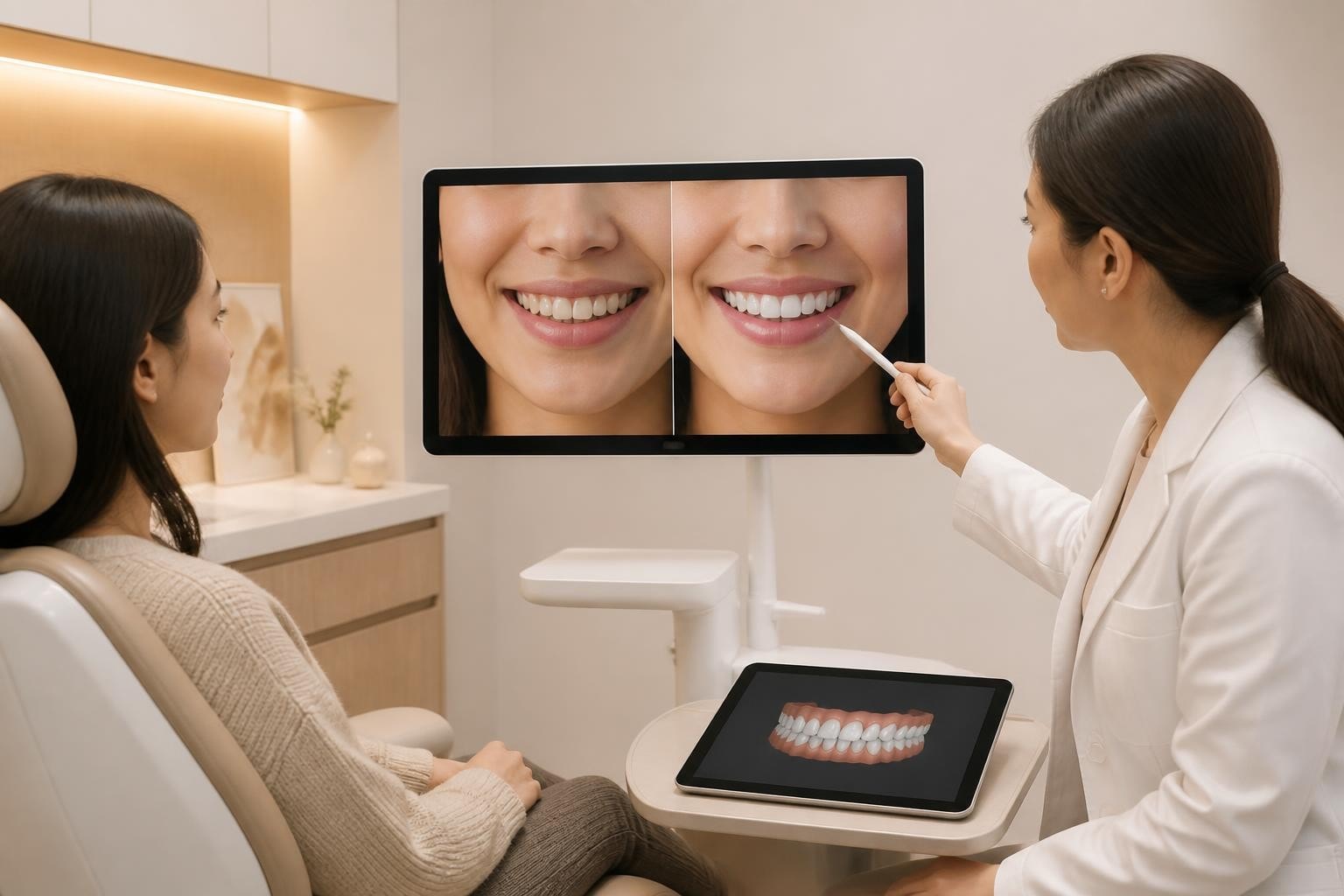
Reviewing smile makeovers before and after cases can provide valuable insight into what comprehensive aesthetic dentistry can achieve. These comparisons reveal not just visual changes, but also the careful planning, clinical precision, and personalized approach that transform a patient's dental health, function, and confidence. Understanding what goes into these transformations helps you set realistic expectations and make informed decisions about your own dental care.
What Defines a Smile Makeover
A smile makeover is a coordinated series of dental treatments designed to address multiple aesthetic and functional concerns simultaneously. Unlike a single procedure, a comprehensive makeover typically combines several approaches tailored to your unique dental anatomy, oral health status, and personal goals.
Core Components of Comprehensive Treatment
Most smile makeovers incorporate multiple treatment modalities to achieve harmonious results. These may include:
- Tooth alignment correction through orthodontics or clear aligners
- Tooth shape and size refinement using veneers or crowns
- Shade improvement via professional whitening or ceramic restorations
- Gum line optimization through periodontal or laser procedures
- Bite relationship adjustment to improve function and longevity
The specific combination depends entirely on your starting point. A thorough clinical assessment identifies which structures need attention and in what sequence treatments should proceed.
Beyond Surface Aesthetics
When examining smile makeovers before and after transformations, it's important to recognize that successful outcomes address more than appearance. Functional improvements often include better chewing efficiency, reduced tooth wear, improved speech clarity, and resolution of jaw discomfort.
Digital Smile Design approaches have helped clinicians integrate aesthetic planning with functional objectives, ensuring that the final result looks natural while supporting long-term oral health.
The Planning Process Behind Transformations
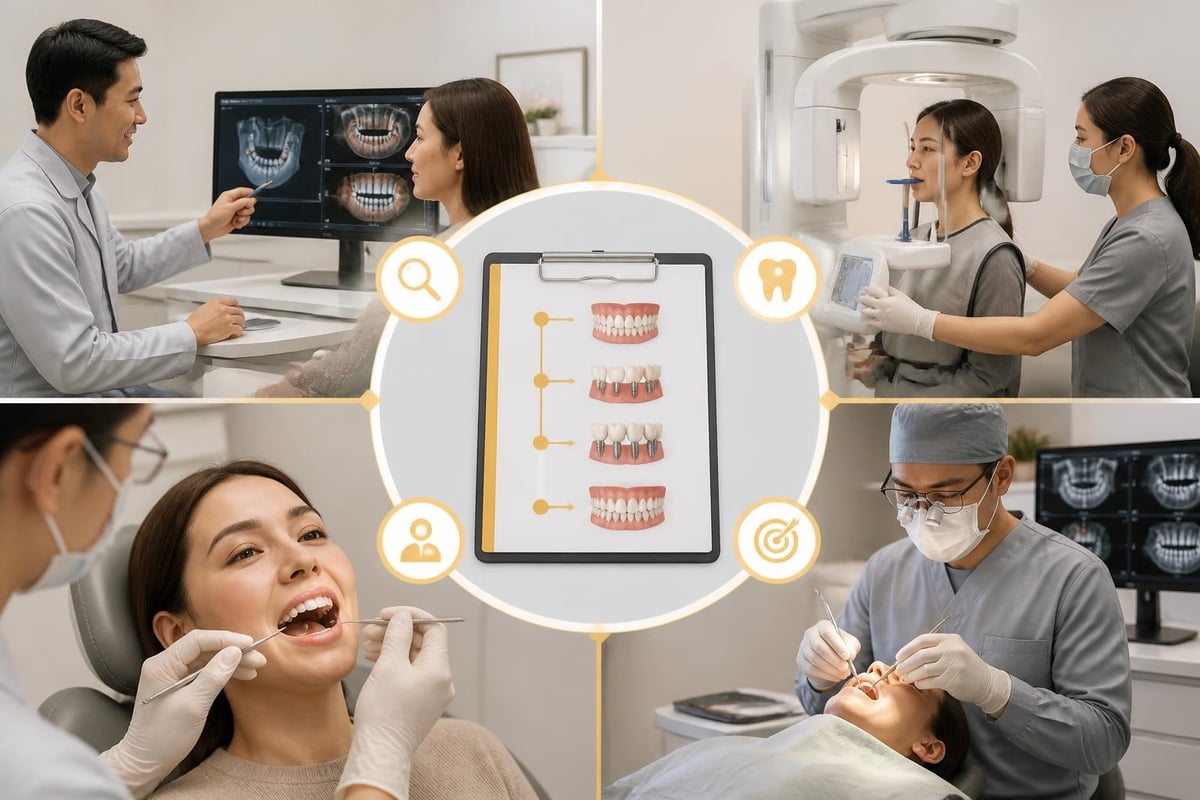
Every successful smile makeover begins with comprehensive diagnostic information. Before and after images document the journey, but the planning phase determines whether results will meet expectations.
Diagnostic Records and Analysis
Modern smile design relies on multiple data sources to create an accurate baseline:
| Diagnostic Tool | Information Provided | Clinical Use |
|---|---|---|
| Intraoral scanning | Precise 3D tooth and gum anatomy | Digital treatment planning, restoration design |
| Facial photography | Smile in context of facial features | Proportion analysis, aesthetic planning |
| Radiographic imaging | Root position, bone health, pathology | Treatment sequencing, risk assessment |
| Bite analysis | Jaw relationship, contact patterns | Functional planning, stability prediction |
This comprehensive data collection allows clinicians to simulate potential outcomes digitally before any tooth preparation occurs. Advanced digital workflows integrate these diagnostic elements into treatment planning software.
Setting Realistic Expectations
The most valuable aspect of reviewing smile makeovers before and after cases is understanding what's realistically achievable given your starting anatomy. Digital previews help bridge the gap between your vision and what's clinically feasible.
Factors that influence final outcomes include:
- Existing tooth structure and position
- Gum tissue health and architecture
- Bone support and periodontal condition
- Bite relationship and jaw alignment
- Oral habits that may affect longevity
At CuraSmile PH, we emphasize transparent communication during planning, ensuring you understand both the possibilities and any limitations specific to your case.
Common Smile Makeover Procedures
Understanding individual treatments helps you interpret smile makeovers before and after comparisons more accurately. Each procedure addresses specific concerns and contributes to the overall transformation.
Orthodontic Alignment
Tooth position forms the foundation of an attractive, functional smile. Many comprehensive makeovers begin with orthodontic correction to establish proper alignment before addressing shade, shape, or proportions. Clear aligners have become increasingly popular for adult patients seeking discreet treatment during the makeover process.
Orthodontic movement typically requires several months to one or two years, depending on complexity. This initial phase creates the ideal canvas for subsequent cosmetic refinements.
Porcelain Veneers and Crowns
Custom ceramic restorations can simultaneously address color, shape, size, and minor alignment discrepancies. Porcelain Veneers & Dental Crowns offer exceptional aesthetics and durability when properly planned and executed. These restorations are individually designed to complement your facial features and existing dentition.
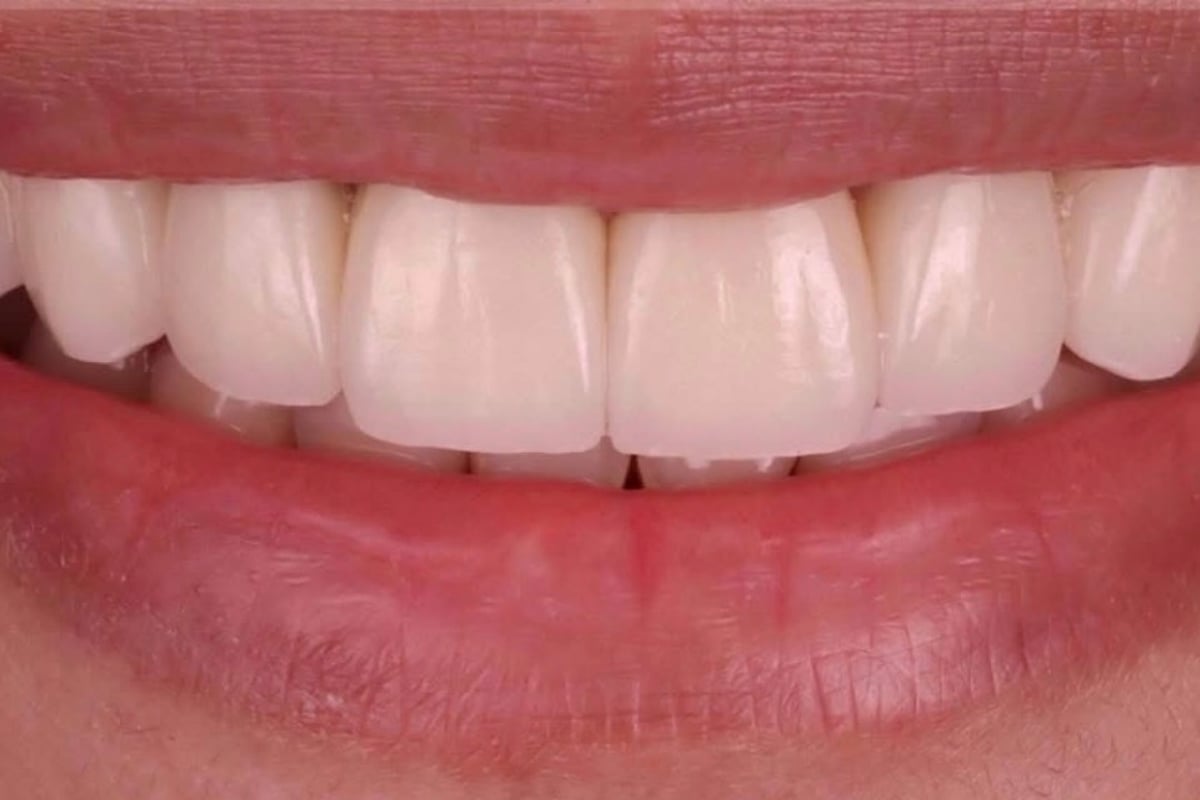
The choice between veneers and crowns depends on existing tooth structure, functional requirements, and aesthetic goals. Veneers require less tooth reduction and work well for primarily aesthetic concerns, while crowns provide comprehensive coverage for teeth with significant structural compromise.
Tooth Whitening Integration
Professional whitening often precedes restorative work, establishing the lightest natural shade achievable. This becomes the baseline for matching ceramic restorations. When reviewing cosmetic treatment options, understanding the sequence of procedures helps clarify why certain approaches are recommended.
Some smile makeovers before and after cases show dramatic shade improvement through whitening alone, while others achieve color correction through ceramic restorations designed in a brighter shade.
Interpreting Before and After Images
Not all smile makeover documentation provides equal insight. Learning to evaluate these images critically helps you understand what you're actually seeing.
What to Look for in Quality Documentation
Consistent photography conditions matter significantly. Professional dental photography uses standardized lighting, camera settings, and patient positioning to ensure accurate comparison. Variations in these factors can make results appear more or less dramatic than reality.
Multiple views provide comprehensive perspective:
- Frontal smile view showing tooth display and gum exposure
- Lateral (side) smile revealing profile changes and lip support
- Retracted view displaying actual tooth and gum architecture
- Close-up details highlighting texture, translucency, and characterization
Understanding Digital Previews vs. Final Results
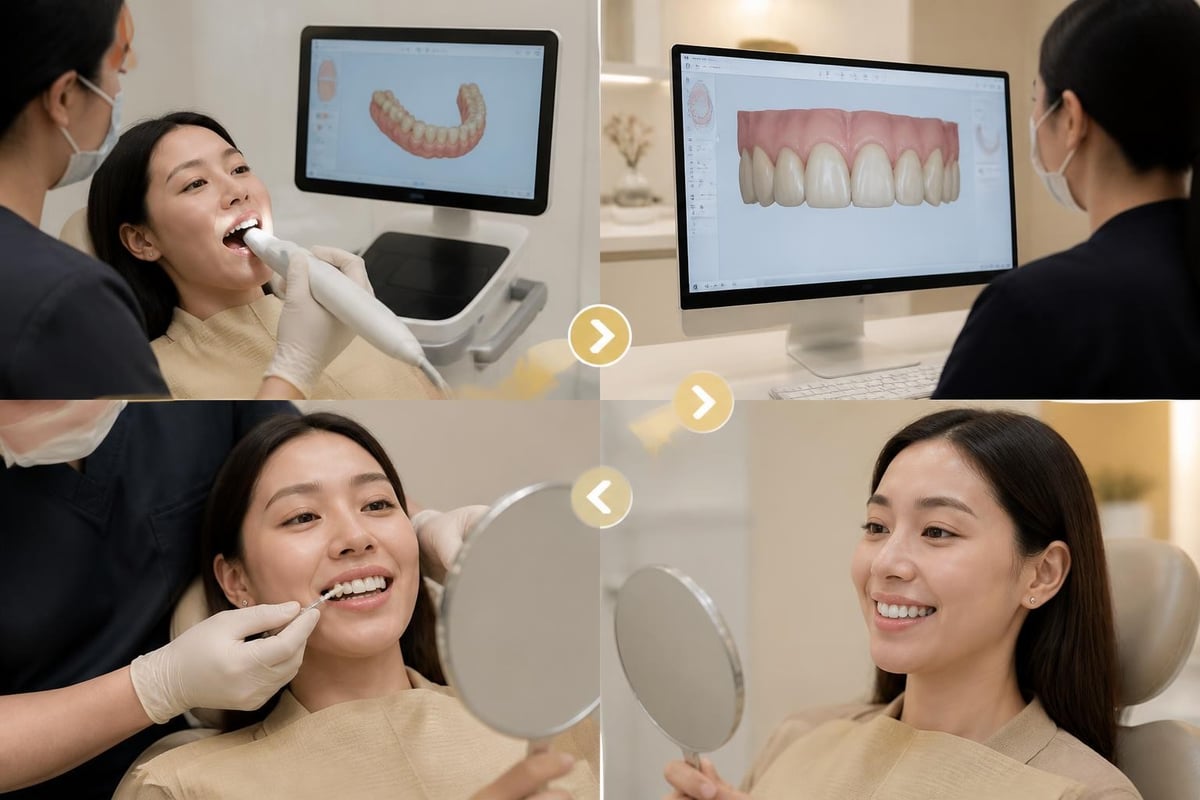
Digital smile design creates a projected outcome based on treatment planning. While these previews are increasingly accurate, recent research comparing AI-generated versus conventionally designed previews demonstrates that clinical judgment remains essential in creating achievable, natural results.
The final outcome depends on precise execution, material selection, ceramic artistry, and how your soft tissues respond during healing. Minor variations between preview and final result are normal and often reflect improvements discovered during treatment.
Timeframes and Treatment Sequences
The duration of smile makeovers varies considerably based on complexity and procedures required. Reviewing smile makeovers before and after cases often omits the timeline, which significantly impacts treatment decisions.
Typical Treatment Phases
| Phase | Procedures | Typical Duration |
|---|---|---|
| Foundation | Periodontal therapy, tooth decay treatment | 2-8 weeks |
| Alignment | Orthodontics or clear aligner therapy | 6-24 months |
| Refinement | Gum recontouring, whitening | 2-6 weeks |
| Restoration | Veneers, crowns, implant placement | 4-12 weeks |
| Integration | Final adjustments, occlusal refinement | 2-4 weeks |
These phases often overlap, particularly when digital planning allows fabrication to begin during earlier treatment stages. 3D printing and digital fabrication have accelerated certain aspects of the workflow.
Provisional Restorations
Many comprehensive makeovers incorporate a provisional phase where temporary restorations allow you to "test drive" the planned changes. This period provides valuable feedback about aesthetics, phonetics, and function before final restorations are created.
Adjustments made during the provisional phase ensure the final result addresses any concerns discovered through actual daily use.
Managing Expectations and Consent
Ethical considerations in cosmetic dentistry emphasize the importance of thorough communication and realistic goal-setting when discussing smile makeovers before and after possibilities.
The Role of Informed Consent
Comprehensive consent goes beyond signing forms. It requires understanding:
- Specific procedures recommended and why each is necessary
- Alternative approaches and their respective advantages or limitations
- Anticipated outcomes including what can and cannot be achieved
- Potential complications and how they would be managed
- Maintenance requirements and long-term care expectations
- Financial investment and payment timelines
Professional guidance on informed consent emphasizes that patients should feel genuinely prepared for treatment, not pressured by before and after images that may not reflect their individual situation.
Individual Variation in Results
Your anatomy, healing capacity, and tissue response influence final outcomes. Factors that create individual variation include:
- Gum thickness and biotype affecting how margins and contours appear
- Lip mobility and muscle tone determining tooth display during smiling
- Skin tone and complexion influencing shade selection and appearance
- Bone architecture affecting achievable positions and contours
- Saliva characteristics impacting ceramic surface appearance
Experienced clinicians account for these variables during planning, but some aspects only become apparent during treatment.
Long-Term Results and Maintenance
Smile makeovers before and after images typically show immediate post-treatment results. Understanding long-term outcomes requires discussing maintenance protocols and realistic longevity expectations.
Restoration Longevity Factors
Ceramic restorations can last many years when properly cared for, but longevity depends on multiple factors:
- Material selection and ceramic type used
- Preparation design and adhesive protocols
- Bite forces and parafunctional habits
- Oral hygiene quality and professional maintenance
- Dietary habits and acidic exposure
Most well-executed veneers and crowns function successfully for 10-15 years or longer, though individual experiences vary.
Ongoing Care Requirements
Maintaining smile makeover results requires commitment to:
- Consistent oral hygiene using appropriate techniques for restored teeth
- Regular professional care including periodic examinations and cleanings
- Protective measures such as nightguards for patients who grind or clench
- Prompt attention to any changes in fit, comfort, or appearance
For patients interested in comprehensive dental care in BGC, establishing a relationship with a practice that understands your complete treatment history ensures continuity and appropriate maintenance.
Special Considerations for Complex Cases
Some smile transformations address particularly challenging conditions. These cases demonstrate the advanced planning and clinical expertise required for predictable outcomes.
Severe Wear and Bite Collapse
Patients with extensive tooth wear often require comprehensive rehabilitation to restore vertical dimension, tooth length, and functional relationships. These transformations typically involve full-mouth reconstruction combining multiple crowns, orthodontic positioning, and bite adjustment.
Treatment sequencing becomes critical, often requiring provisional restorations at an increased vertical dimension to verify patient tolerance before final restorations.
Previous Dental Work Replacement
Many smile makeovers involve replacing outdated or failing restorations. These cases present unique challenges:
- Matching existing restorations that will remain in place
- Managing compromised tooth structure from previous preparations
- Addressing changed gum levels from prior restorations or periodontal changes
- Correcting previous color or shape choices that no longer satisfy
Successfully integrating new work with remaining teeth requires careful shade analysis and proportional planning.
Combined Functional and Aesthetic Needs
Some patients present with both aesthetic concerns and functional problems such as TMJ discomfort, clicking, or muscle pain. Comprehensive assessment of jaw function ensures that aesthetic improvements don't compromise comfort or create new problems.
Coordinating smile design with functional therapy may extend treatment timelines but produces more stable, comfortable long-term results.
Psychological and Social Impact
While smile makeovers before and after images showcase physical changes, the emotional and social effects often prove equally significant for patients who complete comprehensive treatment.
Confidence and Self-Perception
Many patients report that smile improvement affects how they interact socially and professionally. Common observations include:
- Increased willingness to smile in photographs and social situations
- Greater confidence during presentations or public speaking
- Reduced self-consciousness in professional interactions
- Enhanced satisfaction with overall appearance
These psychological benefits often motivate patients to pursue comprehensive treatment despite the time and investment required.
Realistic Emotional Expectations
While aesthetic improvement typically enhances confidence, it's important to maintain perspective. Dental treatment addresses dental concerns but doesn't resolve all life challenges. Patients with realistic expectations tend to report greater satisfaction with their results.
Choosing the Right Provider
The quality of smile makeovers before and after results depends heavily on clinical expertise, aesthetic judgment, and technical execution. Selecting an appropriate provider significantly influences your experience and outcome.
Essential Qualifications and Experience
Look for providers who demonstrate:
- Comprehensive diagnostic approach addressing health, function, and aesthetics
- Advanced training in cosmetic and restorative dentistry
- Contemporary technology supporting accurate planning and execution
- Portfolio of completed cases showing consistent, natural results
- Clear communication style helping you understand options and decisions
Experience with complex cases similar to yours provides additional confidence that your provider understands the specific challenges you present.
Questions to Ask During Consultation
Productive consultations involve dialogue, not just presentation. Consider asking:
- What specific concerns does my case present?
- Which treatment sequence do you recommend and why?
- What alternatives exist and how do they compare?
- What does the timeline look like from start to finish?
- What happens if results don't meet expectations?
- How do you handle adjustments or complications?
Providers who welcome detailed questions and provide thoughtful, specific answers typically deliver better patient experiences.
Digital Technology in Modern Smile Design
Contemporary smile makeovers leverage digital tools throughout planning, execution, and evaluation. Understanding these technologies helps you appreciate what's possible in modern dental care.
Scanning and Design Software
Intraoral scanners capture precise 3D tooth and gum anatomy without traditional impression materials. This digital data imports into design software where clinicians can:
- Simulate tooth movement and final positions
- Design restoration shapes and contours virtually
- Test different aesthetic options before treatment
- Create surgical guides for precise execution
- Fabricate provisional restorations matching the planned design
This digital workflow improves accuracy and allows patient input before irreversible steps occur.
Communication and Visualization
Digital tools facilitate clearer communication between patient and clinician. Three-dimensional models and simulated outcomes help bridge the gap between technical dental terminology and your visual expectations.
Some practices provide digital smile previews showing how planned restorations will look in your smile. While these previews aren't guarantees, they offer valuable insight into the intended aesthetic direction.
Smile makeovers before and after comparisons offer valuable insight into what comprehensive dental care can achieve, but each transformation represents a personalized journey addressing unique needs and goals. Understanding the planning process, treatment components, realistic timelines, and maintenance requirements helps you make informed decisions about your own smile. If you're considering aesthetic improvements to your smile, CuraSmile PH provides comprehensive assessment and personalized treatment planning in Bonifacio Global City, combining advanced digital technology with evidence-based clinical care to help you achieve natural, lasting results.