Dental Implants Philippines: Complete Guide 2026
Expert guide to dental implants in the Philippines - costs, procedures, technology, and how to choose quality care in BGC and beyond.
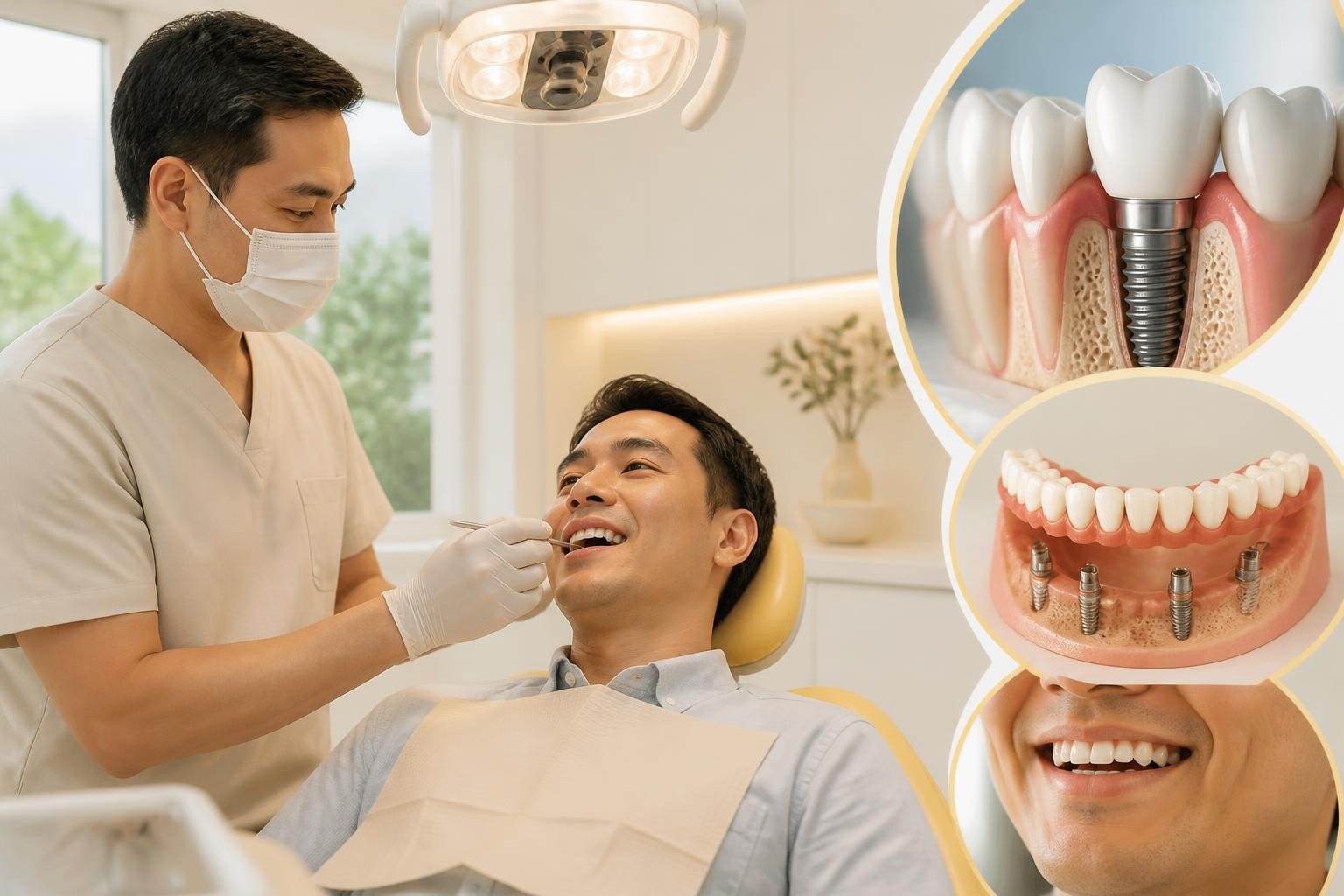
Dental implants represent one of the most significant advances in modern dentistry, offering patients a permanent, functional solution for missing teeth that closely mimics natural tooth structure. As awareness grows and technology improves, dental implants philippines has become a topic of increasing interest for both local residents and international dental tourists seeking quality care at competitive costs. Understanding the implant process, evaluating provider credentials, and recognizing what differentiates exceptional care from basic treatment are essential steps in making an informed decision about your oral health restoration.
Understanding Dental Implants and Their Role in Modern Dentistry
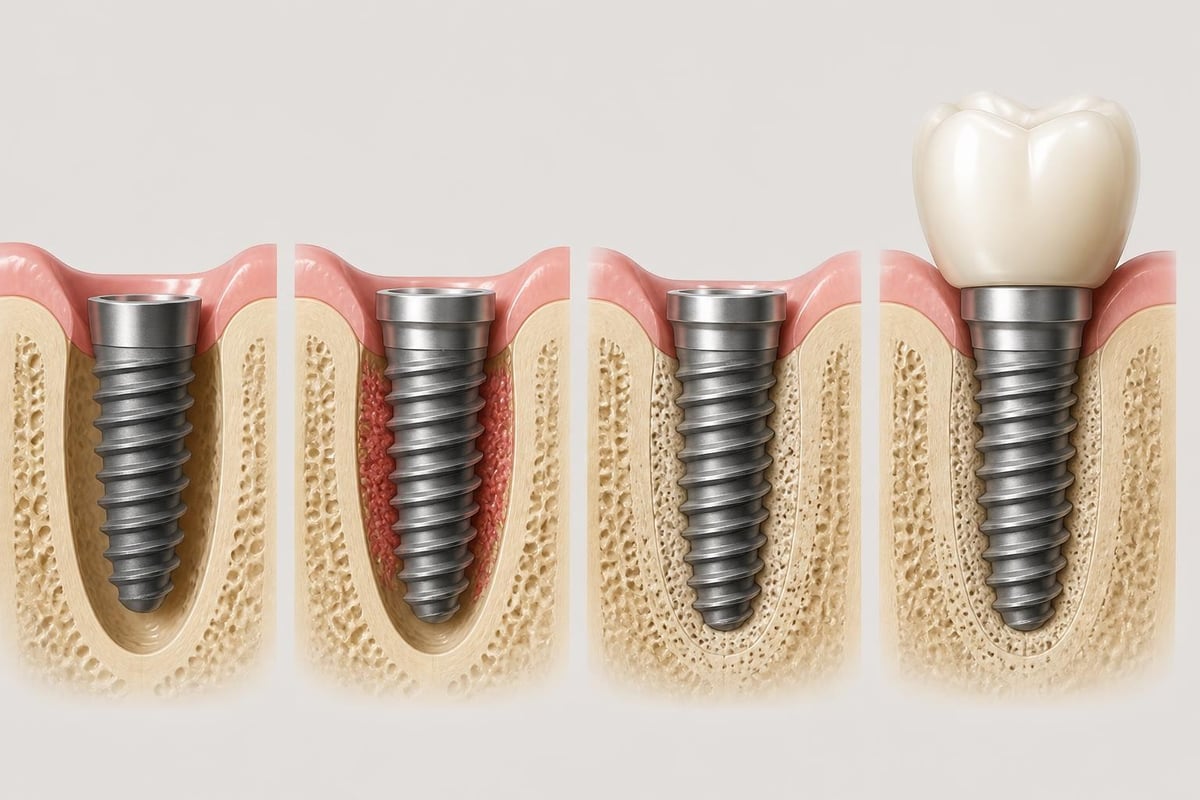
Dental implants are titanium or zirconia posts surgically placed into the jawbone to serve as artificial tooth roots. Once integrated with the bone through a biological process called osseointegration, these posts provide stable anchors for replacement teeth, whether single crowns, bridges, or full-arch prosthetics.
Unlike removable dentures or traditional bridges that rest on gum tissue or adjacent teeth, implants distribute biting forces directly to the jawbone. This biomechanical advantage helps preserve bone density and maintain facial structure over time, addressing one of the most significant long-term challenges of tooth loss.
Key advantages of dental implants include:
- Prevention of bone resorption that typically follows tooth extraction
- Restoration of normal chewing function and bite force
- No need to modify adjacent healthy teeth
- Long-term stability when properly maintained
- Natural appearance and feel
The Growing Demand for Dental Implants in the Philippines
According to the WHO's 2022 Global Status Report on Oral Health, oral diseases affect nearly 3.5 billion people worldwide, with untreated tooth decay remaining the most common health condition globally. In the Philippines, increasing awareness of oral health, expanding middle-class access to advanced dental care, and the presence of internationally trained dentists have contributed to growing interest in implant dentistry.
BGC in particular has emerged as a center for premium dental care, combining modern clinic infrastructure with access to the latest dental technologies. Patients researching dental implants philippines often discover that major urban centers like Bonifacio Global City offer care standards comparable to international destinations, without the extensive travel requirements.
Types of Dental Implants and Treatment Approaches
Dental implant treatment isn't one-size-fits-all. Understanding the various implant types, materials, and placement protocols helps patients recognize quality care and ask informed questions during consultations.
Implant Materials and Design
| Material | Characteristics | Common Applications |
|---|---|---|
| Titanium | Gold standard with decades of research, excellent osseointegration, high strength | Single implants, bridges, full-arch restoration |
| Zirconia | Tooth-colored ceramic alternative, metal-free, biocompatible | Anterior (front) teeth, patients with metal sensitivities |
| Titanium-Zirconia Hybrid | Combines titanium base with zirconia components | Customized aesthetic cases |
Research published in Frontiers in Dental Medicine discusses the evolving role of zirconia-based dental biomaterials, noting their favorable mechanical properties and biocompatibility. While titanium remains the most extensively studied and clinically proven material, zirconia implants show promise particularly for patients with specific aesthetic requirements or metal allergies.
Placement Protocols and Timing
Immediate Placement: Implant placed at the time of tooth extraction, reducing treatment time and preserving bone architecture. Requires adequate bone quality and absence of infection. A systematic review of immediate dental implants found comparable success rates to delayed placement when proper case selection criteria are met.
Delayed Placement: Implant placed after complete healing of the extraction site, typically 3-6 months post-extraction. This approach allows for bone grafting if needed and provides predictable outcomes in compromised sites.
Immediate Loading: Temporary crown or prosthetic attached to the implant within 48 hours of placement. Requires excellent primary stability and careful occlusal management.
Delayed Loading: Traditional approach where implants heal for 3-6 months before restoration, maximizing osseointegration before functional loading begins.
Evaluating Quality and Safety in Dental Implant Care
The success of dental implant treatment depends heavily on provider expertise, proper planning, surgical precision, and post-operative care. When considering dental implants philippines, patients should evaluate several critical factors that differentiate comprehensive care from basic service provision.
Professional Credentials and Continuing Education
Quality implant dentistry requires specialized training beyond general dental education. Look for practitioners who:
- Have completed formal implant surgery and prosthodontic training
- Participate in continuing education through organizations like the Philippine Dental Association
- Can demonstrate experience with various implant systems and clinical scenarios
- Follow evidence-based protocols aligned with international standards
The American Dental Association's statement on dental implant practices emphasizes the importance of proper training, patient assessment, and informed consent in achieving optimal outcomes and patient safety.
Diagnostic Technology and Treatment Planning
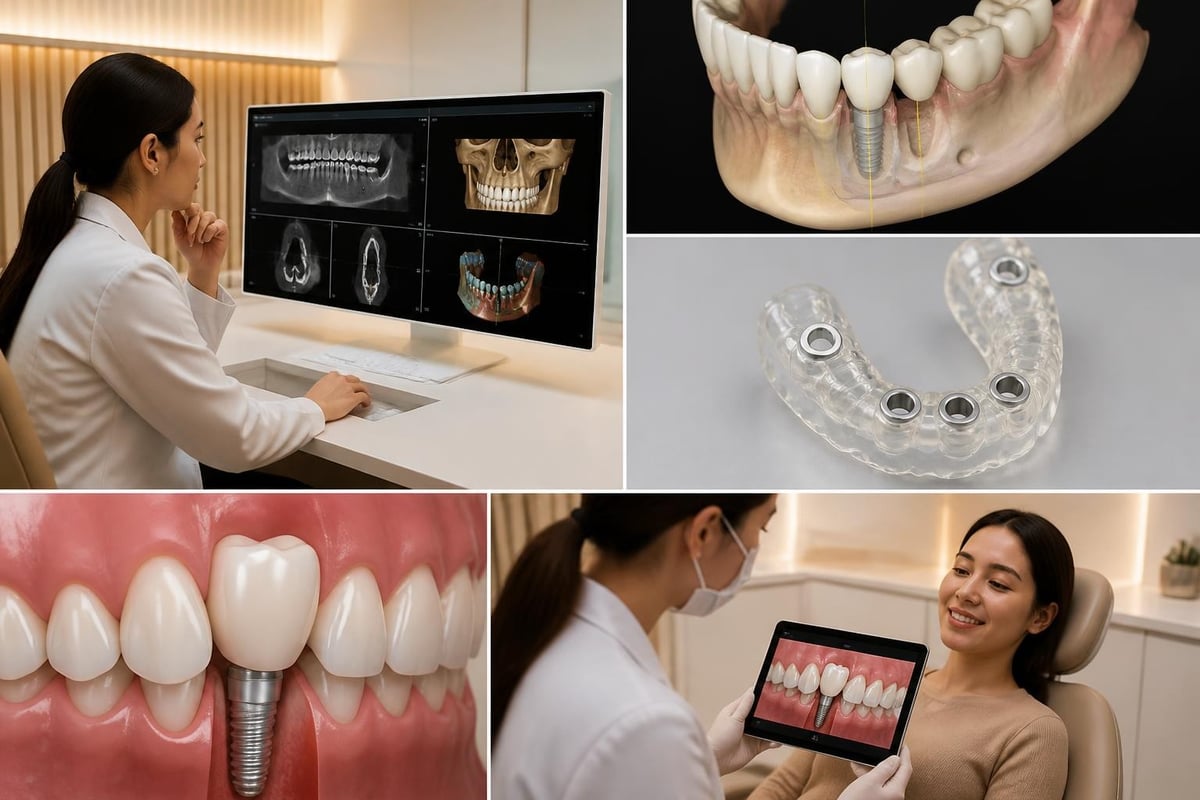
- 3D Cone Beam CT Imaging: Essential for evaluating bone volume, density, and anatomical structures before surgery
- Digital Smile Design: Allows visualization of aesthetic outcomes and guides implant positioning
- Surgical Guides: Computer-designed templates that improve accuracy and reduce surgical trauma
- Intraoral Scanning: Creates precise digital impressions for custom abutments and restorations
Advanced clinics in BGC increasingly incorporate these technologies into standard implant workflows, improving predictability and patient experience.
Cost Considerations and Financial Planning
Understanding the cost structure of dental implants philippines helps patients budget appropriately and evaluate value rather than simply comparing prices. Implant treatment represents a significant investment, but costs vary based on multiple factors.
Factors Affecting Implant Treatment Costs
- Implant System Brand: Premium systems with extensive clinical documentation may cost more but offer proven reliability
- Number of Implants Needed: Single tooth replacement versus multiple teeth or full-arch restoration
- Bone Grafting Requirements: Additional procedures to build bone volume increase total investment
- Restoration Complexity: Custom abutments and high-quality ceramic crowns add to the final cost
- Technology Integration: Use of surgical guides, digital workflows, and advanced imaging
Typical cost ranges in the Philippines (2026):
| Treatment Type | Estimated Range (PHP) | Notes |
|---|---|---|
| Single Implant + Crown | 80,000 - 150,000 | Varies by implant brand and crown material |
| Implant-Supported Bridge | 200,000 - 400,000 | For 3-4 adjacent teeth |
| Full-Arch Restoration | 400,000 - 800,000+ | All-on-4/All-on-6 approaches |
| Bone Graft Procedure | 25,000 - 80,000 | Depends on graft material and extent |
Insurance and Financing Options
The PhilHealth circular on preventive oral health services outlines benefit coverage for certain dental procedures, though implants are typically not included in basic coverage. Some private insurance plans may offer partial coverage for medically necessary tooth replacement.
Many clinics, including those in BGC, offer payment plans or work with healthcare financing companies to make treatment more accessible. Discussing financial options during the initial consultation helps ensure treatment fits within your budget without compromising quality.
The Dental Implant Procedure: What to Expect
Understanding the implant process reduces anxiety and helps patients prepare for each phase of treatment. While specific protocols vary based on individual needs, most implant treatments follow a general sequence.
Initial Consultation and Assessment
Your first visit establishes candidacy for implants and develops a personalized treatment plan. Comprehensive evaluation includes:
- Medical and dental history review to identify risk factors
- Clinical examination of oral tissues, bite relationship, and remaining teeth
- Diagnostic imaging to assess bone quality and quantity
- Discussion of goals, timeline, and alternative options
- Treatment planning with cost estimates
Conditions like uncontrolled diabetes, active periodontal disease, or insufficient bone volume may require management before implant placement. Smoking and certain medications can affect healing and should be discussed openly.
Surgical Placement Phase
The actual implant surgery typically involves:
- Local anesthesia or sedation for comfort during the procedure
- Precise incision and gentle tissue reflection to access the bone
- Sequential drilling to create the implant site at exact dimensions
- Implant insertion with proper torque to achieve primary stability
- Closure with sutures if following a buried healing protocol
Most patients report minimal discomfort during surgery. Post-operative pain is usually manageable with prescribed medications and typically subsides within a few days.
Healing and Osseointegration Period
After placement, the implant must integrate with surrounding bone before receiving the final restoration. This healing phase typically lasts:
- Lower jaw: 3-4 months (denser bone, faster integration)
- Upper jaw: 4-6 months (less dense bone, requires longer healing)
- Immediate loading cases: Temporary restoration placed immediately with careful monitoring
During this period, patients should follow home care instructions carefully and attend scheduled check-ups. Maintaining excellent oral hygiene around the surgical site promotes healthy healing.
Restoration Phase
Once osseointegration is confirmed, the restorative process begins:
- Placement of healing abutment if implant was buried
- Impression taking (traditional or digital scan)
- Custom abutment and crown fabrication
- Final restoration delivery with occlusal adjustment
- Post-delivery care instructions and maintenance scheduling
At specialized clinics in Bonifacio Global City, the restoration phase often benefits from in-house digital workflows that reduce turnaround time and ensure precise fit. When comprehensive aesthetic considerations are important, porcelain veneers and dental crowns can be coordinated with implant treatment to create harmonious smile transformations that address both function and appearance.
Factors That Influence Implant Success and Longevity
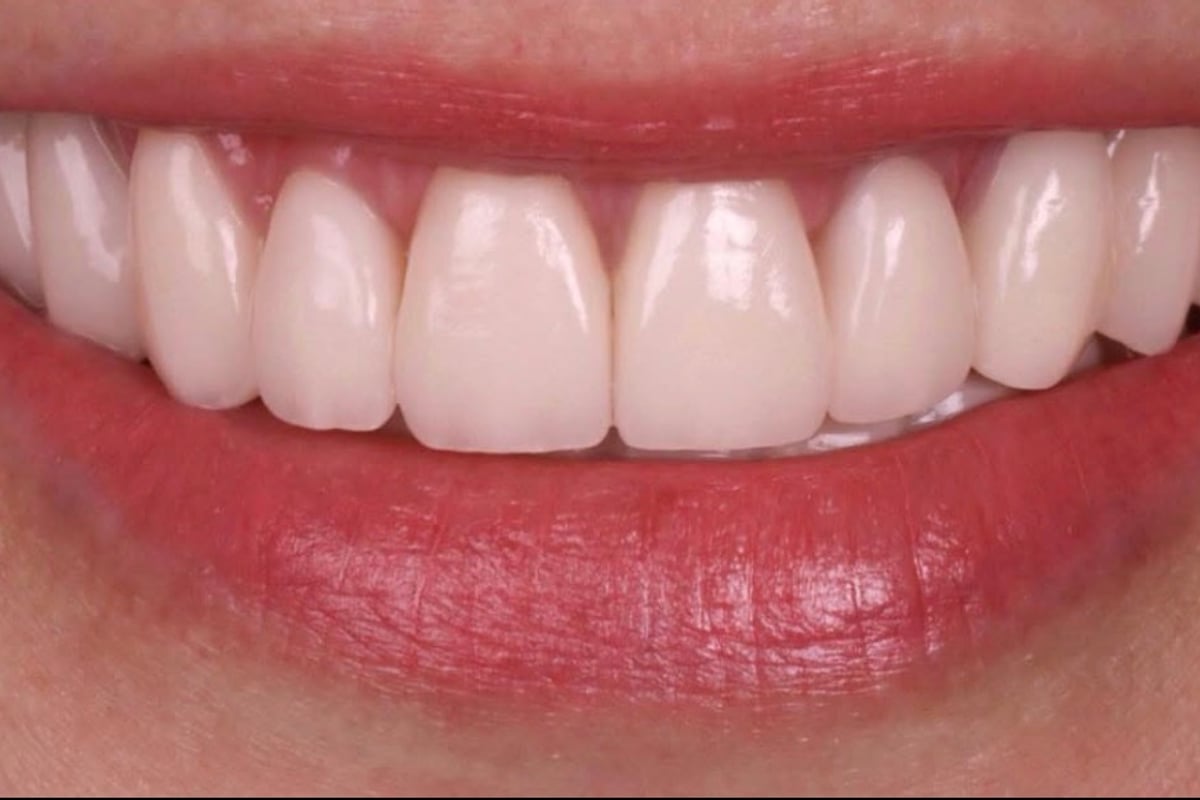
While dental implants boast high success rates, typically exceeding 95% over 10 years when placed by experienced clinicians, several factors influence long-term outcomes. Understanding these variables helps patients maximize their investment and maintain results.
Patient-Related Factors
Oral Hygiene Practices: Meticulous home care prevents peri-implant mucositis and peri-implantitis, the leading causes of implant failure. Regular brushing, interdental cleaning, and professional maintenance are essential.
Systemic Health Status: Uncontrolled diabetes, autoimmune conditions, and metabolic bone disorders can compromise healing and osseointegration. Medical optimization before surgery improves outcomes.
Smoking and Tobacco Use: Nicotine restricts blood flow, impairs healing, and significantly increases implant failure risk. Smoking cessation is strongly recommended before implant treatment.
Bruxism and Parafunctional Habits: Excessive grinding or clenching can overload implants and restorations. Patients with these habits may benefit from protective night guards. Those experiencing jaw tension might explore related concerns through resources like jaw clicking when opening mouth or consider TMJ treatment options if symptoms persist.
Treatment-Related Factors
An umbrella review of meta-analyses on peri-implantitis risk factors published in 2024 synthesized evidence from multiple high-quality studies, identifying key treatment-related variables:
- Adequate primary stability at placement
- Proper three-dimensional implant positioning
- Sufficient keratinized tissue around the implant
- Appropriate prosthetic design that facilitates hygiene
- Regular professional maintenance and monitoring
Preventive maintenance protocol:
- Professional cleanings every 3-6 months
- Radiographic evaluation annually or as indicated
- Prompt attention to any signs of inflammation or mobility
- Occlusal adjustments if bite changes occur
- Patient education reinforcement at each visit
Special Considerations for Full-Arch Rehabilitation
For patients missing all teeth in an arch or facing full-arch extraction, implant-supported prosthetics offer life-changing restoration of function and aesthetics. Modern approaches like All-on-4 or All-on-6 utilize strategically placed implants to support a full arch of teeth.
Advantages of Full-Arch Implant Treatment
Compared to traditional dentures, implant-supported full-arch restorations provide:
- Superior retention: No movement during eating or speaking
- Restored chewing efficiency: Return to normal diet without restrictions
- Bone preservation: Functional stimulation maintains jaw structure
- Improved speech: Elimination of denture bulk in the palate
- Enhanced comfort: No pressure sores or adhesive requirements
- Psychological benefits: Increased confidence and quality of life
Treatment Timeline and Expectations
Full-arch rehabilitation typically follows this sequence:
- Comprehensive planning with 3D imaging and diagnostic workup
- Surgical placement of implants (often with immediate temporary prosthetic)
- Healing period with provisional restoration allowing normal function
- Final prosthetic fabrication using high-strength materials
- Delivery and adjustment of permanent restoration
- Ongoing maintenance and professional care
Patients often notice immediate improvement in appearance and function with provisional restorations, with final results achieving optimal aesthetics and durability.
Comparing Dental Tourism and Local Implant Care
Many patients researching dental implants philippines consider both local options in major cities and international dental tourism. Each approach offers distinct advantages and considerations.
Advantages of Receiving Care Locally
Continuity of Care: Easy access to your dental team for follow-up appointments, adjustments, and emergency care throughout the treatment timeline.
No Travel Logistics: Eliminates international flight coordination, accommodation booking, and time away from work or family responsibilities.
Established Relationships: Building ongoing rapport with your dental team supports long-term oral health beyond just implant treatment.
Local Standards and Recourse: Treatment provided under Philippine regulatory framework with clear options if concerns arise.
When International Options Make Sense
Some patients still travel abroad for dental care due to:
- Specific specialists or techniques not yet available locally
- Combining treatment with planned international travel
- Personal connections or previous relationships with overseas providers
- Unique clinical situations requiring particular expertise
However, the growing sophistication of dental care in BGC and other Philippine urban centers increasingly makes international travel unnecessary for most implant cases.
Choosing a Dental Implant Provider in BGC
Bonifacio Global City has developed a reputation for premium healthcare services, including advanced dentistry. When selecting an implant provider in this area, consider these evaluation criteria.
Questions to Ask During Your Consultation
- What is your training and experience specifically in implant dentistry?
- Which implant systems do you use and why?
- What diagnostic technology is used for treatment planning?
- Can you show examples of similar cases you've completed?
- What is your protocol if complications occur?
- How do you handle follow-up care and long-term maintenance?
- What warranties or guarantees do you offer on your work?
Red Flags to Watch For
- Pressure to begin treatment immediately without thorough evaluation
- Unusually low prices that seem too good to be true
- Unwillingness to discuss risks or alternative treatment options
- Lack of clear written treatment plans and cost breakdowns
- Limited or no follow-up care included in treatment fees
- Inability to provide verifiable credentials or case examples
Quality implant care requires time for proper planning, skilled execution, and committed long-term support. Providers who prioritize these elements demonstrate genuine commitment to patient outcomes rather than transactional service delivery.
Maintaining Your Dental Implants for Lifelong Success
Dental implants can last decades or even a lifetime with proper care, but they require ongoing attention just like natural teeth. Developing effective maintenance habits protects your investment and preserves oral health.
Daily Home Care Essentials
- Brush twice daily with a soft-bristled toothbrush, paying special attention to implant sites
- Clean between teeth daily using floss, interdental brushes, or water flossers designed for implants
- Use non-abrasive toothpaste to avoid scratching implant surfaces or restorations
- Rinse with antimicrobial mouthwash if recommended by your dental team
- Inspect implant sites regularly for any signs of redness, swelling, or bleeding
Professional Maintenance Protocol
Regular professional care allows your dental team to:
- Remove calculus and biofilm that home care cannot address
- Evaluate implant stability and tissue health
- Take radiographs to monitor bone levels around implants
- Polish restorations and check for wear or damage
- Reinforce home care techniques and address any concerns
Most implant patients benefit from professional cleanings every 3-4 months initially, transitioning to every 6 months once stability is established. Higher-risk patients may need more frequent visits.
Warning Signs Requiring Prompt Attention
Contact your dental team if you experience:
- Bleeding around the implant that persists beyond initial healing
- Increasing mobility or looseness of the restoration
- Pain or discomfort around the implant site
- Visible bone or metal showing through the gums
- Persistent bad taste or odor despite good hygiene
Early intervention for implant complications significantly improves treatment outcomes. Never ignore concerning symptoms or delay professional evaluation.
Integration with Comprehensive Dental Care
While implants address missing teeth, optimal oral health requires attention to all aspects of dental wellness. Quality dental practices integrate implant care within comprehensive treatment planning that may include preventive care, periodontal health, bite optimization, and aesthetic considerations.
Patients at CuraSmile PH benefit from this integrated approach, where implant treatment connects seamlessly with services like preventive care, cosmetic dentistry, and specialized treatments for conditions affecting overall oral function. This comprehensive perspective ensures implants support not just isolated tooth replacement but total oral health optimization.
Coordinating Multiple Treatment Phases
Many implant patients require or benefit from complementary treatments:
- Periodontal therapy to establish healthy gum tissue before implant placement
- Orthodontic alignment to create proper space and occlusion for implant restorations
- Cosmetic procedures to harmonize implant crowns with adjacent teeth
- Bite therapy to address functional issues that might stress implants
Clinics offering diverse specialties under one roof streamline care coordination and ensure all treatment phases work synergistically toward optimal results.
Emerging Technologies and Future Trends
Dental implant technology continues evolving, with research and innovation improving outcomes, reducing treatment time, and expanding possibilities for complex cases.
Current Technological Advances
Digital Workflow Integration: Complete digital workflows from initial scan through final restoration eliminate impression materials, reduce errors, and accelerate treatment timelines.
Guided Surgery Systems: Computer-designed surgical guides combined with dynamic navigation systems enable minimally invasive implant placement with exceptional accuracy.
Surface Technology Improvements: Enhanced implant surface treatments promote faster and more reliable osseointegration, potentially reducing healing times.
Biomaterial Development: Research into new materials and bioactive coatings seeks to improve integration in challenging bone quality or systemic health conditions.
Personalized Treatment Approaches
The future of dental implants philippines and globally points toward increasingly personalized care:
- Genetic screening to identify patients at higher risk for complications
- Custom implant designs tailored to individual anatomy
- Artificial intelligence assistance in treatment planning and outcome prediction
- Regenerative approaches to rebuild bone and tissue in severely compromised cases
While some emerging technologies remain in research phases, others are already being implemented in advanced practices throughout BGC and other major Philippine cities.
Making an Informed Decision About Your Implant Treatment
Choosing to proceed with dental implants represents an important decision that affects both your oral health and overall well-being. Taking time to research thoroughly, evaluate providers carefully, and understand all aspects of treatment helps ensure satisfaction with your investment.
Key decision-making steps:
- Educate yourself about implant dentistry through reputable sources
- Consult multiple providers to compare approaches and philosophies
- Ask detailed questions about every aspect of your proposed treatment
- Review actual cases similar to your clinical situation
- Understand financial commitments including potential additional procedures
- Clarify follow-up protocols and long-term care expectations
- Trust your instincts about provider expertise and communication style
The right implant provider will welcome your questions, provide thorough explanations, and demonstrate genuine interest in achieving outcomes that meet your specific needs and goals. Feeling rushed, confused, or uncertain suggests the need to continue your search for a provider who prioritizes patient education and informed consent.
For patients in BGC exploring their options for dental care in the Philippines, the combination of advanced technology, experienced practitioners, and patient-centered approaches available locally increasingly rivals care available anywhere in the world. Understanding what distinguishes exceptional implant dentistry from basic service provision empowers you to make choices that serve your long-term oral health and quality of life.
Dental implants represent a transformative solution for tooth loss, offering function, aesthetics, and oral health benefits that extend far beyond simple tooth replacement. When provided with proper planning, skilled execution, and committed long-term care, implants can serve you well for decades. At CuraSmile PH, our team combines advanced implant dentistry with comprehensive oral health care in a modern BGC setting designed around your needs, helping you achieve lasting results through evidence-based, personalized treatment.