Chronic Bad Breath Treatment: Clinical Solutions That Work
Discover evidence-based chronic bad breath treatment options, from professional assessment to personalized therapy, at CuraSmile PH in BGC.

Persistent bad breath affects more than just social confidence. When regular brushing and mouthwash don't solve the problem, chronic halitosis often signals underlying oral health conditions that require professional evaluation and targeted treatment. Understanding the clinical approach to chronic bad breath treatment helps patients recognize when they need specialized care and what to expect from evidence-based therapy.
Understanding Chronic Bad Breath Beyond Surface Solutions
Chronic bad breath differs fundamentally from temporary morning breath or food-related odors. While occasional halitosis responds to improved oral hygiene, persistent bad breath typically stems from specific oral conditions that require clinical diagnosis and treatment.
Common underlying causes include:
- Bacterial biofilm on the tongue surface
- Periodontal disease and gum inflammation
- Deep dental decay or failing restorations
- Dry mouth conditions affecting saliva flow
- Tonsil stones or throat-related issues
Research shows that approximately 90% of chronic bad breath cases originate in the mouth itself, making dental evaluation the essential first step. The remaining cases may involve systemic conditions, but these require ruling out oral causes first through proper assessment.
The Role of Volatile Sulfur Compounds
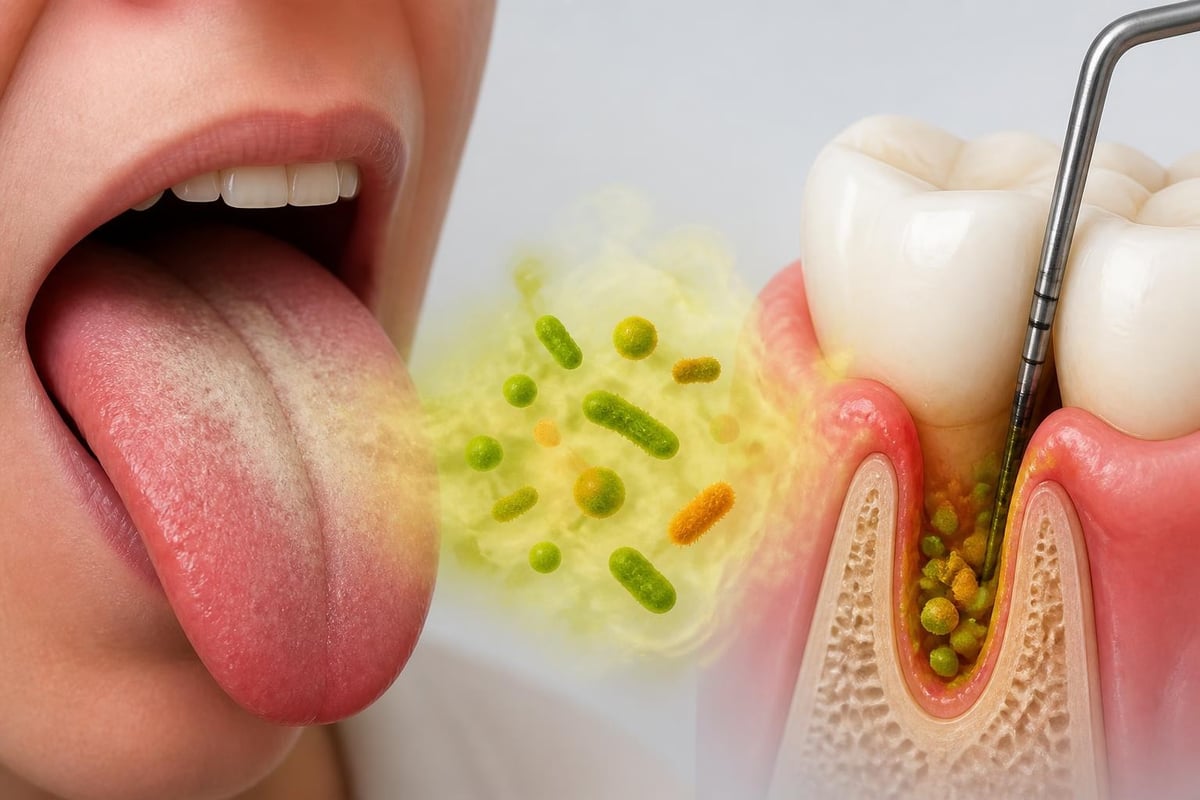
Bad breath odor primarily results from volatile sulfur compounds (VSCs) produced by anaerobic bacteria. These microorganisms thrive in oxygen-poor environments, breaking down proteins from food debris, dead cells, and blood products into malodorous gases.
The tongue's posterior surface provides an ideal habitat for these bacteria. Its rough, papillated texture traps debris and creates protected spaces where bacterial colonies flourish. Similarly, periodontal pockets created by gum disease offer oxygen-depleted environments perfect for VSC-producing bacteria.
Professional Assessment Forms the Foundation
Effective chronic bad breath treatment begins with comprehensive clinical evaluation. Professional assessment identifies specific causes rather than masking symptoms, allowing for targeted treatment planning.
Diagnostic Components
| Assessment Area | Purpose | Methods |
|---|---|---|
| Clinical history | Identify patterns, triggers, and contributing factors | Patient interview, symptom timeline |
| Oral examination | Detect decay, gum disease, failing restorations | Visual inspection, periodontal probing |
| Tongue evaluation | Assess coating thickness and bacterial load | Visual scoring, gentle scraping |
| Saliva assessment | Evaluate flow rate and quality | Resting and stimulated saliva tests |
| Odor measurement | Quantify halitosis severity objectively | Organoleptic or instrumental testing |
The comprehensive, evidence-based clinical practice guideline on diagnosis and treatment of halitosis provides detailed protocols for systematic assessment. This approach ensures that treatment addresses root causes rather than temporarily suppressing symptoms.
A thorough periodontal evaluation forms a critical component. Since gum disease represents one of the most common causes of chronic halitosis, measuring pocket depths, assessing bleeding patterns, and evaluating bone levels guides treatment decisions.
Evidence-Based Treatment Approaches
Once assessment identifies specific causes, personalized chronic bad breath treatment combines mechanical interventions, antimicrobial strategies, and management of underlying conditions.
Mechanical Biofilm Disruption
Removing bacterial biofilm from all oral surfaces remains the cornerstone of treatment. This extends beyond routine brushing to include targeted interventions.
Effective mechanical strategies:
- Tongue cleaning – Gentle mechanical removal of the tongue coating using specialized cleaners or soft brushes, performed daily after tooth brushing
- Interdental cleaning – Daily flossing or interdental brushes to remove debris and biofilm from between teeth
- Thorough tooth brushing – Proper technique with appropriate brush angulation, reaching all tooth surfaces for adequate duration
- Professional cleaning – Regular dental hygiene appointments to remove calculus and biofilm that home care misses
Research on the effectiveness of mechanical tongue cleaning demonstrates significant improvements in breath odor measurements and tongue coating reduction. However, benefits require consistent daily practice as bacterial colonization quickly returns.
Periodontal Disease Management
When gum disease contributes to chronic halitosis, treating the periodontal condition becomes essential. This may involve scaling and root planing to remove subgingival biofilm and calculus, antimicrobial irrigation, or surgical interventions for advanced cases.
Addressing periodontal pockets eliminates the oxygen-poor environments where odor-producing bacteria thrive. As gum health improves and pocket depths reduce, bacterial composition shifts toward less malodorous species.
For patients experiencing persistent gum inflammation, understanding why gums bleed during brushing helps recognize early signs requiring professional attention before chronic bad breath develops.
Antimicrobial and Chemical Interventions
While mechanical cleaning removes bacterial biofilm, antimicrobial agents can complement physical methods and extend their benefits between cleanings.
Therapeutic Rinses and Solutions
The American Dental Association's overview of mouthrinses clarifies that not all mouth rinses offer the same benefits. Cosmetic rinses temporarily mask odor without addressing causes, while therapeutic rinses contain active ingredients that reduce bacterial populations.
Evidence-supported active ingredients include:
- Chlorhexidine gluconate for bacterial reduction
- Cetylpyridinium chloride for biofilm management
- Zinc compounds that neutralize volatile sulfur compounds
- Essential oils with antimicrobial properties
Professional guidance ensures appropriate product selection based on individual needs. Some antimicrobial rinses suit short-term intensive use, while others work better for long-term maintenance.
Addressing Dry Mouth Conditions
Reduced saliva flow significantly contributes to chronic bad breath. Saliva naturally cleanses oral tissues, neutralizes acids, and provides antimicrobial components. When flow decreases, bacterial populations increase and bad breath intensifies.
Treatment approaches depend on the dry mouth cause. Medication-induced xerostomia may require working with physicians to adjust prescriptions when possible. Behavioral strategies include frequent water sipping, sugar-free gum to stimulate flow, and avoiding alcohol-containing mouth rinses that increase dryness.
Specialized Clinical Therapies
Some patients benefit from advanced treatment modalities when conventional approaches prove insufficient or when specific conditions require targeted intervention.
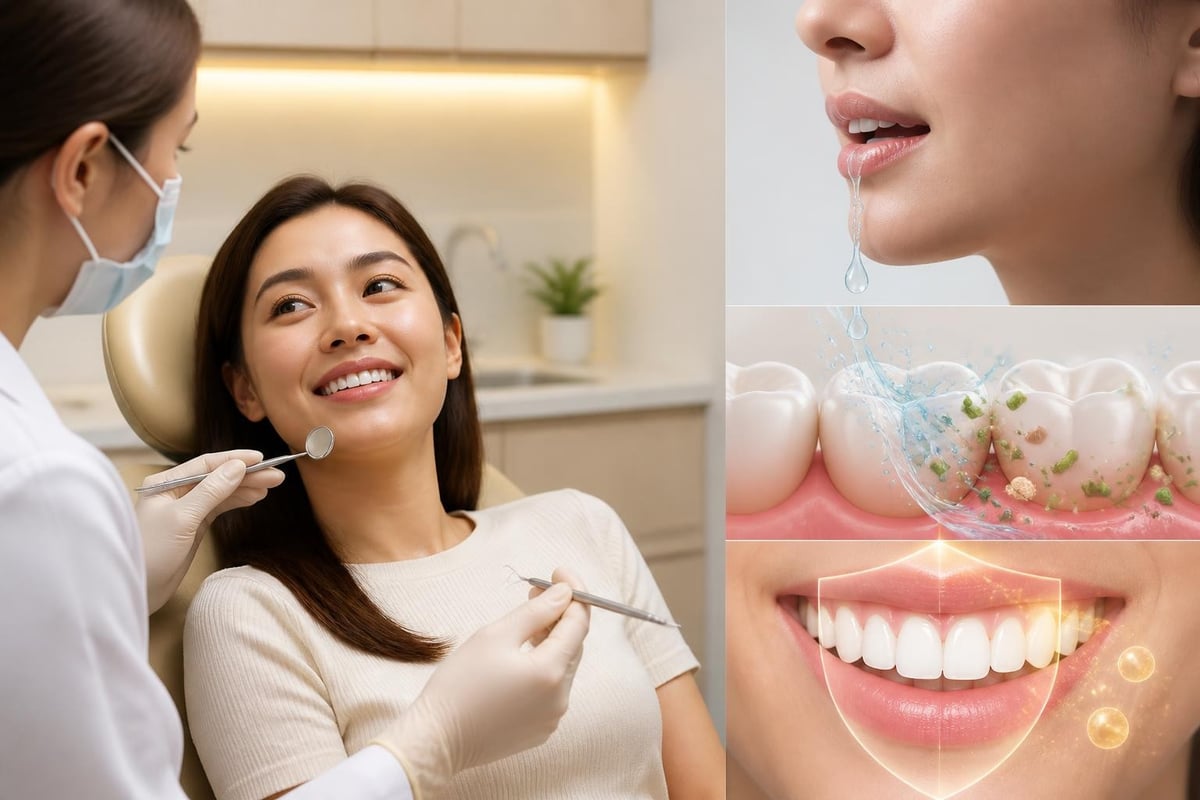
At CuraSmile PH's comprehensive fresh breath assessment and therapy program, patients receive personalized evaluation and evidence-based treatment planning that addresses their unique combination of contributing factors. This individualized approach ensures that therapy targets actual causes rather than applying generic protocols.
Laser-Assisted Periodontal Therapy
For patients with periodontal disease contributing to chronic halitosis, laser dentistry offers precise treatment of inflamed tissues and bacterial reduction. Laser wavelengths can selectively target diseased tissue while preserving healthy structures, supporting gum healing and reducing bacterial loads in periodontal pockets.
This technology-enhanced approach complements traditional periodontal therapy, particularly in areas difficult to access with conventional instruments.
Emerging Probiotic Approaches
Recent research explores whether specific probiotic strains might beneficially alter oral bacterial populations. A systematic review on probiotics for intra-oral halitosis examines current evidence, though more research is needed to establish definitive protocols.
The concept involves introducing beneficial bacterial strains that compete with odor-producing species. While promising, probiotics currently serve as potential adjuncts rather than primary treatments, and professional guidance ensures appropriate selection and use.
Comprehensive Management for Complex Cases
Some patients present with multiple contributing factors requiring coordinated treatment approaches. Complex cases benefit from systematic evaluation and staged interventions.
Treatment Sequencing
| Phase | Focus | Timeline |
|---|---|---|
| 1. Urgent care | Address active infection, severe decay, or pain | Immediate |
| 2. Periodontal treatment | Manage gum disease, reduce inflammation | 2-8 weeks |
| 3. Restorative needs | Replace failing restorations, treat decay | 4-12 weeks |
| 4. Maintenance optimization | Refine home care, establish prevention protocols | Ongoing |
This phased approach ensures that acute conditions receive priority while building toward long-term stability. Each phase includes reassessment to measure progress and adjust treatment as needed.
Interdisciplinary Collaboration
When assessment suggests non-oral contributing factors, coordinating with medical professionals ensures comprehensive care. Gastroesophageal conditions, sinus issues, or metabolic disorders may require concurrent medical management alongside dental treatment.
The ADA clinical resource on oral malodor management emphasizes the importance of recognizing when referral to other healthcare providers becomes appropriate for optimal patient outcomes.
Establishing Effective Long-Term Protocols
Successful chronic bad breath treatment extends beyond initial therapy to include sustainable maintenance strategies. Long-term success requires both professional support and patient engagement.
Personalized Home Care Plans
Essential daily practices include:
- Brushing twice daily with proper technique and adequate duration
- Cleaning between teeth daily with floss or interdental brushes
- Gentle tongue cleaning to remove bacterial coating
- Using recommended therapeutic rinses as directed
- Maintaining adequate hydration throughout the day
Tailoring recommendations to individual capabilities, preferences, and specific conditions increases adherence. A patient with limited dexterity requires different tools than someone with excellent manual coordination.
Professional Monitoring Schedule
Regular dental visits allow early detection of recurring issues before they cause noticeable symptoms. Monitoring frequency depends on individual risk factors and treatment history.
Patients with previous periodontal disease benefit from more frequent professional cleanings to maintain gum health. Those with multiple contributing factors require closer monitoring than patients whose halitosis resulted from a single, resolved issue.

Lifestyle Factors That Support Treatment
Beyond clinical interventions, certain lifestyle modifications support chronic bad breath treatment effectiveness and help maintain results.
Dietary Considerations
While specific foods cause temporary odor, dietary patterns affect oral health more broadly. Frequent snacking without subsequent cleaning provides constant fuel for bacterial metabolism. Sugar consumption promotes both decay and periodontal disease, indirectly contributing to chronic halitosis.
Adequate water intake supports saliva production. Choosing crunchy vegetables and fruits stimulates saliva flow and provides some mechanical cleansing action.
Tobacco Cessation
Smoking and tobacco use significantly worsen bad breath through multiple mechanisms. Tobacco dries oral tissues, promotes periodontal disease, increases bacterial populations, and creates odor directly. Cessation dramatically improves treatment outcomes.
Professional support for tobacco cessation often proves necessary, as addiction makes independent quitting difficult for many patients. Combining cessation efforts with chronic bad breath treatment addresses both issues simultaneously.
Stress and Oral Health Connection
Chronic stress affects oral health through multiple pathways. Stress reduces saliva flow, increases teeth grinding that can damage gums, and may diminish motivation for consistent oral care. For patients experiencing TMJ symptoms alongside bad breath, addressing both conditions comprehensively improves overall outcomes.
Managing stress through appropriate strategies supports oral health maintenance. This might include relaxation techniques, adequate sleep, exercise, or professional counseling when needed.
When to Seek Professional Evaluation
Recognizing appropriate timing for professional assessment prevents prolonged discomfort and allows earlier intervention when treatments prove most effective.
Seek evaluation if you experience:
- Bad breath persisting despite improved oral hygiene
- Noticeable breath odor that others comment on
- Persistent unpleasant taste in your mouth
- Visible tongue coating that doesn't respond to cleaning
- Bleeding gums or periodontal symptoms
- Dry mouth affecting comfort or function
Early professional involvement often leads to simpler treatment approaches. Conditions caught in early stages typically require less intensive intervention than advanced disease.
The NICE guidance on oral health emphasizes prevention and early intervention as cost-effective approaches that improve patient outcomes while reducing treatment complexity.
Technology-Enhanced Diagnosis and Treatment
Modern dental technology enables more precise assessment and targeted treatment of chronic bad breath conditions. Advanced diagnostic tools provide objective measurements that guide therapy and track progress.
Objective Odor Measurement
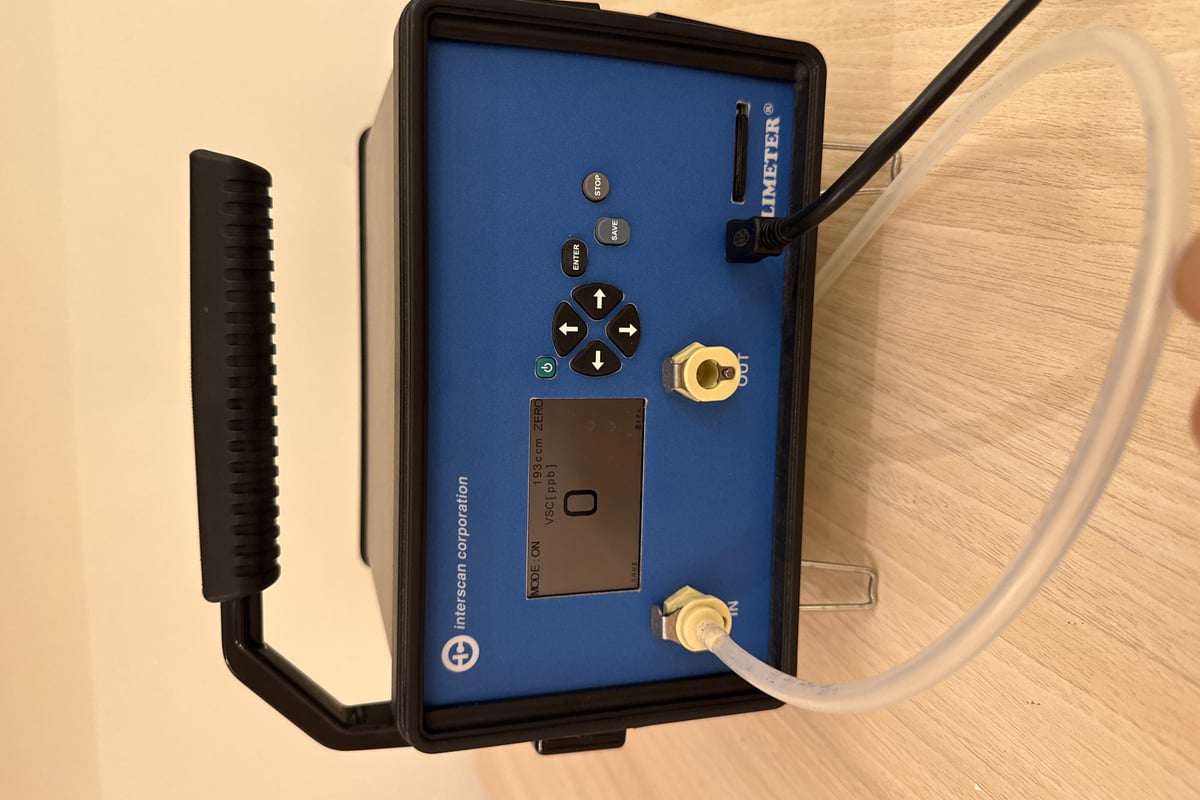
Instrumental halitosis measurement eliminates subjectivity from assessment. Portable sulfide monitors detect and quantify volatile sulfur compounds in breath samples, providing numerical values that track improvement over time.
This technology proves particularly valuable when self-perception differs from objective reality, helping patients understand their actual condition and treatment response.
Digital Imaging for Comprehensive Evaluation
Three-dimensional imaging reveals anatomical factors contributing to chronic bad breath. Deep periodontal pockets, impacted teeth, or sinus conditions become clearly visible, informing treatment planning.
For patients at CuraSmile PH, advanced diagnostic technology supports evidence-based assessment and personalized treatment development that addresses each individual's specific needs.
Building Confidence Through Effective Treatment
Beyond physical health, chronic bad breath significantly affects quality of life, social interactions, and self-confidence. Effective treatment restores not just fresh breath but also the comfort to engage fully in personal and professional relationships.
Successful outcomes require partnership between patient and dental team. Open communication about concerns, honest reporting of symptoms, and commitment to recommended protocols all contribute to positive results.
Understanding that chronic bad breath treatment typically requires time helps maintain realistic expectations. While some improvements may appear quickly, complete resolution and stable long-term results develop progressively as underlying conditions heal and healthy bacterial populations establish.
The comprehensive approach used at specialized practices ensures that treatment addresses all contributing factors rather than superficially masking symptoms. This thorough methodology provides lasting solutions that support both oral health and overall wellbeing.
Chronic bad breath treatment succeeds when professional assessment identifies specific causes and personalized therapy addresses underlying conditions systematically. If persistent bad breath affects your confidence or quality of life, comprehensive evaluation and evidence-based treatment can restore fresh breath and oral health. CuraSmile PH combines advanced diagnostic technology with personalized care to help patients throughout BGC and Taguig achieve lasting fresh breath through targeted, clinically proven approaches.