Brighter Smiles: Your Guide to Effective Whitening
Discover how to achieve brighter smiles with professional whitening, at-home care, and cosmetic dentistry. Expert guidance from BGC's CuraSmile PH.
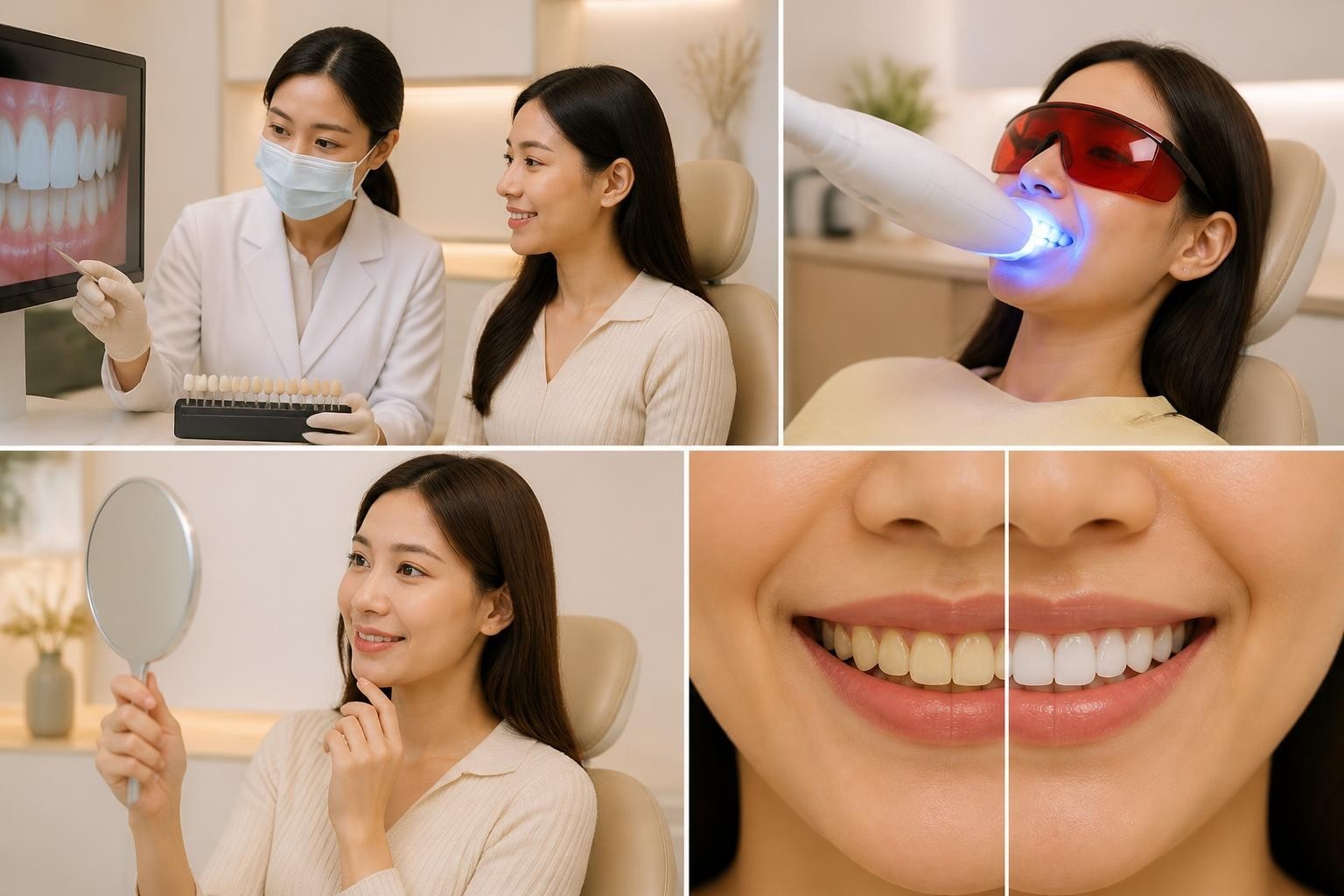
A confident smile can transform how we present ourselves to the world, influencing both personal and professional interactions. Many people who desire brighter smiles wonder about the best path forward-whether professional whitening, at-home products, or cosmetic dentistry offers the most effective, safe solution. Understanding the science behind tooth discoloration, the range of whitening approaches available, and how to maintain your results helps you make informed decisions about your smile enhancement journey.
Understanding Tooth Discoloration and Brightness
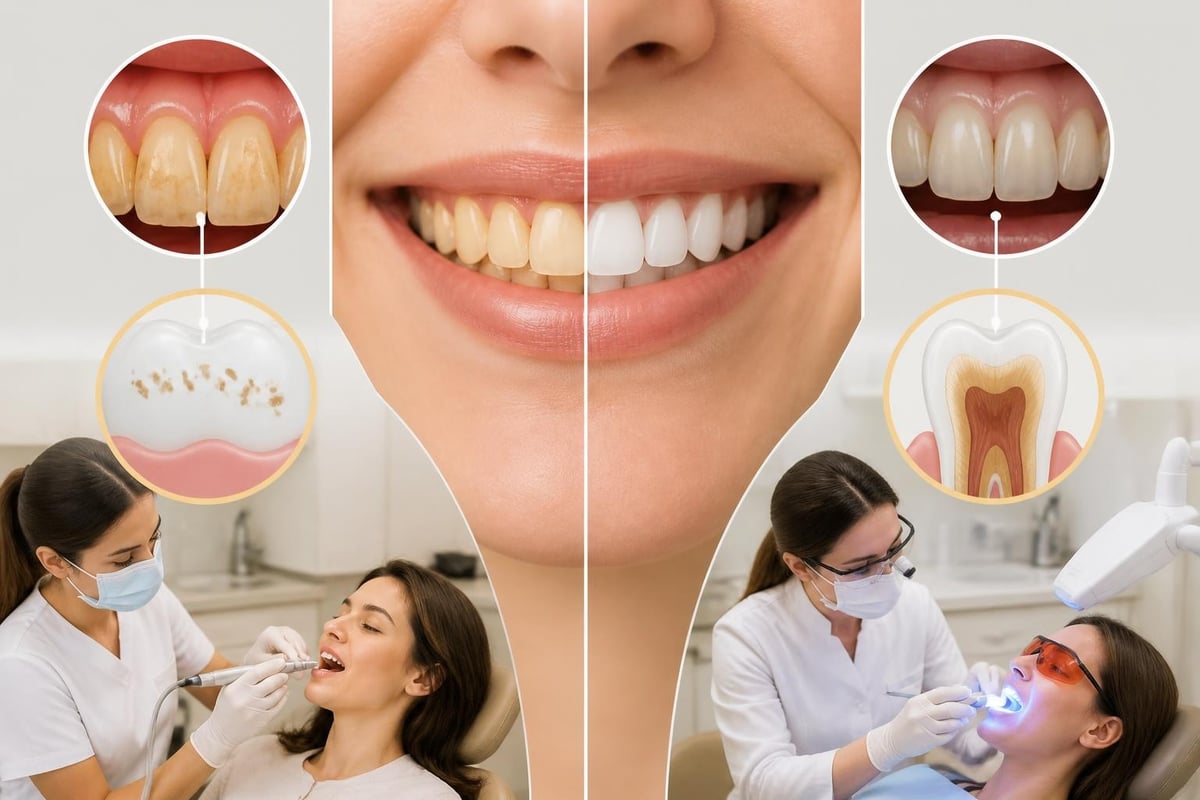
Tooth color varies naturally among individuals based on genetics, enamel thickness, and underlying dentin shade. Over time, teeth accumulate both extrinsic stains (surface discoloration from food, beverages, and tobacco) and intrinsic stains (discoloration within the tooth structure from aging, medications, or trauma).
How Teeth Become Stained
Several factors contribute to tooth discoloration:
- Dietary habits: Coffee, tea, red wine, berries, and dark-colored foods deposit chromogens (pigmented molecules) on enamel
- Tobacco use: Both smoking and chewing tobacco cause persistent yellowing and brown staining
- Age-related changes: Enamel thins over time, revealing more of the naturally yellow dentin beneath
- Medications: Certain antibiotics (particularly tetracycline) can cause intrinsic staining during tooth development
- Dental trauma: Injury can cause teeth to darken due to internal changes in the pulp
Understanding the type and cause of discoloration helps determine which whitening approach will be most effective. Surface stains respond well to professional cleaning and whitening products, while intrinsic discoloration may require more advanced cosmetic solutions.
Professional Whitening Options for Brighter Smiles
Professional whitening treatments supervised by a dental professional offer the most predictable, effective results. These approaches use higher concentrations of active ingredients and customized delivery methods to achieve significant brightness improvements.
In-Office Whitening Procedures
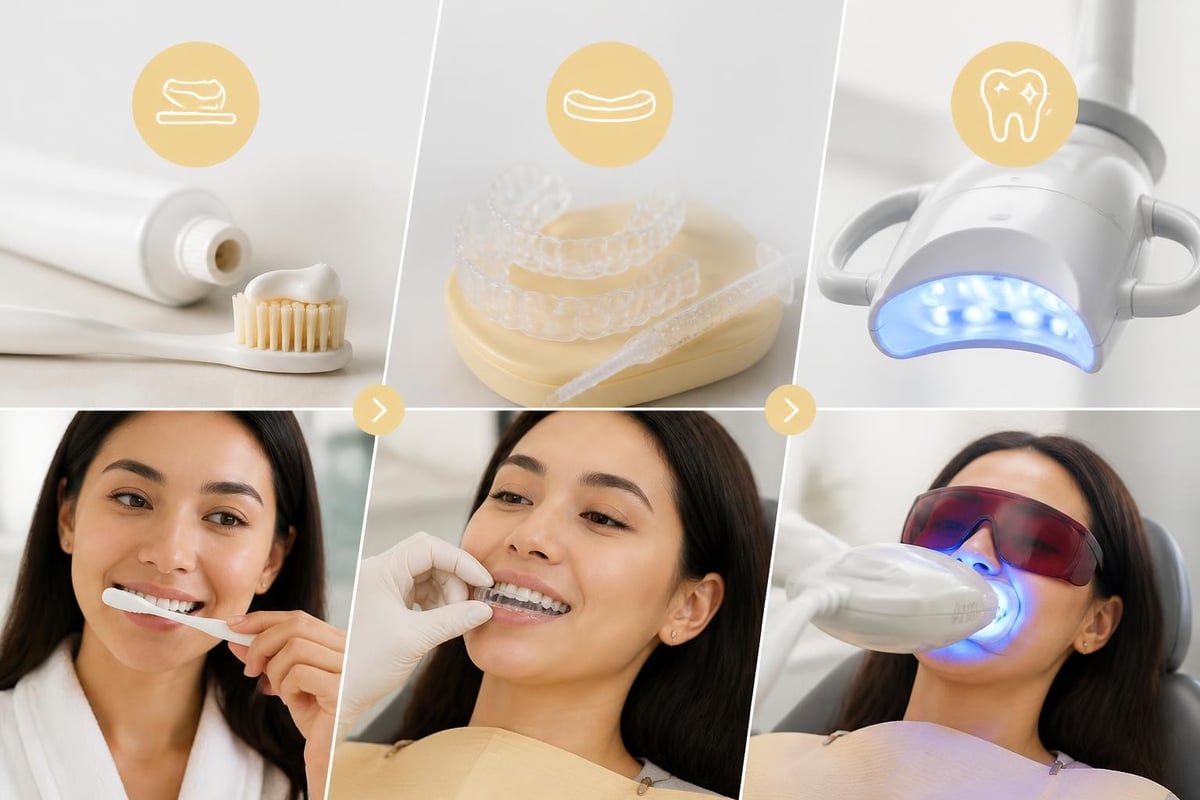
In-office whitening delivers immediate, dramatic results in a single appointment. Dentists apply high-concentration bleaching gel (typically 25-40% hydrogen peroxide) directly to teeth after protecting gums and soft tissues. Some systems incorporate light or heat activation to enhance the bleaching process.
Advantages of in-office treatment:
- Immediate results visible in one session
- Professional monitoring minimizes sensitivity
- Even coverage with controlled application
- Safe isolation of gums and soft tissues
- Customizable intensity based on goals
The ADA's whitening guidance emphasizes the importance of professional supervision for safety and effectiveness, particularly when using higher-concentration products.
Take-Home Professional Whitening Kits
Custom-fitted trays combined with professional-grade bleaching gel provide convenience and control. Your dentist creates precise tray impressions, and you apply the gel at home following a prescribed schedule-typically 30 minutes to several hours daily for one to two weeks.
This method offers several benefits: gradual brightness increase that looks natural, flexibility to treat on your schedule, and the ability to touch up results in the future. Research comparing in-office and at-home bleaching shows both approaches deliver effective results, with the choice often depending on patient preference, sensitivity concerns, and timeline.
| Whitening Method | Treatment Time | Results Duration | Sensitivity Risk | Cost Range |
|---|---|---|---|---|
| In-office bleaching | 1-2 hours | 1-3 years | Moderate | Higher |
| Custom take-home trays | 1-2 weeks | 1-2 years | Low to moderate | Moderate |
| Over-the-counter strips | 2-4 weeks | 6-12 months | Low to moderate | Lower |
| Whitening toothpaste | Ongoing | Maintains existing shade | Very low | Lowest |
At-Home Whitening Products and Their Effectiveness
The consumer market offers numerous over-the-counter whitening products, each with different mechanisms and evidence supporting their use. Understanding how these products work helps set realistic expectations.
Whitening Strips and Their Clinical Evidence
Whitening strips consist of flexible plastic coated with peroxide gel (typically 6-14% hydrogen peroxide or carbamide peroxide). Applied directly to teeth for 30 minutes once or twice daily, strips have demonstrated effectiveness in controlled clinical trials.
The Cochrane review on home-based bleaching confirms that over-the-counter products containing peroxide can lighten tooth shade, though results typically appear more subtle than professional treatments. Strips work best for mild to moderate extrinsic staining and require consistent use according to package directions.
Whitening Toothpastes: Stain Removal vs. Bleaching
Many people seeking brighter smiles start with whitening toothpaste, though it's important to understand their limitations. Most whitening dentifrices rely on mild abrasives and detergents to remove surface stains rather than chemically bleaching teeth.
The ADA's toothpaste information explains that abrasive particles physically scrub away external discoloration but cannot change the inherent color of teeth. Some premium formulations include low concentrations of peroxide for mild bleaching effects, though contact time is too brief for significant chemical lightening. Whitening toothpastes excel at maintaining professional whitening results rather than creating dramatic initial changes.
Beyond Whitening: Cosmetic Solutions for Discolored Teeth
Some types of discoloration don't respond well to traditional bleaching. Intrinsic stains from tetracycline, fluorosis, or dental trauma may require cosmetic dentistry to achieve the smile brightness patients desire.
When to Consider Porcelain Veneers
Veneers offer a transformative solution for teeth that remain discolored despite whitening attempts. These thin porcelain shells permanently alter tooth color, shape, and alignment while preserving most of the natural tooth structure. Porcelain veneers work particularly well for patients with severe intrinsic staining, tetracycline discoloration, or who desire comprehensive smile enhancement beyond color alone.
Modern veneer techniques combine digital smile design with careful tooth preparation to create natural-looking results that complement your facial features and personal aesthetic goals. Unlike whitening, which gradually fades and requires maintenance, veneers provide stable, long-term color that doesn't stain or yellow over time. For patients in BGC seeking comprehensive smile transformation, this approach addresses color, proportion, and alignment simultaneously.
Combining Whitening with Other Cosmetic Treatments
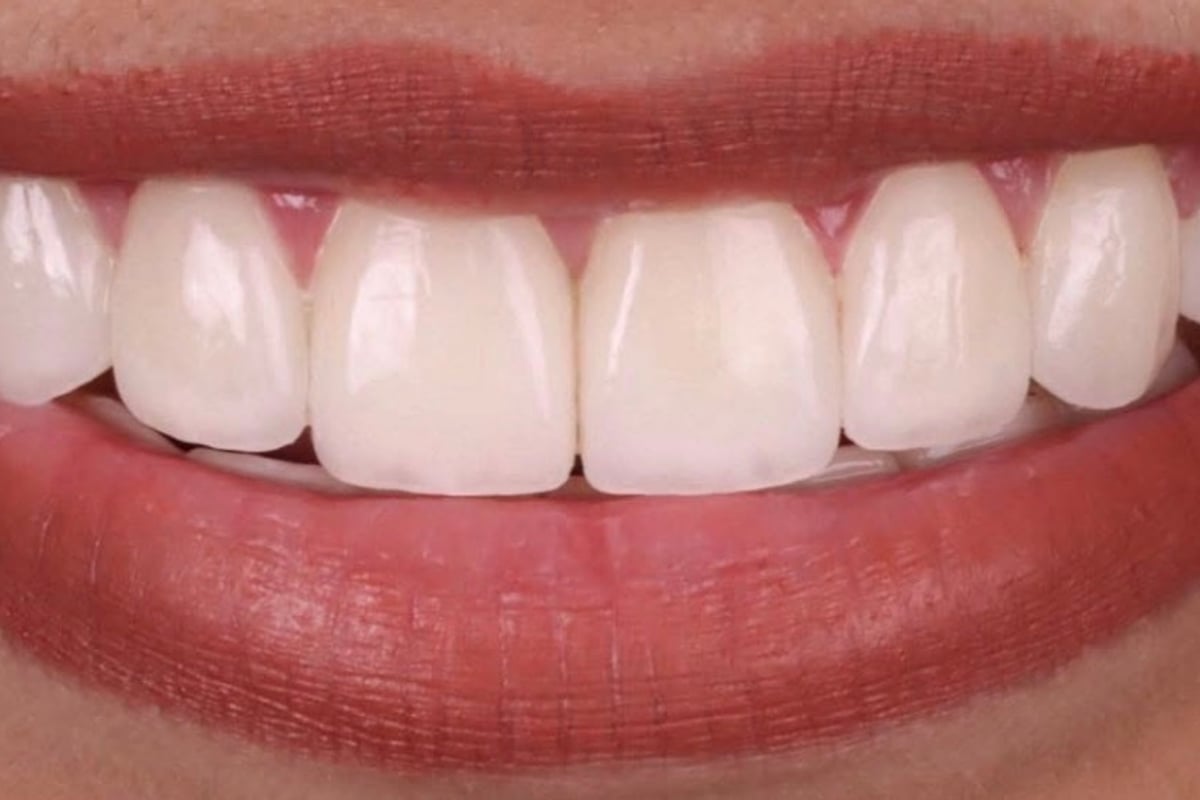
Many patients achieve optimal results by combining whitening with other cosmetic procedures. Whitening natural teeth before placing crowns, bridges, or veneers ensures the best color match. For those considering cosmetic dentistry options, understanding the relationship between whitening and restorative work prevents mismatched shades and disappointing results.
Managing Sensitivity During Whitening Treatment
Tooth sensitivity represents the most common side effect of whitening procedures. The bleaching process temporarily increases enamel permeability, allowing stimuli to reach the nerve more easily.
Strategies to minimize sensitivity:
- Use toothpaste formulated for sensitive teeth two weeks before whitening
- Choose lower-concentration products with longer application times
- Take breaks between treatment sessions if discomfort develops
- Apply fluoride gel or desensitizing agents as recommended by your dentist
- Avoid extremely hot or cold foods and beverages during treatment
Most sensitivity resolves within 24-48 hours after treatment ends. If you experience persistent or severe discomfort, consult your dentist to adjust your whitening protocol or investigate underlying dental conditions that may contribute to sensitivity.
Maintaining Your Brighter Smiles Long-Term
Whitening results aren't permanent. Teeth naturally re-accumulate stains over time through normal eating, drinking, and aging. How long your brighter smiles last depends on your habits and maintenance approach.
Daily Habits That Preserve Whitening Results
- Rinse after consuming staining foods: Swishing water immediately after coffee, tea, or red wine limits chromogen contact time
- Use a straw for dark beverages: This minimizes liquid contact with front teeth
- Maintain excellent oral hygiene: Brushing twice daily and flossing prevent stain accumulation
- Attend regular professional cleanings: Removing surface deposits keeps teeth looking their brightest
- Touch up periodically: Using custom trays every few months maintains results
The NHS guidance on teeth whitening emphasizes that results typically last between one and three years, depending on lifestyle factors and maintenance efforts. Smokers and heavy coffee drinkers may notice faster re-staining than those who avoid these habits.
Foods and Beverages to Approach with Caution
While you don't need to eliminate all pigmented foods, awareness helps you make informed choices:
| High-Staining Foods | Moderate-Staining Foods | Low-Staining Foods |
|---|---|---|
| Coffee, black tea | Citrus juices | Water, milk |
| Red wine, dark sodas | Tomato-based sauces | White wine, clear spirits |
| Soy sauce, balsamic vinegar | Berries | Chicken, fish |
| Dark chocolate | Curry, turmeric | Rice, pasta |
Safety Considerations and Precautions
Not everyone is an ideal candidate for whitening procedures. Certain oral conditions and dental work require professional assessment before beginning treatment.
Who Should Avoid or Delay Whitening
Conditions that require caution:
- Active tooth decay or exposed roots
- Severe gum disease or recession
- Extensive dental restorations (crowns, veneers, bonding)
- Pregnancy or breastfeeding
- Enamel erosion or hypoplasia
- Recent dental surgery or healing tissues
Whitening products only affect natural tooth enamel. Existing crowns, fillings, and veneers won't lighten, potentially creating mismatched shades after treatment. If you have visible restorations in your smile zone, discuss a comprehensive plan with your dentist that may involve replacing restorations after whitening to match your new, brighter shade.
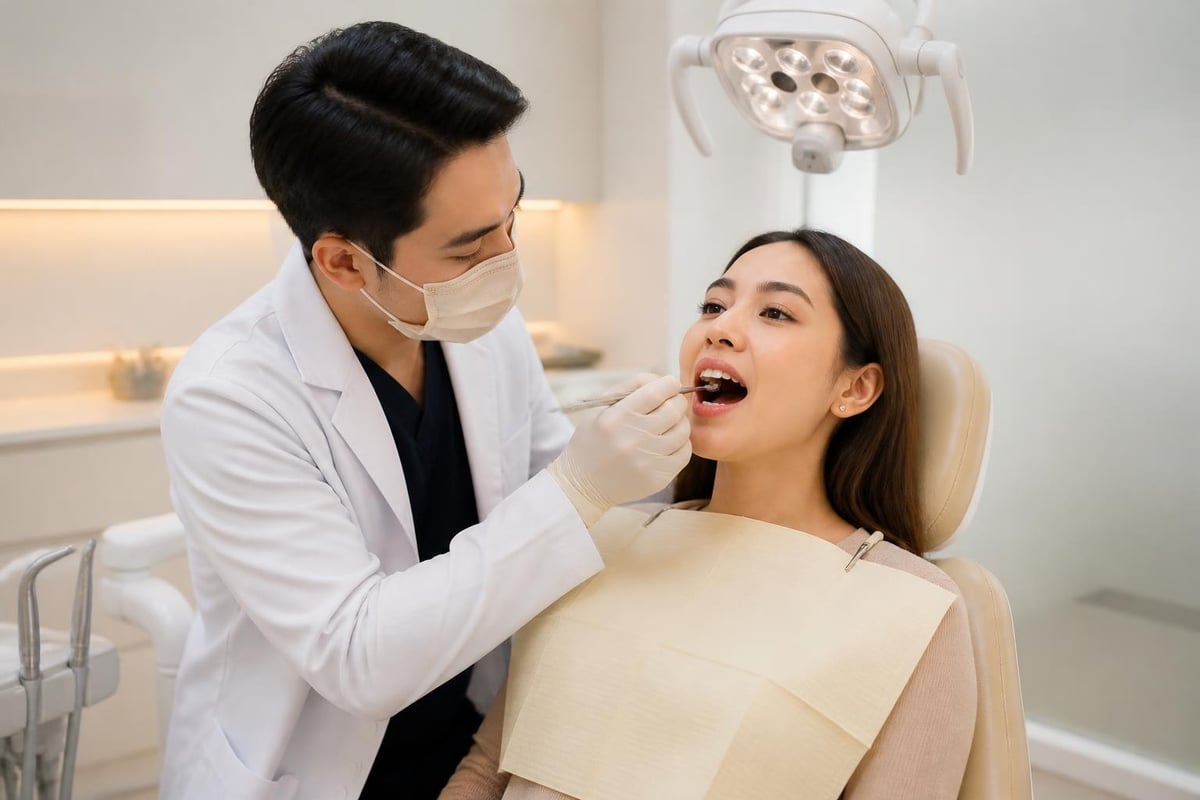
Choosing the Right Whitening Approach for Your Goals
The ideal whitening method depends on multiple factors: the type and severity of discoloration, your timeline, budget, sensitivity concerns, and aesthetic goals. A personalized assessment helps identify the most effective path to brighter smiles.
Questions to Ask Your Dentist
Before beginning any whitening treatment:
- What type of staining do I have, and which approach will work best?
- How many shades lighter can I realistically expect?
- What's the typical timeline for seeing results?
- How should I manage sensitivity if it develops?
- How long will results last with my lifestyle habits?
- Do I have any dental conditions that would make whitening inadvisable?
Professional guidance ensures you choose an approach matched to your specific needs and circumstances. For comprehensive smile enhancement that addresses more than color alone, exploring smile makeover options may reveal additional possibilities you hadn't considered.
The Role of Professional Assessment
Even when considering over-the-counter whitening products, professional dental assessment provides valuable insights. Your dentist can identify underlying conditions like cavities or gum disease that should be treated before whitening, evaluate whether intrinsic staining will respond to bleaching, and recommend the most appropriate concentration and delivery method for your tooth sensitivity level.
This preventive approach helps you avoid wasting time and money on products that won't address your particular type of discoloration. It also ensures you don't unknowingly worsen dental problems by applying peroxide to compromised teeth.
What to Expect During a Whitening Consultation
A thorough whitening consultation typically includes:
- Visual examination of tooth color and stain type
- Review of medical and dental history
- Discussion of your aesthetic goals and expectations
- Assessment of existing restorations and their impact on treatment
- Shade measurement using standardized guides
- Recommendation of appropriate whitening approach
- Review of maintenance strategies and expected longevity
This comprehensive evaluation creates a foundation for successful treatment and realistic expectations. Understanding the limitations of whitening helps patients make informed decisions about whether alternative cosmetic approaches might better serve their goals.
The Science Behind Effective Tooth Whitening
Hydrogen peroxide and carbamide peroxide represent the active ingredients in virtually all effective whitening products. These molecules penetrate enamel and break down chromogens (stain molecules) into smaller, less pigmented compounds through an oxidation reaction.
Carbamide peroxide breaks down into hydrogen peroxide and urea, delivering roughly one-third the concentration of active peroxide. A 15% carbamide peroxide gel equals approximately 5% hydrogen peroxide. Higher concentrations work faster but may increase sensitivity risk, while lower concentrations require longer application times to achieve comparable results.
Factors influencing whitening effectiveness:
- Concentration of active peroxide
- Contact time with tooth enamel
- Temperature during application
- Initial tooth shade and stain type
- Enamel thickness and porosity
Understanding these variables helps explain why different products and techniques produce varying results for different patients.
Creating Your Personal Smile Enhancement Plan
Achieving and maintaining brighter smiles requires a strategic approach tailored to your unique situation. Whether you choose professional in-office treatment, custom take-home trays, over-the-counter products, or cosmetic dentistry, success depends on setting realistic expectations and committing to maintenance.
Start by scheduling a professional assessment to understand your baseline tooth shade, identify any conditions requiring treatment, and discuss your aesthetic goals. Your dentist can recommend a timeline and approach matched to your needs, whether you're preparing for an important event or pursuing gradual, long-term improvement.
For those interested in exploring how teeth whitening compares to veneers, understanding the distinct advantages and limitations of each approach guides better decision-making. Whitening excels for patients with healthy teeth and extrinsic staining, while veneers offer comprehensive transformation for those with intrinsic discoloration, shape concerns, or multiple cosmetic goals.
Integration with Comprehensive Dental Care
Brighter smiles form just one component of comprehensive dental health. Regular preventive care, professional cleanings, and management of conditions like gum disease create the foundation for successful whitening results.
Patients who maintain excellent oral hygiene and address dental problems promptly enjoy longer-lasting whitening outcomes. The relationship works both ways: investing in whitening often motivates improved daily care habits as patients become more conscious of protecting their enhanced appearance.
For residents of BGC and Taguig seeking comprehensive dental care that combines preventive, cosmetic, and restorative services, finding a practice that takes a holistic approach ensures all aspects of your oral health support your aesthetic goals. Advanced technology and evidence-based treatment planning help achieve natural-looking results that enhance your smile without appearing artificial or overdone.
Achieving brighter smiles involves understanding your options, choosing an approach matched to your specific needs, and committing to maintenance that preserves your results. Whether through professional whitening, at-home care, or cosmetic dentistry, the path to a more confident smile begins with informed decision-making and expert guidance. At CuraSmile PH in Bonifacio Global City, we combine advanced dental technology with personalized assessment to help you achieve natural-looking brightness that enhances your unique smile. Schedule a consultation to discover which whitening approach aligns with your goals and oral health needs.