Appointment Braces: What to Expect & Scheduling Tips
Learn what happens at appointment braces visits, how often adjustments occur, and practical tips for managing your orthodontic treatment schedule.

Orthodontic treatment represents a significant commitment of both time and planning. Understanding what happens at each appointment braces visit and how to effectively manage your orthodontic schedule can reduce anxiety, improve treatment outcomes, and help you maintain consistency throughout your journey to a healthier, more confident smile. Whether you're considering braces for yourself or a family member, knowing what to expect at each stage makes the entire process smoother and more predictable.
Understanding the Appointment Braces Schedule
The frequency and structure of appointment braces visits vary depending on treatment type, individual progress, and the specific orthodontic approach used. Most patients with traditional metal or ceramic braces attend adjustment appointments every 4 to 8 weeks, though some modern techniques may extend this interval.
At each visit, your orthodontist examines tooth movement progress, adjusts wires or bands, and makes modifications to maintain steady progress toward your treatment goals. The American Association of Orthodontists explains that these regular checkpoints ensure teeth move safely and efficiently while allowing your care team to identify and address any concerns early.
Initial Consultation and Treatment Planning
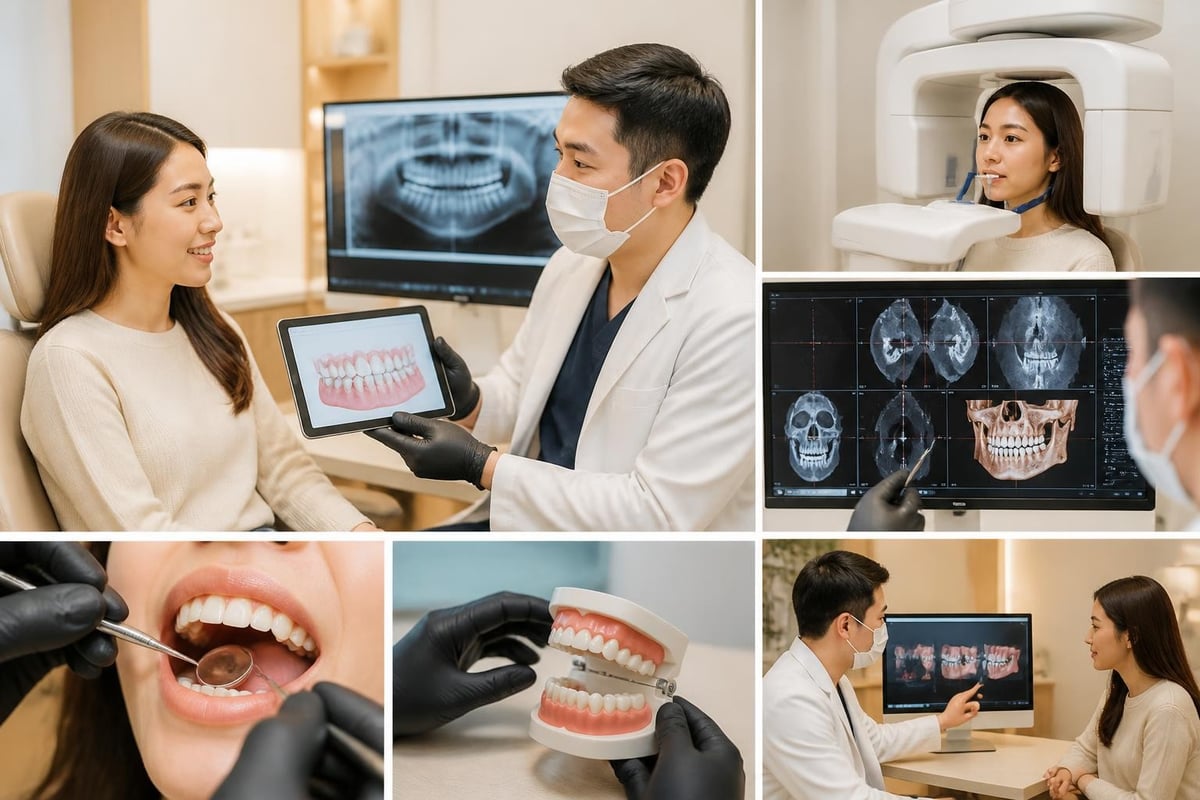
Your first appointment focuses on assessment rather than treatment. During this visit, your orthodontist evaluates:
- Current tooth alignment and bite relationship
- Jaw position and facial symmetry
- Dental health status (cavities or gum issues requiring attention first)
- X-rays and digital scans to create a complete treatment plan
- Treatment timeline estimates and appointment frequency projections
This comprehensive evaluation establishes your baseline and allows the orthodontic team to develop a personalized treatment approach. At CuraSmile PH, this initial assessment incorporates digital treatment planning to help patients visualize their projected outcomes and understand each phase of care.
Brace Placement Day
The appointment when braces are first placed typically takes 1 to 2 hours. This extended visit allows the orthodontic team to carefully bond brackets, place bands, and thread the initial archwire.
Patients often wonder about discomfort during and after this appointment. While the bonding process itself is painless, you may experience mild pressure and soreness for several days as teeth begin their initial movement. Your orthodontist provides specific guidance about managing this adjustment period, including appropriate pain relief options and dietary modifications.
What Happens at Regular Adjustment Appointments
Routine appointment braces visits follow a predictable pattern designed to maintain steady progress without overwhelming your schedule. The NHS describes the typical 6 to 8 week adjustment cycle that most patients experience with traditional fixed appliances.
Each adjustment appointment typically includes:
- Progress evaluation - Your orthodontist checks tooth movement since the last visit
- Wire changes or adjustments - Replacing or modifying the archwire to continue guiding teeth
- Elastic band updates - Adding, changing, or adjusting elastics if your treatment includes them
- Oral hygiene assessment - Checking for plaque buildup or early signs of gum inflammation
- Next steps discussion - Reviewing what to expect before your next appointment
These visits usually take 20 to 40 minutes, considerably shorter than the initial placement appointment. The orthodontic team works efficiently while ensuring each adjustment is precise and comfortable.
| Appointment Type | Typical Duration | Frequency | Key Activities |
|---|---|---|---|
| Initial Consultation | 45-60 minutes | Once | Assessment, imaging, treatment planning |
| Brace Placement | 90-120 minutes | Once | Bonding brackets, placing wires |
| Routine Adjustments | 20-40 minutes | Every 4-8 weeks | Wire changes, progress checks |
| Emergency Visits | 15-30 minutes | As needed | Broken bracket repair, wire adjustments |
| Brace Removal | 45-60 minutes | Once | Debonding, polishing, retainer fitting |
Managing Discomfort After Adjustments
It's normal to experience mild soreness for 2 to 4 days following each appointment braces adjustment. This temporary discomfort indicates that teeth are responding to the new forces applied during your visit.
Effective management strategies include:
- Eating soft foods for the first 24 to 48 hours after adjustments
- Using over-the-counter pain relievers as recommended by your orthodontist
- Applying orthodontic wax to any brackets causing irritation
- Rinsing with warm salt water to soothe tender gums
- Avoiding hard, sticky, or crunchy foods that increase pressure on sensitive teeth
Most patients find that discomfort decreases with each successive appointment as they become accustomed to the adjustment cycle and know what to expect.
Scheduling Strategies for Busy Lives
Maintaining consistent appointment braces attendance throughout treatment requires thoughtful planning, especially for patients balancing work, school, or family commitments. The American Association of Orthodontists addresses common concerns about fitting orthodontic care into demanding schedules and discusses how some modern approaches can reduce visit frequency.
Advance Scheduling Benefits
Booking multiple appointments in advance offers several advantages:
- Better time slot availability - securing preferred days and times before they fill
- Reduced scheduling stress - knowing exactly when your next several visits occur
- Easier coordination - planning around school breaks, work projects, or travel
- Consistent progress - maintaining optimal intervals between adjustments
Many orthodontic practices, including those in BGC like CuraSmile PH, allow patients to schedule 3 to 6 months of appointments at once, providing predictability and reducing the administrative burden of frequent rebooking.
When considering orthodontic treatment options, understanding the appointment commitment helps you choose an approach that fits your lifestyle and ensures you can maintain the consistency necessary for successful outcomes.

Emergency Appointment Considerations
Despite careful attention to oral care, occasional issues may require unscheduled appointment braces visits between regular adjustments:
- Broken or loose brackets - requiring re-bonding to maintain treatment progress
- Protruding wires - causing cheek or gum irritation
- Lost elastic bands or separators - needing replacement to continue tooth movement
- Significant discomfort - beyond normal adjustment soreness
NHS guidance on fixed orthodontic appliance care provides helpful information about distinguishing between minor issues you can manage at home and situations requiring professional attention. Most practices reserve time slots for these urgent needs, minimizing disruption to your treatment timeline.
Modern Approaches to Orthodontic Monitoring
Orthodontic care continues to evolve, incorporating technology that enhances monitoring while potentially reducing the frequency of in-person appointment braces visits. These innovations provide additional flexibility without compromising treatment quality.
Remote Monitoring and Virtual Checkups
Some orthodontic practices now offer supplementary virtual monitoring between traditional adjustment appointments. Research on teleorthodontics demonstrates that remote assessment can effectively complement in-person care for certain aspects of treatment monitoring.
Virtual monitoring typically involves:
- Digital photos submitted through a secure app or portal
- Treatment progress review by your orthodontic team
- Guidance on elastic wear or other home care elements
- Identification of issues requiring in-person attention
- Reassurance between scheduled adjustment appointments
While remote tools don't replace hands-on adjustments, they provide continuity of care and early problem detection. This hybrid approach may extend intervals between some office visits while maintaining close clinical oversight.
Clear Aligner Appointment Patterns
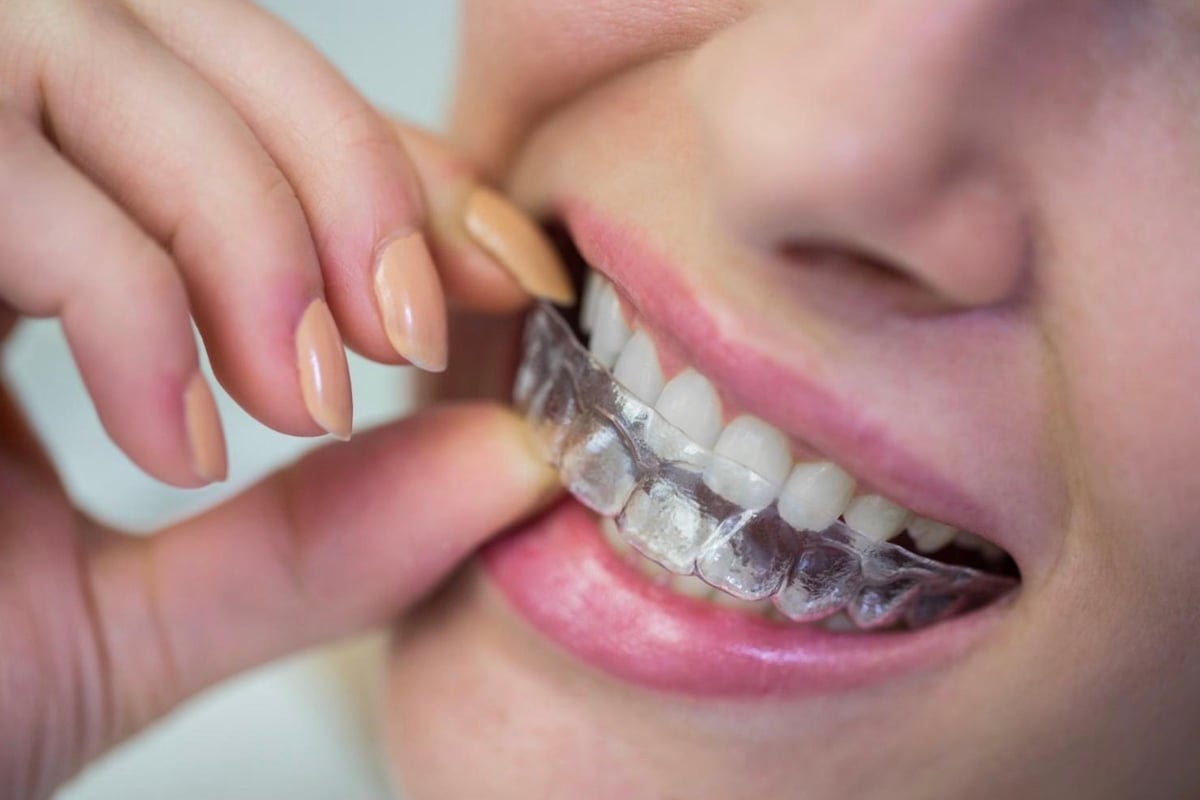
Patients choosing clear aligners instead of traditional braces often experience a different appointment pattern. Aligner treatment typically requires checkups every 6 to 10 weeks rather than the more frequent adjustments needed with fixed appliances.
At these visits, your orthodontist:
- Reviews compliance with wearing schedules
- Evaluates tooth movement progression
- Provides the next series of aligners
- Addresses any tracking issues or concerns
- Adjusts treatment timeline if needed
Understanding the differences between braces and clear aligners helps patients choose an approach that matches both their clinical needs and scheduling preferences.
Planning for Retention Phase Appointments
Treatment doesn't end when braces come off. The retention phase requires ongoing appointment braces follow-up to ensure teeth remain in their new positions as surrounding bone and tissues stabilize.
Immediate Post-Removal Care
The day your braces are removed marks an exciting milestone, but it also begins a critical phase of treatment. This appointment includes:
- Careful bracket and adhesive removal
- Thorough teeth cleaning and polishing
- Retainer fitting and delivery
- Detailed retention instructions
- Initial retention phase appointment scheduling
Most orthodontists schedule the first retention checkup within 4 to 6 weeks of brace removal to ensure retainers fit properly and patients understand their wearing schedule.
Long-Term Retention Monitoring
Evidence-based retention protocols emphasize the importance of consistent retainer wear and regular monitoring. Initial retention appointments occur more frequently, then gradually extend to longer intervals:
- First 6 months - checkups every 6 to 8 weeks
- Months 6-12 - visits every 3 to 4 months
- Year 2 and beyond - appointments every 6 to 12 months
This graduated schedule allows your orthodontist to catch any unwanted tooth movement early while requiring fewer visits as stability increases. Retention represents a long-term commitment; many orthodontists recommend some form of retainer wear indefinitely to maintain results.
Preparing for Each Appointment
Making the most of each appointment braces visit involves simple preparation that helps appointments run smoothly and ensures you get answers to all your questions.
Before Your Appointment
Effective preparation includes:
- Thorough brushing and flossing - showing respect for your care team and allowing better examination
- Bringing your elastic supply - if applicable, for quantity checks or technique review
- Listing any concerns - from discomfort to questions about progress
- Confirming appointment time - many practices send reminders, but double-checking prevents missed visits
- Arranging transportation - especially for younger patients or after longer appointments
If you've noticed any issues since your last visit, documenting when they started and their severity helps your orthodontist address them efficiently.
Questions to Ask During Visits
Regular appointment braces checkups provide opportunities to stay informed about your progress and treatment plan. Consider asking:
- How is my progress comparing to the original timeline?
- Are there any areas requiring extra attention with oral hygiene?
- What specific tooth movements should I expect before the next visit?
- Am I on track for the projected completion date?
- Are there any modifications to my home care routine you recommend?
Patients who actively engage in their treatment tend to experience better outcomes and greater satisfaction with the process. Your orthodontic team welcomes questions and values your partnership in achieving optimal results.

Special Considerations for Different Age Groups
Appointment braces schedules and experiences vary somewhat depending on patient age, as different life stages present unique logistical and clinical considerations.
Children and Adolescents
Younger patients often benefit from:
- Parent involvement - attending appointments, reinforcing home care, monitoring compliance
- School coordination - scheduling during less disruptive times when possible
- Extra encouragement - maintaining motivation throughout longer treatment periods
- Sports considerations - discussing protective mouthguards and activity timing around adjustments
Many orthodontic practices in BGC and Taguig accommodate school schedules by offering afternoon and Saturday appointments. Understanding how long braces typically take helps families plan around academic calendars and extracurricular commitments.
Adult Patients
Adults seeking orthodontic care often prioritize:
- Professional schedule compatibility - early morning, lunch, or late afternoon appointment times
- Aesthetic considerations - sometimes choosing ceramic braces or clear aligners for workplace discretion
- Treatment efficiency - appreciating clear timelines and predictable appointment frequencies
- Comprehensive care coordination - integrating orthodontics with other dental work like crowns or implants
Adult appointment braces experiences tend to be highly organized, with patients taking strong ownership of their oral hygiene and appointment attendance. This maturity often translates to excellent treatment outcomes.
Financial and Administrative Planning
Successful orthodontic treatment requires not just clinical commitment but also financial and administrative planning that supports consistent appointment attendance throughout your care.
Insurance and Payment Coordination
Understanding coverage and payment responsibilities before treatment begins prevents scheduling disruptions:
- Verifying orthodontic benefits - many plans cover a portion of treatment for children, fewer for adults
- Clarifying payment schedules - whether monthly installments, per-visit fees, or upfront payment
- Knowing coverage limits - maximum lifetime orthodontic benefits and age restrictions
- Understanding emergency visit policies - whether unscheduled appointments incur additional fees
Transparent financial conversations early in treatment allow you to focus on clinical progress rather than unexpected costs.
Attendance and Treatment Success
Consistent appointment braces attendance directly impacts treatment outcomes and timeline. Missing or frequently rescheduling appointments can:
- Extend overall treatment duration by weeks or months
- Compromise final tooth positioning and bite correction
- Increase total treatment cost through timeline extensions
- Reduce predictability of originally planned outcomes
Life circumstances occasionally require rescheduling, but maintaining the recommended appointment frequency should remain a priority. When you must reschedule, doing so promptly allows your orthodontist to fill the slot and rebook you with minimal delay.
Making Appointments More Comfortable
For patients who experience anxiety about dental or orthodontic visits, several strategies can make appointment braces experiences more pleasant and manageable.
Comfort Measures
Simple adjustments that improve appointment experiences include:
- Communicating concerns - letting your orthodontist know if you feel anxious or uncomfortable
- Using headphones - listening to music or podcasts during routine adjustments
- Scheduling strategically - choosing times when you're typically most relaxed
- Bringing support - having a family member or friend accompany you if helpful
- Practicing relaxation techniques - deep breathing or progressive muscle relaxation
Modern orthodontic practices prioritize patient comfort and appreciate when patients communicate their preferences and concerns. At CuraSmile PH, the team emphasizes personalized care that addresses both clinical needs and individual comfort levels.
Building Positive Relationships
Developing rapport with your orthodontic team transforms appointments from clinical obligations into collaborative care experiences. Regular interactions with the same professionals create continuity, trust, and personalized attention that make each visit more pleasant and productive.
Patients who view their orthodontic team as partners in achieving their smile goals tend to experience:
- Greater treatment satisfaction
- Better adherence to oral hygiene recommendations
- More consistent appointment attendance
- Improved communication about concerns or questions
- Enhanced overall outcomes
This relationship-centered approach to appointment braces care represents best practice in modern orthodontics, emphasizing that successful treatment extends beyond technical adjustments to include human connection and mutual respect.
Understanding what to expect at appointment braces visits and implementing effective scheduling strategies helps you maintain treatment consistency and achieve optimal orthodontic outcomes. Whether you're beginning to explore orthodontic options or actively managing treatment, knowing how to navigate the appointment process reduces anxiety and supports your journey toward improved dental health and smile confidence. CuraSmile PH combines advanced orthodontic care with personalized attention designed around each patient's clinical needs and lifestyle, making it easier to achieve and maintain the results you're working toward. Ready to learn more about your orthodontic options? Visit CuraSmile PH to schedule a comprehensive consultation and discover how modern orthodontic care can fit seamlessly into your life.