Advanced Technology Dentistry: Modern Tools & Care
Discover how advanced technology dentistry transforms diagnosis, treatment planning, and outcomes with digital tools, AI, and precision care.
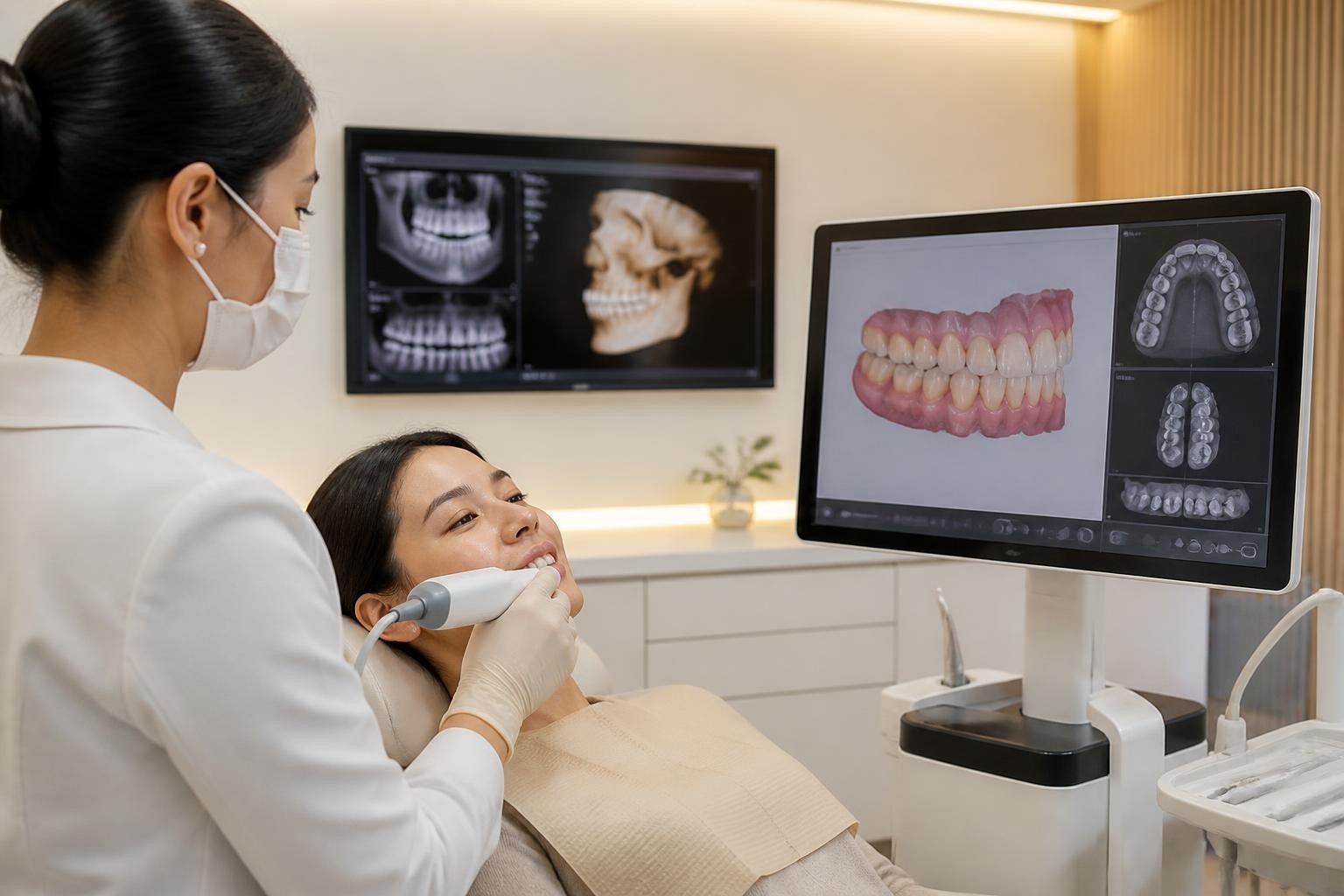
Modern dental care has evolved far beyond the traditional mirror and explorer. Advanced technology dentistry represents a fundamental shift in how clinicians diagnose conditions, plan treatments, communicate with patients, and deliver care. From digital scanners that capture tooth anatomy in seconds to artificial intelligence that detects early decay, these innovations improve precision, comfort, and clinical outcomes. For patients seeking comprehensive dental care in BGC, understanding how technology enhances every aspect of treatment helps inform better decisions about oral health.
What Defines Advanced Technology Dentistry
Advanced technology dentistry refers to the integration of digital tools, precision equipment, and evidence-based innovations into clinical practice. This approach replaces analog methods with digital workflows, enhances diagnostic accuracy through improved imaging, and enables personalized treatment planning based on detailed patient data.
The foundation rests on several key technologies:
- Digital imaging systems that reduce radiation exposure while capturing more detailed information
- Intraoral scanners that eliminate impression trays and provide accurate digital models
- Computer-aided design and manufacturing (CAD/CAM) for same-day restorations
- Laser systems for soft tissue procedures, cavity detection, and periodontal therapy
- Artificial intelligence for diagnostic support and treatment prediction
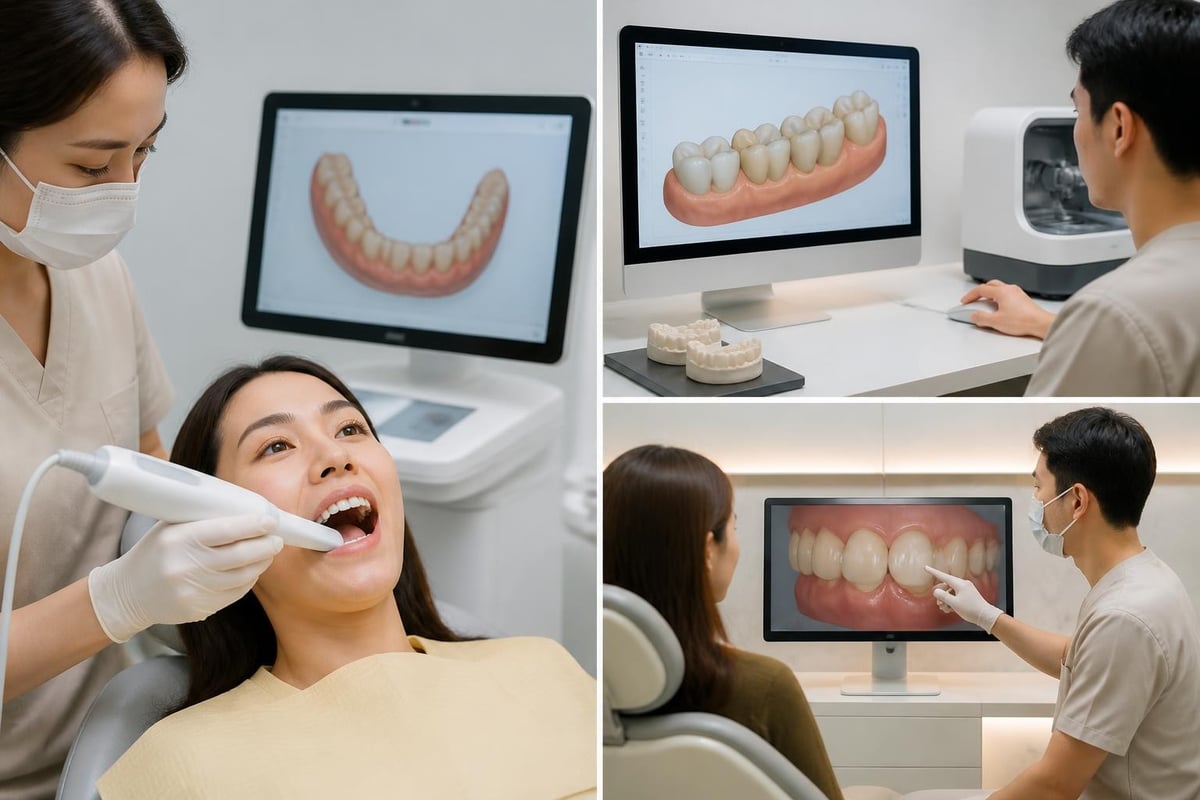
These tools work together as an integrated system rather than isolated upgrades. When a dentist uses an intraoral scanner, that digital model flows directly into design software, communicates with milling equipment, and creates a permanent record for future reference. This seamless workflow improves efficiency while reducing opportunities for error.
Digital Imaging Beyond X-rays
Cone beam computed tomography (CBCT) represents a significant advancement over traditional two-dimensional radiographs. This three-dimensional imaging captures bone density, nerve pathways, sinus anatomy, and spatial relationships that flat images cannot reveal. When planning implant placement or evaluating TMJ structures, CBCT provides essential information that improves treatment accuracy and safety.
Research published in digital dentistry applications demonstrates how these imaging technologies support better clinical decision-making across multiple specialties. The ability to visualize anatomy from any angle, measure precise distances, and simulate treatment outcomes before beginning work represents a fundamental improvement in care quality.
At CuraSmile PH, digital imaging integrates with other diagnostic tools to create comprehensive treatment plans. When patients need orthodontic work, cosmetic enhancement, or implant therapy, detailed imaging ensures that every clinical decision rests on accurate anatomical information rather than estimation.
Artificial Intelligence in Dental Diagnosis
AI-powered diagnostic tools analyze radiographic images to identify early signs of decay, bone loss, and other pathological changes. These systems function as a second set of eyes, highlighting areas that warrant closer examination and reducing the likelihood that subtle findings go unnoticed during busy clinical schedules.
Machine learning algorithms trained on thousands of verified cases can detect patterns that even experienced clinicians might miss in early stages. A small area of demineralization, a subtle widening of the periodontal ligament space, or slight changes in bone density become flagged for review. The dentist makes the final diagnostic determination, but the AI support improves consistency and thoroughness.
| Technology | Primary Application | Key Benefit |
|---|---|---|
| AI Radiograph Analysis | Caries, bone loss detection | Earlier identification of pathology |
| Digital Smile Design | Cosmetic treatment planning | Predictable aesthetic outcomes |
| Guided Surgery Software | Implant placement | Improved accuracy, reduced complications |
| CAD/CAM Systems | Crowns, veneers, inlays | Same-visit restorations, precise fit |
Beyond diagnostics, AI assists with treatment planning and outcome prediction. When considering cosmetic dentistry options, digital smile design software uses facial analysis and tooth proportion algorithms to preview results before any tooth preparation begins. Patients see proposed changes on their own smile, facilitating more informed consent and clearer communication about aesthetic goals.
Precision in Restorative Dentistry
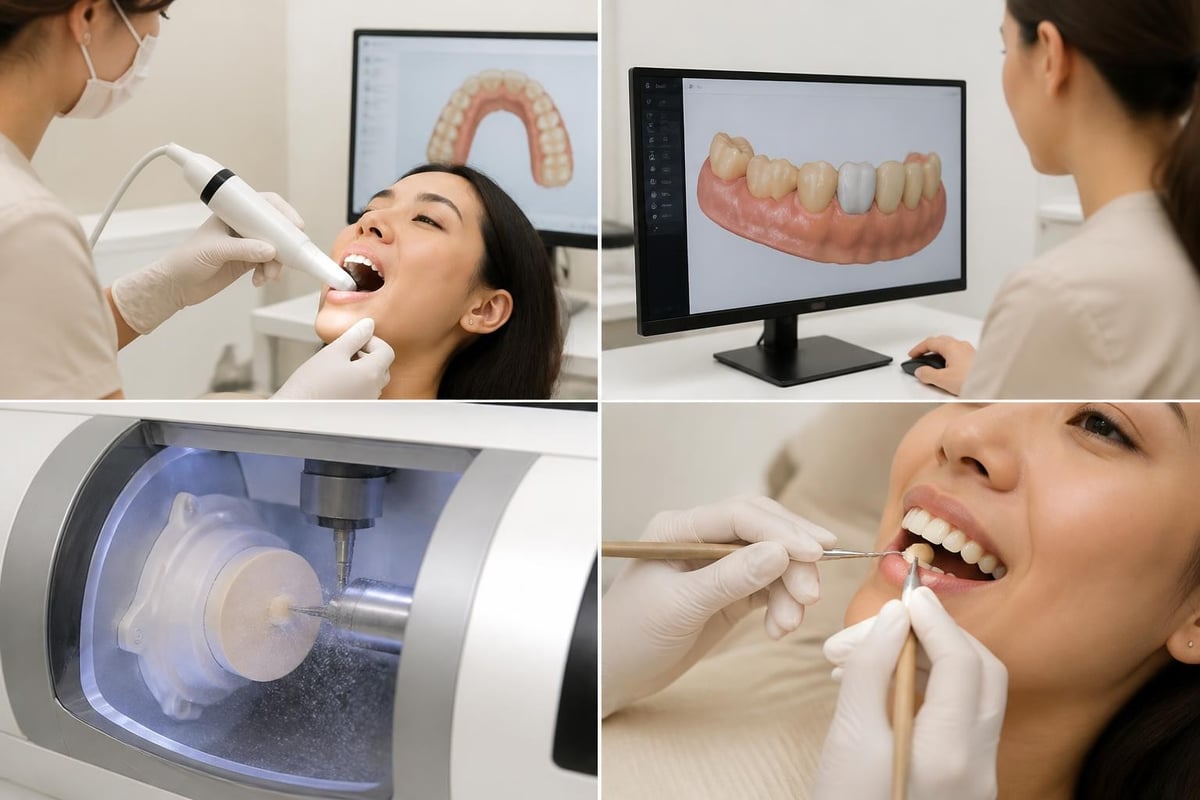
CAD/CAM technology transforms how dentists create crowns, veneers, inlays, and other restorations. Traditional methods require physical impressions sent to external laboratories, with temporary restorations worn for weeks while ceramists fabricate the final piece. Digital workflows compress this timeline dramatically while improving fit and function.
The process begins with intraoral scanning. Instead of impression material that triggers gagging and discomfort, a small wand captures thousands of images per second, building a precise three-dimensional model of prepared teeth and surrounding structures. This digital file moves immediately to design software where the restoration is created virtually, accounting for bite forces, contact points, and aesthetic requirements.
Key advantages of digital restoration workflows:
- Improved marginal fit through precise scanning and milling
- Consistent material quality from factory-controlled ceramic blocks
- Faster turnaround with in-office fabrication capabilities
- Better patient communication through visual treatment planning
- Permanent digital records for future reference or replacement
Research examining 3D-printed dental materials highlights both the potential and current limitations of additive manufacturing in permanent restorations. While subtractive milling remains the gold standard for most applications in 2026, printing technologies continue advancing for surgical guides, temporary restorations, and orthodontic appliances.
Material Science Advances
Modern ceramics combine strength with aesthetics in ways impossible a decade ago. Zirconia restorations offer exceptional durability for posterior teeth while maintaining a natural appearance. Lithium disilicate provides the translucency needed for anterior cosmetics without sacrificing strength. Multi-layered materials replicate the natural color gradation found in teeth, with different translucencies from the gingival third to the incisal edge.
These material improvements pair naturally with digital fabrication. Computer-controlled milling achieves tolerances measured in micrometers, creating margins that seal precisely and resist microleakage. The result is restorations that last longer, look better, and preserve more tooth structure than previous alternatives.
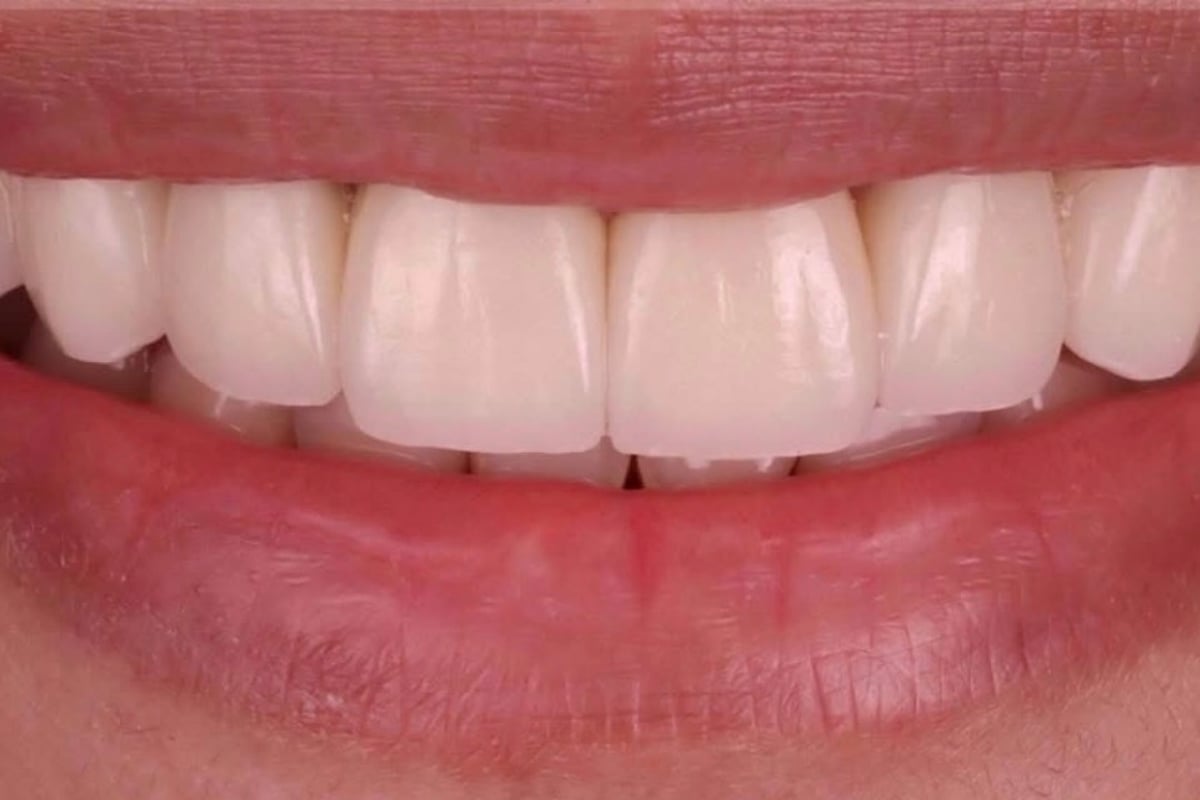
When patients ask about porcelain veneers or full-coverage crowns, the conversation now includes digital planning that shows exactly how the restorations will look and function before any irreversible changes occur. This transparency builds confidence and ensures alignment between patient expectations and clinical outcomes.
At CuraSmile PH, combining digital smile planning with high-quality restorative materials creates natural-looking results tailored to each patient's dental condition and aesthetic goals.
Guided Surgery and Implant Dentistry
Dental implant placement benefits tremendously from advanced technology dentistry. Static surgical guides designed from CBCT scans and digital tooth models control implant position with exceptional accuracy. The guide sits over the surgical site, directing the drill through predetermined angles and depths based on virtual planning.
Studies evaluating guided implant surgery accuracy in fully edentulous patients demonstrate clinically significant improvements in positional accuracy compared to freehand techniques. While the dentist's skill and judgment remain essential, the guide provides a physical reference that reduces deviation from the planned position.
This precision matters particularly in complex cases:
- Limited bone volume requiring exact placement to avoid anatomical structures
- Immediate loading protocols where proper angulation determines initial stability
- Full-arch reconstructions requiring parallel implants for optimal prosthetic support
- Aesthetic zone implants where millimeter differences affect gingival contours
The technology also enables less invasive approaches. Flapless surgery guided by digital planning results in less post-operative discomfort, faster healing, and better soft tissue preservation when clinical conditions permit.
Laser Dentistry Applications
Lasers provide an alternative to mechanical cutting for specific clinical situations. Different wavelengths interact with water, hemoglobin, and mineralized tissue in distinct ways, making certain lasers ideal for soft tissue work while others excel at cavity preparation or bacterial reduction.
Common laser applications in modern dental practice:
- Gingivectomy and crown lengthening procedures with minimal bleeding
- Frenectomy without sutures, improving tongue mobility or lip attachment
- Bacterial reduction in periodontal pockets as adjunct to scaling
- Cavity detection through fluorescence changes in demineralized enamel
- Desensitization therapy for exposed root surfaces
For patients concerned about comfort, lasers often eliminate or reduce the need for local anesthesia in certain soft tissue procedures. The precision also means less healthy tissue removal and faster healing compared to traditional scalpel techniques. Those interested in learning more about these benefits can explore laser dentistry advantages and specific applications.
Digital Orthodontics and Clear Aligners
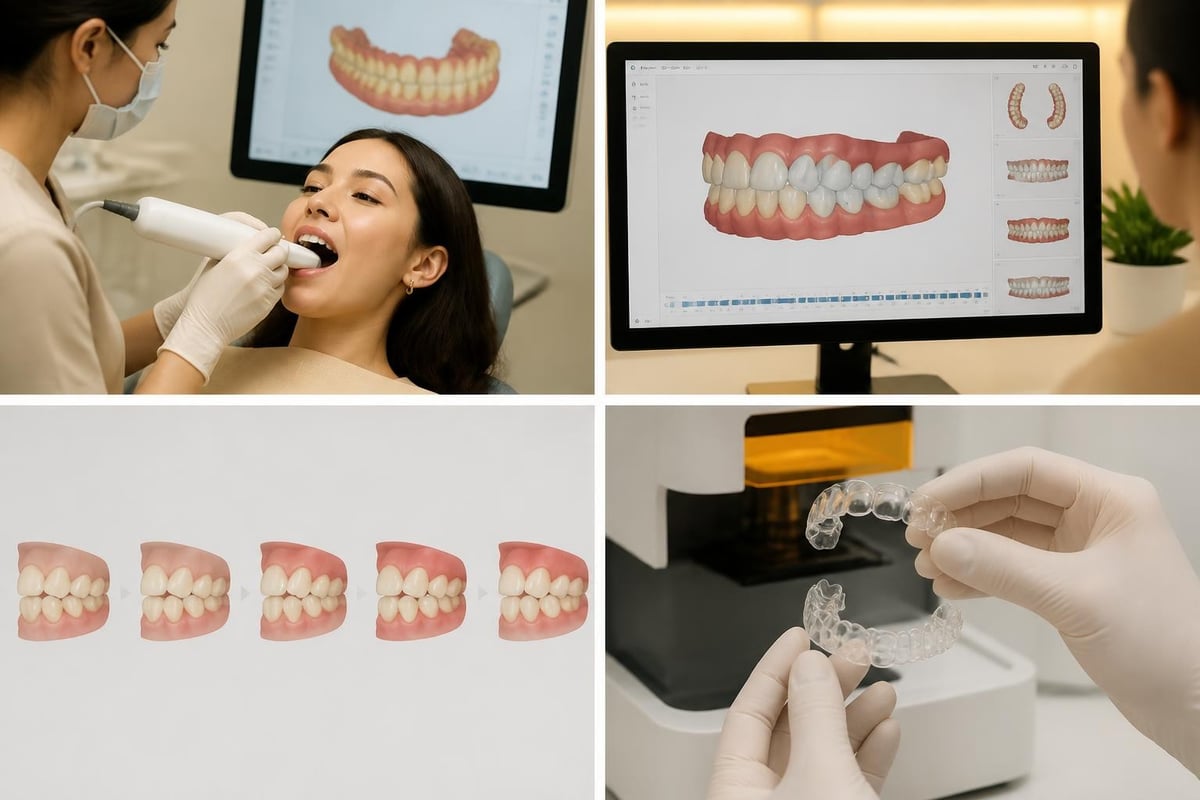
Orthodontic treatment planning has transformed from studying plaster models and hand-drawn tracings to analyzing dynamic 3D simulations. Digital models captured through intraoral scanning provide complete information about tooth position, arch form, and occlusal relationships without the storage requirements and deterioration issues of physical models.
Treatment simulation software shows the proposed tooth movement sequence from start to finish. Patients see their future smile before committing to treatment, understanding exactly what alignment changes will occur and how long the process requires. This visualization improves compliance because patients grasp the treatment rationale and feel invested in the outcome.
Clear aligner therapy depends entirely on digital workflows. After scanning, treatment planning software determines the force systems needed to achieve desired tooth positions. Each aligner in the series represents a small incremental change, manufactured through precision thermoforming over 3D-printed models. The result is highly controlled, predictable movement when patient compliance remains consistent.
For those comparing traditional orthodontics with modern alternatives, understanding braces versus clear aligners helps clarify which approach best suits individual needs and treatment goals.
Teledentistry and Remote Monitoring
While in-person examination remains essential for diagnosis and treatment, teledentistry extends care beyond the clinical setting. Video consultations allow preliminary assessments, follow-up checks, and urgent triage when patients cannot immediately visit the practice. This technology proved particularly valuable during pandemic restrictions but continues offering convenience for established patients with specific questions or concerns.
The American Dental Association's teledentistry policy emphasizes maintaining standard-of-care principles regardless of delivery method. Remote consultations supplement rather than replace comprehensive in-person care, functioning best when integrated thoughtfully into existing patient relationships.
Remote monitoring applies particularly well to orthodontics. Patients photograph their teeth using smartphone apps, and AI-powered analysis tracks aligner fit and treatment progress. When issues arise, early intervention prevents delays and improves outcomes. This approach reduces the number of in-office checks needed while maintaining clinical oversight throughout treatment.
Guidelines from organizations like the World Health Organization on telehealth implementation provide frameworks for ensuring quality, accessibility, and appropriate use of remote care technologies across healthcare disciplines, including dentistry.
Integrating Technology with Clinical Judgment
Advanced tools enhance rather than replace clinical expertise. A digital scanner captures tooth anatomy with extreme precision, but the dentist decides how much reduction is necessary, which margin design works best, and what material suits the clinical situation. AI might flag a suspicious area on a radiograph, but the clinician integrates that information with clinical examination, patient history, and risk assessment to determine appropriate management.
The most effective practices blend technology with traditional examination skills:
- Visual inspection and tactile exploration remain essential for caries detection
- Patient interviews reveal symptoms and concerns that images cannot capture
- Manual dexterity and haptic feedback guide restorative procedures
- Clinical experience informs treatment sequencing and modification
Technology provides better information and more precise tools. Dentists provide knowledge, judgment, and the human interaction that builds trust and addresses individual patient needs. This combination delivers superior outcomes compared to either element alone.
Patient Experience Improvements
Beyond clinical benefits, advanced technology dentistry significantly improves patient comfort and satisfaction. Digital scanners eliminate impression material that causes gagging. Same-day CAD/CAM restorations mean one appointment instead of multiple visits. Laser procedures often reduce anesthesia requirements and accelerate healing.
Communication improves when patients see their own anatomy on screens, understand proposed changes through digital simulations, and visualize treatment outcomes before committing. This transparency reduces anxiety and enables truly informed consent. When patients understand what will happen and why, they participate more actively in their care and follow recommendations more consistently.
| Patient Benefit | Technology Enabler | Clinical Impact |
|---|---|---|
| Reduced appointment time | CAD/CAM same-day restorations | Single-visit crowns, veneers |
| Improved comfort | Digital impressions | No gag reflex triggering |
| Better outcomes visualization | Digital smile design | Clearer aesthetic expectations |
| Less post-op discomfort | Laser soft tissue procedures | Faster healing, less swelling |
| Earlier problem detection | AI diagnostic support | Treatment at less advanced stages |
Practices that invest in patient education around these technologies see improved treatment acceptance and better long-term relationships. When people understand how digital planning improves their crown fit or how guided surgery places their implant more safely, they appreciate the value beyond just convenience.
Continuing Evolution
Advanced technology dentistry continues developing rapidly. Research explores bioprinting for tissue regeneration, augmented reality for surgical navigation, and machine learning for personalized treatment prediction. Intraoral scanners keep improving in speed and accuracy. Materials science delivers stronger, more aesthetic options.
Staying current requires ongoing education and critical evaluation of new technologies. Not every innovation delivers meaningful clinical benefits. Effective practices assess new tools based on evidence, patient needs, and practical integration into existing workflows rather than adopting technology simply because it exists.
The goal remains consistent: better diagnosis, more predictable treatment, improved outcomes, and positive patient experiences. Technology serves that goal when selected thoughtfully and applied skillfully. As tools continue advancing, the fundamental principles of comprehensive assessment, evidence-based planning, and personalized care remain central to excellent dentistry.
For patients seeking modern dental care, asking about digital workflows, imaging capabilities, and treatment planning technologies helps identify practices committed to precision and quality. The presence of advanced tools matters less than how those tools integrate into patient-centered care that addresses individual needs and goals.
Advanced technology dentistry transforms diagnosis, treatment planning, and clinical outcomes through digital integration and precision tools. When combined with clinical expertise and personalized care, these innovations deliver more predictable results with improved comfort and efficiency. CuraSmile PH in Bonifacio Global City integrates advanced dental technology with evidence-based practice to provide comprehensive care across preventive, restorative, cosmetic, and therapeutic services, helping patients achieve optimal oral health and confident smiles.