Why Does My Breath Smell Even After Brushing?
Discover why does my breath smell even after brushing. Learn the clinical causes, diagnostic approaches, and evidence-based solutions.
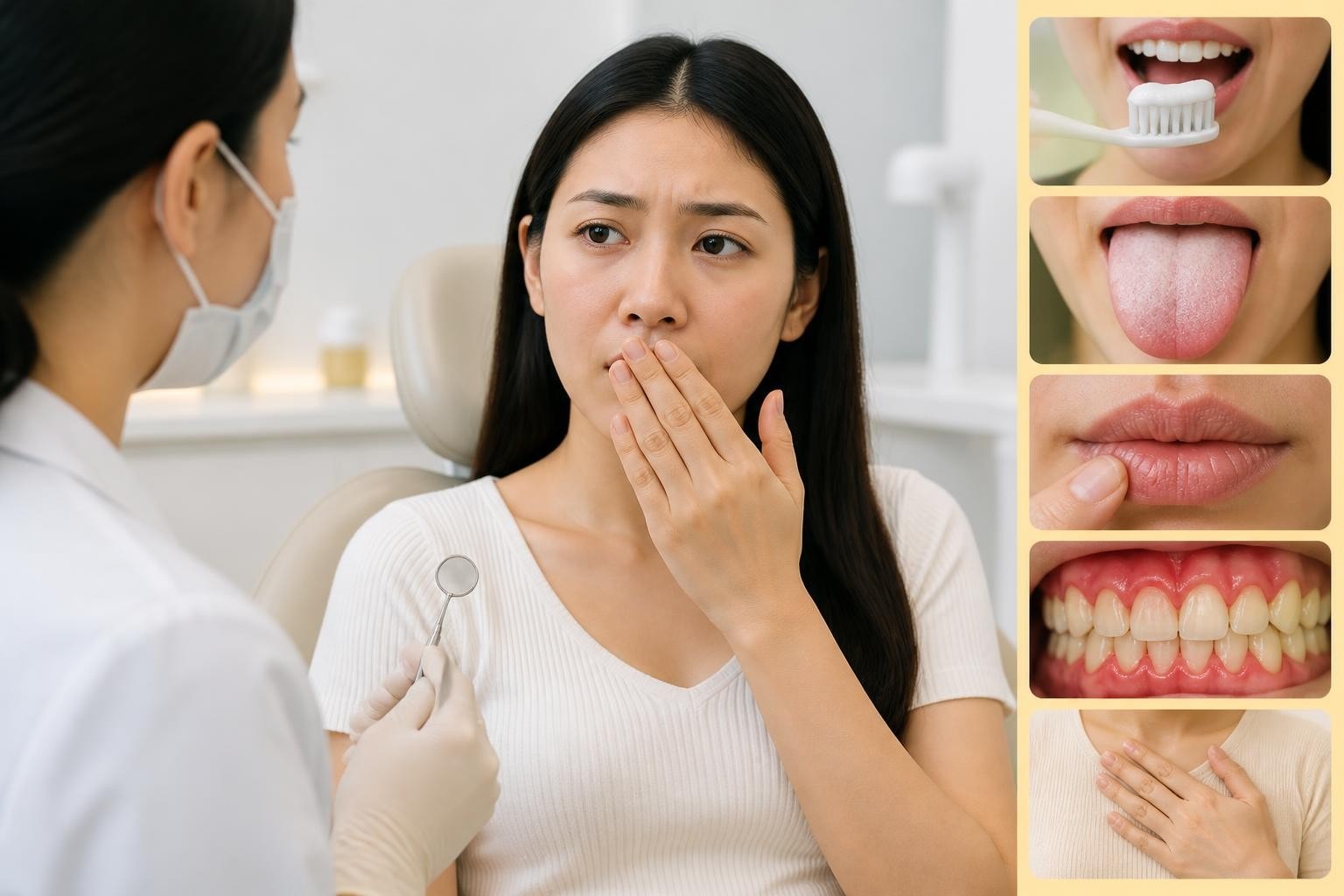
You brush twice daily, floss regularly, and use mouthwash, yet persistent bad breath continues to affect your confidence and social interactions. This frustrating experience is more common than you might think, and understanding the underlying causes is the first step toward finding an effective, lasting solution. The question "why does my breath smell even after brushing" reflects a clinical reality that millions face: halitosis often has deeper origins than simple oral hygiene alone can address.
The Science Behind Persistent Bad Breath
Brushing removes food particles and surface bacteria, but it doesn't always eliminate the source of odor-causing compounds. Most cases of chronic halitosis stem from volatile sulfur compounds (VSCs) produced by anaerobic bacteria living in areas your toothbrush can't effectively reach.
These bacteria thrive in oxygen-poor environments, particularly on the posterior tongue, between teeth, below the gumline, and in periodontal pockets. When they break down proteins from food debris, dead cells, and blood, they release hydrogen sulfide, methyl mercaptan, and dimethyl sulfide-the same compounds that give rotten eggs and decaying matter their distinctive smell.
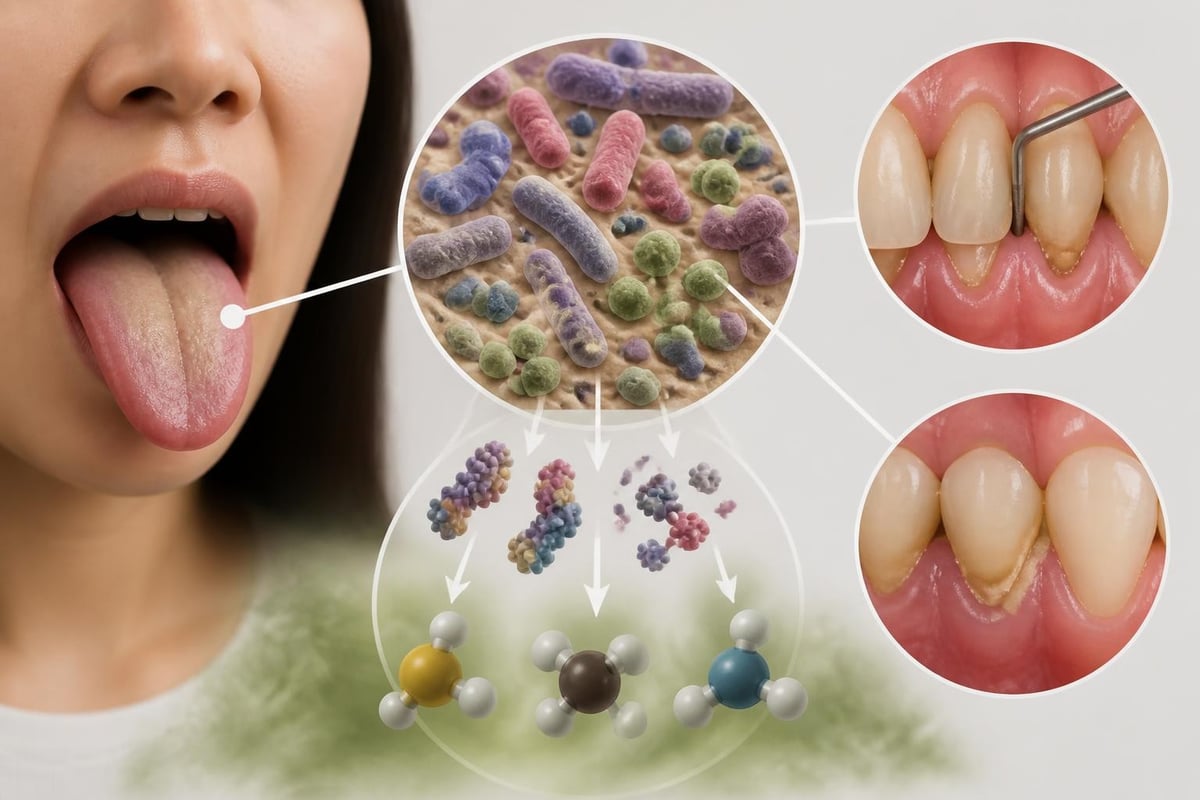
Research published in Nature Reviews Microbiology demonstrates how the oral microbiome ecology directly influences halitosis development. The balance between beneficial and odor-producing bacteria determines breath quality more than brushing frequency alone.
Where Odor-Causing Bacteria Hide
Understanding bacterial hiding spots explains why does my breath smell even after brushing becomes a persistent concern:
- Tongue coating: The posterior third of your tongue has a rough, papillated surface that traps bacteria, food debris, and dead epithelial cells
- Periodontal pockets: Spaces between teeth and gums deeper than 3mm harbor anaerobic bacteria beyond toothbrush reach
- Interdental spaces: Tight contacts between teeth create oxygen-poor zones perfect for VSC-producing bacteria
- Tonsil crypts: Deep crevices in palatine tonsils can accumulate bacteria and debris, forming tonsil stones (tonsilloliths)
- Dental restorations: Poorly fitting crowns, old fillings, or orthodontic appliances can create bacterial reservoirs
Clinical Causes of Persistent Halitosis
Systematic reviews demonstrate that 80-90% of halitosis cases originate from intra-oral sources, making comprehensive dental evaluation essential when bad breath persists despite good home care.
Periodontal Disease and Gum Inflammation
Gum disease represents one of the most significant contributors to chronic bad breath. As periodontal bacteria colonize below the gumline, they create deep pockets filled with inflammatory byproducts, tissue breakdown products, and bacterial metabolites.
Even early gingivitis produces subtle breath changes. Advanced periodontitis with bone loss and deep pockets generates persistent, characteristic odors that routine brushing cannot eliminate. The inflammatory process itself contributes additional odor compounds beyond bacterial VSCs.
If you've noticed bleeding gums during brushing, this often indicates underlying periodontal inflammation that may also explain persistent breath concerns.
Xerostomia: The Dry Mouth Connection
Saliva serves as your mouth's natural cleansing system, washing away food particles, neutralizing acids, and controlling bacterial populations. Reduced saliva flow allows bacteria to proliferate unchecked and eliminates the mechanical cleansing that normally occurs throughout the day.
Common causes of dry mouth include:
- Medications (antihistamines, antidepressants, blood pressure drugs, diuretics)
- Mouth breathing during sleep
- Salivary gland dysfunction
- Dehydration and inadequate water intake
- Autoimmune conditions affecting salivary glands
- Radiation therapy to head and neck regions
The National Institute of Dental and Craniofacial Research provides comprehensive information on how xerostomia contributes to halitosis and other oral health complications.
Morning breath intensity often reflects overnight saliva reduction. However, persistent dry mouth throughout the day creates constant bacterial overgrowth that explains why does my breath smell even after brushing remains an ongoing concern.

Tongue Coating and Biofilm Accumulation
The tongue's posterior surface harbors the highest concentration of odor-producing bacteria in most individuals. This white or yellowish coating consists of bacteria, food debris, dead epithelial cells, and white blood cells.
| Tongue Coating Severity | Bacterial Load | Odor Impact |
|---|---|---|
| Minimal (thin, pink) | Normal flora | No significant odor |
| Moderate (visible white) | Elevated anaerobes | Mild to moderate VSCs |
| Heavy (thick, yellow-white) | High anaerobic counts | Strong, persistent odor |
Toothbrush bristles designed for teeth aren't optimized for tongue cleaning. The papillae on your tongue's surface require specific cleaning techniques and tools for effective biofilm removal.
Dental Factors Often Overlooked
Structural dental issues create bacterial traps that compromise breath freshness regardless of hygiene efforts:
- Deep cavities: Decay provides protected spaces for bacterial colonization and protein breakdown
- Food impaction areas: Poorly contoured fillings or crowns create spaces where food consistently lodges
- Failing dental work: Margins with gaps or leaky restorations harbor bacteria
- Partially erupted wisdom teeth: Tissue flaps over wisdom teeth (pericoronitis) trap debris and bacteria
- Orthodontic appliances: Braces, retainers, and clear aligners require meticulous cleaning to prevent bacterial accumulation
Beyond the Mouth: Systemic Contributors
While most halitosis originates orally, approximately 10-15% of cases involve extra-oral factors. Understanding these possibilities helps determine when broader medical evaluation becomes necessary.
Respiratory and Sinus Conditions
Chronic sinusitis, post-nasal drip, and lower respiratory infections introduce bacteria and inflammatory products that affect breath odor. Sinus infections produce distinctive odors different from oral sources, often accompanied by facial pressure, nasal congestion, or chronic cough.
Tonsillitis and adenoid infections in the nasopharynx can generate breath odor that persists despite excellent oral hygiene.
Gastrointestinal Factors
Contrary to popular belief, stomach odors rarely travel upward to cause halitosis-the esophageal sphincter normally prevents this. However, certain conditions do contribute:
- Gastroesophageal reflux disease (GERD): Acid reflux can bring stomach contents into the throat and mouth, creating odor
- Helicobacter pylori infection: This stomach bacterium can produce distinctive breath compounds
- Malabsorption disorders: Certain digestive conditions affect nutrient processing and bacterial balance
Metabolic and Systemic Conditions
Specific breath odors sometimes signal underlying medical conditions:
| Condition | Characteristic Odor | Mechanism |
|---|---|---|
| Diabetes (ketoacidosis) | Sweet, fruity | Ketone bodies in breath |
| Kidney disease | Ammonia-like, urine | Metabolic waste buildup |
| Liver disease | Musty, sweet | Impaired toxin processing |
| Trimethylaminuria | Fishy | Genetic enzyme deficiency |
MedlinePlus provides comprehensive coverage of breath odor causes, including medical red flags that warrant physician evaluation.
Diagnostic Approaches to Persistent Halitosis
Determining why does my breath smell even after brushing requires systematic clinical evaluation. Professional assessment goes beyond guessing to identify specific contributing factors.
Clinical Breath Assessment Methods
Modern dental practices use several objective measurement techniques:
- Organoleptic assessment: Trained clinician evaluation of breath odor intensity and character
- Halimeter measurement: Electronic detection of volatile sulfur compound concentrations
- Gas chromatography: Laboratory analysis identifying specific odor compounds
- BANA test: Enzymatic test for specific periodontal bacteria
- Salivary flow testing: Measurement of resting and stimulated saliva production
At CuraSmile PH, we combine clinical expertise with diagnostic technology to pinpoint halitosis sources and develop targeted treatment strategies.
Comprehensive Oral Examination Components
Thorough dental evaluation includes:
- Periodontal probing to detect gum disease and pocket depths
- Caries detection and assessment of existing dental work
- Tongue coating evaluation and biofilm assessment
- Salivary gland function and xerostomia screening
- Tonsil examination for tonsilloliths or infection
- Occlusion analysis for mouth breathing indicators
- Review of medications affecting saliva production
This systematic approach often reveals multiple contributing factors rather than a single cause.
Evidence-Based Solutions for Lasting Fresh Breath
Addressing persistent halitosis requires targeted interventions based on identified causes rather than one-size-fits-all solutions.
Optimizing Your Oral Hygiene Technique
Even patients who brush regularly may use ineffective techniques that leave bacterial reservoirs undisturbed.
Enhanced home care protocol:
- Brush for minimum two minutes, focusing on gumline and posterior teeth
- Use interdental brushes or floss daily to clean between all teeth
- Clean tongue thoroughly using specialized tongue scrapers or cleaners
- Rinse with water after eating to remove food debris
- Stay well-hydrated throughout the day to maintain saliva flow
Tongue cleaning deserves particular emphasis. Studies show that mechanical tongue cleaning reduces VSC production by 75% when performed correctly. Scrape from back to front with gentle pressure, rinse the scraper, and repeat 5-8 times.

Professional Periodontal Treatment
When gum disease underlies breath concerns, professional intervention becomes essential. Comprehensive gum disease treatment addresses bacterial colonization below the gumline that home care cannot reach.
Professional periodontal therapy includes:
- Scaling and root planing: Deep cleaning to remove subgingival bacteria and calculus
- Antimicrobial therapy: Targeted use of antibacterial agents when appropriate
- Pocket reduction surgery: For advanced cases requiring surgical intervention
- Supportive maintenance: Regular professional cleanings to prevent recurrence
Following professional treatment, most patients experience dramatic breath improvement within days as bacterial populations normalize and inflammation resolves.
Addressing Dry Mouth Systematically
Managing xerostomia requires identifying underlying causes and implementing appropriate interventions:
Medication review: Consult your physician about alternatives to medications causing dry mouth
Saliva stimulation strategies:
- Sugar-free gum or lozenges containing xylitol
- Prescription saliva substitutes and stimulants
- Pilocarpine or cevimeline for medical xerostomia
- Increased water intake throughout the day
Environmental modifications:
- Bedroom humidifier for nighttime mouth breathing
- Avoiding alcohol-based mouthwashes that dry tissues
- Limiting caffeine and alcohol consumption
Selecting Appropriate Oral Care Products
Not all oral hygiene products address halitosis effectively, and some may worsen certain conditions.
| Product Type | Effective Options | Products to Avoid |
|---|---|---|
| Toothpaste | Fluoride formulations with antibacterials | Highly abrasive whitening pastes (increase dryness) |
| Mouthwash | Chlorine dioxide or cetylpyridinium chloride | High-alcohol rinses (worsen xerostomia) |
| Tongue cleaners | Purpose-designed scrapers with smooth edges | Harsh brushes that damage papillae |
| Dental floss | Any type used correctly and consistently | None (all floss is beneficial when used properly) |
The American Dental Association's guidance on oral malodor products offers evidence-based product recommendations.
When selecting mouthwashes, look for those containing chlorine dioxide, zinc compounds, or cetylpyridinium chloride rather than relying solely on mint flavoring that temporarily masks odor.
When Professional Fresh Breath Assessment Makes Sense
If you've optimized home care and still wonder why does my breath smell even after brushing, professional evaluation provides answers and targeted solutions.
Comprehensive fresh breath programs evaluate the full spectrum of potential causes through clinical assessment, specialized testing, and personalized treatment planning. These programs identify specific bacterial profiles, measure VSC production objectively, and develop evidence-based interventions.
For patients in Bonifacio Global City seeking specialized care, Fresh Breath Assessment & Therapy offers a systematic approach to diagnosing and treating persistent halitosis. This comprehensive program combines clinical expertise with advanced diagnostic tools to address the root causes rather than simply masking symptoms.

Advanced Diagnostic Technologies
Modern breath clinics employ sophisticated tools beyond basic examination:
- Portable sulfide monitors: Real-time VSC measurement during treatment
- Microbial testing: Identification of specific odor-producing bacterial species
- Salivary diagnostics: Comprehensive analysis of saliva composition and flow
- Digital imaging: Detection of hidden dental pathology contributing to odor
Clinical practice guidelines for halitosis diagnosis and treatment emphasize systematic evaluation using validated diagnostic tools to distinguish oral from extra-oral sources.
The Oral Microbiome and Long-Term Breath Health
Understanding your oral microbiome represents the frontier of halitosis management. Rather than attempting to eliminate all bacteria, modern approaches focus on promoting a healthy bacterial balance.
Probiotic Approaches to Breath Freshness
Emerging research explores specific probiotic strains that may help rebalance oral flora and reduce VSC production:
- Streptococcus salivarius K12: Produces bacteriocins that inhibit odor-causing bacteria
- Lactobacillus species: May help maintain healthy pH and bacterial balance
- Weissella cibaria: Shows promise in reducing VSC production
While research continues, some patients report benefits from oral probiotics designed specifically for breath health.
Dietary Factors Influencing Oral Bacteria
What you eat affects the bacterial ecosystem in your mouth. Certain dietary patterns support healthier oral microbiomes:
Foods that may promote breath health:
- Crunchy vegetables that mechanically clean teeth
- Green tea containing polyphenols with antibacterial properties
- Plain yogurt with active cultures
- Foods rich in vitamin C supporting gum health
Dietary habits that may contribute to halitosis:
- High-protein, low-carbohydrate diets increasing ketone breath
- Excessive garlic, onions, and aromatic foods
- Frequent snacking without water rinses
- Sugary foods feeding acid-producing bacteria
Current research on the oral-gut microbiome axis reveals complex interactions between oral bacteria, periodontal health, and systemic conditions, offering new insights into comprehensive halitosis management.
Lifestyle Factors Often Underestimated
Beyond clinical treatments and products, daily habits significantly influence breath quality and bacterial populations.
Sleep Quality and Mouth Breathing
Overnight mouth breathing dramatically increases morning breath severity and contributes to daytime halitosis. Sleep-related breathing disorders, nasal obstruction, and habitual mouth breathing reduce saliva flow for extended periods.
Addressing mouth breathing may require:
- Treatment of nasal allergies or structural obstruction
- Evaluation for sleep apnea
- Orthodontic assessment of airway-related bite issues
- Myofunctional therapy to retrain breathing patterns
Stress, Anxiety, and Salivary Flow
Psychological stress directly reduces saliva production through sympathetic nervous system activation. Many patients notice worsening breath during stressful periods, job presentations, or anxiety-provoking situations.
Stress management techniques-meditation, regular exercise, adequate sleep-support normal salivary function and overall oral health.
Smoking and Tobacco Use
Tobacco use contributes to halitosis through multiple mechanisms:
- Direct chemical odors from smoke and tar
- Reduced saliva production and increased dry mouth
- Higher risk of periodontal disease
- Altered oral microbiome favoring pathogenic bacteria
- Delayed wound healing after dental procedures
Smoking cessation represents one of the most impactful interventions for breath improvement and overall oral health.
Building Your Personalized Fresh Breath Strategy
Resolving persistent halitosis requires an individualized approach based on your specific contributing factors. Cookie-cutter solutions rarely address the question of why does my breath smell even after brushing for patients with complex or multiple causes.
Creating Your Action Plan
Step 1: Self-Assessment
- Track when breath concerns are most noticeable
- Note any associated symptoms (dry mouth, bleeding gums, sinus issues)
- Review medications with potential xerostomia effects
- Evaluate current oral hygiene practices honestly
Step 2: Professional Evaluation
- Schedule comprehensive dental examination
- Request periodontal assessment if gum bleeding occurs
- Consider fresh breath assessment if standard care hasn't helped
- Discuss medical history and medication review
Step 3: Targeted Treatment
- Address diagnosed periodontal disease professionally
- Optimize home care technique based on clinical findings
- Implement appropriate adjunctive therapies (probiotics, saliva stimulants)
- Schedule follow-up to assess treatment effectiveness
Step 4: Maintenance and Prevention
- Establish regular professional cleaning schedule
- Maintain enhanced home care protocols
- Monitor for recurrence or new symptoms
- Adjust approach based on results
Working with Your Dental Team
Open communication with your dental professionals ensures accurate diagnosis and effective treatment. Share concerns honestly, ask questions about specific causes identified in your case, and actively participate in developing your treatment plan.
At CuraSmile PH in BGC, our patient-centered approach combines advanced diagnostics with personalized care plans designed around your unique oral health needs and goals.
Maintaining Long-Term Results
Once you've achieved fresh breath, maintaining results requires ongoing attention to the factors that contributed to halitosis initially.
Daily maintenance essentials:
- Continue thorough oral hygiene including tongue cleaning
- Stay hydrated throughout the day
- Keep regular professional cleaning appointments
- Address new dental issues promptly
- Manage dry mouth if it persists
- Monitor for gum bleeding or other warning signs
Most patients find that once underlying causes are properly addressed, maintaining fresh breath becomes straightforward with consistent home care and regular professional support.
Realistic Expectations and Natural Variation
Even with excellent oral health, breath naturally varies throughout the day. Morning breath occurs in everyone due to overnight saliva reduction. Post-meal odors from certain foods are temporary and normal.
The goal isn't perfection but rather consistent, healthy breath without persistent unpleasant odors that affect confidence or signal underlying oral disease.
When to Seek Re-evaluation
Return for professional assessment if:
- Persistent bad breath returns despite good home care
- Gum bleeding develops or increases
- Dry mouth worsens or doesn't improve with interventions
- New dental pain or sensitivity occurs
- Systemic symptoms develop (fever, facial swelling, difficulty swallowing)
Early intervention prevents minor issues from becoming major problems and maintains the fresh breath results you've achieved.
Understanding why does my breath smell even after brushing empowers you to address root causes rather than simply masking symptoms with temporary solutions. Whether your halitosis stems from treatable gum disease, dry mouth, tongue coating, or other factors, evidence-based diagnosis and targeted treatment can restore your confidence and oral health. At CuraSmile PH, we combine advanced diagnostics, clinical expertise, and personalized care to help patients throughout Bonifacio Global City achieve lasting fresh breath and optimal oral health.