Smile Dental Implant: Complete Guide to Restoring Your Smile
Learn how smile dental implants restore missing teeth with natural-looking results. Discover placement options, benefits, and what to expect.

Missing teeth, especially in the front of your mouth, affect more than just your appearance. They impact how you speak, how you eat, and often how you feel about yourself in social and professional settings. A smile dental implant offers a permanent, natural-looking solution that addresses both the functional and aesthetic consequences of tooth loss. Unlike removable dentures or traditional bridges, dental implants replace the entire tooth structure, including the root, providing stability and preserving your jawbone health for years to come.
Understanding Smile Dental Implants
A smile dental implant refers to an implant restoration specifically designed for the visible areas of your smile, typically the front teeth and premolars. These implants require exceptional attention to aesthetic detail because any restoration in this zone is immediately noticeable when you smile, speak, or laugh.
What Makes Smile Zone Implants Different
The anterior (front) region of your mouth presents unique challenges and considerations:
- Thinner bone structure requiring precise surgical planning
- Higher aesthetic expectations for color, shape, and gum contour
- Critical gum tissue management to achieve natural-looking emergence
- Immediate visibility leaving little room for aesthetic compromise
When placed correctly, a smile dental implant should be virtually indistinguishable from your natural teeth. This requires careful coordination between surgical placement, tissue management, and final restoration design.
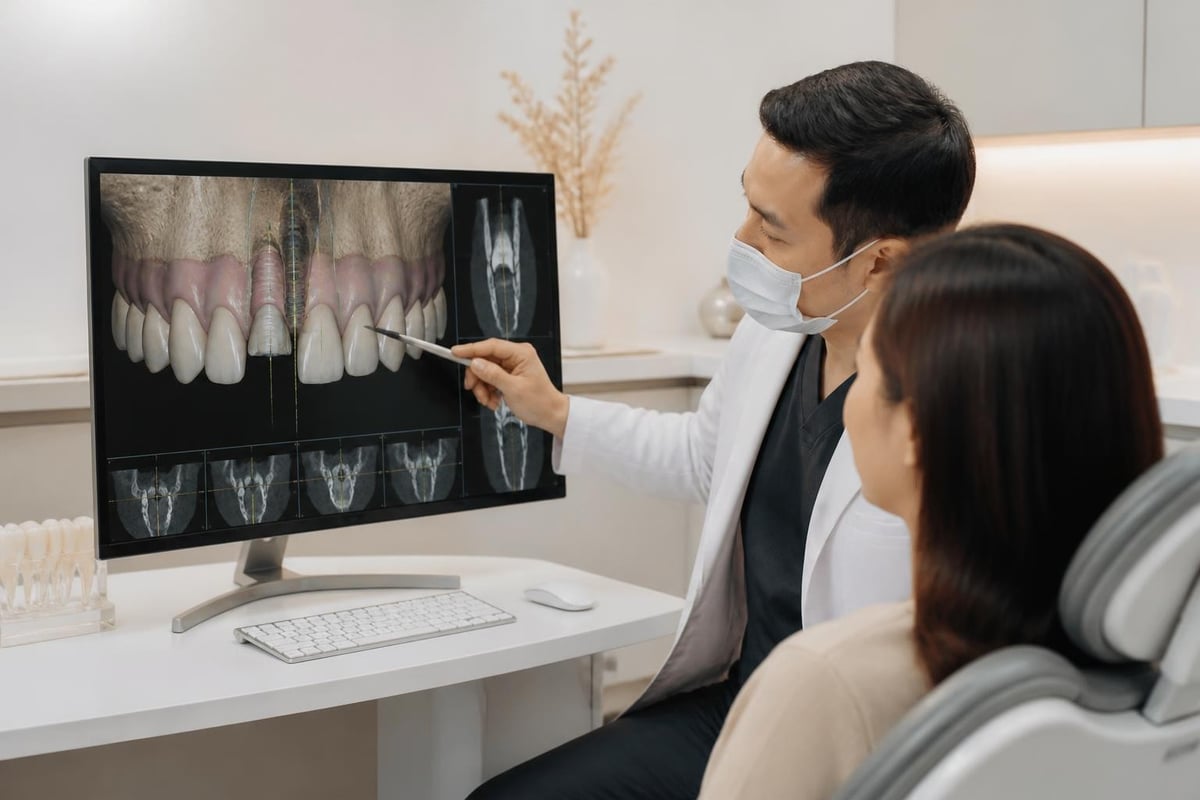
The Components of a Complete Smile Dental Implant
Understanding what makes up your implant restoration helps you appreciate the precision involved in each step.
| Component | Purpose | Material Options |
|---|---|---|
| Implant fixture | Replaces tooth root, integrates with bone | Medical-grade titanium, zirconia |
| Abutment | Connects implant to crown | Titanium, zirconia, custom milled |
| Crown | Visible tooth restoration | Porcelain, zirconia, layered ceramics |
| Soft tissue | Gum contour around restoration | Natural tissue, managed surgically |
Each component must work together seamlessly. The implant fixture serves as your new tooth root, the abutment provides the connection and emergence profile, and the crown recreates the visible tooth structure. Managing the soft tissue ensures your gum line looks natural and healthy.
Immediate vs. Conventional Loading Protocols
One of the most common questions patients ask concerns timing: how quickly can you have a functional, visible tooth after implant placement?
Conventional protocol involves placing the implant, allowing 3-6 months for bone integration, then attaching the final restoration. This time-tested approach offers predictable, long-term success rates and remains the gold standard for many clinical situations.
Immediate loading places a provisional or final crown within 24-48 hours of implant surgery. Research on loading timing shows that immediate loading can be successful in properly selected cases, though it requires adequate bone density, proper implant stability, and careful occlusal management.
For smile zone implants, immediate temporization (a non-functional provisional crown) often provides the best balance: you leave with a tooth in place for aesthetics, but it's designed to protect the healing implant without bearing full chewing forces.
Digital Planning for Optimal Smile Outcomes
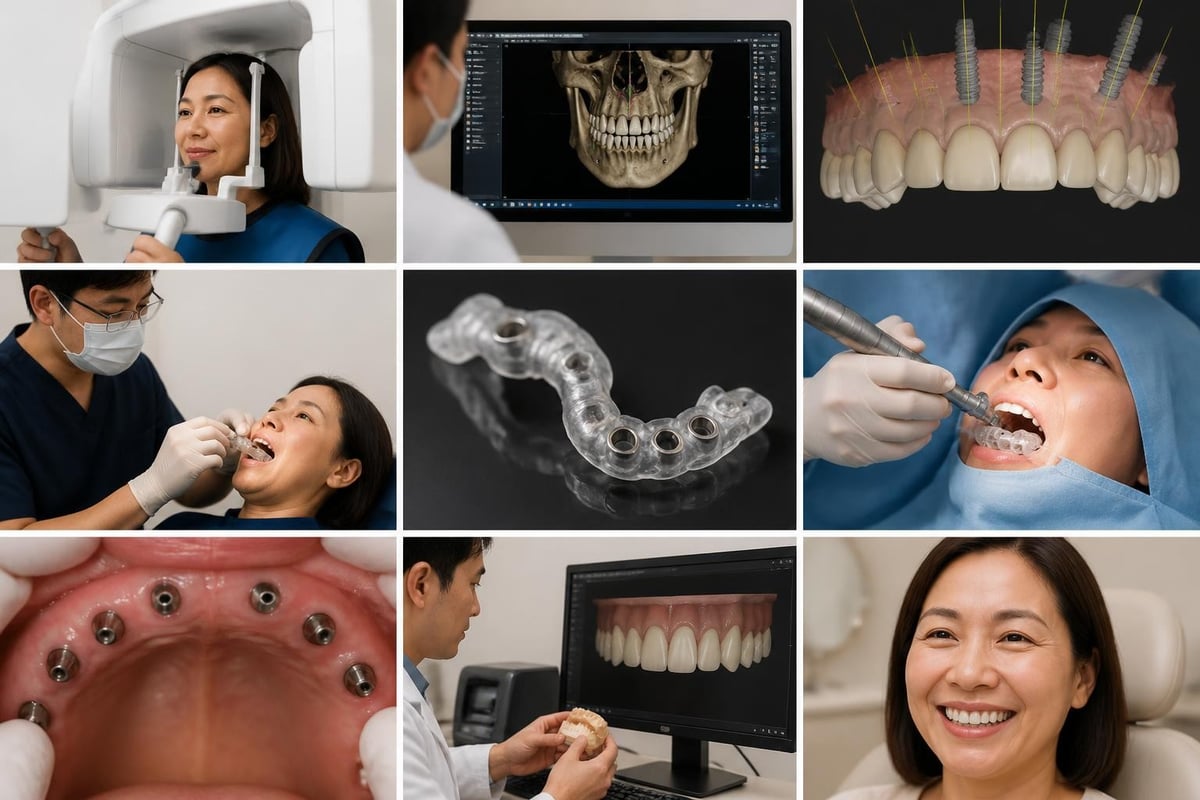
Modern implant dentistry relies heavily on digital technology to plan and execute smile dental implant treatment with precision.
3D Imaging and Virtual Planning
Before any surgery begins, comprehensive imaging creates a detailed map of your jaw anatomy:
- CBCT scans reveal bone density, dimensions, and anatomical structures
- Digital impressions capture your existing tooth positions and bite
- Smile design software helps visualize the final aesthetic outcome
- Surgical guides transfer the virtual plan to precise surgical execution
This digital workflow allows your dental team to anticipate challenges, plan around anatomical limitations, and optimize implant positioning for both function and aesthetics. Studies on digital smile design demonstrate improved patient satisfaction and more predictable aesthetic outcomes when planning incorporates digital visualization.
When you're considering treatment at CuraSmile PH, this digital planning process helps you understand exactly what to expect before treatment even begins.
Placement Timing: Immediate, Early, or Delayed
The timing of implant placement after tooth loss significantly affects treatment duration and aesthetic outcomes.
Immediate placement involves positioning the implant at the same appointment as tooth extraction. This approach can preserve bone and soft tissue architecture but requires adequate remaining bone and infection-free extraction sites. Evidence on anterior implant protocols suggests immediate placement can achieve excellent outcomes when case selection criteria are met.
Early placement waits 4-8 weeks after extraction, allowing soft tissue healing while preserving most bone volume. This middle-ground approach offers improved soft tissue management compared to immediate placement while still protecting bone architecture.
Delayed placement waits 3-6 months or longer, ensuring complete bone healing but potentially requiring additional bone grafting if significant resorption has occurred. This conservative timeline provides the most predictable bone quality for implant integration.
Your dentist will recommend timing based on your specific situation: extraction complexity, infection presence, bone quality, and aesthetic risk factors all influence this decision.
Managing Aesthetics in the Smile Zone
Achieving a natural-looking smile dental implant requires attention to multiple aesthetic factors beyond just the crown itself.
Gum Tissue Architecture
The gum tissue around your implant creates the frame for your restoration. Ideal gum contours should:
- Match the height and scalloping of adjacent natural teeth
- Maintain stable papillae (triangular gum tissue between teeth)
- Provide adequate pink-to-white ratio
- Hide the implant-crown junction
Achieving and maintaining these soft tissue characteristics often requires careful surgical technique, provisional restoration shaping, and adequate healing time. In some cases, additional soft tissue grafting helps create ideal contours.
Color and Translucency Matching
Your natural teeth aren't a single uniform color. They display subtle variations in shade, translucency, and surface characteristics. A well-crafted implant crown replicates these nuances:
- Base shade matching the adjacent tooth body color
- Incisal translucency creating natural light transmission at biting edges
- Surface texture mimicking the natural enamel character
- Individualized characterization adding subtle staining or highlights
High-quality dental ceramics and skilled laboratory fabrication make this level of customization possible. If you're also considering aesthetic improvements to adjacent teeth, porcelain veneers can be coordinated with your implant restoration for comprehensive smile enhancement.
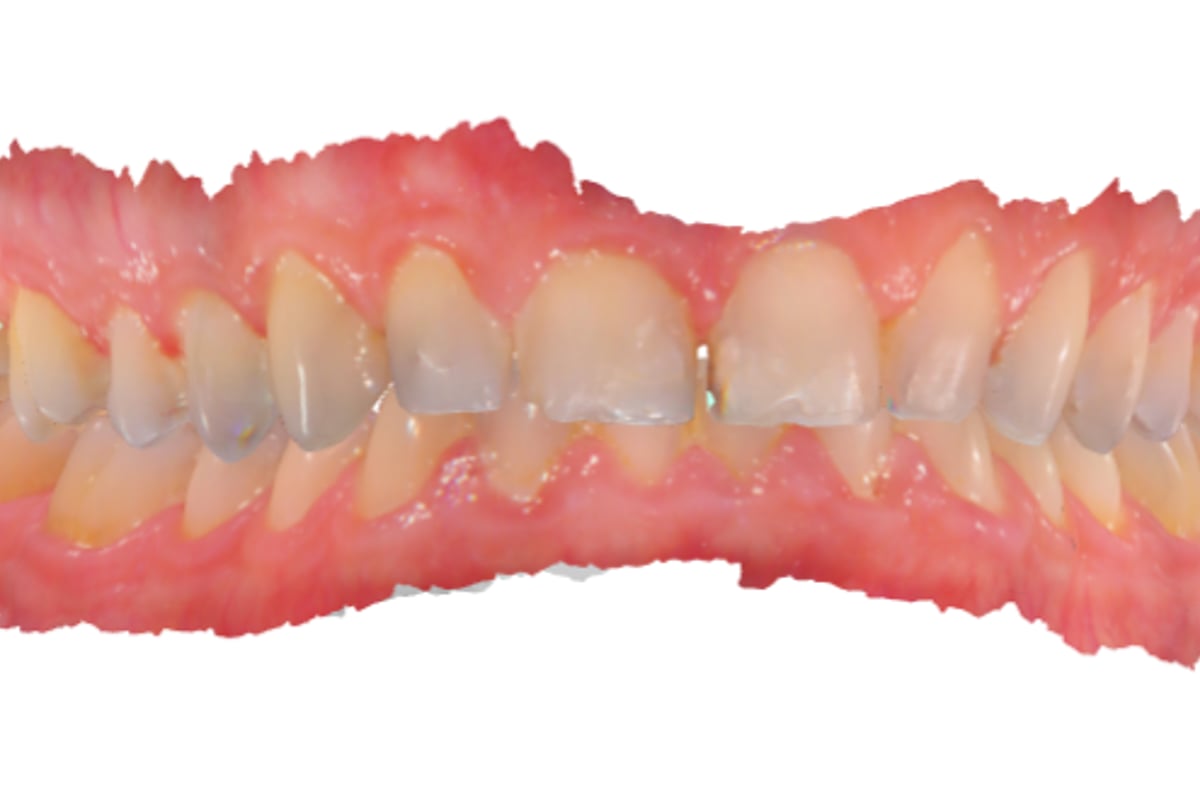
What to Expect During Your Smile Dental Implant Journey
Understanding the treatment process helps you prepare mentally, physically, and practically for each phase.
Initial Consultation and Assessment
Your first appointment focuses on evaluation and planning:
- Comprehensive examination of teeth, gums, and bite
- Diagnostic imaging including 3D scans when indicated
- Medical history review to identify any risk factors
- Treatment planning discussion covering options, timing, and expectations
- Cost review with transparent fee breakdown
This appointment should answer your questions and help you feel confident about proceeding.
Surgical Phase
The implant placement procedure itself typically involves:
- Local anesthesia to ensure complete comfort during surgery
- Precise osteotomy creation (the socket prepared in your jawbone)
- Implant insertion to the pre-planned position and depth
- Immediate provisional placement when appropriate for your case
- Post-operative instructions for optimal healing
Most patients report that the actual experience is far less uncomfortable than anticipated. Modern techniques and proper anesthesia make the procedure quite tolerable.
Healing and Integration Period
Over the following weeks and months, your body performs remarkable biological processes:
- Osseointegration as bone cells attach directly to the implant surface
- Soft tissue maturation as gums heal around the restoration
- Provisional adjustments if immediate temporization was used
- Regular monitoring to ensure proper healing progression
This period requires patience but is critical for long-term success. Rushing the process can compromise stability and aesthetic outcomes.
Final Restoration
Once integration is complete, your permanent crown is fabricated and placed:
- Final impressions capturing the healed implant position
- Shade selection in proper lighting with adjacent teeth for reference
- Try-in appointment to verify fit, shape, and appearance
- Cementation or screw retention depending on your case specifics
- Occlusal refinement ensuring comfortable, balanced bite
The result should look and feel completely natural, allowing you to smile, speak, and eat with confidence.
Multiple Tooth Replacement: Full Smile Reconstruction
When several front teeth require replacement, coordinated planning becomes even more critical.
Implant-Supported Bridges
Rather than placing individual implants for each missing tooth, strategically positioned implants can support connected crowns:
| Scenario | Implants Needed | Crowns Supported |
|---|---|---|
| Two adjacent missing teeth | 1-2 implants | 2 crowns (bridge) |
| Three adjacent missing teeth | 2 implants | 3 crowns (bridge) |
| Four adjacent missing teeth | 2-3 implants | 4 crowns (bridge) |
This approach can reduce surgical complexity and cost while still providing fixed, stable tooth replacement.
Full-Arch Smile Rehabilitation
For patients missing all or most teeth, full-arch implant rehabilitation offers comprehensive solutions. Modern immediate-load protocols can deliver a complete fixed smile on the same day as implant placement in properly selected cases.
These advanced treatments require extensive planning and often involve a collaborative team approach. Digital workflows for immediate loading guide the process from initial smile design through guided surgery to immediate provisional restoration.
Longevity and Maintenance of Your Smile Dental Implant
A smile dental implant represents a significant investment in your oral health and confidence. Protecting that investment requires ongoing attention.
Daily Home Care
Your implant crown can't develop cavities, but the surrounding gum tissue remains vulnerable to inflammation and disease:
- Brush twice daily using proper technique around the implant crown
- Floss or use interdental brushes to clean beneath the crown margins
- Consider water flossers for difficult-to-reach areas
- Use non-abrasive toothpaste to protect porcelain surfaces
These simple habits protect the soft tissue and bone supporting your implant.
Professional Monitoring
Regular dental visits allow early detection and management of any concerns:
- Professional cleanings every 3-6 months to remove deposits
- Radiographic monitoring to assess bone levels around implants
- Occlusion checks ensuring balanced bite forces
- Crown assessment checking for any wear or loosening
Maintaining these appointments supports long-term implant success. Your preventive care routine, including regular professional cleanings, plays a crucial role in implant longevity.
Factors Affecting Smile Dental Implant Success
While modern implants have high success rates, certain factors influence outcomes.
Bone Quality and Quantity
Adequate bone provides the foundation for stable implant integration:
- Density affects initial stability and integration timeline
- Dimensions determine whether grafting is necessary
- Location influences surgical approach and technique
When natural bone is insufficient, grafting procedures can create the needed foundation before or during implant placement.
Systemic Health Considerations
Your overall health affects healing and long-term outcomes:
- Uncontrolled diabetes can impair healing and integration
- Smoking significantly increases failure risk and complication rates
- Certain medications may affect bone metabolism
- Immune conditions require careful case-by-case evaluation
Being transparent about your medical history during consultation helps your dental team plan appropriately and optimize your success potential.
Occlusal Forces and Parafunction
How you use your teeth affects implant longevity:
Teeth grinding or clenching (bruxism) can place excessive forces on implant restorations. If you have these habits, your dentist may recommend a protective nightguard. For patients experiencing jaw discomfort or clicking symptoms, comprehensive evaluation helps identify and address functional concerns before or during implant treatment.
Evidence-Based Implant Dentistry
The field of implant dentistry continues to evolve based on clinical research and long-term outcome studies.
Consensus Guidelines
Organizations like the International Team for Implantology regularly review evidence and publish consensus statements on best practices. These guidelines help clinicians make informed decisions about placement protocols, loading timing, and complication management.
Modern smile dental implant treatment should reflect current evidence rather than outdated techniques or untested approaches.
Technological Advances
Recent innovations continue improving outcomes:
- Surface modifications enhancing bone integration rates
- Digital planning software improving accuracy and predictability
- Guided surgery systems translating plans to precise execution
- Advanced ceramics providing strength with superior aesthetics
These technologies support better results, but they complement rather than replace careful clinical judgment and surgical skill.
Making Your Decision About Smile Dental Implants
Choosing to proceed with implant treatment is a significant decision that deserves careful consideration.
Questions to Ask Your Dental Team
Before committing to treatment, ensure you understand:
- What is the recommended treatment timeline and why?
- What are the alternatives and how do they compare?
- What is your experience with smile zone implant placement?
- How will aesthetics be managed during healing?
- What are the potential complications and how are they addressed?
- What does the total investment include?
A thorough consultation should address these questions and any others specific to your situation.
Realistic Expectations
While smile dental implants offer remarkable benefits, maintaining realistic expectations supports satisfaction:
Modern implant dentistry achieves excellent aesthetic results, but your restoration will be crafted to harmonize with your existing teeth and facial features. If you're considering comprehensive smile enhancement, discussing your overall aesthetic goals during planning helps create a coordinated treatment approach.
The expertise available at specialized practices like those offering comprehensive cosmetic services can coordinate implant placement with other aesthetic treatments for optimal overall results.
Finding the Right Provider in BGC
The skill and experience of your dental team significantly influence your outcome and experience.
What to Look For
When selecting a provider for your smile dental implant treatment:
- Advanced training in implant surgery and prosthodontics
- Modern technology including 3D imaging and digital planning
- Comprehensive approach addressing both function and aesthetics
- Clear communication about process, expectations, and costs
- Patient-centered care focused on your comfort and goals
The right provider takes time to understand your concerns, explains your options thoroughly, and develops a personalized treatment plan rather than a one-size-fits-all approach.
The BGC Advantage
Bonifacio Global City offers access to advanced dental care using modern technology and evidence-based techniques. For those seeking implant treatment in a professional, comfortable environment, exploring options with established BGC practices ensures access to contemporary dental care standards.
A smile dental implant offers a permanent, natural-looking solution for replacing missing teeth in the most visible areas of your smile, restoring both function and confidence through precision planning and careful execution. Whether you're replacing a single front tooth or rebuilding your entire smile, modern implant dentistry combines advanced technology with personalized care to achieve results that look, feel, and function like your natural teeth. CuraSmile PH provides comprehensive implant planning and restorative care in Bonifacio Global City, using digital technology and evidence-based approaches to help you achieve a healthy, confident smile that lasts.