Implantology Dental Care: Modern Tooth Replacement
Discover how implantology dental care combines surgical precision and restorative expertise to replace missing teeth with long-lasting results.
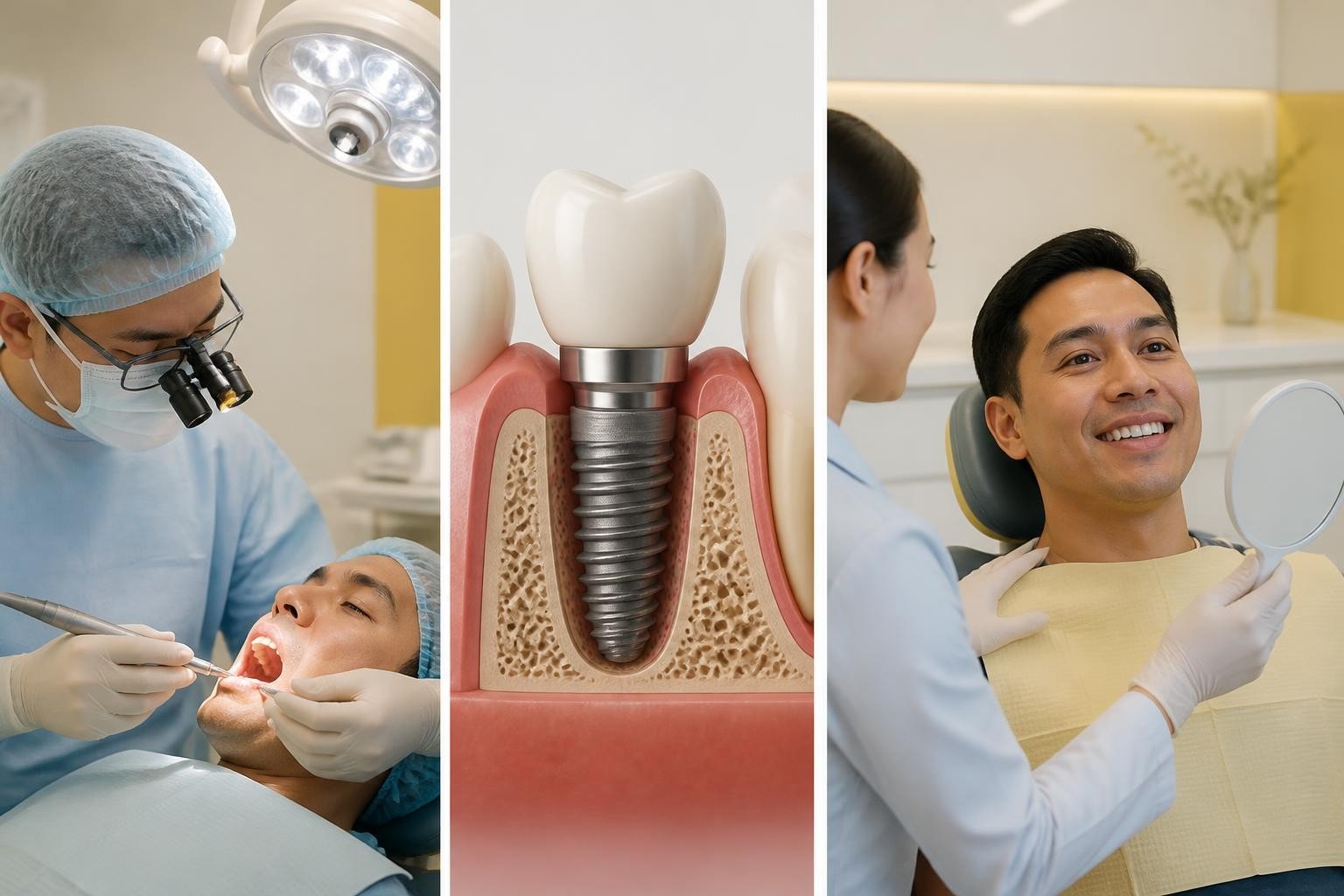
Modern dentistry offers remarkable solutions for tooth loss, and implantology dental care represents one of the most transformative advances in oral health over the past several decades. Unlike traditional dentures or bridges that rest on surrounding teeth or gums, dental implants replace both the root and crown of missing teeth. This approach preserves bone structure, restores chewing function, and delivers natural-looking results that can last for many years when properly maintained.
Understanding what implantology involves, how the treatment process unfolds, and what outcomes you can realistically expect helps you make informed decisions about your oral health. Whether you're missing a single tooth, several teeth, or need full-arch rehabilitation, implantology dental care offers personalized solutions tailored to your specific clinical needs and goals.
What Implantology Dental Care Involves
Implantology is the specialized branch of dentistry focused on the surgical placement and prosthetic restoration of dental implants. A dental implant is a titanium or ceramic fixture surgically positioned into the jawbone to serve as an artificial tooth root.
The American Academy of Implant Dentistry explains that once the implant integrates with bone through a process called osseointegration, it provides a stable foundation for a replacement tooth, bridge, or even a full denture.
The Three Components of a Dental Implant System
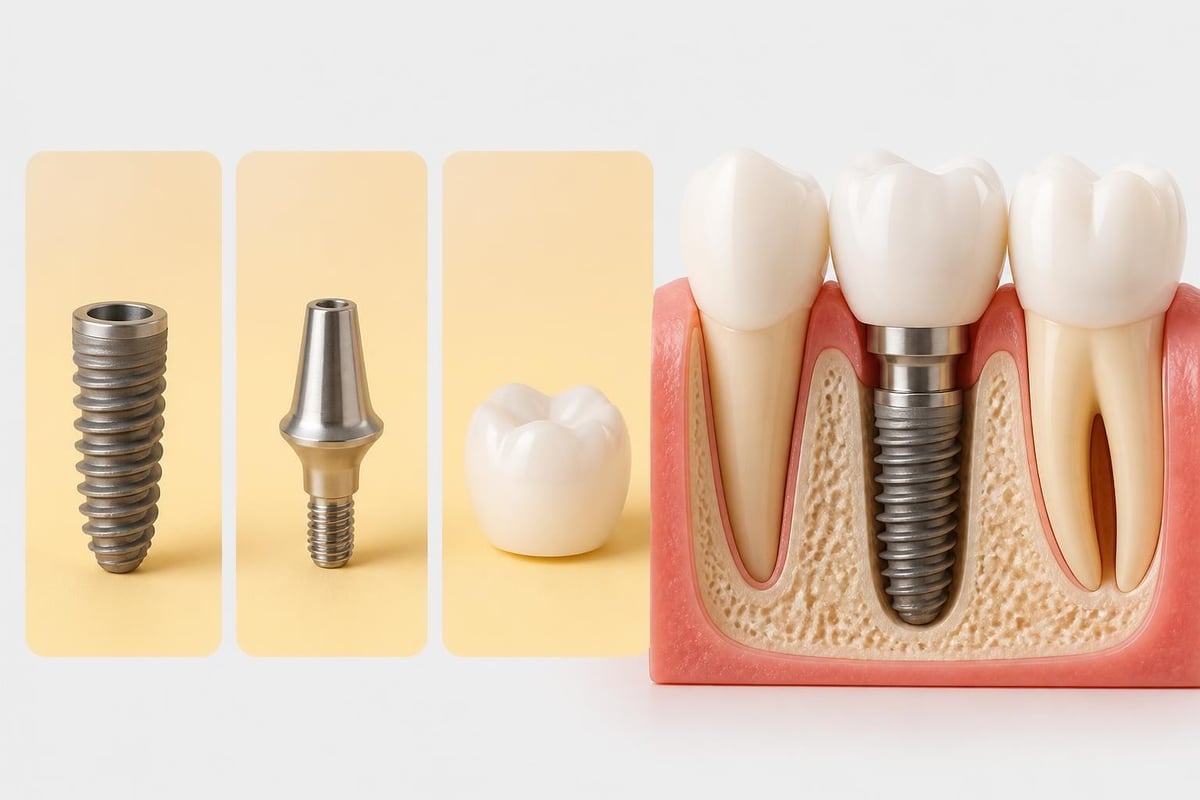
Every dental implant restoration consists of three distinct parts:
- The implant fixture: A titanium or zirconia post surgically placed into the jawbone
- The abutment: A connector piece that attaches to the implant and supports the restoration
- The prosthetic crown, bridge, or denture: The visible replacement tooth or teeth custom-designed to match your natural smile
This modular design allows for flexibility in treatment planning and enables replacement or adjustment of individual components if needed over time.
How Implants Differ From Traditional Tooth Replacement
Traditional bridges require grinding down adjacent healthy teeth to serve as anchors. Removable dentures rest on the gums and can shift during eating or speaking. Implantology dental care avoids these compromises by anchoring directly into bone, preserving adjacent teeth and providing superior stability.
The bone stimulation from implants also prevents the progressive bone loss that typically occurs after tooth extraction. This preservation of facial structure helps maintain a more youthful appearance and ensures better long-term oral health outcomes.
The Clinical Assessment Process
Successful implant treatment begins with a thorough evaluation of your oral health, bone quality, medical history, and aesthetic goals. Not every patient is an immediate candidate for implants, and careful assessment helps identify any preparatory steps needed.
Your dentist will review your complete medical history, including medications, chronic conditions, and lifestyle factors that might affect healing. Certain conditions like uncontrolled diabetes, active periodontal disease, or heavy smoking may require management before implant surgery.
Diagnostic Imaging and Treatment Planning
Modern implantology relies heavily on advanced imaging technology. Three-dimensional cone-beam computed tomography (CBCT) scans provide detailed views of bone density, anatomical structures, and nerve pathways. This information guides precise implant placement and helps avoid complications.
Digital planning software allows your dental team to virtually position implants before surgery, ensuring optimal angulation, depth, and spacing. The International Team for Implantology treatment guides outline evidence-based protocols for surgical and prosthetic phases based on decades of clinical research.
| Assessment Component | Purpose | What It Reveals |
|---|---|---|
| Clinical examination | Evaluate gum health, bite relationship, and adjacent teeth | Periodontal status, occlusion, space availability |
| CBCT imaging | Map bone volume and vital anatomical structures | Bone density, nerve location, sinus proximity |
| Medical history review | Identify systemic factors affecting healing | Medication interactions, healing capacity, risk factors |
| Aesthetic analysis | Plan restoration appearance and smile design | Tooth proportions, gum contours, shade matching |
Bone Grafting and Site Development
When bone volume is insufficient, preparatory procedures may be necessary. Bone grafting adds volume to deficient areas, creating a stable foundation for implant placement. Sinus lift procedures elevate the sinus membrane to allow implant placement in the upper back jaw.
These preparatory steps add time to the overall treatment timeline but significantly improve long-term success rates. The investment in proper site development pays dividends in implant stability and longevity.
The Surgical Phase of Implant Placement
Implant surgery is typically performed under local anesthesia, with sedation options available for anxious patients or complex cases. The procedure itself is often less uncomfortable than patients anticipate, especially compared to tooth extraction.
Your surgeon makes a precise incision in the gum tissue, prepares the bone with sequential drills, and places the implant at the planned position and depth. The surgical site is then closed with sutures, and the implant is left to integrate with bone over the following weeks to months.
Immediate vs. Delayed Placement Protocols
Implantology dental care offers different timing options depending on clinical circumstances:
- Immediate placement: Implant placed at the time of tooth extraction
- Early placement: Implant placed 4-8 weeks after extraction once soft tissue heals
- Delayed placement: Implant placed several months after extraction once bone fully remodels
Each approach has specific indications and advantages. Immediate placement can reduce overall treatment time but requires adequate bone and infection-free extraction sites. Delayed placement allows complete healing but extends the timeline.
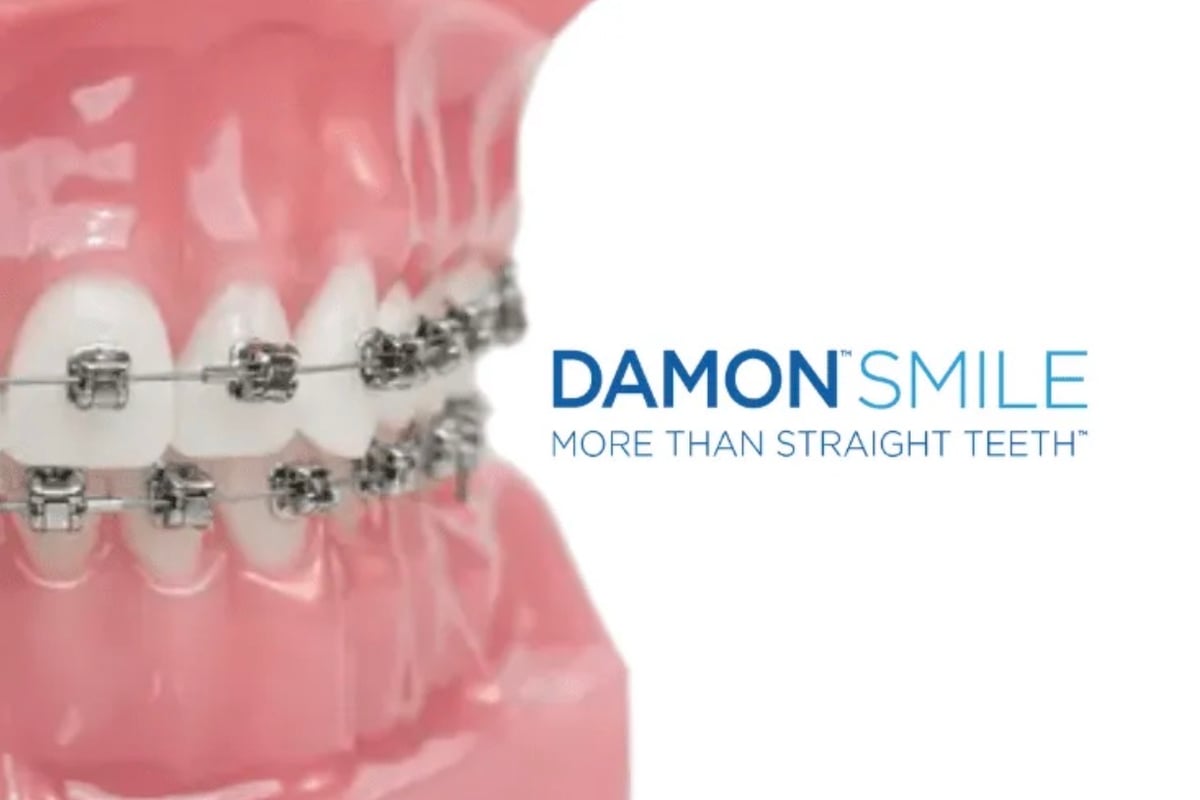
Some patients pursuing dental implants may also benefit from orthodontic treatment to optimize spacing, correct bite relationships, or create ideal conditions for implant placement. Clear Aligners & Orthodontics can complement comprehensive smile rehabilitation by addressing alignment concerns before or alongside implant therapy.
What to Expect During Healing
The osseointegration process typically takes 3-6 months, though this varies based on bone quality, implant location, and individual healing capacity. During this period, you'll follow specific care instructions to protect the surgical site and promote optimal integration.
Temporary restorations may be provided to maintain aesthetics and function while your permanent restoration is being fabricated. Modern implantology increasingly emphasizes immediate or early loading protocols when conditions permit, reducing the time you spend without functional teeth.
The Prosthetic Restoration Phase
Once osseointegration is confirmed, typically through clinical testing and sometimes radiographic verification, the restorative phase begins. This involves connecting an abutment to the implant and fabricating the final crown, bridge, or denture.
Digital impressions capture the precise position of the implant and the relationship to surrounding teeth and soft tissue. Advanced dental laboratories use this information to create restorations that blend seamlessly with your natural dentition.
Single-Tooth Implant Crowns
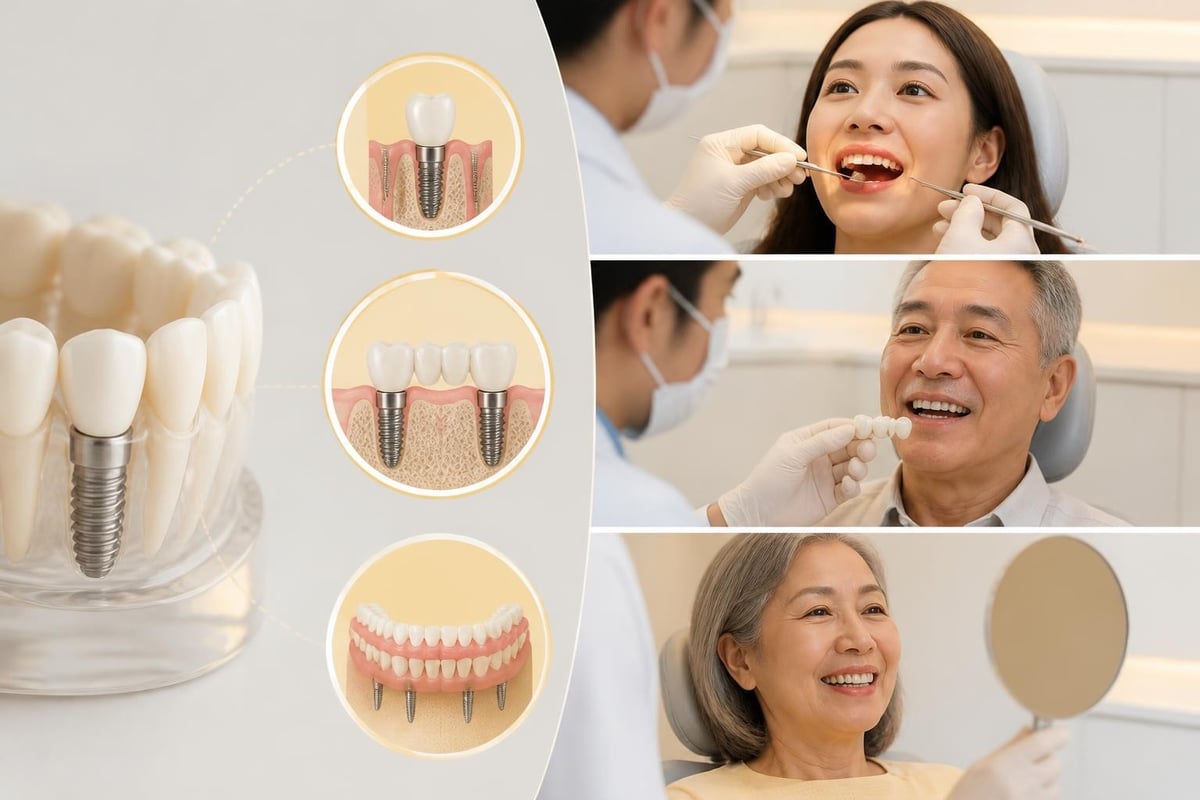
For replacing individual missing teeth, implant-supported crowns offer the most conservative and aesthetic solution. The restoration emerges from the gum tissue just like a natural tooth, with no visible metal margins or clasps.
High-quality ceramic materials like zirconia or lithium disilicate provide excellent strength and translucency. Your dentist will carefully match shade, shape, and surface texture to create a restoration that's virtually indistinguishable from adjacent natural teeth.
Implant-Supported Bridges and Full-Arch Restorations
Multiple missing teeth can be replaced with implant-supported bridges, which anchor to two or more implants rather than natural teeth. This approach provides superior stability and eliminates the need to prepare healthy adjacent teeth.
Full-arch rehabilitation using implants represents one of implantology's most dramatic applications. Four to six implants can support an entire arch of replacement teeth, offering stability and function that removable dentures simply cannot match. The American Dental Association provides professional guidance on implant standards and patient safety considerations for these advanced procedures.
Maintaining Your Implant Investment
Successful implantology dental care doesn't end when your restoration is placed. Long-term implant health requires consistent home care and professional maintenance to prevent complications like peri-implantitis, an inflammatory condition affecting tissues around implants.
Daily cleaning removes bacterial plaque from implant surfaces and surrounding gum tissue. While implants themselves cannot decay, the supporting bone and soft tissue remain vulnerable to inflammation and infection.
Daily Home Care Essentials
Your home care routine should include:
- Gentle brushing around implant restorations with a soft-bristled brush
- Interdental cleaning using floss, interdental brushes, or water flossers designed for implants
- Antimicrobial rinses if recommended by your dental team
- Attention to technique to avoid damaging delicate gum tissue around implants
Avoid abrasive toothpastes or metal instruments that could scratch implant surfaces or damage the prosthetic restoration. Your dental team will demonstrate proper techniques specific to your restoration type.
Professional Maintenance and Monitoring
Regular professional cleanings and examinations allow early detection and management of potential complications. Your dental team will assess implant stability, tissue health, and prosthetic components at each visit.
Professional maintenance appointments typically include:
- Visual and tactile examination of implant restorations
- Radiographic assessment of bone levels around implants
- Professional cleaning using instruments safe for implant surfaces
- Evaluation of bite relationships and prosthetic screw tightness
- Reinforcement of home care techniques and addressing any concerns
The frequency of maintenance visits depends on your individual risk factors, oral hygiene habits, and restoration complexity. Most patients benefit from professional care every 3-6 months.
Factors Influencing Implant Success
Modern dental implants have excellent success rates, typically above 95% over 10 years when properly planned and maintained. However, several factors influence individual outcomes and must be carefully managed throughout treatment.
Patient-Related Factors
Your overall health, oral hygiene practices, and lifestyle choices significantly impact implant success:
| Factor | Impact on Success | Management Strategy |
|---|---|---|
| Smoking | Reduces blood flow, impairs healing, increases failure risk | Cessation programs, delayed placement protocols |
| Diabetes control | Poor glucose control affects healing and infection resistance | Medical optimization before surgery, closer monitoring |
| Periodontal disease | Active infection threatens implant tissue health | Complete periodontal treatment before implant placement |
| Bruxism (grinding) | Excessive forces can damage implants and restorations | Protective night guards, strategic implant positioning |
The European Association for Osseointegration publishes scientific reports on factors affecting implant outcomes and evidence-based strategies for managing complications.
Clinical and Technical Considerations
Treatment planning precision, surgical technique, and prosthetic design all contribute to long-term success. Three-dimensional implant positioning accounts for bone quality, anatomical limitations, and final restoration requirements.
Adequate bone volume around implants supports soft tissue health and long-term stability. Proper soft tissue management during surgery and the restorative phase helps create a seal that protects underlying bone from bacterial invasion.
Cost Considerations and Treatment Value
Implantology dental care represents a significant investment in your oral health, function, and quality of life. While costs vary based on treatment complexity, number of implants, and restoration type, understanding what contributes to pricing helps you evaluate value.
Comprehensive fees typically include diagnostic imaging, surgical placement, healing components, abutments, and final restorations. Additional costs may arise from bone grafting, sinus lifts, or other preparatory procedures.
Comparing Long-Term Value
When evaluating cost, consider the longevity and performance of implants compared to alternatives. Traditional bridges typically last 10-15 years and require replacement of healthy tooth structure. Removable dentures need periodic relining or replacement and may never provide the stability and comfort of implant-supported options.
Dental implants, when properly maintained, can last decades or even a lifetime. This durability, combined with superior function and bone preservation, often makes implants the most cost-effective long-term solution for tooth replacement.
Organizations like NICE in the UK evaluate cost-effectiveness and clinical pathways for implant treatment in various healthcare settings, providing evidence-based guidance on appropriate indications.
The Broader Context of Oral Health Access
While implantology dental care offers remarkable solutions for tooth loss, access to these treatments varies considerably based on geographic location, healthcare systems, and economic resources. The World Health Organization's Global Strategy on Oral Health emphasizes the importance of comprehensive oral health services, including restorative and reconstructive options, as part of universal health coverage.
In settings like Bonifacio Global City, advanced dental practices provide access to state-of-the-art implantology alongside comprehensive preventive and restorative care. This integrated approach addresses not just missing teeth, but the underlying factors that contribute to tooth loss.
Preventing tooth loss through excellent oral hygiene, regular professional care, and early intervention for gum disease remains the most effective strategy. When tooth loss does occur, implantology dental care offers scientifically validated solutions that restore both function and confidence.
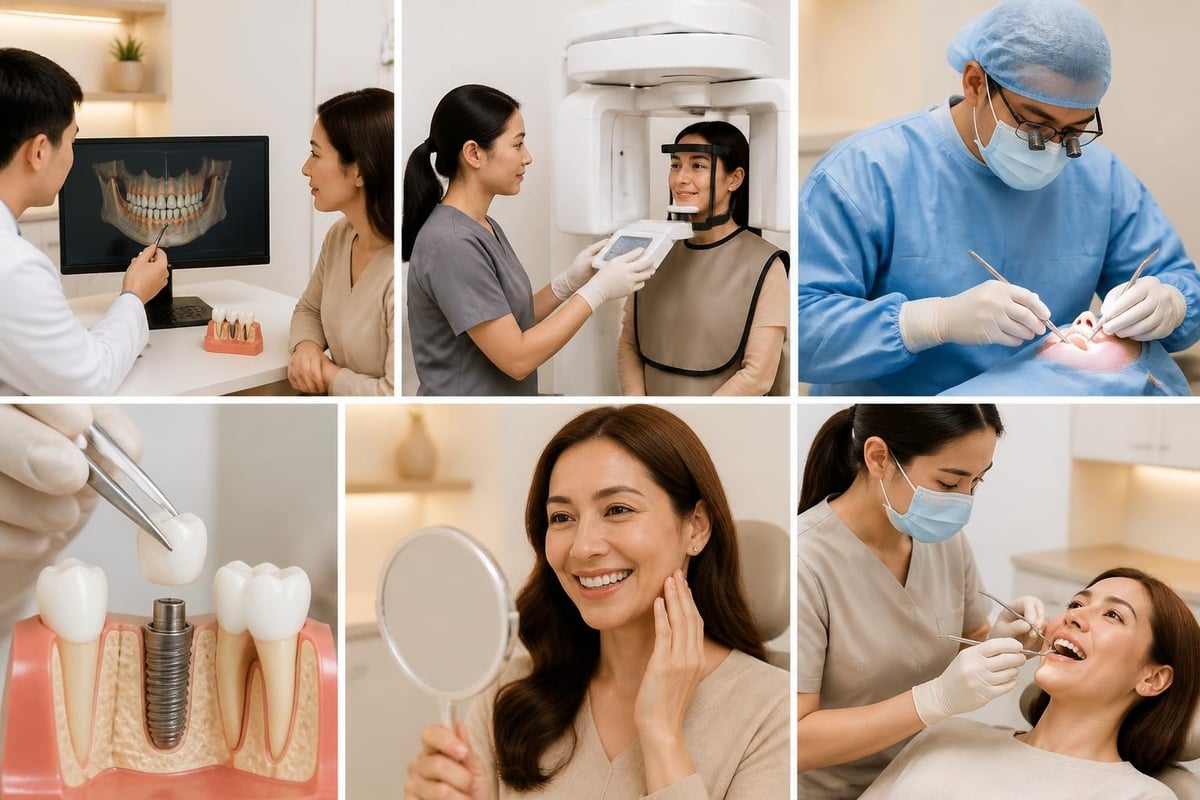
Emerging Technologies in Implantology
The field of implantology continues to evolve with advances in materials science, digital technology, and biological understanding. Computer-guided implant surgery uses virtual planning and surgical guides to enhance placement precision, particularly in complex cases or limited-access areas.
Digital workflows integrate scanning, planning, and restoration fabrication, reducing treatment time and improving accuracy. Same-day workflows are becoming more common for certain clinical situations, though traditional protocols remain appropriate for many cases.
Surface modifications to implant fixtures continue to improve osseointegration speed and quality. Research into growth factors, bone substitutes, and tissue engineering may eventually allow more predictable regeneration of lost bone and soft tissue.
Personalized Treatment Approaches
Modern implantology dental care increasingly emphasizes individualized treatment planning based on patient-specific factors. Genetic testing may eventually help identify patients at higher risk for complications or slower healing, allowing proactive risk management.
Artificial intelligence and machine learning applications are beginning to assist with treatment planning, outcome prediction, and early complication detection. These technologies complement rather than replace clinical judgment and patient-centered decision-making.
For patients interested in exploring comprehensive dental care in the Philippines, understanding the range of available technologies and approaches helps ensure you receive care aligned with current evidence-based standards.
Making Informed Decisions About Implant Treatment
Choosing to pursue implantology dental care is a significant decision that deserves careful consideration and thorough consultation with qualified professionals. Understanding the treatment process, realistic outcomes, and your role in long-term success helps set appropriate expectations.
During your consultation at an advanced dental clinic, ask questions about your specific clinical situation, treatment alternatives, expected timeline, and any factors that might affect your individual outcome. A reputable practice will provide honest, evidence-based guidance tailored to your needs rather than a one-size-fits-all approach.
Review before-and-after cases similar to your situation, understand the credentials and experience of your surgical and restorative teams, and clarify all financial aspects before beginning treatment. Implantology dental care requires collaboration between you and your dental team throughout the treatment journey.
Patients seeking comprehensive smile rehabilitation may benefit from integrated treatment planning that addresses multiple concerns. Exploring all aspects of cosmetic dentistry alongside implant planning ensures cohesive, harmonious results that enhance both function and aesthetics.
Implantology dental care represents a sophisticated, evidence-based approach to replacing missing teeth with long-lasting, functional, and natural-looking results. Whether you're considering implants for a single tooth or comprehensive smile rehabilitation, the combination of advanced technology, meticulous planning, and consistent maintenance creates the foundation for successful outcomes. At CuraSmile PH in Bonifacio Global City, our team combines surgical precision with personalized, patient-centered care to help you restore your smile with confidence, backed by the latest evidence-based approaches and advanced dental technology.