Does Teeth Whitening Hurt? What to Expect & How to Minimize Discomfort
Wondering does teeth whitening hurt? Learn what causes sensitivity, how to minimize discomfort, and what to expect from professional whitening treatments.
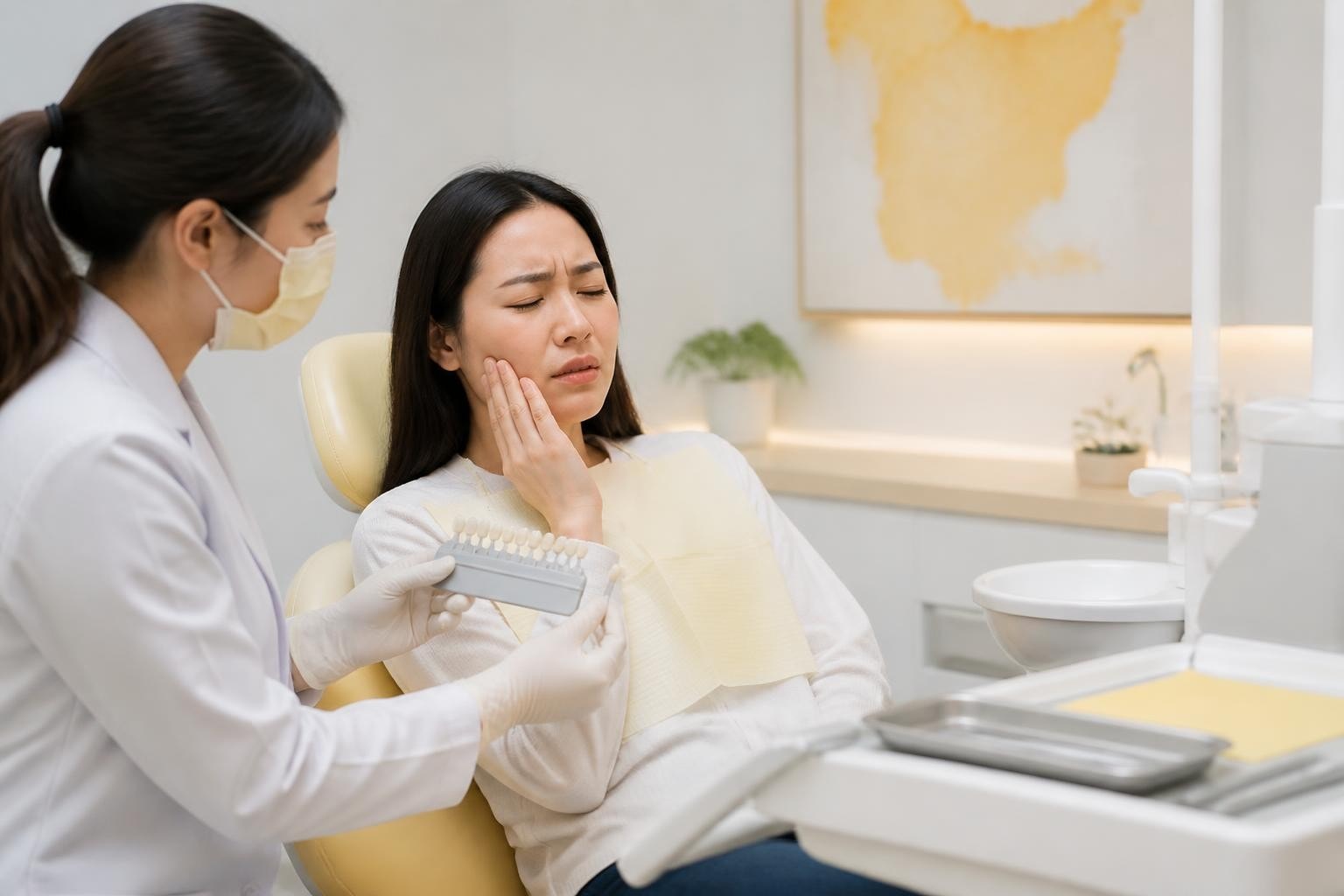
One of the most common questions patients ask before brightening their smile is whether the process will cause discomfort. While teeth whitening is generally safe and effective, understanding what to expect can help you prepare for treatment and take steps to minimize any temporary sensitivity. The short answer is that most patients experience little to no pain, though some may notice mild sensitivity that typically resolves within a few days. The experience varies based on individual factors, the whitening method used, and how your dental professional manages the process.
Understanding Why Sensitivity Occurs During Whitening
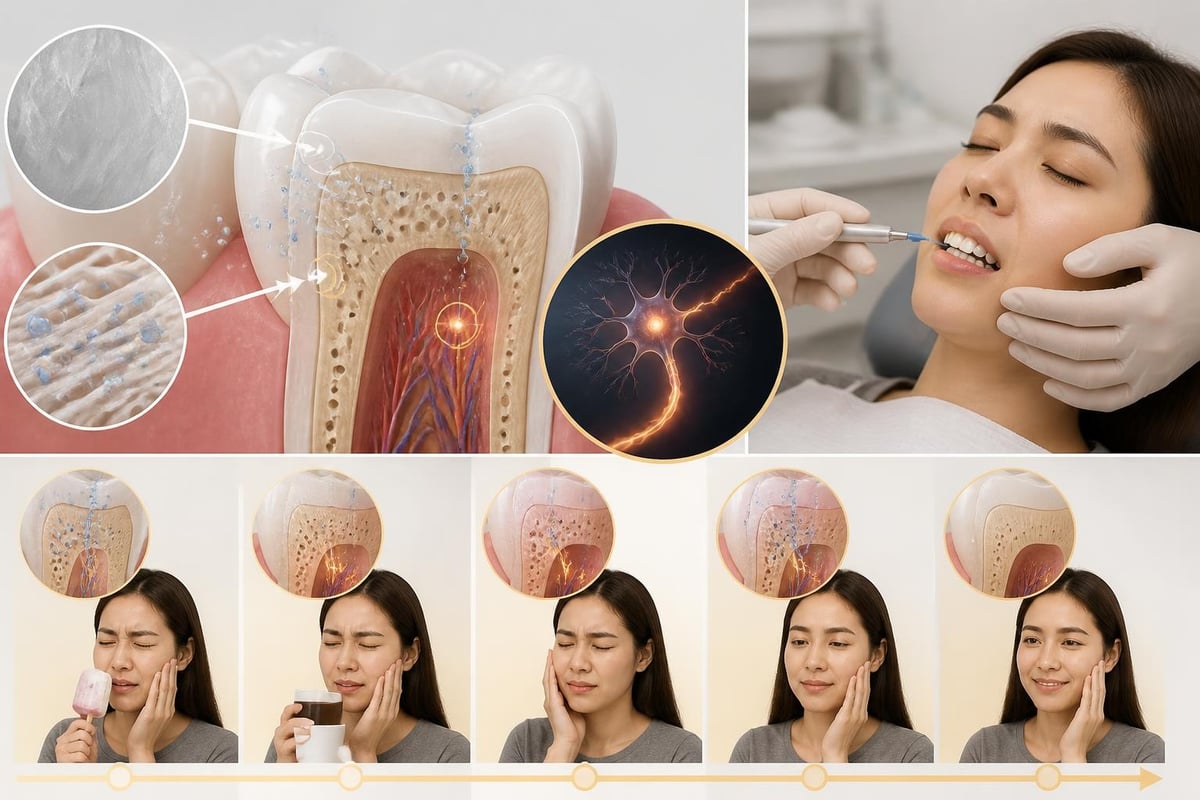
Teeth whitening works by using peroxide-based agents that penetrate the enamel to break down stain molecules within the tooth structure. During this process, the peroxide temporarily increases enamel permeability, allowing the whitening agent to reach the underlying dentin layer.
The Science Behind Whitening Sensitivity
When whitening agents penetrate the enamel, they can reach the microscopic tubules in the dentin that connect to the tooth's nerve. This exposure creates a pathway for stimuli to reach the nerve more easily, which can trigger temporary sensitivity to temperature changes, air, or pressure.
Research published in the British Dental Journal explains how hydrogen peroxide penetrates tooth structure and the mechanisms that can lead to transient sensitivity. The good news is that this effect is temporary, and enamel permeability typically returns to normal within a few days after treatment.
Key factors that influence sensitivity include:
- Concentration of the whitening agent used
- Duration of exposure to the whitening product
- Baseline tooth sensitivity before treatment
- Existing enamel condition and thickness
- Presence of exposed dentin or gum recession
- Individual pain threshold and nerve response
Professional vs. At-Home Whitening: What to Expect
The type of whitening treatment you choose significantly affects both the results you achieve and the level of discomfort you might experience. Professional treatments and at-home options each have distinct characteristics when it comes to managing sensitivity.
In-Office Whitening Procedures
Professional whitening performed at dental clinics like CuraSmile PH uses higher-concentration peroxide gels under controlled conditions. The procedure typically takes 60 to 90 minutes and includes protective measures to shield your gums and soft tissues.
During treatment, your dentist can monitor your comfort level and adjust the process if needed. Many modern professional systems incorporate desensitizing agents directly into the whitening gel or as a post-treatment application to minimize discomfort.
A recent umbrella review synthesizing research on in-office bleaching found that while tooth sensitivity is the most common side effect, it's typically mild to moderate and resolves within a few days. The review also highlighted that proper technique and desensitizing protocols significantly reduce the incidence and severity of sensitivity.
At-Home Whitening Systems
Professional take-home whitening kits use custom-fitted trays and lower-concentration gels that you apply yourself over several days or weeks. Because the peroxide concentration is lower, the treatment is gentler, though it takes longer to achieve results.
Cochrane Oral Health's systematic review of home-based bleaching found that while whitening is effective, tooth sensitivity and mild oral irritation are the most frequently reported adverse events. However, these effects are typically temporary and manageable with proper use.
| Treatment Type | Peroxide Concentration | Treatment Duration | Sensitivity Risk | Results Timeline |
|---|---|---|---|---|
| In-office | 15-40% | 60-90 minutes | Moderate (short-term) | Immediate |
| Take-home (professional) | 10-20% | 30 min-2 hours daily, 1-2 weeks | Low to moderate | 1-2 weeks |
| Over-the-counter strips | 5-10% | 30 minutes daily, 2-4 weeks | Low | 2-4 weeks |
Over-the-Counter Products
Store-bought whitening strips, gels, and toothpastes contain the lowest peroxide concentrations and pose the least risk of sensitivity. However, they also produce more gradual results and may not address deeper stains as effectively as professional options.
The American Dental Association's guidance on whitening emphasizes looking for the ADA Seal of Acceptance when choosing over-the-counter products, as this indicates the product has been evaluated for safety and effectiveness.
Who Is Most Likely to Experience Discomfort
Not everyone experiences the same level of sensitivity during teeth whitening. Understanding your individual risk factors can help you and your dentist develop a treatment plan that minimizes discomfort while achieving your aesthetic goals.
Pre-Existing Dental Conditions
Patients with certain dental conditions are more prone to sensitivity during whitening:
- Tooth decay or cavities: Untreated decay creates direct pathways to the nerve
- Gum recession: Exposed root surfaces lack the protective enamel layer
- Enamel erosion: Thin or worn enamel provides less insulation
- Cracked or damaged teeth: Structural defects allow deeper peroxide penetration
- Recent dental work: Newly placed fillings or temporary sensitivity from other procedures
A comprehensive dental examination before whitening helps identify these conditions. Addressing dental issues first not only reduces sensitivity risk but also ensures better, more uniform whitening results.
Natural Tooth Sensitivity
Some patients naturally have more sensitive teeth due to thinner enamel, larger nerve chambers, or heightened nerve response. If you typically experience discomfort when consuming hot, cold, or sweet foods and beverages, you may be more likely to notice sensitivity during whitening.
Your dentist can recommend pre-treatment desensitizing protocols, such as using special toothpaste containing potassium nitrate or fluoride treatments, to help reduce nerve responsiveness before beginning whitening.
Strategies to Minimize Whitening Discomfort
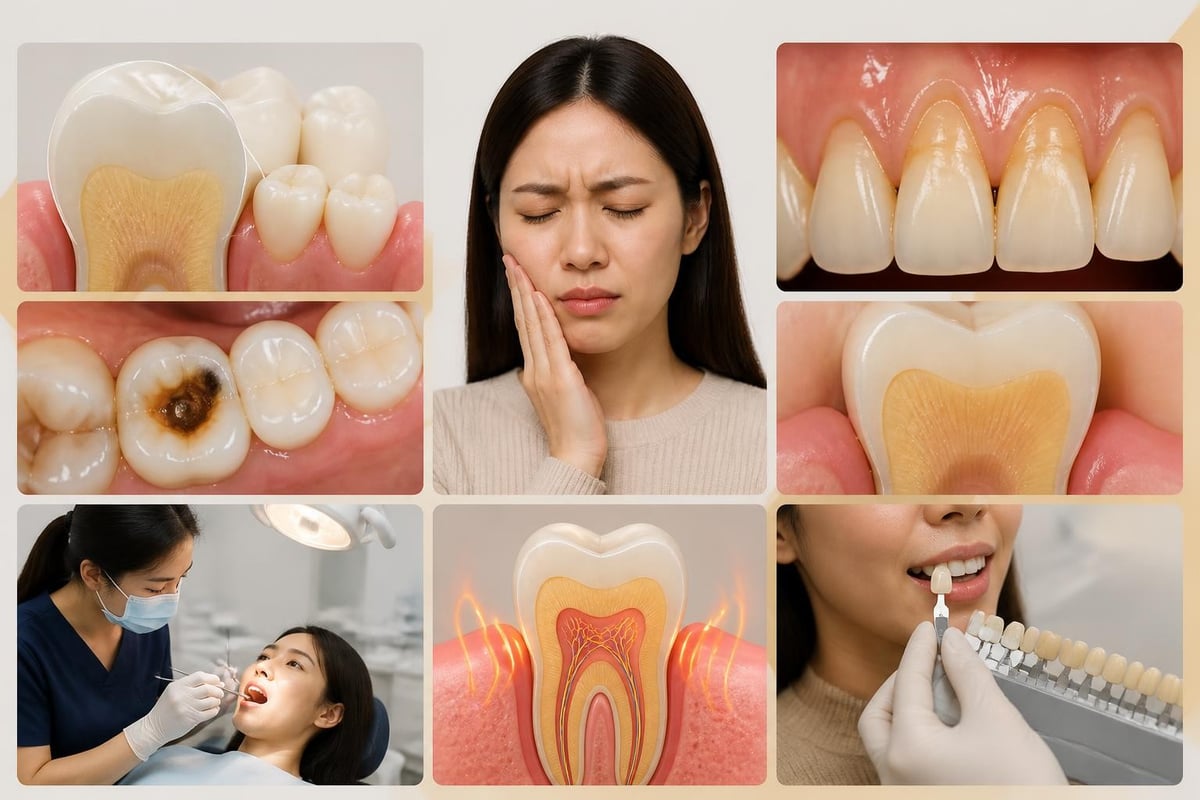
The question "does teeth whitening hurt" often comes with genuine concern about managing any potential discomfort. Fortunately, there are numerous evidence-based strategies that can significantly reduce or even eliminate sensitivity during and after treatment.
Before Treatment Begins
Pre-treatment preparation makes a substantial difference:
- Schedule a dental examination to identify and treat any underlying issues
- Use desensitizing toothpaste containing potassium nitrate for two weeks before whitening
- Consider fluoride treatments to strengthen enamel and reduce permeability
- Avoid whitening if you have active tooth pain or untreated dental problems
- Discuss your sensitivity history and concerns with your dentist
During the Whitening Process
Professional whitening appointments incorporate multiple protective measures. Your dentist applies barriers to protect your gums and soft tissues from the whitening gel. Many modern whitening systems include desensitizing agents like potassium nitrate and fluoride directly in the formula.
If you're using a take-home system, following the instructions precisely is crucial. Never exceed the recommended wear time, and if you experience significant discomfort, remove the trays and contact your dentist.
After Treatment Care
Post-whitening care helps manage any sensitivity that develops:
- Continue using desensitizing toothpaste for several days after treatment
- Avoid extremely hot or cold foods and beverages for 24-48 hours
- Skip acidic foods and drinks that can further irritate enamel
- Use a soft-bristled toothbrush and gentle brushing technique
- Apply fluoride gel or prescribed desensitizing products as recommended
The NHS guidance on teeth whitening notes that sensitivity and gum irritation are temporary side effects that typically resolve within a few days when proper protocols are followed.
When to Contact Your Dentist
While mild sensitivity is normal and expected, certain symptoms warrant professional attention. Understanding the difference between typical post-whitening sensitivity and signs of a problem helps you respond appropriately.
Normal vs. Concerning Symptoms
Typical sensitivity that's not a concern:
- Mild to moderate temperature sensitivity lasting 1-3 days
- Brief discomfort when breathing cold air
- Slight tingling sensation during or immediately after treatment
- Sensitivity that gradually decreases each day
Symptoms that need professional evaluation:
- Severe pain that interferes with daily activities
- Sensitivity that worsens instead of improving after 48 hours
- Sharp, shooting pain when biting or chewing
- Prolonged sensitivity lasting more than one week
- Gum swelling, bleeding, or white patches on soft tissues
If you experience concerning symptoms, contact your dental provider promptly. They can assess whether there's an underlying issue requiring treatment or if you simply need additional desensitizing therapy.
The Role of Professional Assessment and Customization
One significant advantage of professional whitening is the personalized approach based on your individual dental health, aesthetic goals, and sensitivity risk. This customization extends beyond simply choosing a peroxide concentration.
At an advanced dental practice, your dentist evaluates your tooth anatomy, enamel condition, existing restorations, and sensitivity history before recommending a whitening protocol. They can adjust treatment parameters to balance effectiveness with comfort.
For patients concerned about sensitivity, take-home systems with lower concentrations might be recommended over in-office treatments, or a hybrid approach might be suggested. The cosmetic dentistry services at specialized clinics often include multiple whitening options tailored to different patient needs.
Some patients discover that their aesthetic goals might be better served by alternative treatments. For those with intrinsic staining, structural concerns, or alignment issues affecting smile appearance, porcelain veneers might provide more comprehensive results without the sensitivity concerns associated with whitening.
Long-Term Sensitivity Considerations
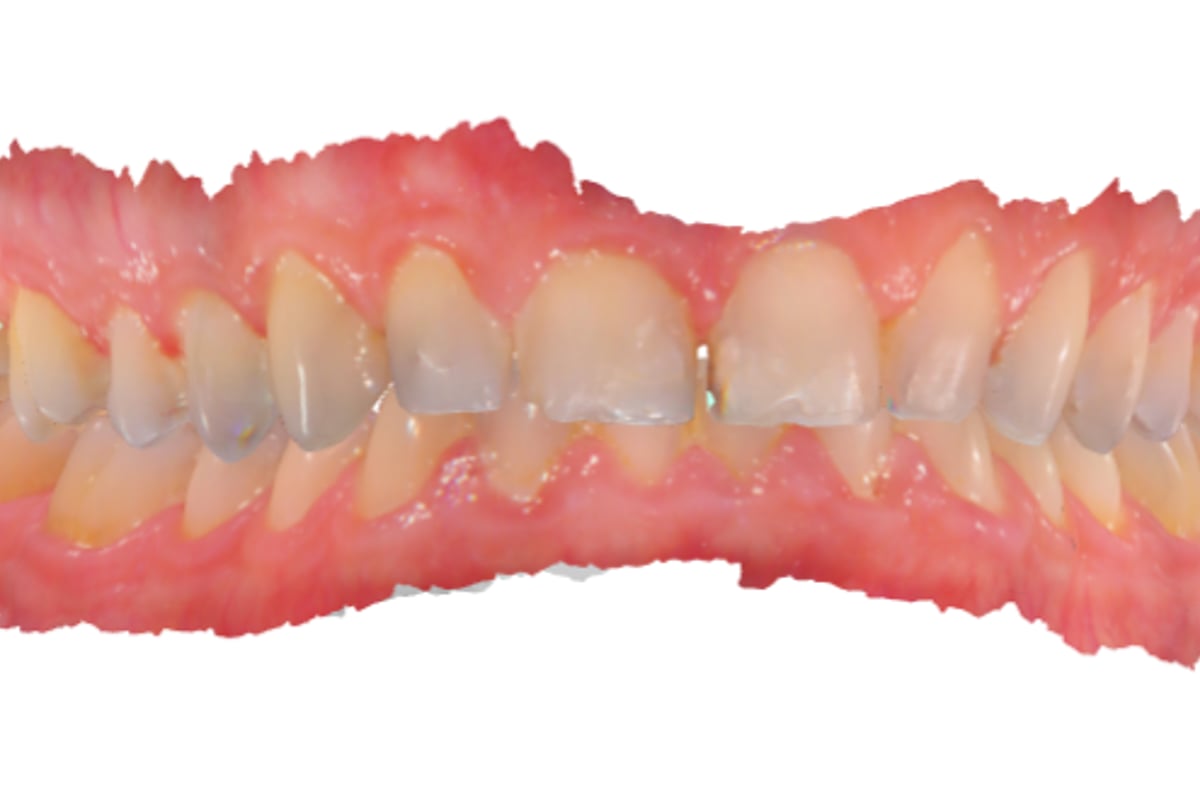
For most patients, any sensitivity experienced during teeth whitening resolves completely within a few days to a week after treatment ends. However, understanding the long-term implications helps you make informed decisions about whitening frequency and maintenance.
Recovery Timeline
Typical sensitivity resolution pattern:
| Timeframe | Expected Sensitivity Level | What to Expect |
|---|---|---|
| During treatment | Mild to moderate | May notice temperature sensitivity |
| 24-48 hours post-treatment | Peak sensitivity period | Most pronounced discomfort, if any |
| 3-5 days post-treatment | Decreasing | Noticeable improvement daily |
| 1 week post-treatment | Minimal to none | Return to baseline comfort |
| 2+ weeks post-treatment | Complete resolution | Normal tooth sensation restored |
Touch-Up Treatments
Whitening results typically last six months to two years, depending on your diet, oral hygiene, and habits like coffee or tea consumption. When considering touch-up treatments, allow adequate time between whitening sessions to let your enamel fully recover.
Most dentists recommend waiting at least three to six months between professional whitening treatments. More frequent whitening doesn't necessarily improve results and can increase the risk of prolonged sensitivity or enamel damage.
Alternative Approaches for Highly Sensitive Patients
If you have significant baseline tooth sensitivity or have experienced severe discomfort from whitening in the past, several alternative approaches can help you achieve a brighter smile without the associated pain.
Modified Whitening Protocols
Your dentist might recommend:
- Using extremely low-concentration gels over longer treatment periods
- Shorter daily application times with extended overall treatment duration
- Alternating whitening days with rest days to allow enamel recovery
- Incorporating desensitizing treatments between whitening sessions
- Combining professional and at-home approaches for gradual, controlled results
Non-Whitening Smile Enhancement
For patients who cannot tolerate whitening or have staining that doesn't respond well to bleaching, other cosmetic options can create a brighter, more attractive smile. Considerations include dental bonding, veneers, or crowns that can address both color and shape concerns simultaneously.
Understanding the differences between veneers and whitening helps you make an informed choice about which approach best suits your dental condition, aesthetic goals, and sensitivity concerns.
Evidence-Based Expectations
When patients ask "does teeth whitening hurt," they deserve honest, evidence-based information rather than dismissive reassurance or exaggerated warnings. The clinical literature provides clear guidance about what to expect.
WebMD's overview of teeth whitening summarizes that while sensitivity is the most common side effect, it's typically mild and temporary. The incidence varies based on the whitening method, with professional treatments showing higher rates of transient sensitivity but also more dramatic results.
The key is understanding that sensitivity, when it occurs, is a normal physiological response to a safe, effective cosmetic procedure. It doesn't indicate damage or harm, and it resolves on its own as enamel permeability returns to normal.
What the research tells us:
- 60-70% of patients experience some degree of sensitivity during or after whitening
- Most sensitivity is mild to moderate in intensity
- Sensitivity typically peaks within 24-48 hours after treatment
- Symptoms resolve within 3-7 days for the vast majority of patients
- Severe or prolonged sensitivity is uncommon when proper protocols are followed
Making an Informed Decision
Choosing to whiten your teeth should be based on a realistic understanding of both the benefits and the temporary side effects. The cosmetic improvement in smile brightness and confidence is significant for most patients, and the mild, transient sensitivity is a trade-off they find acceptable.
Your dental team plays a crucial role in helping you weigh these factors based on your individual circumstances. A thorough discussion about your sensitivity history, dental health, aesthetic goals, and lifestyle factors leads to a treatment plan optimized for your needs.
Questions to discuss with your dentist include:
- Based on my dental history, how likely am I to experience sensitivity?
- Which whitening method would be most appropriate for my situation?
- What specific measures can we take to minimize discomfort?
- How should I manage sensitivity if it develops?
- What results can I realistically expect from treatment?
- Are there alternative approaches I should consider?
Patients interested in exploring professional whitening options in a setting that prioritizes both clinical excellence and patient comfort can learn more about comprehensive cosmetic dental services that incorporate the latest evidence-based protocols and technologies.
So, does teeth whitening hurt? For most patients, the answer is that any discomfort is mild, temporary, and manageable with proper preparation and care. Understanding what to expect and working with an experienced dental team helps ensure you achieve the brighter smile you want with minimal sensitivity. At CuraSmile PH, our approach combines advanced whitening technology with personalized protocols designed to maximize results while minimizing discomfort, helping you achieve a confident, radiant smile in the heart of Bonifacio Global City.