Dental Implants vs Bridges: Which Is Right for You?
Comparing dental implants vs bridges for tooth replacement. Learn the differences, benefits, longevity, and costs to make an informed decision.
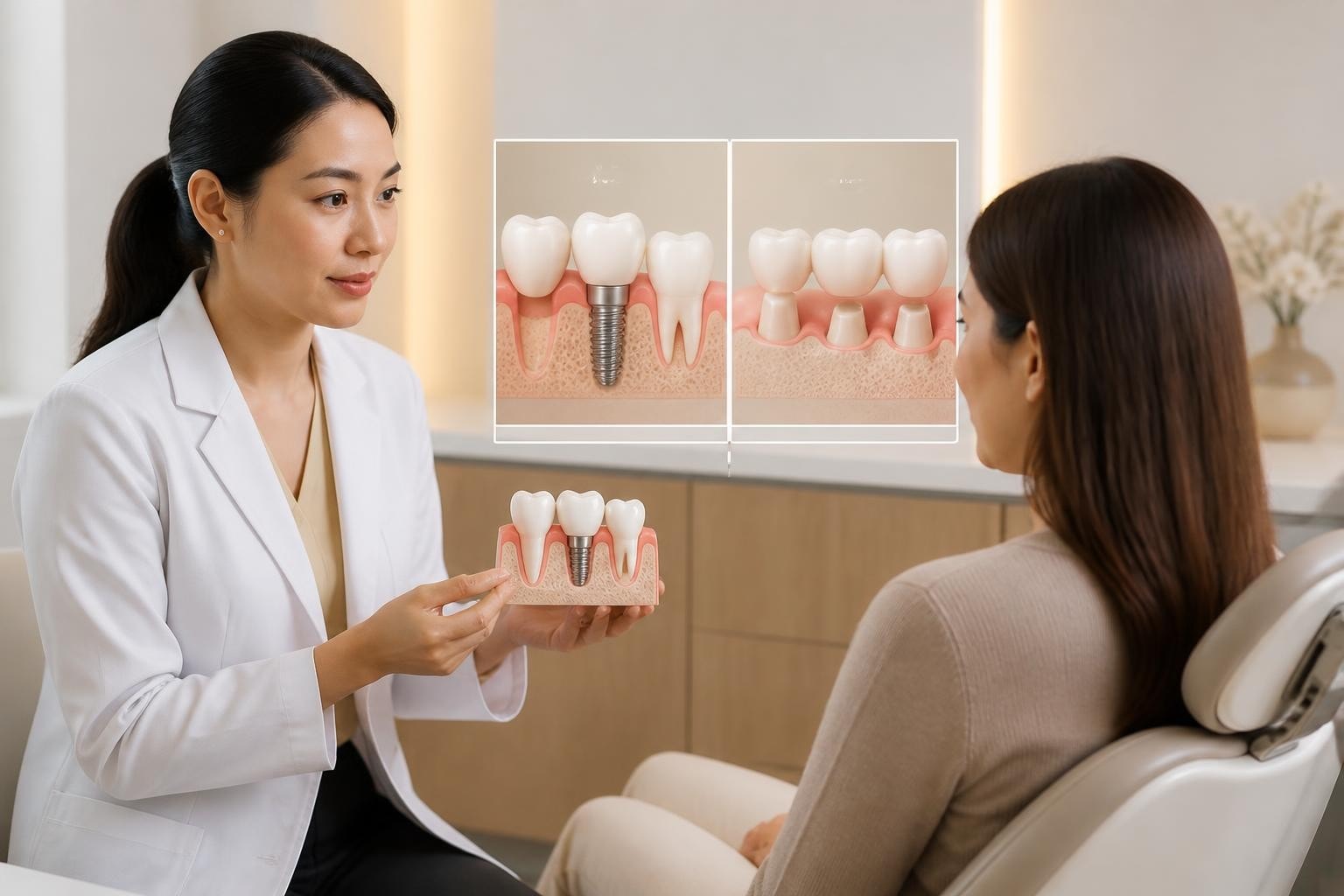
When you lose a tooth, the empty space affects more than just your smile. It impacts how you chew, speak, and even the structure of your jawbone. Two of the most effective solutions for replacing missing teeth are dental implants and bridges. Understanding the differences between dental implants vs bridges helps you make an informed choice based on your specific dental health, lifestyle, and long-term goals. At CuraSmile PH in Bonifacio Global City, we guide patients through this decision with comprehensive assessments and personalized treatment planning that considers both immediate needs and future oral health.
Understanding Dental Implants
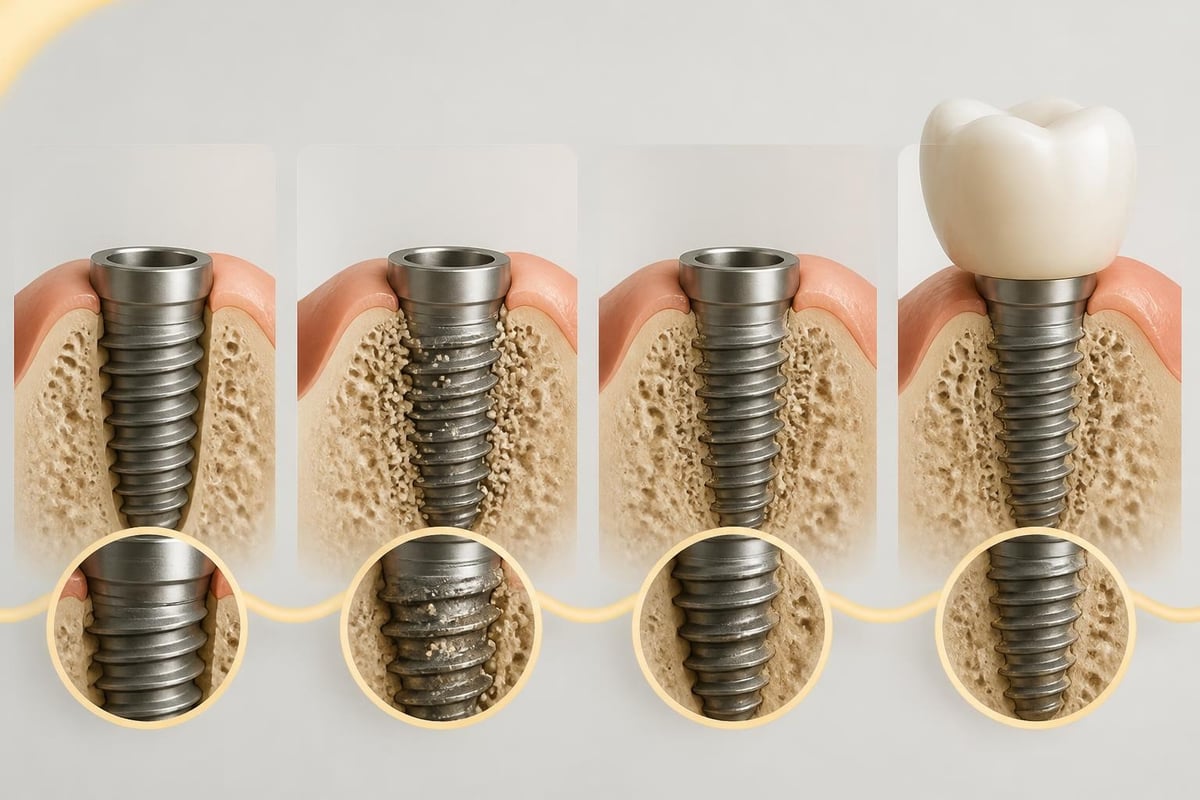
A dental implant is a titanium post surgically placed into your jawbone, acting as an artificial tooth root. After the implant integrates with the bone through a process called osseointegration, a custom crown is attached to restore the visible portion of your tooth. This creates a standalone replacement that doesn't rely on neighboring teeth for support.
How Dental Implants Work
The implant procedure typically unfolds in stages over several months:
- Initial assessment and planning with digital imaging and bone evaluation
- Surgical placement of the titanium implant into the jawbone
- Healing period of 3-6 months allowing osseointegration
- Abutment placement connecting the implant to the crown
- Final crown attachment customized to match your natural teeth
According to the American Dental Association, dental implants have a success rate exceeding 95% when properly placed and maintained. The healing timeline varies based on individual bone quality, overall health, and whether additional procedures like bone grafting are needed.
Benefits of Dental Implants
Implants offer several distinct advantages:
- Bone preservation: Stimulates jawbone just like natural tooth roots, preventing bone loss
- Independence: Doesn't require altering adjacent healthy teeth
- Longevity: Can last decades or a lifetime with proper care
- Natural function: Restores full chewing power and feels like your own tooth
- Aesthetics: Custom crown designed to blend seamlessly with existing teeth
The ability to preserve bone is particularly significant. When a tooth is lost, the jawbone in that area begins to deteriorate because it's no longer stimulated by chewing forces. Implants are the only tooth replacement option that addresses this biological reality.
Understanding Dental Bridges
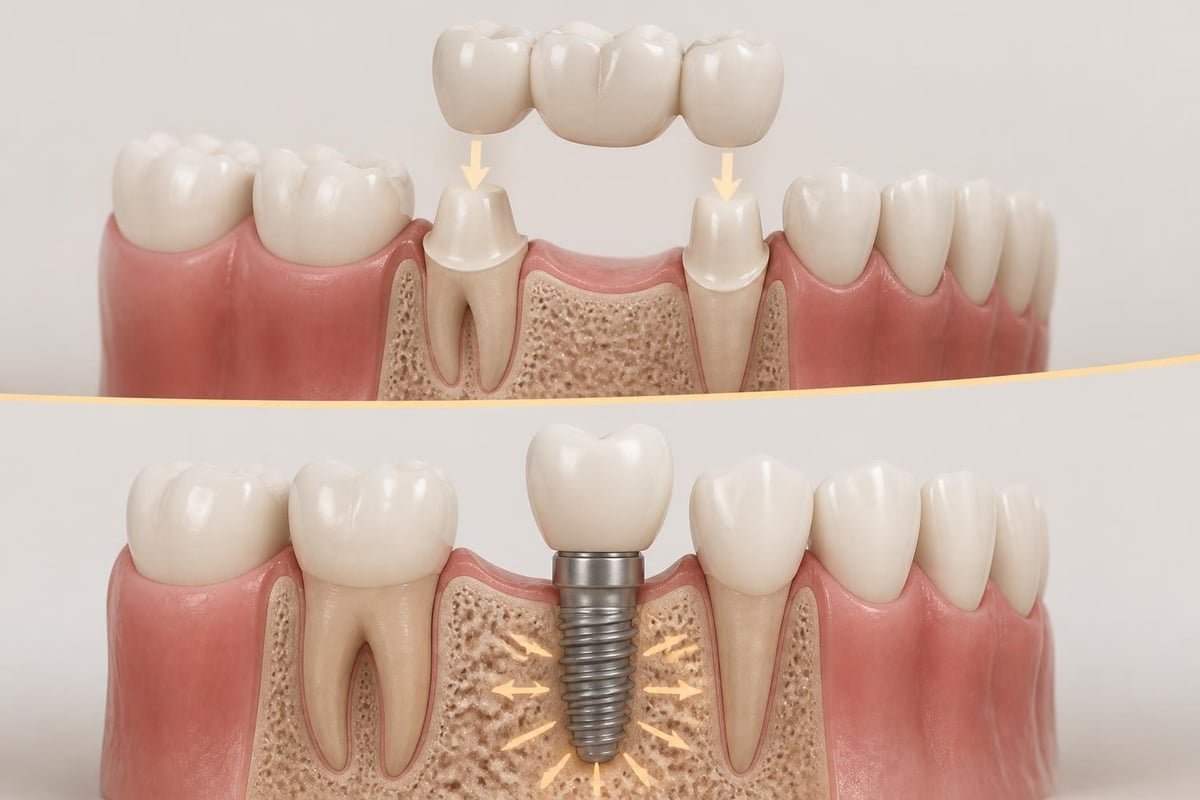
A dental bridge literally bridges the gap created by one or more missing teeth. Traditional bridges consist of artificial teeth (pontics) held in place by crowns cemented onto the adjacent natural teeth. These neighboring teeth, called abutment teeth, are prepared by removing enamel to accommodate the crowns.
Types of Dental Bridges
| Bridge Type | Description | Best For |
|---|---|---|
| Traditional | Crowns on adjacent teeth supporting pontic(s) | Missing teeth with healthy neighbors on both sides |
| Cantilever | Supported by crown on one adjacent tooth only | Missing teeth with healthy tooth on one side only |
| Maryland | Metal or porcelain framework bonded to back of adjacent teeth | Front teeth with minimal support needed |
| Implant-supported | Pontic supported by implants rather than natural teeth | Multiple missing teeth or when preserving natural teeth is priority |
Benefits of Traditional Bridges
Bridges offer their own set of advantages:
- Faster treatment: Typically completed in 2-3 weeks
- No surgery required: Non-invasive approach suitable for patients avoiding surgery
- Proven technique: Decades of clinical success and predictable outcomes
- Cost-effective initially: Lower upfront investment than implants
- Immediate function: Restores chewing and appearance quickly
Research published in Cochrane reviews demonstrates that modern all-ceramic bridges provide excellent aesthetics and durability, particularly in the front teeth where appearance matters most.
Key Differences: Dental Implants vs Bridges
When evaluating dental implants vs bridges, several critical factors distinguish these approaches. Understanding these differences helps clarify which option aligns with your dental needs and personal circumstances.
Impact on Adjacent Teeth
The most fundamental difference lies in how each treatment affects neighboring teeth:
Dental Implants: Stand alone without involving adjacent teeth. The implant post is placed directly into the bone where the missing tooth was located, leaving healthy neighboring teeth completely untouched and unaltered.
Bridges: Require preparation of adjacent teeth. Your dentist must remove significant enamel structure from the teeth on either side of the gap to accommodate the supporting crowns. This irreversible alteration commits those teeth to permanent coverage.
Bone Health and Preservation
Your jawbone responds differently to each option:
Dental Implants: The titanium post functions like a natural root, transmitting chewing forces directly into the jawbone. This mechanical stimulation maintains bone density and prevents the gradual bone resorption that follows tooth loss.
Bridges: Don't address bone loss. Because there's no root structure in the area of the missing tooth, the bone beneath the pontic gradually deteriorates over time. This can lead to changes in facial structure and may complicate future treatment options.
Longevity and Durability
Expected lifespan varies considerably between treatments:
- Implants: With proper care and maintenance, implants can last 20-30 years or even a lifetime. The crown may need replacement after 10-15 years due to normal wear.
- Bridges: Traditional bridges typically last 10-15 years before requiring replacement. The abutment teeth may develop decay or other issues requiring additional treatment.
Research on long-term outcomes shows that while both options demonstrate good survival rates, implants generally exhibit superior longevity when comparing similar time periods.
Clinical Considerations and Patient Suitability
Not every patient is an ideal candidate for both options. Your individual dental anatomy, health status, and specific circumstances influence which approach is most appropriate.
When Dental Implants Are Preferred
Implants represent the optimal choice in several scenarios:
- Healthy adjacent teeth: When neighboring teeth are free of decay, large fillings, or other damage that would eventually require crowns
- Good bone quality: Adequate bone density and volume to support implant placement
- Single tooth replacement: Replacing one tooth without involving others
- Long-term value: Patients prioritizing durability and willing to invest in longevity
- Younger patients: Those with many decades ahead benefit from bone preservation
However, certain conditions require additional evaluation. Uncontrolled diabetes, active periodontal disease, heavy smoking, or insufficient bone may complicate implant treatment. These factors don't necessarily preclude implants but may require preparatory procedures or modified treatment plans.
When Bridges May Be Recommended
Bridges can be the better solution when:
- Adjacent teeth need crowns anyway: If neighboring teeth already have large fillings or damage requiring crowns, a bridge addresses multiple needs simultaneously
- Surgery isn't desired: Patients preferring non-surgical approaches or those with medical conditions complicating surgery
- Faster timeline needed: When restoring function and appearance quickly is essential
- Bone grafting not feasible: Insufficient bone without the option or desire for grafting procedures
- Budget constraints: When initial cost is a primary concern
The NHS guidance on dental implants emphasizes that both treatments have appropriate applications, and the decision should be based on comprehensive clinical assessment rather than a one-size-fits-all recommendation.
Maintenance and Long-Term Care
Both dental implants and bridges require diligent oral hygiene, but the specific care protocols differ slightly. Understanding these requirements helps set realistic expectations for your commitment to maintaining your restoration.
Caring for Dental Implants
Implants need attention similar to natural teeth, with some additional considerations:
- Daily brushing and flossing around the crown and where it meets the gum
- Regular professional cleanings and monitoring for peri-implant health
- Avoiding excessive force from teeth grinding (night guards may be recommended)
- Periodic X-rays to assess bone levels around the implant
Clinical guidelines on peri-implant diseases emphasize the importance of preventive care. Peri-implant mucositis (inflammation) and peri-implantitis (bone loss) can occur without proper maintenance, but are largely preventable with good hygiene and professional monitoring.
Caring for Bridges
Bridge maintenance focuses on keeping both the restoration and supporting teeth healthy:
- Brushing twice daily with attention to the margin where crowns meet gums
- Floss threaders or specialized tools to clean under the pontic and around abutment teeth
- Water flossers to reach areas difficult to access with traditional floss
- Regular dental visits to monitor the supporting teeth for decay or other issues
The challenge with bridges is that food particles and bacteria can accumulate under the pontic and around the margins of the supporting crowns. Meticulous daily cleaning in these areas is essential to prevent decay and gum disease in the abutment teeth.
Treatment Timeline Comparison
Understanding the time investment for each option helps with planning and expectations.
Dental Implant Timeline
| Phase | Duration | What Happens |
|---|---|---|
| Initial consultation | 1 visit | Examination, imaging, treatment planning |
| Implant surgery | 1-2 hours | Placement of titanium post |
| Healing period | 3-6 months | Osseointegration occurs |
| Abutment placement | 1 visit | Connector piece attached |
| Final crown | 2-3 weeks | Custom crown fabricated and placed |
| Total time | 4-8 months | Start to finish |
Some cases may require bone grafting before implant placement, which adds 4-6 months to the timeline. Modern techniques like immediate loading (placing a temporary crown the same day) are possible in select cases with good bone quality.
Bridge Timeline
| Phase | Duration | What Happens |
|---|---|---|
| Initial consultation | 1 visit | Examination and treatment planning |
| Tooth preparation | 1 visit | Abutment teeth shaped, impressions taken |
| Temporary bridge | Same visit | Temporary placed while permanent is made |
| Final bridge delivery | 2-3 weeks | Permanent bridge tried in and cemented |
| Total time | 2-3 weeks | Start to finish |
The significantly shorter timeline for bridges appeals to patients who need faster restoration of function and appearance. However, this speed comes with the trade-off of involving adjacent teeth.
Cost Considerations and Value
When comparing dental implants vs bridges, the financial aspect requires looking beyond initial price to long-term value. Cost varies significantly based on complexity, materials, and geographic location, so these general principles should be discussed with your dentist for specific pricing.
Initial Investment
- Dental Implant: Typically has a higher upfront cost due to surgical placement, quality of materials, and multi-stage process
- Bridge: Generally lower initial cost, making it more accessible for budget-conscious patients
Long-Term Value
Consider the lifespan and potential future costs:
Dental Implants: While more expensive initially, the longer lifespan (potentially 20-30+ years) means you're investing in a solution that may never need replacement. Adjacent teeth remain untouched, reducing risk of future problems requiring additional treatment.
Bridges: Lower initial cost but typically need replacement every 10-15 years. Each replacement requires removing the old bridge, preparing the teeth again, and fabricating a new bridge. The abutment teeth may also develop issues over time, potentially requiring root canals or extraction with more complex replacement needed.
If you're replacing a single tooth and expect to keep it for 25 years, you might need one implant or 2-3 bridges over that period. The cumulative cost and disruption of multiple bridge replacements often exceeds a single implant investment.
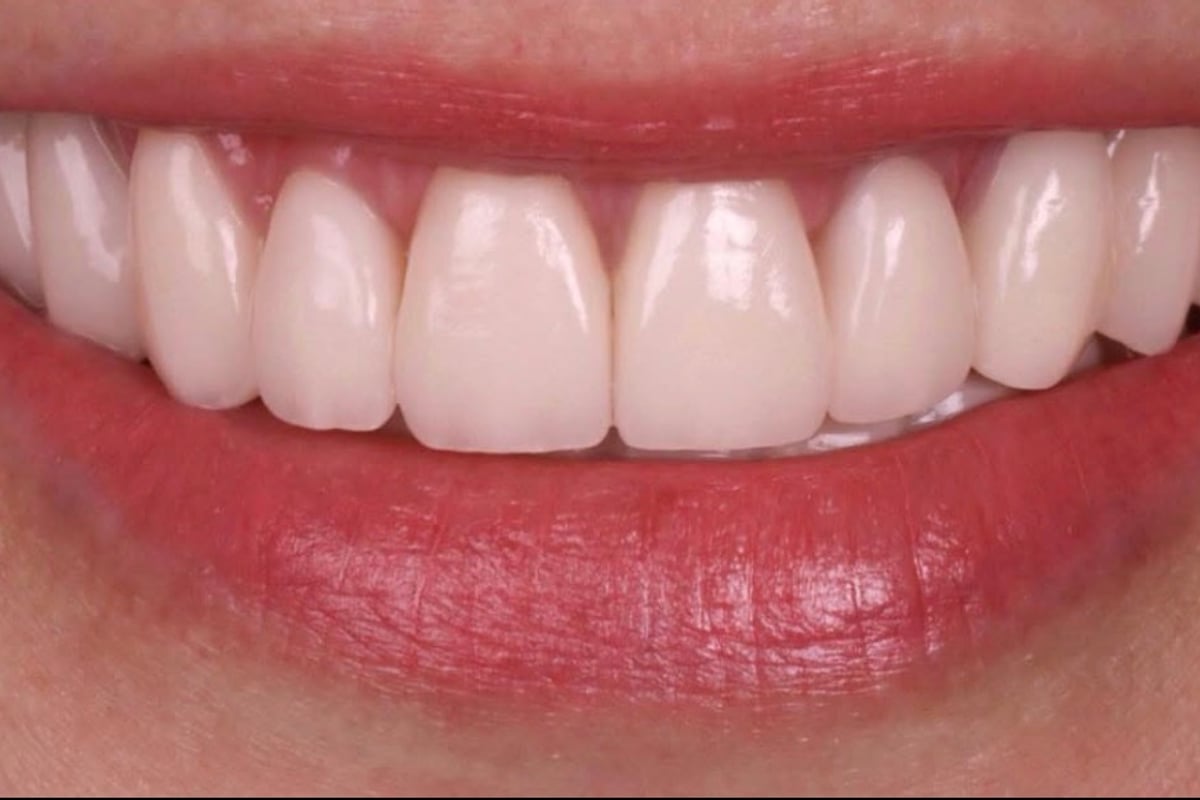
For patients considering how restorative dentistry fits into comprehensive smile improvement, Porcelain Veneers & Dental Crowns represent another dimension of personalized dental care. While implants and bridges focus on replacing missing teeth, high-quality crowns also play a role in the final aesthetics and function of both treatment approaches.
Special Situations and Complex Cases
Some clinical scenarios require additional considerations when weighing dental implants vs bridges. These situations benefit from particularly careful assessment and individualized planning.
Replacing Multiple Adjacent Teeth
When several teeth in a row are missing:
Implant-supported bridge: Placing two implants with a bridge between them can replace three or four teeth without involving natural teeth. This combines the stability and bone preservation of implants with the cost efficiency of spanning multiple teeth.
Traditional bridge: Can span multiple teeth but requires healthy abutment teeth on both ends. The longer the span, the more stress on supporting teeth.
Studies on tooth-implant connections provide evidence on outcomes when combining natural teeth and implants in the same restoration, though many specialists prefer avoiding this combination when possible due to different biomechanical properties.
Front Teeth vs. Back Teeth
Location influences treatment considerations:
Front teeth: Aesthetics are paramount. Both implants and bridges can achieve excellent results, but implants avoid the visible margin sometimes present where bridge crowns meet gums. Bone preservation with implants also helps maintain natural facial contours.
Back teeth: Function and durability take priority. The higher chewing forces in molar areas favor the robust anchorage of implants, though bridges perform well here too with proper design and materials.
When You're Missing All Teeth in an Arch
For complete tooth loss, implants offer solutions bridges cannot:
- Implant-supported dentures: Several implants anchor a full denture, providing stability without the bulk and movement of traditional dentures
- Fixed implant bridges: Multiple implants support a permanent bridge replacing all teeth, restoring near-natural function
Traditional bridges aren't applicable when all teeth are missing, making implants the only fixed-restoration option.
Making Your Decision
Choosing between dental implants vs bridges involves balancing multiple factors specific to your situation. No single answer fits everyone, and the "best" choice depends on your individual circumstances.
Questions to Discuss with Your Dentist
- What's the condition of my adjacent teeth?
- How much bone is present in the area of the missing tooth?
- What are the long-term expectations for each option in my specific case?
- What's my overall periodontal health?
- Do I have any health conditions that affect healing or treatment options?
- What does each option look like financially, including potential future costs?
- How does each option align with my long-term dental health goals?
Factors That Influence Your Choice
Prioritize implants if:
- Adjacent teeth are healthy and you want to preserve them
- Long-term value and durability are most important
- Bone preservation matters for your age and future dental health
- You're comfortable with a multi-month treatment process
- Surgical procedure doesn't present significant concerns
Consider bridges if:
- Neighboring teeth already need crowns or significant restoration
- You prefer non-surgical treatment
- Faster completion of treatment is important
- Initial cost is a primary consideration
- Medical conditions complicate surgical procedures
Remember that this isn't always an either-or decision. Some patients may have implants in one area and bridges in another based on the specific clinical situation at each site.
The Role of Advanced Technology
Modern dental technology has improved outcomes for both implants and bridges, making each option more predictable and successful than ever before.
Digital Planning and Precision
At practices like CuraSmile PH, advanced imaging and digital planning enhance treatment:
- 3D cone beam CT scans for precise implant planning and bone assessment
- Digital impressions for more accurate crown and bridge fabrication
- Computer-guided implant placement for optimal positioning
- CAD/CAM technology for same-day or rapid crown fabrication
These technologies improve the fit, aesthetics, and longevity of both implants and bridges while making treatment more comfortable and efficient.
Material Advances
Modern materials benefit both approaches:
- Zirconia for strong, aesthetic, biocompatible implants and crowns
- All-ceramic bridges eliminating metal for better aesthetics and tissue compatibility
- Surface treatments on implants that enhance osseointegration
- Advanced bonding agents improving bridge retention and seal
The evolution of dental materials means both implants and bridges can deliver excellent, natural-looking results that integrate beautifully with your existing teeth.
Your Dental Health Beyond Tooth Replacement
Whether you choose a dental implant or bridge, successful tooth replacement is part of comprehensive oral health. The decision you make today influences your dental future, so it deserves careful consideration with professional guidance.
Integration with Overall Dental Care
Tooth replacement doesn't exist in isolation. Your choice affects:
- How you maintain preventive care and professional cleanings
- The stability of your bite and jaw function
- Your confidence in smiling and social interactions
- Long-term investment in your oral health
Some patients discover that addressing missing teeth also brings attention to other aspects of dental health they've postponed. Comprehensive assessment often reveals opportunities for improvement beyond the immediate concern.
Finding the Right Dental Partner
The quality of your outcome depends heavily on clinical expertise, technology, and personalized care. Working with a practice that offers both implants and bridges ensures your recommendation is based on what's truly best for you, not limited by what the practice can provide.
Look for a dental team that:
- Conducts thorough evaluation before recommending treatment
- Explains options clearly with realistic expectations
- Uses current technology and evidence-based techniques
- Provides comprehensive follow-up care and maintenance support
- Treats you as an individual, not a one-size-fits-all case
The decision between dental implants vs bridges shapes your oral health for years to come. Taking time to understand both options, asking questions, and partnering with skilled professionals ensures you make the choice that serves your dental health, function, and confidence best.
Understanding dental implants vs bridges empowers you to make an informed decision about replacing missing teeth based on your unique dental health, lifestyle priorities, and long-term goals. Whether you choose the standalone stability and bone preservation of an implant or the faster, non-surgical approach of a bridge, both options can successfully restore your smile and function when properly planned and maintained. At CuraSmile PH in Bonifacio Global City, our team combines advanced dental technology with personalized, evidence-based care to help you determine the best tooth replacement solution for your individual needs. We invite you to schedule a comprehensive assessment where we can discuss your options, answer your questions, and develop a treatment plan tailored specifically to your dental health and goals.