Complete Care Dentist: What It Means & Why It Matters
Discover what makes a complete care dentist different. Learn how comprehensive dental care addresses prevention, function, aesthetics & health.
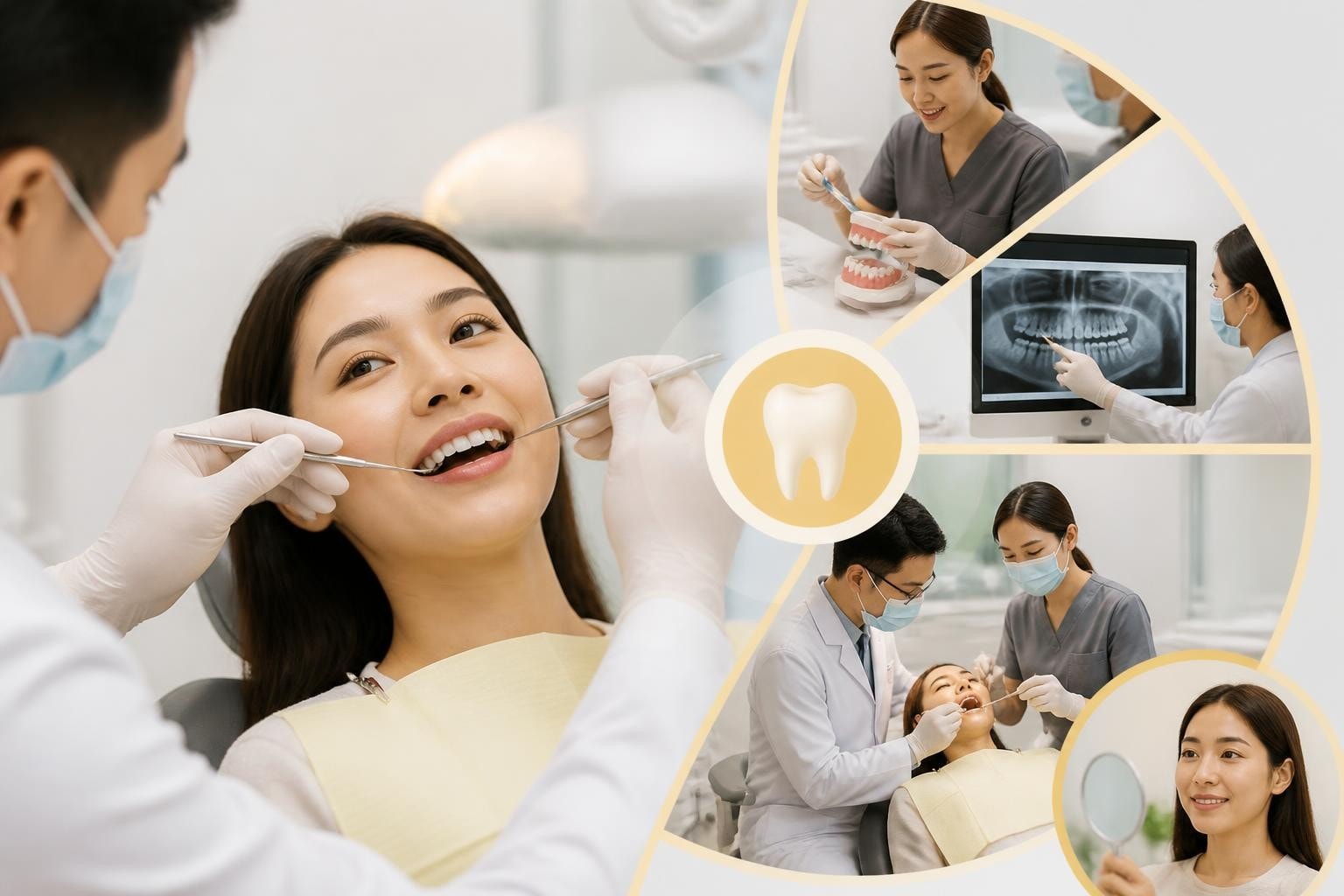
Finding the right dental provider means more than just someone who can fill a cavity or clean your teeth. A complete care dentist approaches your oral health as an integrated system, addressing not just immediate concerns but the underlying factors that affect your teeth, gums, bite, airway, and overall well-being. This comprehensive approach transforms dental visits from reactive fixes into proactive health partnerships.
What Defines a Complete Care Dentist
A complete care dentist provides an integrated range of services under one roof, eliminating the fragmentation that often occurs when patients must visit multiple specialists for different concerns. Rather than focusing on isolated treatments, this approach evaluates how different aspects of oral health interact.
The scope typically includes:
- Preventive care (cleanings, exams, risk assessment)
- Restorative dentistry (fillings, crowns, bridges)
- Cosmetic and smile design services
- Orthodontic treatment options
- Periodontal (gum) health management
- Temporomandibular joint (TMJ) and orofacial pain evaluation
- Sleep-related breathing assessments when indicated
- Advanced diagnostics and imaging
This model aligns with the World Health Organization's emphasis on integrating oral health into primary care, recognizing that oral health cannot be separated from overall health.
Beyond Single-Problem Solutions
Traditional dental models often treat symptoms in isolation. A tooth hurts, so it gets filled. Gums bleed, so they get cleaned. A complete care dentist asks deeper questions: Why did the cavity develop? What systemic or behavioral factors contribute to gum inflammation? How do bite problems relate to jaw pain or tooth wear?
This diagnostic depth leads to more sustainable outcomes because it addresses root causes rather than just managing symptoms.
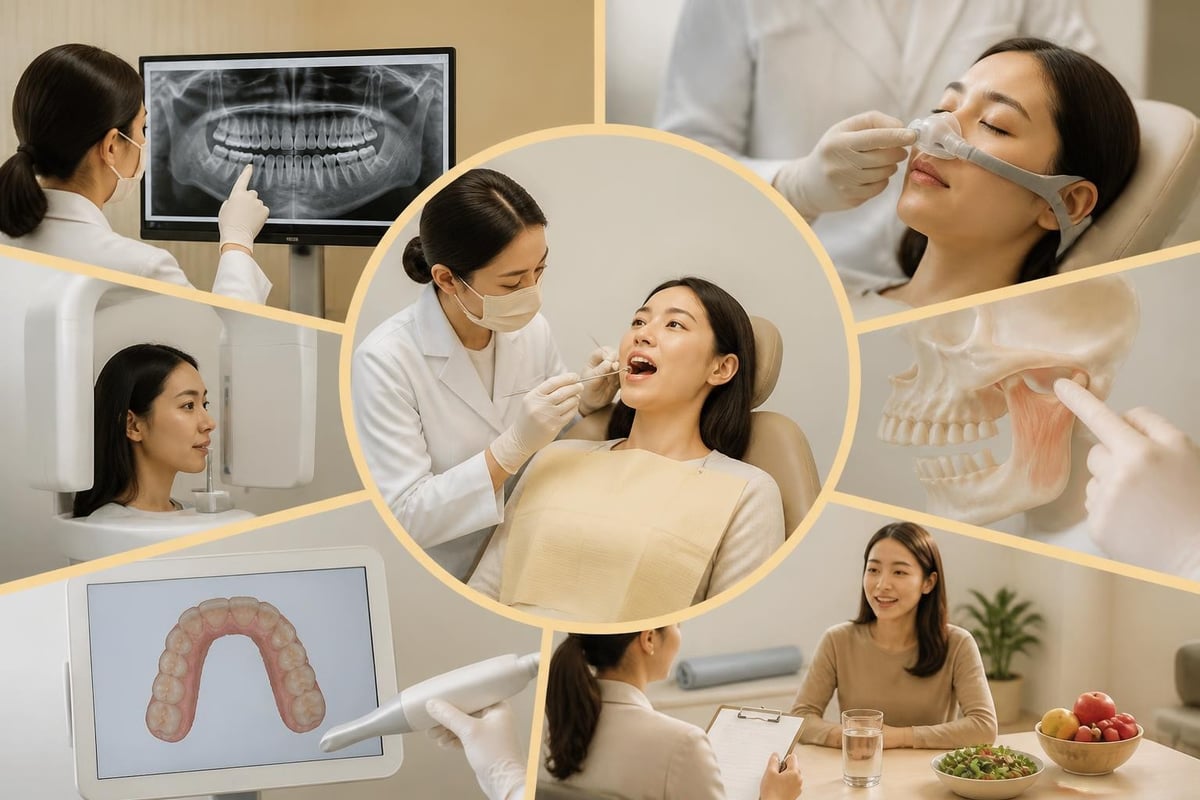
The Clinical Components of Comprehensive Dental Care
Preventive Foundation
Every complete care approach begins with prevention. Regular examinations go beyond checking for cavities to include oral cancer screening, periodontal charting, occlusal analysis, and risk factor assessment.
Preventive services typically include:
- Professional cleanings tailored to individual periodontal health
- Fluoride and remineralization therapies when indicated
- Sealants for susceptible tooth surfaces
- Customized home care protocols
- Nutritional and lifestyle counseling related to oral health
The American Dental Association's evidence-based guidelines inform these preventive protocols, ensuring interventions are grounded in clinical research rather than routine habit.
Functional Rehabilitation
Many patients experience problems with chewing, speaking, or jaw comfort that go unaddressed for years. A complete care dentist evaluates occlusion (how teeth fit together), joint health, muscle function, and airway dynamics.
| Functional Concern | Assessment Approach | Potential Interventions |
|---|---|---|
| TMJ disorders | Joint imaging, muscle palpation, range of motion | Splint therapy, physical therapy referral, behavior modification |
| Tooth wear | Bite analysis, erosion assessment | Protective appliances, restorative rehabilitation |
| Missing teeth | Space analysis, bone evaluation | Implants, bridges, orthodontic space closure |
| Breathing issues | Airway assessment, sleep questionnaire | Collaboration with sleep physicians, appliance therapy |
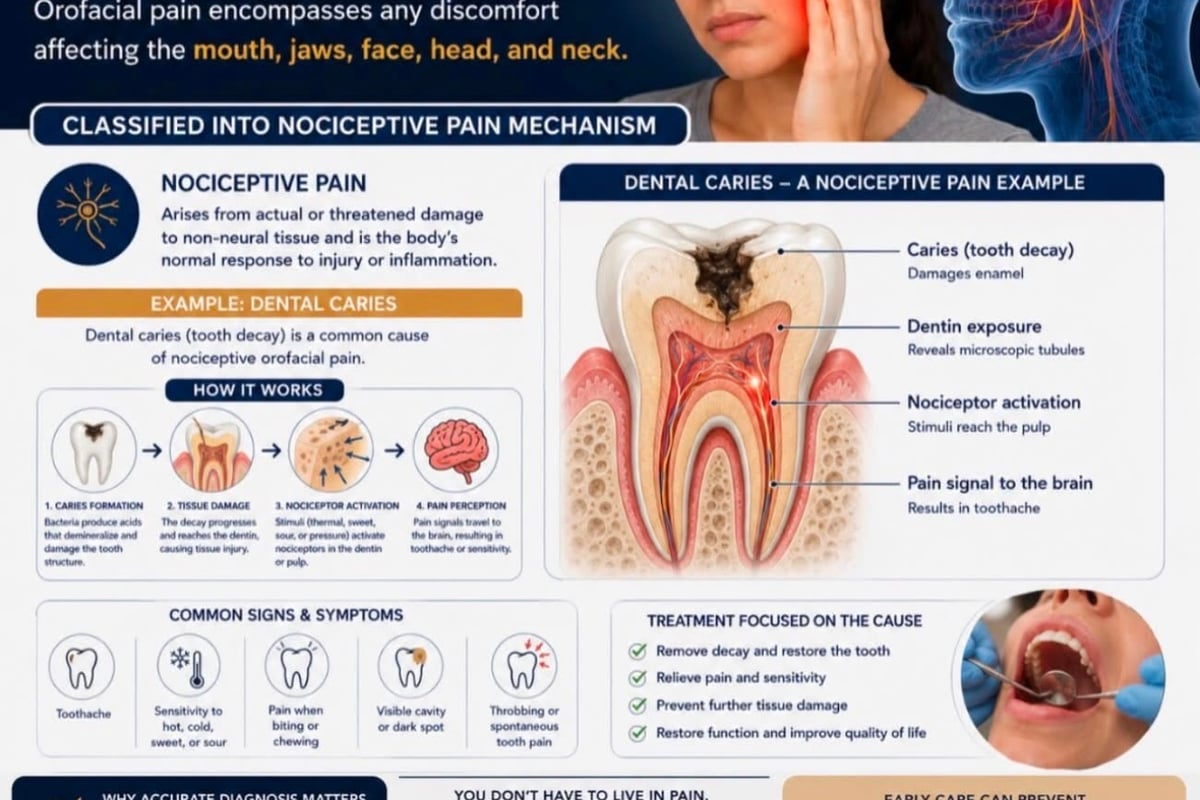
Patients dealing with chronic jaw discomfort or clicking often benefit from TMJ & Orofacial Pain Management, which addresses both symptoms and contributing factors through personalized treatment planning.
Aesthetic Integration
Cosmetic concerns are valid health concerns. Confidence in your smile affects social interaction, career opportunities, and mental well-being. A complete care dentist integrates aesthetic goals with functional requirements and long-term stability.
Modern smile design considers facial proportions, gingival health, tooth position, color harmony, and how these elements work together. Digital planning tools allow patients to visualize potential outcomes before any irreversible treatment begins.
The Evidence for Integrated Care Models
Research increasingly supports comprehensive approaches over fragmented care. A systematic review on integrating oral health into primary care found that coordinated models improve patient outcomes, reduce treatment barriers, and enhance overall health literacy.
Key findings include:
- Improved treatment completion rates when services are coordinated
- Better management of chronic conditions affecting oral health
- Enhanced patient satisfaction and engagement
- More efficient use of healthcare resources
These outcomes matter because dental health doesn't exist in isolation. Periodontal disease relates to cardiovascular health and diabetes control. Sleep-disordered breathing affects blood pressure and cognitive function. Chronic pain impacts quality of life across all dimensions.
The Dental Home Concept
The American Academy of Pediatric Dentistry's dental home model emphasizes ongoing relationships, comprehensive care, and coordinated referrals when needed. While originally developed for children, the principles apply across all ages.
A complete care dentist serves as your dental home by maintaining continuity of care, keeping comprehensive records, understanding your health history and goals, and coordinating with other healthcare providers when appropriate.
Technology and Comprehensive Assessment
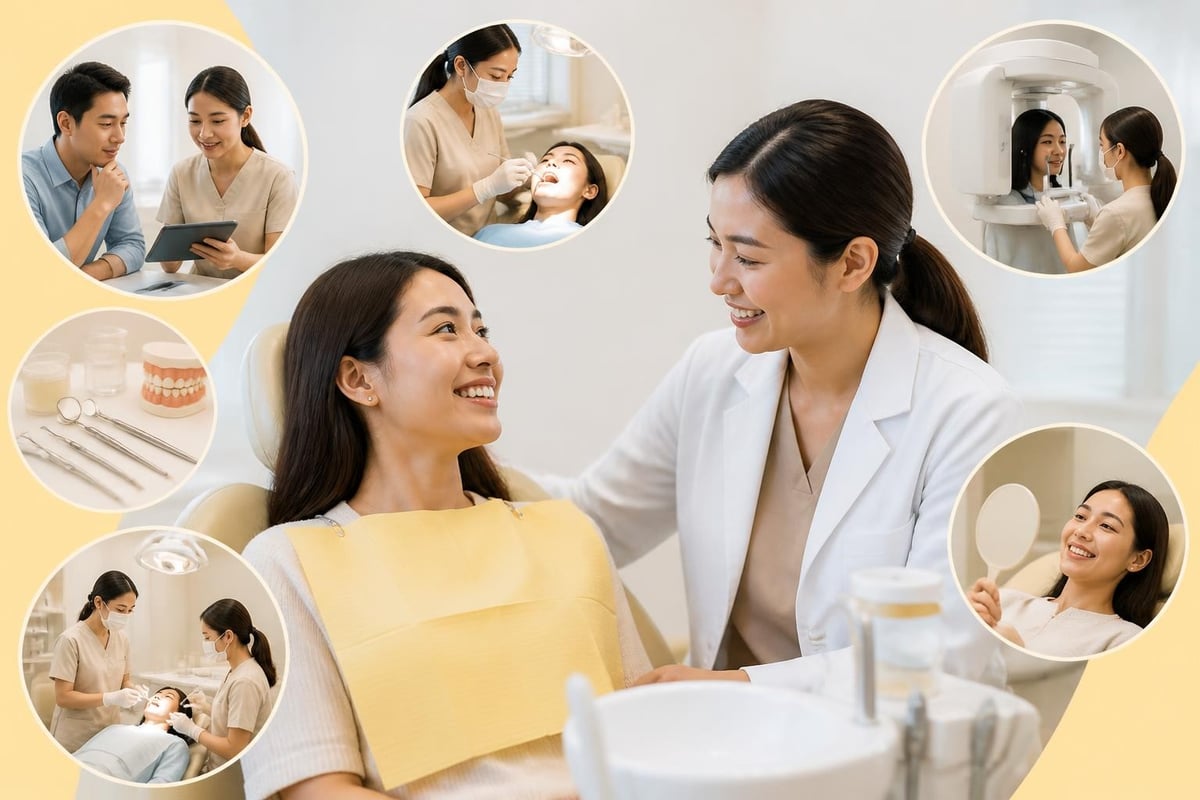
Advanced diagnostic tools enable complete care dentists to gather detailed information that guides treatment planning. Three-dimensional imaging reveals bone structure, nerve pathways, and anatomical relationships invisible on traditional X-rays. Digital impressions create precise models for restorative and orthodontic planning.
Intraoral cameras allow patients to see what the dentist sees, fostering informed participation in treatment decisions. Caries detection systems identify early demineralization before cavities form. Periodontal charting tracks gum health changes over time.
Diagnostic technologies supporting comprehensive care:
- Cone beam computed tomography (CBCT) for 3D anatomical visualization
- Digital smile design software for aesthetic treatment planning
- Occlusal analysis systems for bite evaluation and adjustment
- Oral cancer screening adjuncts for enhanced soft tissue examination
- Periodontal risk assessment tools for personalized prevention protocols
These technologies don't replace clinical judgment-they enhance it by providing objective data that informs evidence-based decision-making.
Addressing Barriers to Complete Care
Despite the clear benefits, several obstacles prevent patients from receiving comprehensive dental care. The Patient Advocate Foundation's 2024 access report highlights cost, insurance limitations, geographic availability, and health literacy as persistent challenges.
Financial Accessibility
Comprehensive care requires upfront investment in diagnostics and treatment planning. However, addressing problems thoroughly from the start often reduces long-term costs by preventing complications and failures that require retreatment.
Many complete care practices offer:
- Transparent treatment estimates before beginning care
- Flexible payment arrangements for multi-phase treatment
- Prioritization strategies for phased implementation
- In-house membership programs for uninsured patients
Time and Convenience
Busy schedules make multiple appointments challenging. A complete care dentist consolidates services, reducing the number of visits and providers needed. Extended hours and efficient appointment management respect patients' time constraints.
For professionals in Bonifacio Global City, finding a dental clinic open on Saturday can make comprehensive care more accessible without disrupting weekday work commitments.
Personalization in Complete Dental Care
Generic treatment protocols rarely deliver optimal outcomes. Every patient brings unique anatomy, medical history, lifestyle factors, aesthetic preferences, and health goals. A complete care dentist customizes approaches to these individual variables.
Personalization elements include:
- Medical coordination: Adjusting treatment for patients with diabetes, bleeding disorders, immunosuppression, or other systemic conditions
- Lifestyle integration: Designing home care protocols that fit realistic daily routines
- Aesthetic calibration: Balancing natural appearance with patient preferences
- Functional optimization: Considering occupational demands, recreational activities, and dietary patterns
- Psychological support: Addressing dental anxiety, past negative experiences, and comfort needs
This individualized approach extends beyond the clinical aspects. Communication style, appointment scheduling, and follow-up preferences all adapt to each patient's needs.
The Role of Prevention in Complete Care
While complete care dentists can perform sophisticated restorative and reconstructive procedures, prevention remains the foundation. The goal is to preserve natural tooth structure, maintain healthy supporting tissues, and prevent problems before they require intervention.
| Preventive Strategy | Target Condition | Evidence Strength |
|---|---|---|
| Professional cleanings | Periodontal disease, caries | Strong (routine intervals individualized) |
| Fluoride application | Dental caries | Strong (especially high-risk patients) |
| Dietary counseling | Erosion, caries | Moderate to strong |
| Sealants | Occlusal caries | Strong (children and susceptible adults) |
| Occlusal guards | Tooth wear, TMJ symptoms | Moderate (patient-specific) |
| Smoking cessation support | Periodontal disease, oral cancer | Strong |
Understanding how to prevent gum disease exemplifies the preventive emphasis, as periodontal health forms the foundation for all other dental treatment.
Interdisciplinary Collaboration
No single provider possesses expertise in every specialty. A complete care dentist recognizes when referral to specialists enhances patient outcomes. The difference lies in coordinated care rather than isolated referrals.
When endodontic treatment, oral surgery, or advanced periodontal procedures are needed, the referring dentist maintains communication with specialists, integrates their work into the overall treatment plan, and ensures continuity before and after specialty care.
The FDI World Dental Federation's policy statements emphasize this collaborative model, recognizing that interprofessional coordination improves patient safety and treatment success.
Long-Term Relationship and Continuity
Oral health care isn't episodic-it's a lifelong journey. A complete care dentist partners with patients across decades, adapting strategies as circumstances change. Children who start with preventive care transition to orthodontics, then to maintenance and eventual restorative needs as they age.
This continuity allows the dentist to recognize subtle changes that might signal problems, understand what motivates each patient, and build trust that facilitates open communication about concerns and goals.
Benefits of long-term relationships:
- Early detection of emerging problems
- Historical context for current findings
- Established rapport reducing anxiety
- Customized prevention based on known risk factors
- Coordinated life-stage transitions
Patients who maintain ongoing relationships with a trusted dental provider experience better outcomes because care builds progressively rather than restarting with each new provider.
Making Complete Care Practical
Understanding the concept of comprehensive dental care matters little if you can't implement it in your own life. Practical steps make this approach accessible rather than aspirational.
Start by:
- Scheduling a comprehensive examination rather than just a cleaning
- Discussing your complete health history, including medications and systemic conditions
- Expressing all concerns, not just the most urgent problem
- Asking about connections between different symptoms or findings
- Requesting a prioritized treatment plan if multiple needs exist
Don't hesitate to ask questions about why certain recommendations are made, what alternatives exist, and how different treatment options compare in terms of longevity, aesthetics, and function.
The Future of Comprehensive Dental Care
Dental practice continues evolving toward more integrated, patient-centered models. Artificial intelligence assists in diagnostic analysis. Biomaterials become more biocompatible and aesthetic. Minimally invasive techniques preserve more natural tooth structure.
Yet technology alone doesn't create complete care. The commitment to understanding each patient as a whole person, addressing interrelated health factors, and building long-term partnerships defines this approach.
The NCBI definition of comprehensive dental care emphasizes this holistic orientation, distinguishing it from fragmented, problem-focused treatment models.
Evaluating Comprehensive Care Providers
Not every practice offering multiple services truly provides integrated comprehensive care. When evaluating potential dental providers, consider these distinguishing factors:
Questions to ask:
- How do you coordinate different aspects of treatment?
- What happens if I need specialty care?
- How do you customize prevention for individual risk factors?
- Do you evaluate functional and aesthetic concerns together?
- What technology do you use for diagnosis and planning?
- How do you involve patients in treatment decisions?
Authentic complete care dentists welcome these questions and provide thoughtful, specific answers rather than generic marketing statements.
A complete care dentist transforms dental visits from isolated transactions into integrated health partnerships. By addressing prevention, function, aesthetics, and overall wellness together, this approach delivers more predictable outcomes and helps patients maintain optimal oral health throughout their lives. Whether you're seeking preventive care, orthodontic treatment, or comprehensive smile rehabilitation, CuraSmile PH in Bonifacio Global City combines advanced technology with personalized, evidence-based care to support your complete dental health goals.