Nice Smile Dentistry: Modern Approaches to Confident Smiles
Explore nice smile dentistry—combining advanced technology, personalized care, and evidence-based treatments for healthier, more confident smiles.
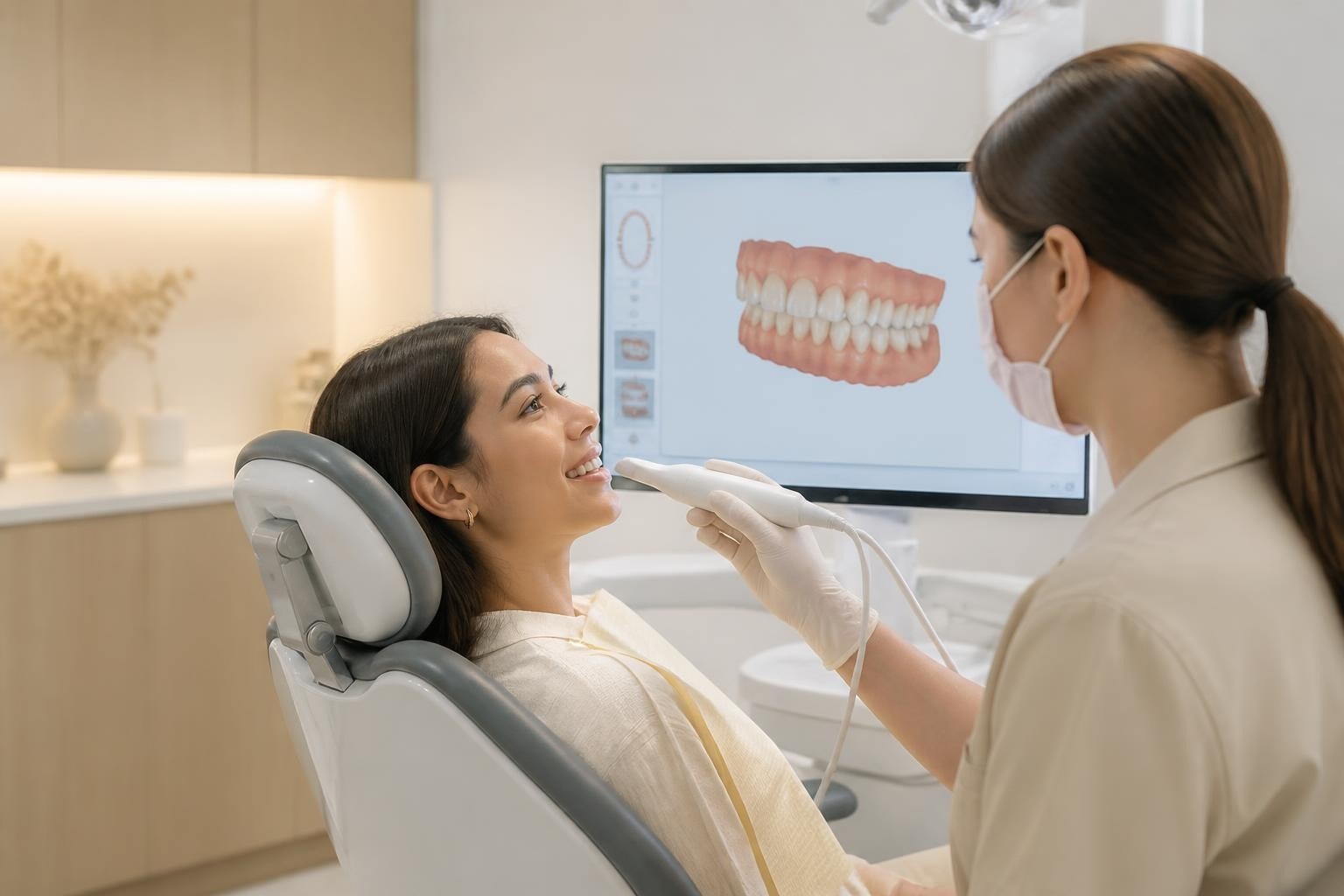
The pursuit of a healthy, confident smile has evolved dramatically over the past decade. Nice smile dentistry represents a comprehensive approach to oral health that balances clinical excellence, advanced technology, and personalized aesthetic outcomes. Rather than focusing solely on fixing dental problems, this modern framework emphasizes prevention, function, and natural-looking results that complement each patient's unique facial features and oral health needs.
Understanding the Nice Smile Dentistry Philosophy
Nice smile dentistry goes beyond traditional cosmetic procedures. It integrates multiple dental disciplines-preventive care, orthodontics, restorative treatments, and aesthetic dentistry-into a coordinated treatment approach. This comprehensive perspective recognizes that a truly beautiful smile depends on healthy gums, properly aligned teeth, optimal bite function, and restorations that look and feel natural.
The foundation begins with thorough clinical assessment. Dentists practicing nice smile dentistry evaluate not just tooth appearance, but also periodontal health, jaw alignment, occlusion, facial proportions, and how teeth function during speaking and eating. This holistic evaluation ensures that aesthetic improvements don't compromise long-term oral health or jaw function.
Evidence-Based Treatment Planning
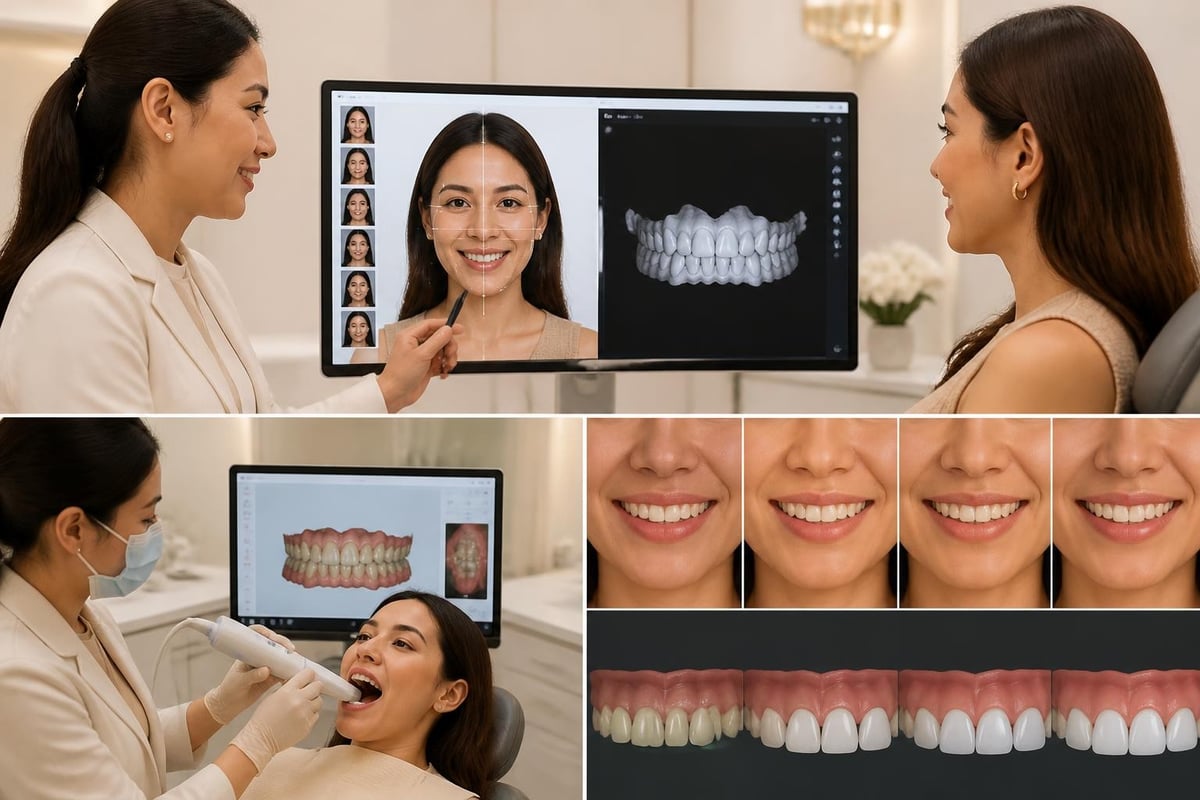
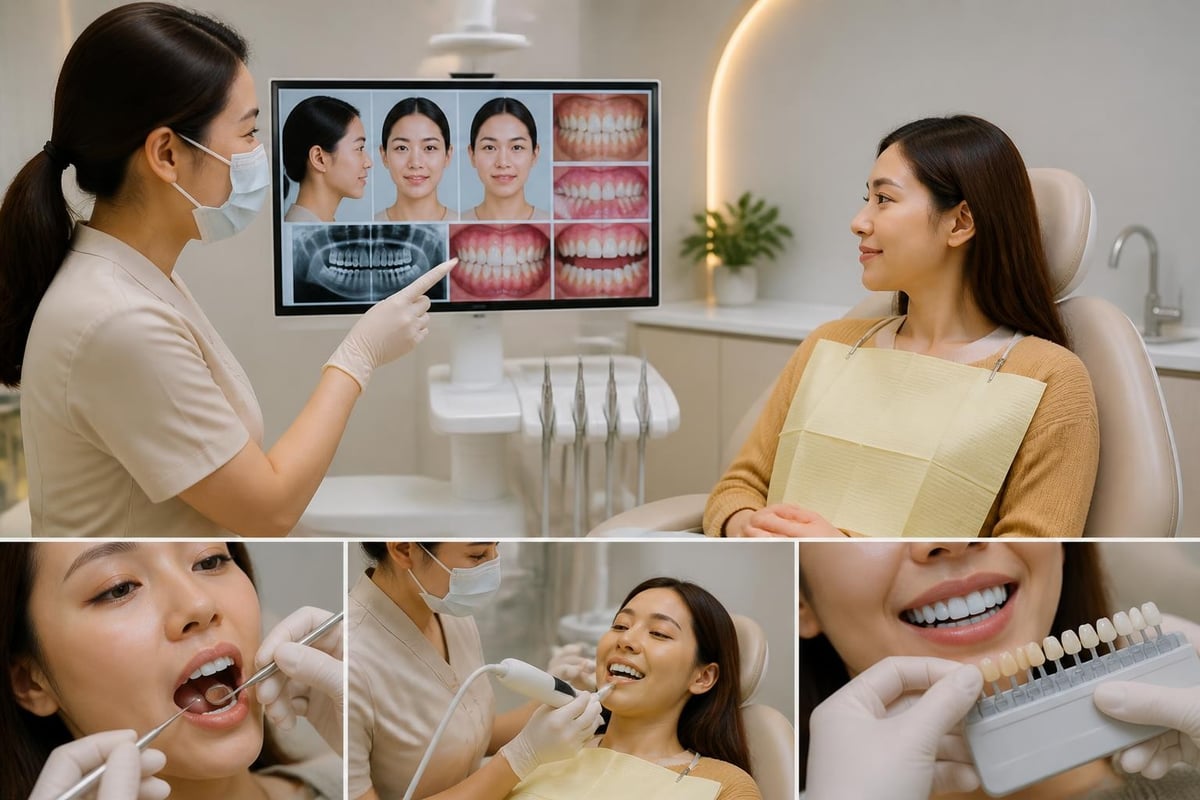
Modern nice smile dentistry relies heavily on digital smile design technology, which allows both dentist and patient to visualize potential outcomes before treatment begins. Digital planning tools create precise simulations of proposed changes, helping patients make informed decisions about their care.
Key components of evidence-based smile planning include:
- Comprehensive oral health assessment and diagnosis
- Digital photography and 3D imaging for treatment visualization
- Collaborative discussion of aesthetic goals and expectations
- Evaluation of multiple treatment options with predicted outcomes
- Consideration of facial harmony, tooth proportions, and natural appearance
This systematic approach reduces uncertainty and helps align patient expectations with clinically achievable results.
Core Components of Nice Smile Dentistry
Preventive Foundation
Every sustainable smile transformation begins with optimal oral health. Nice smile dentistry prioritizes prevention through professional cleanings, periodontal evaluation, caries risk assessment, and patient education. Healthy gums and disease-free teeth create the stable foundation necessary for any cosmetic enhancement.
Regular preventive care also identifies potential problems early-such as tooth wear, enamel erosion, or early periodontal disease-before they compromise aesthetic outcomes. This proactive approach protects both natural tooth structure and any restorative work.
Orthodontic Alignment
Tooth alignment plays a crucial role in smile aesthetics and function. Clear aligners and other orthodontic approaches have revolutionized how adults address alignment concerns. Modern orthodontics focuses on more than straightness-it considers bite relationships, jaw position, airway health, and long-term stability.
Research shows that minor midline deviations (up to approximately 3mm) often go unnoticed by laypeople, while more significant misalignments can affect smile symmetry perception. Understanding these thresholds helps guide treatment decisions and set realistic aesthetic goals.
| Orthodontic Consideration | Impact on Smile Aesthetics | Functional Benefit |
|---|---|---|
| Tooth alignment | Visual symmetry and balance | Easier cleaning, reduced wear |
| Bite relationship | Lip support and facial profile | Proper chewing function |
| Spacing correction | Unified smile arc | Reduced food trapping |
| Rotation correction | Light reflection and appearance | Improved periodontal health |
Restorative and Cosmetic Solutions
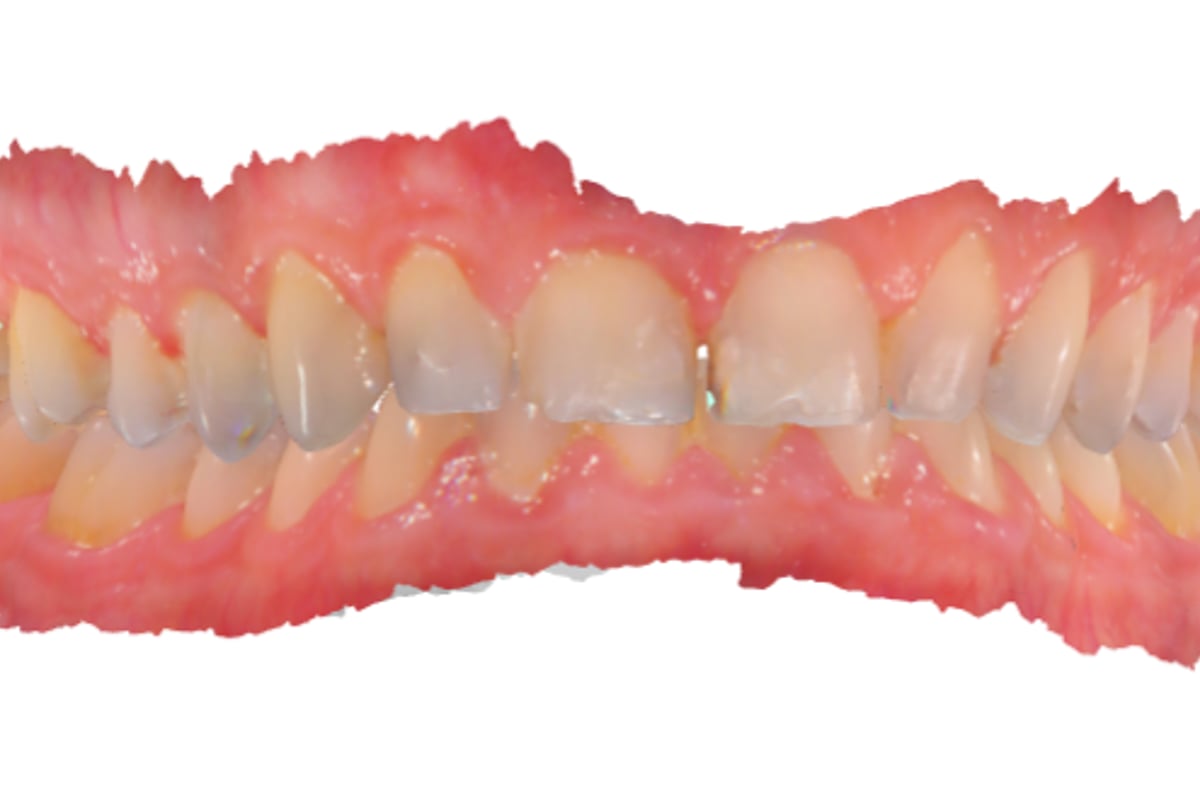
When teeth have structural damage, discoloration, or shape concerns that orthodontics alone cannot address, restorative options become essential. Nice smile dentistry employs materials and techniques that mimic natural tooth structure in both appearance and function.
Porcelain veneers and dental crowns represent two primary restorative solutions. Veneers work well for conservatively improving tooth color, shape, and minor alignment issues when minimal tooth reduction is possible. Crowns provide comprehensive coverage for teeth with more extensive damage or structural compromise.
The key to successful restorative work lies in conservative preparation, precise shade matching, and attention to natural tooth characteristics like translucency, surface texture, and subtle color variations. High-quality laboratory work combined with skilled clinical execution produces restorations that blend seamlessly with natural teeth.
The Role of Advanced Technology
Digital Imaging and Planning
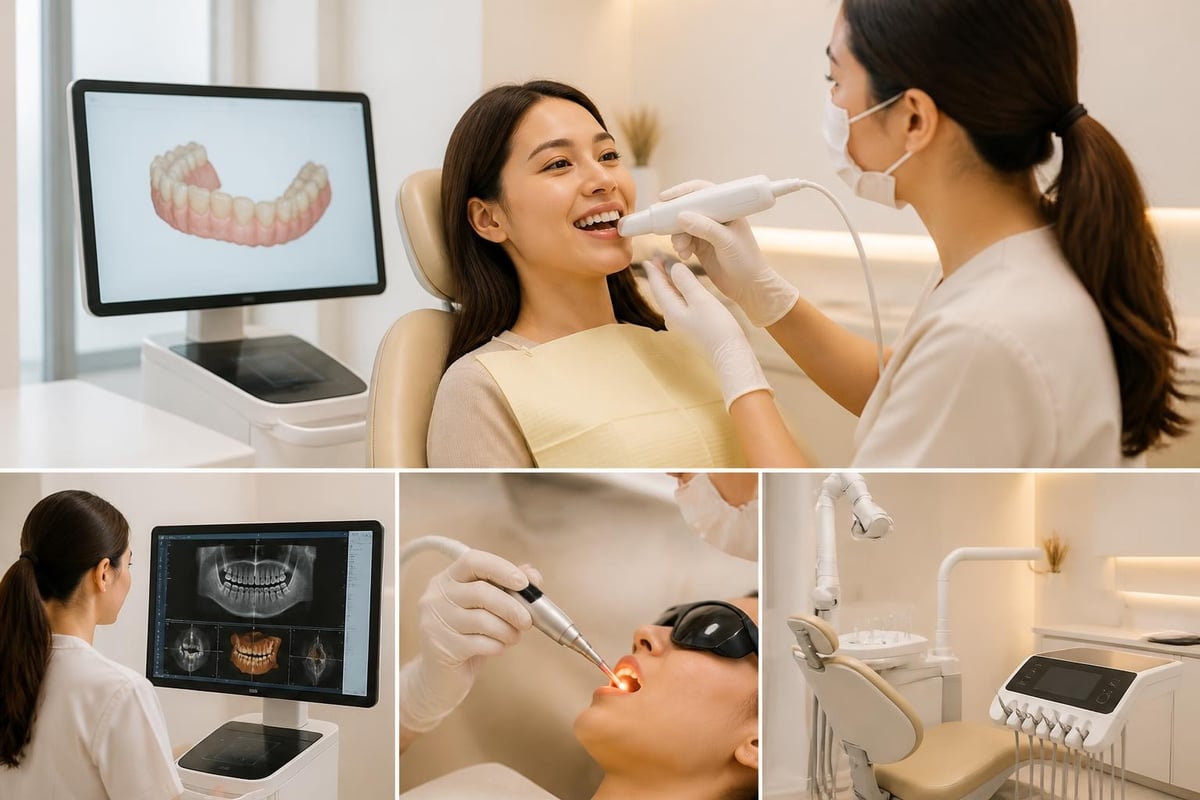
Three-dimensional imaging technology has transformed treatment planning accuracy. CBCT scans reveal bone structure, root positions, sinus locations, and airway anatomy-information critical for dental implant planning and complex restorative cases.
Intraoral scanners capture precise digital impressions without traditional impression materials, improving patient comfort while providing highly accurate data for laboratory fabrication. These digital workflows reduce errors, improve fit, and often shorten treatment timelines.
Laser Dentistry Applications
Laser technology offers precise, minimally invasive options for soft tissue procedures, cavity preparation, and periodontal treatments. Dental lasers can reshape gum tissue with minimal bleeding and faster healing, making them valuable for crown lengthening procedures or gum recontouring that improves smile aesthetics.
The precision of laser dentistry supports conservative treatment approaches-removing only diseased tissue or damaged tooth structure while preserving maximum healthy tooth and gum tissue.
Teeth Whitening: Science and Expectations
Tooth whitening remains one of the most requested cosmetic dental procedures. Nice smile dentistry approaches whitening with realistic expectations grounded in clinical evidence.
Professional whitening options include in-office treatments using higher-concentration bleaching agents and custom take-home systems with lower concentrations applied over longer periods. Recent research comparing different whitening approaches demonstrates that both methods can achieve significant color improvement, though patient satisfaction often depends on pre-treatment expectations and communication.
Important whitening considerations:
- Existing restorations: Crowns, veneers, and fillings don't respond to bleaching agents
- Tooth sensitivity: Temporary sensitivity is common but usually manageable
- Shade limitations: Natural tooth structure has inherent limits to how light it can become
- Maintenance requirements: Whitening results gradually fade without touch-up treatments
- Cause of discoloration: Intrinsic stains respond differently than extrinsic surface stains
Combining professional assessment with appropriate whitening methods produces the best outcomes while minimizing adverse effects.
Smile Design Principles
Facial Harmony and Proportion
Nice smile dentistry considers how teeth relate to lips, facial features, and overall facial proportions. The smile design process evaluates tooth size relative to facial width, how much tooth shows during smiling and speaking, and how the smile line follows the lower lip contour.
Classical aesthetic principles guide these assessments, but individual variation and personal preferences matter significantly. What looks balanced and attractive varies across different face shapes, ethnic backgrounds, and age groups.
Natural Tooth Characteristics
Creating natural-looking restorations requires understanding tooth anatomy beyond simple color matching. Natural teeth exhibit:
- Translucency variations: Incisal edges appear more translucent than middle and gingival areas
- Surface texture: Subtle vertical striations and texture variations reflect light naturally
- Color gradients: Teeth often show slight color changes from gum line to biting edge
- Dimensional differences: Teeth have varying widths, lengths, and subtle rotations
- Age-appropriate characteristics: Younger teeth typically appear longer and more rounded; mature teeth may show wear patterns
Attention to these details differentiates good cosmetic work from excellent results that look genuinely natural.
Addressing Functional Concerns
Bite Relationship and TMJ Health
A beautiful smile that causes jaw pain or functional problems represents incomplete treatment. Nice smile dentistry evaluates how teeth come together, jaw muscle health, and temporomandibular joint function. Changes in tooth position, height, or contours can affect bite relationships and potentially contribute to TMJ discomfort if not carefully managed.
Dentists assess occlusion (how teeth contact during biting and chewing), jaw movement patterns, and any signs of parafunctional habits like teeth grinding or clenching. Addressing these functional aspects protects both natural teeth and any restorative work while preventing future problems.
Long-Term Stability
Sustainable results require consideration of forces, wear patterns, and biological responses over time. Treatment planning includes:
- Material selection appropriate for biting forces and location in the mouth
- Retention strategies for orthodontic movements
- Periodontal health maintenance to support restorations
- Protective appliances when needed for bruxism or heavy grinding
- Regular monitoring and maintenance protocols
This forward-thinking approach helps aesthetic improvements last years rather than requiring frequent repairs or replacements.
Ethical Considerations in Aesthetic Dentistry
The intersection of healthcare and aesthetics raises important ethical questions. Research exploring ethical challenges in aesthetic dentistry reveals tensions between patient autonomy, commercial pressures, and professional responsibility.
Responsible nice smile dentistry involves honest communication about what treatments can realistically achieve, alternatives to more invasive procedures, and respecting when patients' desires might not align with their oral health needs. Systematic reviews of ethical issues emphasize the importance of avoiding overtreatment, managing conflicts of interest, and prioritizing patient welfare over profit.
Ethical practice principles include:
- Presenting conservative treatment options before more aggressive approaches
- Clear communication about risks, benefits, and alternatives
- Respecting patient decision-making without coercion
- Avoiding fear-based marketing or unrealistic outcome promises
- Recommending treatment based on clinical need, not financial incentive
These standards protect patients and maintain the integrity of dental practice.
The Consultation Process
Initial Assessment
A thorough nice smile dentistry consultation begins with listening. Understanding what concerns patients most about their smile-whether appearance, function, discomfort, or confidence-guides appropriate treatment recommendations.
The clinical examination evaluates tooth health, gum condition, bite relationships, existing restorations, and any signs of dental disease. Diagnostic records including photographs, digital scans, and radiographs provide detailed information for treatment planning.
Collaborative Treatment Planning
Modern dental care recognizes patients as active participants in their treatment decisions. After clinical assessment, dentists present findings, explain various treatment options, and discuss pros and cons of different approaches.
This collaborative process helps patients understand:
- Current oral health status and any concerns requiring attention
- How different treatment options address their specific goals
- Expected timelines, number of appointments, and healing periods
- Care requirements and long-term maintenance needs
- Realistic outcome expectations based on their individual situation
Transparent communication builds trust and helps patients make informed decisions aligned with their values and priorities.
Maintaining Your Results
Professional Maintenance
Even excellent dental work requires ongoing care. Regular professional cleanings remove plaque and calculus that can compromise gum health around restorations. Periodic examinations catch small problems before they become significant-like checking margins on crowns, assessing gum tissue health, and monitoring bite relationships.
Most dental professionals recommend cleanings every six months, though some patients with periodontal concerns or high cavity risk may benefit from more frequent visits.
Home Care Strategies
Daily oral hygiene practices form the foundation of long-term smile health. Effective home care includes:
- Brushing twice daily with fluoride toothpaste and proper technique
- Daily flossing or interdental cleaning to remove plaque between teeth
- Using antimicrobial rinses when recommended for specific conditions
- Avoiding habits that damage teeth (ice chewing, using teeth as tools)
- Protecting teeth during sports or if grinding occurs at night
Consistent home care extends the life of natural teeth and any restorative work while maintaining the fresh, healthy appearance patients desire.
When to Seek Nice Smile Dentistry
Common Concerns Addressed
Patients seek nice smile dentistry for various reasons. Some have specific aesthetic concerns like tooth discoloration, chips, gaps, or misalignment. Others experience functional problems-difficulty chewing, jaw discomfort, or worn teeth-that also affect appearance.
Many people simply feel self-conscious about their smile without identifying one particular problem. A comprehensive evaluation often reveals multiple small factors that collectively impact smile aesthetics and function.
Age Considerations
Nice smile dentistry benefits patients across age groups, though treatment approaches may differ. Younger adults often focus on alignment correction and preventive care. Middle-aged patients might address wear, discoloration, or failing older restorations. Older adults may need more extensive restorative work combined with aesthetic improvements.
The key lies in age-appropriate treatment that respects both aesthetic goals and long-term oral health considerations at each life stage.
Finding the Right Dental Partner
Selecting a dentist for nice smile dentistry requires consideration of several factors. Look for practitioners with advanced training in cosmetic and restorative procedures, investment in modern technology, and a portfolio demonstrating natural-looking results.
Equally important is the practice philosophy. Does the dentist emphasize conservative treatment? Do they take time to explain options thoroughly? Are they transparent about limitations and realistic outcomes? The right dental partner combines clinical skill with honest communication and genuine concern for patient wellbeing.
At CuraSmile PH, the approach to smile enhancement integrates comprehensive assessment, advanced diagnostic technology, and personalized treatment planning focused on both aesthetics and long-term oral health.
Beyond the Treatment Chair
Lifestyle Factors
Smile health extends beyond dental procedures. Diet affects tooth enamel and cavity risk. Smoking stains teeth and compromises gum health. Stress contributes to teeth grinding. Sleep quality relates to jaw muscle tension and TMJ function.
Nice smile dentistry acknowledges these connections, often incorporating lifestyle discussions into treatment planning. Addressing contributing factors improves treatment outcomes and supports long-term results.
Psychological Impact
The relationship between smile confidence and quality of life receives increasing attention in dental research. People who feel self-conscious about their teeth may avoid smiling in photos, limit social interactions, or experience reduced professional confidence.
While cosmetic improvements alone don't solve deeper psychological concerns, addressing legitimate dental issues that cause self-consciousness can remove barriers to fuller engagement in life. The goal isn't perfection-it's helping patients feel comfortable and confident in their own smile.
The Future of Nice Smile Dentistry
Emerging technologies continue reshaping what's possible in dental care. Artificial intelligence applications assist with treatment planning, outcome prediction, and even automated smile design proposals. 3D printing enables same-day restorations in some cases. Biomimetic materials increasingly replicate natural tooth properties.
These advances promise more precise, efficient, and minimally invasive treatments. However, technology serves as a tool-the art and science of dentistry still require skilled clinicians who understand biology, function, aesthetics, and individual patient needs.
The most significant trend involves truly personalized care that considers each patient's unique anatomy, health history, aesthetic preferences, and long-term goals rather than applying one-size-fits-all solutions.
Nice smile dentistry represents a comprehensive, evidence-based approach to achieving healthy, confident smiles through the integration of preventive care, advanced technology, and personalized aesthetic treatment. Whether you're addressing specific concerns or seeking a complete smile transformation, the right dental partner combines clinical expertise with a commitment to natural-looking results and long-term oral health. CuraSmile PH offers advanced dental care in Bonifacio Global City, helping patients throughout Taguig achieve healthier teeth, improved function, and the confident smile they deserve through personalized, technology-enhanced treatment approaches.