Jaw Locking: Causes, Symptoms & Treatment Options
Learn about jaw locking, its causes (TMJ disorders, disc displacement, trismus), symptoms, and effective treatment options available in BGC.
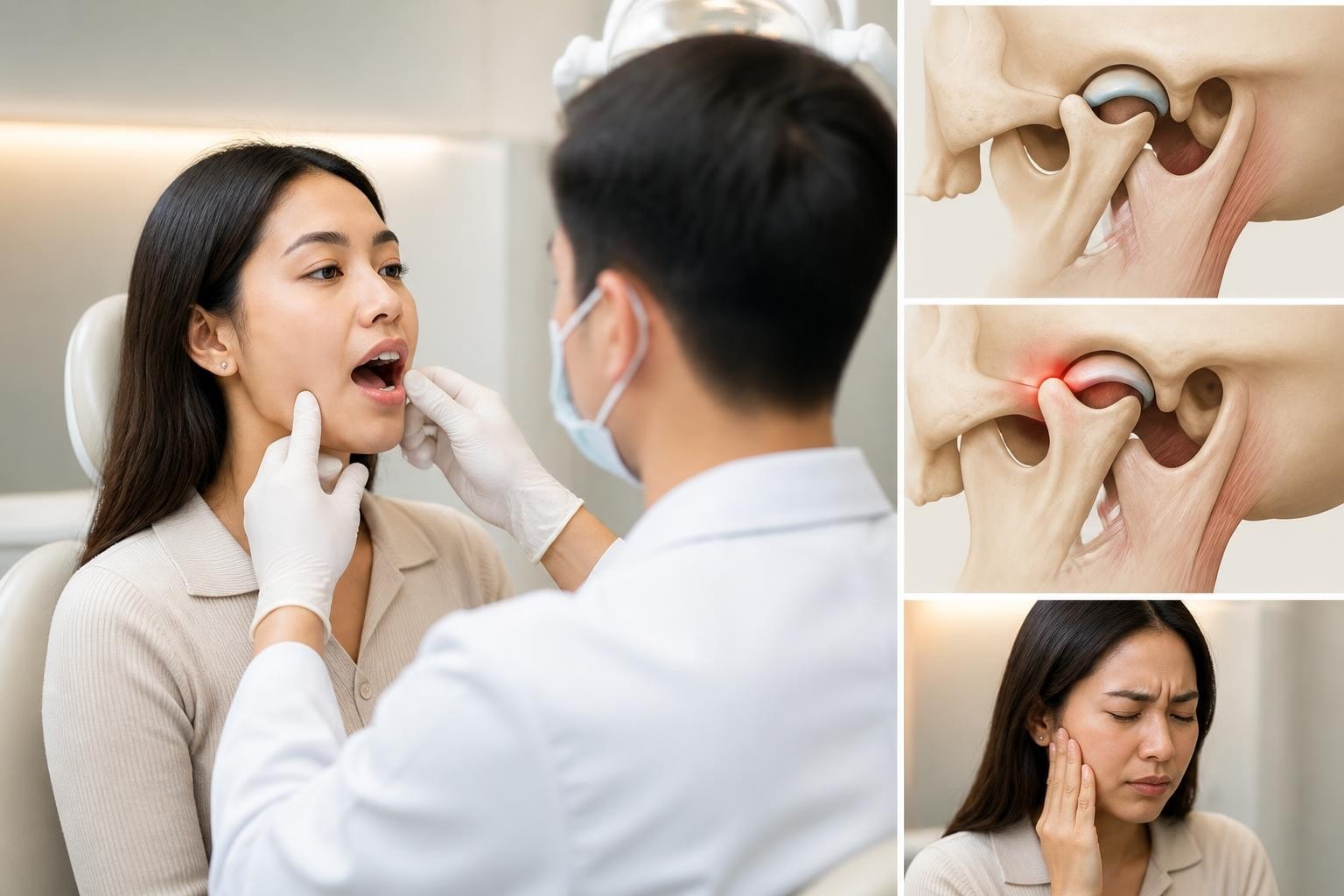
Experiencing sudden difficulty opening or closing your mouth can be alarming. Jaw locking is a symptom that affects many people at some point in their lives, ranging from a temporary inconvenience to a persistent problem that interferes with eating, speaking, and daily comfort. Understanding what causes your jaw to lock, recognizing the different types of locking, and knowing when to seek professional evaluation are essential steps toward relief and restored function.
Understanding Jaw Locking and Its Mechanisms
Jaw locking refers to the inability to move the mandible (lower jaw) normally, either because you cannot open your mouth fully or, less commonly, cannot close it. This restriction can happen suddenly or develop gradually over time.
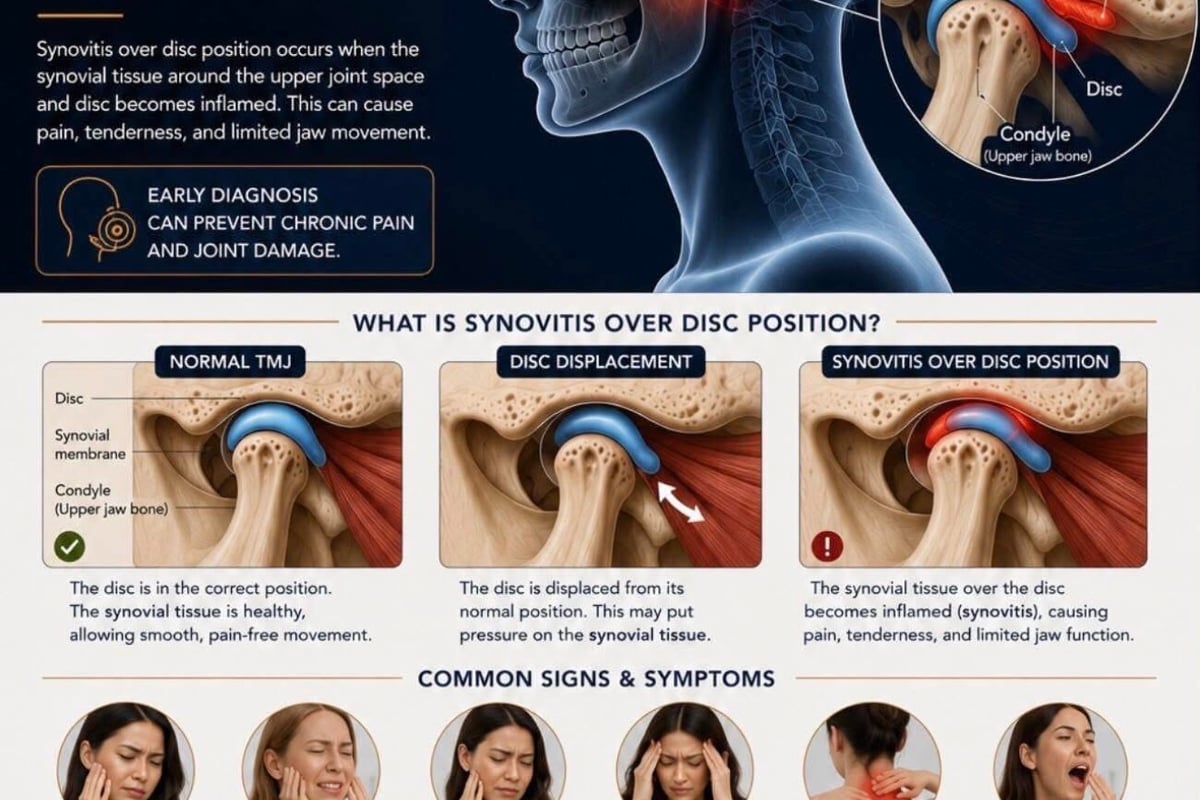
The temporomandibular joint (TMJ) is one of the most complex joints in your body. It functions as both a hinge and a sliding joint, allowing your jaw to open, close, and move side to side. Between the bones of this joint sits a small disc of cartilage that acts as a cushion and allows smooth movement. When this disc becomes displaced or when muscles surrounding the joint go into spasm, jaw locking can occur.
Two Primary Types of Jaw Locking
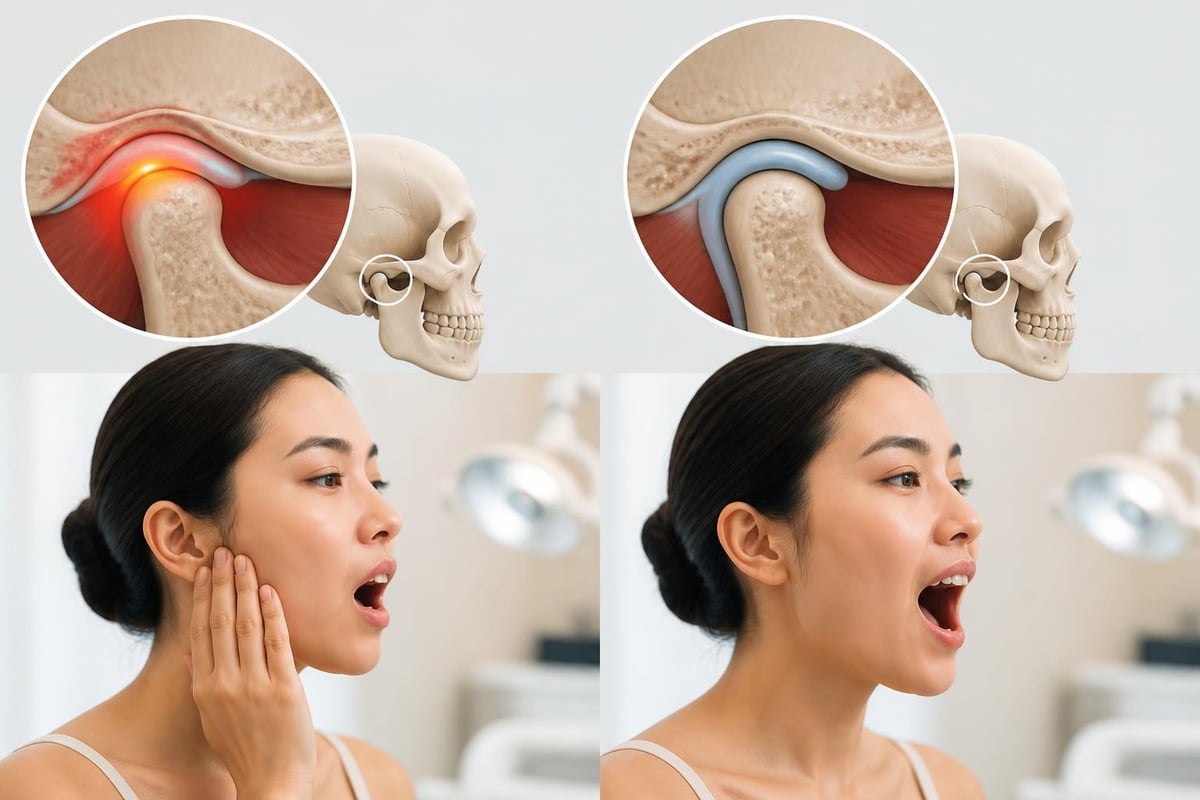
Closed lock is the most common form. Your jaw gets stuck in a partially closed position, limiting how wide you can open your mouth. This typically results from anterior disc displacement without reduction, where the cartilage disc slips forward and blocks normal jaw movement. TMJ disc displacement is a well-documented cause of mechanical jaw restriction.
Open lock, though less frequent, occurs when your jaw becomes stuck in an open position and you cannot close your mouth. This usually involves mandibular dislocation, where the jaw joint slips too far forward out of its normal position. Mandibular dislocation requires different management approaches than closed lock conditions.
Common Causes of Jaw Locking
Multiple factors can contribute to jaw locking, and many patients experience a combination of causes rather than a single isolated issue.
| Cause Category | Specific Conditions | Primary Mechanism |
|---|---|---|
| Internal Joint Derangement | Disc displacement, structural changes | Mechanical obstruction |
| Muscular Issues | Trismus, muscle spasm, myofascial pain | Protective muscle guarding |
| Inflammatory Conditions | Arthritis, synovitis, infection | Joint inflammation and swelling |
| Trauma | Direct jaw injury, whiplash, chronic microtrauma | Structural damage or displacement |
| Iatrogenic Factors | Post-surgical, prolonged mouth opening | Muscle or joint strain |
TMJ Disorders and Internal Derangement
Temporomandibular joint disorders represent the most frequent cause of jaw locking in adult patients. When the articular disc that normally cushions the joint becomes displaced anteriorly (forward), it can block the normal translation of the jaw during opening. Initially, you might hear or feel a click as the jaw opens and the condyle (rounded end of your jawbone) moves past the displaced disc. Over time, the disc may stay displaced, creating a mechanical barrier that prevents full opening.
Comprehensive TMJ & Orofacial Pain Management involves careful assessment of joint function, imaging when appropriate, and personalized treatment planning. Understanding the specific nature of your jaw restriction helps guide the most effective therapeutic approach.
Muscle-Related Jaw Locking (Trismus)
Trismus refers to restricted jaw opening caused by muscle spasm or tonic muscle contraction rather than mechanical joint problems. Multiple causes can lead to trismus, including dental infections, post-surgical inflammation, radiation therapy, or reflex muscle guarding following injury.
Unlike disc displacement, trismus typically produces a firm, rubbery resistance when attempting to open the mouth, without the clicking or catching sensations associated with internal derangement. The muscles of mastication (chewing muscles) remain in a contracted state, limiting movement in all directions.
Acute Trauma and Injury
Direct impact to the jaw, motor vehicle accidents, or sports injuries can cause immediate jaw locking through several mechanisms. Fractures may physically prevent normal movement, bleeding into the joint space can restrict motion, or protective muscle spasm may develop in response to pain.
Even chronic microtrauma from habits like teeth grinding (bruxism) or jaw clenching can gradually lead to joint changes that eventually result in locking episodes.
Recognizing the Symptoms and Warning Signs
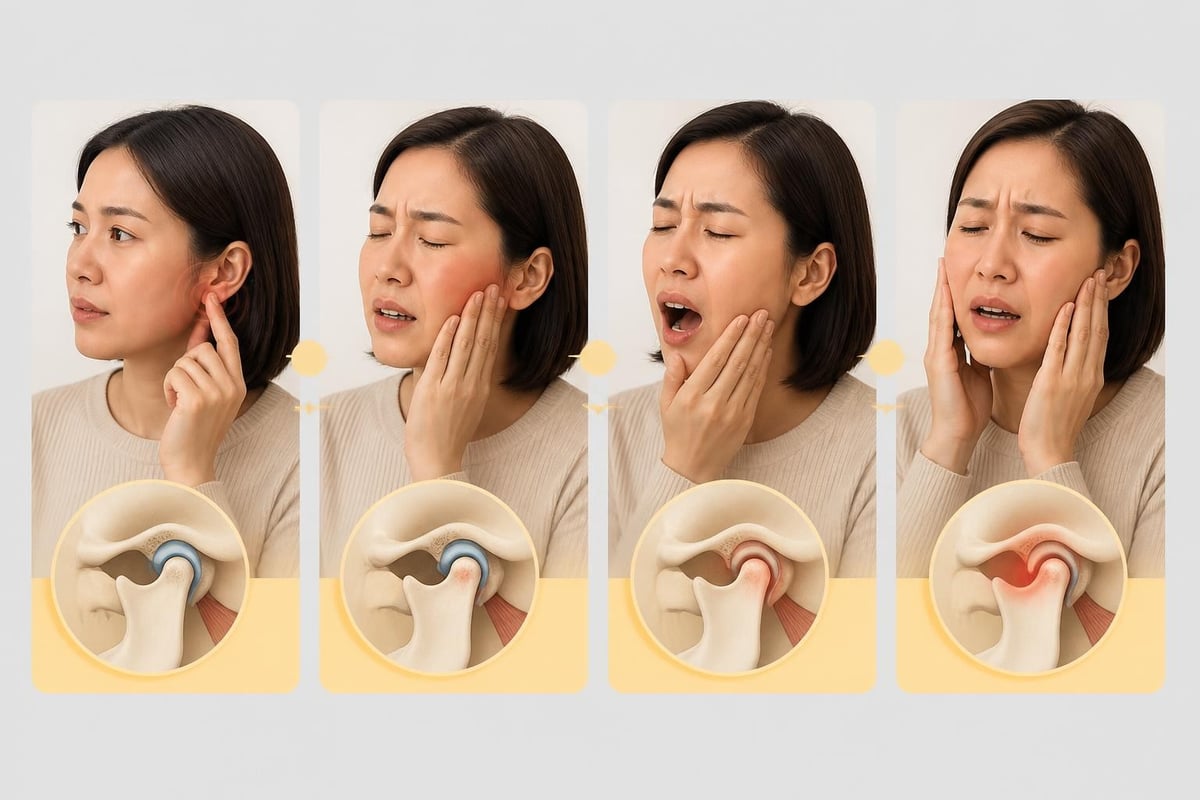
Jaw locking rarely appears without other accompanying symptoms. Being aware of these warning signs allows for earlier intervention before symptoms become severe.
Primary symptoms include:
- Inability to open your mouth more than one to two finger widths
- Jaw deviation to one side when attempting to open
- Sharp pain near the ear or jaw joint
- Difficulty chewing or speaking normally
- Sensation of the jaw "catching" or "sticking"
Associated symptoms often present alongside locking:
- Chronic jaw pain or facial discomfort
- Frequent headaches, especially upon waking
- Clicking, popping, or grinding sounds in the jaw joint
- Ear fullness or ringing (tinnitus)
- Neck tension or shoulder pain
Diagnostic Approaches for Jaw Locking
Accurate diagnosis requires a thorough clinical evaluation combined with appropriate imaging when needed. The diagnostic process identifies not just whether jaw locking is present, but what specific structures or mechanisms are responsible.
Clinical Examination Components
A comprehensive jaw examination begins with measuring your maximum mouth opening. Normal comfortable opening typically ranges from 40 to 50 millimeters (measured between the edges of your upper and lower front teeth). Restricted opening less than 35 millimeters generally indicates a problem requiring attention.
Your dentist will assess joint sounds, evaluate how your jaw tracks during opening and closing, palpate the muscles of mastication for tenderness or spasm, and check for clicking or crepitus (grinding sensations) in the TMJ. Range of motion testing in all directions helps differentiate between muscular and mechanical restrictions.
Advanced Imaging When Appropriate
While many cases of jaw locking can be diagnosed clinically, imaging provides valuable information about joint structure and pathology. 3D CBCT imaging allows detailed visualization of the bony structures of the TMJ, revealing arthritic changes, structural abnormalities, or fractures that may contribute to locking.
Magnetic resonance imaging (MRI) remains the gold standard for evaluating soft tissues, particularly the articular disc. MRI can confirm disc displacement, identify inflammatory changes, and assess other soft tissue pathology not visible on standard radiographs or CBCT scans.
Treatment Options for Different Types of Jaw Locking
Treatment strategies must match the underlying cause and severity of your specific condition. Most jaw locking responds well to conservative approaches, though some cases require more advanced intervention.
Conservative Initial Management
For acute episodes of jaw locking, initial treatment focuses on reducing inflammation, relaxing muscles, and restoring gentle mobility:
Immediate care measures:
- Apply moist heat to the affected side for 15-20 minutes several times daily
- Limit jaw movement and switch to a soft diet temporarily
- Take anti-inflammatory medications as directed
- Practice gentle jaw stretching exercises (after acute pain subsides)
- Avoid wide opening, hard foods, and excessive chewing
Many patients find significant relief from conservative TMJ treatment approaches including self-care strategies and professional guidance.
Occlusal Appliance Therapy
Custom-fabricated oral appliances serve multiple therapeutic purposes for jaw locking. A properly designed stabilization splint repositions the jaw to reduce stress on the TMJ, prevents harmful tooth grinding that can worsen symptoms, and allows inflamed joint tissues to heal.
Unlike over-the-counter mouthguards, professionally designed appliances are calibrated to your specific bite, jaw position, and therapeutic needs. Appliance therapy works best when combined with other treatments and requires periodic adjustment as symptoms improve.
Physical Therapy and Jaw Exercises
Targeted physical therapy plays an essential role in restoring normal jaw function. Physiotherapy interventions have demonstrated effectiveness for TMJ rehabilitation and improving mouth opening.
Effective therapeutic exercises include:
- Gentle passive stretching to gradually increase opening range
- Strengthening exercises for weakened jaw muscles
- Coordination training to improve jaw tracking
- Postural correction to reduce strain on the jaw and neck
- Manual therapy techniques to release tight muscles
Medications and Injections
Short-term medication can help manage acute jaw locking episodes. Muscle relaxants reduce spasm in cases of trismus, anti-inflammatory medications decrease joint inflammation, and appropriate pain management allows you to participate more comfortably in physical therapy.
For persistent muscle-related locking, trigger point injections or other interventional approaches may provide relief when conservative measures prove insufficient. These treatments should complement rather than replace other therapeutic strategies.
When to Seek Professional Evaluation
While minor episodes of jaw catching or temporary stiffness may resolve on their own, certain situations warrant prompt professional assessment at a clinic experienced in orofacial pain and TMJ management.
Seek evaluation if you experience:
- Jaw locking that persists more than 48 hours despite home care
- Inability to open your mouth wide enough to eat normally
- Progressively worsening restriction over time
- Severe pain accompanying the locking
- History of trauma followed by jaw dysfunction
- Locking episodes that occur frequently or unpredictably
Early intervention generally leads to better outcomes and may prevent progression to chronic dysfunction. What begins as occasional jaw catching can evolve into persistent restricted opening if underlying causes remain unaddressed.
Long-Term Management and Prevention Strategies
Successfully managing jaw locking often requires ongoing attention to contributing factors and protective strategies that reduce the risk of recurrence.
Lifestyle Modifications
Simple daily habits significantly impact jaw health:
Protective behaviors to adopt:
- Maintain good posture, especially when working at a computer
- Avoid resting your chin in your hand
- Cut food into smaller pieces rather than taking large bites
- Yawn gently with hand support under your chin
- Manage stress through appropriate outlets (stress increases jaw tension)
- Stay well-hydrated to support joint lubrication
Addressing Contributing Dental Factors
Bite problems, missing teeth, or poorly fitting dental work can contribute to abnormal jaw mechanics that increase locking risk. Comprehensive dental evaluation identifies these factors. In some cases, orthodontic treatment may improve jaw alignment and reduce TMJ stress. Clear aligners and orthodontic approaches can address underlying bite issues that contribute to jaw dysfunction.
Monitoring and Maintenance Care
Even after successful treatment of jaw locking, periodic monitoring helps ensure lasting results. Regular dental check-ups allow early detection of recurring symptoms before they progress. Maintaining therapeutic exercises even after symptoms resolve strengthens the jaw system and builds resilience against future problems.
Preventing Jaw Locking Episodes
| Prevention Strategy | How It Helps | Implementation Tips |
|---|---|---|
| Stress Management | Reduces unconscious clenching and grinding | Practice relaxation techniques, adequate sleep, regular exercise |
| Proper Ergonomics | Minimizes neck and jaw strain | Adjust workstation height, use proper pillow support |
| Dietary Awareness | Reduces excessive jaw loading | Avoid hard/chewy foods during vulnerable periods |
| Regular Movement | Maintains joint mobility and muscle balance | Gentle daily jaw stretches, neck mobility exercises |
| Professional Maintenance | Catches problems early | Annual TMJ screening, appliance adjustments as needed |
Understanding your specific triggers helps you develop personalized prevention strategies. Some people notice jaw symptoms worsen during stressful periods, while others identify specific activities (like extended phone conversations or particular sleeping positions) that increase their risk.
The Role of Comprehensive Assessment
No two cases of jaw locking are identical. What works effectively for one patient may not address another's underlying issues. This is why comprehensive, individualized assessment forms the foundation of successful treatment.
A thorough evaluation considers your complete medical and dental history, examines the full range of possible contributing factors, and develops a personalized treatment plan matched to your specific diagnosis and circumstances. Modern dental practices in BGC combine advanced diagnostic technology with evidence-based treatment approaches to address complex jaw problems effectively.
Advanced Treatment Options When Conservative Care Is Insufficient
While the majority of jaw locking cases respond well to conservative treatment, some patients require more advanced intervention. Arthrocentesis (joint lavage) can help in certain disc displacement cases, while minimally invasive arthroscopic surgery may address structural joint problems. Open joint surgery is reserved for severe cases involving significant structural damage or advanced degenerative changes.
These advanced options become consideration only after conservative treatment has been given adequate trial and when imaging confirms specific structural pathology amenable to surgical correction. The decision to pursue invasive treatment requires careful discussion of risks, benefits, and realistic outcome expectations.
Jaw locking affects quality of life through its impact on essential daily functions, but effective solutions exist. Whether your symptoms stem from disc displacement, muscle spasm, or other causes, accurate diagnosis and appropriate treatment can restore comfortable jaw function.
If you're experiencing jaw locking or other TMJ symptoms, professional evaluation can identify the specific causes affecting you and develop an effective treatment plan. At CuraSmile PH in Bonifacio Global City, our team combines advanced diagnostic capabilities with evidence-based TMJ management to help you achieve lasting relief and restored jaw function. Schedule a comprehensive assessment to address your jaw concerns with personalized, expert care.