How Often Should You Get Your Teeth Cleaned?
Discover the ideal frequency for professional teeth cleaning based on your oral health needs, risk factors, and expert dental guidance.
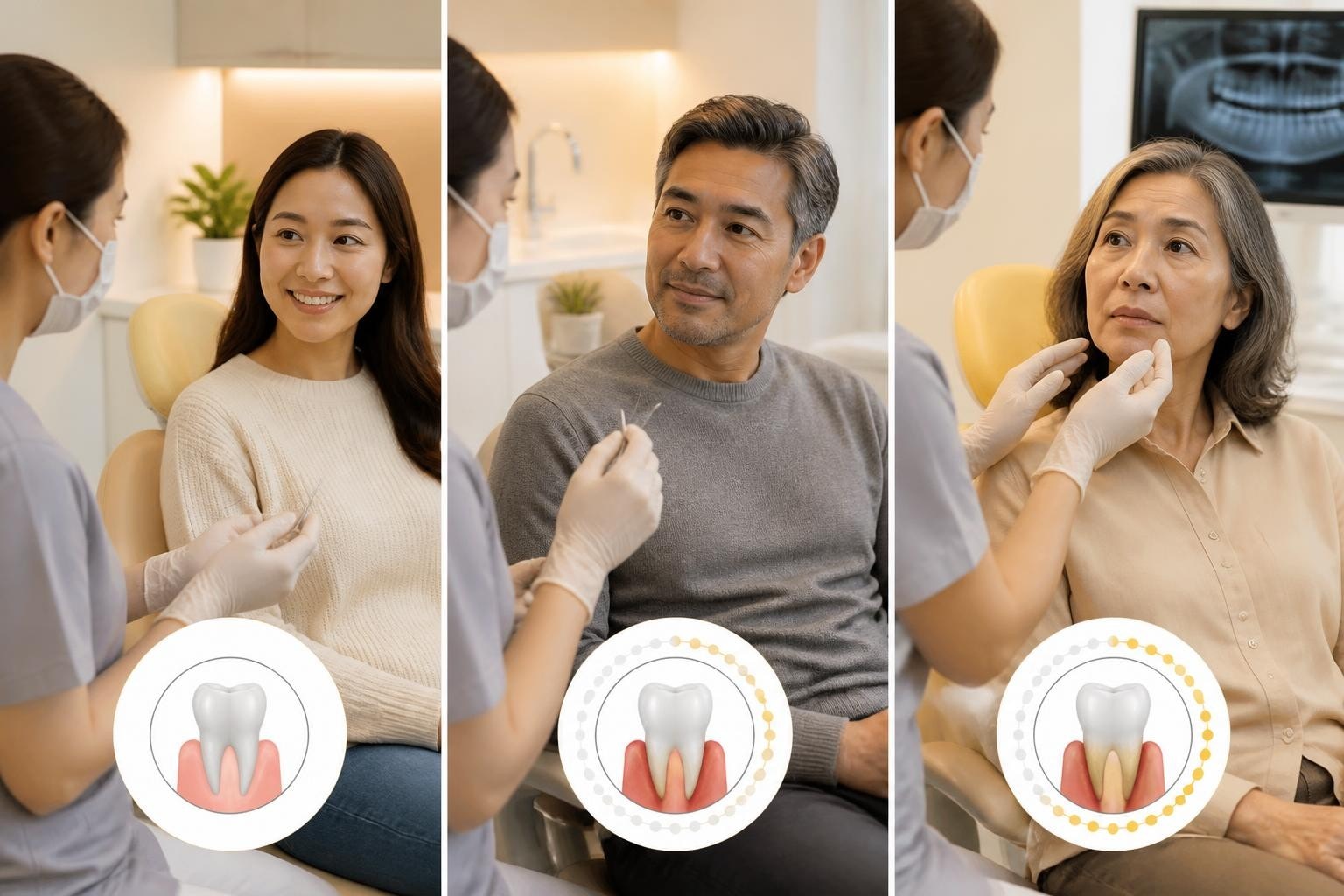
Regular professional teeth cleaning is essential for maintaining optimal oral health, yet many people wonder exactly how often they should schedule these appointments. While the traditional advice of twice-yearly cleanings is familiar to most, the evidence-based answer is more nuanced and personalized than you might expect. Understanding how often should you get your teeth cleaned depends on your individual oral health status, risk factors, and professional assessment rather than a one-size-fits-all schedule.
The Evidence Behind Dental Cleaning Frequency
The question of how often should you get your teeth cleaned has been studied extensively, and research shows that individualized recall intervals are often more effective than rigid six-month schedules. The INTERVAL randomized controlled trial compared risk-based, six-monthly, and 24-monthly dental recall intervals, finding that personalized scheduling based on oral health risk can be clinically effective and cost-efficient.
Modern dental care emphasizes risk-based assessment rather than universal recommendations. According to the American Dental Association, the ideal interval between professional cleanings varies from person to person depending on oral health status, disease risk, and individual factors.
Understanding Risk-Based Recall Intervals
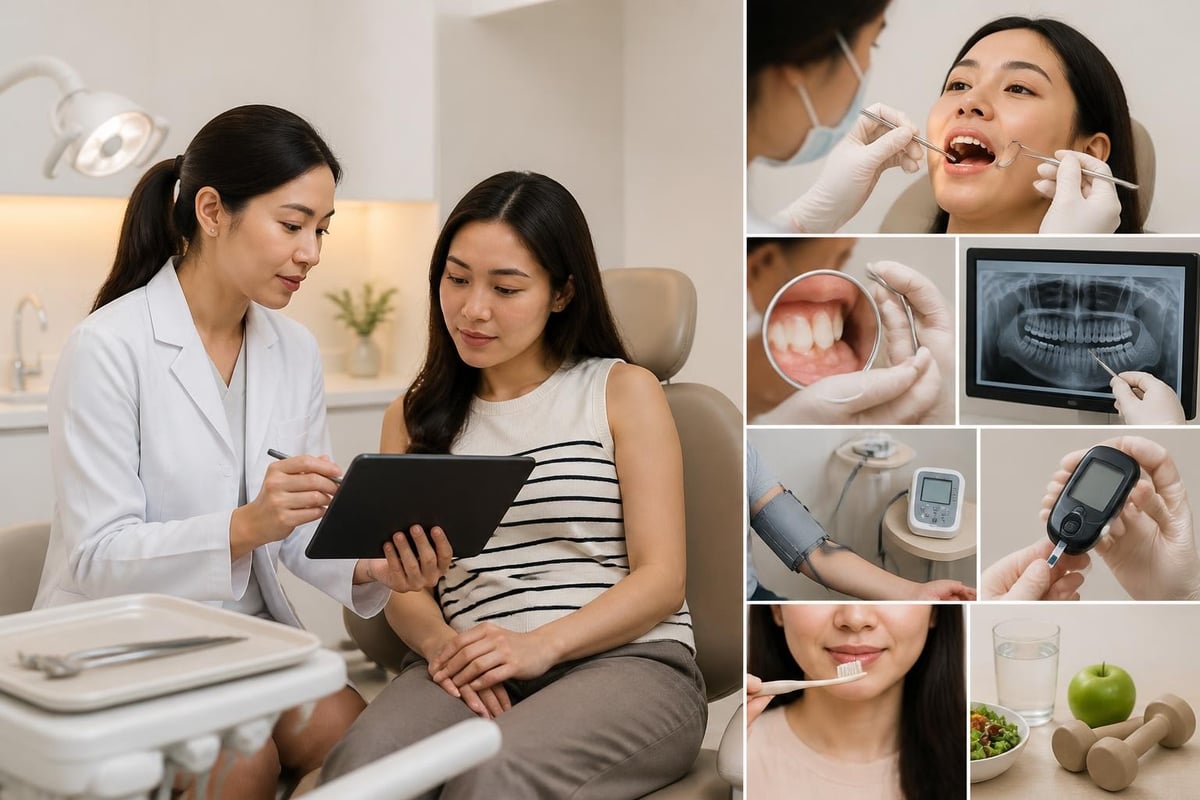
Your dentist evaluates multiple factors when determining your optimal cleaning schedule:
- Current oral health status (presence of cavities, gum disease, inflammation)
- Dental history (past decay patterns, periodontal treatment, tooth loss)
- Medical conditions (diabetes, autoimmune disorders, medications causing dry mouth)
- Behavioral factors (smoking, home care habits, dietary patterns)
- Age and life stage (childhood, pregnancy, aging-related changes)
These factors collectively determine whether you need cleanings every three months, six months, or potentially extending to 12 months for patients with excellent oral health and low risk.
Standard Recommendations for Healthy Adults
For patients with good oral health and low disease risk, professional cleaning every six months remains a reasonable baseline. This frequency allows your dental team to:
- Remove hardened plaque (calculus) that home brushing cannot eliminate
- Detect early signs of decay or gum disease before they progress
- Screen for oral cancer and other conditions
- Apply preventive treatments when appropriate
- Reinforce effective home care techniques
The NHS guidance on dental check-ups explains that recall intervals can range from three months to two years depending on oral health risk and clinical assessment. This flexible approach reflects modern evidence-based dentistry.
However, six months is not universal. Many patients with excellent oral health, minimal plaque accumulation, and no history of dental disease may safely extend intervals to 9-12 months. Conversely, others require more frequent visits.
When You Need More Frequent Cleanings
Certain conditions and risk factors indicate a need for more frequent professional care, often every three to four months. Understanding these situations helps answer how often should you get your teeth cleaned for your specific circumstances.
Periodontal (Gum) Disease
Patients with active or previously treated periodontal disease typically require more frequent maintenance. The American Academy of Periodontology explains that periodontal maintenance intervals are individualized, with most patients requiring visits every three to four months.
Why the shorter interval? Periodontal bacteria can repopulate pockets within 90 days, making quarterly cleanings essential for preventing disease recurrence and maintaining treatment results.
Additional High-Risk Conditions
| Condition | Typical Cleaning Frequency | Reason |
|---|---|---|
| Active cavities or high decay rate | 3-4 months | Early intervention, fluoride application, monitoring |
| Diabetes (especially poorly controlled) | 3-4 months | Increased infection risk, impaired healing |
| Immunocompromised status | 3-4 months | Reduced ability to fight oral bacteria |
| Dry mouth (xerostomia) | 3-4 months | Reduced natural cleaning, increased decay risk |
| Smoking or tobacco use | 3-4 months | Higher periodontal disease risk |
| Orthodontic treatment | 3-4 months | Plaque accumulation around brackets |
| Pregnancy | Per trimester or 3-4 months | Hormonal changes affecting gums |
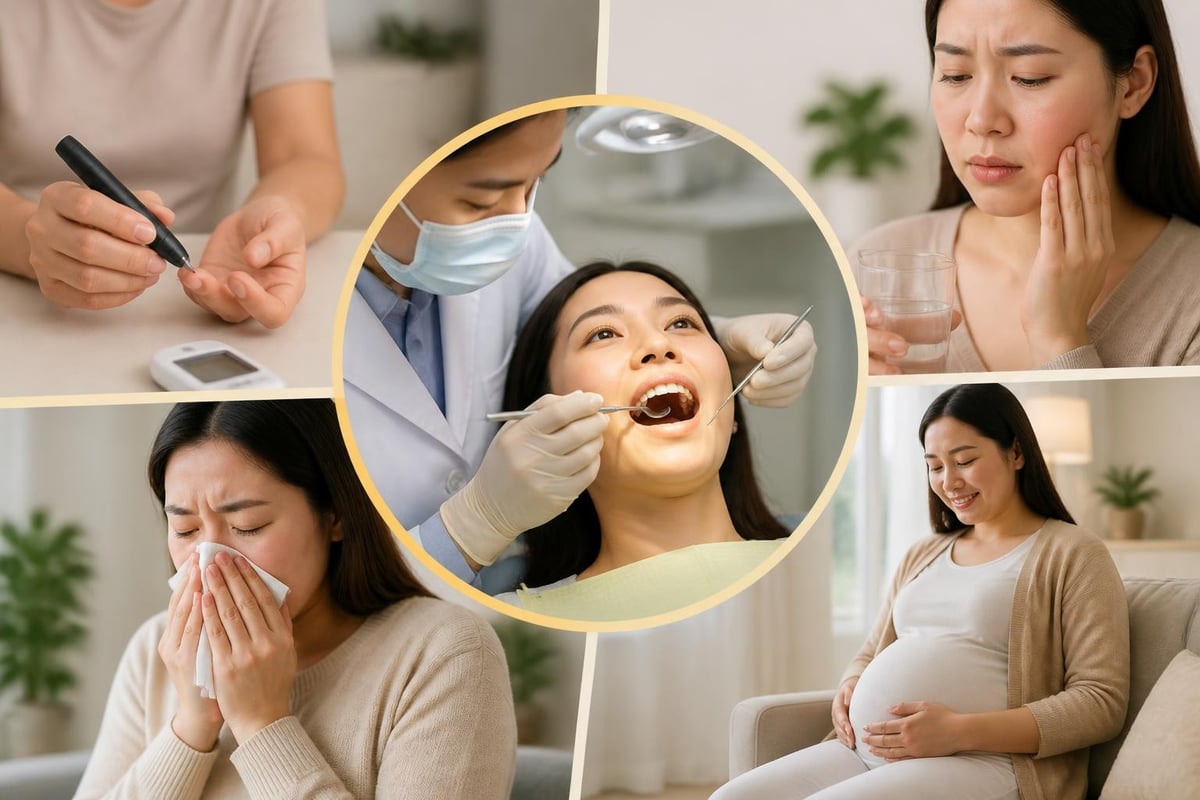
The NIH oral hygiene resource describes how factors like dry mouth, diabetes, and high cavity or gum disease risk increase the need for more frequent professional visits.
Individualized Assessment at CuraSmile PH
At CuraSmile PH in Bonifacio Global City, determining how often should you get your teeth cleaned begins with comprehensive assessment. During your preventive visit, the dental team evaluates:
- Plaque and calculus accumulation patterns using clinical examination
- Gingival health (bleeding, pocket depths, inflammation markers)
- Cavity risk based on history, diet, saliva quality, and current findings
- Overall oral condition including restorations, wear patterns, soft tissues
- Systemic health factors that influence oral disease risk
This thorough evaluation allows for evidence-based recommendations tailored to your specific needs. Some patients with excellent home care and low risk may safely space cleanings further apart, while others benefit from more frequent professional support.
Our teeth cleaning and hygiene services combine advanced technology with personalized care, ensuring that each patient receives the appropriate level of preventive attention based on clinical evidence rather than arbitrary schedules.

Special Considerations for Different Age Groups
How often should you get your teeth cleaned also varies across life stages, with specific considerations for children, adults, and older patients.
Children and Adolescents
Young patients establishing oral health habits typically benefit from:
- Initial visits every 6 months to build familiarity and monitor developing teeth
- More frequent visits (3-4 months) during high-risk periods such as eruption of permanent molars
- Educational focus on proper brushing, flossing, and dietary choices
- Preventive treatments including sealants and fluoride when appropriate
Adults in Peak Years
Working-age adults with established oral health patterns may have varied needs:
- Low-risk adults: 6-12 month intervals with stable oral health
- Moderate-risk adults: 4-6 month intervals with some disease history or risk factors
- High-risk adults: 3-4 month intervals with active disease or multiple risk factors
Older Adults
Aging brings specific considerations that often warrant closer monitoring:
Common factors affecting cleaning frequency:
- Medications causing dry mouth
- Chronic health conditions affecting immunity or healing
- Physical limitations affecting home care quality
- Gum recession exposing vulnerable root surfaces
- Complex dental work requiring maintenance
Many older adults benefit from more frequent professional cleanings, typically every three to six months, to compensate for age-related changes and maintain existing dental work.
The Role of Home Care in Cleaning Frequency
Your daily oral hygiene practices significantly influence how often should you get your teeth cleaned professionally. Excellent home care can extend safe intervals between cleanings, while inadequate home care necessitates more frequent professional intervention.
Essential daily practices include:
- Brushing twice daily with fluoride toothpaste for two minutes
- Daily flossing or interdental cleaning
- Using antimicrobial mouth rinse when recommended
- Maintaining balanced nutrition and limiting sugar frequency
- Staying hydrated to support saliva production
The Cochrane review on routine scale and polish examined the effects of different recall intervals and found that professional cleaning effectiveness depends significantly on patient-specific factors and home care quality.
Cost and Access Considerations
Practical factors also influence cleaning frequency decisions. Harvard Health's overview on dental health notes that while evidence supports individualized recall intervals, access to care and insurance coverage patterns also shape real-world scheduling.
Financial planning considerations:
| Scenario | Approach | Benefit |
|---|---|---|
| Insurance covers 2 cleanings/year | Schedule 6-month intervals, discuss additional visits if needed | Maximizes benefits while addressing risk |
| High periodontal maintenance need | Verify coverage for "periodontal maintenance" vs "prophylaxis" | Ensures appropriate coding and coverage |
| Limited insurance | Prioritize frequency based on clinical need | Focus resources where most beneficial |
| Out-of-pocket payment | Discuss risk-based scheduling with dentist | Optimize value and prevention |
Our team at CuraSmile PH works with patients to develop cleaning schedules that balance clinical needs with practical considerations, ensuring that preventive care remains accessible and effective.
Signs You May Need More Frequent Cleanings
Between scheduled visits, certain symptoms indicate a need to reassess how often should you get your teeth cleaned:
- Bleeding gums during brushing or flossing
- Persistent bad breath despite good home care
- Visible tartar buildup on teeth surfaces
- Gum swelling or tenderness
- Increased tooth sensitivity
- Changes in bite or tooth position
- Recurrent cavities despite preventive efforts
If you experience any of these signs, contact your dentist to evaluate whether more frequent professional cleaning and monitoring would benefit your oral health. In some cases, symptoms like persistent bad breath may indicate the need for specialized care beyond routine cleaning. Our Fresh Breath Assessment & Therapy program provides comprehensive evaluation and personalized treatment for patients concerned about halitosis.
What Happens During Professional Cleaning
Understanding the professional cleaning process helps clarify its value and why frequency matters. A thorough dental cleaning typically includes:
- Comprehensive examination of teeth, gums, and oral tissues
- Plaque and calculus removal using hand instruments and/or ultrasonic scalers
- Polishing to remove surface stains and create smooth tooth surfaces
- Flossing to clean between teeth and below the gumline
- Fluoride application when appropriate for cavity prevention
- Oral hygiene instruction personalized to your needs
Advanced technologies, such as those available through our laser dentistry services, can enhance cleaning effectiveness and comfort, particularly for patients with gum disease or sensitivity.
Making Your Decision: Working with Your Dental Team
Determining how often should you get your teeth cleaned is ultimately a collaborative decision between you and your dental team. The most effective approach involves:
Open communication about:
- Your oral health goals and concerns
- Any changes in medical status or medications
- Challenges with home care or dietary habits
- Budget or scheduling constraints
- Preferences for preventive versus reactive care
Regular reassessment as your oral health status changes over time
Flexibility to adjust intervals based on observed outcomes
At CuraSmile PH, we emphasize partnership in developing personalized preventive care plans. Our approach combines clinical expertise, advanced diagnostic technology, and evidence-based recommendations to determine the optimal cleaning frequency for each patient's unique situation.
Beyond the Six-Month Rule
The traditional six-month cleaning schedule serves as a useful starting point, but modern dentistry recognizes that optimal care requires individualization. How often should you get your teeth cleaned depends on your specific risk profile, oral health status, and preventive goals.
Key principles for determining your ideal schedule:
- Risk assessment should guide frequency, not arbitrary timelines
- Active disease requires more frequent professional care
- Excellent oral health may allow longer intervals safely
- Life changes (pregnancy, new medications, health conditions) warrant reassessment
- Professional guidance based on clinical findings trumps general recommendations
Whether you need cleanings every three months to manage periodontal disease, standard six-month intervals for maintenance, or potentially extended schedules based on low risk and excellent home care, the right frequency is the one that keeps your mouth healthy and prevents progressive disease.
Your optimal professional cleaning frequency is as individual as your smile, determined by your unique oral health needs, risk factors, and clinical assessment. At CuraSmile PH, our team in Bonifacio Global City combines comprehensive evaluation, advanced technology, and evidence-based care to develop personalized preventive schedules that maintain your oral health effectively. Whether you're due for your routine cleaning or wondering if your current schedule still fits your needs, we're here to provide the expert guidance and professional care you deserve.