Global Dental Care: Access, Equity & Health in 2026
Explore global dental care challenges, WHO strategies, access gaps, and how modern clinics support oral health equity worldwide in 2026.
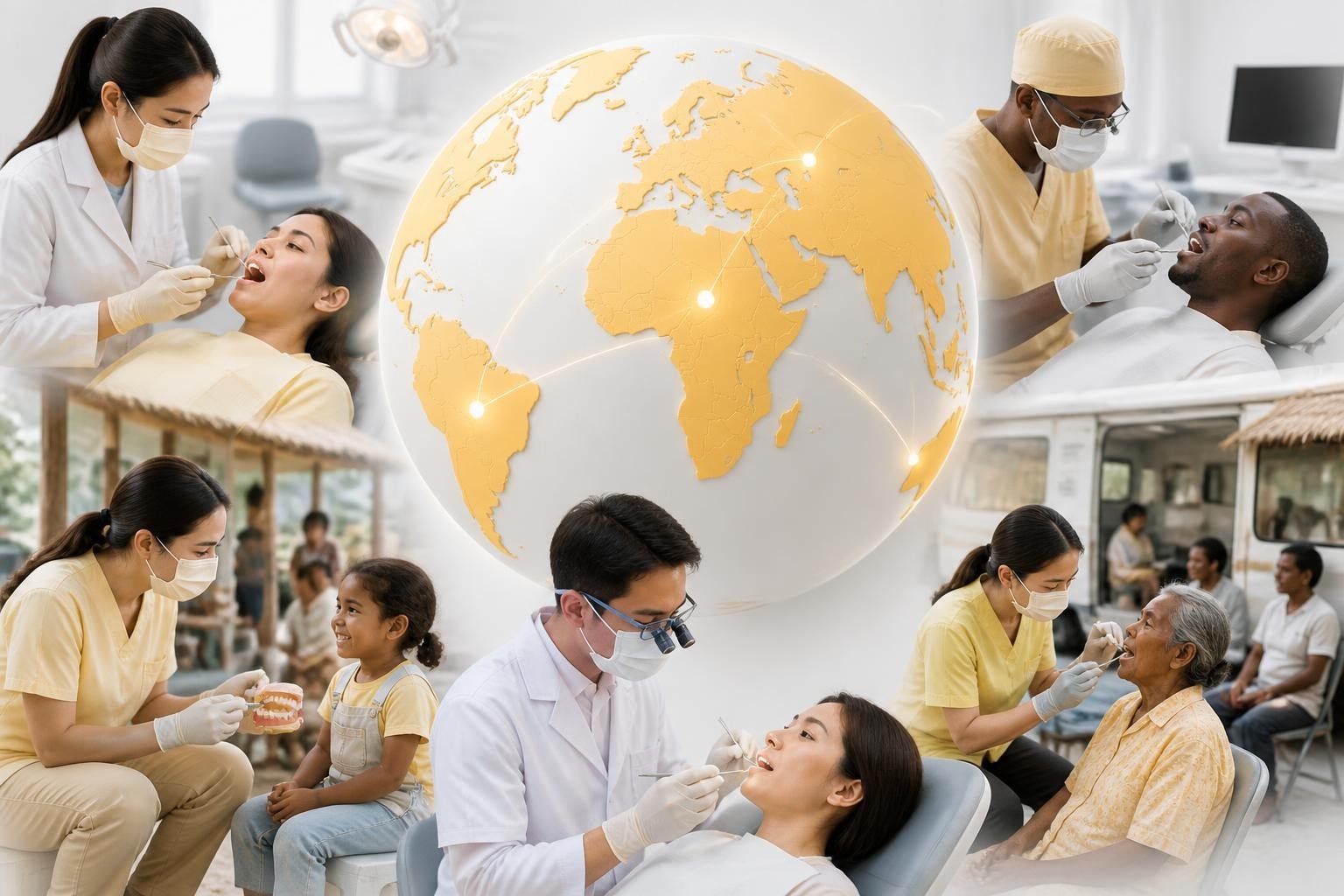
Oral health remains one of the most neglected areas of healthcare worldwide, despite affecting nearly 3.5 billion people globally. While dental disease is largely preventable, systemic barriers including cost, geography, workforce shortages, and fragmented health systems continue to create profound disparities in access to care. The evolving landscape of global dental care reflects both persistent challenges and promising innovations, from international policy frameworks to advanced clinical technologies that can improve outcomes when equitably distributed. Understanding these dynamics helps patients, practitioners, and policymakers recognize both the scale of unmet need and the pathways toward more inclusive, effective oral healthcare.
The Global Burden of Oral Disease
Untreated dental caries remains the most common noncommunicable disease worldwide, affecting approximately 2.5 billion people according to recent burden estimates. Severe periodontal disease impacts roughly 1 billion individuals, while oral cancers claim over 180,000 lives annually. These conditions cause pain, infection, functional impairment, and diminished quality of life, yet receive far less attention and funding compared to other chronic diseases.
The WHO Global strategy and action plan on oral health 2023–2030 establishes a comprehensive framework for integrating oral health into universal health coverage and noncommunicable disease agendas. This strategy emphasizes prevention, early intervention, and equitable access as foundational principles.
Social Determinants and Health Inequity
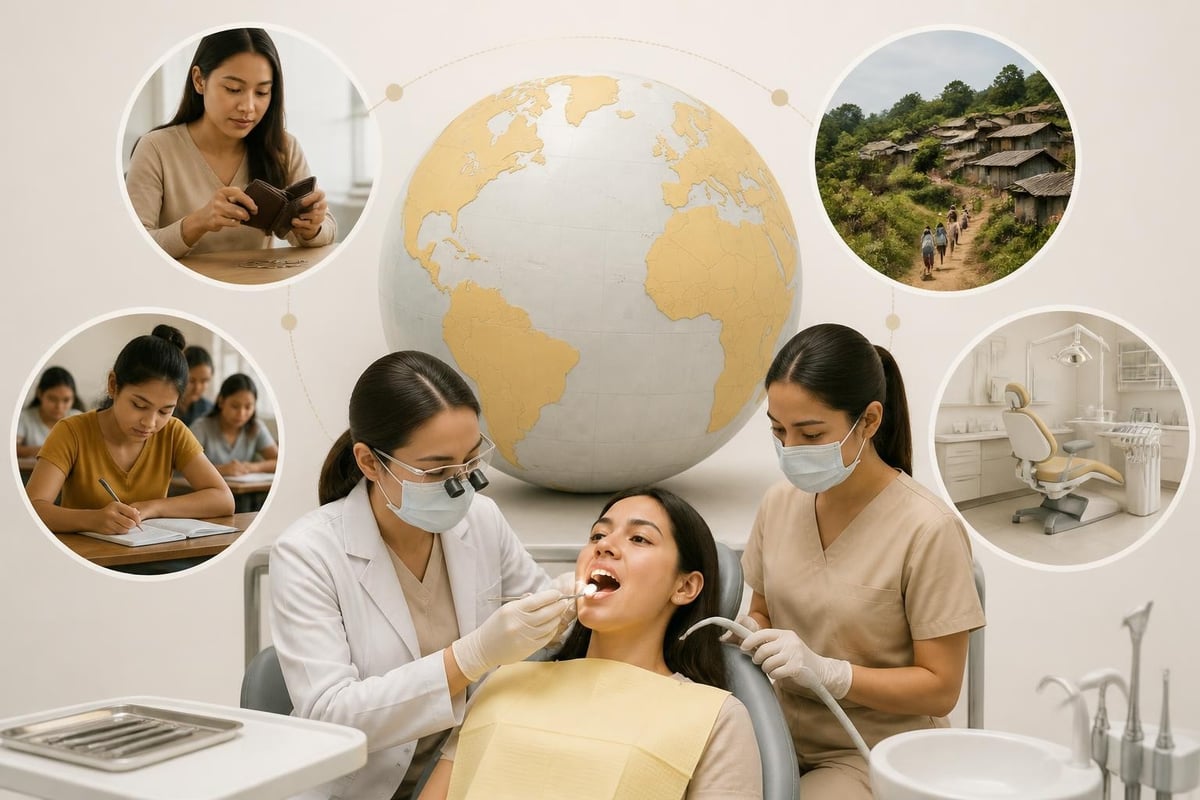
Global dental care access closely mirrors broader health inequities shaped by income, education, geography, and social determinants. Low- and middle-income countries bear a disproportionate disease burden, often with minimal resources allocated to oral health services. Even within high-income nations, vulnerable populations including rural communities, Indigenous peoples, and economically disadvantaged groups face significant barriers to timely, affordable care.
- Economic barriers: Out-of-pocket costs prevent millions from seeking preventive or restorative treatment
- Geographic disparities: Rural and remote areas often lack dental professionals and infrastructure
- Workforce shortages: Maldistribution of oral health workers concentrates expertise in urban, affluent regions
- Cultural and linguistic barriers: Limited culturally appropriate services reduce engagement and trust
Strategic Frameworks and Policy Priorities
The WHO fact sheet on oral health outlines key risk factors including high sugar consumption, tobacco use, harmful alcohol consumption, and poor hygiene practices. Addressing these requires multisectoral approaches that extend beyond clinical dentistry to include education, nutrition policy, and environmental interventions.
WHO Strategic Objectives Through 2030
| Strategic Objective | Key Actions | Expected Outcomes |
|---|---|---|
| Governance for oral health | Integrate oral health into UHC and NCD policies | Increased political commitment and resource allocation |
| Promotion and prevention | Implement population-level interventions (fluoride, sugar reduction) | Reduced incidence of dental caries and periodontal disease |
| Oral health workforce | Expand training, task-shifting, and equitable distribution | Improved coverage in underserved areas |
| Essential oral health services | Define basic service packages, strengthen primary care | Greater access to preventive and restorative care |
| Health information systems | Improve surveillance, monitoring, and research | Evidence-based planning and resource allocation |
The FDI World Dental Federation actively advocates for these objectives through professional engagement, policy briefs, and technical support to member nations. Their work emphasizes the importance of oral health professionals in shaping both clinical standards and public health strategy.
Workforce Challenges and Distribution
One of the most significant barriers to equitable global dental care is the shortage and maldistribution of trained dental professionals. Many countries report fewer than one dentist per 10,000 population, well below recommended thresholds. Even where overall numbers appear adequate, rural and underserved urban areas often experience critical shortages.
Task-shifting and expanding the scope of practice for allied dental professionals (dental therapists, hygienists, community health workers) offer practical pathways to extend basic services. Evidence from countries implementing these models demonstrates effectiveness in delivering preventive care, simple restorations, and urgent treatment when properly supervised and integrated into broader health systems.
Innovations in Dental Education and Training
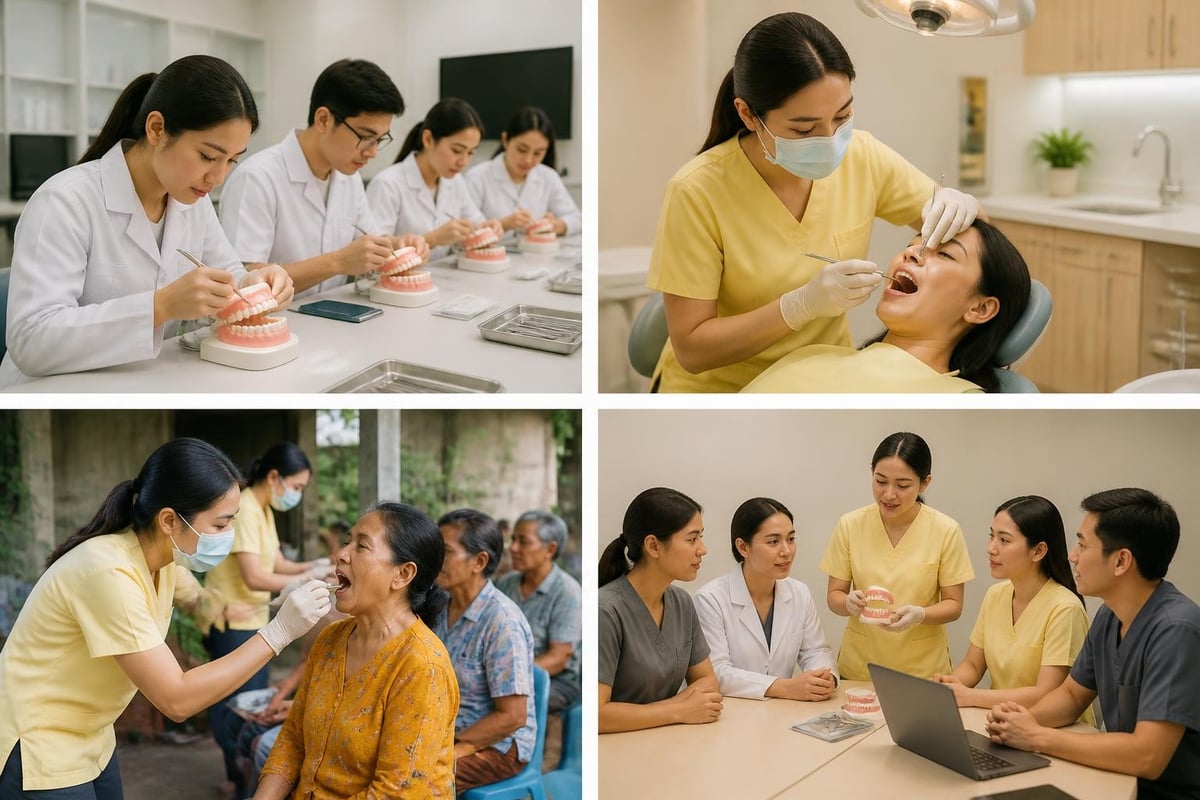
Modern dental education increasingly emphasizes:
- Population health perspectives: Training students to understand social determinants and community-level interventions
- Interprofessional collaboration: Integrating dental training with medicine, nursing, and public health disciplines
- Technology integration: Preparing graduates to utilize digital diagnostics, teledentistry, and minimally invasive techniques
- Cultural competency: Equipping professionals to serve diverse populations with appropriate communication and care approaches
- Evidence-based practice: Grounding clinical decisions in research and systematic evaluation
Technology and Access to Care
Digital health technologies present both opportunities and challenges for expanding global dental care. Teledentistry, for instance, can bridge geographic barriers, support triage and consultation, and enhance continuity of care. A scoping review published in Archives of Public Health highlights evidence supporting teledentistry for screening, consultation, education, and follow-up, particularly in remote and underserved settings.
However, technology access remains uneven. Digital infrastructure, internet connectivity, device availability, and digital literacy all influence whether communities can benefit from tele-dentistry and other health information technologies. Without intentional efforts to address these digital divides, technology risks widening rather than closing health equity gaps.
Advanced Technologies in Modern Practice
Contemporary dental practices increasingly incorporate:
- Digital radiography and 3D imaging: Reducing radiation exposure while improving diagnostic accuracy
- CAD/CAM systems: Enabling same-day restorations and precise prosthetic fabrication
- Laser dentistry: Offering less invasive treatment options for soft and hard tissue procedures
- Intraoral scanners: Replacing traditional impressions with more comfortable digital workflows
- AI-assisted diagnostics: Supporting early detection and treatment planning
These technologies, when thoughtfully deployed, enhance clinical precision, patient comfort, and treatment efficiency. At CuraSmile PH in BGC, advanced diagnostic and treatment technologies support personalized, evidence-based care across preventive, restorative, and cosmetic dentistry.
Prevention and Early Intervention
The most cost-effective approach to improving global dental care outcomes remains prevention. Community water fluoridation, school-based sealant programs, tobacco cessation initiatives, and dietary interventions targeting sugar consumption consistently demonstrate strong evidence for reducing disease burden at population scale.
Evidence-Based Preventive Strategies
| Intervention | Target Population | Evidence Level | Cost-Effectiveness |
|---|---|---|---|
| Water fluoridation | Community-wide | Strong | Very high |
| School sealant programs | Children 6-14 years | Strong | High |
| Tobacco cessation support | All tobacco users | Strong | Very high |
| Sugar reduction policies | Population-wide | Moderate to Strong | High |
| Regular dental hygiene education | All ages | Moderate | Moderate to High |
Early childhood interventions prove particularly valuable. Establishing oral health habits, addressing early childhood caries, and providing parental education create foundations for lifelong dental health. Integrating oral health into maternal and child health services ensures preventive care reaches families during critical developmental windows.
Addressing Chronic Conditions and Comorbidities
Oral health connects intimately with systemic health. Periodontal disease associates with cardiovascular disease, diabetes, adverse pregnancy outcomes, and respiratory conditions. Oral cancers link to tobacco and alcohol use. Understanding these relationships enables more comprehensive, coordinated care that addresses oral health within broader health contexts.
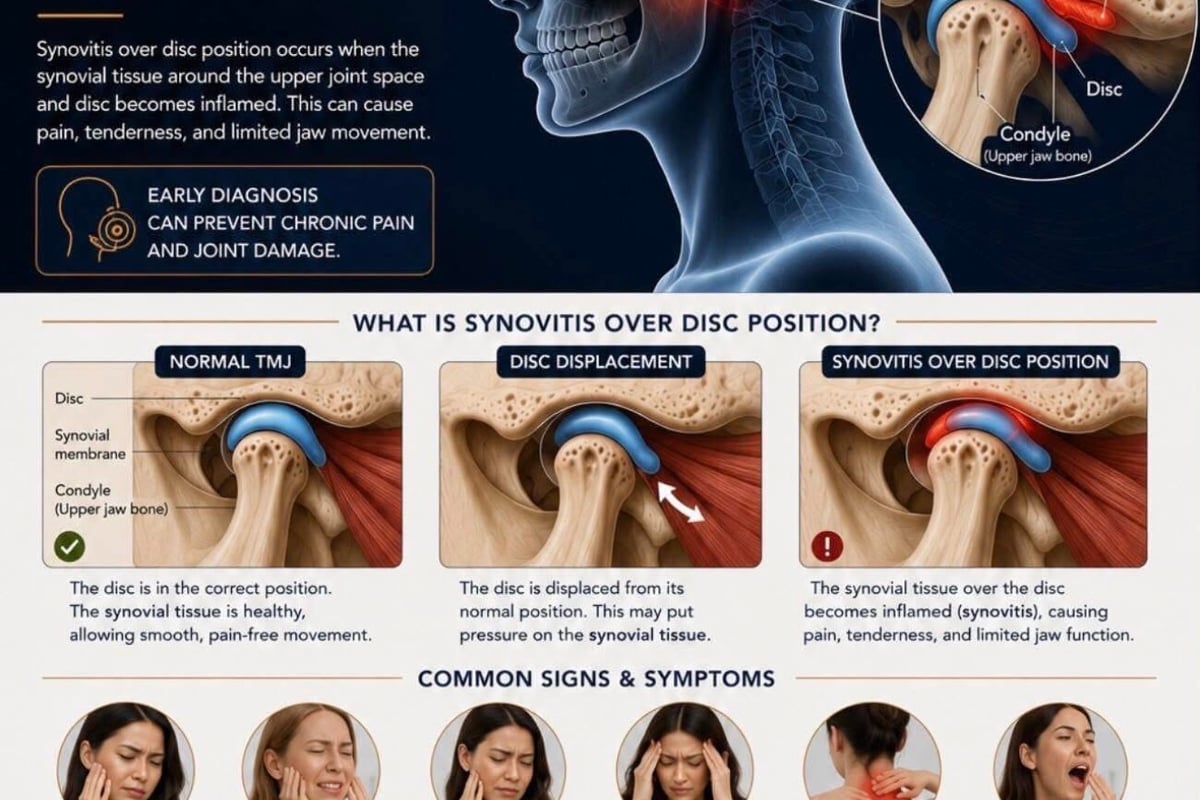
For patients experiencing chronic orofacial pain, including temporomandibular disorders, tension-type headaches, and neuropathic pain conditions, specialized assessment and multidisciplinary management often prove necessary. TMJ and orofacial pain management requires careful evaluation of contributing factors, personalized treatment planning, and evidence-based therapies designed to relieve pain and restore function.
Financing and Sustainability
Sustainable financing remains one of the greatest challenges facing global dental care systems. Most countries provide limited public funding for oral health services, leaving individuals to bear costs through out-of-pocket payments or private insurance. This financing structure creates access barriers and perpetuates inequities.
World Bank analyses of health systems emphasize the importance of financial protection mechanisms, efficient resource allocation, and integration of oral health into broader health benefit packages. Countries that successfully expand coverage typically combine public funding for essential services, regulated private sector participation, and targeted subsidies for vulnerable populations.
Innovative Financing Models
Progressive health systems explore various approaches:
- Capitation and bundled payments: Incentivizing prevention and early intervention rather than volume of procedures
- Risk pooling mechanisms: Distributing financial burden across populations to reduce individual catastrophic costs
- Social health insurance schemes: Mandating contributions to expand coverage beyond those who can afford private insurance
- Public-private partnerships: Leveraging private sector efficiency while maintaining public accountability and equity goals
- Performance-based financing: Linking provider reimbursement to quality metrics and health outcomes
Future Projections and Opportunities
Recent Global Burden of Disease projections estimate that without significant policy interventions, oral disease prevalence will continue rising through 2050, driven by population aging, changing dietary patterns, and insufficient preventive infrastructure. However, these trends are not inevitable. Countries investing in comprehensive oral health strategies, workforce development, and integration with universal health coverage demonstrate that meaningful progress remains achievable.
Promising Developments for 2026 and Beyond
The current landscape includes several encouraging trends:
- Policy integration: Growing recognition of oral health within NCD frameworks and UHC commitments
- Technology democratization: Declining costs for digital diagnostic and treatment technologies
- Professional advocacy: Strengthened global networks supporting evidence-based policy and practice standards
- Research expansion: Increased investment in oral health services research and implementation science
- Community engagement: Patient-centered approaches that respect cultural contexts and preferences
At the clinical level, practices adopting comprehensive, preventive, and technology-enhanced approaches demonstrate how individual providers can contribute to broader health system improvements. Services ranging from preventive care and teeth cleaning to cosmetic dentistry and orthodontic treatment benefit from evidence-based protocols, patient education, and coordinated care models.
Professional Collaboration and Knowledge Exchange
Global dental care improvement depends significantly on professional networks that facilitate knowledge exchange, standard-setting, and collaborative research. Organizations like the FDI World Dental Federation coordinate advocacy, publish technical reports and policy briefs, and support professional development across diverse contexts.
These collaborative efforts help translate research into practice, disseminate innovations, and build consensus around clinical guidelines and ethical standards. They also provide platforms for addressing emerging challenges including antimicrobial resistance, changing disease patterns, and evolving patient expectations around minimally invasive, aesthetic-focused care.

Patient-Centered Care in Modern Practice
Regardless of setting or resources, patient-centered care principles remain fundamental to effective global dental care. This approach prioritizes:
- Informed decision-making: Providing clear, accessible information about conditions and treatment options
- Shared treatment planning: Involving patients in decisions aligned with their values, preferences, and circumstances
- Cultural responsiveness: Recognizing and respecting diverse health beliefs, practices, and communication styles
- Holistic assessment: Understanding oral health within the context of overall health, lifestyle, and social circumstances
- Continuity and coordination: Ensuring smooth transitions between providers and integration with broader health services
Modern dental practices integrate these principles through comprehensive assessment, personalized treatment planning, and ongoing communication. For patients in Bonifacio Global City and throughout Metro Manila, CuraSmile PH combines advanced diagnostic technology with evidence-based clinical expertise to deliver care that addresses both immediate needs and long-term oral health goals.
Moving Toward Health Equity
Achieving more equitable global dental care requires sustained commitment across multiple levels: international policy frameworks, national health systems, professional education and practice, and community engagement. Progress depends on recognizing oral health as an essential component of overall health and human dignity, not a luxury accessible only to those with means.
The path forward includes strengthening primary healthcare platforms, expanding preventive services, addressing social determinants, ensuring financial protection, and building adequate, well-distributed workforces. It also requires challenging historical neglect of oral health in health policy, research funding, and public awareness.
Individual practitioners and practices contribute by maintaining high clinical standards, prioritizing prevention, engaging in continuing education, and advocating for their patients and profession. Clinical excellence combined with ethical practice and community engagement helps demonstrate the value and feasibility of comprehensive oral healthcare.
Global dental care faces significant challenges, yet pathways toward more equitable, effective systems are increasingly clear. As patients become more informed about oral health's impact on overall wellbeing, and as healthcare systems recognize the necessity of integrating dental services into comprehensive care, opportunities for meaningful improvement expand. At CuraSmile PH, we're committed to providing evidence-based, personalized dental care that reflects international best practices while addressing each patient's unique needs and goals. Whether you're seeking preventive care, restorative treatment, or cosmetic enhancement, our team in BGC combines clinical expertise with advanced technology to support your oral health journey.