Does Dental Cleaning Hurt? What to Expect & How to Stay Comfortable
Wondering does dental cleaning hurt? Learn what causes discomfort, how to reduce sensitivity, and what to expect during your cleaning appointment.
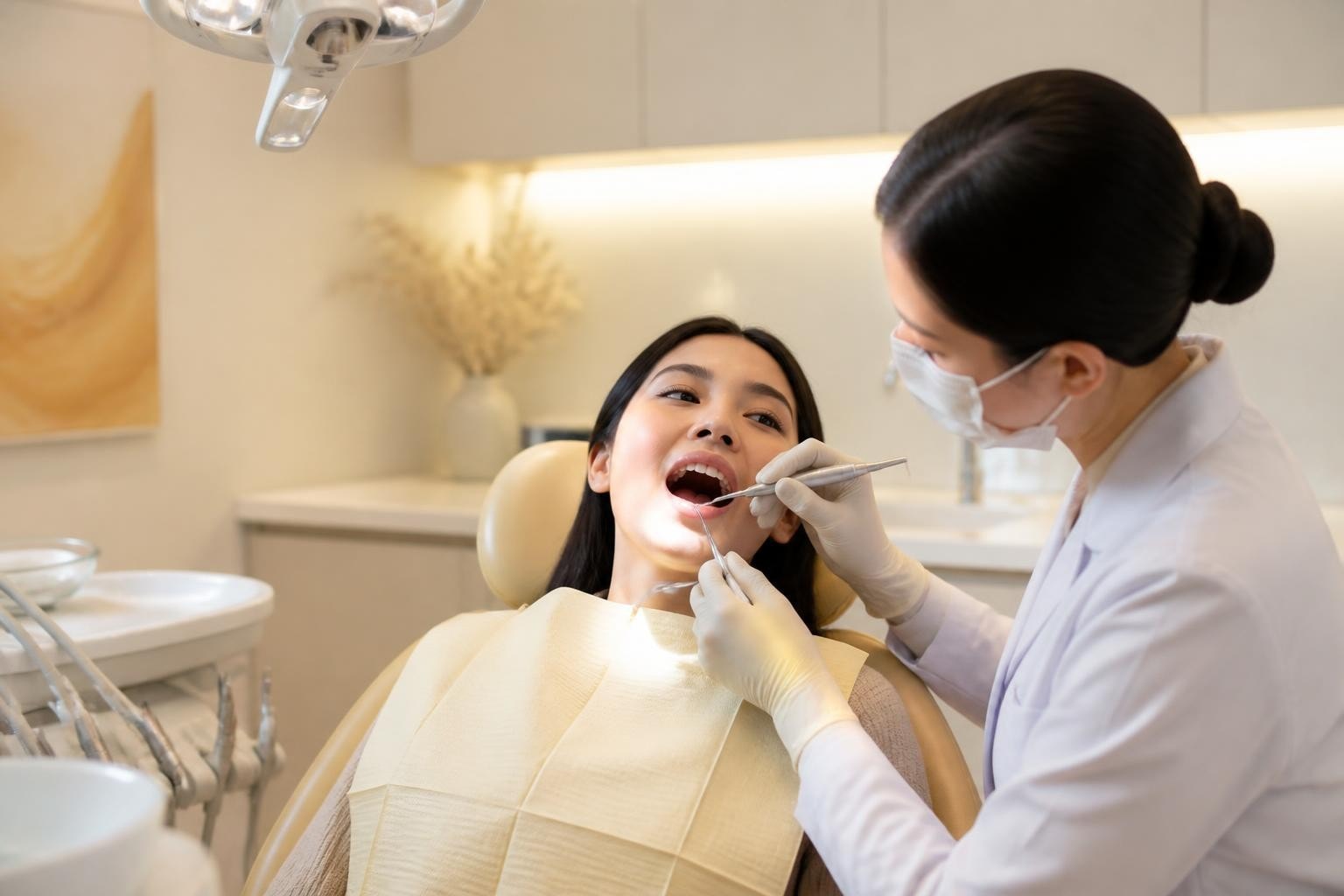
One of the most common questions patients ask before scheduling a professional dental cleaning is whether the procedure will be painful. If you've been putting off your routine cleaning appointment because you're worried about discomfort, you're not alone. Understanding what happens during a cleaning, why some sensitivity occurs, and how modern dental practices manage patient comfort can help reduce anxiety and encourage you to maintain the preventive care your smile needs.
Understanding What Happens During a Professional Dental Cleaning
A professional dental cleaning, also known as prophylaxis, involves the systematic removal of plaque, calculus (tartar), and surface stains from your teeth. During a typical cleaning appointment, your dental hygienist uses specialized instruments to clean areas that regular brushing and flossing cannot reach effectively.
The procedure typically includes several components:
- Visual examination of your teeth, gums, and oral tissues
- Scaling to remove hardened deposits above and below the gumline
- Polishing to smooth tooth surfaces and remove surface stains
- Flossing to clean between teeth
- Fluoride application when appropriate
Most patients describe routine cleanings as uncomfortable rather than painful. The level of sensation you experience depends on several factors including gum health, tartar buildup, tooth sensitivity, and how long it's been since your last cleaning.
The Difference Between Routine and Deep Cleanings
When discussing whether dental cleaning hurts, it's important to distinguish between routine prophylaxis and deep cleaning procedures. A standard cleaning addresses the visible tooth surfaces and slightly below the gumline. According to evidence on routine scaling and polishing, these cleanings are generally well-tolerated by patients with healthy gums.
Deep cleanings, medically termed scaling and root planing, treat periodontal disease by removing bacteria and tartar from deeper pockets around the teeth. These procedures typically require local anesthesia because they involve cleaning beneath the gumline where nerve endings are more exposed.
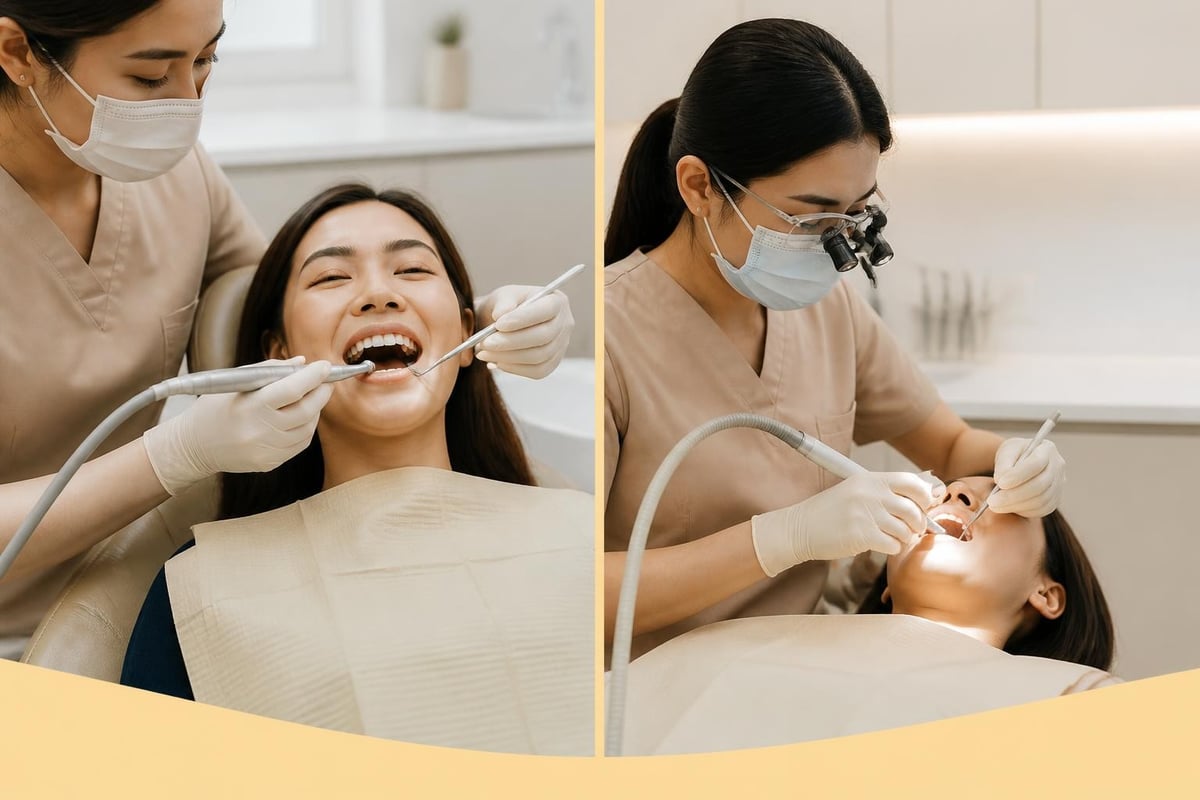
Why Some People Experience Discomfort During Cleanings
Several factors influence whether you'll experience sensitivity or discomfort during your dental cleaning appointment. Understanding these variables can help you communicate effectively with your dental team and take steps to minimize any unpleasant sensations.
Gum Health Status
Inflamed or diseased gums are more sensitive to touch and instrumentation. When gum tissue is healthy, the cleaning process typically causes minimal discomfort. However, if you have gingivitis or periodontitis, your gums may bleed easily and feel tender during cleaning.
Ironically, patients who avoid cleanings due to fear of pain often develop the very gum inflammation that makes future cleanings more uncomfortable. Regular preventive care actually reduces sensitivity over time by maintaining gum health.
Amount of Tartar Buildup
The more calculus your hygienist needs to remove, the more instrument contact and pressure are required. Patients who receive cleanings every six months typically have less buildup and experience gentler, quicker procedures. Those who skip appointments for years may need more extensive scaling, which can increase sensitivity.
Tooth Sensitivity
Some people naturally have more sensitive teeth due to enamel wear, exposed root surfaces, or recession. Temperature changes from water irrigation during cleaning can trigger sharp sensations in these patients. The Harvard Health overview of dental sensitivity explains how various factors contribute to heightened sensitivity during dental procedures.
| Factor | Impact on Comfort | Prevention Strategy |
|---|---|---|
| Healthy gums | Minimal discomfort | Regular brushing, flossing, routine visits |
| Gingivitis | Moderate sensitivity | Improve home care, more frequent cleanings |
| Heavy tartar | Increased pressure needed | Don't delay appointments |
| Exposed roots | Sharp sensations | Desensitizing products, gentle techniques |
| Anxiety | Heightened pain perception | Communication, relaxation techniques |
Modern Techniques and Technologies That Reduce Discomfort
Dental technology has advanced significantly in recent years, giving practitioners multiple options to enhance patient comfort during cleanings. These innovations address the question "does dental cleaning hurt" with increasingly effective solutions.
Ultrasonic Scaling
Many dental practices now use ultrasonic scalers alongside traditional hand instruments. These devices use high-frequency vibrations and water irrigation to break up tartar deposits efficiently. Research comparing ultrasonic versus manual scaling demonstrates that ultrasonic instruments can be effective while potentially reducing the duration of treatment.
A recent clinical study on patient pain responses across different scaling technologies found that many patients report ultrasonic scaling as more comfortable than exclusively manual techniques, though individual responses vary. The water spray used with ultrasonic instruments also helps flush away debris and keep the treatment area cool.
Topical Anesthetics
For patients with sensitive gums, dental hygienists can apply topical numbing gels before beginning the cleaning. These products numb the surface tissue and reduce sensation during scaling. They're particularly helpful for patients who experience discomfort with manual instruments near the gumline.
Local Anesthesia Options
When deeper cleaning is necessary or a patient has significant sensitivity, local anesthesia provides effective pain management. The American Dental Hygienists' Association resources detail how qualified dental professionals use local anesthetics to ensure patient comfort during more extensive procedures.
At CuraSmile PH, advanced technology and personalized comfort protocols ensure that your preventive care experience is as comfortable as possible. The practice combines modern instrumentation with individualized assessment to address your specific sensitivity concerns.
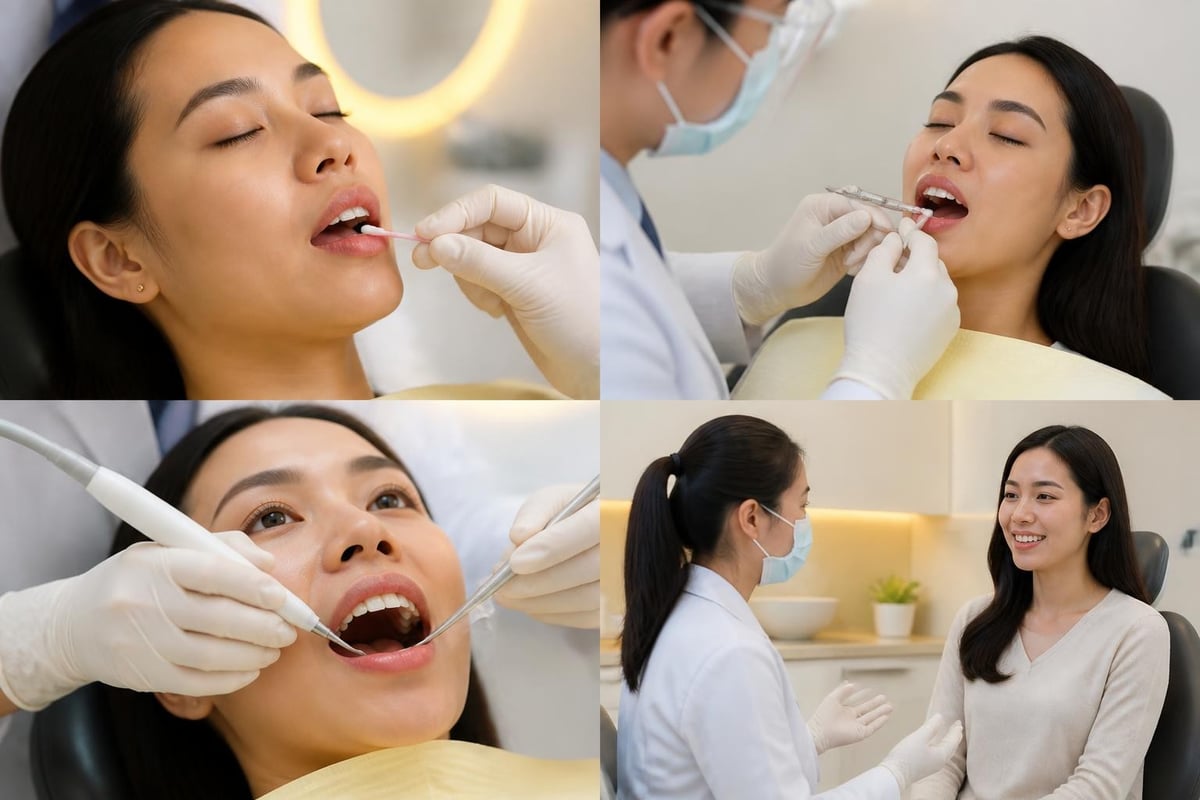
Practical Steps to Reduce Sensitivity During Your Cleaning
You can take several proactive measures before, during, and after your appointment to minimize discomfort and make your cleaning experience more pleasant.
Before Your Appointment
- Maintain consistent home care between professional cleanings to reduce inflammation and tartar buildup
- Use desensitizing toothpaste for two weeks before your appointment if you have sensitive teeth
- Communicate your concerns when scheduling so your hygienist can plan appropriate comfort measures
- Avoid caffeine immediately before your appointment, as it can increase anxiety and pain sensitivity
- Take over-the-counter pain medication if recommended by your dentist (discuss timing and appropriate options)
During Your Appointment
Your dental team wants you to be comfortable. Speaking up about discomfort allows them to adjust their technique, offer anesthetic options, or take breaks when needed. The NHS guidance on dental visits emphasizes the importance of patient communication during procedures.
Consider these strategies during your cleaning:
- Raise your hand if you need a break or are experiencing sharp pain
- Practice relaxation breathing to reduce muscle tension and anxiety
- Use a stress ball or listen to music if your dental office allows it
- Ask questions about what's happening at each stage to reduce uncertainty
- Request breaks if your jaw becomes tired from staying open
After Your Appointment
Some sensitivity in the hours following a cleaning is normal, especially if significant tartar was removed or if you have naturally sensitive teeth. This temporary discomfort typically resolves within 24 to 48 hours.
Post-cleaning care includes:
- Avoid extremely hot or cold foods and beverages for the first day
- Continue using desensitizing toothpaste if sensitivity persists
- Rinse with warm salt water to soothe any gum tenderness
- Contact your dental office if pain worsens or persists beyond a few days
When Professional Evaluation Becomes Necessary
While asking "does dental cleaning hurt" is common, persistent or severe pain during routine maintenance cleanings may indicate an underlying issue requiring attention. Healthy teeth and gums should not cause significant pain during standard prophylaxis.
Signs That Require Professional Assessment
Certain symptoms suggest you may need more specialized evaluation and treatment rather than just a routine cleaning:
- Severe pain during what should be a gentle cleaning procedure
- Persistent sensitivity to temperature, pressure, or touch between appointments
- Bleeding gums that don't improve with better home care
- Deep pockets discovered during periodontal measurements
- Loose teeth or changes in your bite
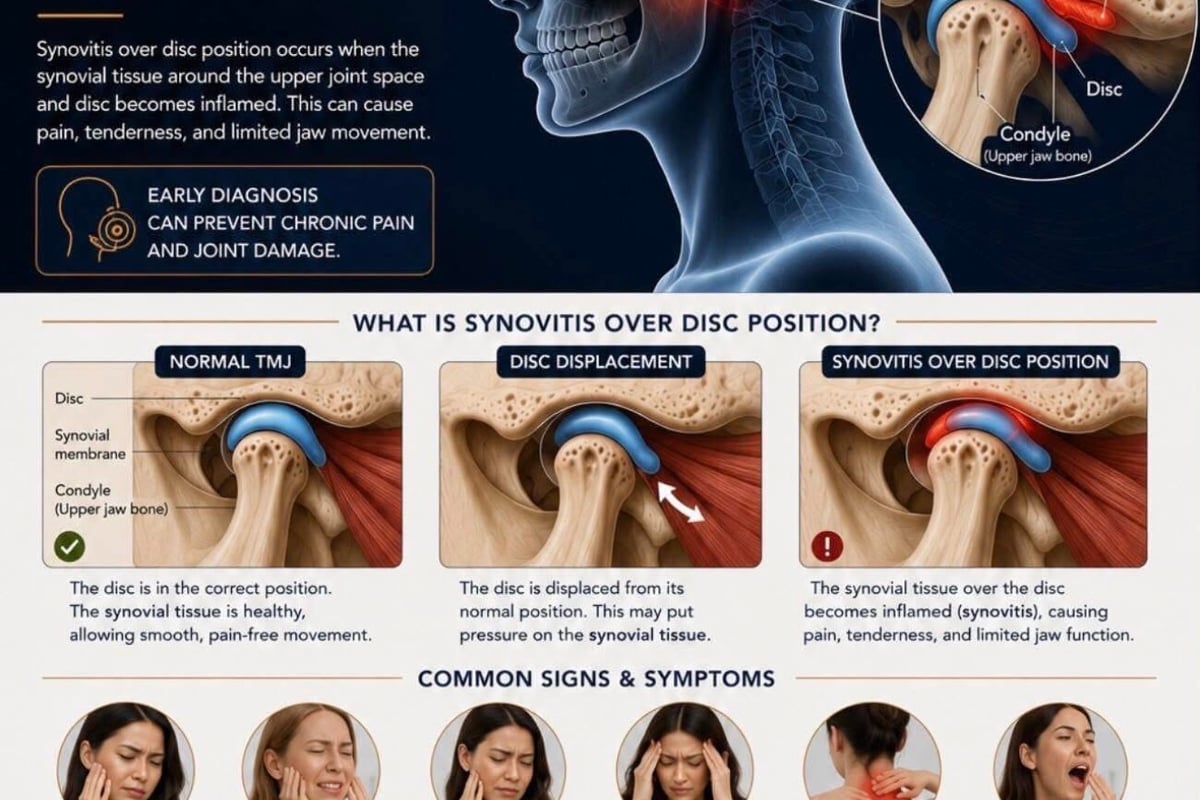
If you experience ongoing jaw pain, facial discomfort, or headaches associated with dental sensitivity, these symptoms may indicate conditions beyond routine dental cleaning concerns. Comprehensive assessment can identify whether you have periodontal disease, TMJ dysfunction, or other conditions requiring specialized care.
For patients in BGC dealing with persistent orofacial discomfort, comprehensive evaluation addresses the underlying causes rather than just managing symptoms during cleanings.
How Your Overall Oral Health Affects Cleaning Comfort
The relationship between oral health maintenance and cleaning comfort creates a positive feedback loop. Better home care and regular professional cleanings lead to healthier gums, which in turn make future cleanings more comfortable.
The Six-Month Standard
Most dental professionals recommend cleanings every six months for patients with healthy gums. This interval allows for effective plaque and tartar removal before significant buildup occurs. Patients who maintain this schedule consistently report less discomfort than those who delay appointments.
Some patients with periodontal disease history, heavy tartar formation, or other risk factors may benefit from more frequent cleanings every three to four months. These shorter intervals actually improve comfort by preventing the accumulation that makes cleaning more difficult.
Home Care Impact
Your daily oral hygiene routine directly influences cleaning comfort. Effective brushing and flossing reduce plaque accumulation and maintain gum health. The American Academy of Periodontology's patient resources explain how home care complements professional treatment for optimal periodontal health.
Recommended home care practices include:
- Brushing twice daily with fluoride toothpaste for two minutes
- Flossing or using interdental cleaners once daily
- Using an antimicrobial mouth rinse if recommended
- Replacing your toothbrush every three months
- Addressing grinding or clenching habits that can cause sensitivity
Pain Management and Evidence-Based Dentistry
Modern dental practices follow evidence-based protocols for managing procedure-related discomfort. The American Dental Association's clinical guidance on pain management provides dentists with current research on effective analgesic options and anesthesia techniques.
Your dental team considers multiple factors when developing your comfort plan:
| Consideration | Assessment | Management Options |
|---|---|---|
| Pain threshold | Medical history, previous experiences | Graduated approach from topical to local anesthesia |
| Anxiety level | Patient communication, behavioral signs | Relaxation techniques, sedation options if needed |
| Gum condition | Periodontal examination, probing depths | Adjust instrument selection and technique |
| Sensitivity | Patient report, clinical testing | Desensitizing agents, modified water temperature |
| Procedure extent | Amount of buildup, disease severity | Divide into multiple shorter appointments |
These individualized approaches ensure that each patient receives appropriate comfort measures based on their specific needs rather than a one-size-fits-all protocol.
Building a Comfortable Long-Term Relationship with Preventive Care
Overcoming anxiety about dental cleanings often comes from understanding what to expect and experiencing consistently comfortable care. When you work with a dental practice that prioritizes patient communication and comfort, routine maintenance becomes something you schedule confidently rather than avoid.
Choosing the Right Dental Practice
Look for dental offices that:
- Take time to explain procedures before beginning
- Ask about your comfort throughout the appointment
- Offer multiple anesthetic and comfort options
- Use modern technology alongside traditional techniques
- Welcome questions and address concerns without judgment
- Maintain gentle, patient-centered approaches
The environment and approach matter just as much as clinical skill. A practice that values your comfort and communicates clearly helps reduce the anxiety that often amplifies pain perception.
Creating Positive Experiences
Each comfortable cleaning experience builds confidence for the next appointment. Over time, patients who initially feared dental visits often find that their anxiety decreases significantly as they experience consistently gentle, professional care.
If previous negative experiences make you hesitant about dental cleanings, communicate this with your new dental team. They can take extra measures to ensure your comfort and help you rebuild trust in preventive dental care. You can learn more about comprehensive, patient-focused care approaches at our clinic overview.
Addressing Special Circumstances and Individual Needs
Some patients face unique challenges that require additional consideration regarding cleaning comfort. Understanding these situations helps ensure everyone receives appropriate, comfortable preventive care.
Patients with Dental Anxiety
For individuals with significant dental anxiety or phobia, the fear itself can intensify pain perception. Cognitive-behavioral approaches, gradual exposure, relaxation techniques, and in some cases sedation dentistry can help anxious patients receive necessary care comfortably.
Children and Adolescents
Young patients developing their relationship with dental care benefit from gentle, positive cleaning experiences. Pediatric-focused techniques, age-appropriate communication, and parent involvement help establish healthy attitudes toward preventive care.
Patients with Medical Conditions
Certain health conditions affect pain sensitivity, healing, or appropriate treatment approaches. Always inform your dental team about medical conditions, medications, and changes in your health status.
Pregnancy Considerations
Pregnant patients often experience increased gum sensitivity due to hormonal changes. Professional cleanings remain important during pregnancy, but timing, positioning, and technique may be adjusted for comfort and safety.
Understanding that routine dental cleanings typically cause minimal discomfort when performed on healthy gums can help you maintain the preventive care schedule your smile needs. With modern techniques, individualized comfort measures, and consistent home care between appointments, professional cleanings become a comfortable part of maintaining optimal oral health. Whether you're overdue for a cleaning or simply looking for a dental practice that prioritizes your comfort alongside clinical excellence, CuraSmile PH in Bonifacio Global City combines advanced technology with personalized, evidence-based care to ensure your preventive visits are as comfortable and effective as possible.