Digital Smile Design: Technology, Planning & Your Smile
Digital smile design combines imaging, planning software, and patient input to visualize and create your ideal smile. Learn how this technology works.
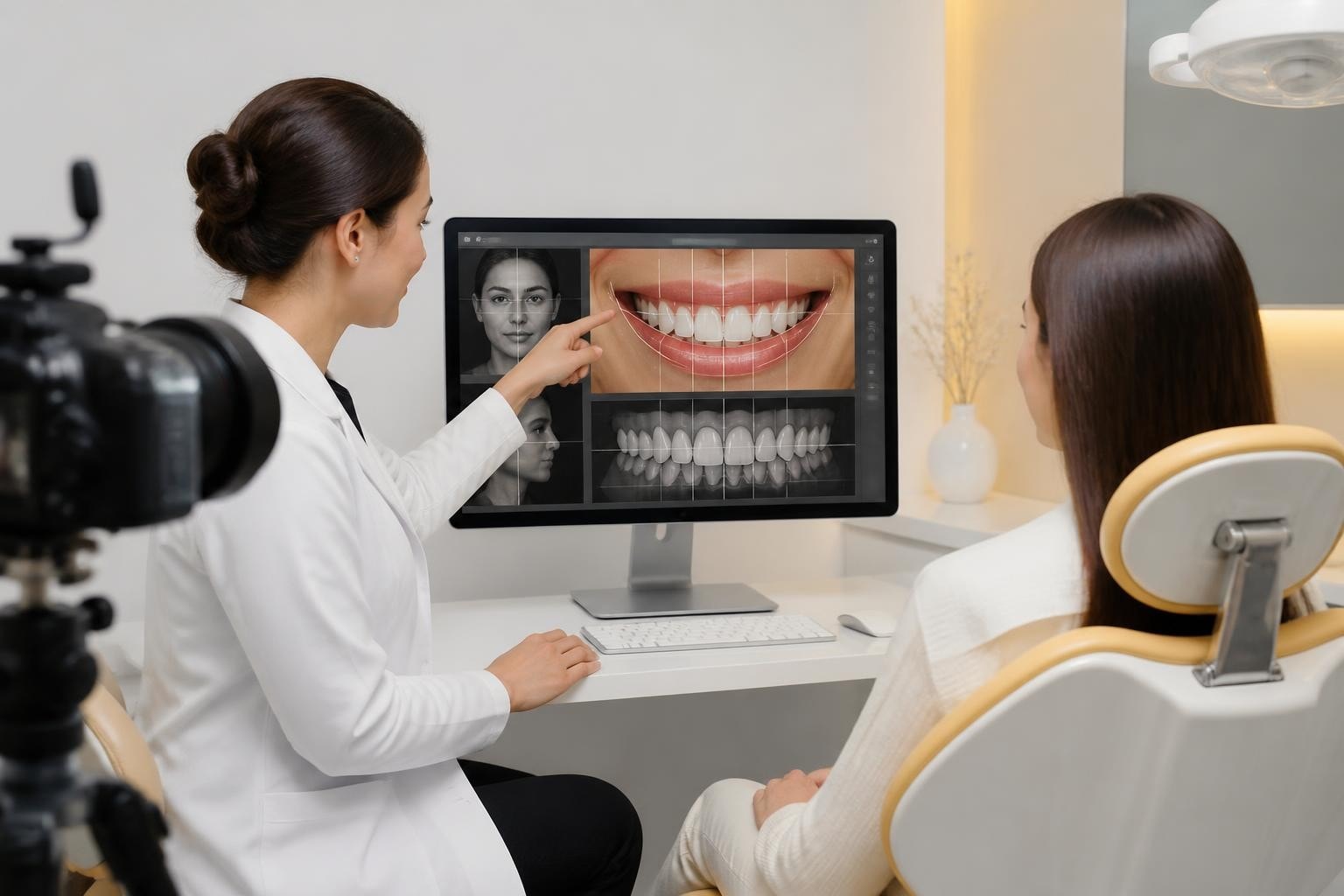
Modern dentistry has moved beyond one-size-fits-all treatments toward personalized care guided by digital technology. Digital smile design represents a fundamental shift in how dentists plan cosmetic and restorative treatments, integrating photography, computer software, facial analysis, and patient preferences into a collaborative process that happens before any clinical work begins. This approach allows patients to visualize potential outcomes, participate meaningfully in treatment decisions, and understand what their smile transformation might look like-all grounded in clinical data and evidence-based planning.
Understanding Digital Smile Design as a Clinical Tool
Digital smile design is a comprehensive planning methodology that uses digital photography, video analysis, and specialized software to evaluate facial and dental proportions before designing restorative or cosmetic treatments. Unlike traditional approaches where dentists work primarily from clinical examination and two-dimensional impressions, this technology creates a visual framework that integrates the patient's facial features, existing dental anatomy, smile dynamics, and aesthetic goals.
The process typically begins with systematic clinical photography and documentation, capturing the patient's face at rest, during natural smiling, and from multiple angles. Digital software overlays reference lines based on established aesthetic principles-midline symmetry, tooth proportions relative to facial features, gingival contours, and incisal edge positioning. This creates a diagnostic template that reveals discrepancies between current dental anatomy and ideal aesthetic targets.
Key components of the digital smile design workflow include:
- High-resolution facial and intraoral photography from standardized positions
- Video recording of natural smile dynamics and speech patterns
- Digital analysis of tooth-to-face proportions and smile arc relationships
- Computer-aided design of proposed tooth shapes, sizes, and positions
- Virtual mock-ups showing projected treatment outcomes
- Patient collaboration and feedback integration before treatment starts
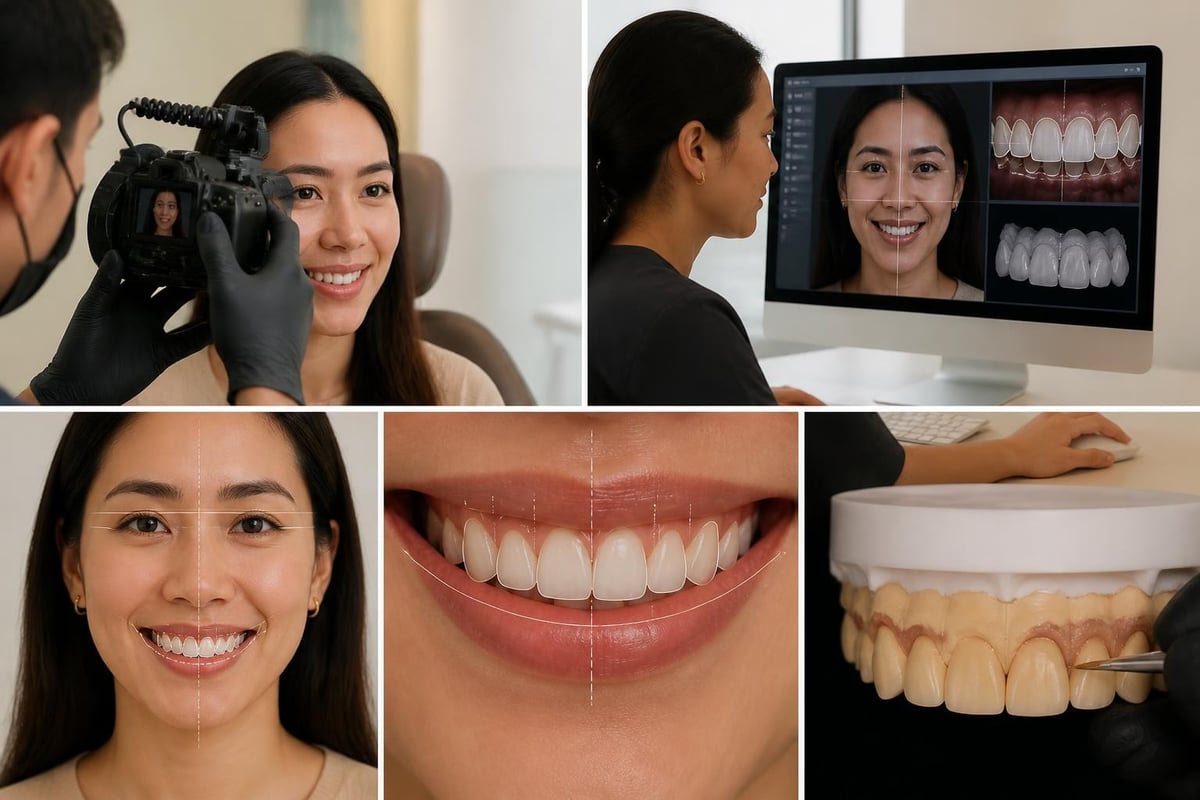
Research demonstrates that digital workflows improve communication between dentists and patients while enhancing treatment predictability. A systematic review of digital smile design applications found consistent patient satisfaction benefits and clinical utility across restorative and cosmetic cases, though outcomes depend heavily on proper case selection and operator expertise.
The Technology Behind Digital Planning
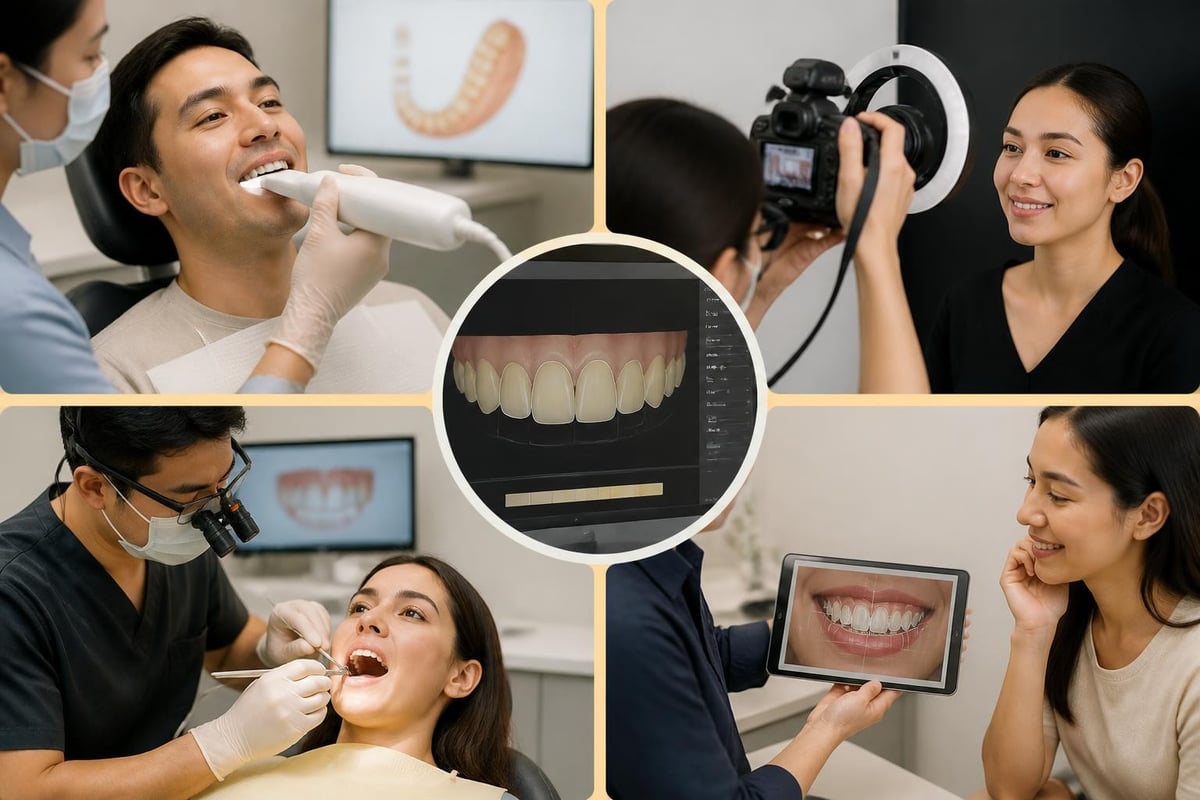
Digital smile design relies on an integrated technology ecosystem rather than a single device. At its foundation, intraoral scanners capture three-dimensional data of existing dental anatomy with precision that rivals or exceeds traditional impressions for many applications. These digital scans become the baseline against which proposed changes are measured and visualized.
Photography and Imaging Systems
Professional-grade photography forms the diagnostic backbone of digital smile design. Dentists use standardized protocols-consistent lighting, camera settings, patient positioning, and focal lengths-to ensure images accurately represent facial proportions without distortion. Multiple views capture the patient's profile, frontal smile, close-up dental details, and lateral perspectives.
Some practices incorporate video analysis to study smile dynamics during speech and natural expression, revealing functional considerations that static images miss. The way lips frame teeth during conversation, how much gingival tissue shows during maximum smile, and asymmetries that appear only with movement all inform treatment planning.
| Digital Component | Clinical Function | Planning Impact |
|---|---|---|
| Facial photography | Documents proportions, symmetry, baseline aesthetics | Ensures restorations harmonize with facial features |
| Intraoral scanning | Captures precise 3D tooth anatomy | Enables accurate virtual treatment design |
| Smile video | Records dynamic function and expression | Identifies issues not visible in static images |
| Design software | Integrates data and creates virtual mock-ups | Visualizes outcomes before treatment |
Computer-Aided Design Software
Specialized dental design software integrates photographic data, intraoral scans, and aesthetic principles into a unified planning environment. Dentists can digitally alter tooth shape, adjust proportions, modify gingival contours, and simulate various treatment options while viewing results overlaid on the patient's actual face.
This technology enables precise measurement of parameters that affect smile aesthetics-central incisor width-to-height ratio, golden proportion relationships between teeth, incisal edge positioning relative to the lower lip, and smile arc curvature. Software calculates these relationships mathematically while allowing clinicians to adjust designs based on individual facial features and patient preferences.
The American Dental Association recognizes digital dentistry technologies as valuable tools when properly integrated into evidence-based clinical practice, though implementation requires training and attention to workflow integration.
Clinical Applications and Treatment Types
Digital smile design proves most valuable in cases requiring significant aesthetic modification or complex coordination between multiple dental disciplines. The visualization and planning capabilities help both dentist and patient understand treatment scope, realistic outcomes, and the steps required to achieve goals.
Cosmetic Dentistry and Veneer Planning
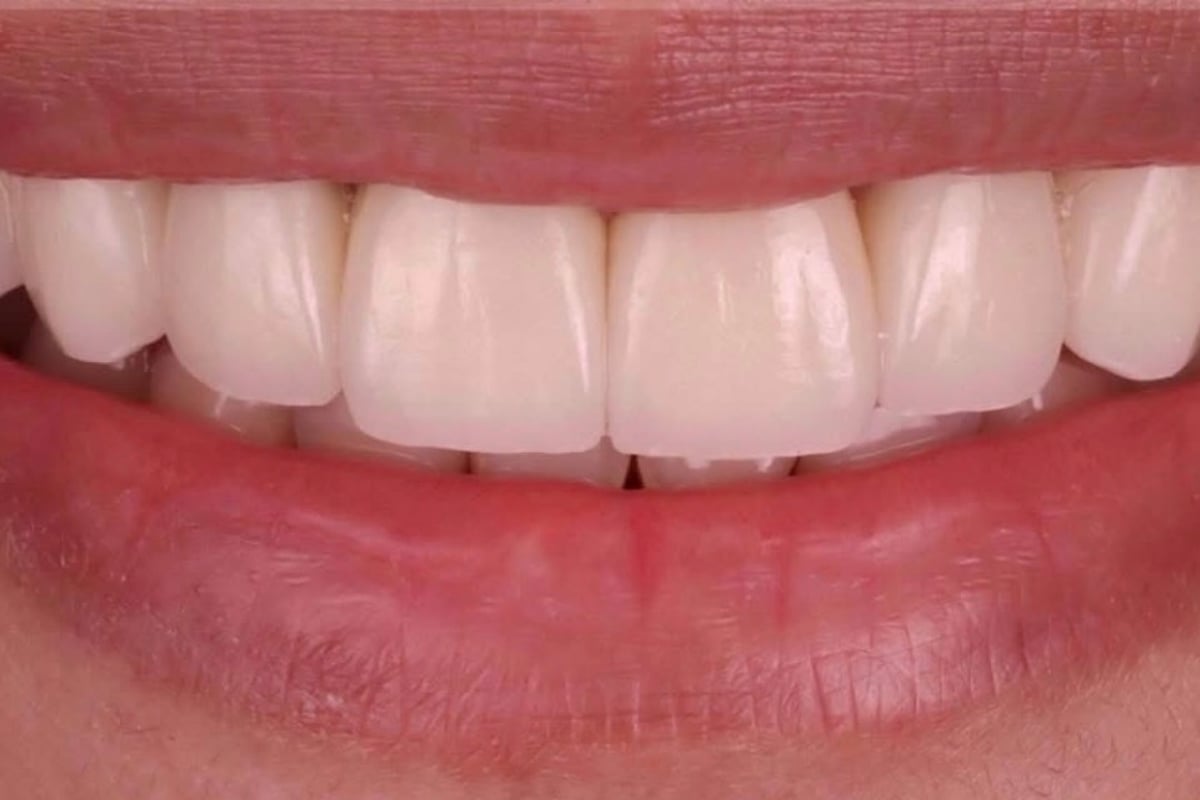
Porcelain veneer cases benefit substantially from digital planning. Patients considering veneers often have specific aesthetic concerns-tooth color, shape, minor positioning irregularities, or proportions they find unsatisfactory. Digital smile design allows dentists to show exactly how proposed veneers will alter appearance before any tooth preparation occurs.
The software can simulate different veneer lengths, widths, and shapes while maintaining proper proportion to facial features. Patients see how conservative versus more dramatic changes affect their overall appearance, facilitating informed decisions about treatment scope. This collaborative approach ensures final restorations match patient expectations because those expectations were visualized and agreed upon during the planning phase.
At CuraSmile PH, Porcelain Veneers & Dental Crowns treatments integrate digital smile planning to design natural-looking restorations customized to each patient's facial anatomy and aesthetic goals. This technology-enhanced approach helps ensure veneers complement individual features rather than creating a uniform, artificial appearance.
Full-Mouth Reconstruction and Complex Restorative Cases
Patients requiring extensive dental work-multiple crowns, bridges, implant restorations, or comprehensive rehabilitation-face significant treatment investment and want confidence in projected outcomes. Digital smile design provides a roadmap that coordinates multiple procedures toward a unified aesthetic and functional goal.
The planning process identifies how individual restorations must work together, ensuring proper occlusion (bite relationship), appropriate tooth contours for hygiene access, and harmonious aesthetics across the entire smile. Digital workflows allow provisional restorations to be fabricated directly from approved designs, giving patients a preview of final results that can be refined before permanent restorations are made.
Orthodontic and Interdisciplinary Treatment Planning
Complex cases often require coordination between orthodontics, periodontal treatment, and restorative work. Digital smile design helps sequence these interventions logically by establishing the end goal first, then working backward to determine which movements, procedures, or adjustments are necessary to achieve it.
For patients considering orthodontic treatment, digital planning can show how tooth alignment affects facial aesthetics and whether additional cosmetic procedures might complement orthodontic results. This integrated approach prevents the disappointment that sometimes occurs when orthodontic treatment alone doesn't achieve a patient's complete aesthetic vision.
Accuracy, Limitations, and Evidence-Based Considerations
Digital smile design represents a significant advance in treatment planning, but clinical outcomes depend on proper application, realistic expectations, and understanding the technology's limitations. Not every case requires or benefits from comprehensive digital planning, and the tool's effectiveness depends heavily on the clinician's judgment and technical skill.
Accuracy and Reliability Factors
Research on intraoral scanning accuracy identifies several factors that affect digital data quality: scan span (full arch versus quadrant), the presence of implants or edentulous areas, scanning protocol, and operator experience. While modern scanners provide excellent accuracy for most applications, complex full-arch cases-particularly those involving implants-may require additional verification steps or hybrid digital-analog approaches.
The comparison between digital and conventional impressions for full-arch implant prostheses reveals that while digital workflows offer many advantages, conventional methods still demonstrate reliability in specific complex scenarios. This evidence suggests clinicians should select the most appropriate method for each case rather than assuming digital is universally superior.
Factors affecting digital smile design accuracy:
- Quality and standardization of photographic documentation
- Intraoral scanning precision and completeness
- Software calibration and proper use of reference points
- Operator training and experience level
- Patient cooperation during imaging procedures
- Appropriate case selection and realistic treatment goals
Clinical Limitations and Appropriate Expectations
Digital smile design excels at planning and visualization but cannot compensate for fundamental clinical limitations. A digital design showing perfect aesthetics means nothing if underlying periodontal disease isn't addressed, if occlusion isn't properly managed, or if the patient's bone and tissue don't support the proposed treatment.
The most sophisticated visualization doesn't guarantee identical clinical outcomes. Tissue healing varies between individuals, material properties affect how restorations appear in different lighting, and biological factors sometimes require treatment plan modifications. Digital planning reduces uncertainty but doesn't eliminate it entirely.
Patients should understand that digital mock-ups represent goals based on current clinical data, not guarantees of specific aesthetic results. The planning process improves predictability and communication, but final outcomes still depend on treatment execution, healing response, and ongoing maintenance.
Ethical Considerations and Patient-Centered Communication
The visualization capabilities of digital smile design create both opportunities and responsibilities. Showing patients idealized digital renderings of potential outcomes can be powerful, but practices must ensure these representations remain realistic, achievable, and don't create false expectations.
Informed Consent and Realistic Visualization
Ethical considerations in digital dentistry and AI applications emphasize the importance of transparent communication about what technology can and cannot achieve. Digital designs should reflect realistic treatment possibilities rather than heavily idealized versions that exceed what's clinically achievable with the patient's specific anatomy and dental condition.
Informed consent discussions should clarify that digital mock-ups are planning tools showing probable outcomes based on current assessment, not contracts guaranteeing specific aesthetic results. Factors affecting final appearance-tissue healing, material characteristics in different lighting, aging, and maintenance-should be discussed explicitly.
Patient Participation and Treatment Collaboration
Digital smile design fundamentally changes the patient-dentist relationship by enabling genuine collaboration in treatment planning. Rather than passively accepting expert recommendations, patients can participate meaningfully in decisions about their appearance, evaluating different options and understanding trade-offs between conservative and more extensive treatments.
This shared decision-making approach respects patient autonomy while ensuring choices are informed by clinical expertise. Patients see not just what's possible but understand why certain options are recommended over others based on their specific dental condition, functional needs, and long-term health considerations.
Benefits of collaborative digital planning:
- Improved communication through visual rather than verbal-only descriptions
- Enhanced patient understanding of treatment scope and complexity
- Greater alignment between patient expectations and achievable outcomes
- Increased patient engagement and satisfaction with final results
- Better documentation of agreed-upon treatment goals
Integration with Other Digital Dentistry Technologies
Digital smile design functions most effectively when integrated into comprehensive digital workflows that connect diagnostic, planning, and fabrication technologies. The seamless transfer of digital data between systems reduces errors, improves efficiency, and enables treatment approaches that weren't possible with analog methods.
CAD/CAM Systems and Digital Fabrication
Computer-aided design and manufacturing (CAD/CAM) systems can receive approved digital smile designs directly, translating aesthetic plans into actual restorations without manual impression-taking or physical model fabrication. This integration shortens treatment timelines, reduces patient chair time, and improves the fit and aesthetics of final restorations.
Chairside milling systems allow some restorations to be designed, fabricated, and placed in a single appointment based on digital planning. Laboratory-based systems provide even greater material options and precision for complex cases while maintaining digital workflow benefits throughout the fabrication process.
Diagnostic Imaging Integration
Comprehensive cases may require integration of digital smile design with CBCT (cone beam computed tomography) data, particularly when dental implants or significant bone modifications are planned. Three-dimensional radiographic data reveals bone quality, quantity, and anatomical structures that affect treatment planning, ensuring aesthetic designs are achievable given the patient's underlying anatomy.
Software platforms that merge photographic smile design data with radiographic information enable prosthetically-driven implant planning, where implant positions are determined by ideal final tooth positions rather than simply placing implants where bone is most available.
Practical Considerations for Patients
If you're considering cosmetic or restorative dental treatment and your dentist recommends digital smile design, understanding what to expect helps you participate effectively in the planning process and evaluate whether the investment in comprehensive planning makes sense for your specific case.
When Digital Planning Adds Value
Not every dental procedure requires extensive digital planning. Routine single-crown replacements, simple fillings, or minor cosmetic adjustments may not justify the additional time and cost of comprehensive digital smile design. The technology provides greatest value when:
- Multiple teeth require treatment as part of a unified aesthetic plan
- Significant changes to tooth shape, size, or position are being considered
- You want to visualize different treatment options before making decisions
- Treatment involves coordination between multiple dental specialties
- Your case presents complex aesthetic or functional challenges
- You have specific concerns about how proposed treatment will affect your appearance
Questions to Ask Your Dental Team
Understanding your dentist's approach to digital planning helps ensure the technology serves your needs rather than becoming an end in itself. Consider asking about the specific systems used, how digital data informs your treatment, what the mock-ups can and cannot predict, and how the plan might need adjustment during actual treatment.
Reputable practices view digital smile design as a communication and planning tool rather than a marketing technique. Your dental team should explain how technology improves your specific treatment rather than simply showcasing impressive digital capabilities.
For patients in BGC considering smile makeover treatments, digital planning offers an opportunity to understand treatment scope and visualize potential outcomes before committing to extensive dental work.
Future Directions and Emerging Technologies
Digital smile design continues evolving as imaging technology improves, software becomes more sophisticated, and artificial intelligence enables new analytical capabilities. Understanding these developments helps contextualize current technology while maintaining appropriate expectations about what's available today versus what might become possible in coming years.
Artificial intelligence applications are being developed to analyze facial aesthetics, suggest treatment options based on large datasets of successful cases, and even predict patient satisfaction with different design approaches. While promising, these technologies require careful validation and should augment rather than replace clinical judgment and patient preferences.
Integration between digital planning tools and patient health records may eventually create seamless workflows where smile design considerations inform preventive care recommendations, orthodontic planning occurs with aesthetic endpoints clearly defined, and long-term maintenance plans are generated automatically based on chosen treatments.
Digital smile design represents a meaningful advance in patient-centered dental care, enabling visualization, collaboration, and precision planning that improves communication and treatment predictability. Whether you're considering veneers, comprehensive restorative work, or coordinated aesthetic treatment, understanding how digital planning works helps you participate actively in decisions about your dental care. CuraSmile PH integrates advanced digital technology with personalized clinical expertise to help patients in Bonifacio Global City achieve healthier teeth, improved function, and confident smiles grounded in evidence-based care and collaborative treatment planning.