Dentist for Braces in BGC: Braces Options, Cost, Timeline & What to Expect
Looking for a dentist for braces in BGC? Learn about braces and clear aligners, treatment timelines, costs, and what to expect at your first orthodontic consultation at CuraSmile PH.
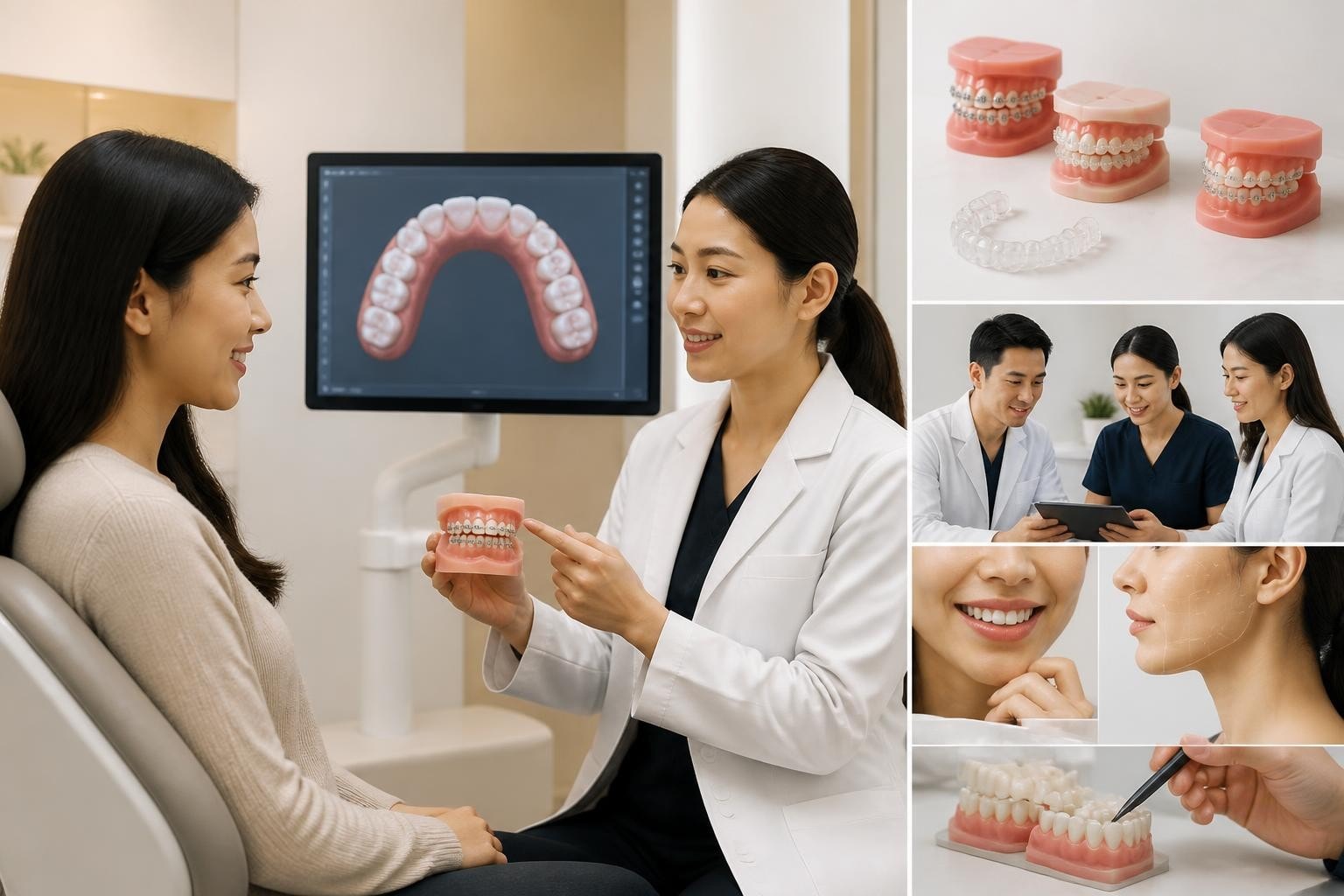
Looking for braces in BGC? Choosing the right dental provider is an important first step toward achieving a healthier, more aligned smile.
Braces can help address crowded, crooked, or spaced teeth, as well as a range of bite concerns. The right treatment depends on your teeth, bite, treatment goals, and overall dental health.
At CuraSmile PH, orthodontic treatment begins with an assessment of your individual needs so you can understand whether braces or clear aligners are appropriate for you.
Ready to explore your options? Book an orthodontic consultation at CuraSmile PH.
What Should You Look for in a Dentist for Braces?
Choosing a provider for orthodontic treatment involves more than comparing prices. Because braces can require regular visits over many months, it is important to consider the provider's orthodontic experience, treatment approach, available options, and how your progress will be monitored.
Dentist vs Orthodontist: What's the Difference?
Orthodontists receive additional specialized training focused on tooth movement, bite correction, and orthodontic treatment. General dentists may also provide braces or clear aligner treatment depending on their training and clinical experience.
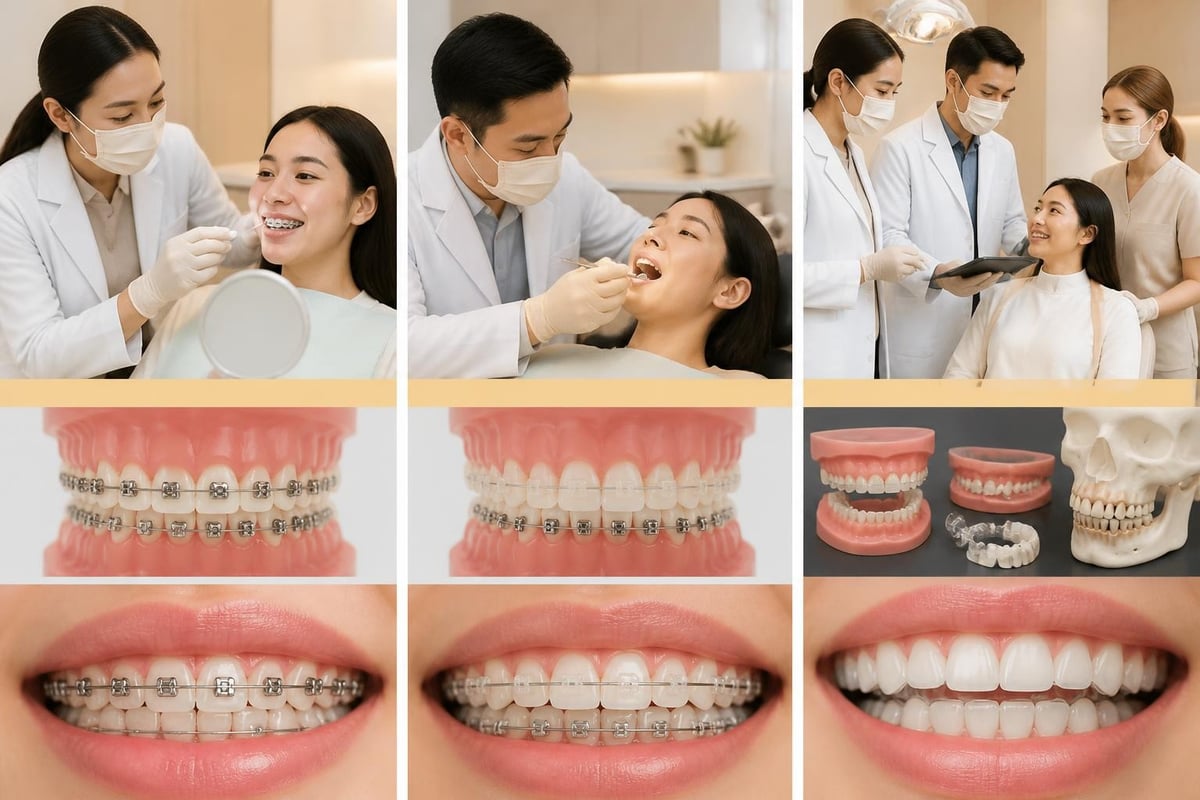
Types of Braces and Orthodontic Appliances
Braces and Clear Aligners: Which Option Is Right for You?
Orthodontic treatment can be provided using fixed braces or removable clear aligners. The right option depends on your alignment, bite, treatment goals, and clinical assessment.
Self-Ligating Braces
Self-ligating braces use brackets and wires to gradually move teeth and correct alignment and bite concerns. Because they are fixed to the teeth, they can be a dependable option for patients who need more comprehensive tooth movement.
At CuraSmile PH, self-ligating braces are designed for teens and adults with crowded, gapped, or crooked teeth, including patients who need more complex alignment or bite correction.
Clear Aligners
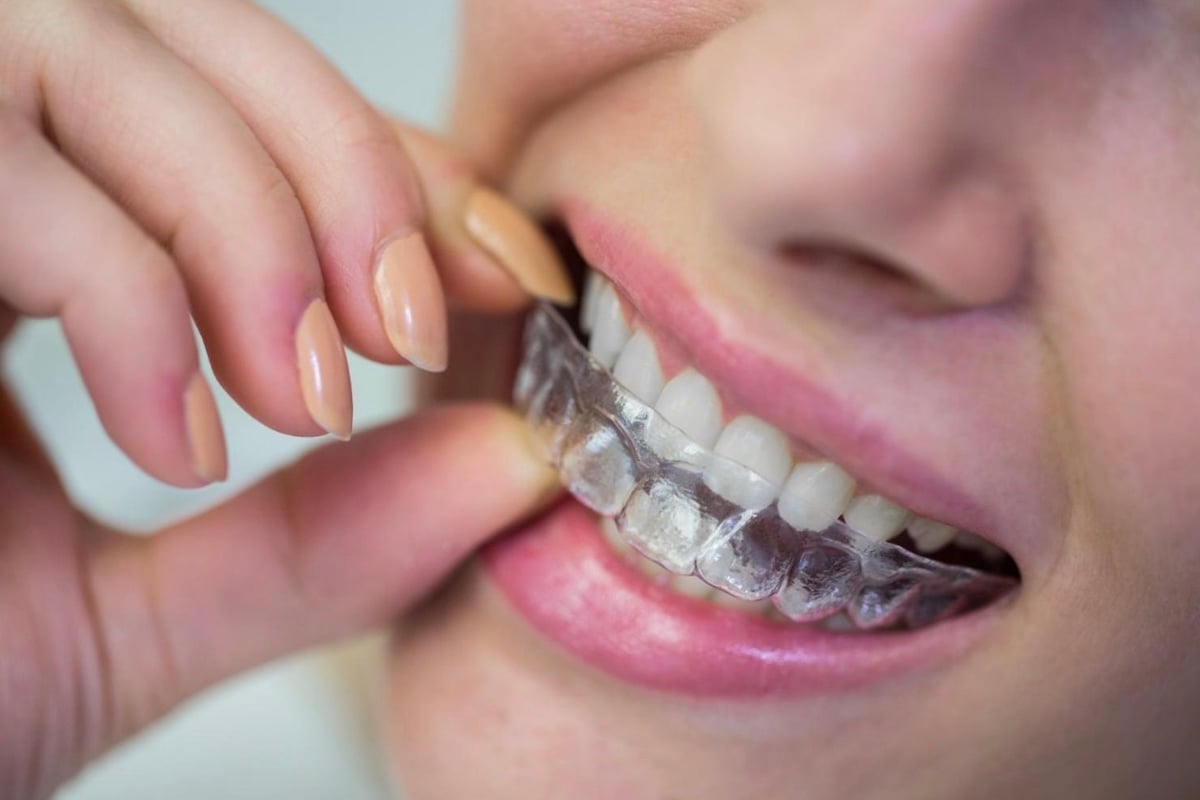
Clear aligners use a series of removable, transparent trays to gradually move teeth. They can be a discreet option for patients who prefer treatment without brackets and wires.
Clear aligners are removable for eating and cleaning, but they need to be worn consistently according to your treatment plan. They may also not be appropriate for every orthodontic case.
At CuraSmile PH, clear aligner treatment is digitally planned so patients can understand the stages of treatment and see how their smile is expected to progress.
Which One Is Right for You?
There is no single treatment that is right for everyone. An orthodontic consultation allows your dentist to assess your teeth and bite and recommend the option that fits your specific needs.
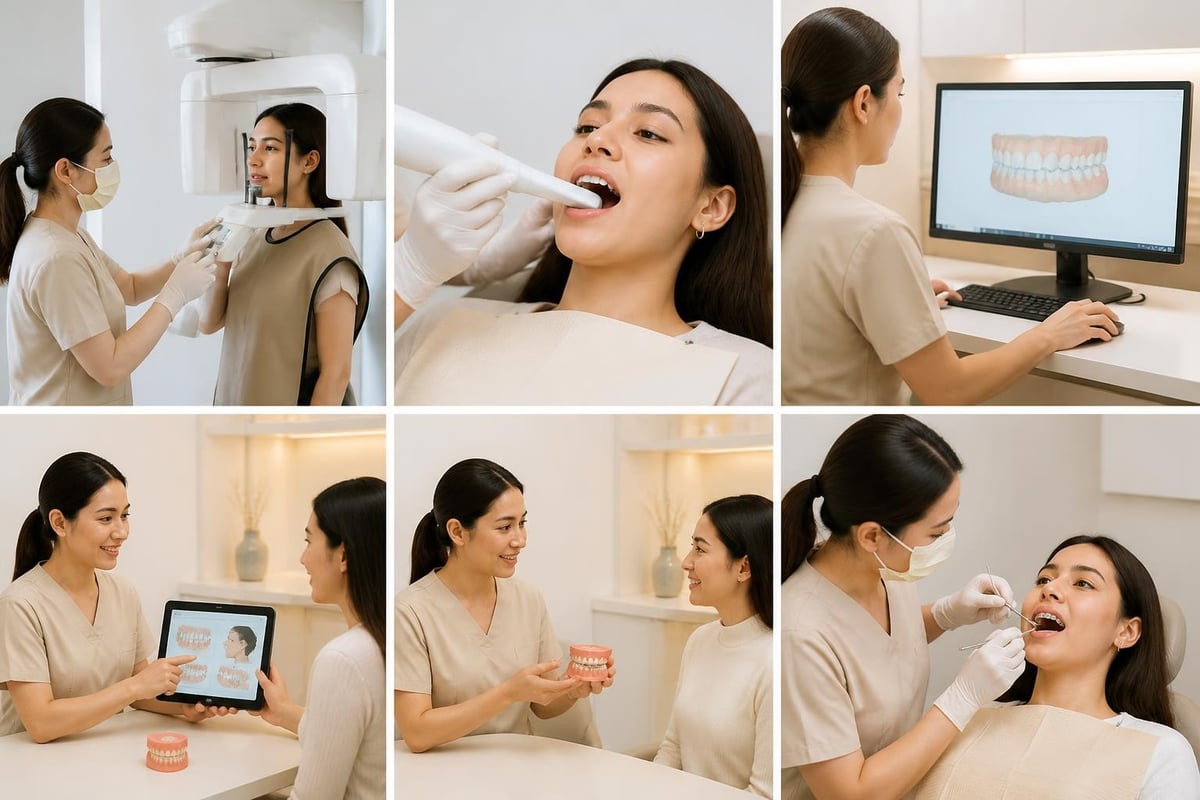
What Happens During an Orthodontic Consultation?
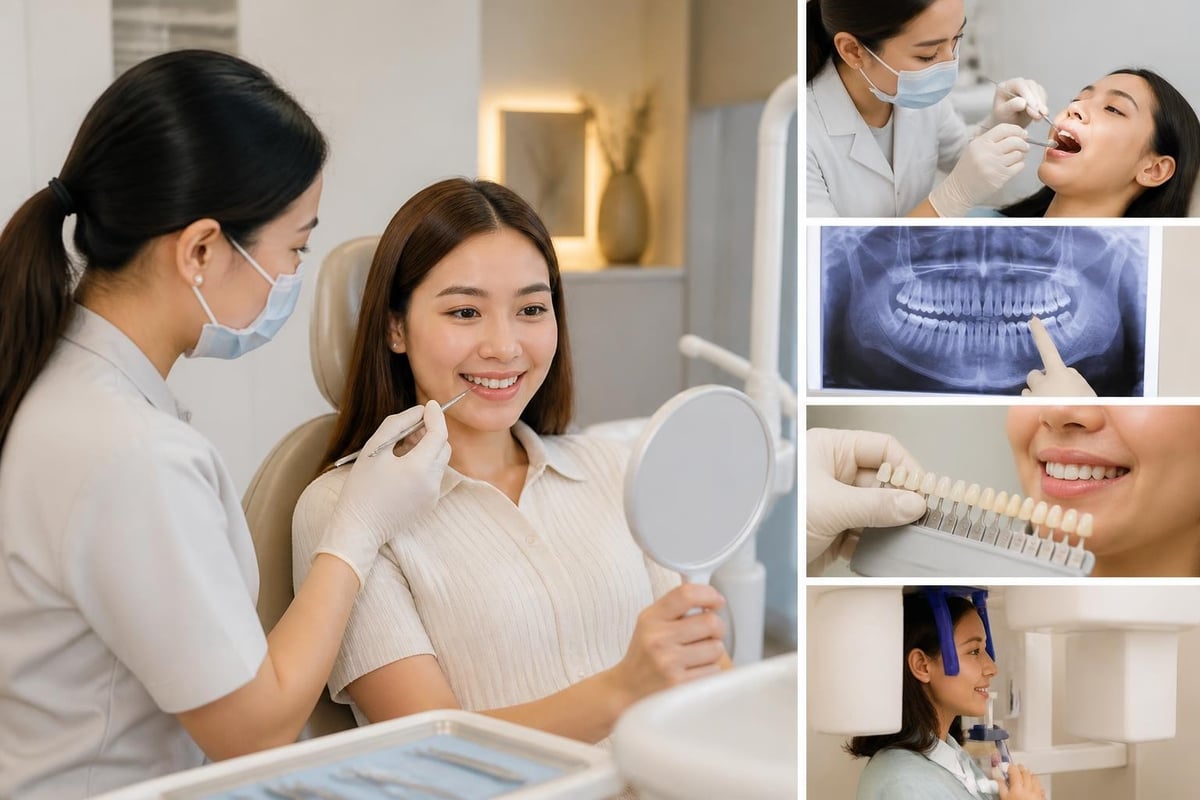
- Overbite: Upper front teeth overlap the lower teeth excessively.
- Underbite: Lower teeth extend in front of the upper teeth.
- Crossbite: Some upper teeth bite inside the lower teeth.
- Open bite: Some front teeth do not meet when the back teeth are together.
How Much Do Braces Cost in BGC?
Beyond Aesthetics: Functional Benefits of Orthodontics
Special Considerations for Adult Orthodontics
Braces aren't only for teenagers. Adults can also benefit from orthodontic treatment for crowding, spacing, crooked teeth and bite concerns.
For professionals who prefer a more discreet option, clear aligners may be considered depending on the case.
After Treatment: Retention and Long-Term Stability
Orthodontic treatment doesn't end when braces come off or you finish your last aligner. Retention is critical for maintaining results.
Why Retention Matters
Teeth have a natural tendency to shift back toward original positions after orthodontic movement. Retention devices hold teeth in their corrected positions while surrounding bone and soft tissues stabilize.
Types of Retainers
- Fixed retainers: Thin wires bonded to the back of front teeth, providing permanent retention
- Removable retainers: Clear plastic or wire appliances worn according to schedule
- Combination approach: Fixed retainer on lower front teeth with removable retainer for upper teeth
What Happens After Braces?
Your first step doesn't have to be deciding between braces and clear aligners. Start with an orthodontic consultation at CuraSmile PH, where your teeth, bite and treatment goals can be assessed before a treatment plan is recommended.