Cura Smiles: What They Are & How to Achieve Yours
Discover what cura smiles represent in modern dentistry and how comprehensive dental care creates healthier, more confident smiles in 2026.
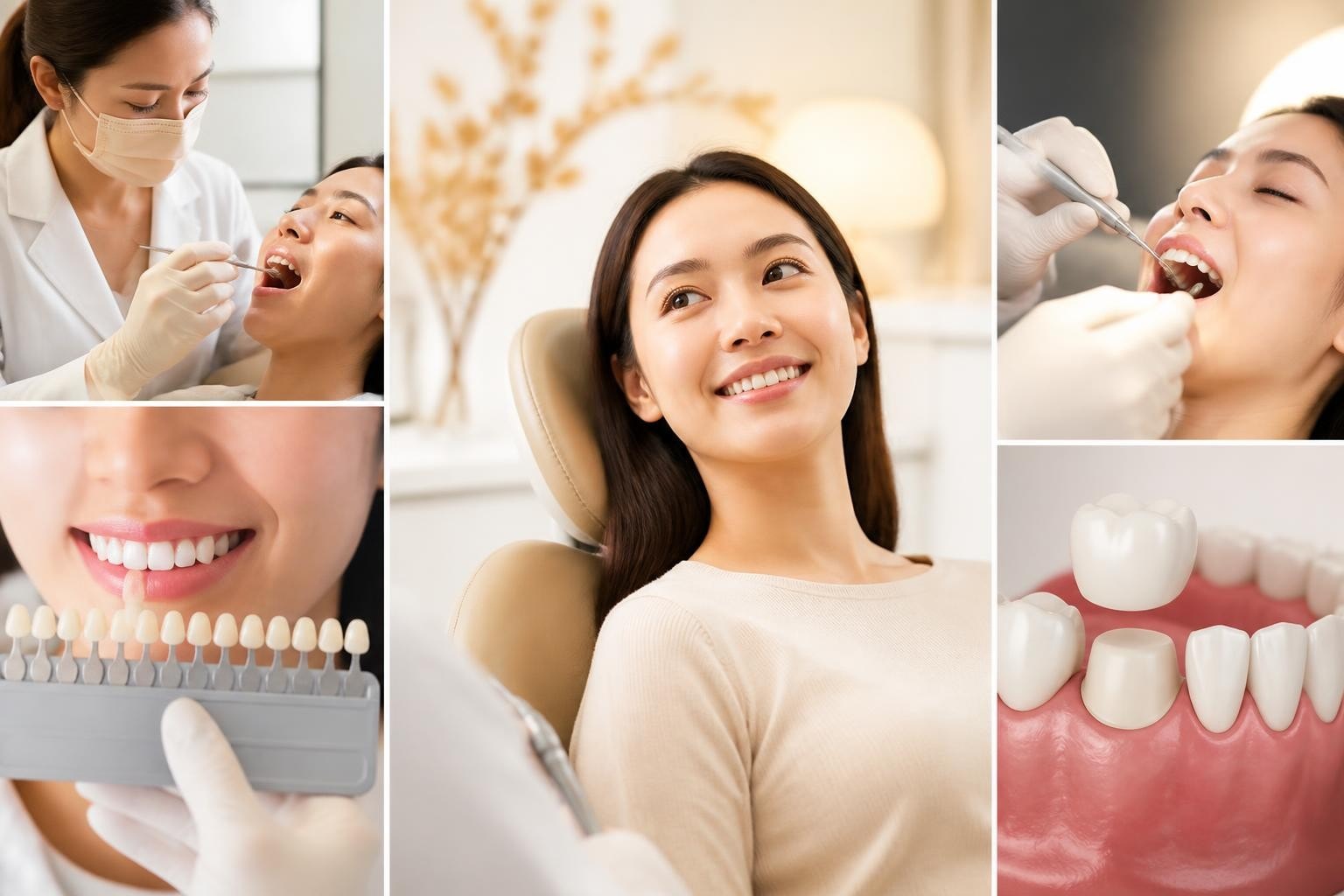
The term "cura smiles" has become increasingly meaningful in modern dentistry, representing a philosophy that extends beyond simple dental procedures. At its core, cura smiles embody the idea that achieving a confident, healthy smile requires comprehensive care that addresses prevention, function, aesthetics, and long-term dental wellness. This approach recognizes that every patient's smile journey is unique, shaped by their dental history, current concerns, aesthetic goals, and overall health.
Understanding the Cura Smiles Philosophy
The concept of cura smiles centers on comprehensive, patient-focused dental care. Rather than treating isolated dental issues as they arise, this approach considers how different aspects of oral health interconnect and influence overall wellbeing.
A true cura smiles approach examines multiple dimensions of dental health simultaneously. These include:
- Functional health: How teeth, jaw joints, and muscles work together
- Preventive care: Protecting teeth and gums from disease before problems develop
- Aesthetic considerations: Creating natural-looking results that enhance confidence
- Long-term planning: Designing treatment strategies that maintain results over time
- Personalized assessment: Recognizing each patient's unique dental anatomy and goals
This comprehensive perspective differs significantly from traditional reactive dental care, where patients typically visit only when pain or obvious problems appear. Instead, cura smiles represent proactive dental wellness integrated with advanced treatment options when needed.
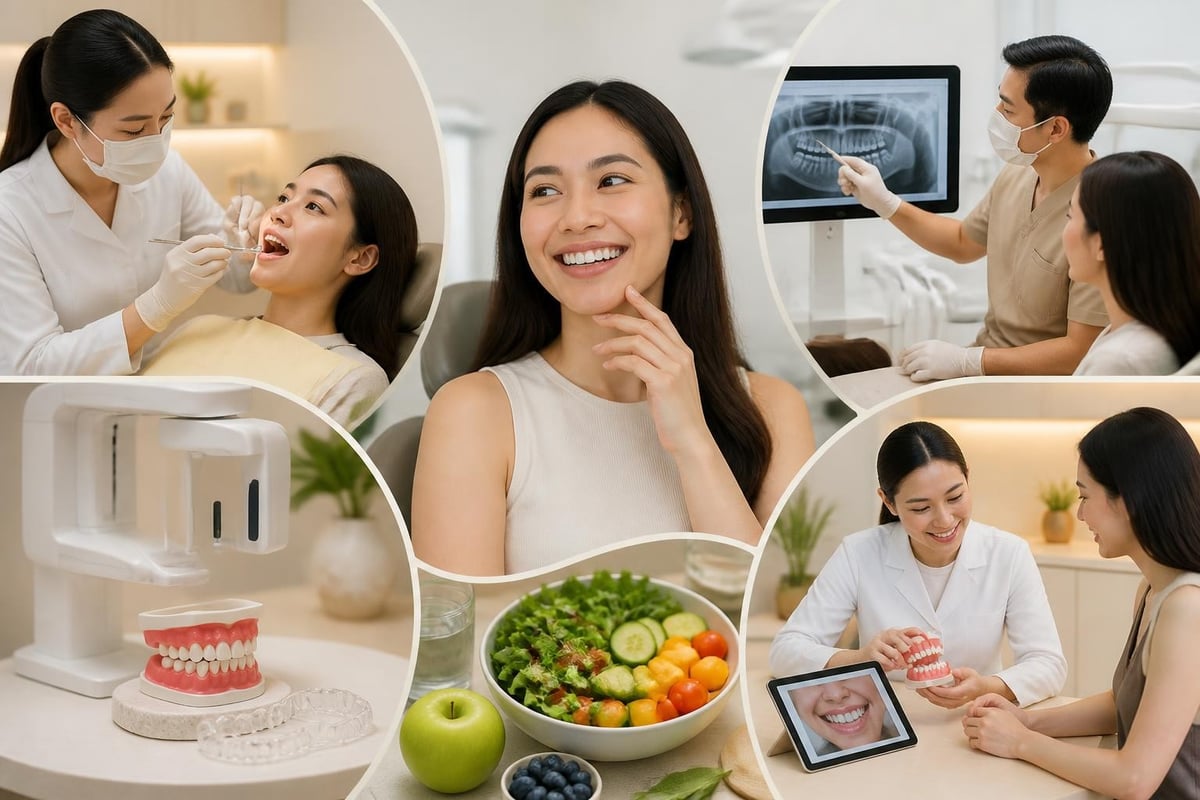
The Role of Advanced Technology
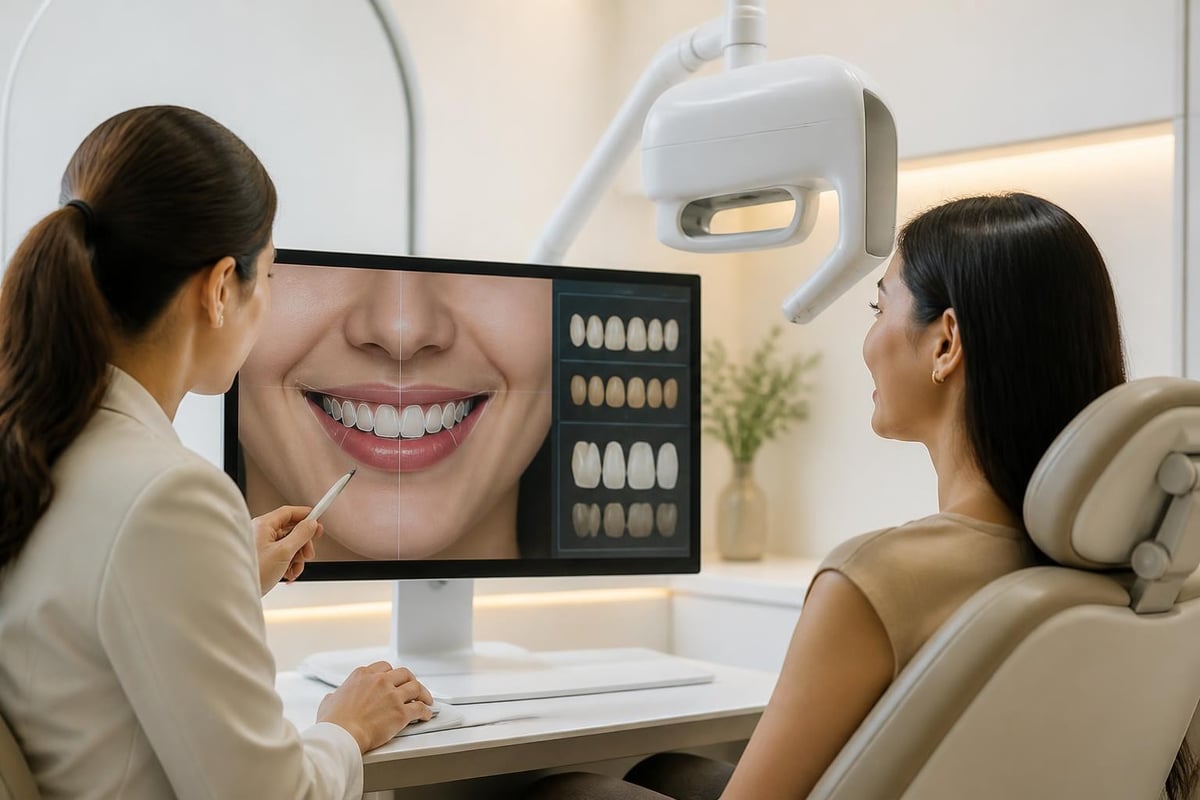
Modern cura smiles benefit substantially from technological advances in dentistry. Digital imaging, computer-aided smile design, intraoral scanning, and precision treatment planning tools allow dental professionals to visualize outcomes before beginning treatment.
These technologies enable more accurate diagnoses, better treatment planning, and more predictable results. Patients can see simulations of their potential smile transformations, making it easier to communicate aesthetic preferences and set realistic expectations.
Components of Comprehensive Smile Care
Achieving cura smiles requires attention to several interconnected areas of dental health. Each component plays a vital role in creating and maintaining a confident, functional smile.
Preventive Foundation
Prevention forms the cornerstone of any lasting smile transformation. Regular professional cleanings, comprehensive examinations, periodontal assessments, and early intervention help maintain the foundation necessary for aesthetic improvements.
Without healthy gums and properly maintained teeth, even the most beautiful cosmetic work cannot achieve optimal results. Preventive care protects investments in smile enhancement while preventing conditions that compromise oral health.
| Preventive Element | Purpose | Frequency |
|---|---|---|
| Professional cleanings | Remove plaque, tartar, staining | Every 6 months typically |
| Comprehensive exams | Detect early signs of decay, disease | Annually or as recommended |
| Periodontal assessment | Monitor gum health, bone levels | Based on individual risk factors |
| Oral cancer screening | Identify concerning tissue changes | During routine examinations |
Functional Harmony
Cura smiles must function properly, not just look attractive. Bite alignment, jaw joint health, and muscle balance all contribute to comfortable, sustainable dental function.
Patients experiencing jaw pain, clicking sounds, headaches, or difficulty chewing may have underlying functional issues that need addressing. TMJ and orofacial pain management can resolve these concerns, creating the stable foundation necessary for comprehensive smile improvement.
Proper function also influences longevity of dental work. Crowns, veneers, and other restorations last longer when forces distribute evenly across properly aligned teeth.
Aesthetic Enhancement
The visible aspects of cura smiles often receive the most attention, and rightfully so. Smile aesthetics significantly impact confidence, social interactions, and professional opportunities.
Modern cosmetic dentistry offers multiple pathways to aesthetic improvement:
- Teeth whitening for removing staining and brightening natural tooth color
- Porcelain veneers for reshaping, resizing, and perfecting visible teeth
- Dental crowns for restoring damaged teeth while improving appearance
- Smile design for comprehensive aesthetic planning
- Gum contouring when gum levels affect smile balance
The key to natural-looking results lies in personalized treatment planning that considers facial features, tooth proportions, skin tone, age, and individual preferences. Cookie-cutter approaches rarely achieve the harmonious results that characterize true cura smiles.
Addressing Common Smile Concerns
Many patients seeking cura smiles share similar concerns. Understanding how modern dentistry addresses these issues helps set realistic expectations and identify appropriate treatment approaches.
Tooth Discoloration and Staining
Tooth color concerns rank among the most common aesthetic complaints. Discoloration occurs through multiple mechanisms, including dietary staining, age-related changes, medications, and internal tooth structure variations.
Professional whitening treatments can address extrinsic staining effectively. However, some discoloration patterns respond better to porcelain veneers, which completely mask underlying tooth color while creating uniform shade and translucency.
Alignment and Spacing Issues
Crooked, crowded, or gapped teeth affect both aesthetics and function. Misaligned teeth are harder to clean, potentially increasing cavity and gum disease risk. They also create bite imbalances that may contribute to jaw problems over time.
Modern orthodontic options provide discreet, comfortable pathways to improved alignment. Clear aligners have become increasingly popular among adults seeking cura smiles without the visibility of traditional braces. These removable appliances gradually shift teeth into better positions using computer-planned force systems.
Treatment timelines vary based on complexity, but many alignment concerns can be addressed within 12 to 18 months. More complex cases may require longer treatment periods or alternative approaches.
Worn, Damaged, or Missing Teeth
Years of function, grinding habits, acidic diets, or trauma can wear down tooth structure. This wear affects both appearance and function, potentially changing facial proportions and bite relationships.
Restoring worn or damaged teeth requires careful planning to reestablish proper dimensions, bite relationships, and aesthetics simultaneously. Crowns, veneers, and sometimes orthodontic treatment work together to rebuild compromised smiles comprehensively.
Missing teeth present additional challenges. Gaps affect chewing efficiency, speech clarity, and facial support. They also allow remaining teeth to shift position over time, creating progressive alignment problems.
The Assessment Process for Cura Smiles
Achieving optimal results begins with thorough assessment. Comprehensive evaluation identifies all factors influencing smile health and aesthetics, enabling personalized treatment planning.
Clinical Examination Components
A complete smile assessment examines multiple aspects of oral health:
- Soft tissue evaluation: Checking gums, tongue, cheeks, and other oral structures for health and disease signs
- Tooth assessment: Examining existing restorations, decay, cracks, wear patterns, and structural integrity
- Periodontal screening: Measuring gum pocket depths, checking for inflammation and bone loss
- Bite analysis: Evaluating how teeth contact during closure and movement
- TMJ examination: Assessing jaw joint sounds, comfort, and range of motion
- Aesthetic analysis: Reviewing tooth color, shape, alignment, and smile proportions
Diagnostic Imaging
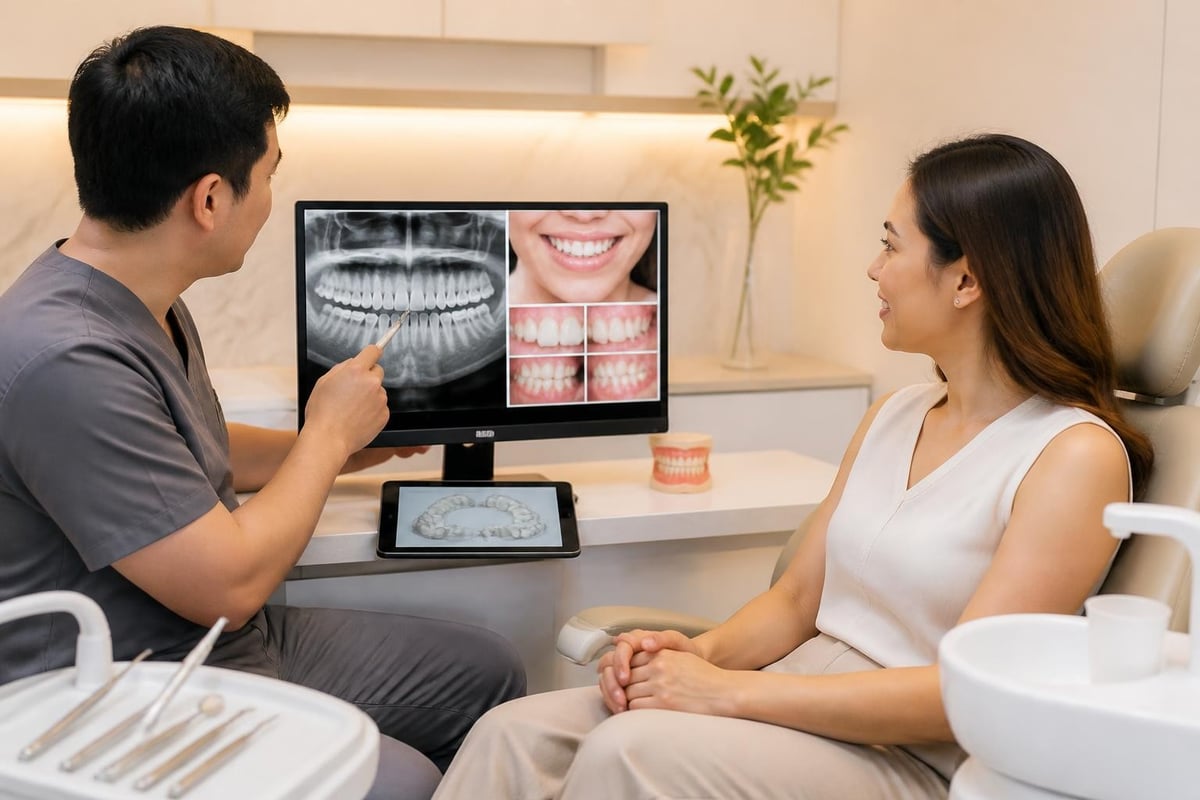
Modern imaging technologies provide detailed information not visible during clinical examination. Digital X-rays reveal decay between teeth, bone levels supporting tooth roots, and developing problems beneath existing restorations.
Three-dimensional imaging helps visualize jaw joint anatomy, sinus locations, nerve pathways, and bone density when planning complex treatments like implants or full mouth reconstruction.
Intraoral photographs document current conditions and track changes over time. They also facilitate communication between patients and dental teams during treatment planning.
Personal Goals and Preferences
Clinical findings represent only part of comprehensive assessment. Understanding what patients hope to achieve, which concerns bother them most, and what treatment experiences they prefer ensures personalized care aligned with individual values.
Some patients prioritize conservative approaches that preserve maximum natural tooth structure. Others seek dramatic transformations and accept more extensive treatment to achieve specific aesthetic goals. Neither approach is inherently superior; the best path depends on individual circumstances and priorities.
Creating Lasting Results
Achieving cura smiles represents a significant milestone, but maintaining those results requires ongoing commitment. Several factors influence long-term success.
Home Care Excellence
Daily oral hygiene forms the foundation of lasting dental health. Even the highest quality dental work fails prematurely without proper home care. Effective brushing removes bacterial plaque from tooth surfaces, while flossing cleans between teeth where brushes cannot reach.
Techniques matter as much as frequency. Brushing too aggressively damages gum tissue and wears enamel. Inadequate brushing leaves plaque that hardens into tartar, leading to inflammation and decay.
Professional Maintenance
Regular professional care complements home hygiene. Dental hygienists remove calculus buildup that home care cannot eliminate. They also monitor gum health, check existing restorations, and identify developing concerns before they become serious problems.
Maintenance visit frequency depends on individual risk factors. Patients with history of gum disease, high cavity rates, or complex restorative work may benefit from more frequent visits than those with stable oral health.
Lifestyle Considerations
Certain habits and behaviors affect dental health significantly. Smoking increases gum disease and oral cancer risk while staining teeth. Acidic beverages erode enamel over time. Grinding or clenching teeth creates excessive wear and may damage restorations.
Addressing these factors protects dental investments and maintains the results achieved through comprehensive care. Sometimes simple modifications, like using straws for acidic drinks or wearing night guards for grinding, make substantial differences in long-term outcomes.
When to Seek Comprehensive Smile Care
Many people postpone dental visits until pain forces action. While emergency care addresses acute problems, it rarely represents the ideal starting point for achieving cura smiles.
Earlier intervention typically offers more conservative, less expensive, and more predictable solutions. Small cavities require simple fillings. Extensive decay may need crowns or root canal therapy. Advanced cases sometimes require extraction and replacement.
| Warning Sign | Possible Implication | Recommended Action |
|---|---|---|
| Persistent bad breath | Gum disease, decay, or other conditions | Comprehensive examination and fresh breath assessment |
| Bleeding gums | Gingivitis or periodontitis | Periodontal evaluation and appropriate treatment |
| Tooth sensitivity | Enamel erosion, decay, or gum recession | Clinical examination to identify cause |
| Jaw pain or clicking | TMJ disorder or bite imbalance | Functional assessment and treatment planning |
| Dissatisfaction with smile appearance | Various aesthetic concerns | Comprehensive smile evaluation and design consultation |
Additionally, life changes often prompt smile improvement. Career transitions, upcoming weddings, milestone birthdays, or simply deciding to prioritize self-care all represent appropriate times to pursue comprehensive dental assessment.
The CuraSmile PH Approach
At CuraSmile PH in Bonifacio Global City, the philosophy of comprehensive dental care guides every patient interaction. Rather than treating teeth in isolation, the practice considers how prevention, function, aesthetics, and maintenance interconnect to create lasting results.
Advanced diagnostic technology enables precise assessment and treatment planning. Digital smile design helps patients visualize potential outcomes before beginning treatment. Evidence-based protocols ensure recommendations align with current clinical research and best practices.
For patients concerned about appearance while addressing alignment issues, Clear Aligners & Orthodontics provides discreet treatment options. These systems use removable appliances custom-designed through digital planning to gradually improve tooth position, creating better function and aesthetics without metal brackets and wires.
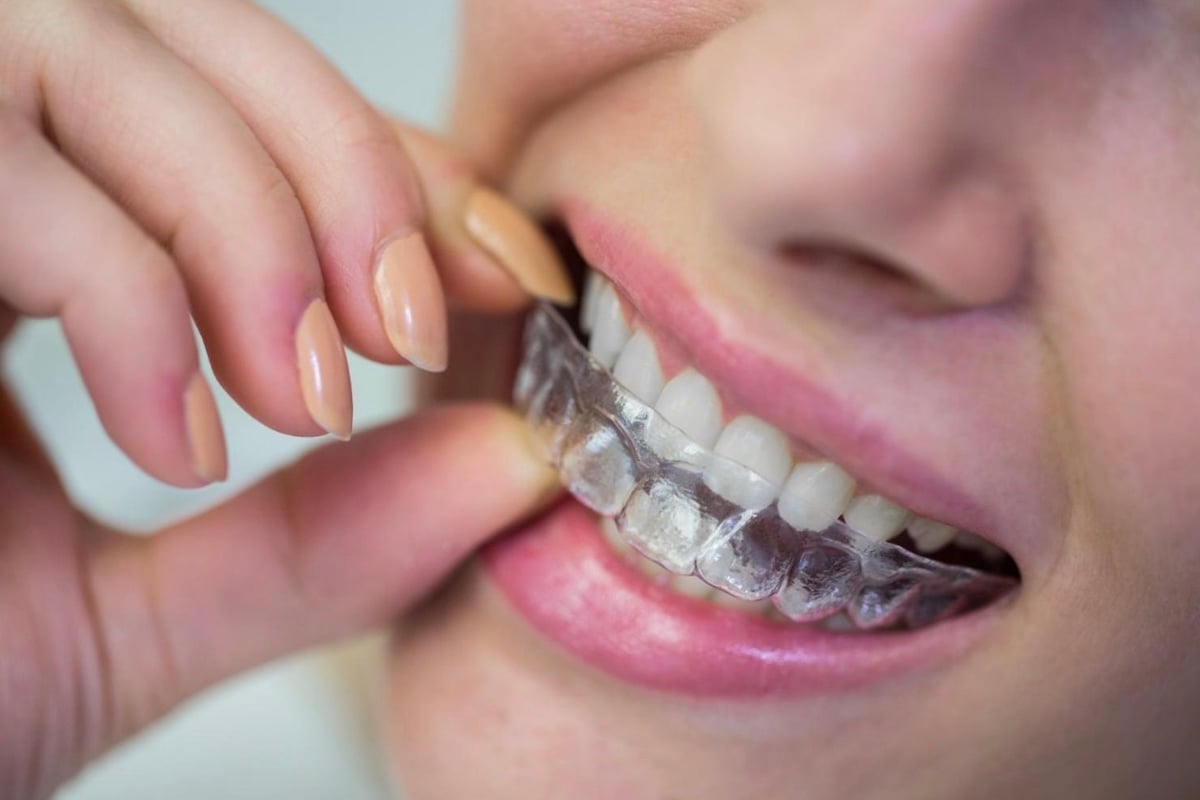
Each treatment plan reflects individual circumstances, goals, and preferences. Some patients need comprehensive transformation addressing multiple concerns simultaneously. Others benefit from targeted interventions that resolve specific issues. The approach adapts to the person, not the reverse.
Financial Considerations for Comprehensive Care
Cost concerns frequently influence dental decisions. Comprehensive care typically requires larger initial investment than isolated treatments, but this perspective deserves careful examination.
Addressing multiple issues simultaneously often proves more economical than sequential treatments spread over years. Combined procedures may reduce total appointments, laboratory fees, and anesthesia costs compared to separate treatments.
Additionally, preventive and early interventive care typically costs less than emergency treatment for advanced problems. Regular maintenance preserves existing dental work, extending its lifespan and delaying replacement needs.
Many practices offer flexible payment options, including:
- Treatment plan financing through healthcare credit companies
- In-house payment arrangements
- Insurance coordination to maximize benefits
- Phased treatment allowing costs to be distributed over time
Understanding total investment, expected longevity, and maintenance requirements helps patients make informed decisions aligned with their circumstances and priorities.
Moving Forward with Confidence
Deciding to pursue comprehensive smile care represents an important commitment to oral health and overall wellbeing. Understanding what the process involves, what results to expect, and how to maintain those outcomes helps patients approach treatment with realistic expectations and confidence.
Modern dentistry offers remarkable capabilities for improving smile health, function, and appearance. The combination of advanced materials, precision technologies, evidence-based techniques, and personalized planning creates opportunities for transformative results that were impossible just decades ago.
However, technology and techniques only achieve their potential when guided by thorough assessment, careful planning, and ongoing communication between patients and their dental teams. The most successful outcomes emerge from collaborative relationships built on trust, transparency, and shared commitment to excellence.
For anyone dissatisfied with their current smile, experiencing dental discomfort, or simply wanting to optimize oral health, professional assessment represents the logical first step. Comprehensive evaluation identifies current conditions, potential concerns, and available options, enabling informed decisions about appropriate care.
The journey toward cura smiles looks different for every patient. Some require extensive reconstruction. Others benefit from conservative improvements. Many simply need better preventive care and maintenance of existing dental health. Regardless of starting point, the path forward becomes clearer through professional guidance and personalized planning.
Investing in comprehensive dental care yields benefits that extend far beyond aesthetics. Improved function enhances eating comfort and digestion. Better oral health reduces systemic disease risks. Enhanced confidence influences social interactions, professional opportunities, and overall quality of life. These combined benefits make comprehensive smile care one of the most valuable investments in personal health and wellbeing.
Achieving cura smiles requires comprehensive care that addresses prevention, function, and aesthetics through personalized planning and evidence-based treatment. Whether you're concerned about alignment, discoloration, worn teeth, jaw discomfort, or overall smile appearance, professional assessment identifies the most appropriate pathway forward. CuraSmile PH in Bonifacio Global City combines advanced dental technology with patient-centered care to help you achieve healthier teeth, improved function, and confident smiles that last.