Can Braces Fix an Overbite? What to Expect
Can braces fix an overbite? Explore how orthodontic treatment corrects overbites, treatment options, timelines, and what to expect from your care.
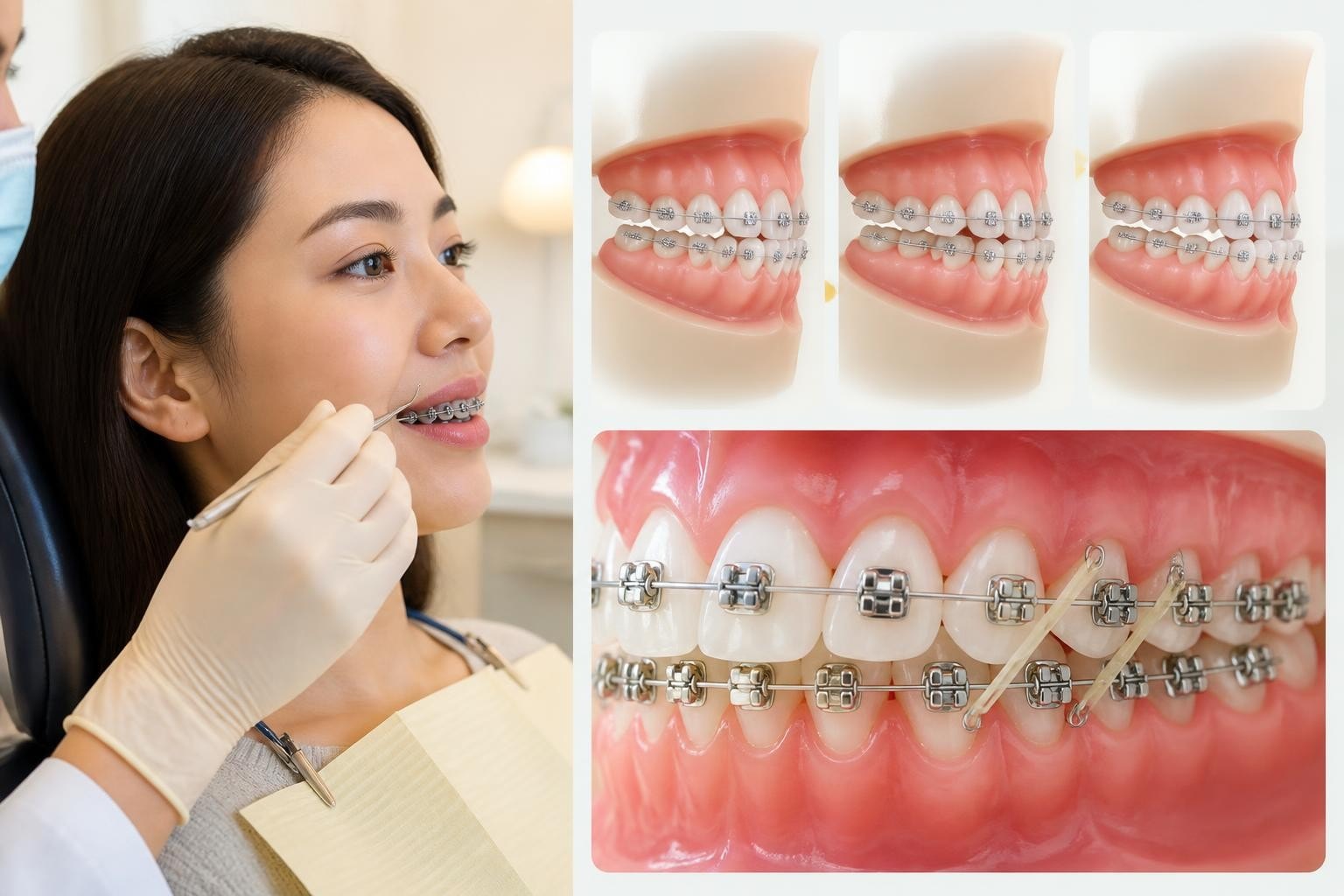
An overbite is one of the most common bite irregularities, affecting millions of people worldwide. When the upper front teeth overlap the lower front teeth excessively, it can impact not just smile aesthetics but also long-term oral health, jaw function, and even self-confidence. Many patients considering orthodontic care wonder: can braces fix an overbite? The short answer is yes, braces are highly effective for correcting most overbites. Understanding how they work, what treatment involves, and what outcomes you can realistically expect helps you make an informed decision about your care.
Understanding Overbites and Why They Matter
An overbite refers to the vertical overlap of the upper front teeth over the lower front teeth when biting. A small degree of overlap (around 2-3 mm) is normal and actually helps protect your teeth during chewing. An excessive overbite, however, is a malocclusion that can lead to functional and aesthetic concerns.
Types of Overbites
Overbites generally fall into two categories:
- Dental overbite: Caused primarily by tooth position and angulation. The teeth themselves are tipped or positioned in a way that creates excessive overlap.
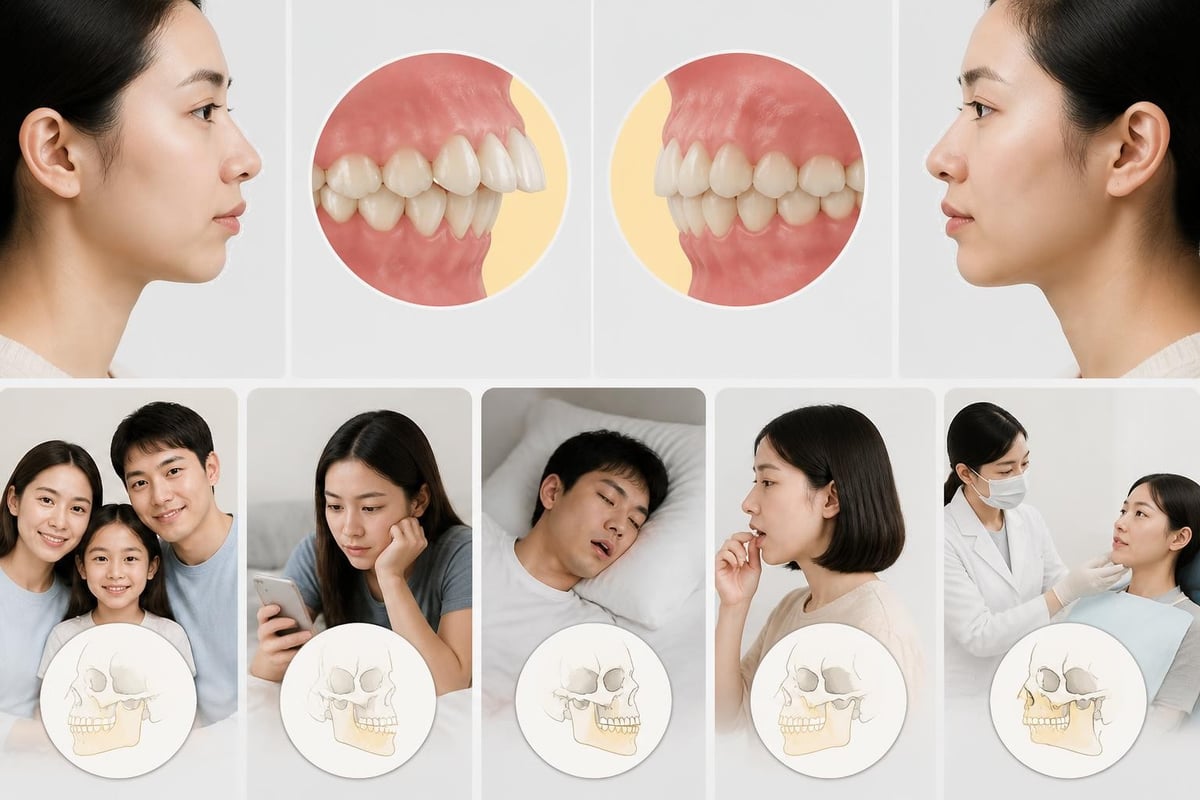
- Skeletal overbite: Results from the jaw relationship itself. The upper jaw may be positioned too far forward, the lower jaw too far back, or a combination of both skeletal patterns.
Understanding which type of overbite you have is essential because it directly influences treatment planning. A detailed orthodontic assessment, including clinical examination and diagnostic imaging, helps determine the underlying cause.
Why Overbites Develop
Several factors contribute to overbite development:
- Genetics: Jaw size, shape, and tooth positioning patterns often run in families.
- Childhood habits: Prolonged thumb sucking, pacifier use, or tongue thrusting can affect dental development.
- Missing teeth: Tooth loss without replacement can allow remaining teeth to shift.
- Jaw growth patterns: Uneven or disproportionate jaw growth during development affects bite alignment.
Health Implications of Untreated Overbites
While mild overbites may not cause significant problems, moderate to severe cases can lead to:
- Excessive wear on the front teeth or enamel erosion
- Increased risk of chipping or trauma to upper front teeth
- Gum tissue damage where lower teeth contact the palate
- Jaw joint discomfort or temporomandibular dysfunction
- Difficulty chewing certain foods efficiently
- Speech challenges in some cases
These functional concerns, combined with aesthetic considerations, make overbite correction a worthwhile investment in your oral health.
How Braces Correct Overbites
So, can braces fix an overbite effectively? Absolutely. Braces are one of the most reliable orthodontic treatments for overbite correction, with decades of clinical evidence supporting their effectiveness. The NHS provides clear guidance on orthodontic treatments including how braces address various bite problems over typical treatment periods.
The Mechanics of Overbite Correction
Braces work through controlled, gradual tooth movement using brackets, wires, and sometimes additional appliances:
Bracket placement: Small brackets are bonded to each tooth, serving as anchor points for the orthodontic wire.
Wire activation: The archwire connects the brackets and applies gentle, continuous pressure to move teeth into proper alignment.
Bite correction mechanics: Specific wire bends, elastic configurations, and sometimes bite ramps or turbos help reduce the overbite by:
- Intruding (moving upward) the upper front teeth
- Extruding (moving downward) the back teeth
- Tipping or repositioning the front teeth to reduce overlap
Additional Appliances for Overbite Treatment
Depending on your specific case, your orthodontist may incorporate:
| Appliance | Purpose | Common Use Cases |
|---|---|---|
| Elastics (rubber bands) | Guide jaw relationship and tooth movement | Moderate to severe overbites |
| Bite turbos/ramps | Prevent back teeth contact temporarily | Opening the bite for correction |
| Temporary anchorage devices (TADs) | Provide fixed anchor points for specific movements | Complex cases requiring precise control |
| Headgear (rarely) | Modify jaw growth in younger patients | Severe skeletal discrepancies |
At CuraSmile PH in BGC, our orthodontic assessments incorporate digital treatment planning to map out the specific mechanics needed for your overbite correction, ensuring predictable, efficient results.
Treatment Timeline and What to Expect
Understanding the treatment journey helps set realistic expectations. While individual cases vary, certain patterns are consistent across overbite correction.
Typical Treatment Duration
- Mild overbites: 12-18 months
- Moderate overbites: 18-24 months
- Severe overbites: 24-36 months or longer
These timelines assume good patient compliance with wearing elastics, maintaining oral hygiene, and attending adjustment appointments. Treatment length depends on the severity of the overbite, your age, the complexity of tooth movements required, and your body's biological response to orthodontic forces.
The Treatment Process
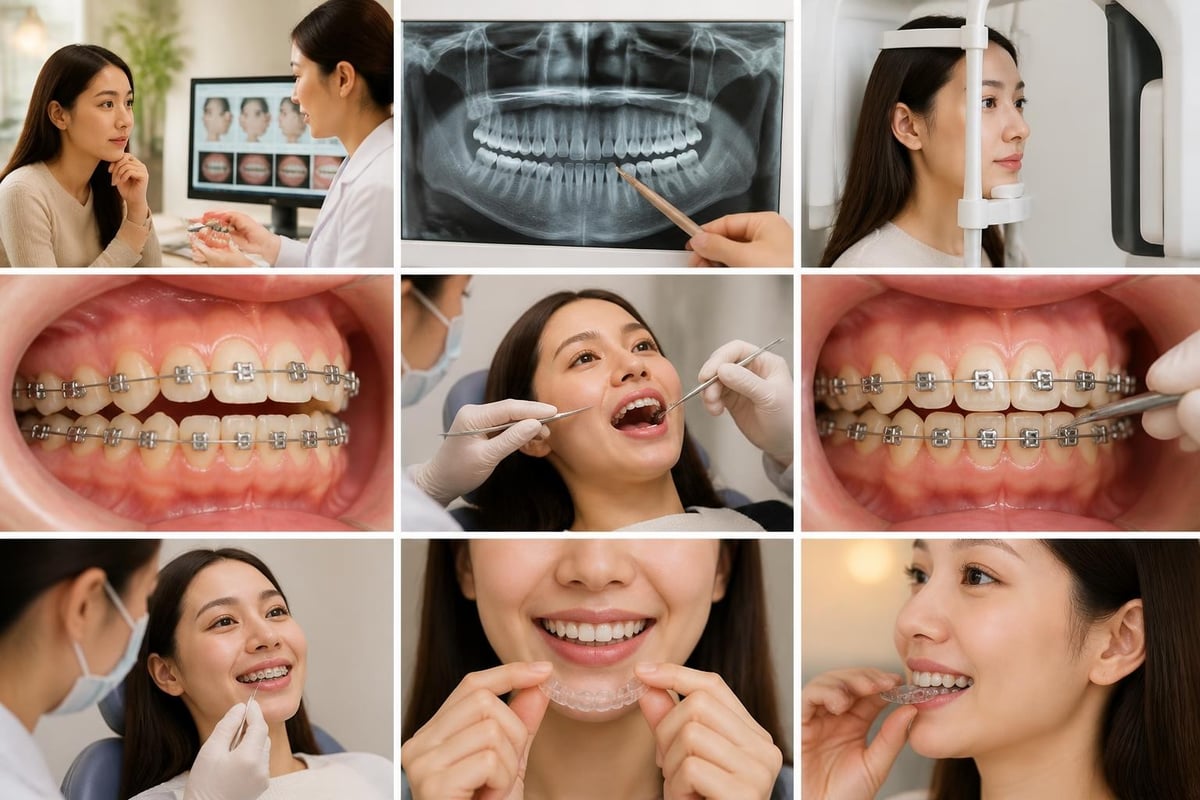
Initial consultation and records: Your orthodontist examines your bite, takes photographs, X-rays, and possibly digital scans or impressions. This comprehensive assessment determines whether can braces fix an overbite in your specific case and what approach will be most effective.
Treatment planning: Your orthodontist designs a customized treatment plan, discussing the mechanics, timeline, and what you'll need to do (such as wearing elastics) for successful correction.
Braces placement: Brackets are bonded to your teeth and the initial wire is placed. You'll receive instructions on oral hygiene, dietary modifications, and what to expect.
Adjustment appointments: Every 4-8 weeks, you'll visit for wire changes, adjustments, and progress monitoring. These appointments allow your orthodontist to progress through the planned tooth movements systematically.
Retention phase: After braces are removed, retainers maintain your corrected bite and prevent relapse. Retention is a lifelong commitment to preserving your results.
Age Considerations
Can braces fix an overbite at any age? Generally, yes, though timing affects the approach:
Children and teens: Growing patients offer more treatment flexibility. In some cases, two-phase treatment addresses skeletal issues during growth, then refines tooth alignment later.
Adults: Orthodontic treatment works at any age, but skeletal changes aren't possible. Very severe skeletal overbites in adults may require orthodontics combined with jaw surgery for optimal results.
Braces vs. Other Overbite Treatment Options
While traditional braces remain the gold standard for comprehensive overbite correction, other options exist. Understanding the differences helps you choose the right approach.
Traditional Metal Braces
Advantages:
- Most versatile for all types and severities of overbites
- Precise control over complex tooth movements
- No compliance issues (fixed appliance)
- Generally most cost-effective option
Considerations:
- Most visible orthodontic option
- Requires dietary modifications
- Oral hygiene requires extra attention
Clear Braces (Ceramic Braces)
Clear or ceramic braces function identically to metal braces but use tooth-colored or clear brackets for improved aesthetics. They're equally effective for overbite correction while being less noticeable.
Clear Aligners
Clear aligners and orthodontic approaches have evolved significantly. Research published in recent systematic reviews on clear aligner effectiveness for bite problems shows that aligners can successfully treat many overbite cases, particularly those primarily involving tooth positioning rather than significant skeletal discrepancies.
When aligners work well for overbites:
- Mild to moderate dental overbites
- Primarily tooth-position related (not skeletal)
- Patients with excellent compliance
When traditional braces may be preferable:
- Severe overbites
- Skeletal components requiring jaw repositioning
- Complex tooth movements
- Patients who may struggle with aligner compliance
Your orthodontist can assess whether can braces fix an overbite more predictably than aligners in your specific situation. Many practices, including orthodontic specialists in BGC, offer both options and can explain which is optimal for your case.

Surgical Orthodontics
For severe skeletal overbites (especially in adults whose growth is complete), combining orthodontics with orthognathic (jaw) surgery may be necessary. The orthodontist aligns the teeth in preparation for surgery, then the oral surgeon repositions the jaws to correct the skeletal relationship. Post-surgical orthodontics refines the final result.
Factors That Influence Treatment Success
Several factors determine how effectively braces can correct your overbite:
Biological Response
Each person's biological response to orthodontic forces varies. Some patients' teeth move quickly, while others require more time. Your orthodontist monitors progress and adjusts the treatment plan as needed.
Patient Compliance
Success depends significantly on following instructions:
- Wearing elastics as prescribed: Elastics are critical for bite correction and must be worn consistently (usually 22+ hours daily)
- Maintaining excellent oral hygiene: Poor hygiene can lead to treatment delays or complications
- Avoiding prohibited foods: Hard, sticky foods can damage brackets and extend treatment time
- Attending scheduled appointments: Missing adjustments delays progress
Treatment Planning Accuracy
Comprehensive initial assessment and precise treatment planning set the foundation. Digital treatment planning, available at advanced dental clinics in BGC, helps orthodontists visualize and plan tooth movements with greater accuracy.
Retention Compliance
The retention phase is just as important as active treatment. Research consistently shows that teeth have a lifelong tendency to shift. Wearing retainers as prescribed prevents relapse and maintains your corrected bite.
Cost Considerations and Coverage
Orthodontic treatment represents a significant investment. Understanding costs and potential coverage helps with planning.
Typical Investment Range
Overbite correction with braces generally ranges from ₱80,000 to ₱200,000 or more in the Philippines, depending on:
- Case complexity and severity
- Treatment duration
- Type of braces (metal, clear, lingual)
- Geographic location and provider expertise
- What's included (retainers, emergency visits, etc.)
Insurance and Medical Necessity
The American Association of Orthodontists discusses medical necessity criteria that some insurers use to determine coverage. While coverage varies widely, some plans provide partial orthodontic benefits, especially when treatment addresses functional problems beyond cosmetic concerns.
Payment Options
Many orthodontic practices offer:
- Initial payment with monthly installments
- Third-party financing
- Family discounts for multiple patients
- Flexible payment arrangements
Discuss financial options during your consultation to find an approach that fits your budget.
Life with Braces: Practical Considerations
Understanding day-to-day life with braces helps you prepare for treatment.
Oral Hygiene Essentials
Maintaining excellent hygiene prevents cavities, gum problems, and white spot lesions:
- Brush after every meal using a soft-bristled brush and fluoride toothpaste
- Use interdental brushes or floss threaders to clean between brackets
- Rinse with fluoride mouthwash daily
- Consider a water flosser for easier cleaning around brackets
Regular professional cleanings every 3-6 months complement your home care. Preventive dental care in BGC helps ensure your teeth and gums stay healthy throughout orthodontic treatment.
Dietary Modifications
Certain foods can damage brackets or wires:
Avoid:
- Hard foods (ice, hard candy, nuts)
- Sticky foods (caramel, gummy candy, taffy)
- Foods that require biting with front teeth (whole apples, corn on the cob)
Modify:
- Cut foods into smaller pieces
- Remove meat from bones
- Soften crunchy vegetables by steaming
Managing Discomfort
Mild soreness after adjustments is normal and typically lasts 2-3 days. Over-the-counter pain relievers, orthodontic wax for bracket irritation, and soft foods help manage discomfort during these periods.
Long-Term Benefits of Overbite Correction
Correcting an overbite delivers benefits that extend well beyond aesthetics:
Functional Improvements
- More efficient chewing and better digestion
- Reduced risk of dental trauma and tooth wear
- Improved speech clarity in some cases
- Decreased jaw joint stress and muscle tension
- Better long-term tooth and gum health
Aesthetic Enhancements
- Improved facial profile and smile aesthetics
- Better tooth proportions and positioning
- Enhanced self-confidence and smile satisfaction
Preventive Health Benefits
Proper bite alignment often reduces the risk of future dental problems, potentially decreasing lifetime dental costs and preserving your natural teeth longer.
When to Seek an Orthodontic Evaluation
Can braces fix an overbite at any point in your life? While treatment is possible at nearly any age, timing matters:
Recommended Evaluation Age
The American Association of Orthodontists recommends that children receive their first orthodontic evaluation by age 7. This allows the orthodontist to:
- Monitor jaw growth and development
- Identify developing bite problems early
- Determine optimal treatment timing
- Intervene early if needed to guide growth
Signs You or Your Child May Need Evaluation
- Significant overlap of upper front teeth over lower front teeth
- Difficulty biting or chewing certain foods
- Upper teeth contacting the gums behind lower front teeth
- Excessive wear on front teeth
- Jaw discomfort or clicking
- Concerns about smile appearance
Early evaluation doesn't always mean immediate treatment, but it provides valuable information about current and future needs.
Evidence-Based Orthodontic Care
Modern orthodontic treatment is grounded in extensive research. Systematic reviews evaluating orthodontic treatments for bite problems provide high-quality evidence supporting the effectiveness of braces for correcting various malocclusions, including overbites.
Current orthodontic care incorporates:
- Digital treatment planning and visualization
- Evidence-based protocols for specific movement types
- Patient-centered approaches that balance efficiency with comfort
- Retention strategies based on long-term stability research
At CuraSmile PH, our orthodontic treatment approach combines clinical evidence with personalized care, ensuring that your treatment plan is both effective and tailored to your unique needs and goals.
Making Your Decision
Choosing to correct an overbite with braces is a significant decision that deserves careful consideration. Here's how to approach it:
Questions to Ask During Consultation
- What type of overbite do I have (dental vs. skeletal)?
- What are all my treatment options for my specific case?
- What is the estimated treatment timeline?
- What will I need to do (elastics, hygiene, dietary changes)?
- What are the potential risks or limitations?
- What are the long-term stability expectations?
- What are the total costs and payment options?
Choosing Your Orthodontic Provider
Look for:
- Specialized orthodontic training and credentials
- Experience with cases similar to yours
- Clear communication and willingness to answer questions
- Comprehensive assessment with diagnostic records
- Modern technology and evidence-based approaches
- Transparent discussion of costs and treatment expectations
Can braces fix an overbite? In the vast majority of cases, yes, braces are highly effective for correcting overbites of varying severities, improving both function and aesthetics through systematic, evidence-based orthodontic care. If you're concerned about an overbite and wondering whether orthodontic treatment is right for you, CuraSmile PH in Bonifacio Global City offers comprehensive orthodontic evaluations using advanced diagnostic technology and personalized treatment planning. Our experienced team can assess your specific bite relationship, explain your options, and develop a customized treatment approach designed around your dental health goals and lifestyle.